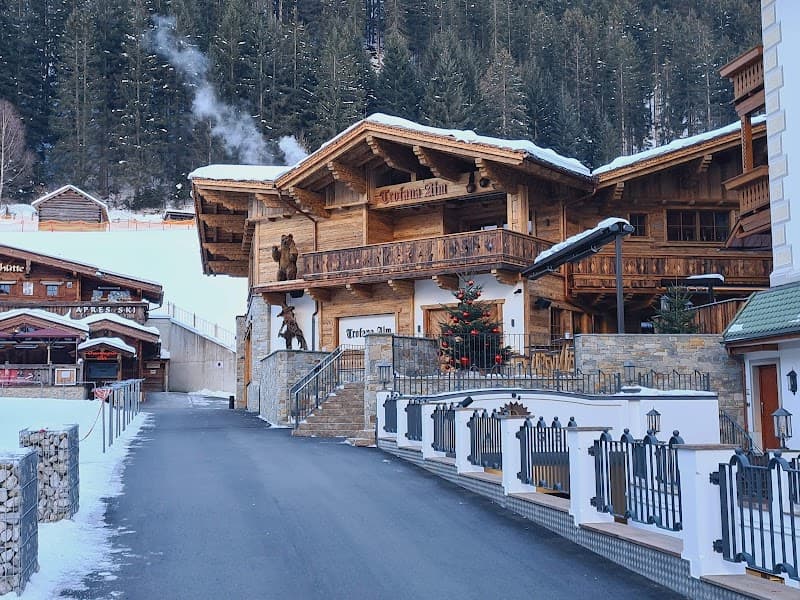
Ischgl in January
Great time to visit
Peak winter magic with perfect powder and buzzing après-ski energy. Expensive and crowded, but this is Ischgl at its absolute best for skiing.
Weather
January brings Ischgl's coldest temperatures with heavy snowfall and crisp, dry air. Expect frequent powder dumps and temperatures that rarely climb above freezing. The altitude means sunshine can feel surprisingly warm despite sub-zero readings.
-2°C high-10°C low2 rain days
Crowds & Cost
peak crowds
~$280/day average
Events & Festivals
- •Top of the Mountain Concert (late January)
- •World Cup Ski Racing events
January Tips
- •Book accommodation 6+ months ahead - January is peak ski season
- •Bring proper winter gear including face protection for wind
- •Reserve restaurant tables early as the best spots fill up fast
All Months
December through March delivers Ischgl at its peak. The Silvretta Arena typically opens by late November and runs until early May, but January and February guarantee the best snow conditions and the wildest après-ski energy.
Here's the thing about timing: Ischgl throws massive season-opening and closing concerts that draw thousands. The Top of the Mountain concerts in April and November feature headliners like Robbie Williams and Elton John performing free shows on the slopes. Book accommodation months ahead for these weekends.
March hits the sweet spot. Snow conditions stay excellent, but you get longer days and warmer après-ski terraces. Plus, lift lines shrink compared to the Christmas and New Year madness.
Avoid the first two weeks of January unless you love crowds. German and Austrian school holidays pack the slopes, and restaurant reservations become nearly impossible. But if you're here for the scene rather than the skiing, those crowds create an incredible energy.
Ischgl Scores
Solo
6/10
Couples
8/10
Families
7/10
Adventure
9/10
Budget
3/10
Luxury
9/10
BUILD YOUR ISCHGL PLAN
Insider picks, smart timing, and a plan ready when you are.