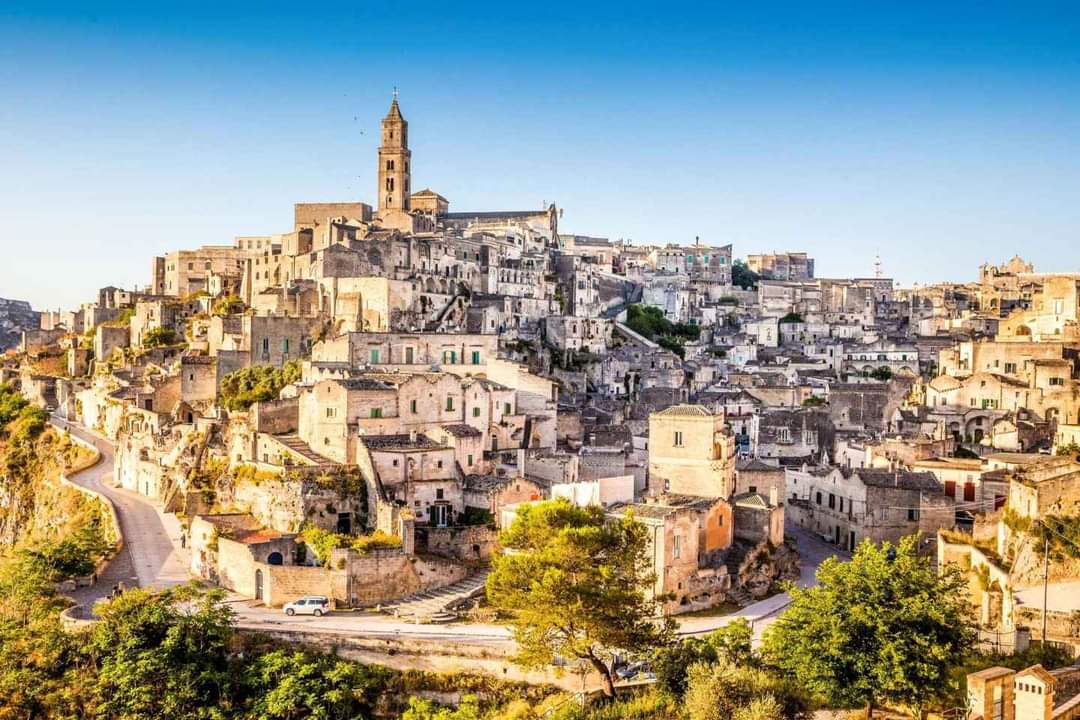
Matera in January
Not the best time
January strips Matera down to its essence - just you, the ancient stones, and winter's bite. It's atmospheric but challenging, with limited services and weather that demands respect for these millennia-old streets.
Weather
January brings cold, damp conditions to Matera's ancient stones. Temperatures hover around 10°C during the day but drop to near freezing at night, with occasional frost coating the sassi cave dwellings. Rain falls frequently, making the limestone streets slippery and treacherous.
10°C high2°C low8 rain days
Crowds & Cost
low crowds
~$65/day average
Events & Festivals
- •Epiphany celebrations
- •La Befana festival
January Tips
- •Pack waterproof boots with good grip for the slick stone streets
- •Many restaurants and attractions have reduced hours or close entirely
- •Book accommodations in advance as fewer cave hotels remain open
All Months
April through June offers the best weather — warm days, cool evenings, and wildflowers blooming across the Murgia plateau. September and October bring similar conditions with fewer crowds and golden light that photographers love.
Summer gets brutally hot. The limestone reflects heat, and those cave dwellings that keep you cool at night become ovens during midday. If you visit July-August, plan indoor activities during peak heat hours.
Winter sees occasional snow, which transforms the Sassi into something magical but limits outdoor exploration. Many restaurants and some cave hotels close January-February.
Easter week brings religious processions through the stone streets — atmospheric but crowded. The Festa della Bruna in July celebrates the city's patron saint with elaborate parades, though the heat can be overwhelming.
Matera Scores
Solo
8/10
Couples
9/10
Families
6/10
Adventure
5/10
Budget
6/10
Luxury
8/10
BUILD YOUR MATERA PLAN
Insider picks, smart timing, and a plan ready when you are.