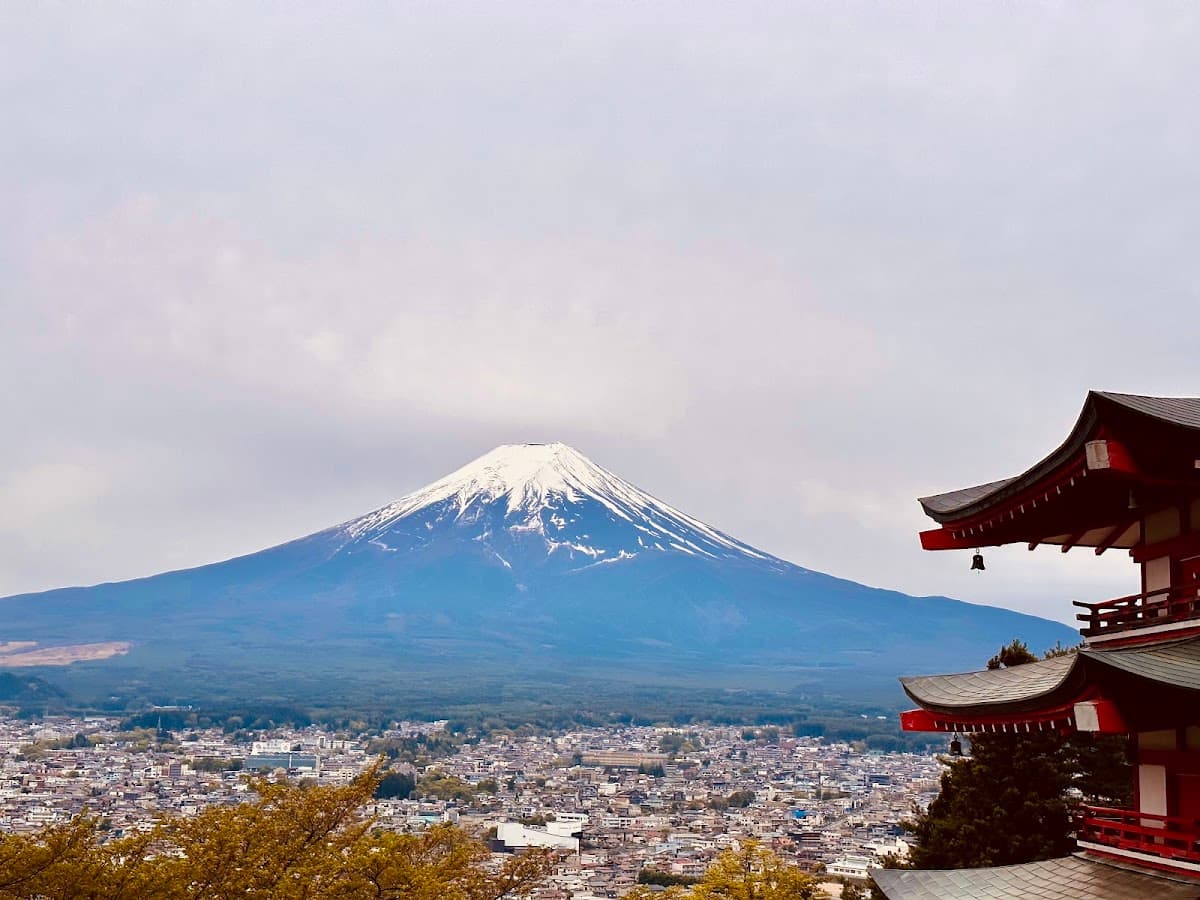
Mount Fuji in January
Not the best time
January is harsh but magical if you love winter landscapes. You'll get postcard views of snow-capped Fuji without crowds, but forget about climbing - the mountain is completely inaccessible.
Weather
January brings brutal cold to Mount Fuji, with temperatures well below freezing and heavy snowfall. The mountain is completely closed to climbers, buried under meters of snow. Expect crisp, clear days mixed with blizzard conditions.
2°C high-8°C low5 rain days
Crowds & Cost
low crowds
~$85/day average
Events & Festivals
- •New Year's Day (Hatsumode shrine visits)
- •Yamanakako Ice Candle Festival
January Tips
- •Pack serious winter gear - temperatures drop to -15°C at higher elevations
- •Stay in Kawaguchi-ko town rather than mountain lodges (most are closed)
- •Take advantage of empty ryokans and discounted rates
All Months
July through September is your only realistic window for climbing, with August being peak season. Early July offers cooler temperatures and fewer crowds, but some huts might not be fully operational. Late July to mid-August brings the warmest weather and clearest skies, but also the biggest crowds—expect conga lines on the Yoshida Trail. September is the sweet spot: fewer people, stable weather, and autumn colors starting to show in the lower elevations. Avoid weekends if possible. The mountain sees 300,000 climbers annually, with 80% arriving on weekends. For viewing Fuji without climbing, spring offers cherry blossoms in the foreground, while winter provides the clearest views from the Fuji Five Lakes region.
Mount Fuji Scores
Solo
8/10
Couples
6/10
Families
6/10
Adventure
9/10
Budget
7/10
Luxury
4/10
BUILD YOUR MOUNT FUJI PLAN
Insider picks, smart timing, and a plan ready when you are.