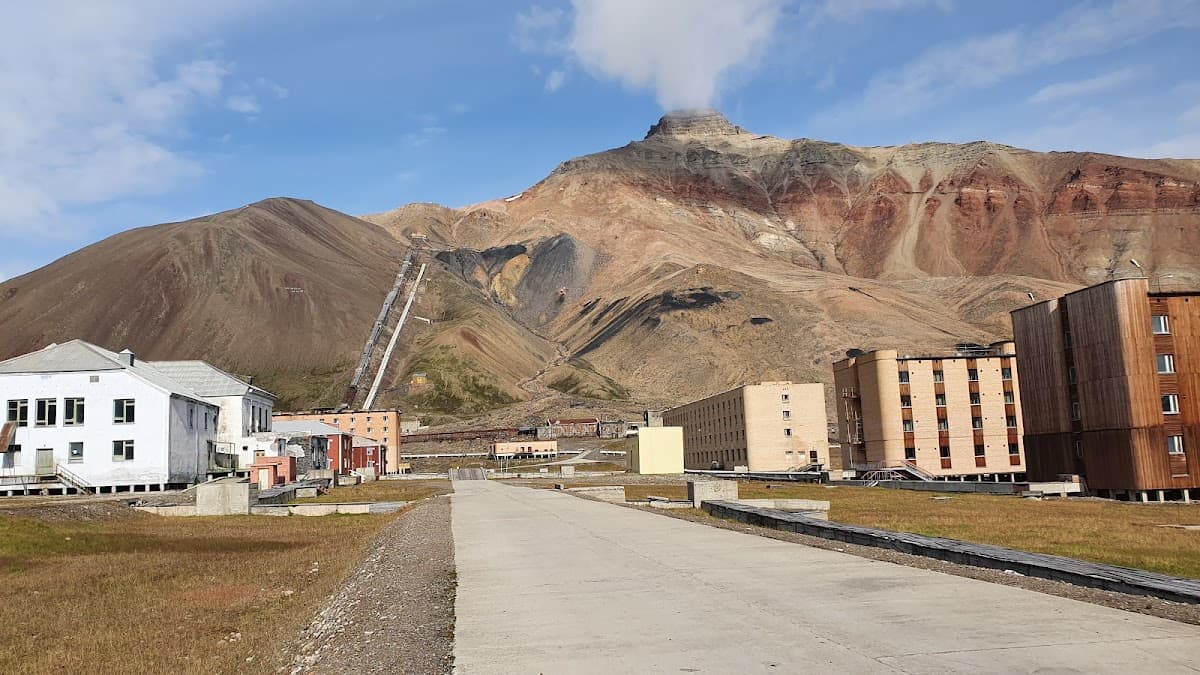
Svalbard in January
Not the best time
January is brutal but authentic Svalbard. Only for hardcore arctic enthusiasts who want to experience true polar winter. Most tourists wisely stay away.
Weather
Polar night dominates with 24-hour darkness until late January. Temperatures hover between bone-chilling lows and slightly less brutal highs. Snow and wind are constant companions.
-16°C high-22°C low2 rain days
Crowds & Cost
low crowds
~$280/day average
January Tips
- •Pack serious arctic gear - your regular winter coat won't cut it here
- •Book northern lights tours early since it's one of the few activities available
- •Expect most outdoor excursions to be canceled due to extreme conditions
All Months
Svalbard operates on two completely different seasons, and your choice depends on what kind of Arctic experience you want.
Summer (June through August) brings the midnight sun — literally 24 hours of daylight. Temperatures reach a balmy 40°F, flowers bloom across the tundra, and boat trips become possible. This is prime time for wildlife watching, with polar bears hunting seals along ice edges and thousands of seabirds nesting on cliffs.
Winter (March through May) offers the polar night and northern lights. Complete darkness reigns for months, but that darkness brings the aurora borealis dancing across the sky. Snowmobile expeditions replace boat trips, and you can explore ice caves and frozen fjords.
Shoulder seasons barely exist here. September and October bring harsh weather and unpredictable conditions. Most tour operators shut down, and you'll face limited accommodation options.
My pick? Late June through July for first-time visitors. You get the midnight sun, active wildlife, and the most tour options.
Svalbard Scores
Solo
6/10
Couples
6/10
Families
5/10
Adventure
10/10
Budget
2/10
Luxury
4/10
BUILD YOUR SVALBARD PLAN
Insider picks, smart timing, and a plan ready when you are.