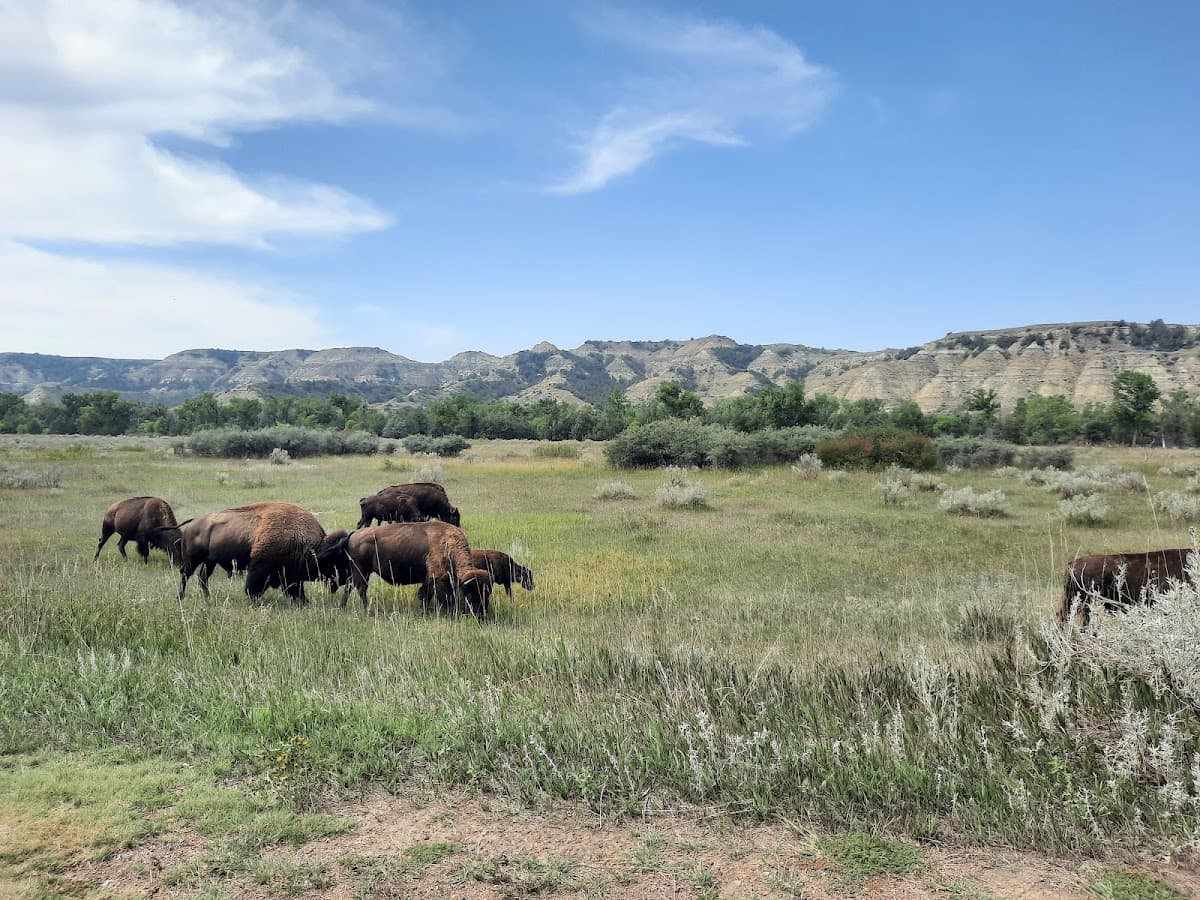
Theodore Roosevelt National Park
Theodore Roosevelt National Park in March
Good time to visit
March is unpredictable and muddy, but you'll have the park mostly to yourself. Weather can ruin plans quickly, so stay flexible.
Weather
March teases you with hints of spring, but don't be fooled - late blizzards are common and temperatures swing wildly. You might see 10°C one day and -10°C the next. Mud season begins as snow melts, making some trails messy.
4°C high-8°C low5 rain days
Crowds & Cost
low crowds
~$90/day average
March Tips
- •Pack clothes for both winter and spring weather - layers are crucial
- •Avoid hiking in muddy areas to prevent trail damage
- •Check weather forecasts obsessively as conditions change fast
All Months
Late spring through early fall gives you the best weather, but each season tells a different story. May brings wildflowers and migrating birds, but also mud and unpredictable storms. June through August means long days, green grass, and active wildlife – plus crowds, though 'crowds' here means maybe 20 cars on the scenic drive.
September and October are magic months. Cooler temperatures, golden cottonwoods, and the bison rut when massive bulls battle for dominance. October can hit 70°F during the day and 30°F at night, so layer up.
Winter transforms the badlands into something alien. Snow highlights every ridge and canyon, and you might see the park's 200-400 wild horses pawing through drifts for grass. But temperatures drop to -20°F, scenic drives can close, and services in Medora shut down.
Avoid Memorial Day and Labor Day weekends if you want solitude. The park gets maybe 750,000 visitors annually – compare that to Yellowstone's 4 million – but most come during these peak times.
Theodore Roosevelt National Park Scores
Solo
8/10
Couples
6/10
Families
7/10
Adventure
9/10
Budget
8/10
Luxury
2/10
BUILD YOUR THEODORE ROOSEVELT NATIONAL PARK PLAN
Insider picks, smart timing, and a plan ready when you are.