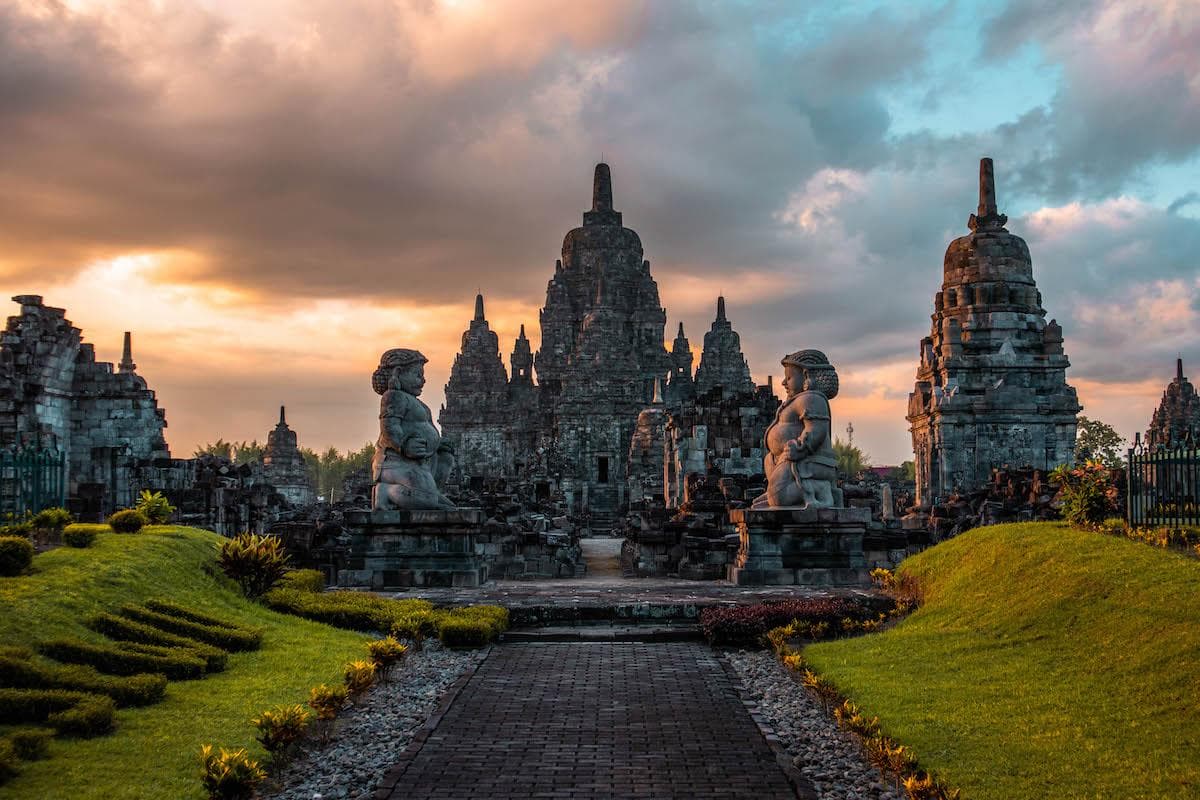
Yogyakarta in March
Not the best time
March teases you with glimpses of dry season. It's still unpredictable enough to frustrate outdoor plans, but you'll catch breaks for temple exploration.
Weather
March marks the tail end of rainy season, but don't celebrate yet. Rain becomes more unpredictable - you might get three sunny days followed by two days of storms. Humidity starts dropping to around 75%.
31°C high24°C low12 rain days
Crowds & Cost
low crowds
~$30/day average
Events & Festivals
- •Nyepi (Balinese New Year) affects some Hindu temples
March Tips
- •Weather apps become unreliable - always carry rain gear
- •Good month for Sultan's Palace complex visits
- •Street food is back in full swing by month's end
All Months
May through September gives you the sweet spot. Dry season means clear skies for sunrise at Borobudur, and you won't be dodging afternoon downpours while exploring the Sultan's palace. Temperatures hover around 27°C, perfect for walking Malioboro Street without melting.
Here's the thing about peak season though. July and August bring crowds, especially to the temples. Borobudur at sunrise becomes a photography battle, and hotel prices on Malioboro Street can double. Book ahead or consider staying in Prawirotaman where prices stay more reasonable.
Ramadan changes the rhythm completely. Street food disappears during daylight hours, but the evening breaking of fast creates incredible communal meals. If you're here during this time, respect the local customs and you'll witness something beautiful.
Avoid January through March unless you love humidity and daily thunderstorms. The rain turns temple grounds muddy, and that romantic becak ride becomes a soggy mess. But if you do come during wet season, bring a proper rain jacket and embrace the drama of tropical storms.
Yogyakarta Scores
Solo
8/10
Couples
6/10
Families
7/10
Adventure
6/10
Budget
9/10
Luxury
5/10
BUILD YOUR YOGYAKARTA PLAN
Insider picks, smart timing, and a plan ready when you are.