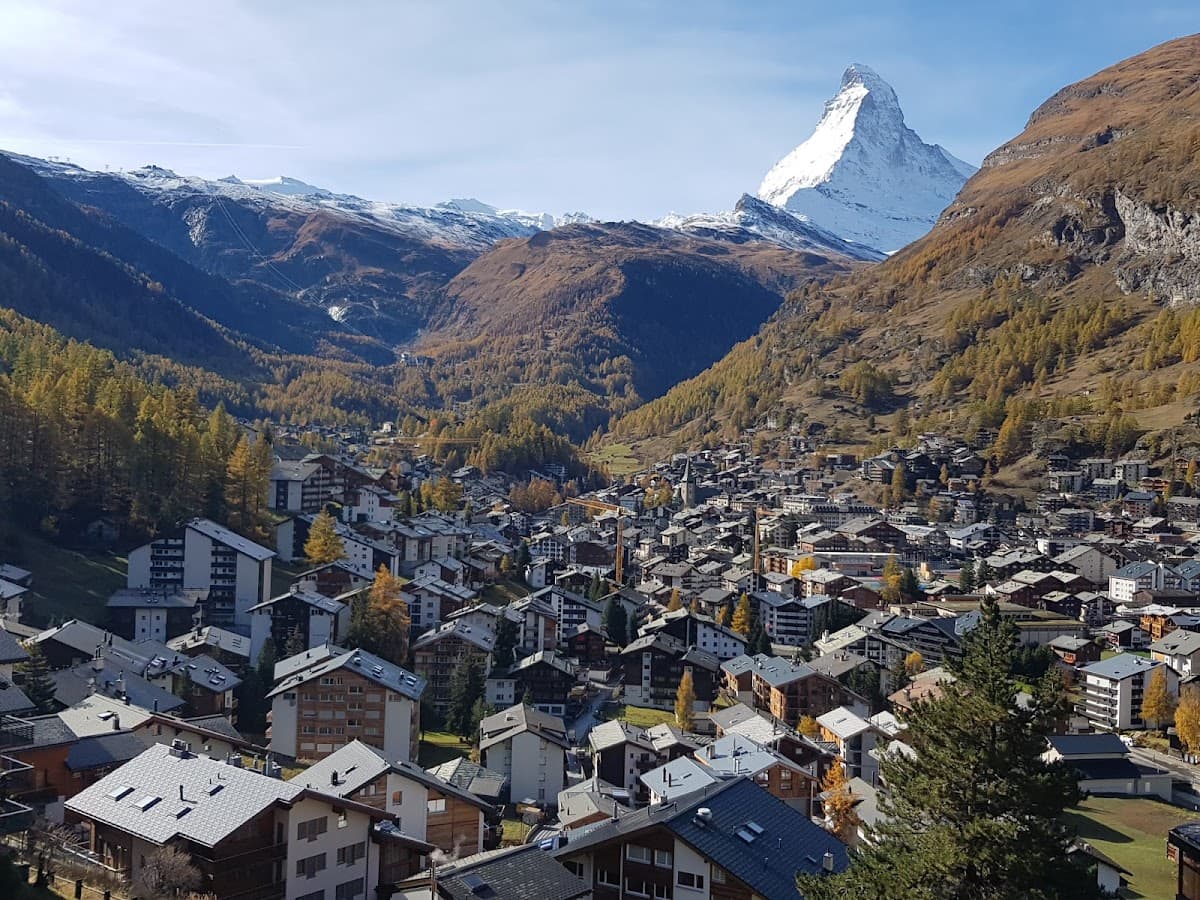
Zermatt in February
Great time to visit
Peak season pricing meets peak skiing conditions. The slopes are packed but the snow is pristine, and the Matterhorn views don't get better than this.
Weather
Classic Alpine winter with consistent sub-zero temperatures and excellent snow conditions. February often brings the season's best powder with minimal rain. Clear, sunny days are common between snowfalls.
-1°C high-9°C low3 rain days
Crowds & Cost
peak crowds
~$275/day average
Events & Festivals
- •Zermatt Music Festival & Academy
- •Swiss school holidays (mid-month)
- •Fasnacht carnival celebrations
February Tips
- •February school holidays mean even higher crowds mid-month
- •Sunrise skiing on the Matterhorn glacier is phenomenal this time of year
- •Many hotels have minimum 7-night stays during peak weeks
All Months
December through March offers the most reliable snow and the fullest mountain access, but you'll pay peak prices and fight crowds at popular restaurants. January and February bring the coldest temperatures but also the clearest skies—crucial for glacier skiing visibility. March offers longer days and spring skiing conditions, with temperatures warm enough for lunch on sunny terraces. But here's Zermatt's secret weapon: summer glacier skiing from June through October. You'll ski in t-shirts at 12,000 feet while the village below hits 75°F. Summer lift tickets cost the same as winter, but accommodation drops 30-40%. The trade-off? Limited terrain—only the glacier zone operates, and afternoon skiing gets slushy. For the best balance of weather, snow, and value, target early December or late March. You'll dodge peak crowds, save 20% on hotels, and still access most of the mountain. Just avoid November—lifts run limited schedules and snow coverage stays patchy until mid-month.
Zermatt Scores
Solo
6/10
Couples
8/10
Families
7/10
Adventure
10/10
Budget
2/10
Luxury
10/10
BUILD YOUR ZERMATT PLAN
Insider picks, smart timing, and a plan ready when you are.