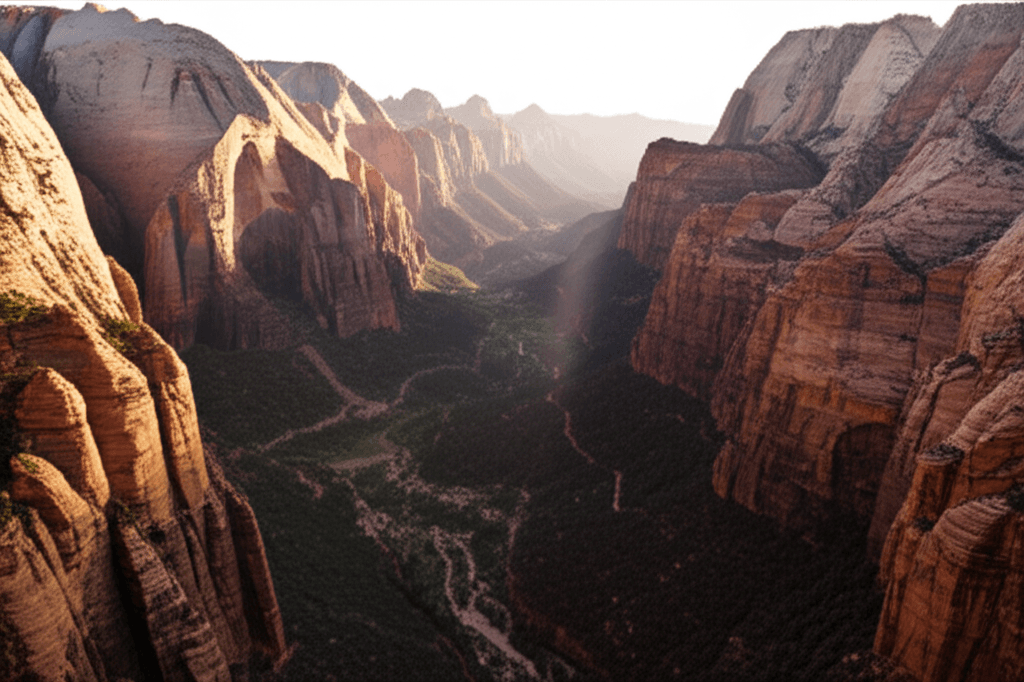
Zion National Park in January
Not the best time
January rewards hardy visitors with empty trails and snow-dusted red rocks. But freezing nights and limited trail access make this a month for experienced cold-weather hikers only.
Weather
January brings cold temperatures and occasional snow to Zion's high desert landscape. Daytime temps hover in the 40s-50s Fahrenheit while nights drop well below freezing. Snow dusts the canyon rims and higher elevations, though the valley floor usually stays clear.
12°C high-3°C low6 rain days
Crowds & Cost
low crowds
~$95/day average
Events & Festivals
- •New Year's Day
- •Martin Luther King Jr. Day
January Tips
- •Pack serious layers - canyon walls create dramatic temperature swings
- •Many high-elevation trails like Observation Point close due to ice
- •Riverside Walk stays accessible and offers solitude you'll never find in summer
All Months
April and May offer perfect hiking weather before summer crowds arrive. Wildflowers bloom along the riverside, and waterfalls run strong from snowmelt. Temperatures hit the sweet spot of 70s during the day, 40s at night.
Fall delivers Zion's most spectacular season. September through November brings cooler temperatures and golden cottonwoods along the Virgin River. October is peak season for good reason — but book accommodations months ahead.
Winter hiking is underrated if you can handle cold river crossings. The Narrows becomes more challenging but offers solitude impossible in warmer months. Snow occasionally dusts the high country, creating postcard views.
Avoid July and August unless you love 100-degree heat. Summer crowds pack the shuttles, and afternoon thunderstorms can trigger flash floods. If you must visit in summer, start hikes at dawn and seek shade by noon.
Zion National Park Scores
Solo
8/10
Couples
7/10
Families
8/10
Adventure
9/10
Budget
7/10
Luxury
3/10
BUILD YOUR ZION NATIONAL PARK PLAN
Insider picks, smart timing, and a plan ready when you are.