Shanghai
China's glittering financial capital where East meets West spectacularly
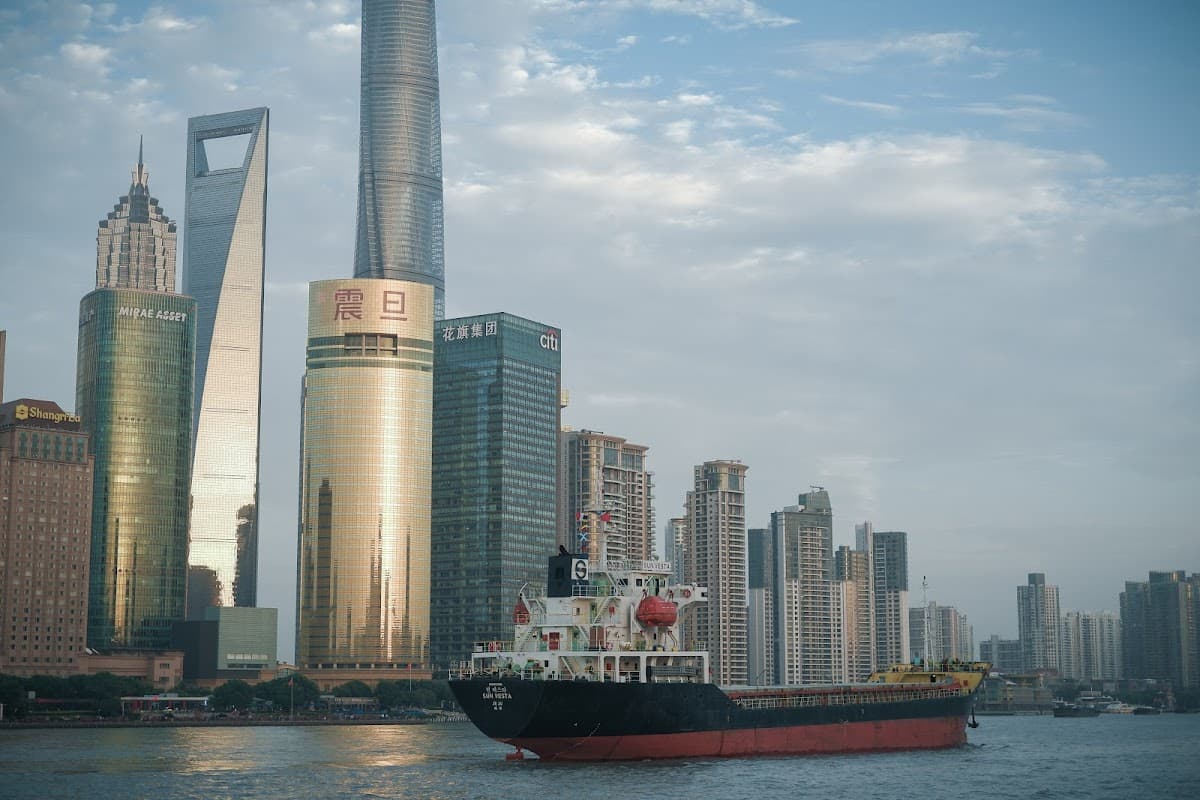
Shanghai hits you like a neon-lit freight train. One minute you're sipping tea in a Ming Dynasty garden, the next you're 100 floors up watching the city pulse below. This is China's financial powerhouse where century-old shikumen houses share streets with glass towers that scrape the clouds. The Huangpu River cuts through it all, separating the colonial Bund from the space-age Pudong skyline. And the food? Every regional Chinese cuisine lives here, plus some of Asia's best international restaurants. Shanghai moves fast, spends big, and never sleeps.
Best Months
MAR · APR · MAY · SEP · OCT · NOV
~22°C · high crowds
Culture & Context
COLONIAL MEETS CYBERPUNK
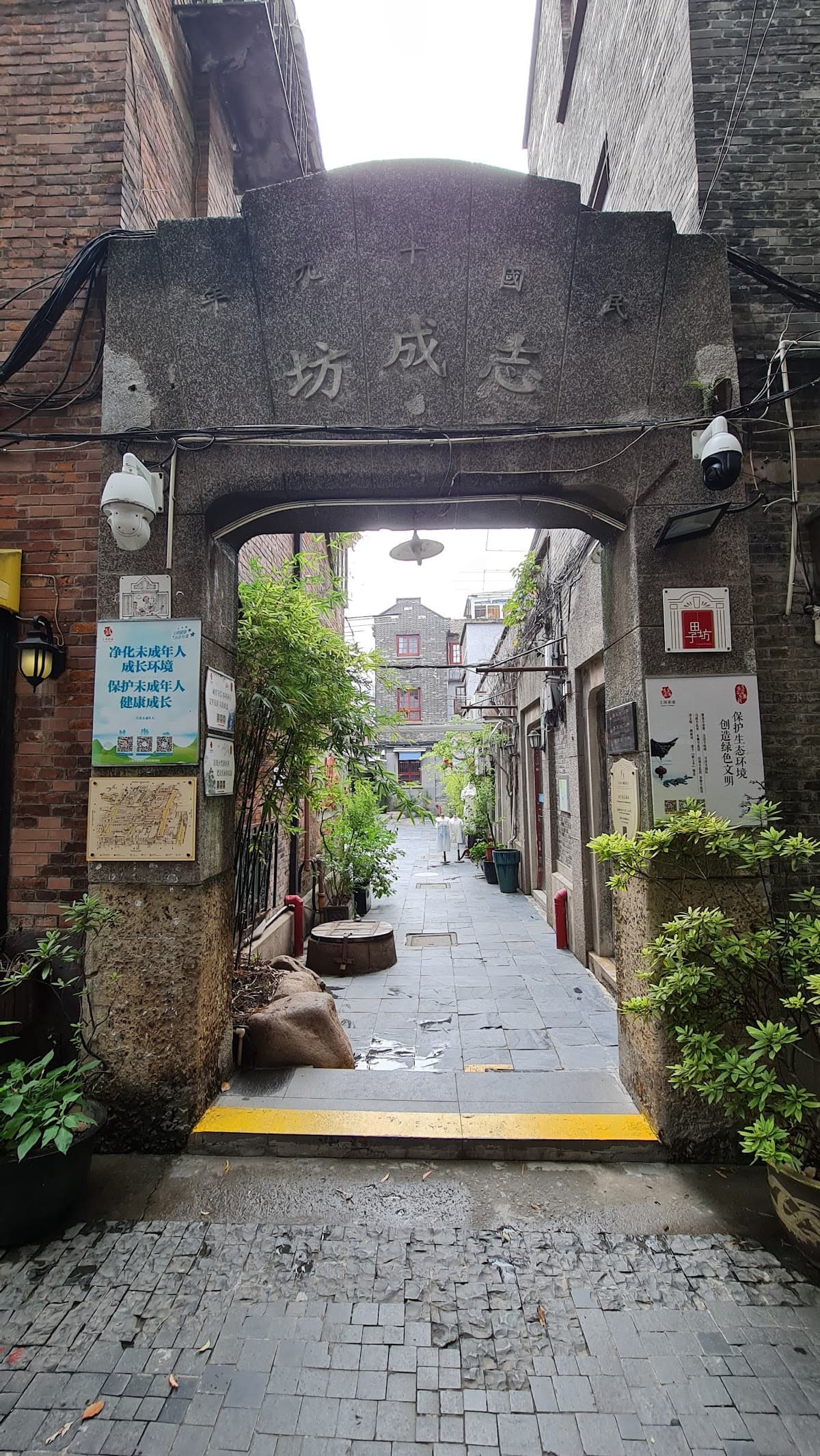
Shanghai operates on a different frequency from the rest of China. It has always been outward-looking — a product of its colonial-era trading port history, when British, French, and American concessions carved the city into distinct zones, each with its own architecture and social rules. That history is still physically present: the Bund's colonnade of 1920s and 30s banking facades, the French Concession's plane-tree avenues, the Art Deco interiors at the Fairmont Peace Hotel.
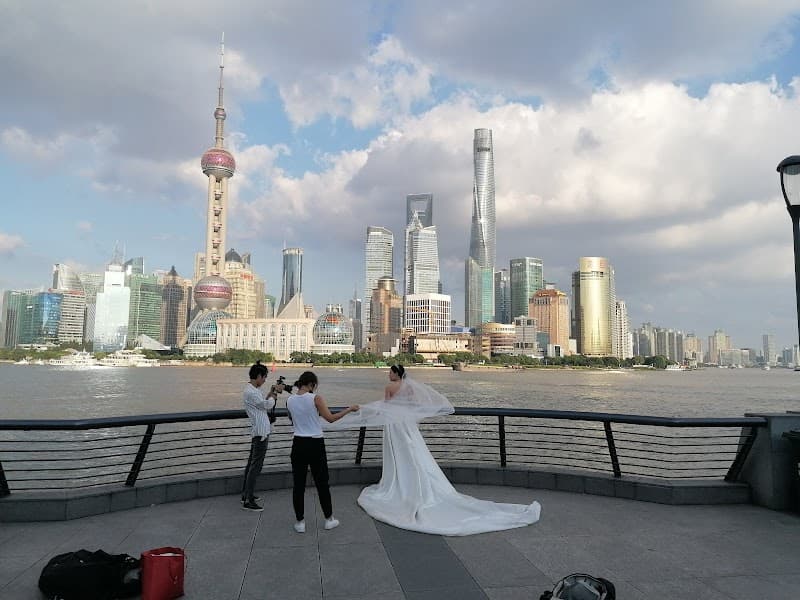
But the city doesn't dwell on it. Shanghai is oriented toward what's happening right now. The skyline across the river in Pudong — those towers started going up in the early 1990s, essentially from farmland.
The contrast between the Bund's colonial grandeur and Lujiazui's futuristic cluster is the city's defining visual metaphor, and it's deliberate. Shanghainese have a reputation in China for being direct, fashion-conscious, and commercially savvy. The local dialect, Shanghainese (Shanghaihua), belongs to the Wu Chinese family and is genuinely different from Mandarin — not mutually intelligible.
It's spoken by roughly 14 million people, mostly older residents and working-class neighborhoods. Less than 20% of Shanghai's current population are 'Old Shanghainese'; the rest arrived from other provinces. Mandarin is the city's working language.
English surfaces more here than anywhere else in China — especially in hotels, upscale restaurants, and the French Concession — but assuming it outside those zones will leave you stranded. The digital infrastructure shapes daily life in ways visitors aren't prepared for. Alipay and WeChat Pay have largely replaced cash for transactions.
Physical menus are sometimes replaced by QR codes. And Google, WhatsApp, Instagram, and most Western platforms are simply inaccessible without a VPN. Set everything up before landing.
Local Customs
NO TIPPING, RED INK TABOO
Tipping is not expected anywhere in Shanghai — not at restaurants, not in taxis, not for room service. It can actually cause confusion or mild awkwardness. Don't do it..
Use both hands when giving or receiving a business card, a gift, or even a dish at a formal meal. One hand reads as dismissive or careless.. Don't stick chopsticks vertically in a bowl of rice — it looks like incense sticks at a funeral, which is a serious faux pas.
Rest them on the chopstick holder or across the bowl.. Don't point at people or things with a single finger. Use an open hand or gesture with your whole arm..
Avoid writing anything in red ink when giving a note or card to a Chinese person — red ink on someone's name historically signifies death.. Political topics — Tibet, Taiwan, Tiananmen — are genuinely best left alone in conversation. Not because people will react aggressively, but out of basic respect for where you are..
Everything runs on WeChat or Alipay. Physical box offices are rare, cash is increasingly awkward at younger establishments, and many event tickets require real-name registration with your passport number. A single digit error in your passport number will invalidate your ticket at the gate — enter it carefully..
Tap water in Shanghai is not safe to drink. Bottled water is sold everywhere for 2–5 RMB. The most popular brand is Nongfu Spring (orange bottle).
Safety
ULTRA-SAFE, SCAM-AWARE
Shanghai is genuinely one of the safest major cities in the world. Violent crime against tourists is rare. The city has more CCTV cameras per capita than almost anywhere on earth — reportedly over 12 million cameras for a population of roughly 29 million.
Walking alone at night in the Bund, Nanjing Road, and French Concession feels comfortable and well-lit. The realistic risks are non-violent and predictable. Tea ceremony scam: someone approaches you near Nanjing Road or the Bund, strikes up a friendly conversation, and invites you for tea — the bill arrives at 500–1,000 RMB.
Politely decline and keep walking; they don't follow. Art student scam: people approach claiming to be fine arts students and invite you to see their work, then pressure you to buy. Same fix.
Pickpocketing can happen at crowded metro stations and tourist attractions — crossbody bags that zip closed are the practical answer. Use DiDi for taxis to avoid overcharging. Don't drink tap water anywhere; bottled water is cheap and everywhere.
Air quality varies — check the AQI index on a local app before planning heavy outdoor activity. Emergency numbers: Police 110 (available in English, Japanese, German, French, Spanish, and others), Ambulance 120, Fire 119, Tourist Hotline 962020. Keep a copy of your passport on you; original in the hotel safe.
Getting Around
LINE 2 CONQUERS ALL
Shanghai's metro is the world's longest by route length at over 826km across 20+ lines with 500+ stations. That sounds intimidating. In practice, Line 2 handles about 80% of tourist movement — it runs east-west from Pudong Airport through People's Square, Nanjing Road, Jing'an Temple, and Lujiazui, all the way to Hongqiao Airport on the other end.
Learn Line 2 and you've essentially learned the city. Fares run ¥3–10 depending on distance. A 1-day unlimited pass is ¥18; a 3-day pass is ¥45.
The easiest payment method is Alipay's transit QR code — open the app, tap Transport, select Shanghai Metro, and a QR code appears. Scan at the turnstile to enter and exit; fare deducts automatically. You can also buy a physical Shanghai Public Transportation Card (¥20 refundable deposit, top up as needed), which works on metro, buses, ferries, taxis, and the Maglev.
The Maglev train from Pudong Airport to Longyang Road Station takes 8 minutes at speeds up to 431 km/h and costs ¥50. Then transfer to Line 2 for the city center. For taxis and late-night rides, use DiDi (China's Uber equivalent) — it has an English interface, supports international cards, and the price is fixed before you confirm.
Street taxis are fine but some drivers take longer routes in tourist zones; with DiDi the route is transparent. Avoid People's Square station during rush hours (7:30–9:30am, 5:30–7:30pm) — the transfer corridors between Lines 1, 2, and 8 get seriously dense. For trips to Suzhou or Hangzhou, high-speed rail from Hongqiao Station gets you there in under an hour.
Useful Phrases
Explore Neighborhoods


Explore the Region
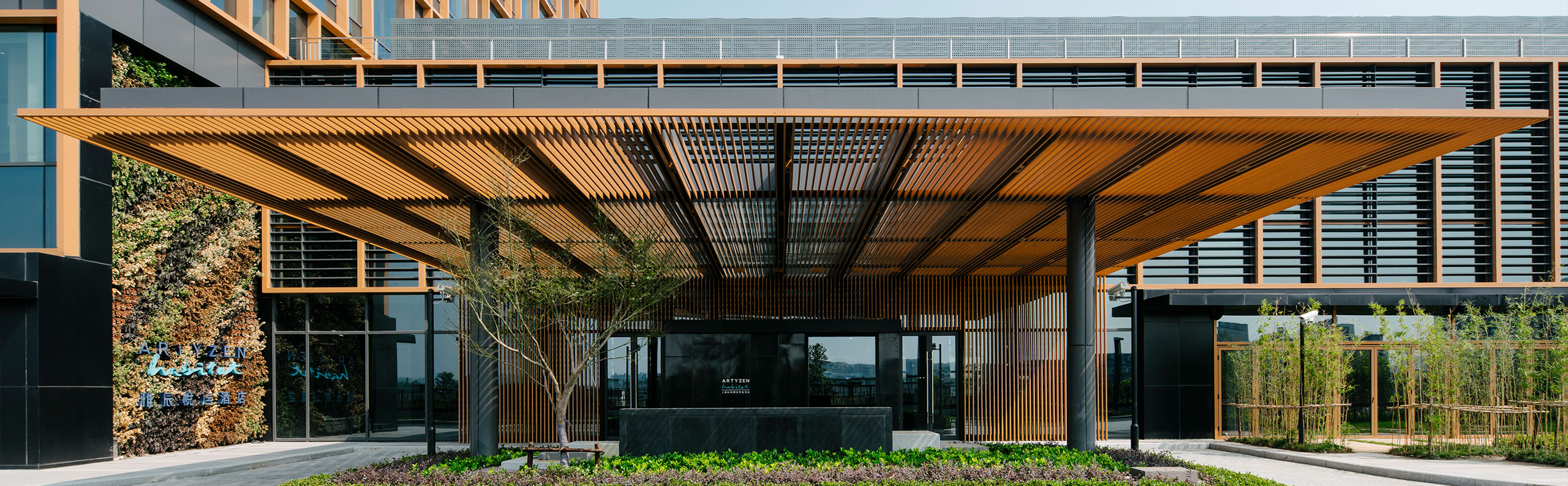
Where to Stay in Shanghai
3 recommended properties

Things to Do in Shanghai
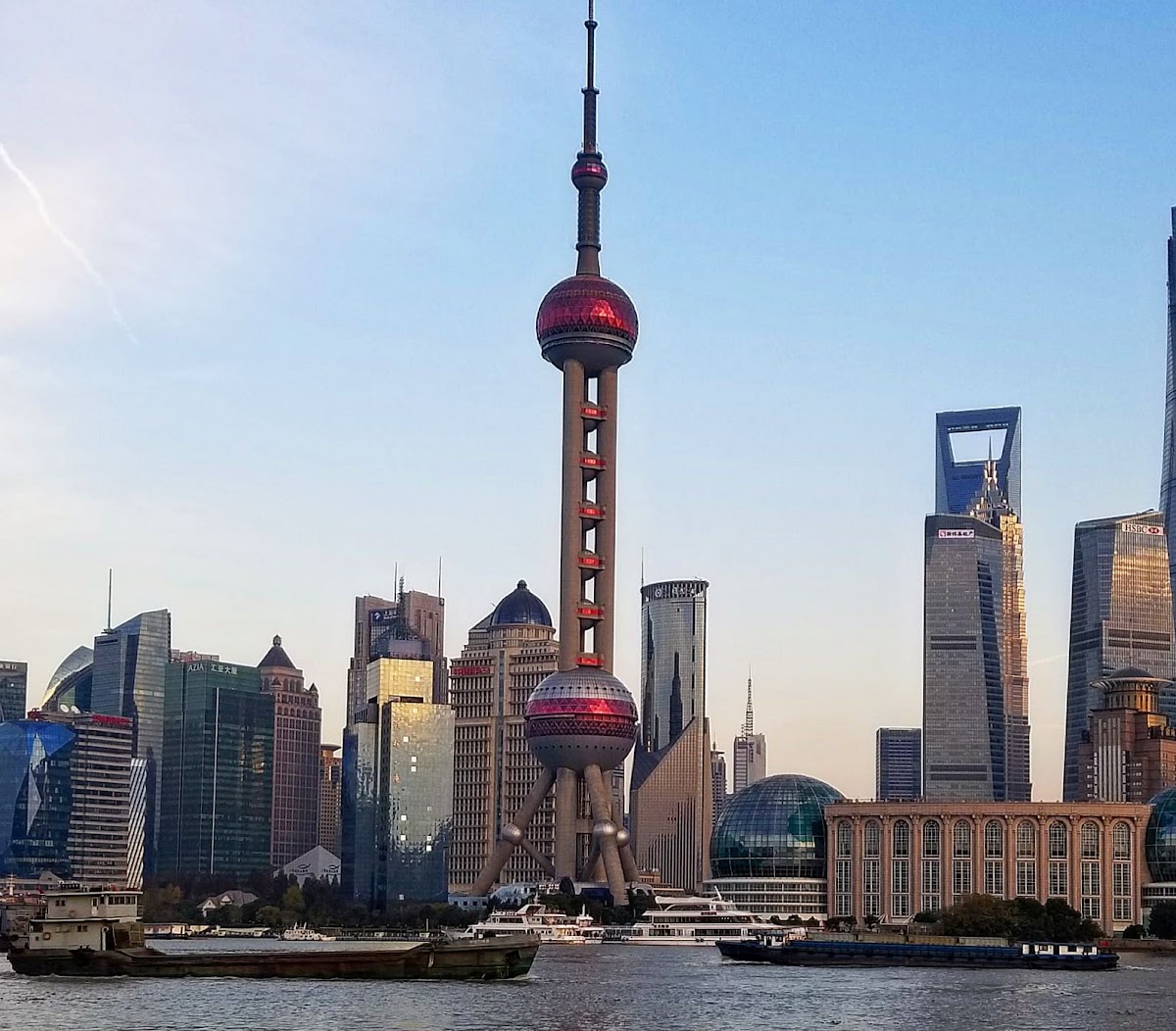
The Bund (Wai Tan) & Pudong Skyline
The Bund / Huangpu · 90 min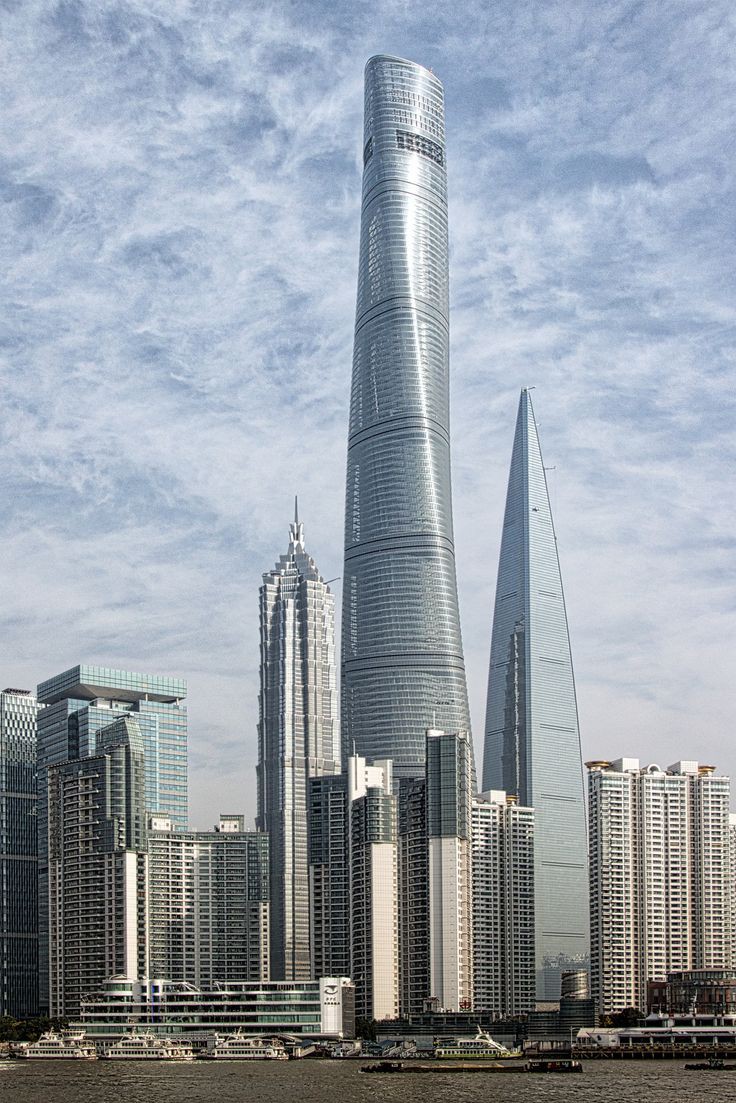
Shanghai Tower & Shanghai History Museum
Pudong / Lujiazui · 150 min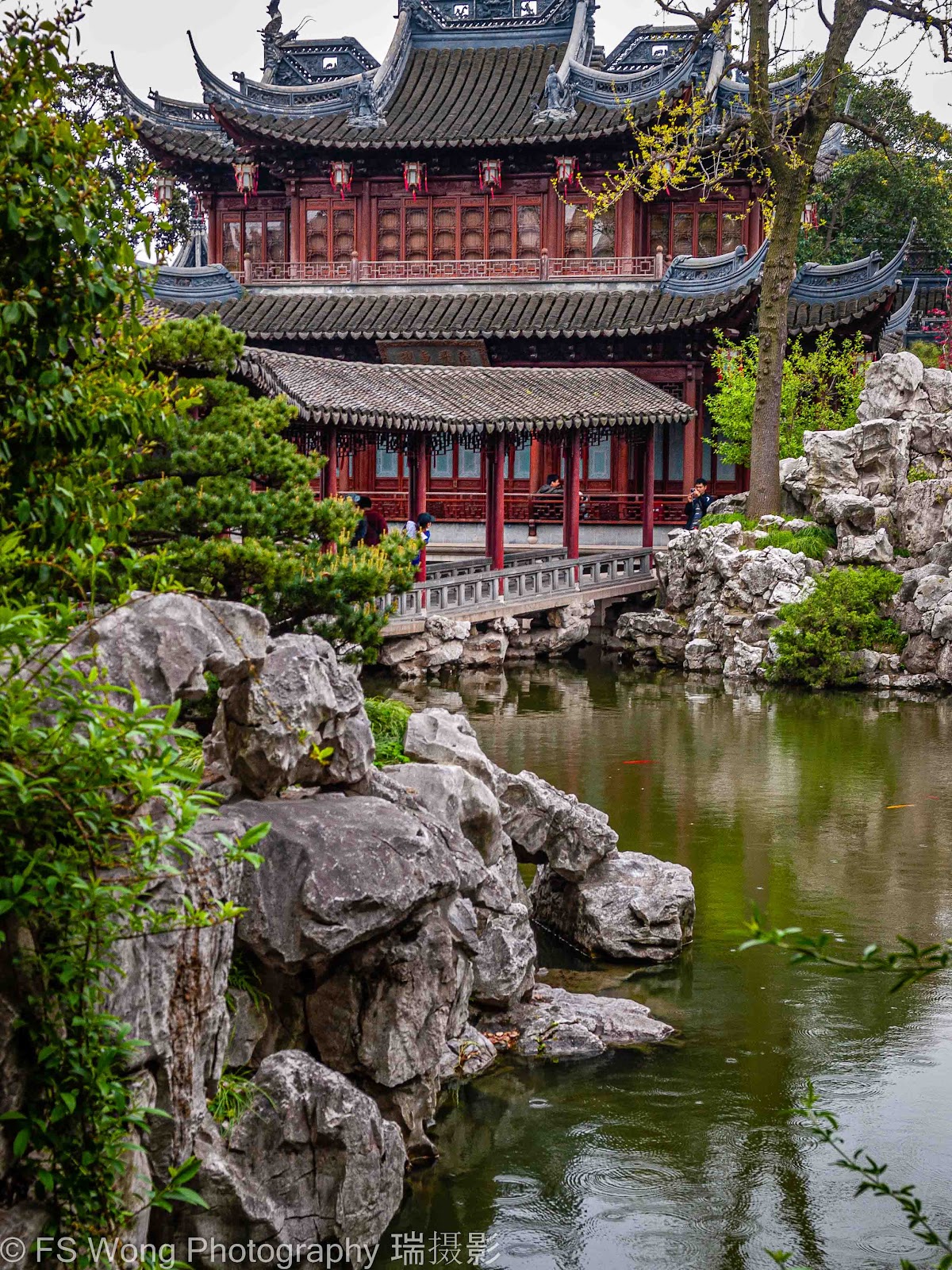
Yu Garden (Yuyuan) & City Bazaar
City Center / Huangpu · 120 minMoney-Saving Tips
- 1.Download Alipay or WeChat Pay before arriving - many places don't accept foreign cards
- 2.Eat at mall food courts for quality meals under ¥50 per person
- 3.Take metro instead of taxis - a cross-city ride costs ¥8 vs ¥80+ by car
- 4.Buy SIM card at airport for ¥100 to access ride-sharing apps and maps
- 5.Happy hour at hotel bars runs 5-7pm with 50% off cocktails
- 6.Street food vendors near office buildings offer lunch deals ¥15-25
- 7.Book museum tickets online in advance for 20-30% discounts
Travel Tips
- •Learn basic Mandarin phrases or download translation app - English isn't widely spoken
- •Carry tissue paper and hand sanitizer - public restrooms rarely stock them
- •Download VPN before arrival to access Google, Facebook, Instagram
- •Dress well for upscale restaurants and rooftop bars - they enforce dress codes
- •Keep hotel business card in Chinese for taxi drivers
- •Avoid rush hours 7-9am and 5-7pm when metro gets impossibly crowded
- •Bring comfortable walking shoes - you'll walk miles on marble floors in malls and stations