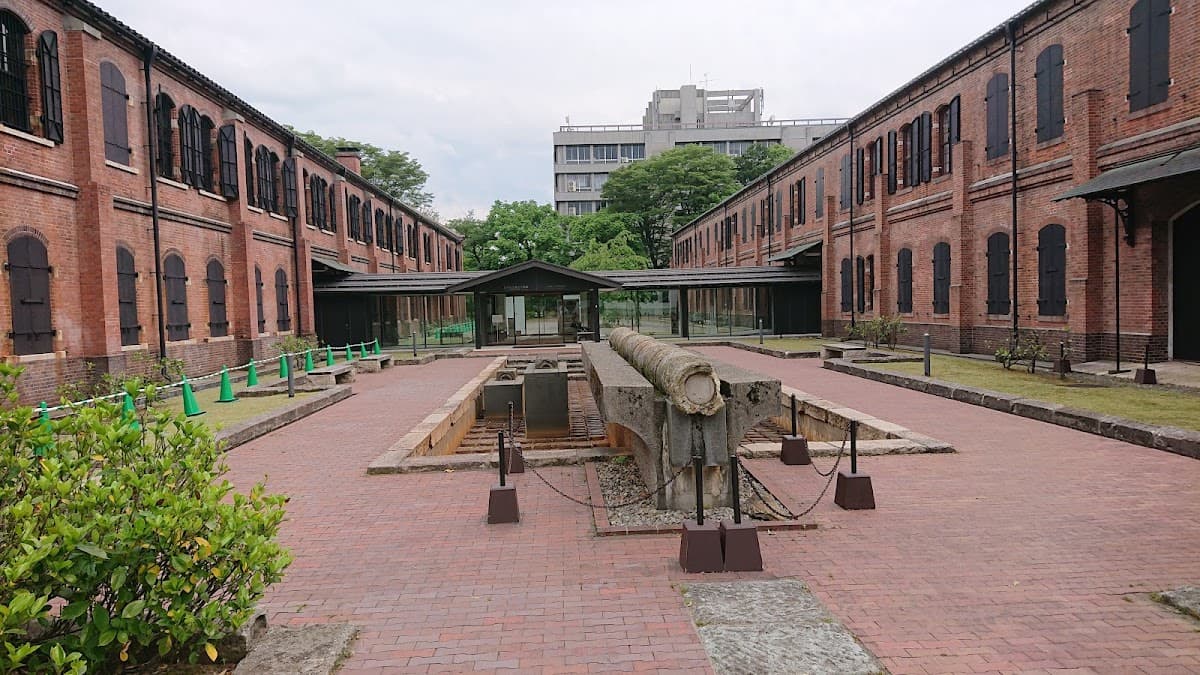
Kanazawa
Samurai districts and perfect gardens showcase Japan's artistry
Kanazawa hits different than other Japanese cities. While Tokyo races forward and Kyoto drowns in tourists, this former castle town on the Japan Sea coast keeps its own rhythm. The Maeda clan ruled here for nearly 300 years, pouring wealth into gardens, crafts, and culture that still define the city today. You'll find samurai districts with wooden gates intact, geishas walking to appointments in Higashi Chaya, and Kenroku-en Garden looking exactly like those woodblock prints. But Kanazawa isn't stuck in the past — the 21st Century Museum challenges everything you think you know about art, while the Omicho Market serves some of Japan's best seafood. The city works as a perfect introduction to traditional Japan without the overwhelming crowds.
Best Months
MAR · APR · MAY · SEP · OCT · NOV
~18°C · high crowds
Culture & Context
ART OVER ARMS
Kanazawa spent most of the Edo period as the capital of the Kaga Domain, ruled by the Maeda clan from 1583 to 1871. The Maeda were the wealthiest lords in Japan outside the Tokugawa shogunate, and crucially, they channeled that wealth into art rather than military power. The result is a city with an unusually dense concentration of traditional crafts, performing arts, and preserved architecture.
Noh theater has roots here going back 400 years. Kanazawa produces over 99% of Japan's gold leaf, and you'll see it on everything from temples to ice cream cones. The three geisha districts (Higashi Chaya, Nishi Chaya, and Kazuemachi) still function, not just as tourist backdrops but as working entertainment venues.
The city was spared bombing in World War II, which is a big reason so much survives today. That said, Kanazawa is also home to the 21st Century Museum of Contemporary Art, one of the most visited modern art museums in Japan, so it's not just about the past. Local pride runs deep here.
Residents will tell you — often unprompted — that Kanazawa is better than Kyoto because it's equally rich in culture but nowhere near as overrun with tourists. There's something to that argument.
Local Customs
SHOES OFF, UMBRELLA ON
Remove your shoes when entering a ryokan, traditional restaurant with tatami seating, or any space with a step up at the entrance. If you're unsure, look for other shoes lined up at the door.. Say 'Itadakimasu' before eating and 'Gochisousama deshita' when you finish.
Even a clumsy attempt gets a warm reaction from restaurant staff.. No eating while walking. Kanazawa is especially traditional about this.
Buy your gold-leaf ice cream, then stand to the side to eat it rather than strolling with it.. On the Loop Bus, take your backpack off and hold it in front of you. Avoid phone calls.
Quiet is the default mode on public transport.. Tattoos can still get you turned away from some onsen in Kanazawa. The city has traditional bathhouse culture, so check policies before showing up.
A few newer establishments are more flexible — worth researching in advance.. Bowing is the standard greeting. A slight nod works for casual situations; a deeper bow for thank-yous or entering a traditional space.
Don't overthink the depth.. Tipping is not done in Japan and can cause genuine confusion or awkward situations if attempted. Excellent service is simply the standard expectation..
The local saying in Kanazawa goes: 'You can forget your lunch, but never your umbrella.' The city is notoriously rainy. Pack one, full stop.
Safety
VERY SAFE, MIND WEATHER
Kanazawa is extremely safe. Japan ranks 12th in the Global Peace Index, and Kanazawa has none of the tourist-pressure flashpoints you'll find in Kyoto or Tokyo. Walking alone at night is fine, including in the geisha districts after dark.
The main practical concerns are not crime-related. Earthquakes are a reality in this part of Japan — the Noto Peninsula earthquake in early 2024 affected the wider Ishikawa region. As of 2026, tourist facilities in Kanazawa City are fully operational and open as normal (confirmed by the Japan National Tourism Organization), but it's worth checking official updates at visitkanazawa.
jp before traveling. Weather is the other thing to plan around: Kanazawa sits on the Sea of Japan coast and gets serious rain and snow, especially November through February. Summers are humid.
Emergency contacts: JNTO operates a 24-hour tourist assistance hotline in English — from Japan call 050-3816-2787, from overseas +81-50-3816-2787. Health care quality is high, but medical costs for foreigners without insurance can be steep. Travel insurance is genuinely worth having.
Getting Around
LOOP BUS & WALKING
Getting to Kanazawa: The Hokuriku Shinkansen from Tokyo takes 2.5 to 3 hours and costs about ¥14,500 one-way. It's fully covered by the Japan Rail Pass and the Hokuriku Arch Pass (¥24,500 for 7 days), which is the better value option if your itinerary runs Tokyo-Kanazawa-Kyoto.
From Kyoto or Osaka, take the Thunderbird limited express. Highway buses from Tokyo take 7-8 hours and cost ¥4,500-8,000 — good for overnight runs if you want to save on accommodation. Komatsu Airport is 40 minutes by bus (¥1,300) from central Kanazawa, with JAL and ANA flights from Tokyo Haneda.
Getting around Kanazawa: The city has no subway. The Kanazawa Loop Bus covers almost every tourist spot. Right Loop (orange) goes clockwise toward Higashi Chaya and Kenrokuen.
Left Loop (green) goes counter-clockwise through Omicho Market, Katamachi, and Nishi Chaya. Both leave from Bus Stop #7 at the station's East Exit, every 15-20 minutes, 8:30 AM to 6 PM. Single ride ¥220, day pass ¥800 (buy it at the Hokutetsu Ekimae Center outside the East Gate — not on the bus).
Suica and contactless cards work on the Loop Bus but NOT on regular city buses — keep some small change handy. The Saturday evening Light-Up Bus (¥300/ride, 19:00-21:10) is worth it for photographers. Most major sights are also walkable from each other — Kenrokuen to Higashi Chaya is about 20 minutes on foot.
Useful Phrases
Kanazawa Itineraries
View all
Kanazawa in 7 Days: Gardens, Crafts, and Quiet Forest Streets
Week · $$$
Kanazawa Weekend Escape of Gardens, Crafts, and Quiet Alleys
Weekend · $$$

Seven Lush Days in Romantic Kanazawa
Week · $$$

Hidden Lanterns of Kanazawa: A Romantic 3-Day Escape
Weekend · $$$

7 Wild-Garden Days in Kanazawa with Kids
Week · $$$
Kanazawa with Kids: Samurai, Gardens & Hidden Alleys
Weekend · $$$
Where to Stay in Kanazawa
2 recommended properties
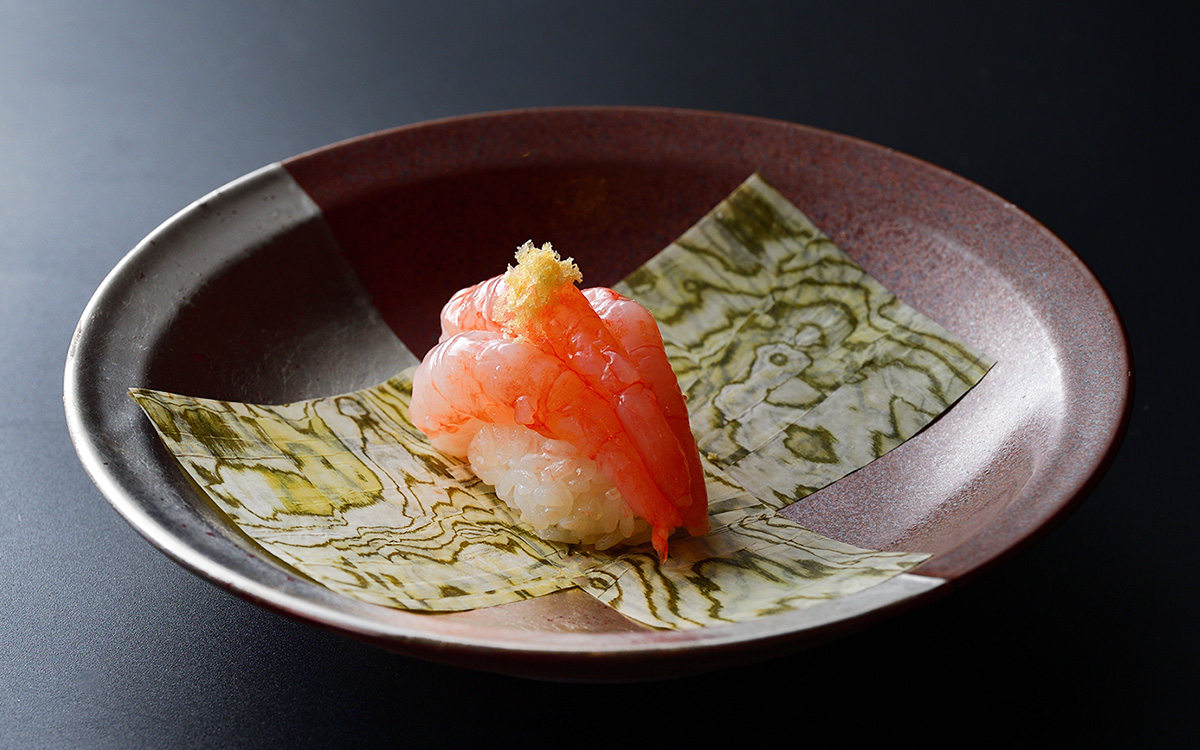

Things to Do in Kanazawa
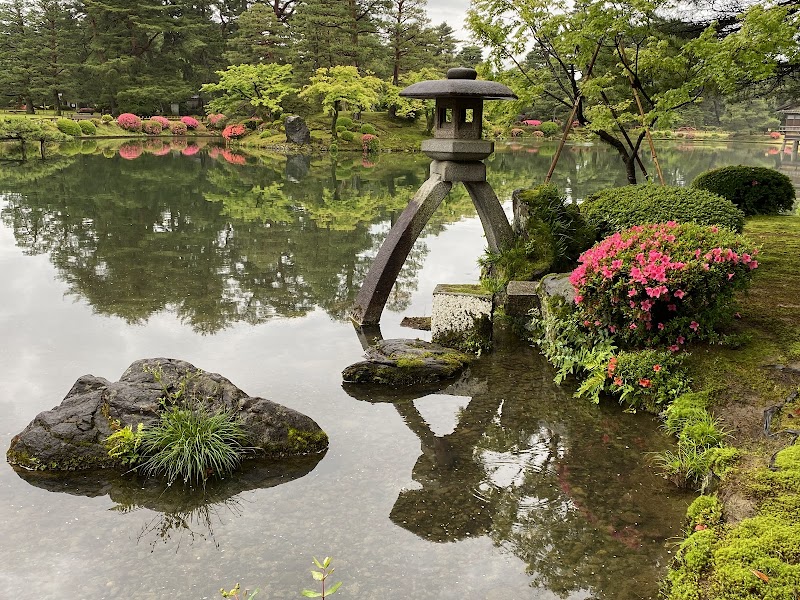
Kenrokuen Garden
Kenrokuen / Castle Area · 120 min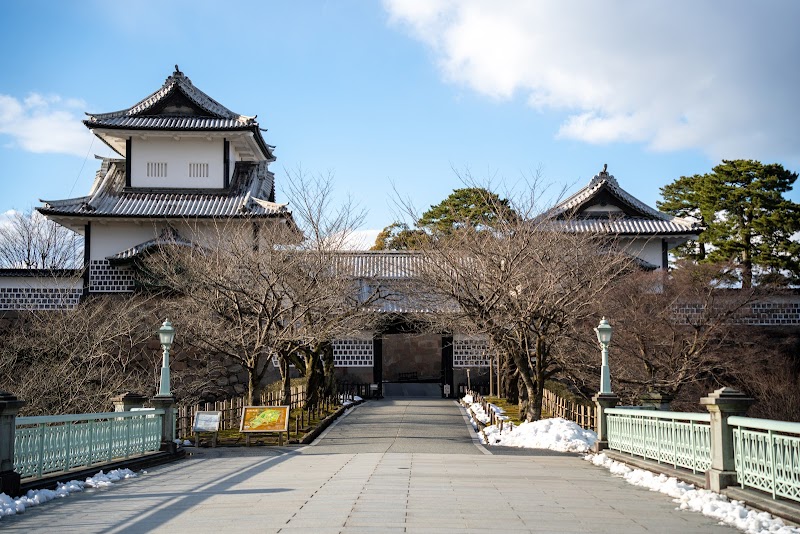
Kanazawa Castle Park
Kenrokuen / Castle Area · 90 min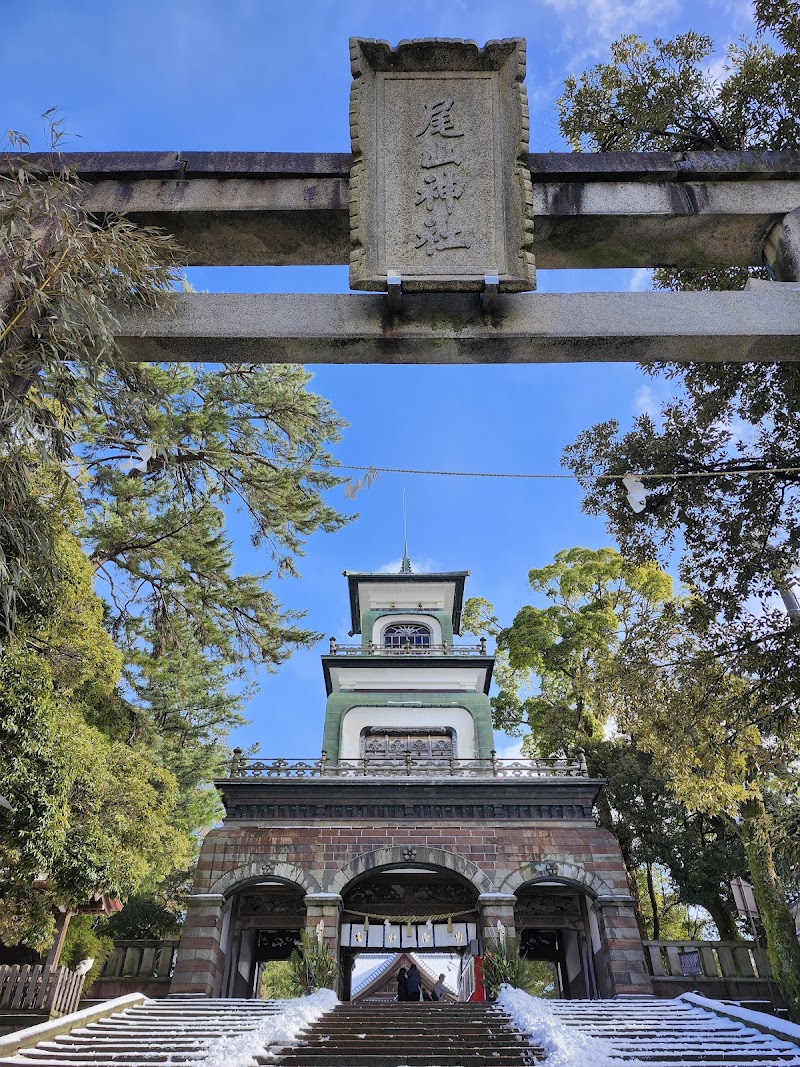
Oyama Shrine and Garden
Odori / Korinbo · 45 minMoney-Saving Tips
- 1.Buy the Kanazawa Cultural Facilities Pass for ¥520 — it covers 17 museums and attractions including the 21st Century Museum
- 2.Omicho Market vendors offer better prices after 2 PM when they want to clear inventory
- 3.Many temples and shrines charge no admission fees, unlike Kyoto's paid attractions
- 4.The Loop Bus day pass pays for itself after 3 rides — single tickets cost ¥200 each
- 5.Hotel prices drop significantly on weekdays, especially Sunday-Thursday stays
- 6.Department store restaurant floors (usually 12-14F) offer lunch sets for ¥1,500-2,500 vs ¥5,000+ dinner prices
- 7.Free walking tours meet daily at Kanazawa Station — tip-based and led by local volunteers
Travel Tips
- •Download the Kanazawa City app for real-time bus schedules and attraction hours
- •Kenroku-en opens at 7 AM — arrive early to avoid crowds and get the best photos
- •Bring cash — many traditional restaurants and shops don't accept cards
- •The 21st Century Museum's permanent collection is free, but special exhibitions require tickets
- •Geisha spotting works best around 5-6 PM when they head to appointments in Higashi Chaya
- •Winter visitors need waterproof shoes — snow and slush make sidewalks slippery
- •Book kaiseki restaurants at least a week ahead, especially during peak seasons
- •The castle grounds connect to Kenroku-en via an underground passage — no need to exit and re-enter
- •Rent umbrellas from convenience stores for ¥500 during rainy season (June-July)
- •Most museums close on Mondays — plan accordingly or you'll find locked doors