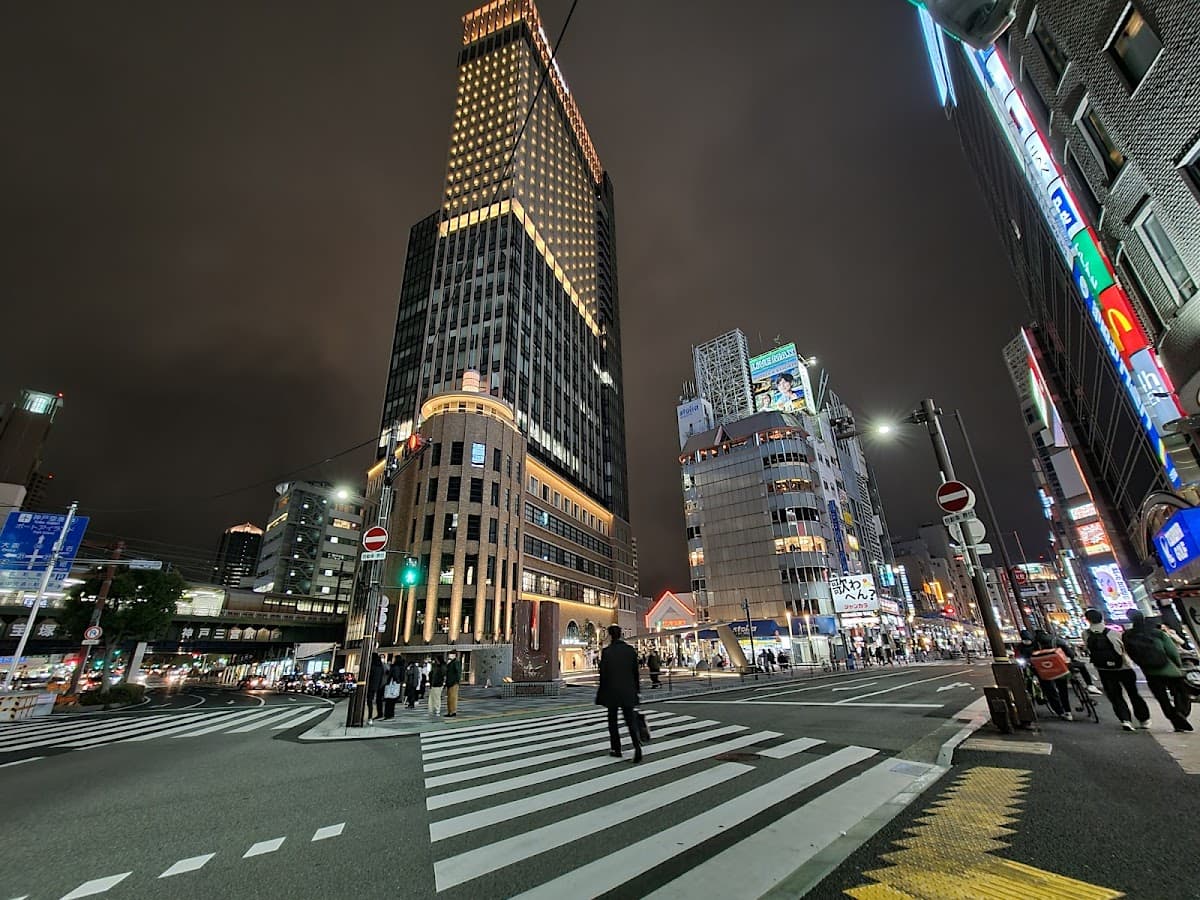
Kobe
Sophisticated Japanese port city famous for premium beef and mountain views
Look, Kobe isn't your typical Japanese city break. This sophisticated port town sits between Osaka Bay and the Rokko Mountains, serving up some of the world's finest beef alongside sweeping harbor views that'll make you forget about Tokyo's crowds. And here's the thing — while everyone's fighting for reservations in Kyoto, Kobe offers that perfect blend of urban sophistication and natural beauty without the tourist chaos. You'll find yourself sipping wine in hillside cafes one moment, then diving into premium wagyu the next.
Best Months
MAR · APR · MAY · SEP · OCT · NOV
~21°C · moderate crowds
Culture & Context
PORT CITY COSMOPOLITAN
Kobe has always looked outward. When Japan reopened to international trade in 1868, its deep natural harbor became one of the first ports to welcome foreign ships, merchants, and ideas. European and American traders built grand Victorian and colonial mansions on the hillside of Kitano-cho.
Chinese merchants established Nankinmachi, one of Japan's three major Chinatown districts. Indian, Southeast Asian, and Middle Eastern communities followed. That cosmopolitan DNA is still very much intact today.
With over 42,000 foreign residents representing more than 132 countries, Kobe feels distinctly international. More relaxed than Tokyo, less chaotic than Osaka. Don't come here expecting traditional Japan.
Come for the port-city swagger, the excellent beef, and a city that quietly rebuilt itself after the devastating 1995 earthquake killed over 5,000 people and destroyed tens of thousands of buildings. Few signs of that remain now. The city is completely rebuilt, and it carries on with a confidence that feels hard-earned.
Local Customs
NO TIPPING, CASH PREFERRED
No tipping. Ever. Japan's service culture (omotenashi) means excellent service is simply the standard — it's not done for monetary reward.
Leaving coins on the table can cause confusion and awkwardness, and staff may run after you thinking you forgot your change.. Remove your shoes before entering homes, traditional restaurants, and temple interiors. Most places provide slippers at the entrance.
Pack shoes that slip on and off easily — this comes up multiple times per day.. In Kansai (which includes Kobe), stand on the RIGHT side of escalators and let people pass on the LEFT. This is the opposite of Tokyo.
Getting it wrong is the quickest way to look like you just got off the Shinkansen.. Cash is still king at many smaller restaurants, local shops, temple admission counters, and some izakayas. Always carry yen.
The nearest 7-Eleven or FamilyMart ATM is your friend.. Don't stick chopsticks vertically into a bowl of rice — it resembles a funeral rite. And don't pass food chopstick-to-chopstick for the same reason..
Pay at the register by placing money in the small tray provided, not directly into the cashier's hand. Don't count your change out loud or visibly — it's considered rude.. Blowing your nose loudly in public is considered impolite.
Step away if you need to.. Pointing with a finger is considered rude. Wave with the full palm in the general direction instead..
At shrines: bow before the torii gate, purify hands at the water basin (temizuya), and walk to the side of the central path — the center is for deities only.
Safety
SAFE, EARTHQUAKE CONSCIOUS
Kobe is extremely safe by any global standard. Crime rates are low, and you can walk around comfortably at day or night without feeling threatened. Assault and robbery are genuinely rare. Valuables left in sight in a car are technically a risk, but petty crime is far lower than most major Western cities.
The one real safety consideration: Kobe sits in an earthquake-prone region. The 1995 Great Hanshin-Awaji Earthquake was catastrophic, and the area remains seismically active. Know the emergency number (110 for police, 119 for fire/ambulance). Your hotel will have earthquake protocols — it's worth a 30-second read when you check in. Many buildings are now built to rigorous earthquake-resistant standards.
Healthcare quality in Kobe is high, with modern facilities and competent staff. Emergency care will be expensive without insurance — get travel insurance before you go. English-speaking medical staff exist but aren't guaranteed outside major hospitals; the Kaisei Hospital near the Rokko area is known for English-friendly service.
Getting Around
TRAINS & CITY LOOP
Sannomiya Station is your base of operations. Every major line converges here: JR, Hankyu, Hanshin, the Kobe Municipal Subway, and the Port Liner to the airport and Port Island. From Osaka, the JR Kobe Line or Hanshin Line both get you to Sannomiya in about 20–30 minutes.
The Kobe Municipal Subway runs two lines — the Seishin-Yamate Line (green) and the Kaigan Line (blue), operating from about 5:30am to 11:45pm. Single fares run ¥210–340 depending on distance. Tap on and off with an ICOCA card (pick one up at any JR station). Suica and Pasmo cards from Tokyo work fine too.
For tourists, the City Loop Bus is the most practical option. The distinctive green retro-style buses run every 15–20 minutes and stop at 15 major attractions from Harborland to Kitano-cho, Chinatown, and Shin-Kobe Station. Day pass is ¥800; two days is ¥1,200. Look for red and green signs at stops.
Best value pass: The Kobe Meguri 1-Day Coupon costs ¥1,000 and gets you unlimited rides on subway, non-JR trains, and some buses, plus an ¥800 discount coupon for admission to selected tourist sights. Available at non-JR train stations.
Taxis start at around ¥500 and cost about ¥196 per km after that. Fine for short late-night trips. Don't bother for longer routes — the trains are faster and a fraction of the cost.
Walking is genuinely underrated here. Sannomiya to Motomachi is 10 minutes on foot. Sannomiya to Meriken Park takes about 20–25 minutes. Kitano-cho is uphill from Sannomiya — about 15 minutes of climbing, but perfectly doable.
Kobe Airport's Terminal 2 officially opened in April 2025 for international flights, making the city more accessible than ever for direct arrivals. The Port Liner monorail connects the airport to Sannomiya in about 18 minutes for ¥340.
Useful Phrases
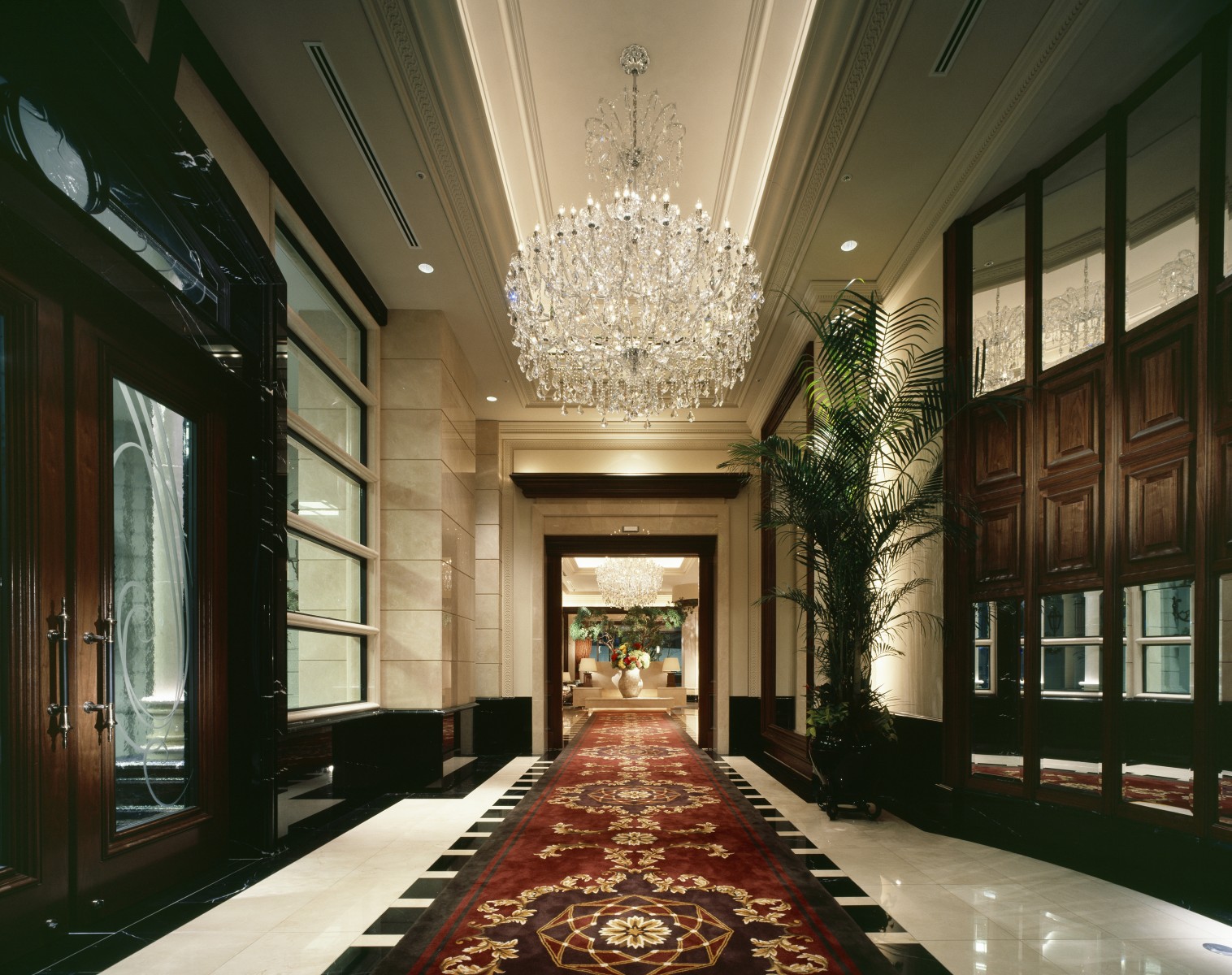
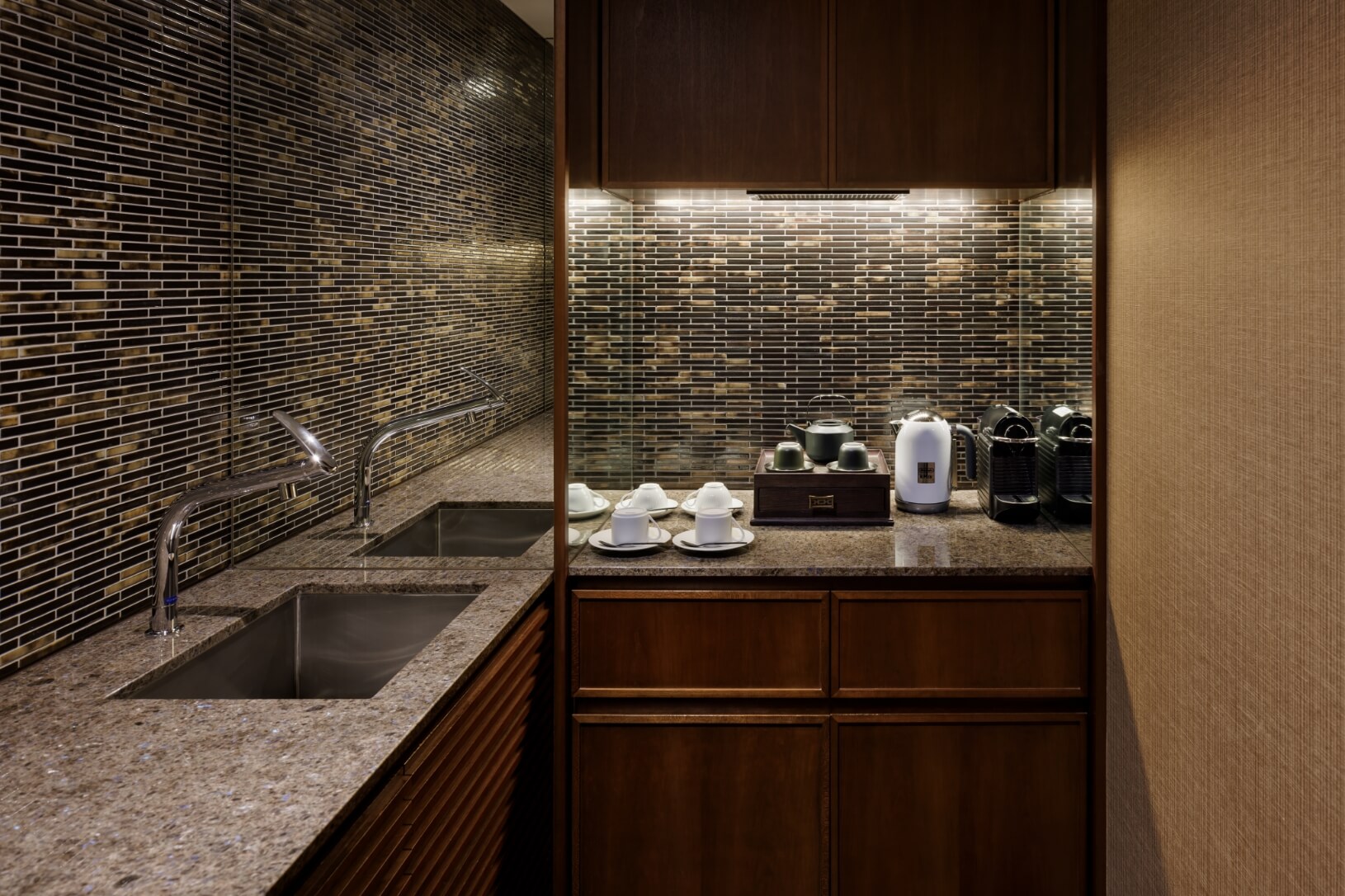
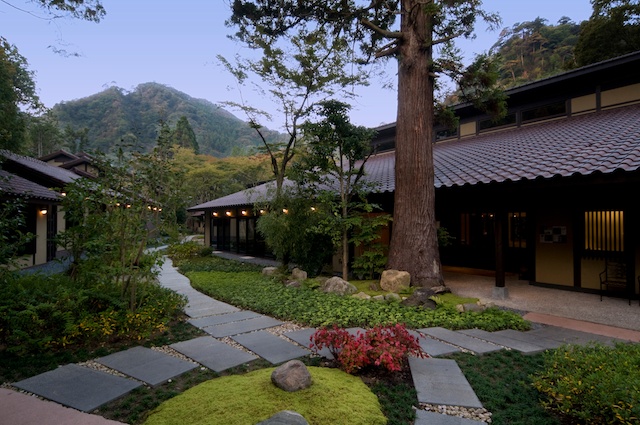
Where to Stay in Kobe
4 recommended properties
Money-Saving Tips
- 1.Buy a Kansai Thru Pass for ¥4,380 — covers trains, subways, and buses between Kobe, Osaka, and Kyoto for three days
- 2.Eat lunch at department store restaurant floors — same quality as street level but 30% cheaper with set menus around ¥1,200
- 3.Skip the tourist sake tastings in Nada and buy bottles directly from brewery shops — half the price of hotel minibars
- 4.Book Kobe beef restaurants for lunch instead of dinner — same meat, same chef, but prices drop by 40%
- 5.Use the free shuttle bus from Sannomiya to Meriken Park instead of taking taxis — runs every 15 minutes until 8pm
- 6.Stay in business hotels near JR stations rather than luxury properties in Kitano — you'll save ¥8,000 per night and be better connected
Travel Tips
- •Download Google Translate with camera function — most Kobe beef restaurants have Japanese-only menus
- •Carry cash — many smaller bars and restaurants don't accept cards, even in 2026
- •Book Kobe beef restaurants at least 3 days ahead — the good ones fill up fast, especially Kawamura and Mouriya
- •Pack layers — mountain weather changes quickly, and you'll want a jacket for evening harbor walks
- •Learn basic chopstick etiquette — Kobe takes dining seriously, and proper form matters in upscale restaurants
- •Rent a pocket WiFi device at Kansai Airport — cell coverage can be spotty in the mountains around Arima Onsen