Jeddah
South Korea's Volcanic Island Paradise and UNESCO Wonder
Jeddah isn't just Saudi Arabia's gateway to Mecca — it's a Red Sea port city where centuries-old coral houses stand next to gleaming skyscrapers. The UNESCO-listed Al-Balad district tells stories through its wooden balconies and ancient souks, while the Corniche stretches for miles along turquoise waters. Here's the thing: most visitors rush through on their way somewhere else, but Jeddah rewards those who linger. The city blends Hijazi architecture with contemporary art installations, traditional coffee culture with rooftop lounges, and Red Sea diving with desert adventures just hours away.
Culture & Context
CROSSROADS CITY BREATHS PRAYER
Jeddah is Saudi Arabia's Red Sea port city and commercial capital of the western Hijaz region. It has been receiving pilgrims, traders, and travellers since the 7th century, which shows in its cultural DNA. The city is noticeably more relaxed than Riyadh.
Women drive, mix-gender cafes are everywhere, and the shisha-and-coffee scene runs late into the night. But this is still a Muslim city, and the rhythm of daily life follows the five prayer times. Shops pause briefly, music dims during the adhan.
That's not an inconvenience. It's just how the city breathes. The foreign women's abaya requirement was scrapped in 2019, though modest dress covering shoulders and knees is expected and genuinely appreciated.
Jeddah's cosmopolitan history runs deep. Its Hijazi dialect has absorbed loanwords from Turkish, Persian, Malay, and various African languages, reflecting centuries of trade and pilgrimage. The city feels like it has always known how to be a crossroads.
And that ease with outsiders is something you notice within hours of arriving.
Local Customs
SHAKE THE COFFEE CUP
Greet people with 'As-salamu alaykum' (peace be upon you). Even a basic attempt at this goes a long way. Locals will often respond warmly..
If someone offers you Arabic coffee (qahwa) and dates, accept. The cup will keep getting refilled until you gently shake it side to side — that's the universal signal that you've had enough.. Eat with your right hand in homes and traditional restaurants.
It carries cultural and religious significance.. Do not photograph people without asking first, especially women. Government buildings and military sites are strictly off-limits for cameras..
During Ramadan, avoid eating or drinking in public during daylight hours. It's a matter of basic respect to those observing the fast.. Don't point the soles of your shoes at anyone in a social setting.
It's considered rude across the region.. Public displays of affection should be kept to a bare minimum — holding hands for couples is generally tolerated, but anything beyond that draws unwanted attention.. Bargaining is expected in the souks of Al-Balad.
Fixed-price stores in malls do not negotiate.. Friday is the Sabbath. Many businesses run reduced hours or are closed during Friday prayer time, typically around midday..
Jeddah is a car-first city. Walking long distances in the summer heat (regularly over 40°C) is not practical. Plan to use Uber or Careem for most trips.
Safety
GENUINELY SAFE TOURIST CITY
Jeddah is genuinely safe for tourists. Violent crime is rare. The bigger risk is accidentally breaking a local rule rather than anything street-crime related.
Keep your belongings secure in busy souk areas — petty theft is the main concern, and it's not widely reported either. The regional security situation tied to the Iran-US conflict in early 2026 did lead to some event cancellations (notably the F1 Grand Prix). It has not directly affected Jeddah's civilian areas, but check your government's current travel advisory before booking.
Use reputable transport — Uber and Careem over unlicensed street taxis. Emergency services: dial 999. Share your ride details with someone when traveling late at night, especially if you're a solo female traveler.
Summers are brutal — temperatures regularly exceed 40°C, often hitting 45°C. Dehydration is a real risk. Carry water, stay in the shade during midday, and do your outdoor exploring in the morning or evening.
Getting Around
UBER OVER WALKING HERE
Getting around Jeddah without a car requires some planning. This is a big city — 1,765 square kilometers of urban area — and it is built around driving. Download both Uber and Careem before you arrive.
Both accept international credit cards, both are licensed by the Saudi Transport General Authority, and both work well. Careem has a female-driver option for women traveling alone. Prices are reasonable: a ride from the airport to Al-Balad runs 60–100 SAR by metered taxi, or around 40 SAR on the KAIIAN app during off-peak hours.
Surge pricing during F1 weekends, rain, or late nights is real. Wait 5–10 minutes and compare prices between apps if you see a spike. The Haramain High-Speed Railway connects Jeddah's King Abdulaziz International Airport directly to Mecca (roughly 45 minutes), Medina, and King Abdullah Economic City.
Trains run from 6:30 AM to 12:30 AM daily. Ticket prices range from 50–300 SAR depending on class and distance. This is the efficient way to do a day trip to Mecca if you're Muslim.
Note: non-Muslims are not permitted to enter Mecca. SAPTCO public buses run through the city and are cheap, but routes are limited and the network is not tourist-friendly. The Jeddah metro is still years away (current projections point to 2032).
For Al-Balad and the Corniche, once you're dropped off, walking is perfectly fine and the right way to explore. Wear comfortable shoes. The Corniche also has a 6km+ waterfront promenade with a bike lane if you want to rent.
Outside of those walkable zones, assume you'll need a ride.
Useful Phrases
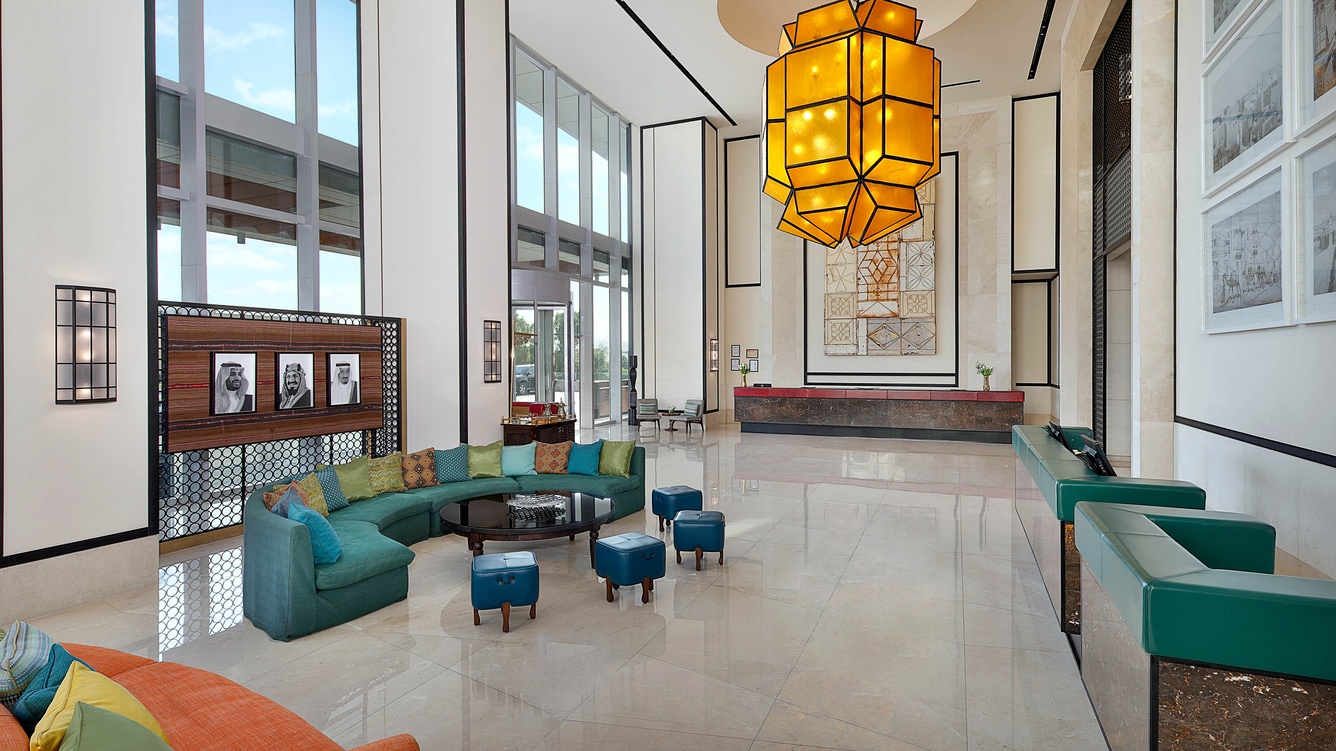
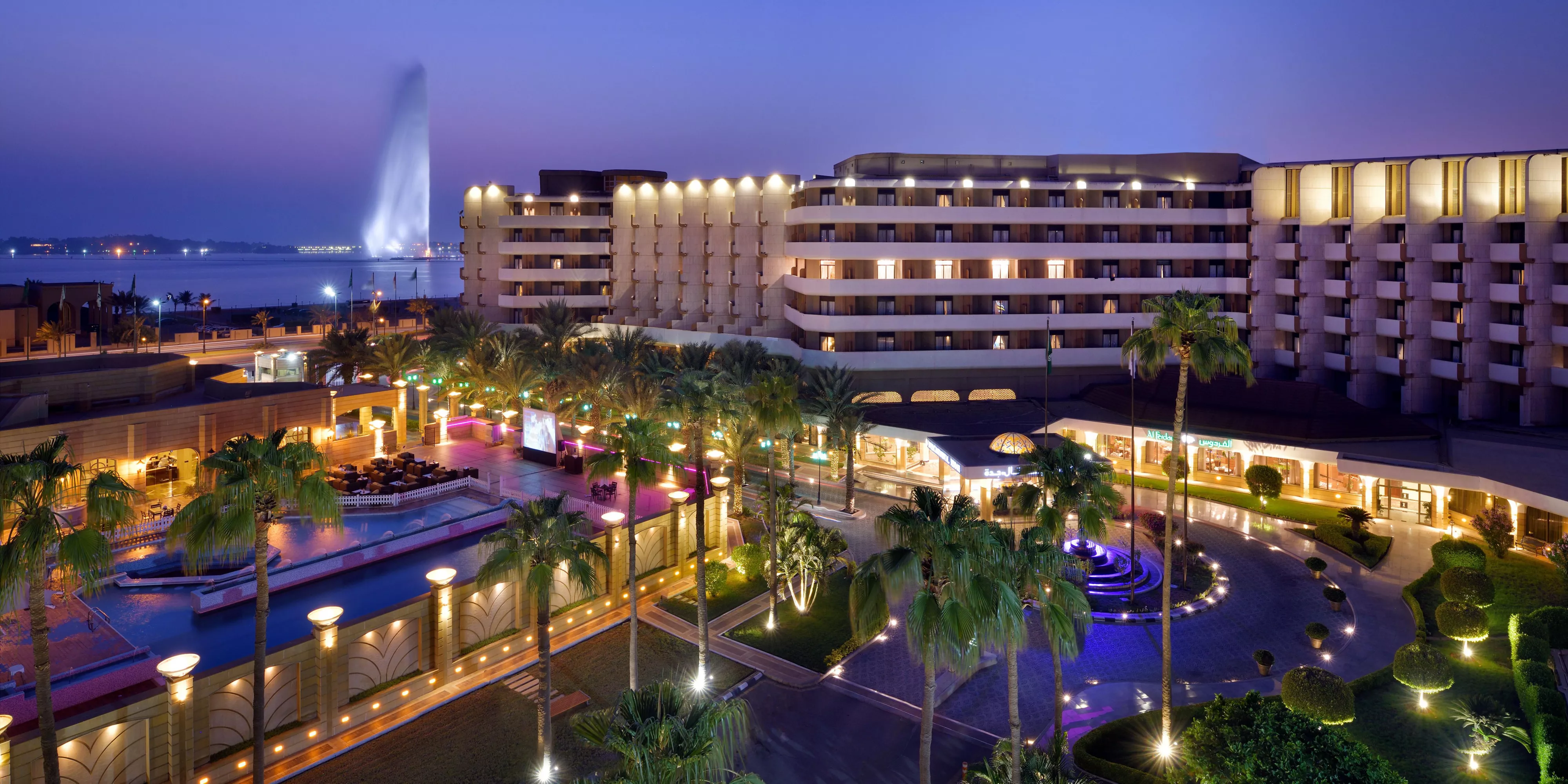
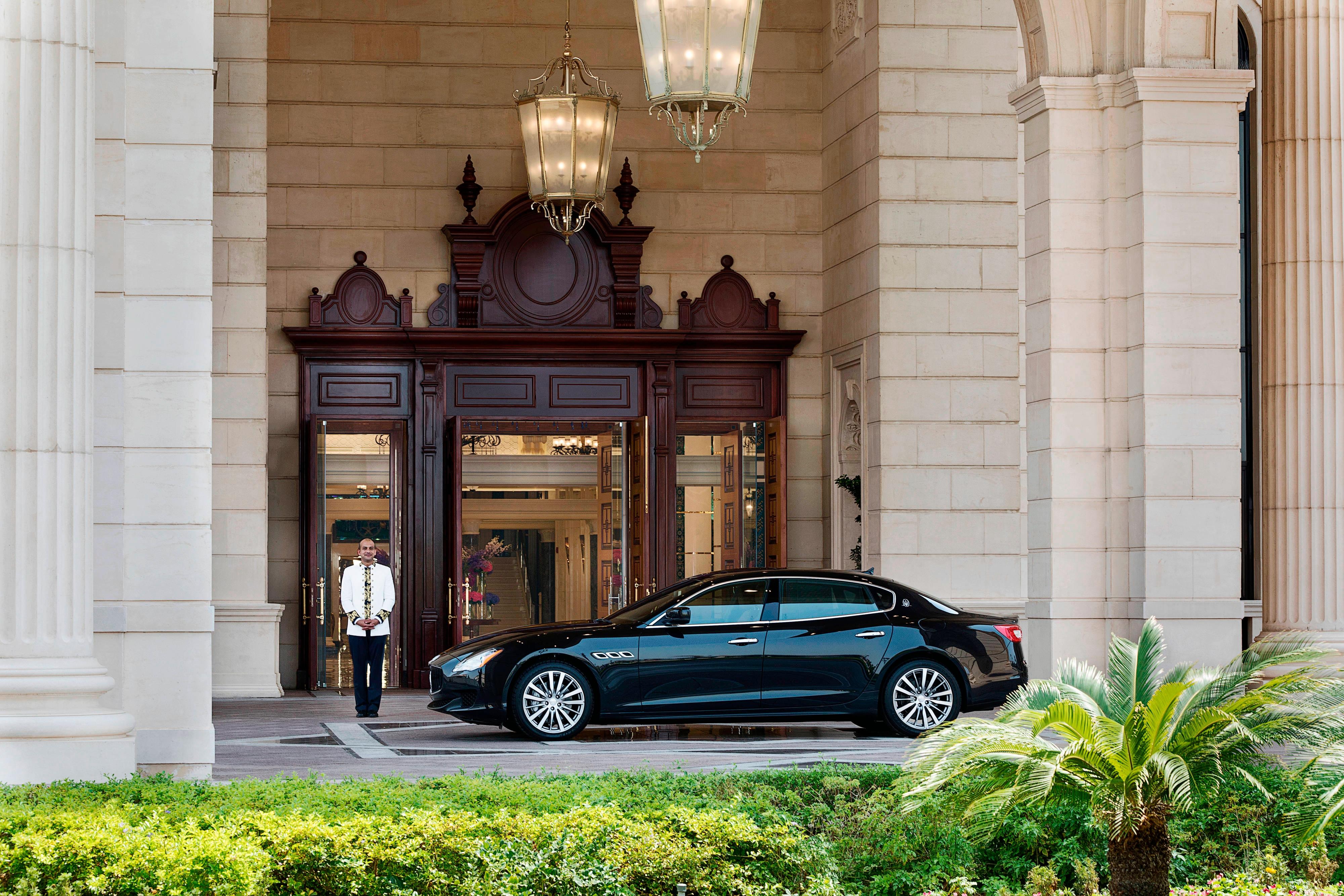
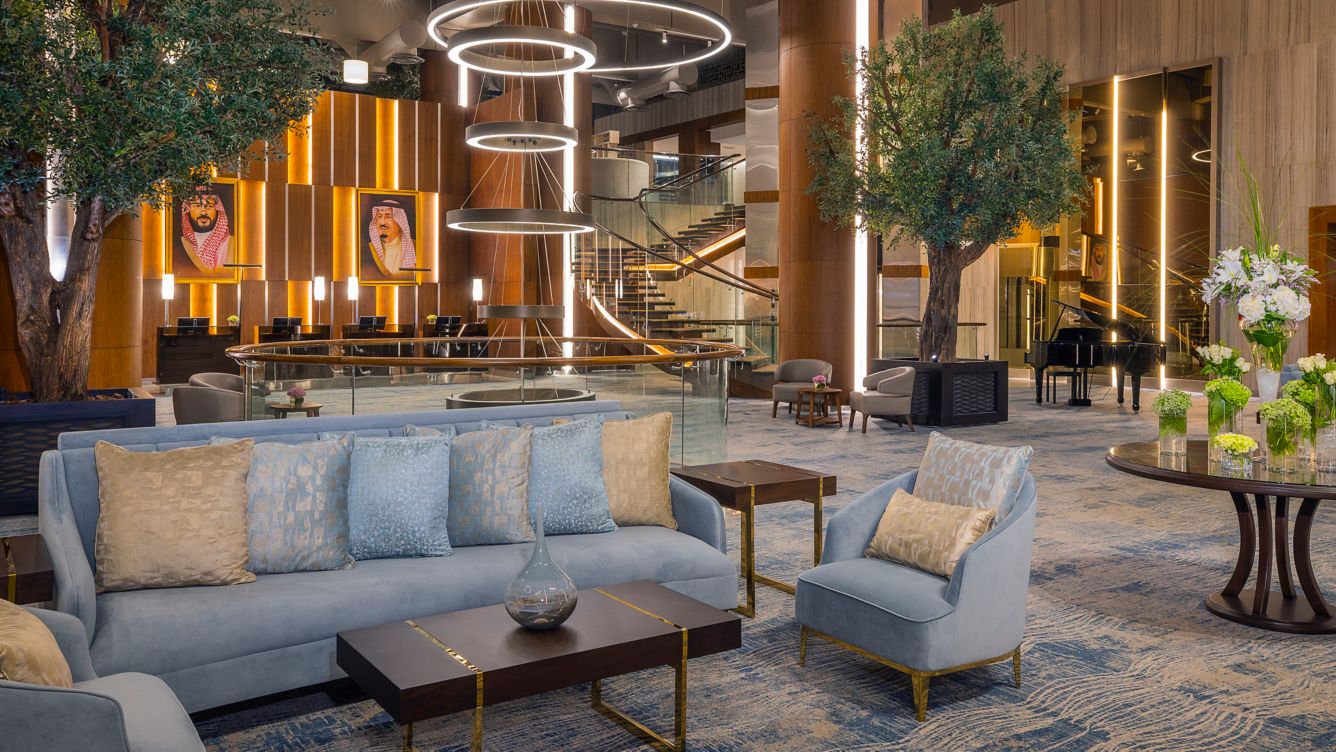
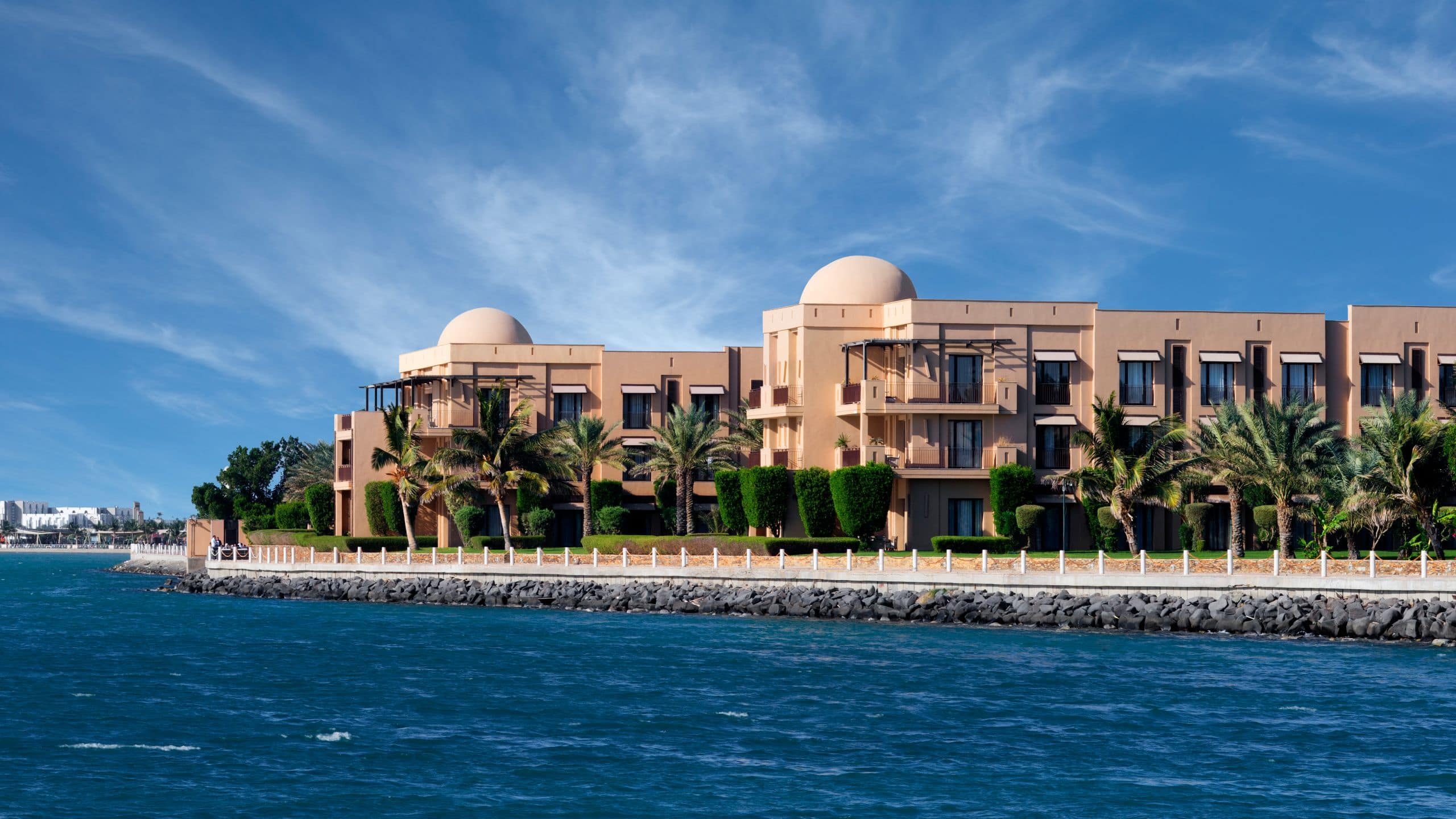
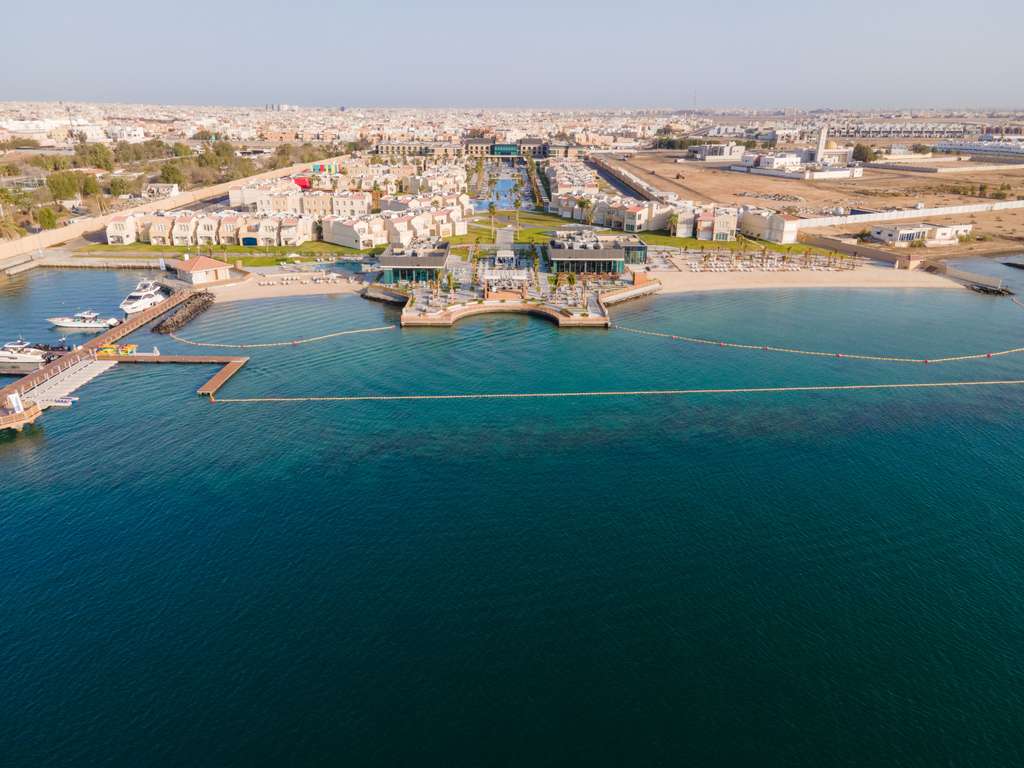
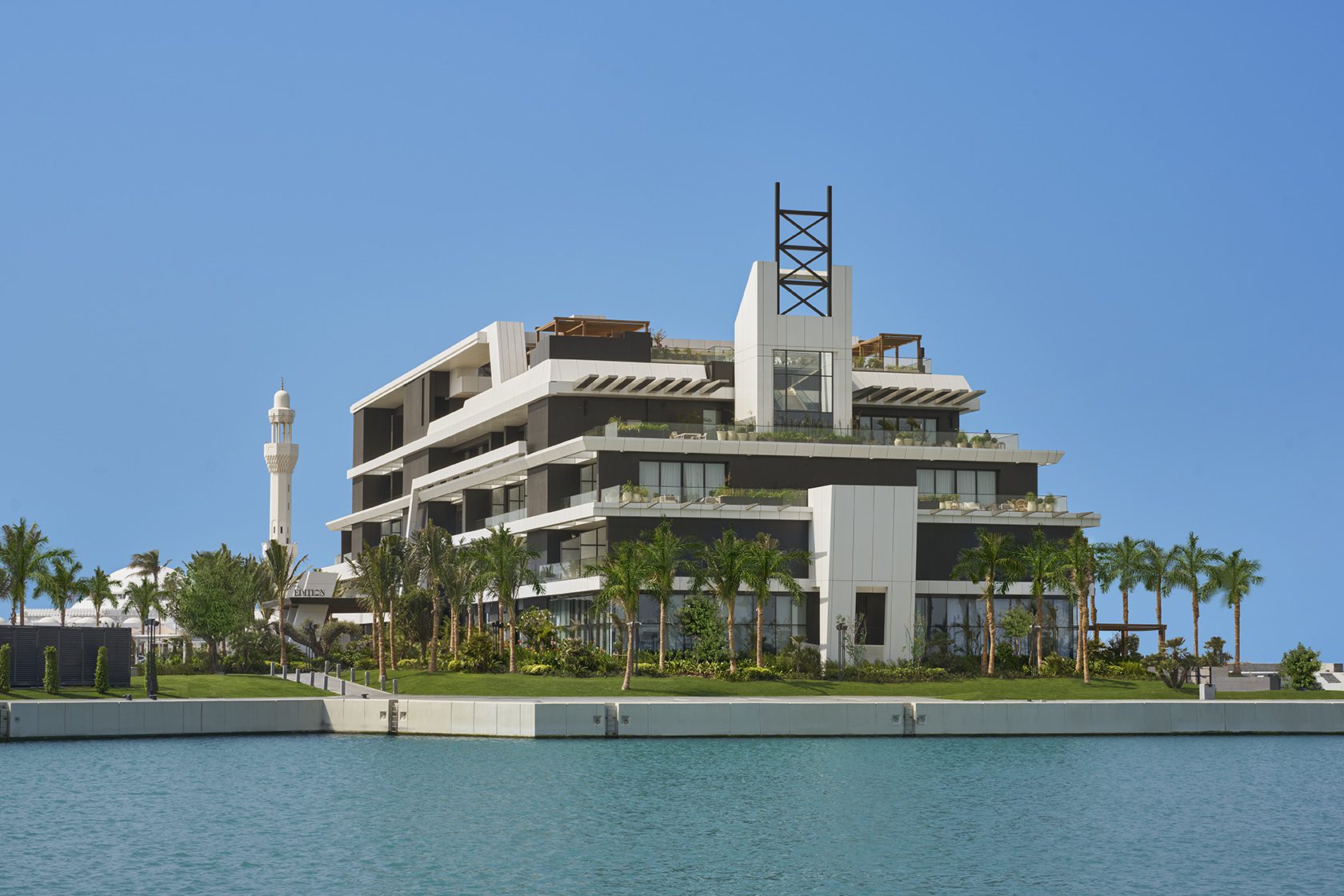
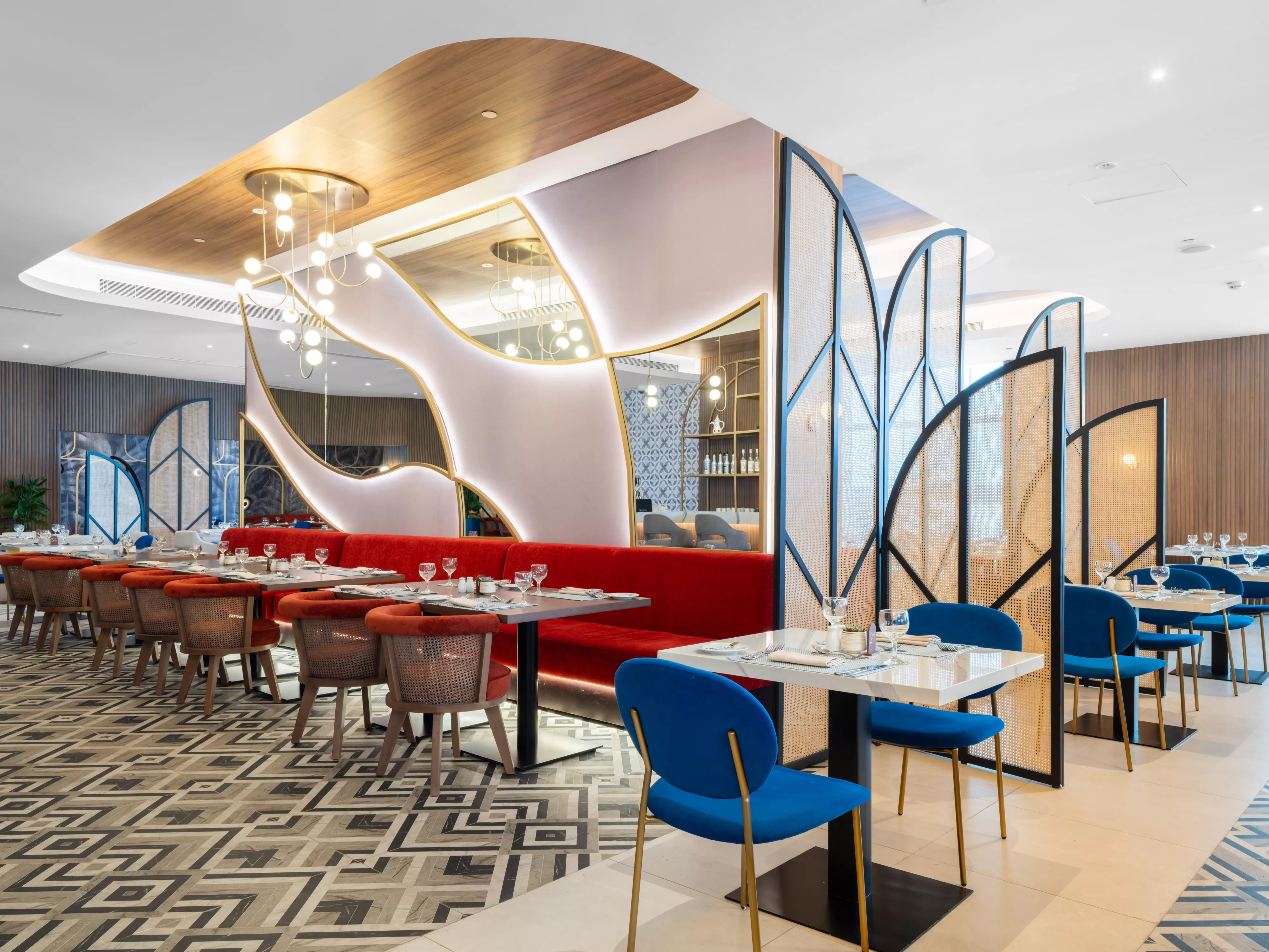
Where to Stay in Jeddah
9 recommended properties

Money-Saving Tips
- 1.Ride-sharing apps like Uber cost 15-25 SAR for most city trips — much cheaper than hotel taxis
- 2.Al-Balad street food vendors offer filling meals for 10-20 SAR versus 80+ SAR at hotel restaurants
- 3.Red Sea diving trips from local operators cost 200-300 SAR versus 500+ SAR through hotels
- 4.Shopping in traditional souks allows bargaining — start at 50% of the asking price
- 5.Many cultural sites like Beit Nassif and Al-Balad walking tours are completely free
- 6.Local coffee shops charge 8-12 SAR for excellent Arabic coffee versus 25+ SAR at international chains
Travel Tips
- •Download offline maps — GPS can be spotty in Al-Balad's narrow historic streets
- •Dress conservatively: long pants and covered shoulders required at most cultural sites
- •Friday afternoons see most businesses closed for prayers — plan museum visits accordingly
- •Carry cash for small vendors and traditional restaurants that don't accept cards
- •Learn basic Arabic greetings — locals appreciate the effort and open up more
- •Book Red Sea diving trips in advance during peak season (April-June)
- •The Corniche gets crowded Friday evenings — visit early morning for better photos
- •Hotel wifi works well, but get a local SIM card for reliable internet while exploring