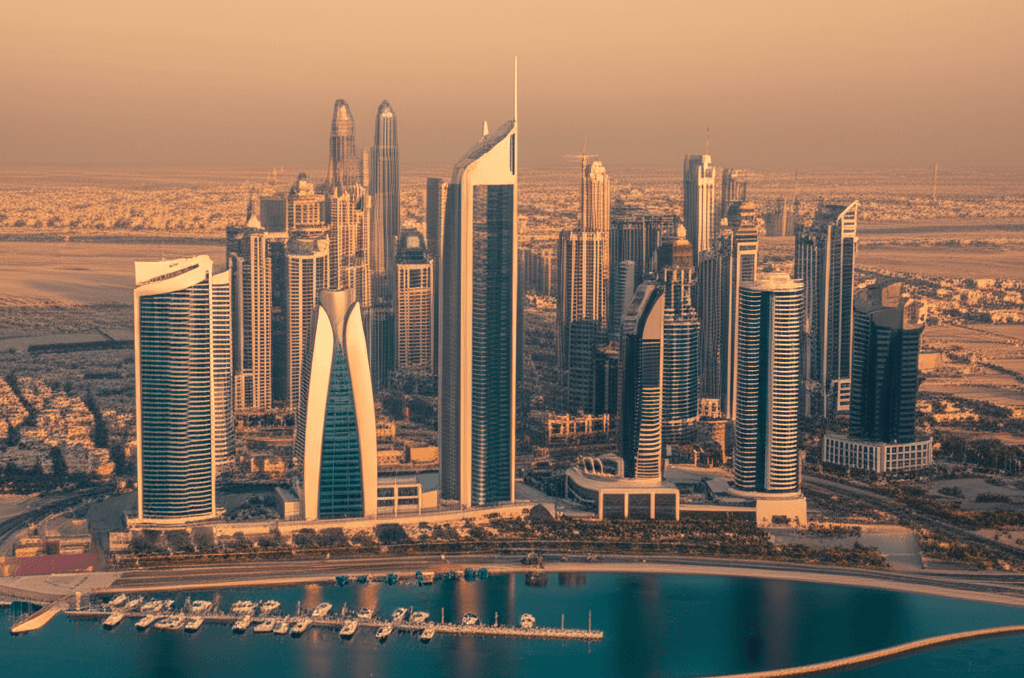
Abu Dhabi
West Africa's vibrant gateway where tradition dances with modernity
Abu Dhabi isn't trying to be Dubai. And that's exactly why you should visit. The UAE's capital moves at its own pace — slower, more thoughtful, with pockets of genuine culture tucked between the gleaming towers. You'll find traditional souks steps away from world-class museums, and yes, the Sheikh Zayed Grand Mosque really is as stunning as the photos suggest. But here's what the guidebooks don't tell you: the best Arabic coffee in the city comes from a tiny shop in the old Mina Port area, and the sunset views from the Corniche beat any rooftop bar. Abu Dhabi rewards travelers who dig a little deeper.
Best Months
JAN · FEB · MAR · NOV · DEC
~28°C · peak crowds
Culture & Context
CULTURAL CAPITAL, NOT DUBAI
Abu Dhabi is the UAE's capital and the seat of actual political power — Dubai gets the glamour press but this city makes the decisions. And it shows. The pace is more measured, the architecture more considered, the cultural ambition more deliberate. The Louvre Abu Dhabi, the Abrahamic Family House, the Zayed National Museum still in progress — these aren't tourist gimmicks, they're a serious attempt at building a lasting cultural identity.
Emiratis are a minority in their own city. The population is over 85 percent expat, a mix of South Asian, Arab, Western, and East African workers. English is genuinely the operational language. Menus, signage, taxis, shops — all work in English. Arabic knowledge is appreciated but you'll never actually need it to get by.
Islam shapes the city's rhythm. The call to prayer happens five times a day and you'll hear it from wherever you are. During Ramadan (around February 17 to March 19 in 2026), the city runs on a completely different schedule. But outside of that month, the city is more moderate than many visitors expect. Women travel solo here without issue. Nightlife exists. Concerts happen. The place is conservative by European standards and fairly liberal by Gulf standards — somewhere in between.
Local Customs
MODEST DRESS REQUIRED
Dress modestly in public. Shoulders and knees covered is the practical rule for malls, streets, markets, and cultural sites. At the beach or hotel pool it's fine, but cover up the moment you step back into the lobby or onto the street.
Bikini tops as tops in the mall will get you looks, and occasionally a word from security.. At Sheikh Zayed Grand Mosque, women need full-length clothing and a head covering. They provide abayas at the entrance if you don't have the right clothing, so you won't be turned away.
But if you want good photos, bring your own long-sleeved maxi dress and a scarf — what they hand out is functional rather than flattering.. Alcohol is legal but only available in licensed venues, which are almost exclusively hotel bars, hotel restaurants, and a few standalone clubs. You cannot buy alcohol at a regular supermarket.
Prices are high — a beer at a hotel bar typically runs AED 45–60.. Do not eat, drink, or smoke in public during Ramadan daylight hours. It's both disrespectful and technically illegal.
Restaurants open for dining but with curtained windows. The city transforms after sunset — the atmosphere around Iftar is genuinely special.. Public displays of affection are frowned upon and can attract police attention.
Holding hands between couples is generally fine, but kissing or embracing in public is not.. Do not photograph people without asking, especially local women. Photography restrictions also apply to government buildings, military installations, and some palaces.
When in doubt, ask.. When entering someone's home or a mosque, remove your shoes. Accepting coffee or dates when offered is polite.
Refusing repeatedly can come across as rude.. Tipping is appreciated but not obligatory. Ten percent in restaurants is standard.
Taxi drivers don't usually expect tips but round up the fare.
Safety
GENUINELY VERY SAFE
Abu Dhabi is genuinely one of the safest cities in the world for travelers. Solo women travelers report feeling comfortable here at night. Petty crime is extremely rare. The expat community, which makes up the vast majority of residents, is well-integrated and the city functions with a lot of social order.
The real risks are behavioral rather than criminal. Overstaying your visa accumulates heavy fines. Public intoxication is illegal and taken seriously. Carrying or using drugs carries severe penalties including prison and deportation. Public profanity, rude gestures, or posting offensive content about the UAE or Islam on social media can result in arrest. These laws apply to tourists too.
Driving in Abu Dhabi requires attention — the roads are fast, speeding is common, and some intersections are confusing to navigate for first-timers. The summer heat (June–September, regularly above 42°C) is a genuine safety concern for outdoor activities. Hydration and sun protection are not optional in those months.
The Musaffah industrial area is fine during the day but less comfortable for solo women at night. Otherwise, there are no neighborhoods to actively avoid as a tourist.
Getting Around
UBER, TAXIS, CAR RENTAL
Abu Dhabi does not have a metro. That's the first thing to understand. Getting around means taxis, Uber, Careem, or renting a car. Public buses exist (AED 2 a ride, route maps on the Darb app) but the network is slow and the city's heat makes walking between stops miserable from May through September.
Uber and Careem are reliable and reasonably priced. A 5km ride costs about AED 14 ($3.80). Taxis are metered, abundant, and work fine — average ride within the city center runs AED 15–25. There's no surge pricing drama you'd see in other cities.
The big 2026 news is the launch of Etihad Rail passenger service, linking Abu Dhabi to Dubai in approximately 30 minutes. Previously that journey was a 90-minute drive. This makes day-tripping between the two cities genuinely easy and changes the calculus on where to base yourself.
Renting a car makes sense if you plan to visit Al Ain, the Al Dhafra desert region, or do any of the out-of-city experiences. Roads are excellent and signage is in English. Parking in the city center costs AED 2–4/hour via the Mawaqif app. Note that driving during the F1 Grand Prix week is a genuine headache around Yas Island.
Useful Phrases
Explore Neighborhoods
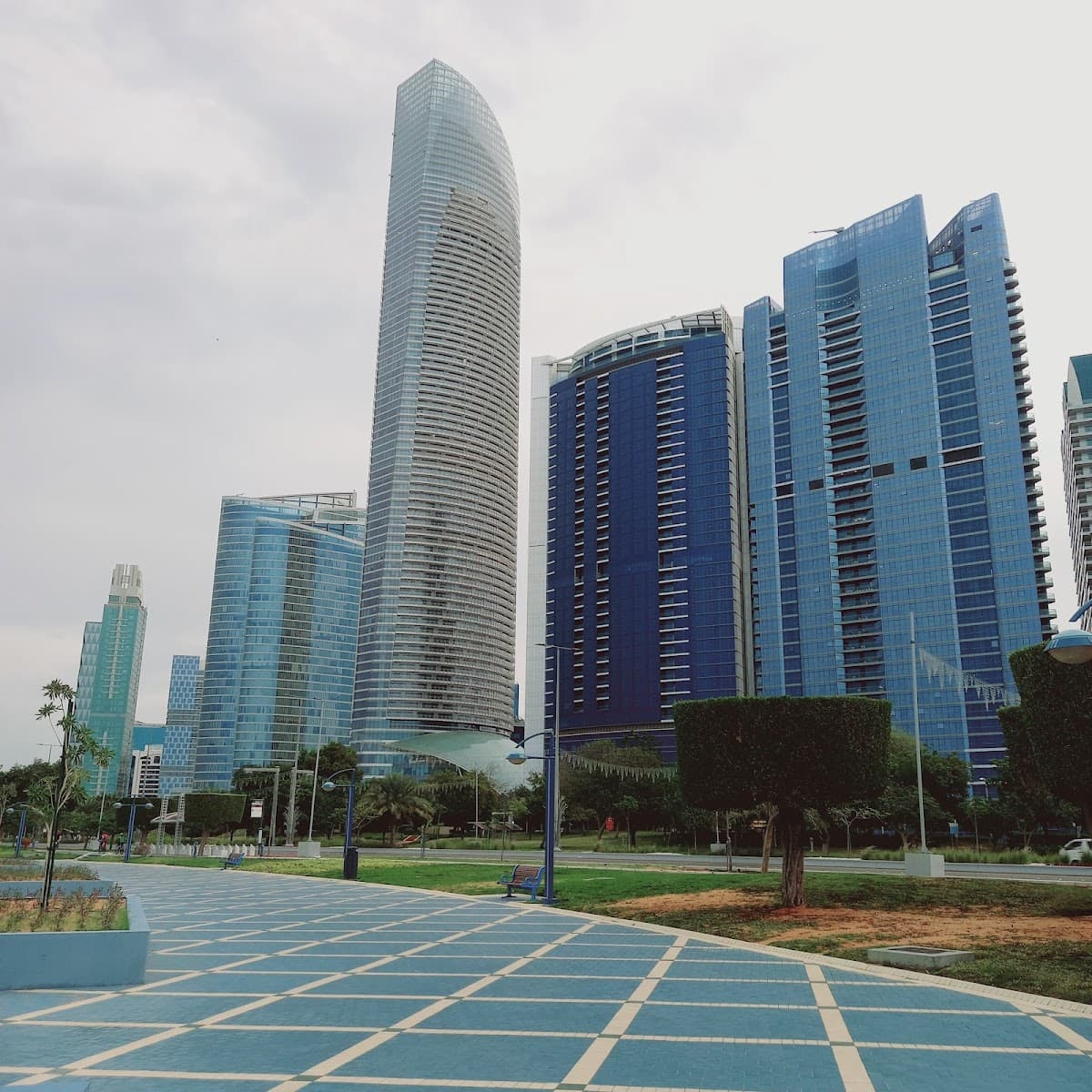
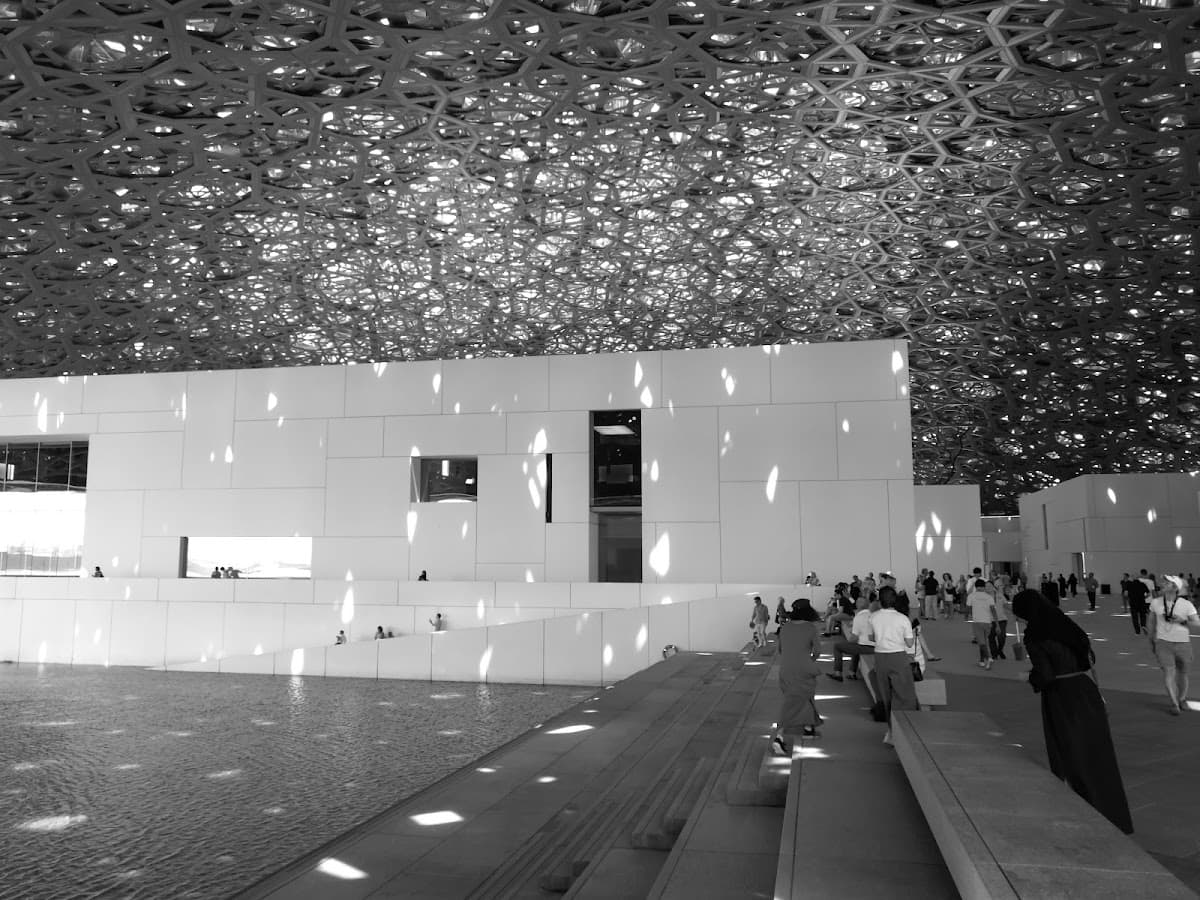
Explore the Region
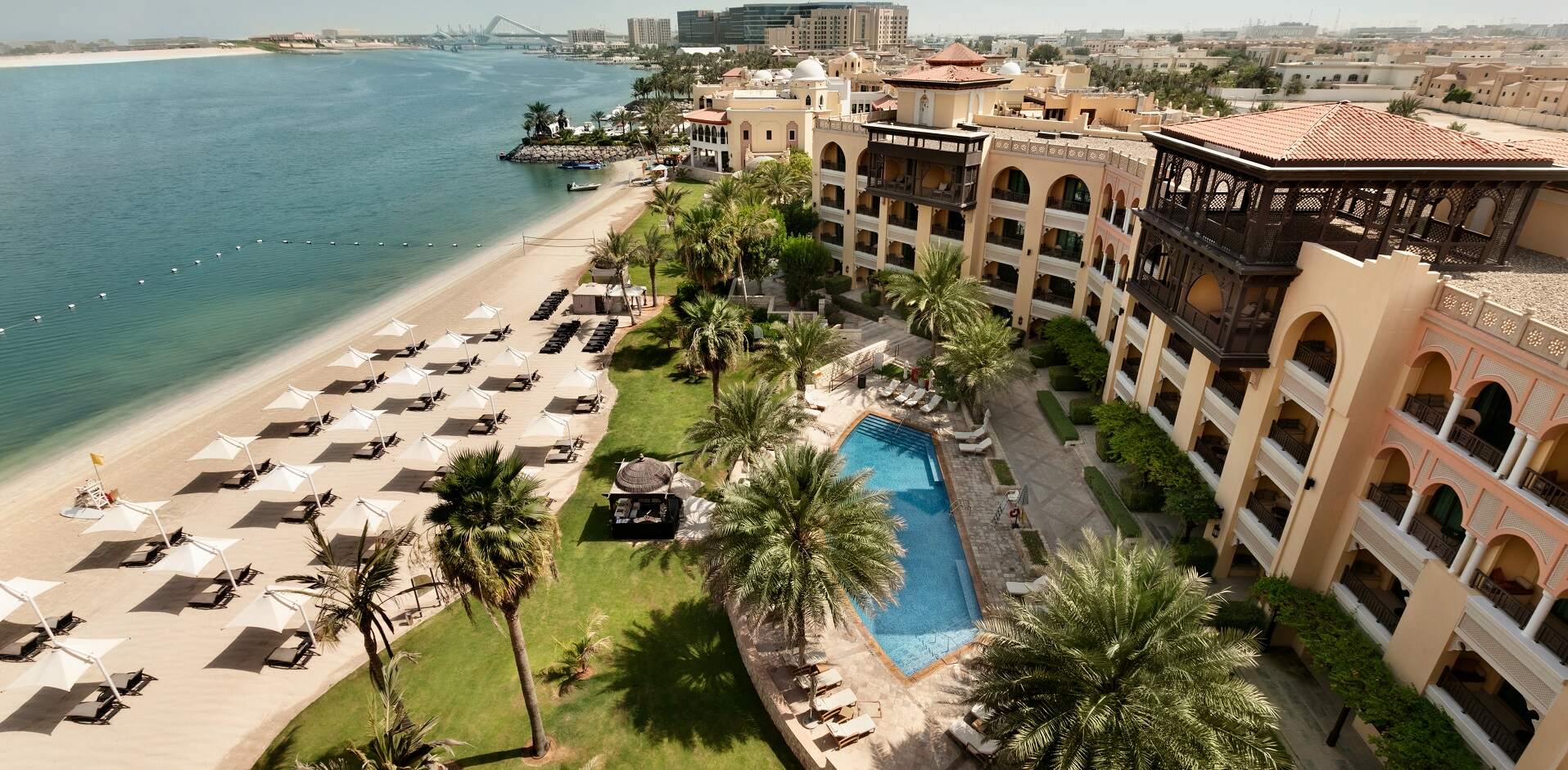
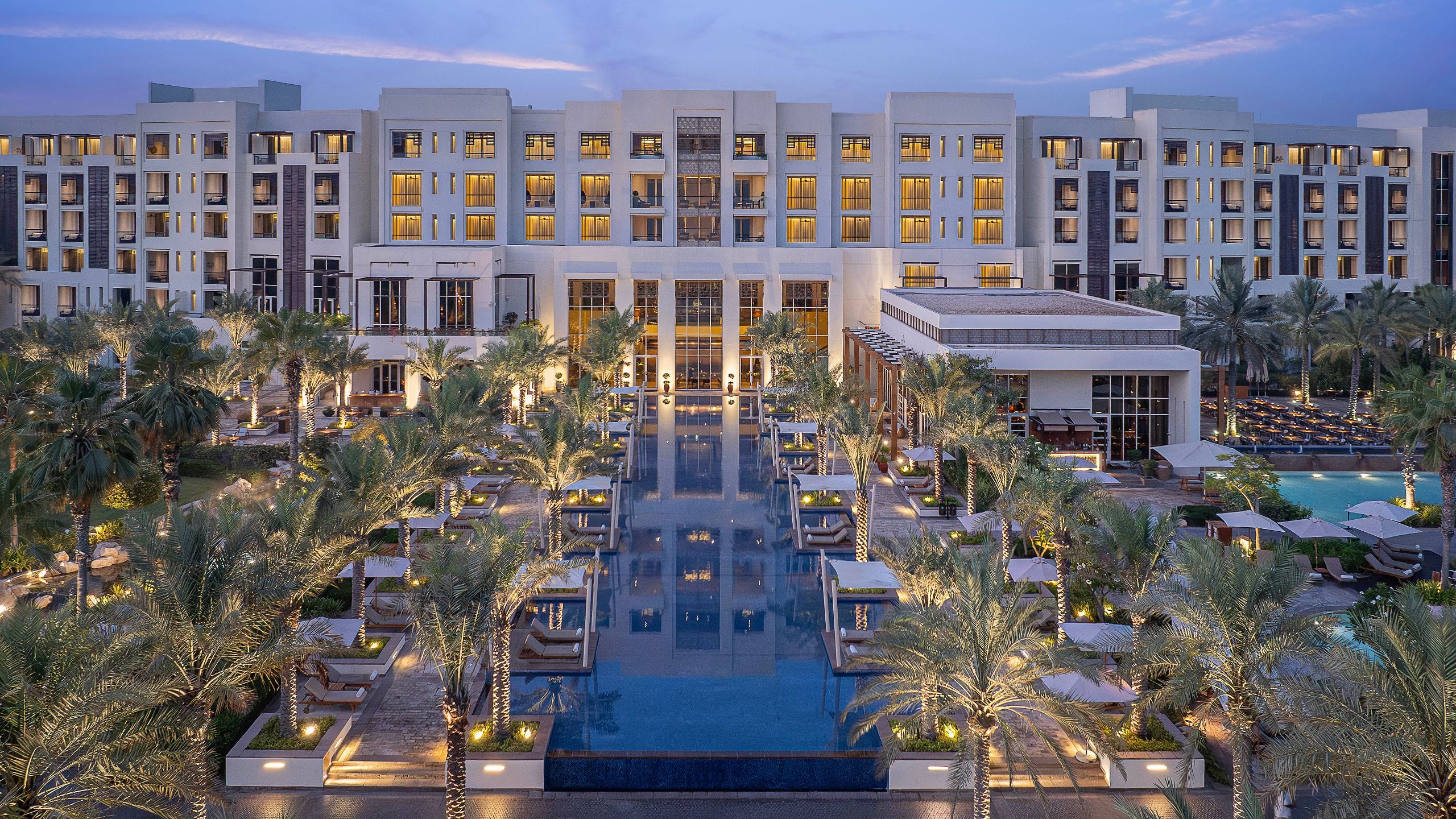
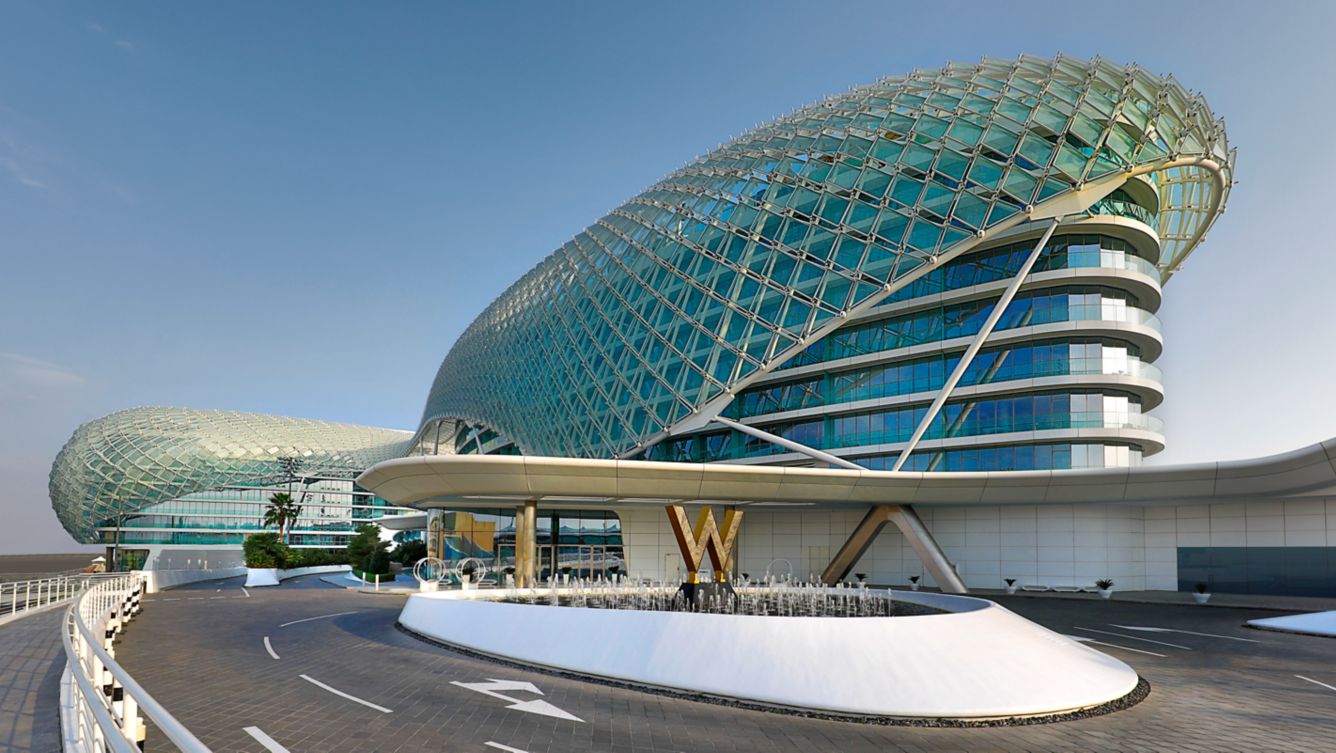
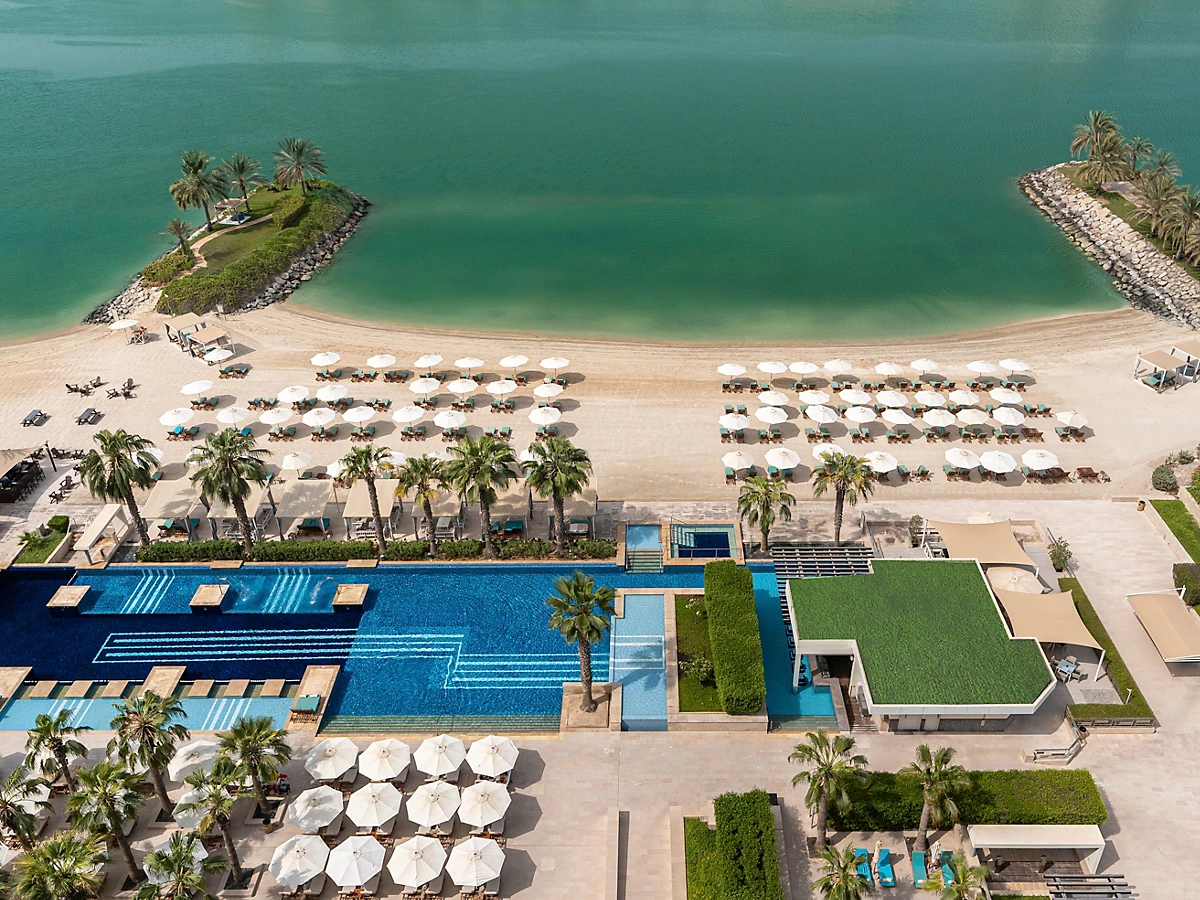
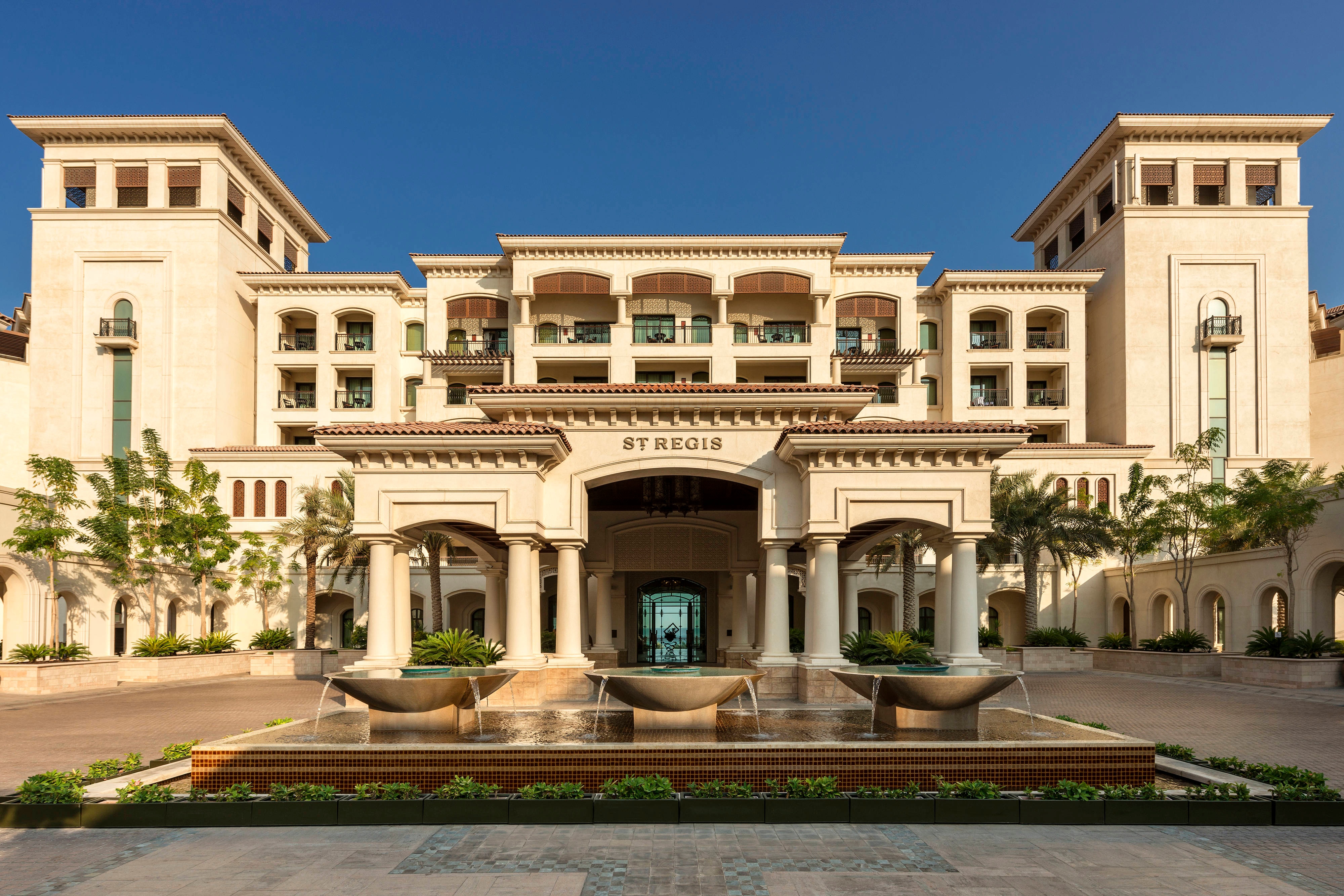
Where to Stay in Abu Dhabi
9 recommended properties


Things to Do in Abu Dhabi
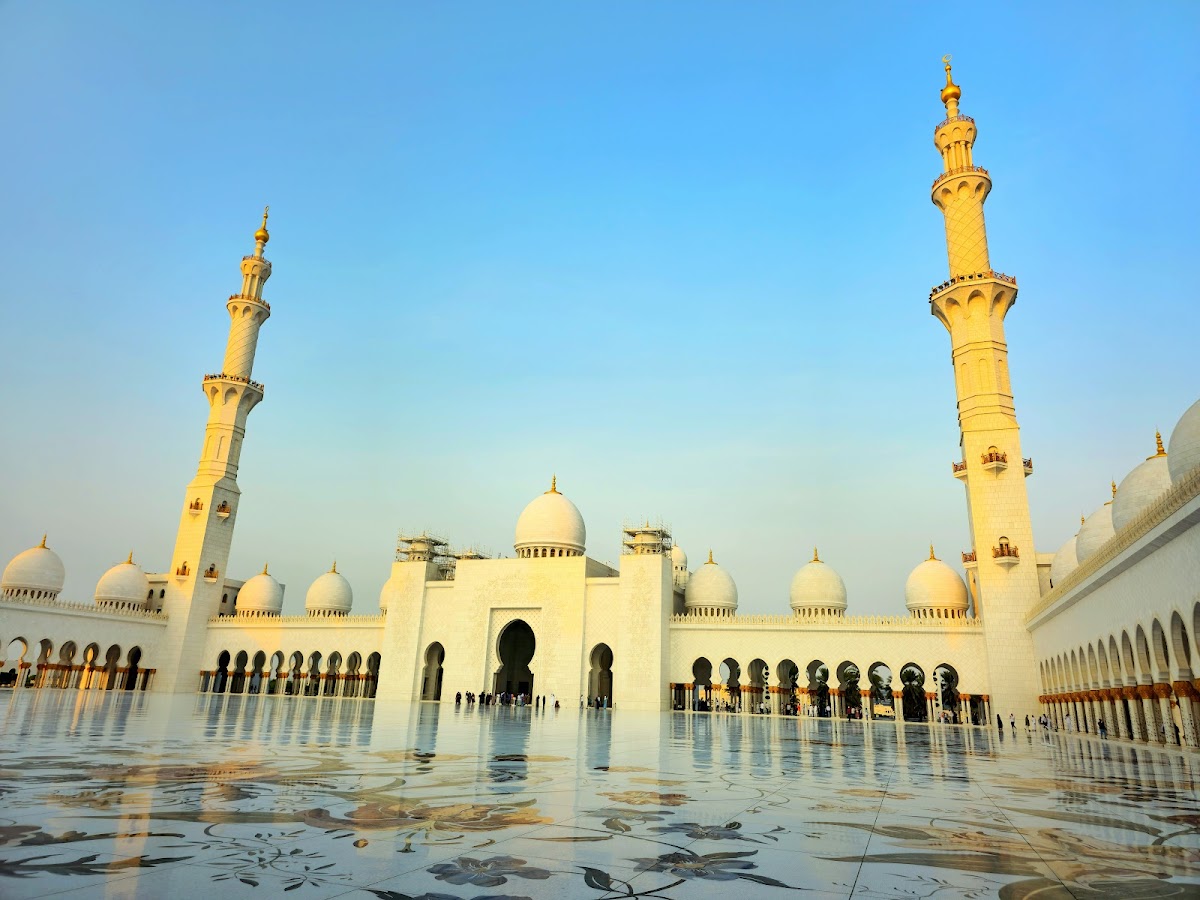
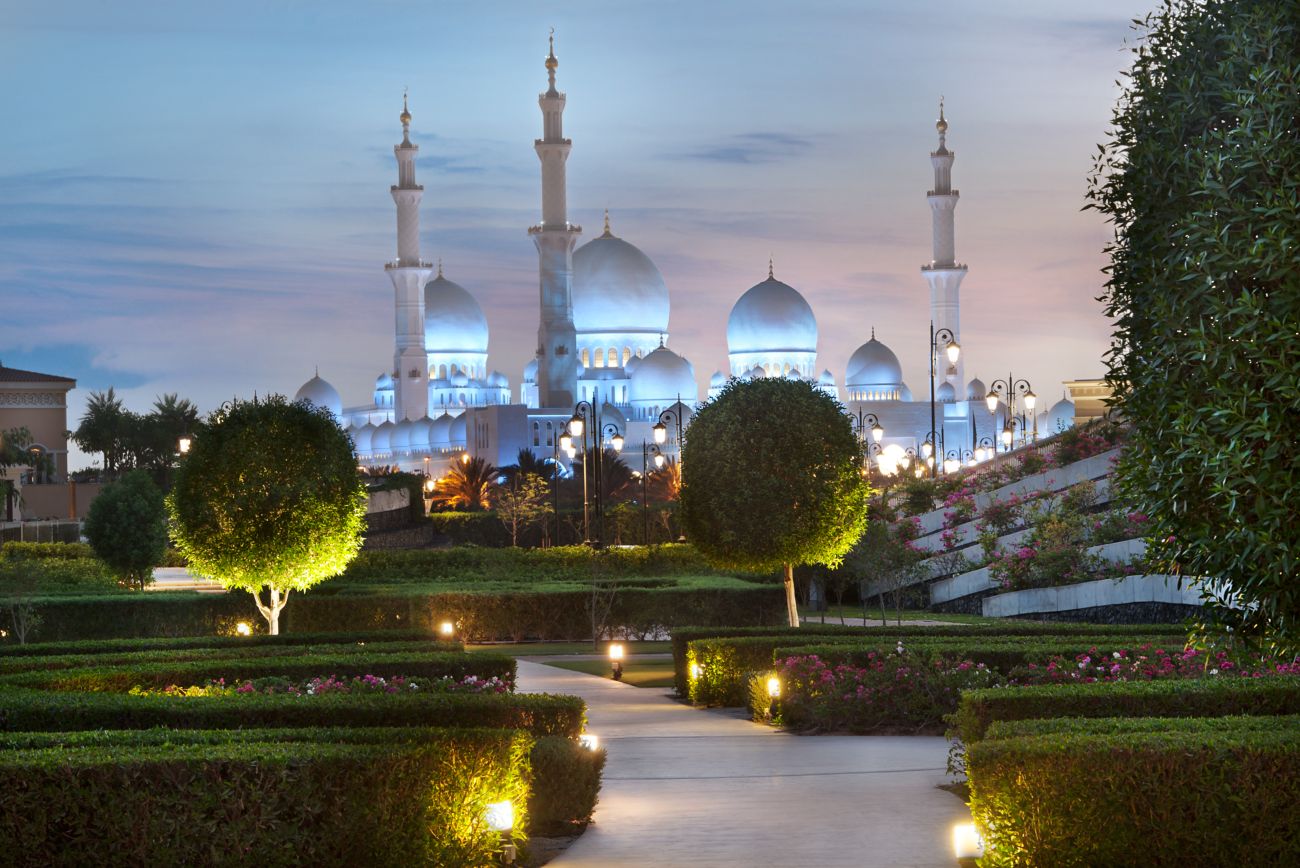
Sheikh Zayed Grand Mosque
Al Maryah Island · 120 min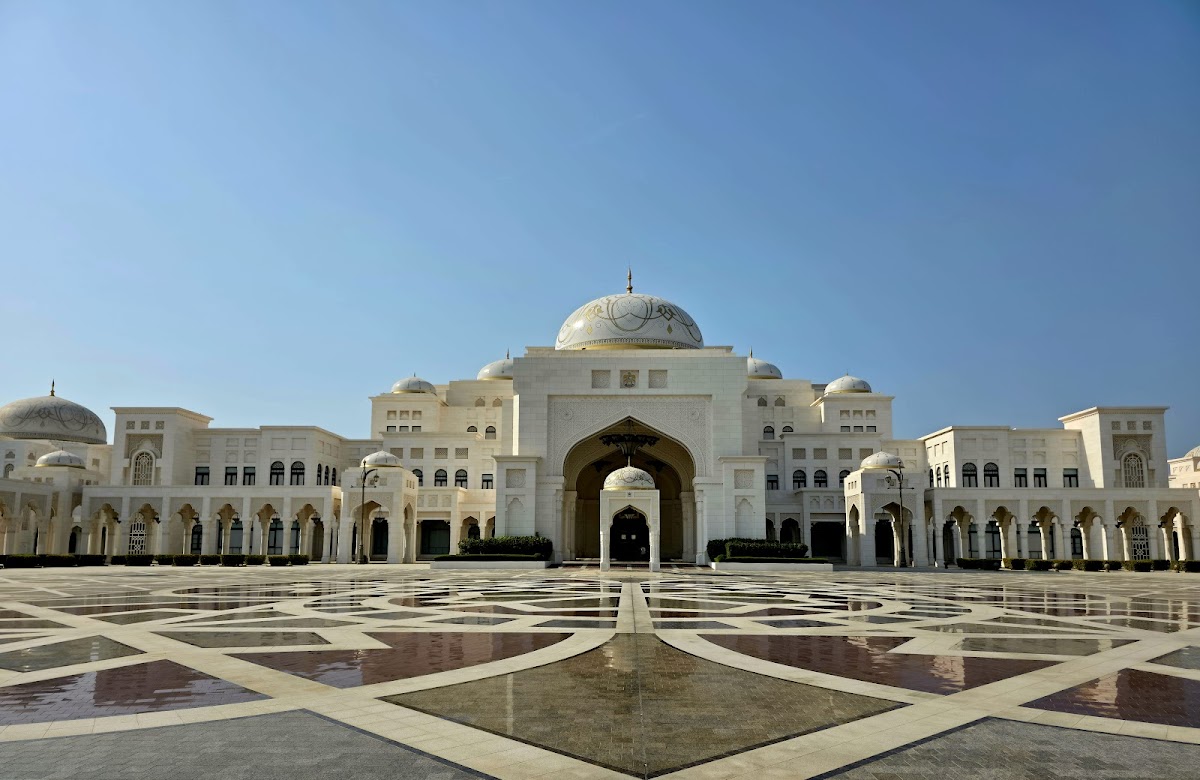
Qasr Al Watan Presidential Palace
Al Ras Al Akhdar · 90 min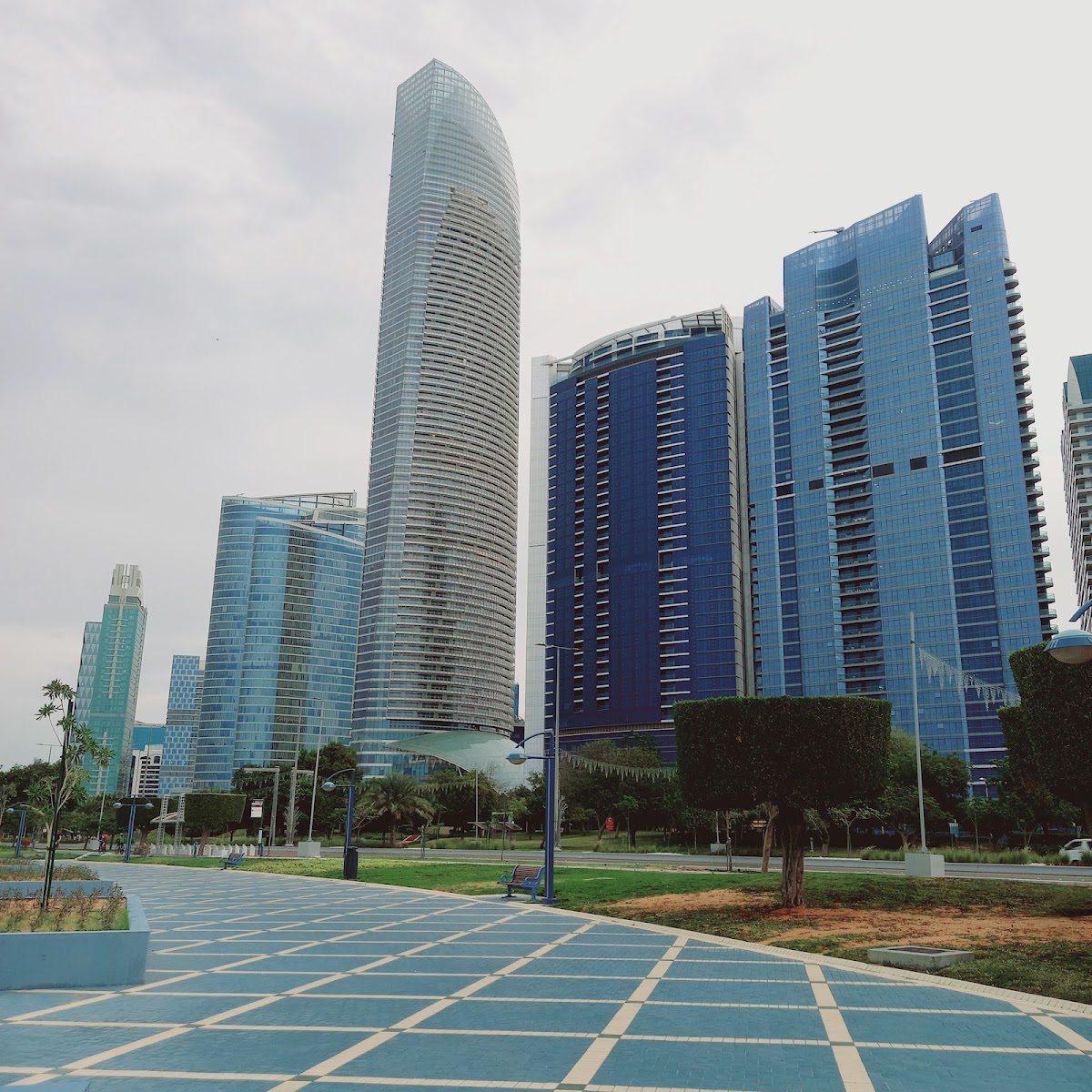
The Corniche
Corniche · 60 minMoney-Saving Tips
- 1.Skip the tourist restaurants near major attractions — they charge double for half the quality compared to local spots
- 2.Buy groceries at Lulu Hypermarket instead of hotel convenience stores to save 60-70% on snacks and water
- 3.Use the metro day pass (20 AED) instead of individual tickets if you're making more than 3 trips
- 4.Many museums offer free admission on certain days — Louvre Abu Dhabi is free for UAE residents on the last weekend of each month
- 5.Eat your big meal at lunch when many upscale restaurants offer set menus for 40-50% less than dinner prices
- 6.Book desert safari tours directly with operators instead of through hotels to save 100-200 AED per person
Travel Tips
- •Dress conservatively when visiting mosques and traditional areas — shoulders and knees covered, women should bring a headscarf
- •Download the Darb app for real-time bus and metro schedules — it's more accurate than Google Maps for public transport
- •The best exchange rates are at Al Ansari Exchange locations, not airport currency counters or hotels
- •Carry cash for traditional souks and small restaurants — many don't accept cards despite having the machines
- •Visit the Sheikh Zayed Grand Mosque during the day and return for the evening lighting — it transforms completely after sunset
- •Book restaurant reservations 2-3 days ahead during peak season (December-February) — popular spots fill up fast