Cairo
Ancient wonders meet modern Middle Eastern metropolis
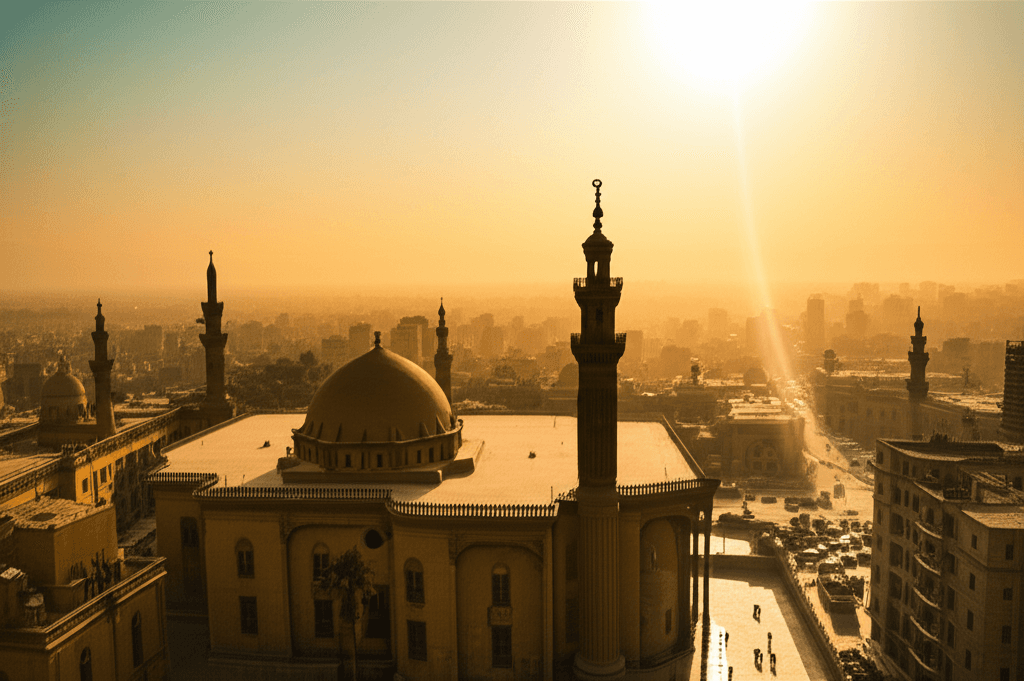
Cairo hits you like a sensory overload the moment you step outside the airport. The call to prayer echoes across a city where 4,000-year-old pyramids share the skyline with concrete apartment blocks. Donkey carts weave between Uber drivers on streets that have seen pharaohs, Romans, and Ottoman sultans.
This isn't the sanitized version of ancient Egypt you see in museums. Cairo is raw, chaotic, and completely alive. You'll dodge traffic to reach the Giza pyramids, haggle for spices in medieval markets, and eat some of the best street food on the planet. The city demands patience - nothing runs on time, and the traffic is legendary. But that's exactly what makes it extraordinary.
Look, Cairo isn't for everyone. The pollution is real, the crowds are intense, and your Instagram-perfect expectations might get crushed by reality. But if you want to touch actual history while experiencing one of the Middle East's most authentic cities, there's nowhere else like it.
Best Months
JAN · FEB · MAR · NOV · DEC
~22°C · high crowds
Culture & Context
WARMTH & HUSTLE
Cairo moves on its own clock, and if you fight it, you lose. Egyptians are famously warm and genuinely curious about visitors, but hospitality here can shade into persistence quickly, especially around Khan el-Khalili and the Pyramid entrance. Learn to distinguish between someone being genuinely friendly and someone opening a sales pitch.
Most of the time it's both. Egypt is a predominantly Muslim country, so dress modestly outside resort areas. Women should cover shoulders and knees; men should skip the tank tops in the city.
Friday is the main prayer day — some sites and restaurants have altered hours. During Ramadan (February 28–March 29, 2026), restaurants close during daylight and the city transforms at night. Book hotels 60 days ahead for Ramadan and Eid periods.
Rooms sell out fast. Baksheesh (small tips) is genuinely part of daily life, not a tourist trap. Round up taxi fares, tip restroom attendants, and have small E£5–20 notes on hand constantly.
Haggling is standard at souks. Starting prices in tourist markets are often 2–3x the actual value, so don't feel bad negotiating hard.
Local Customs
BAKSHEESH EVERYWHERE
Baksheesh is real. Small tips of E£20–50 are expected from restroom attendants, guards who let you take photos in restricted spots, and anyone who carries your bags. Keep a constant supply of small notes..
Always greet before you transact. Walking up to a vendor or taxi driver and immediately saying a price without 'As-salamu alaykum' or at minimum 'hello' reads as rude.. Bargaining is the norm at souks and markets.
Starting prices at Khan el-Khalili are often 2–3x what sellers will actually accept. Don't feel bad negotiating. Smiling while you do it helps..
Photography of police stations, military barracks, and certain government buildings is illegal. Don't do it. Photographing people — especially women — without permission is also a fast way to cause offense..
Friday midday prayer affects operating hours across the city. Many businesses close for an hour or two. Plan museum visits and lunch accordingly..
Remove shoes before entering mosque prayer areas. Cover shoulders, knees, and (for women) hair when visiting mosques — scarves are often available at the entrance.. Street food stands are almost always cash-only.
ATMs are widely available but break small bills at a hotel or Carrefour before heading to a market.. Tap water is not safe to drink. Bottled water only.
This applies everywhere, including ice in cheaper venues.. Solo female travelers should expect persistent attention, including cat-calling, especially outside Zamalek, Garden City, and Maadi. Walking with purpose and ignoring comments without engaging is the standard local advice..
The metro has women-only cars (first two cars of each train). Use them or don't — it's your choice. During rush hour they're significantly less crowded.
Safety
PETTY CRIME WATCH
Cairo is generally safe for tourists in 2026, particularly in well-trafficked areas like Downtown, Zamalek, Giza, and Islamic Cairo. Violent crime against visitors is rare. The main concerns are petty stuff: pickpocketing at Khan el-Khalili, scams around Pyramids entrance (fake guides, 'closed museum' stories, unofficial camel operators), and persistent taxi overcharging.
Keep bags zipped in crowded markets. Stash small bills separately from your main wallet so you're not pulling out cash in front of crowds. The US State Department lists Egypt at 'Level 3: Reconsider Travel,' but this specifically targets North Sinai and border regions — not Cairo or the main tourist corridor.
Cairo itself is not near any active conflict zones; Luxor is over 500km from the Gaza border. At night, use Uber or Careem for longer distances rather than walking in unfamiliar areas. Streets outside tourist zones are often poorly lit.
The bazaar area of Old Cairo is well-lit and busy at night and is perfectly fine on foot. Solo women should expect cat-calling and persistent attention, including on public transport. The metro's women-only cars (first two cars) are less crowded and a practical option.
Report any crime to Tourist Police before leaving Egypt: dial 126. Carry a photo of your passport separately from the original. It is illegal to photograph police stations, military installations, or government buildings — take this seriously.
Getting Around
METRO & UBER
The Cairo Metro is your best friend for long cross-city trips. Three operational lines connect all the major tourist zones. Fares run E£8–20 ($0.
15–0.40) depending on how many stops. Line 1 hits Tahrir Square (Egyptian Museum) and Giza Station.
Line 3 goes toward the airport. Credit card machines are now installed at Line 1 and Line 2 stations, so you don't always need exact cash. January 2026 saw the official launch of the Cairo Monorail: two lines totaling 100km linking the New Administrative Capital to East Cairo and 6th of October City to Giza.
Uber and Careem are the standard recommendation for door-to-door movement. Uber averages $2–3 for a 30-minute trip. Download both before you arrive — Careem accepts cash if your card setup is complicated.
For first-time arrivals at Cairo International Airport, go straight to the app rather than the taxi queue. Airport taxi touts are persistent and prices fluctuate. Official airport taxis to Giza or Downtown run 200–300 E£ ($7–10).
The white taxi fleet: metered, widely available, but drivers frequently claim the meter is broken or round up dramatically on tourist-looking passengers. If you use one, agree on a price before you get in, and hoard small bills — 'mafeesh fakkah' (no change) is a documented national sport. Public buses and microbuses are cheap but complicated to navigate without Arabic.
The river bus runs around $0.31 (E£17) and offers a genuinely different perspective on the city. Don't drive yourself.
Cairo traffic is legitimately dangerous, lane markings are decorative, and navigation apps lag behind ongoing construction projects.
Useful Phrases
Explore Neighborhoods


Explore the Region
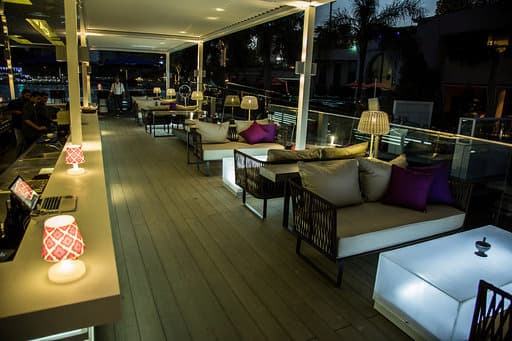
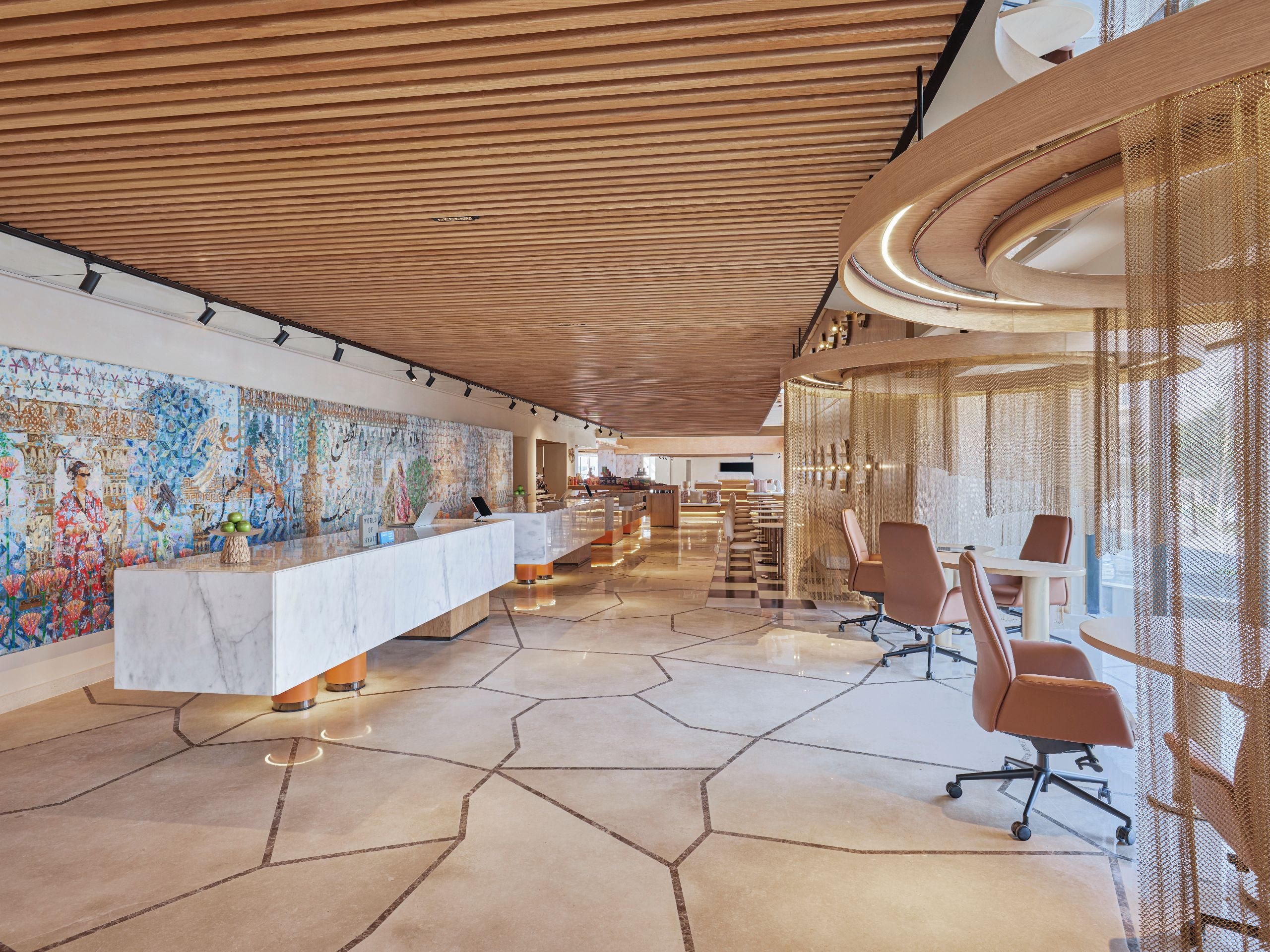
Where to Stay in Cairo
9 recommended properties
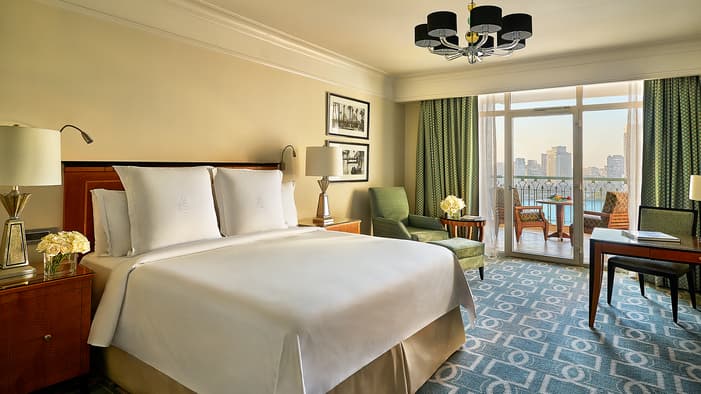
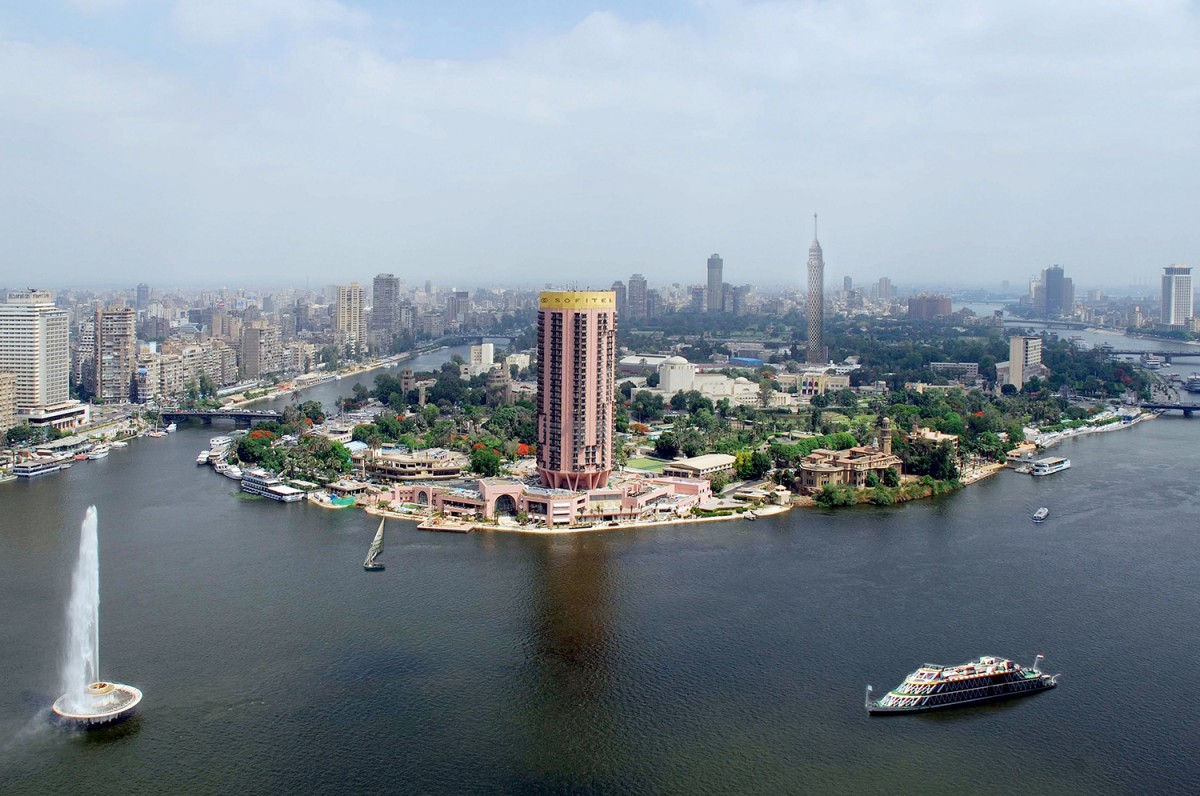
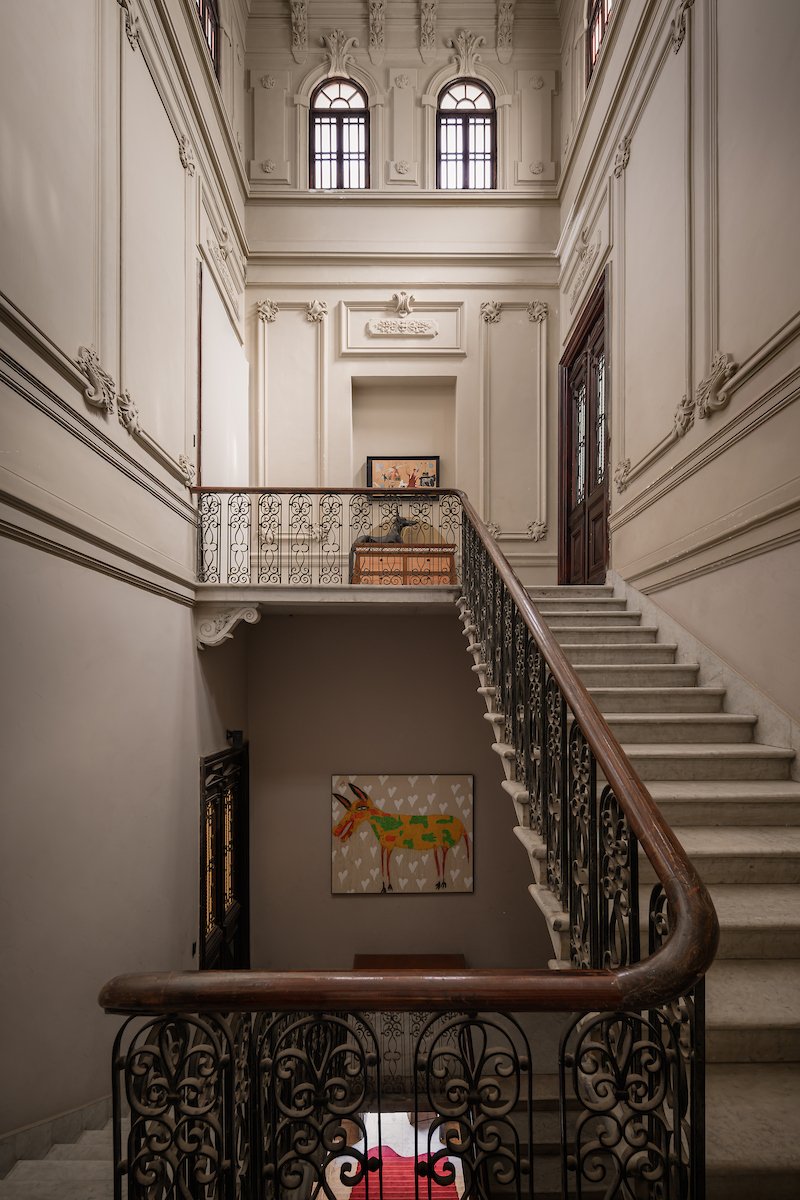
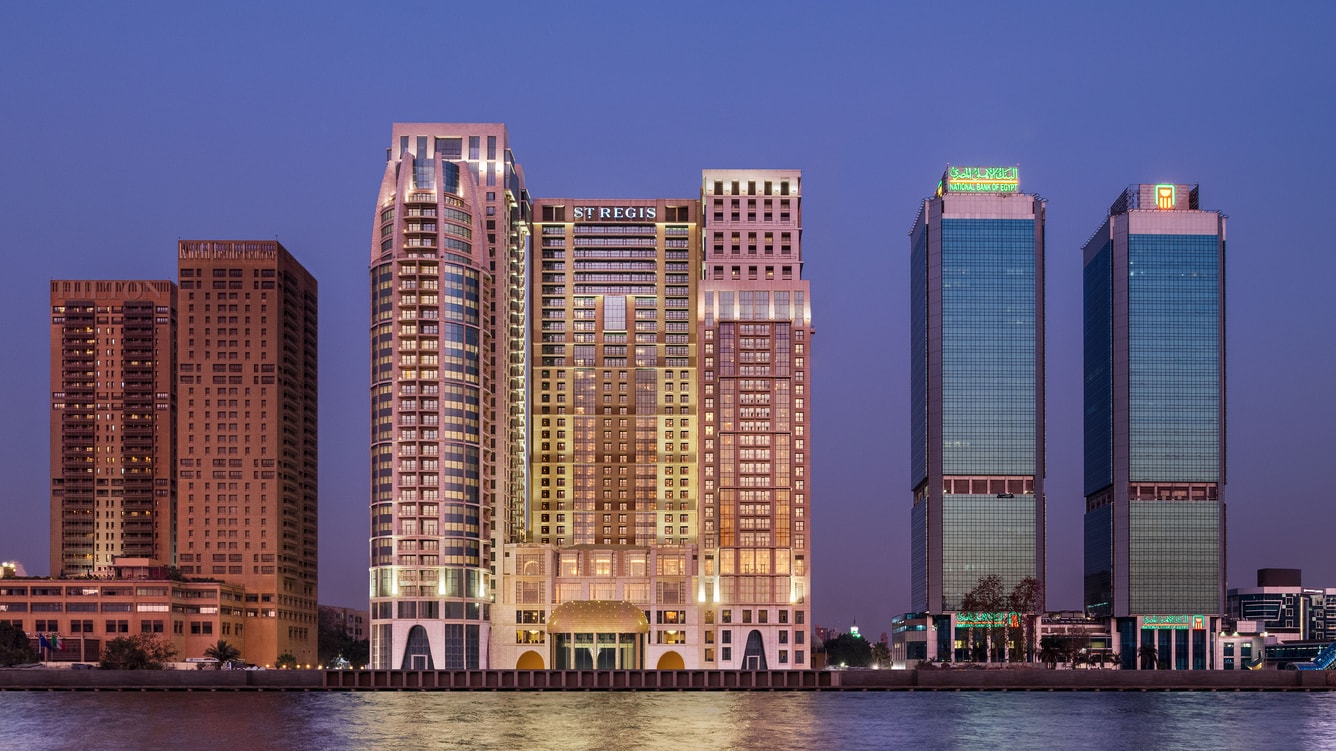
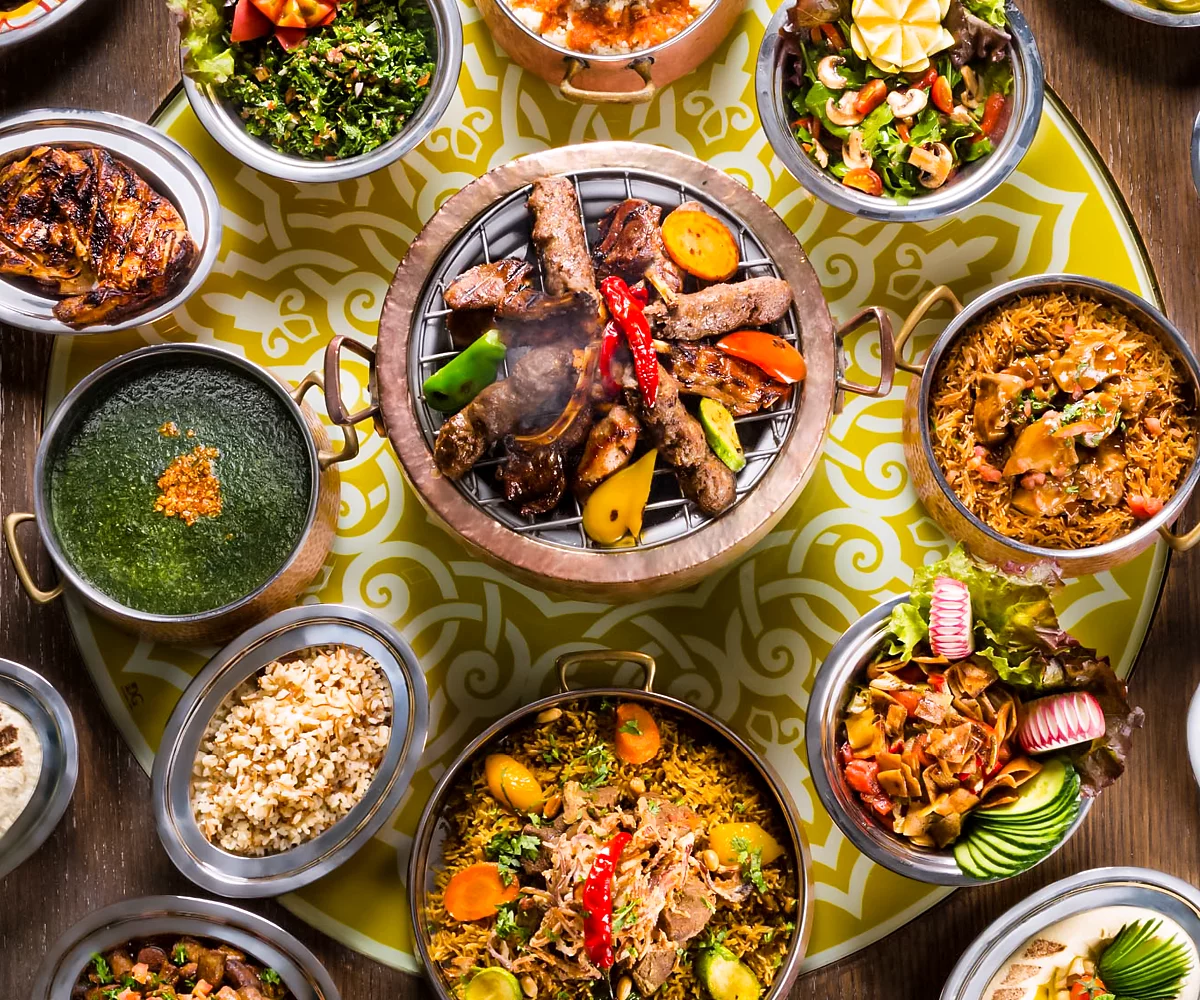
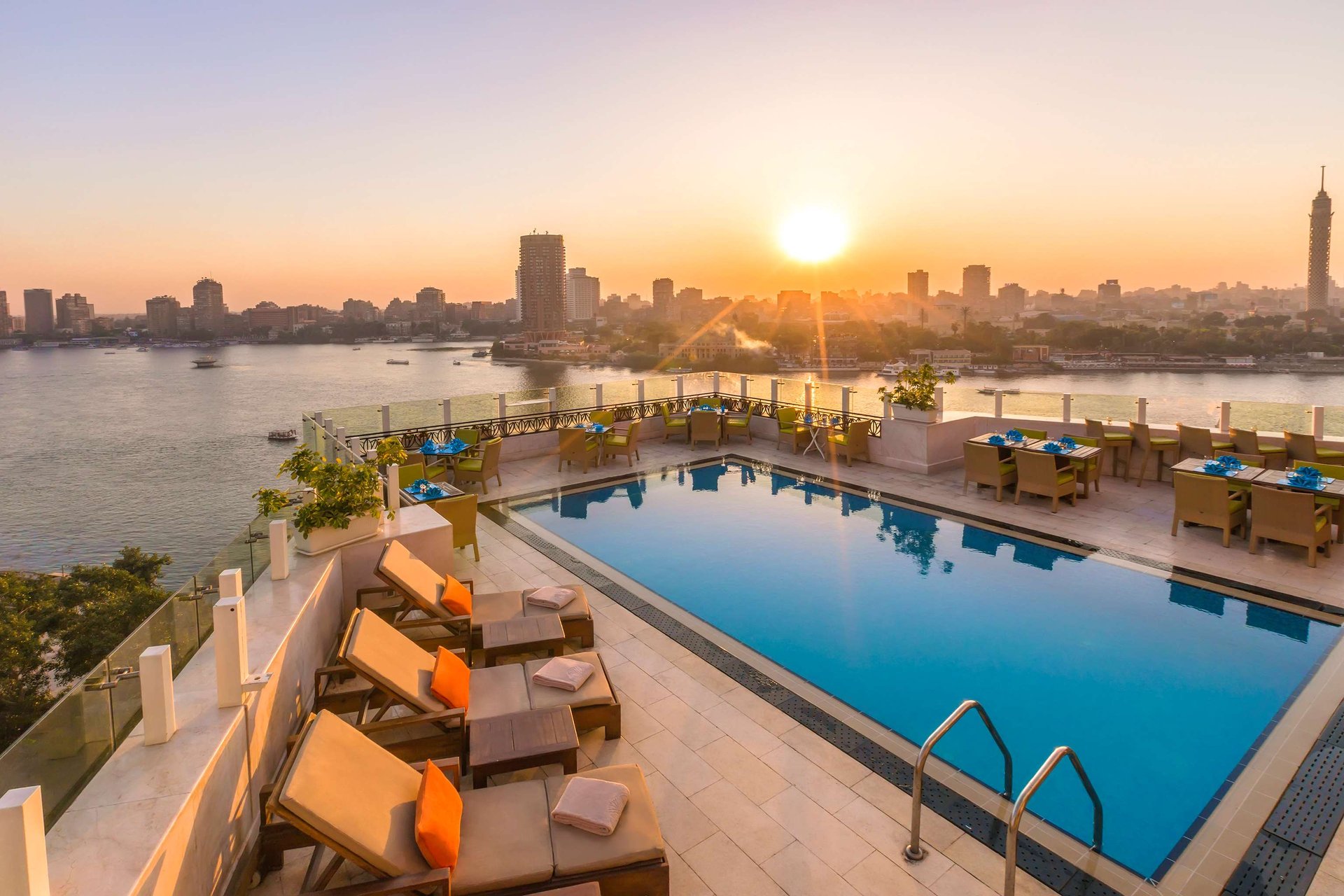
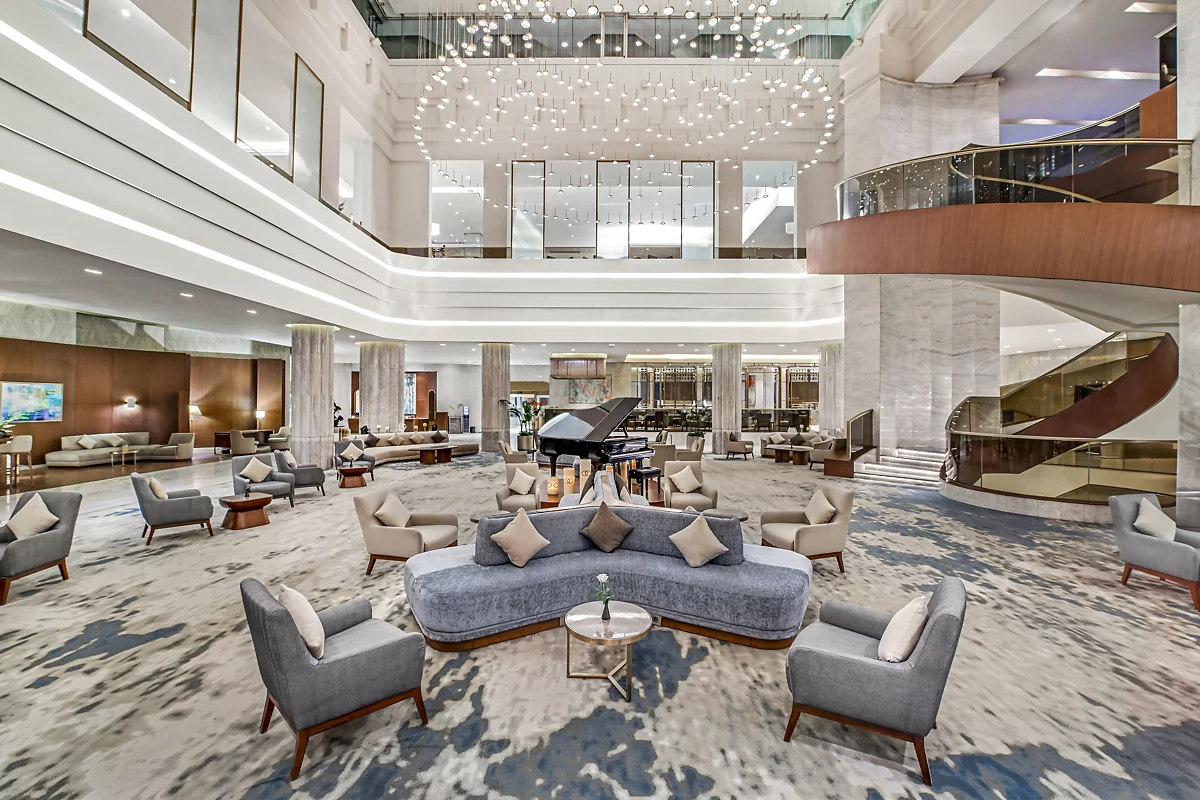

Things to Do in Cairo
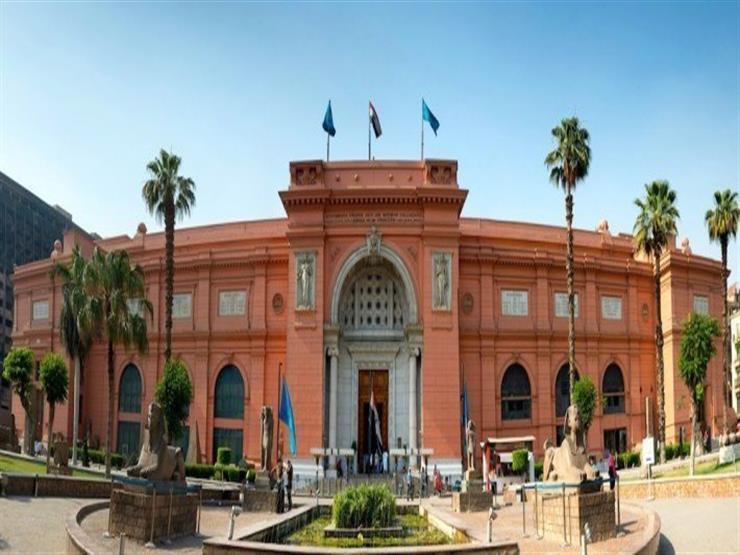
The Egyptian Museum in Tahrir
Downtown / Tahrir Square · 150 min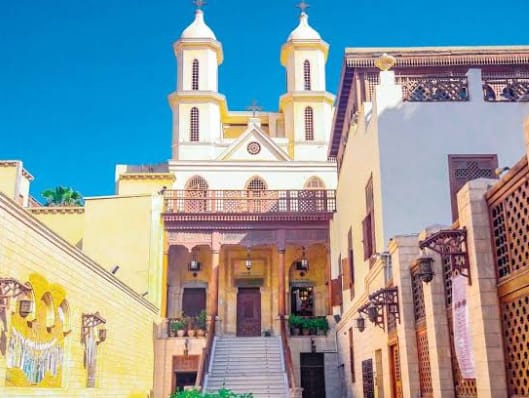
Coptic Cairo (Hanging Church Area)
Coptic Cairo (Old Cairo) · 120 min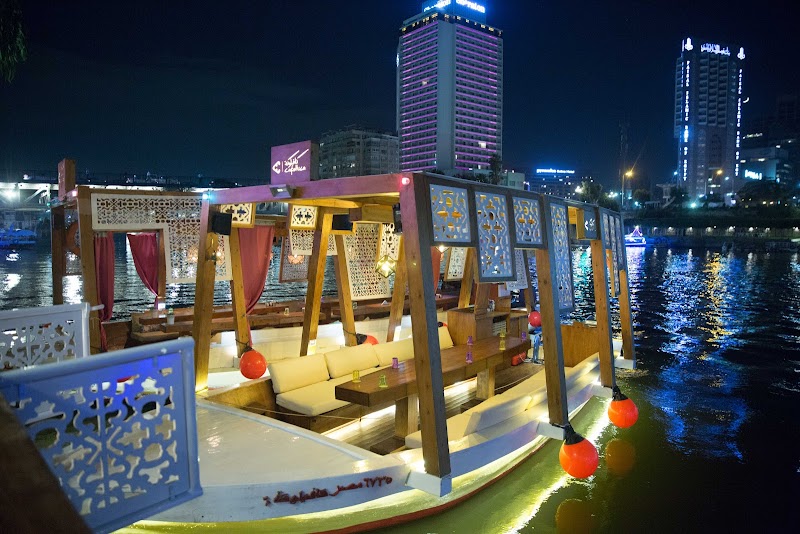
Nile Sunset Felucca Ride
Garden City / Corniche Near Kasr El Nil · 75 minMoney-Saving Tips
- 1.Carry small bills - nobody ever has change, especially taxi drivers and street vendors
- 2.Haggle at Khan el-Khalili but not aggressively - start at 30% of the asking price
- 3.Tourist sites charge foreigners significantly more than locals - it's official policy, not a scam
- 4.ATMs are everywhere but often run out of cash on weekends - stock up Thursday
- 5.Tipping (baksheesh) is expected for everything - bathroom attendants, parking, even directions
- 6.Uber is cheaper than taxis but surge pricing hits hard during rush hour
- 7.Street food costs pennies but tourist restaurants charge Western prices
- 8.Museum entry fees are separate from photography tickets - budget for both
Travel Tips
- •Download offline maps - GPS works but street names change randomly
- •Dress conservatively, especially when visiting mosques - shoulders and knees covered
- •Friday prayers (11am-2pm) close many attractions in Islamic Cairo
- •Bring toilet paper - public restrooms rarely stock it
- •The Egyptian Museum allows cameras but charges extra for the mummy room
- •Learn basic Arabic numbers for haggling - vendors assume tourists can't count
- •Bottled water is cheap and everywhere - don't risk tap water
- •Traffic is insane but drivers are surprisingly skilled - trust the process