Canberra
Australia's planned capital blending politics, culture and nature
Look, Canberra gets a bad rap. Australia's capital isn't Sydney or Melbourne, and locals love to joke about it being boring. But here's the thing - they're missing out on one of the country's most underrated cities.
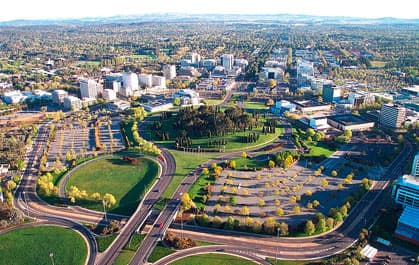
Built from scratch in the early 1900s, Canberra feels different from other Australian capitals. The streets are wider, the buildings lower, and everything revolves around Lake Burley Griffin. You'll find world-class museums, excellent restaurants, and some of the country's best wine regions just a short drive away.
The city runs on a different rhythm. Parliament House dominates the skyline, sure, but so do the Australian War Memorial and the National Gallery. Families love the hands-on museums and wide open spaces. Culture vultures get lost in the galleries. And everyone appreciates that you can actually park downtown without selling a kidney.
Best Months
MAR · APR · MAY · SEP · OCT · NOV
~20°C · moderate crowds
Culture & Context
PLANNED CAPITAL, WORLD-CLASS CULTURE
Canberra was purpose-built as a capital compromise between Sydney and Melbourne, designed by American architect Walter Burley Griffin after winning an international competition in 1912. The entire city was planned from scratch, which is why it feels so deliberately laid out — wide roads radiating from geometric hubs, massive parks between every suburb, and Lake Burley Griffin sitting deliberately at the centre. The name itself comes from the Ngunnawal language, meaning 'meeting place,' and the Ngunnawal people have lived on this land for tens of thousands of years before any parliament arrived.
The city has a reputation as a quiet government town, and there's some truth to it. The public service is the biggest employer, and the ANU is one of Australia's top universities. That double identity — bureaucracy meets academia — gives Canberra a particular character: educated, opinionated, less flashy than Sydney or Melbourne, and quietly proud of it. Locals bristle a little at the 'boring Canberra' cliché and will happily list a dozen reasons it's actually better. They're not entirely wrong.
Here's the thing about Canberra that surprises most first-timers: the national cultural institutions are extraordinary. The National Gallery, the National Museum, the Australian War Memorial, Old Parliament House — all are free or very low cost, all are world-class, and none of them are as crowded as equivalent institutions in Sydney or Melbourne. This is a significant advantage. You can spend a full day at the War Memorial and barely scratch it.
The food and coffee scene has genuinely matured over the last decade. Braddon and Kingston now punch above their weight nationally. But the city does roll up its footpaths earlier than Melbourne or Sydney — don't expect the same density of late-night options. And outside of major events, things can feel quiet on a Tuesday evening in a way that might surprise visitors from bigger cities.
Autumn is the locally beloved season. The deciduous trees imported when the city was designed now put on a brilliant show of reds and golds in March and April, and locals treat it as a point of genuine civic pride.
Local Customs
FIRST NAMES, DIRECT TALK
Tipping is not expected or required. Hospitality workers earn a fair wage. A 10% tip for genuinely exceptional service is appreciated but never obligatory — don't feel pressured..
The 'shout' system at pubs is real and social. If you're drinking in a group, take your turn buying a round. It's one of the most consistent social rules in Australian culture..
First names only, always. Even in professional settings, titles and surnames are rarely used. Using someone's full name or title comes across as stiff or even unfriendly..
Australians communicate directly but casually, and self-deprecating humour is everywhere. If someone takes the mickey out of you gently, it usually means they like you. Don't over-explain, don't over-sell yourself — 'tall poppy syndrome' is real and bragging is genuinely unpopular..
Acknowledge Country. Many events and institutions open with an Acknowledgement of Country recognising the Ngunnawal people. Treat this with respect rather than impatience..
Drive and walk on the LEFT. Escalator etiquette: stand left, walk right. On footpaths, same deal.
Getting this wrong will generate sighs.. Sun protection is non-negotiable. The UV index in Canberra gets extreme in summer.
Locals reach for sunscreen, hats, and sunglasses automatically. The ozone is genuinely thinner here.. Bushfire awareness matters, especially in summer and early autumn.
Check the ACT Emergency Services app and local news if you're heading to Namadgi National Park or surrounding bushland.. BYO (Bring Your Own) is a practical and popular concept at many Canberra restaurants. Check before you go — licensed BYO restaurants let you bring wine for a small corkage fee, which saves real money.
Safety
VERY SAFE, WATCH SUN EXPOSURE
Canberra consistently ranks as the safest capital city in Australia. Crime rates are low, violent crime targeting tourists is rare, and 89 out of 100 residents and visitors report feeling completely safe during the day.
That said, a few practical things to know. Petty theft and pickpocketing can occur around busy tourist spots — the Lake Burley Griffin foreshore during events, Civic on weekend nights, and crowded bus stops. Don't leave bags unattended. Lock your bike; bicycle theft happens here more than you'd expect.
The Braddon and Dickson bar strips can get rowdy late on Friday and Saturday nights. Nothing unusual for a city entertainment district, but use common sense about walking alone after midnight.
Bushfire risk is real and seasonal. Surrounding areas like Namadgi National Park can be affected during summer and early autumn. Check the ACT Emergency Services app or Fires Near Me before any day trip into bushland. In the city itself it's rarely a direct issue, but smoke haze can descend without much warning.
Sun exposure is the underrated danger. The UV index in the ACT regularly hits 'extreme' levels on clear summer days. Locals slather on sunscreen before stepping outside, even in moderate temperatures. Do the same.
Card skimming is low-risk but does occur at some ATMs and older payment terminals. Cover your PIN when entering it.
In emergencies, call 000 (triple zero) for police, fire, or ambulance. Tap water is safe to drink throughout Canberra.
Getting Around
LIGHT RAIL & BUSES
Public transport runs on the MyWay+ system, which covers both buses and the light rail. You can tap on and off with a Visa or Mastercard (including your phone), or get a physical MyWay+ card. No cash accepted on board, full stop.
The light rail runs between Gungahlin in the north and the city centre, stopping at Braddon and Dickson along the way. It runs every 5–15 minutes from 6am to 11pm daily, with late services until 12:30am on Friday and Saturday nights. For getting around the inner suburbs, it's genuinely the easiest option.
From the airport, Rapid Bus 3 runs to the City Interchange roughly every 15 minutes on weekdays and every 30 minutes on weekends. It costs the standard fare with a MyWay+ card. The airport is only about 15 minutes from the city by car.
Here's something useful: free travel on all buses and light rail every Friday and Saturday evening from 6pm was trialled in late 2025 to support the night-time economy. Check the Transport Canberra website before you visit to confirm if this continues in 2026.
For tourists who want a simple loop around the main attractions, the Red Explorer hop-on hop-off bus departs from the Canberra Museum and Gallery and hits the War Memorial, National Gallery, and other major stops. No booking needed, just show up 10 minutes before departure.
Uber, DiDi, Ola, and local operator GoCatch all operate here. Canberra is also very cycle-friendly — Lime e-scooters operate throughout the city with helmets included, and a bike-share scheme (Airbike) covers key areas near the lake. The Lake Burley Griffin circuit is a popular 5km loop on two wheels.
One downside: if you want to reach attractions like the Botanic Gardens, the Arboretum, or Telstra Tower, the bus network doesn't always reach them directly. A car, Uber, or bike is often easier for those spots.
Useful Phrases
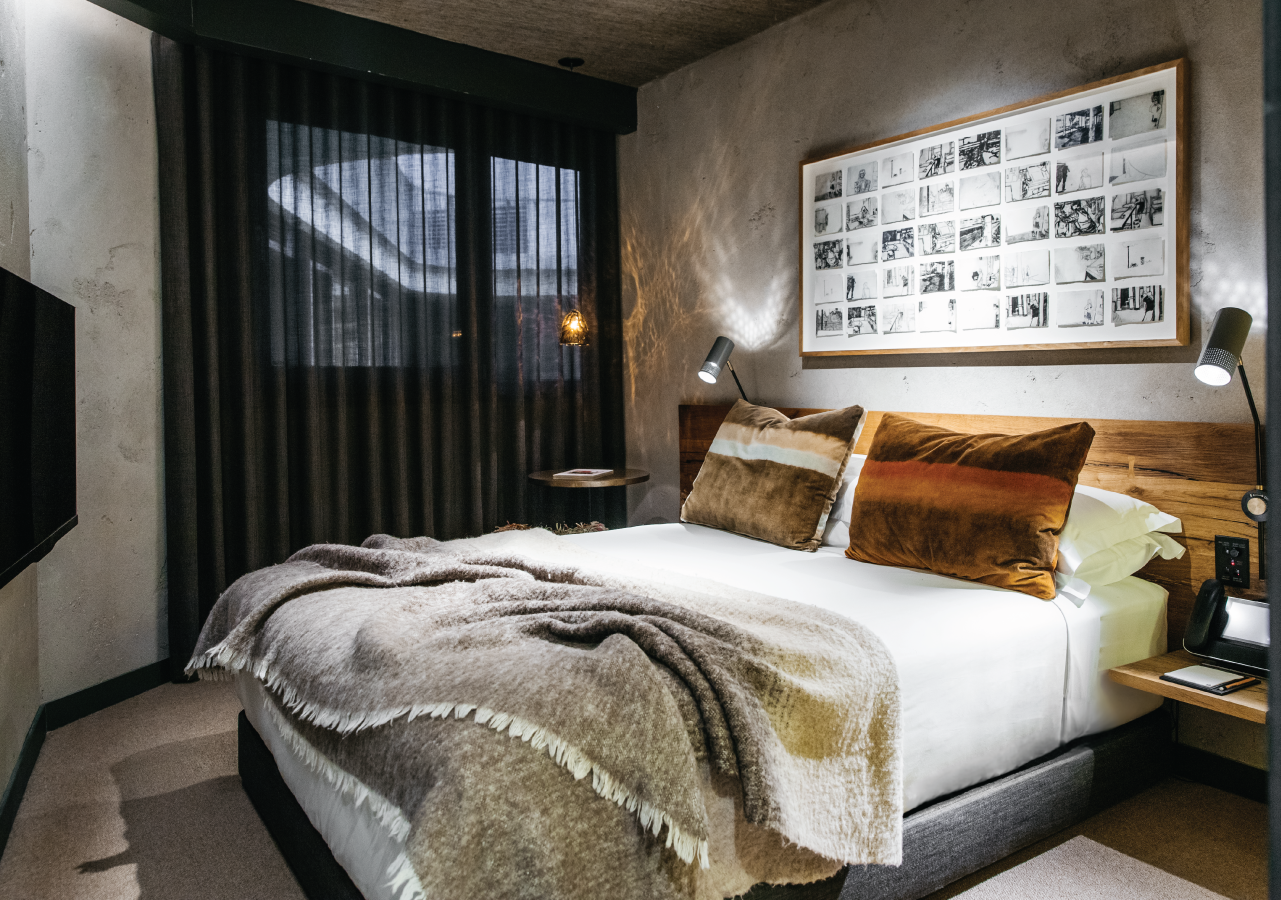
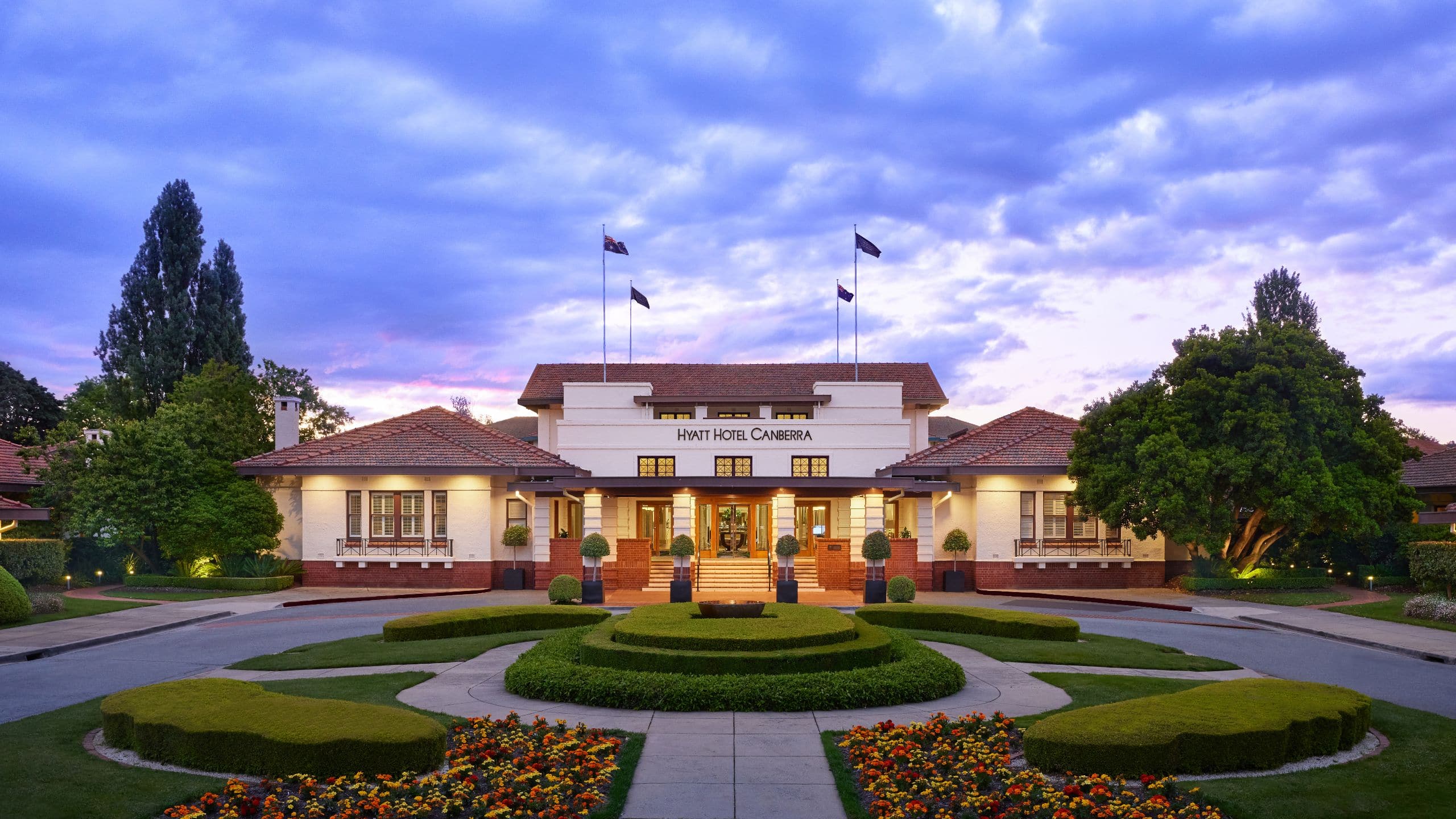
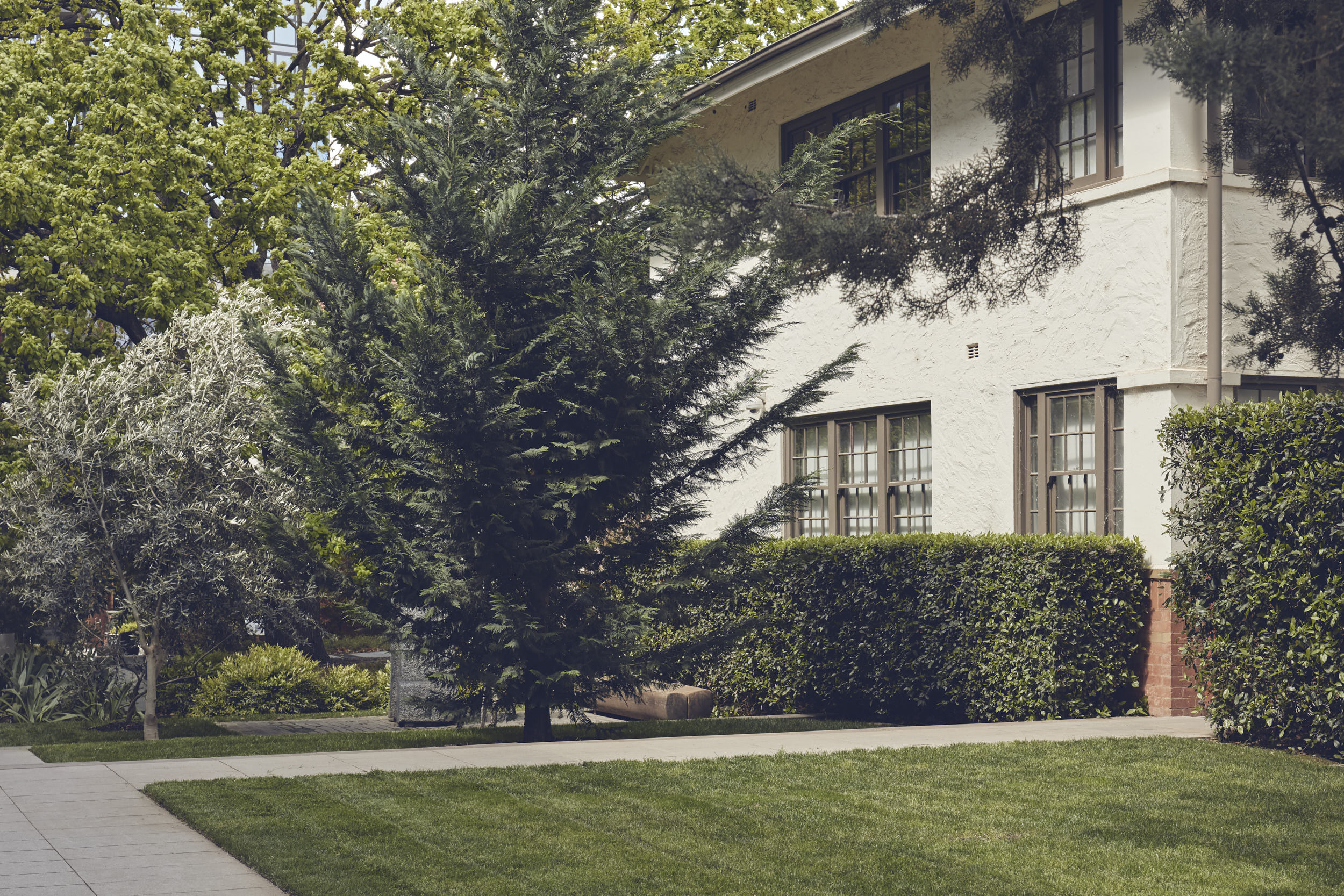
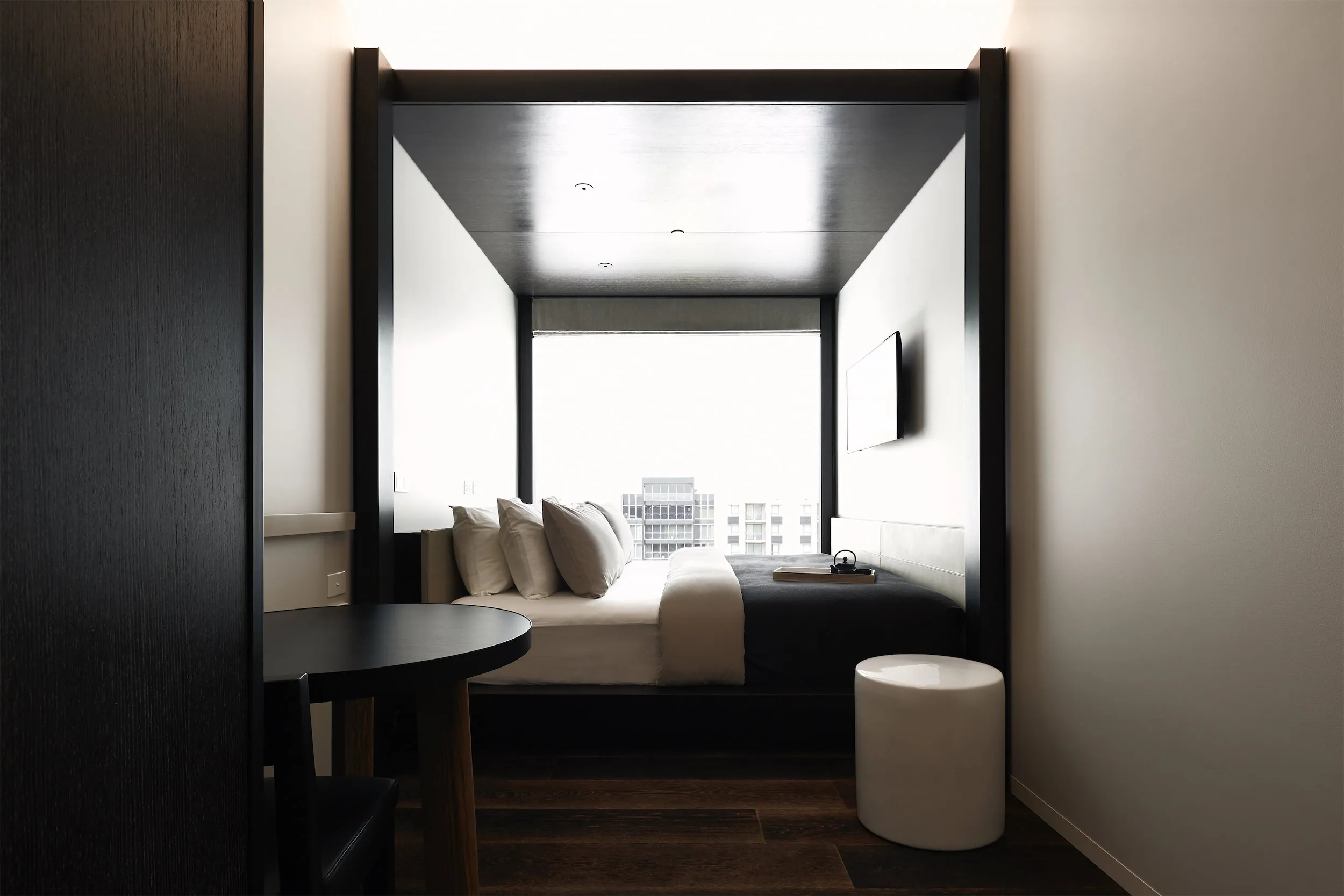
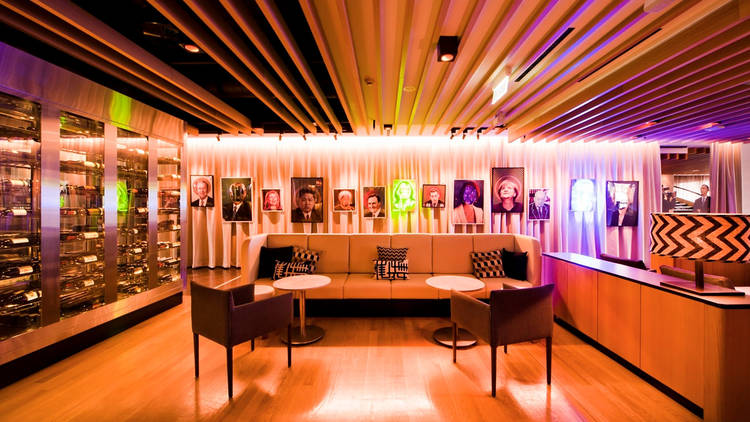
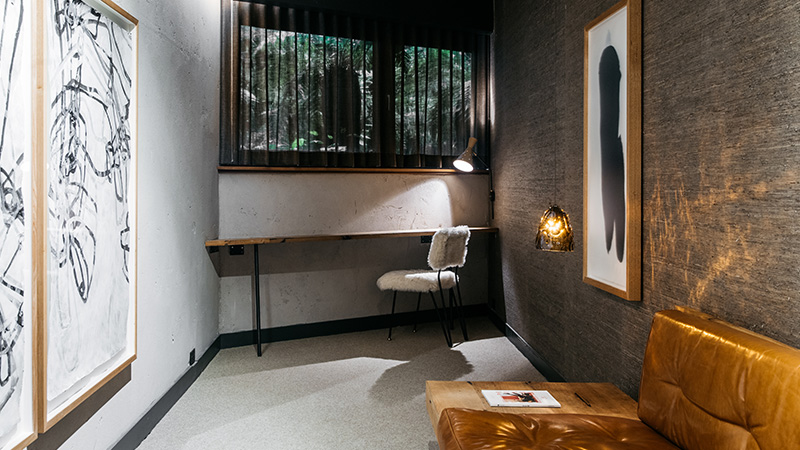
Where to Stay in Canberra
6 recommended properties
Money-Saving Tips
- 1.Parliament House tours are completely free and surprisingly interesting - book online in advance
- 2.Many national museums offer free entry, including the National Gallery and Australian War Memorial
- 3.Fyshwick Markets on Saturday morning have the cheapest fresh produce and excellent cheap eats
- 4.BYO wine is common at many restaurants - grab a bottle from a local cellar door to save on markups
- 5.The light rail offers free travel in the city center zone during off-peak hours
- 6.Hotel parking can cost $25+ per night - look for accommodation with included parking
- 7.Happy hour at many bars runs 5-7pm with $12-15 cocktails instead of the usual $20+
- 8.Canberra Museum and Gallery is free and often has excellent temporary exhibitions
Travel Tips
- •Download the ParkMobile app for easy street parking payments around the city
- •Book restaurant reservations well ahead - Canberra's dining scene is small but popular
- •The Australian War Memorial gets very busy on weekends - visit weekday mornings for smaller crowds
- •Dress in layers year-round - Canberra's weather can change quickly throughout the day
- •Most museums close on Mondays, so plan your cultural visits for Tuesday through Sunday
- •The lake circuit is perfect for morning runs or evening walks - it's well-lit and safe
- •Parliament House security is airport-level strict - arrive early and bring photo ID
- •Many wineries close Monday-Wednesday - call ahead or stick to weekend cellar door visits