Catania
Sicily's volcanic city where baroque meets street food culture
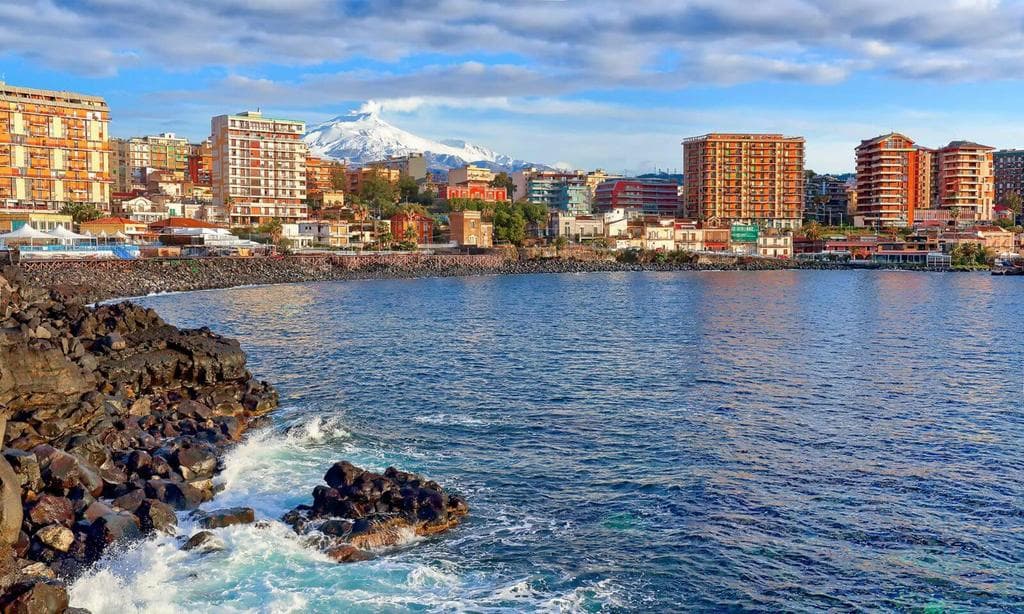
Forget Palermo's tourist crowds. Catania is Sicily's grittier, more authentic side — a city built from volcanic lava stone where university students slurp granita at 2 AM and fishmongers hawk their catch in markets that haven't changed in centuries. Mount Etna looms over baroque palazzos blackened by volcanic ash, while the scent of arancini and horse meat sandwiches (yes, really) drifts through narrow alleyways. This isn't polished tourism. It's raw Sicilian life, and that's exactly why you'll love it.
Best Months
APR · MAY · JUN · SEP · OCT
~25°C · moderate crowds
Culture & Context
LAVA-BUILT BAROQUE RESILIENCE
Catania is built almost entirely from lava. The dark volcanic stone quarried from Etna gives the city a dramatic, brooding look you won't find in any other UNESCO Baroque city. It's striking and a little surreal: grand 18th-century churches and palaces made from material that came out of the earth as fire. The whole city was essentially leveled by a catastrophic earthquake in 1693 and rebuilt from scratch in the Baroque style — which is why the architecture is so coherent and so grand, and why it sits on the UNESCO World Heritage list as part of the Val di Noto.
But Catania doesn't feel like a museum piece. The University of Catania (founded in 1434, one of Europe's oldest) injects serious energy into the streets. This is a working, arguing, hustling city where daily life takes priority over tourist aesthetics. The fish market is genuinely for fish buyers. The bars are genuinely for locals. The language you'll hear in markets isn't Italian — it's Catanese dialect, shaped by Greek, Arab, Norman, and Spanish centuries of rule. Locals switch between Italian and dialect depending on who they're talking to and what mood they're in.
The city also carries a certain tough pride. Living under an active volcano does something to a culture. Catanians have rebuilt repeatedly, through eruptions, earthquakes, and invasions, and there's a resilience to the place that you pick up on. 'Futtitinni' isn't just a word. It's a worldview.
Local Customs
ESPRESSO AT BAR STANDING
Stand at the bar for coffee. Sitting at a table triggers a surcharge, and locals almost never do it for a quick espresso.. La Pescheria fish market runs every morning except Sunday, from about 8am to noon or 1pm.
Go before 10am for the full spectacle. Everything shuts down after that — by the time tourists wander over at 11:30, half the stalls are already packing up.. Dinner doesn't start until 8pm at the earliest.
Show up at 7pm and you may well be eating alone in a near-empty restaurant. The real local crowd arrives at 9 or even 10.. Dress modestly in churches.
Shoulders and knees covered — this applies everywhere, not just the Cathedral. Catania is a devoutly Catholic city and religious sites enforce the dress code.. Sunday is genuinely a day of rest.
Many non-tourist shops close, and family lunch is sacred. Don't try to get much done on a Sunday afternoon.. At the fish market, many sellers accept cash only, and prices are not always displayed.
Haggling is acceptable, especially toward closing time. But be respectful about it — these are working people, not a performance.. The university population (Catania has one of Italy's oldest universities) means the city has an unusually young, active street culture for a Sicilian city.
Evenings around Piazza Bellini and Via Crociferi fill up with students drinking and talking on the steps.. Mount Etna affects daily life more than tourists realize. Locals call it 'a muntagna' (the mountain) and treat it with a kind of respectful familiarity.
Ash falls occasionally on the city and cars. It's normal here.
Safety
PICKPOCKETS, NOT VIOLENCE
Catania is a real city, not a resort, and it has real city problems. The crime index sits at around 57/100 (moderate), higher than Palermo and closer to Naples than Rome in that regard. That said, violent crime against tourists is rare. What you're actually dealing with is petty theft.
Watch your bag at La Pescheria market and around Piazza del Duomo — these are the main pickpocketing zones. The train station area attracts scammers: unofficial 'parking attendants,' overcharging taxis, and people offering to help you use ATMs (don't let them). Use the Alibus shuttle instead of accepting rides from people who approach you at arrivals.
Neighborhoods to avoid at night: San Cristoforo, Librino, and the rougher edges of Stesicoro. The historic center and Via Etnea are fine after dark — well-lit and populated. Public transport at night is serviceable but if you're alone late, a licensed taxi or FreeNow/ItTaxi app is safer than a bus.
One practical note: if you rent a car, don't leave anything visible inside. Car-related theft (mirrors, items left on seats) is genuinely common. Several travelers have reported coming back to stripped vehicles. Leaving the car at your accommodation when you're in the city is a smart call.
Getting Around
WALKABLE PLUS METRO
The historic center is completely walkable for most tourist purposes. Most of the major sights cluster within a 20-minute walk of Piazza del Duomo. That said, the city has a decent public transport system for getting further afield.
Metro: Single line (Linea Rossa), 10 stops, running from Nesima in the northwest to Stesicoro near the center. Operated by FCE (Ferrovia Circumetnea). Tickets cost €1 for 90 minutes. The key stop for tourists is Stesicoro, which puts you right on Via Etnea. Hours run roughly 7am to midnight. Expansion plans to extend the line have been stalled for years, so don't expect more than the existing 10 stops.
Buses: Over 50 AMTS routes covering the city and coastal areas. Local buses are orange; intercity are blue. Same €1 ticket, valid 90 minutes. Day pass is €2. An integrated bus+metro ticket runs €1.20 for 120 minutes. Buy tickets at tabaccherie (tobacco shops) before boarding — buying onboard costs more. The AMTS app handles digital tickets. Useful tourist lines: 504M (Plebiscito parking to historic center), Line D (Borsellino Square to Plaia beaches), Line 534 (to Aci Trezza and Aci Castello).
Airport (Fontanarossa/Vincenzo Bellini Airport): The Alibus shuttle runs every 25 minutes from arrivals, reaches the city center in 20–28 minutes, and costs €4 one-way. Budget option: take the €1 bus to Fontanarossa Train Station and connect by train to Catania Centrale.
Mount Etna day trip: AST bus departs daily from Piazza Giovanni XXIII at 8:15am, arrives Rifugio Sapienza at 10:15am. Return at 4:30pm. Round-trip fare is €6.60.
Taxis: Base fare €5, then €1/km. Surcharges apply at night (after 10pm) and on holidays. Use FreeNow or ItTaxi apps to avoid overcharging.
Useful Phrases
Where to Stay in Catania
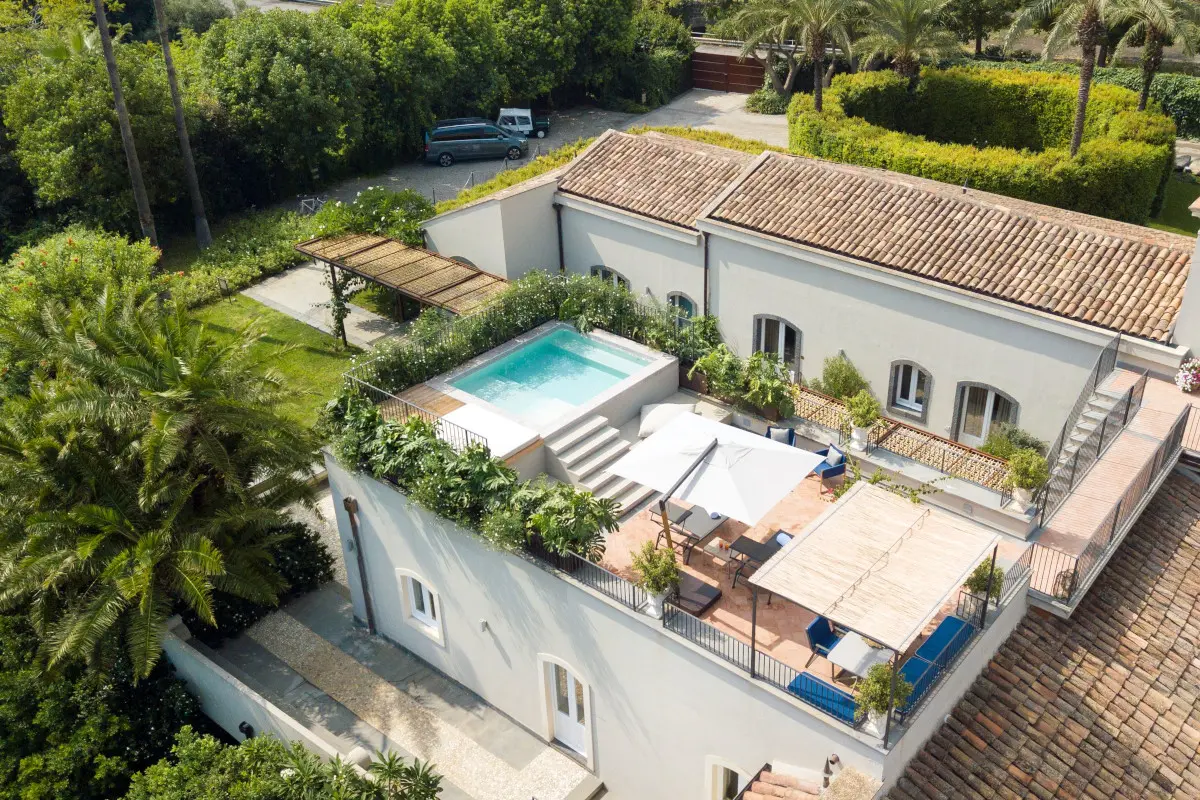
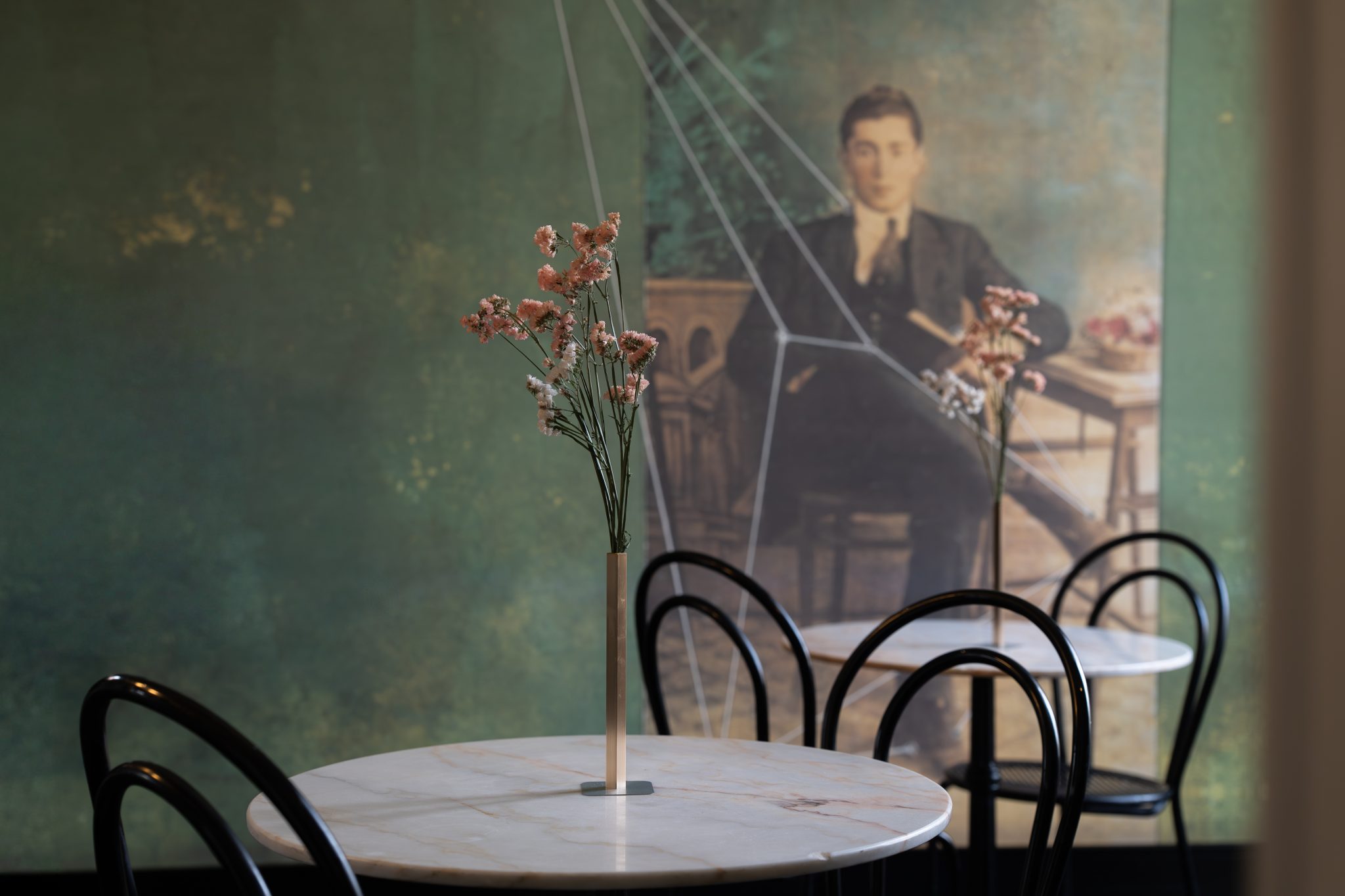
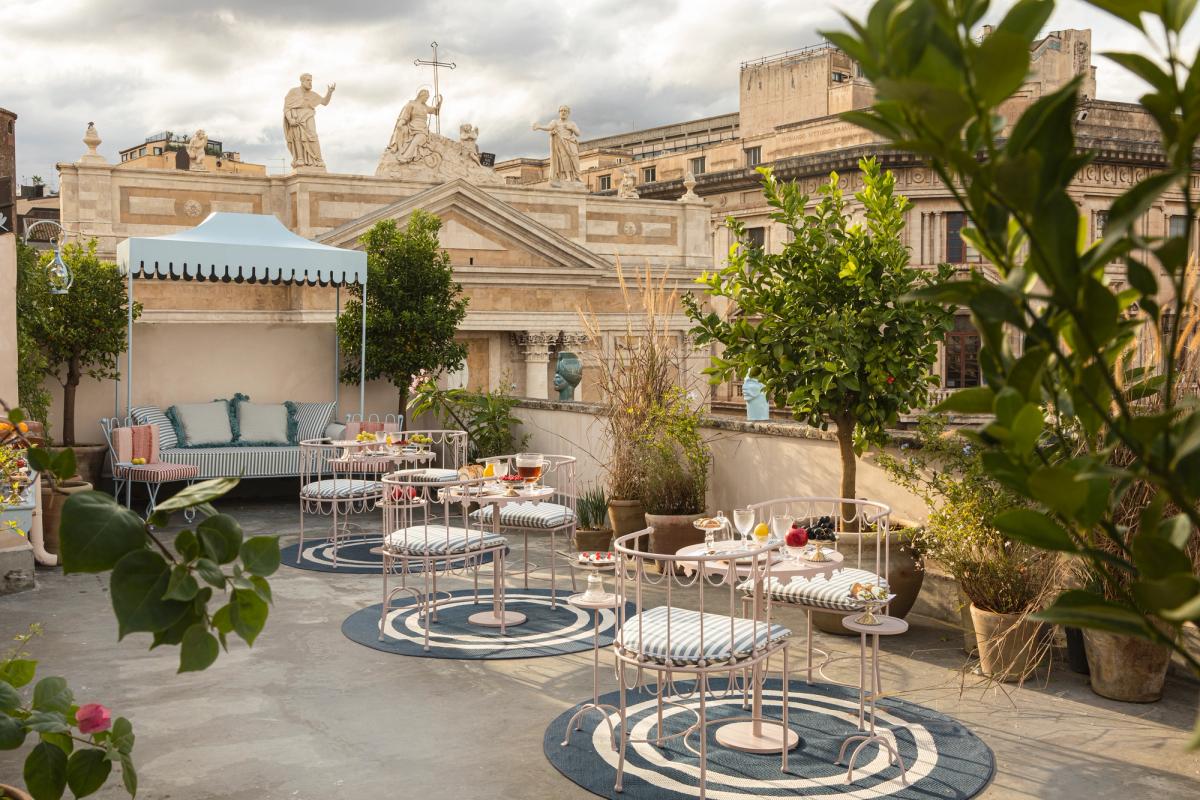
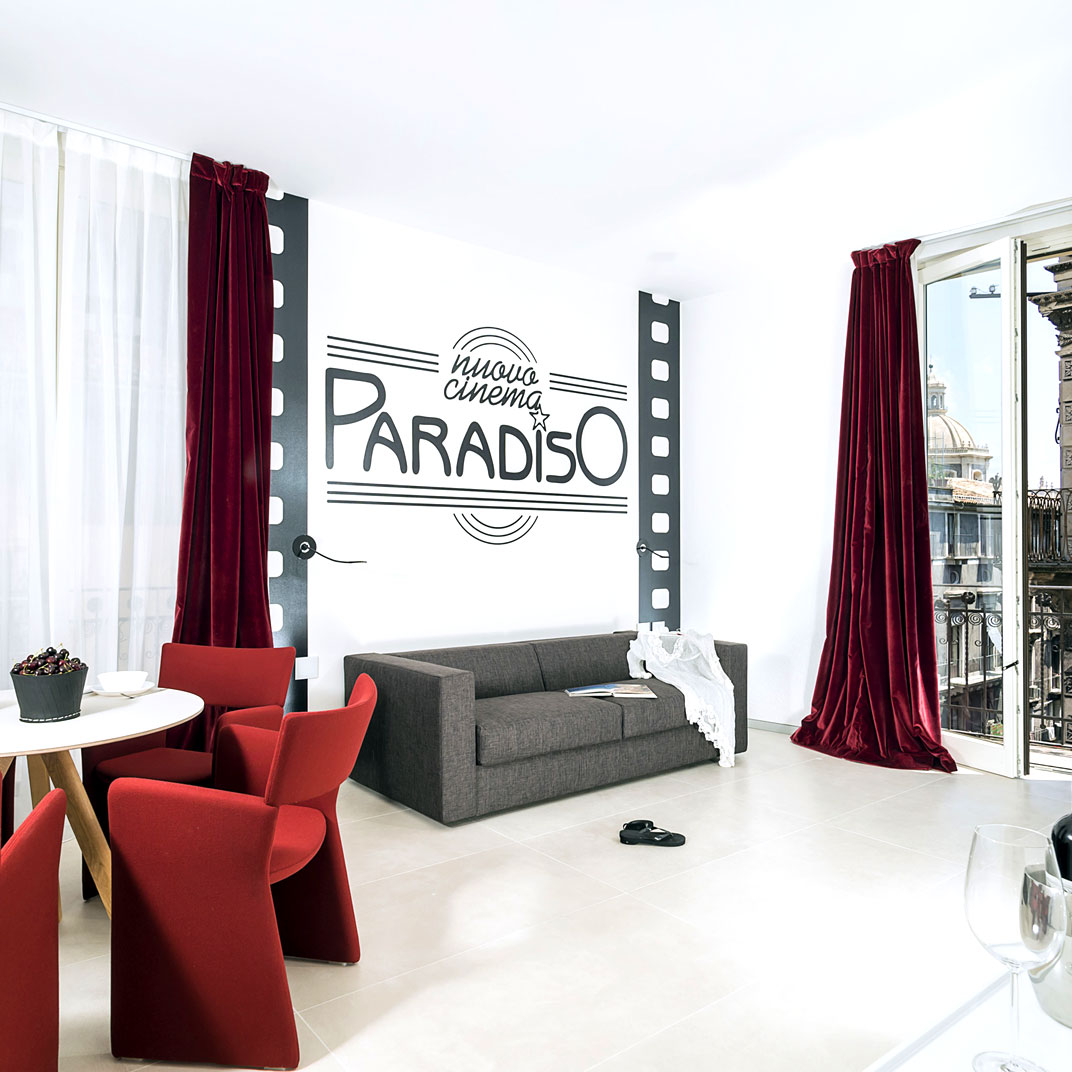
4 recommended properties
Money-Saving Tips
- 1.Skip expensive Mount Etna tours — take the public AST bus to Rifugio Sapienza for €6.50 and buy cable car tickets directly
- 2.Eat lunch at university canteens around Via Umberto — full meals for €5 with student atmosphere
- 3.Buy groceries at Lidl or MD Discount instead of tourist-area shops — save 40% on basics
- 4.Free walking tours meet at Piazza del Duomo daily at 10 AM — tip-based but excellent local guides
- 5.Happy hour aperitivo (6-8 PM) includes free snacks with drinks — dinner sorted for €8
- 6.Municipal beaches are free — avoid private lidos charging €15+ for beach chairs
Travel Tips
- •Download the Catania Smart app for real-time bus schedules — AMT buses run on flexible timing
- •Carry cash — many street food vendors and small trattorias don't accept cards
- •Learn basic Italian numbers for market shopping — vendors appreciate the effort and give better prices
- •Check Mount Etna activity before booking tours — eruptions can close access with no refunds
- •Dress modestly for churches — covered shoulders required, especially at the Duomo
- •Avoid driving in the historic center — ZTL zones fine rental cars €100+ for unauthorized entry
- •Book restaurants after 8 PM — Sicilians eat dinner late and many kitchens close 3-7 PM