Rovinj
Venetian-influenced gem on Croatia's romantic Istrian coast
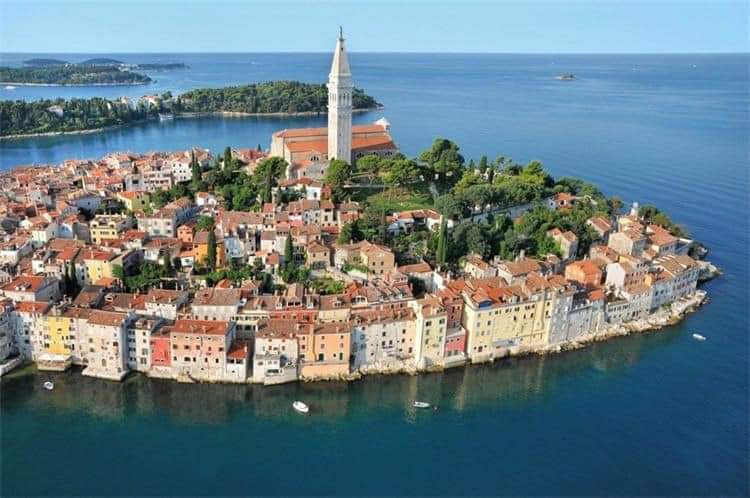
Rovinj looks like someone plucked a piece of Venice and dropped it on Croatia's Istrian coast. The old town rises from the Adriatic like a colorful amphitheater, all pastel houses and narrow cobblestone streets that twist up to the baroque St. Euphemia's Church. You'll smell lavender and sea salt in the air, hear Italian as much as Croatian, and find yourself slowing down to match the town's unhurried rhythm. This is Croatia at its most romantic — and most delicious, thanks to the truffle-rich countryside just inland.
Best Months
MAY – SEP
~27°C · high crowds
Culture & Context
ITALIAN-CROATIAN FUSION
Rovinj sits on a small peninsula jutting into the Adriatic, and it's genuinely two things at once: a Croatian fishing town and a place that still carries its Italian past in the street signs, the cooking, and the way people talk. Italian is co-official with Croatian here. You'll hear both languages on the same block, sometimes in the same sentence.
The local dialect even has traces of Istriot, an endangered Romance language that predates both. Venetian gothic buildings painted in ochre, terracotta, and faded yellow crowd the hillside up toward St. Euphemia's Church.
The old town is car-free, which means the loudest thing you'll hear most mornings is seagulls and espresso machines. Fishing boats still work the harbor. Artists have colonized Grisia Street.
It's not performing for tourists; it just happens to look this good.
Local Customs
TIP 10-15%
Tipping is expected, not optional. Ten to fifteen percent at restaurants and cafes is the norm. Round up for good service..
Coffee culture here is serious. Ordering a quick espresso and leaving is fine. But locals sit at their cafe table for an hour or more.
Don't rush it.. The old town is pedestrian-only. Don't even think about driving in.
Leave the car at the paid lots near the harbor and walk.. Greet people with Bok (casual) or Dobar dan (formal). Locals genuinely appreciate the effort, even if your pronunciation is rough..
Italian works almost as well as Croatian in Rovinj. Some older residents actually prefer it. Ciao functions fine as both hello and goodbye..
The Valdibora daily market runs until around 10pm, which is unusual for a produce market. Go early for the fish, later for the artisan stuff.. Tap water is safe to drink everywhere in Rovinj.
Ordering bottled water is fine but completely unnecessary.. Sea urchins hide in rock crevices along the wild beaches. Water shoes aren't optional on the rockier stretches, they're just sensible..
ATMs linked to Euronet and similar independent networks hit you with high fees. Stick to PBZ, Zagrebacka Banka, or Erste Bank machines.. Public drinking in the historic center can draw on-the-spot fines.
Keep the wine at the bar table, not on the promenade wall.
Safety
VERY SAFE
Rovinj is genuinely low-risk. Croatia ranked 19th on the Global Peace Index and sits at Level 1 on US, Australian, and Canadian travel advisories. Violent crime against tourists is extremely rare.
The Istrian Peninsula, including Rovinj and Poreč, reports minimal crime rates. The realistic risks are the usual ones: pickpockets in crowded old-town areas (keep bags zipped, phone off the cafe table), sea urchins on rocky wild beaches (water shoes solve this immediately), and the occasional aggressive driver on narrow coastal roads if you're renting a car. Coastal storms and strong bora winds can come up quickly.
Check the weather if you're planning a boat day. Avoid independent ATMs with high fees. Solo travelers, including solo women, consistently report feeling safe walking at any hour.
The one thing to know: public drinking in the old town can draw on-the-spot fines now. Keep it to the bar terrace.
Getting Around
WALKABLE OLD TOWN
The old town itself is pedestrian-only, so once you're in, your feet are the transport. The main bus station is at Trg na lokvi 6, a 5-10 minute walk from the old town peninsula. From there you get direct buses to Pula (40 minutes, roughly €10-25 depending on service), Poreč (1 hour), Rijeka (3.
5 hours), and Zagreb (5-8 hours, around €20-40). International buses run to Trieste (around 2 hours, roughly €13) and Ljubljana on selected dates. FlixBus handles a lot of the cross-border routes.
For the airport: Pula Airport (PUY) is the closest, about 40km away. A taxi runs €50-70. Cheaper option is the airport shuttle into Pula bus station then a local bus to Rovinj.
Trieste, Ljubljana, and Venice Marco Polo airports are also reachable but involve longer transfers. Seasonal ferries connect Rovinj to Venice (about 3 hours 45 minutes, departing from the central waterfront near the old town), Trieste (about 1 hour 45 minutes), and Cesenatico in Italy (roughly 3 hours). These are passenger-only services, not car ferries.
Water taxis from the main harbor get you to Katarina Island in 5 minutes and Red Island in 20 minutes (€6 return). For exploring inland Istria, the honest answer is that a rental car is worth it. Buses to hilltop towns like Motovun are infrequent and timed for locals, not tourists.
Use official taxi apps or clearly marked cabs in town, and confirm fares before you get in.
Useful Phrases
Where to Stay in Rovinj
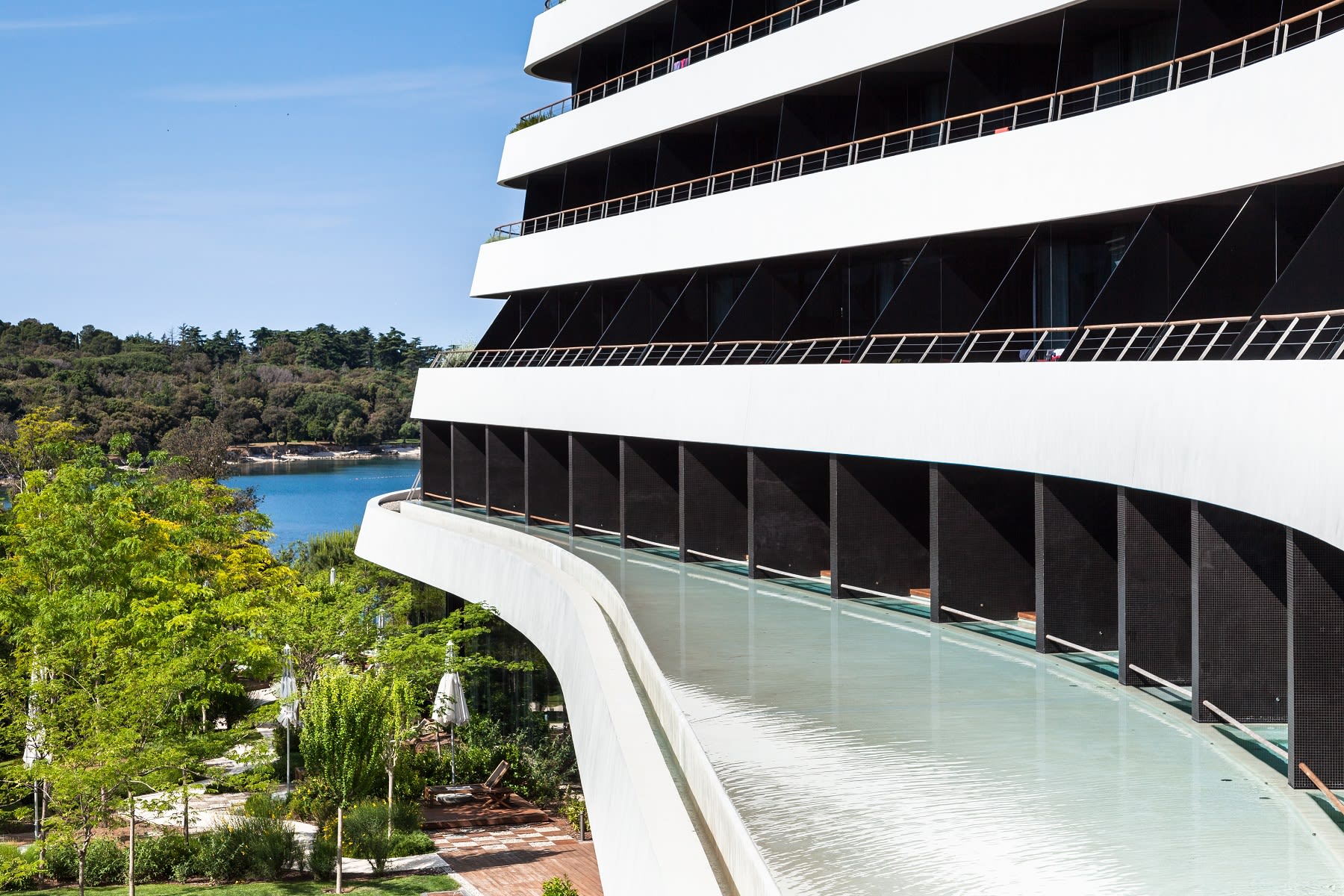
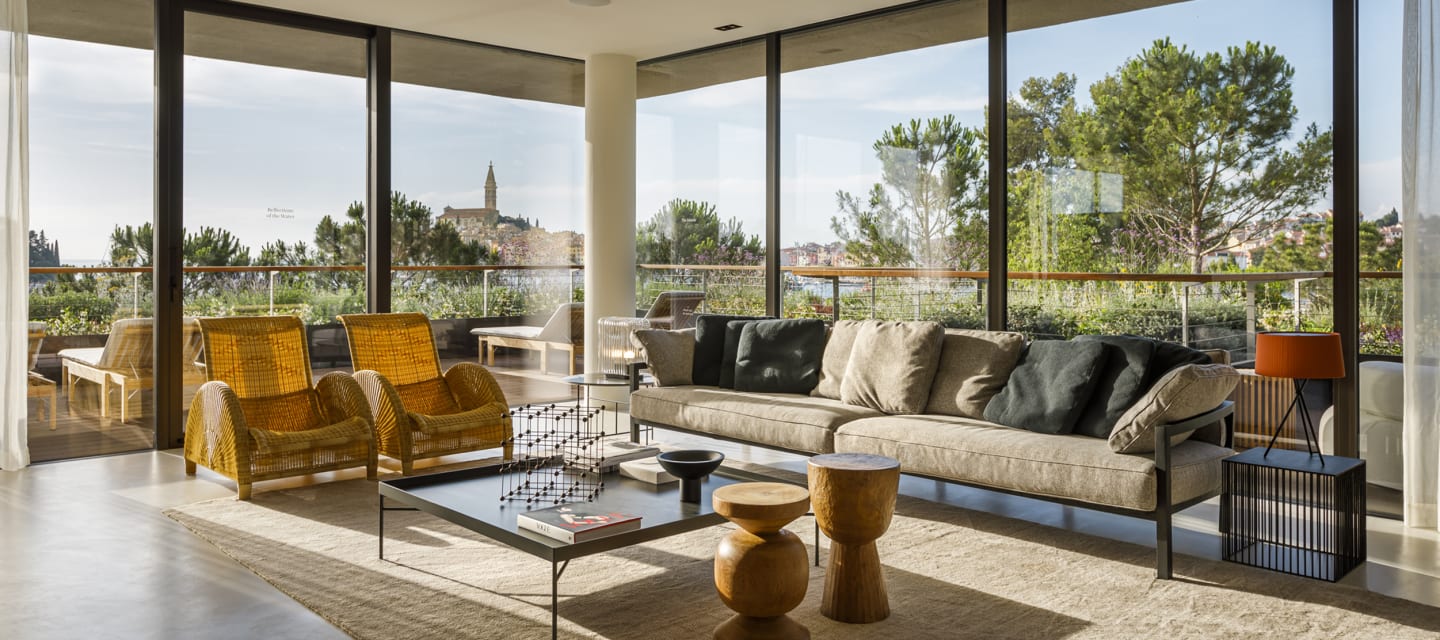
2 recommended properties
Money-Saving Tips
- 1.Park at the free lot near Punta Corrente forest park and walk 15 minutes to avoid €1.50/hour old town parking fees
- 2.Buy groceries at Konzum supermarket instead of tourist shops — prices drop by 30-40%
- 3.Happy hour at most bars runs 5-7pm with cocktails for €6 instead of €10
- 4.Take the coastal walking path to nearby beaches instead of paying €5 for water taxi rides
- 5.Visit truffle restaurants for lunch when they offer €25 set menus instead of €80 dinner tasting menus
Travel Tips
- •Download the offline map before arriving — GPS can be spotty in the narrow old town streets
- •Bring comfortable walking shoes with good grip — the limestone streets get slippery when wet
- •Book restaurant reservations 2-3 days ahead in summer, especially for waterfront terraces
- •The afternoon light (4-6pm) is perfect for photography — the pastel houses glow golden
- •Learn a few Italian phrases — many locals are bilingual and appreciate the effort
- •Carry a light jacket even in summer — sea breezes can make evenings surprisingly cool