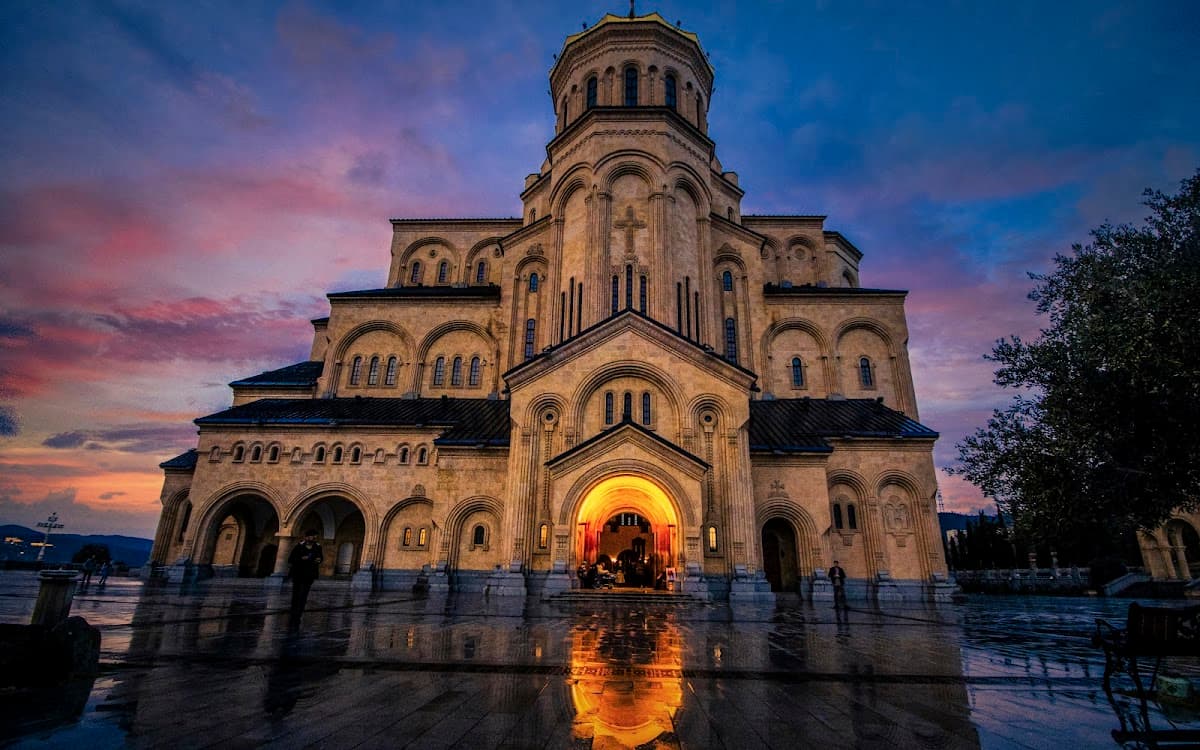
Tbilisi
Where ancient Caucasian culture meets modern Georgian renaissance
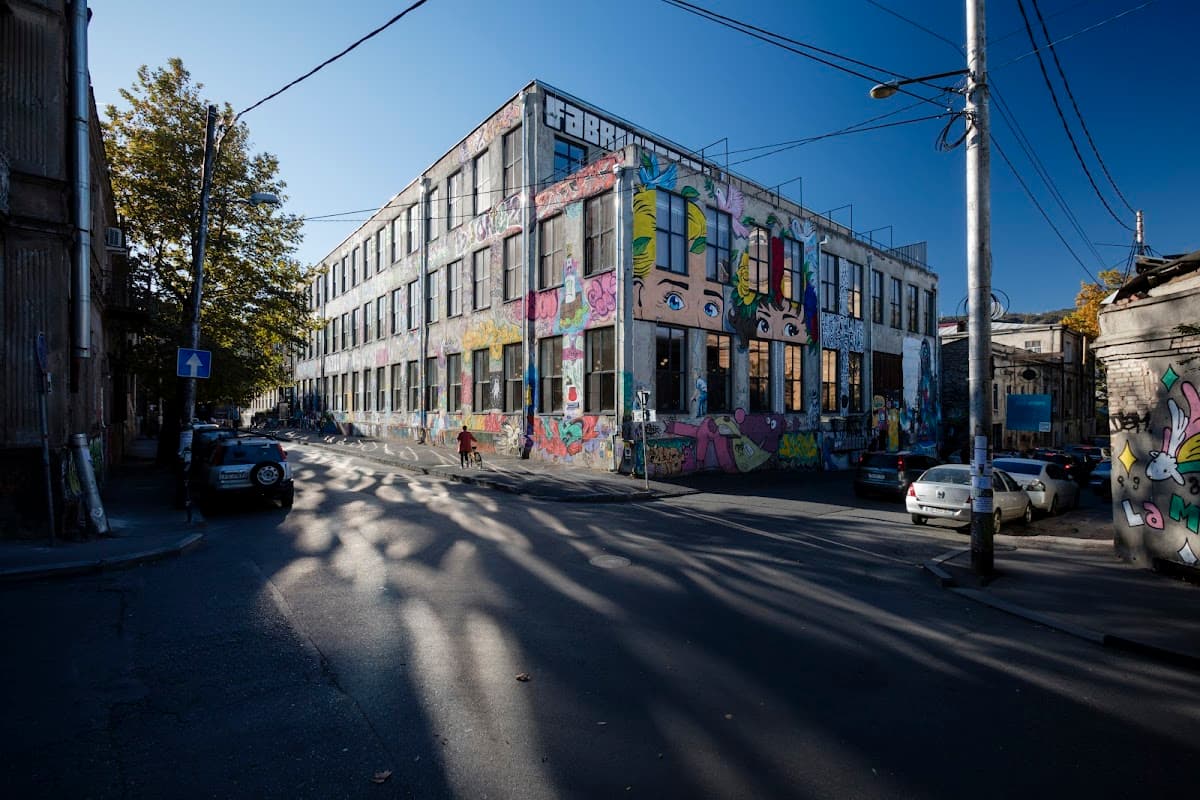
Tbilisi hits different. This isn't your typical European city break — it's where Persian balconies lean over cobblestone streets, where you can soak in 1,500-year-old sulfur baths, then feast on khachapuri that costs less than your morning coffee back home. The Georgian capital sits at the crossroads of Europe and Asia, and you feel it in every corner. One minute you're wandering through Abanotubani's ancient bath district, the next you're sipping natural wine in a hipster bar in Fabrika. Look, Tbilisi won't coddle you with perfect infrastructure or English everywhere. But that's exactly why it works. The city rewards curious travelers with experiences you can't find anywhere else — and your wallet will thank you for it.
Best Months
APR · MAY · JUN · SEP · OCT
~23°C · moderate crowds
Culture & Context
CROSSROADS OF EMPIRES
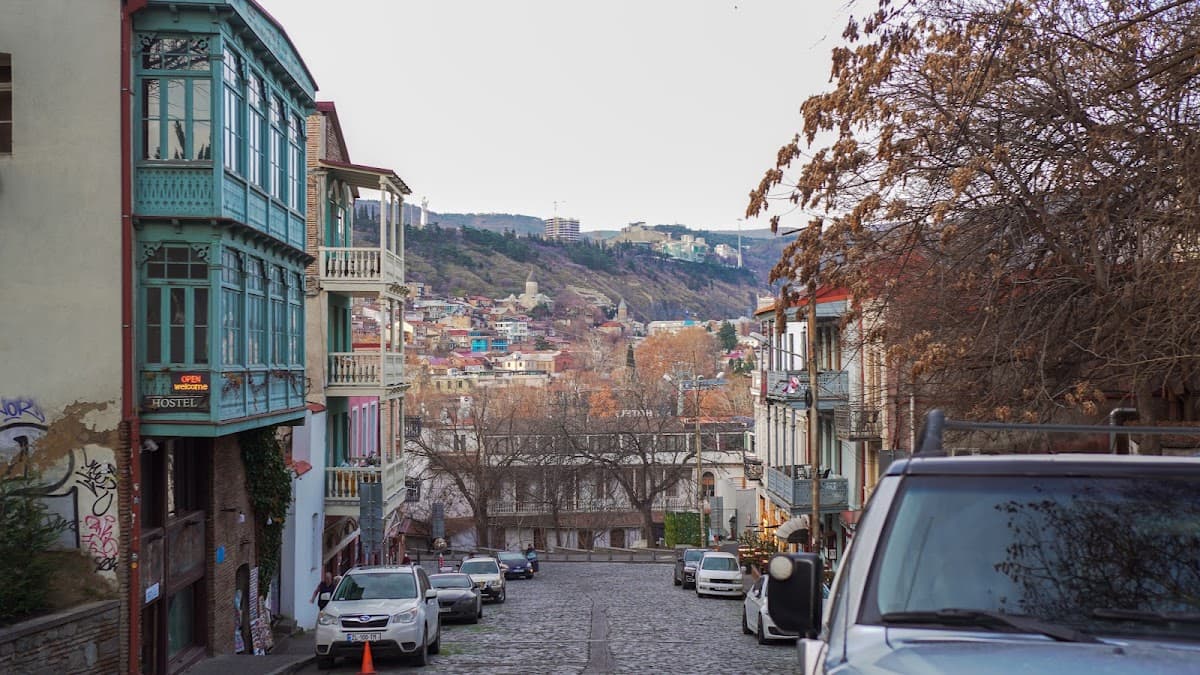
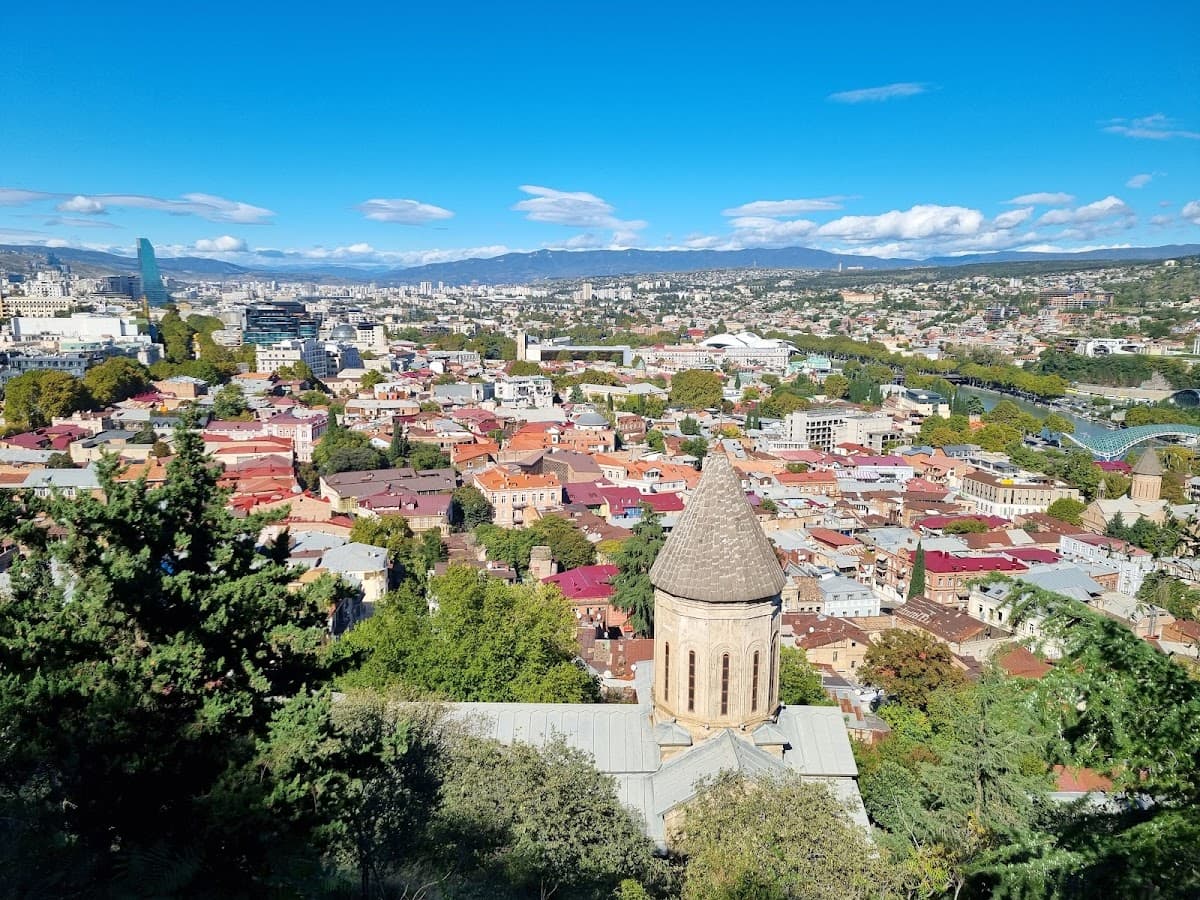
Tbilisi sits at the literal crossroads of Europe and Asia, and you feel it everywhere. The name itself comes from "Tbili," the Georgian word for "warm," named for the sulfur springs that still bubble up under the Old Town. Founded in 455 AD, the city has been conquered, burned, and rebuilt so many times that its architecture reads like a history exam: Persian domes, Russian Imperial facades, Art Nouveau balconies, Soviet brutalist blocks, and a striking glass pedestrian bridge all within walking distance of each other.
About 1.2 million people call it home. Most visitors underestimate how cosmopolitan it is.
Tbilisi has a deeply serious wine culture, a club scene that punches well above its weight (Bassiani is globally respected), and a food tradition built around the supra, a communal feast that is basically a competitive eating and toasting marathon led by an elected toastmaster called the tamada. Georgia claims to be the oldest wine-producing region in the world, and locals will remind you of this roughly every 20 minutes. The city has seen political turbulence since late 2024 protests following parliamentary elections, but tourism operates normally and tourists are actively welcomed.
Businesses, museums, clubs, and transport are all running as usual in 2026.
Local Customs
SUPRA TOASTING PROTOCOL
The supra is a traditional Georgian feast led by a tamada (toastmaster). If you're lucky enough to be invited to one, treat it as a serious honor. The tamada proposes each toast, speaks at length on a theme, then guests drink in order.
Don't drink until the tamada finishes speaking. Do not eat khinkali with a fork — it's considered a breach of etiquette on par with insulting the cook. Pick it up by the knot, bite a small hole, sip the broth, then eat the rest.
Leave the knot on the plate.. At a supra or any Georgian dinner, don't fully clean your plate unless you want multiple refills heaped onto it immediately. Georgian hospitality dictates that a guest should never look hungry, so a half-eaten plate is actually social signal that you're pacing yourself..
When visiting churches or monasteries, men remove hats. Women cover their heads and should wear skirts (scarves and wraps are usually available at the entrance). This applies everywhere from Sameba Cathedral down to the smallest village church..
When toasting, make direct eye contact with whoever you're clinking glasses with. Not doing this reads as rude or evasive.. Start conversations with Gamarjoba first, then ask if the person prefers to continue in English or Russian.
Young Georgians in Tbilisi generally prefer English. Older Georgians, taxi drivers, and market vendors often switch more readily to Russian.. If invited to a Georgian home, bring sweets or flowers as a gift.
Don't bring more food — it implies you don't think they've prepared enough, which will be taken as an insult.. Tipping is welcomed at restaurants, typically 10–15%. Note that most bills already include an automatic service charge of 10–18%, so check before you add more..
Georgia is a deeply Orthodox Christian country. Religious holidays are taken seriously. Easter and Christmas (Orthodox calendar: January 7) are major events.
The Alilo procession on Christmas morning in Tbilisi is worth witnessing.
Safety
GENUINELY SAFE, WATCH PICKPOCKETS
Tbilisi is genuinely safe. In the 2026 Numbeo Safety Index, it ranks 49th out of 380 cities globally. Violent crime targeting tourists is rare.
You can walk around with a camera out at night without the constant low-level anxiety you'd feel in many Western European capitals. That said, a few things are worth knowing. Political protests have been a feature of life in Tbilisi since late 2024, concentrated around the Parliament building on Rustaveli Avenue, mostly in the evenings.
They are generally peaceful, but if you see a crowd gathering near Parliament, simply change your route. Petty crime exists in tourist areas (Rustaveli Avenue, Freedom Square, Old Town) and at busy metro stations, particularly during festivals. Normal city awareness applies.
There is a documented bar scam: a stranger (often met via a dating app) invites you for drinks at a specific venue, then an enormous bill arrives. The fix is simple: always choose the venue yourself, and stick to places with Google Maps listings and real reviews. For taxis, use Bolt or Yandex Go exclusively.
Street taxis at night near Shardeni Street or Freedom Square frequently overcharge. Always confirm the license plate before getting in. The emergency number is 112, and operators usually speak English.
Avoid South Ossetia and Abkhazia entirely. And watch your step in the Old Town's steep, uneven cobblestone streets — this is not a safety joke. Rolled ankles are far more common than pickpocketing.
Getting Around
METRO & CHEAP TAXIS
Tbilisi's public transport is cheap, mostly functional, and cashless. A MetroMoney card costs 2 GEL (refundable) and covers the metro, buses, and cable cars at 1 GEL per ride. Better yet: if you transfer between modes within 90 minutes, the subsequent legs are free.
International contactless cards (Visa, Mastercard, Apple Pay, Google Pay) now work directly at metro turnstiles at the same 1 GEL fare, which is genuinely convenient for short visits. The metro has two lines (Red and Green) crossing at Station Square, running 6am to midnight. Key stops: Avlabari (Old Town), Liberty Square (city center), Rustaveli (main avenue).
Station announcements are in Georgian and English, but station names aren't always clearly visible from inside the train — count the stops. Modern yellow buses cover routes the metro doesn't reach. Google Maps works for most central routes.
For getting to the airport, Bus 337 costs just 1 GEL (about $0.37). Skip the hotel shuttle.
For late nights or longer hauls, Bolt is the standard choice: $3–6 for rides across the city center, with the fare shown upfront. The Rike Park to Narikala cable car (2.5 GEL) is both transport and entertainment.
The Mtatsminda Funicular (3 GEL each way via MetroMoney) gets you up the hill for the view. Much of the Old Town and adjacent neighborhoods is genuinely walkable — distances that look long on a map often take 15–25 minutes and pass through interesting streets.
Useful Phrases
Explore the Region
Tbilisi Itineraries
View all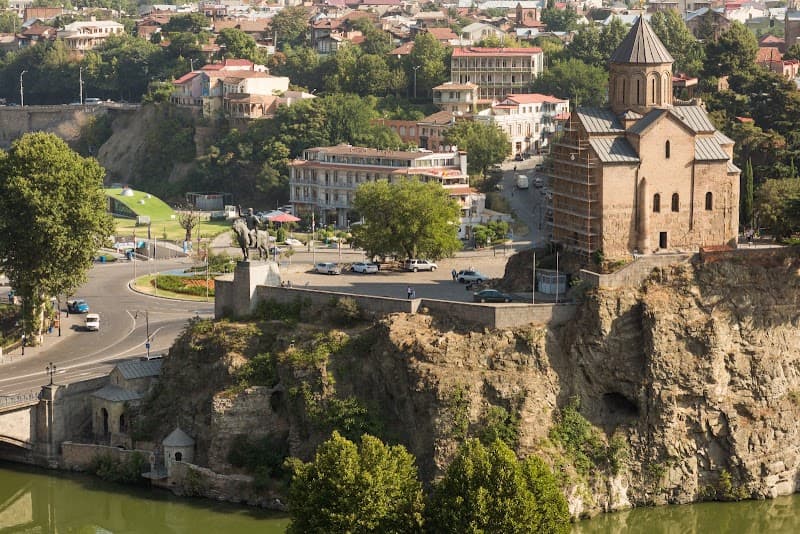
7 Wild & Winding Days in Tbilisi’s Green Corners
Week · $$$
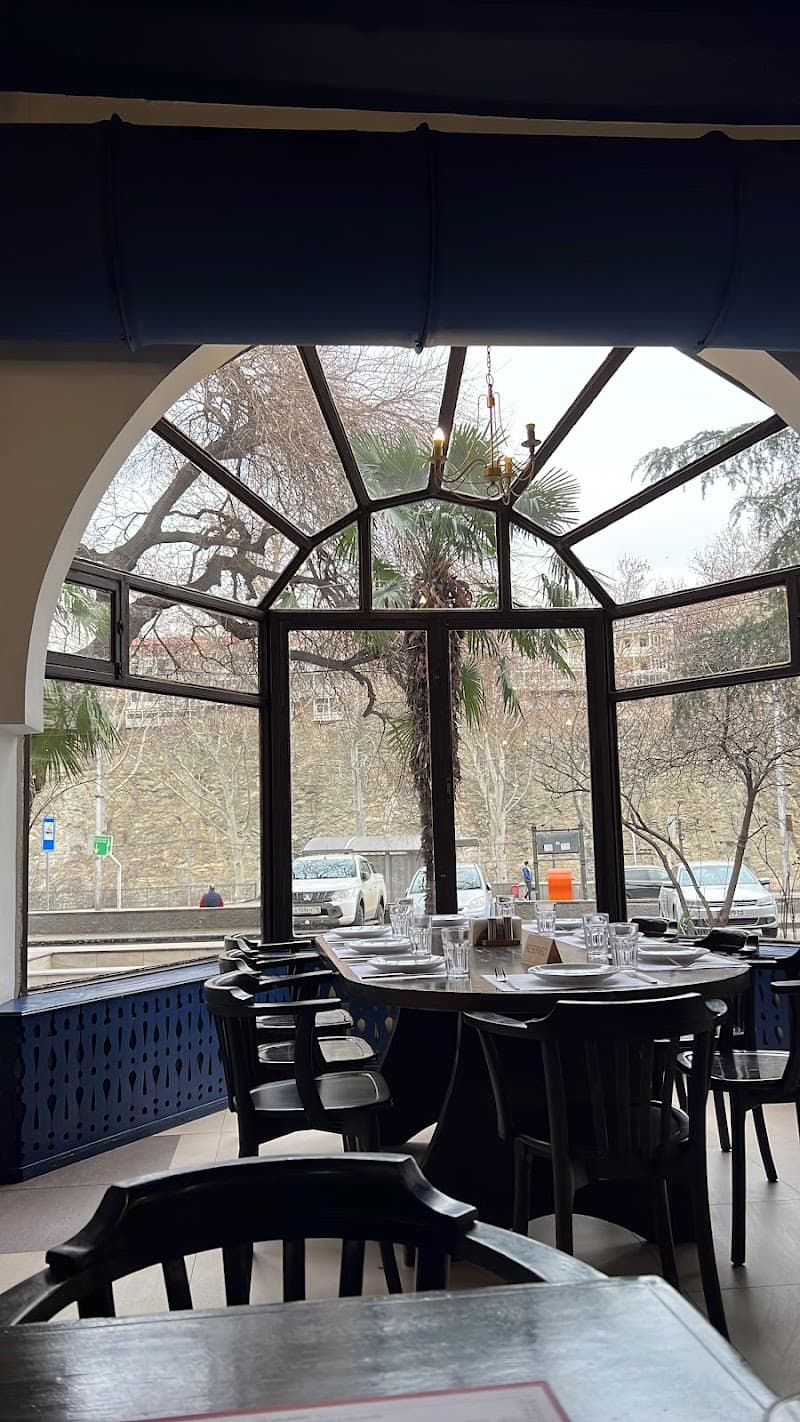
Tbilisi in 3 Days: Old Town, Green Hills, and Warm Kitchens
Weekend · $$$
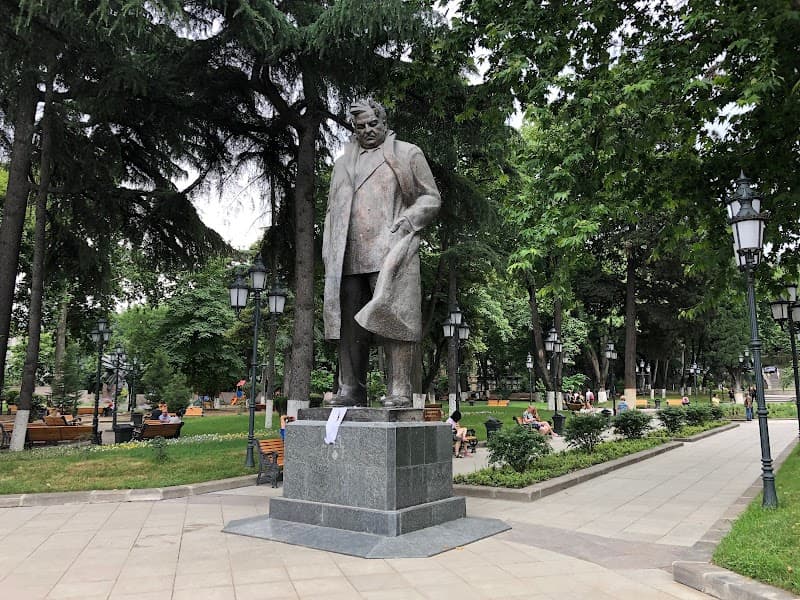
Three Lush Days in Tbilisi’s Hills and Old Town
Day Trip · $$$

7 Days of Romantic Tbilisi: Old Town, Wine, and Mountain Views
Week · $$$
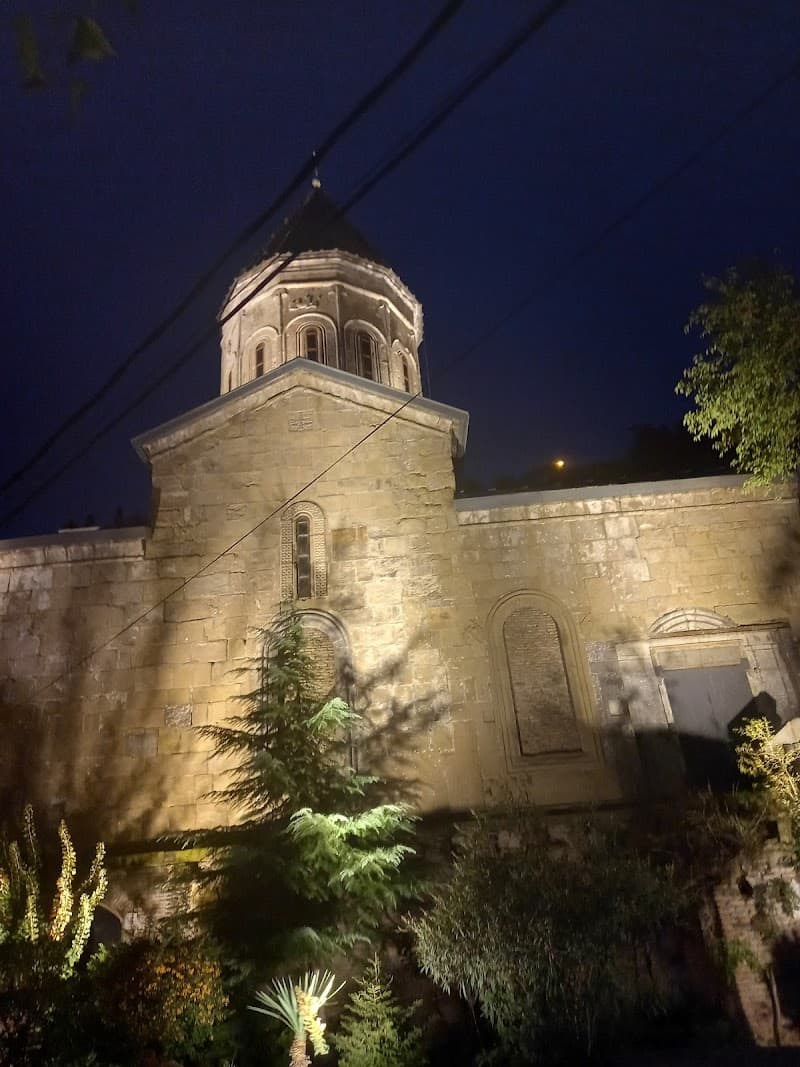
Romantic Tbilisi Jungle Escape Weekend
Weekend · $$$
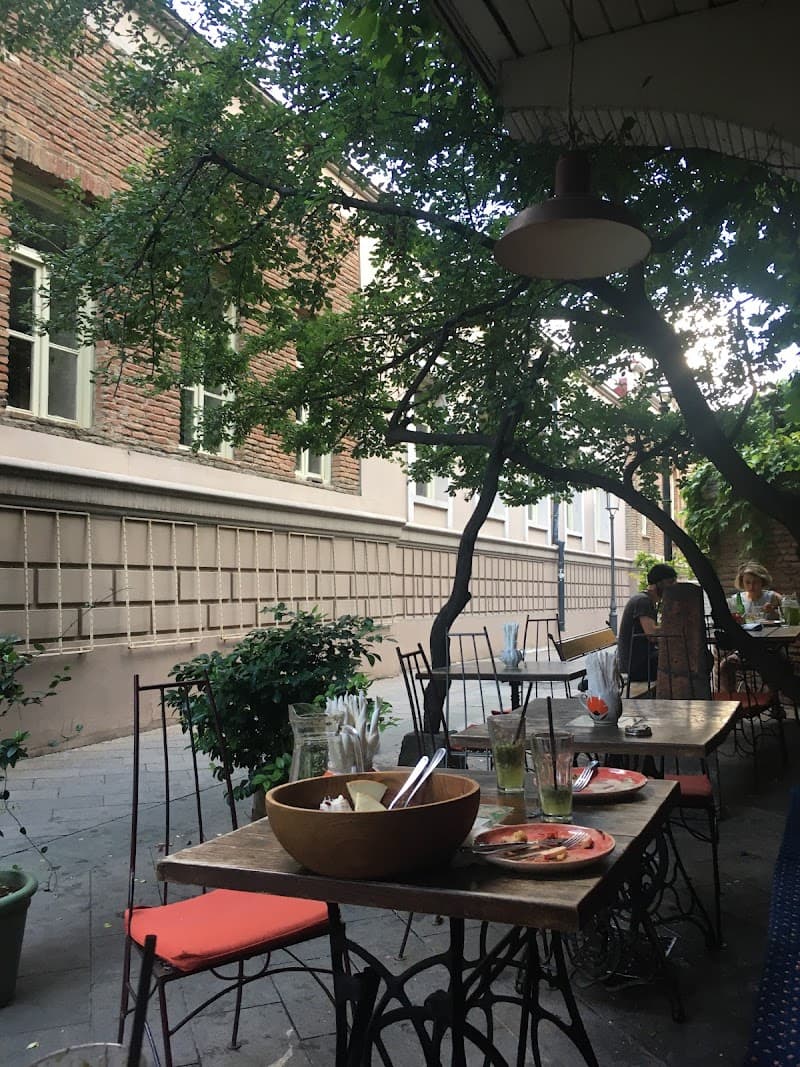
Jungle-Heart Romance in Old Tbilisi
Day Trip · $$$
Things to Do in Tbilisi
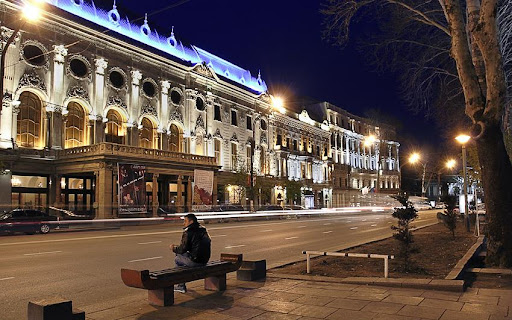
Rustaveli Avenue Stroll
Rustaveli · 90 min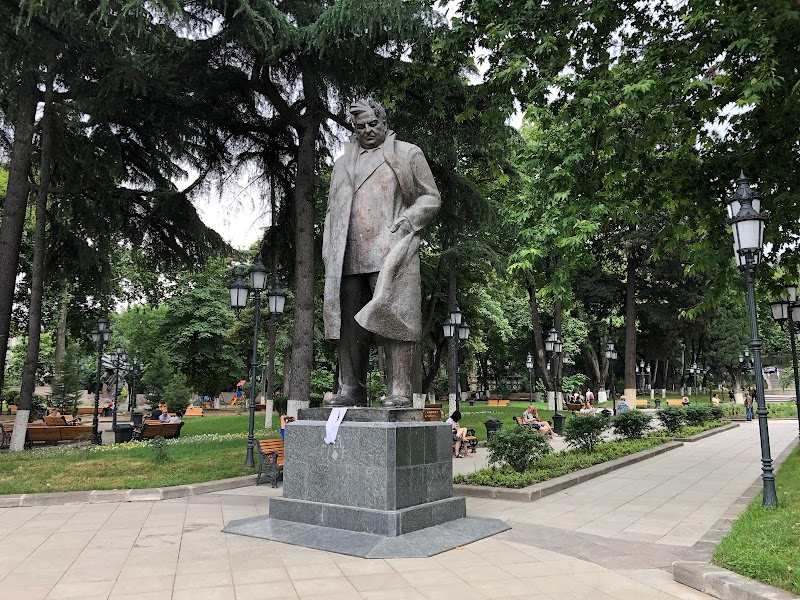
9 April Park & Giorgi Leonidze Park
Rustaveli · 60 min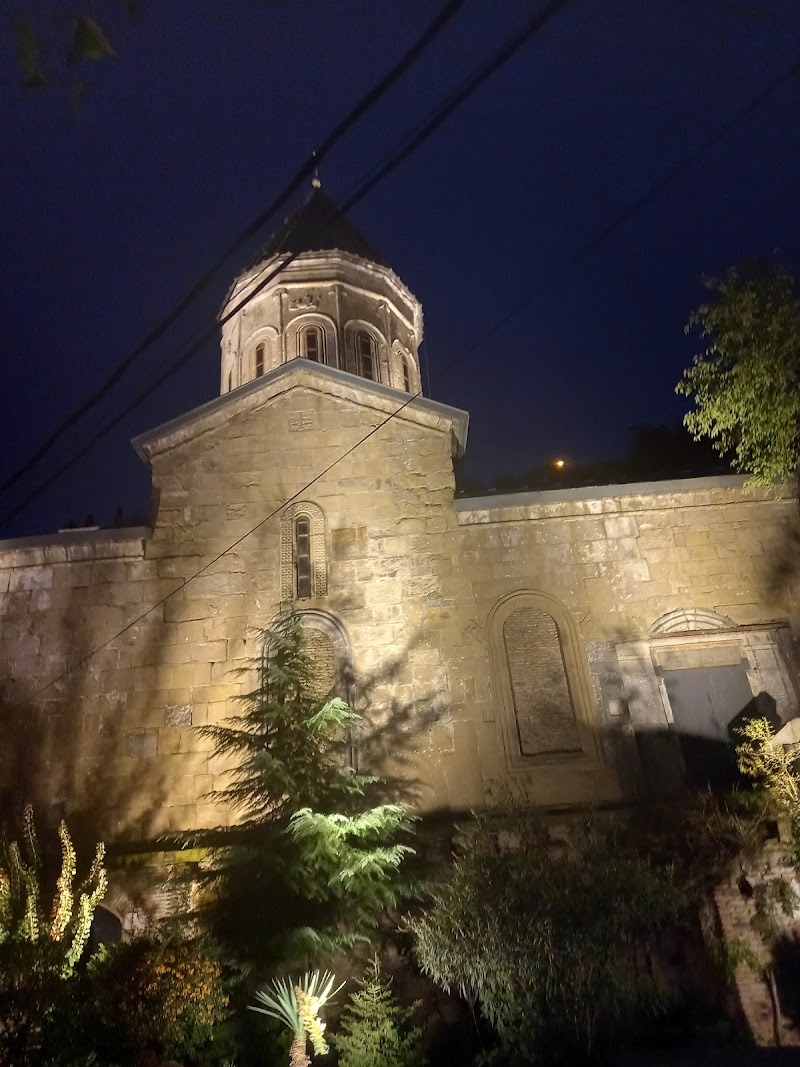
Old Tbilisi Walking Loop
Old Tbilisi · 120 minMoney-Saving Tips
- 1.Eat at local bakeries for khachapuri and lobiani — 2-3 lari fills you up completely
- 2.Buy wine directly from small producers in Kakheti region instead of tourist shops in the city
- 3.Use marshrutkas (1 lari) instead of taxis for longer distances across the city
- 4.Stay in family guesthouses in Sololaki district rather than Old Town hotels
- 5.Visit sulfur baths in the morning when prices are lowest (15-20 lari vs 30+ lari evening)
- 6.Shop at Deserters' Market for vintage Soviet items and local crafts at better prices
- 7.Drink at neighborhood wine bars instead of touristy spots on Shardeni Street
Travel Tips
- •Learn basic Georgian phrases — locals appreciate the effort and English isn't widely spoken
- •Carry cash — many small restaurants and shops don't accept cards
- •Dress modestly when visiting churches and monasteries — cover shoulders and knees
- •Don't refuse a toast at Georgian supras (feasts) — it's considered deeply offensive
- •Book sulfur baths in advance during peak season, especially at Orbeliani Baths
- •Use Bolt app for taxis — it's safer and shows the price upfront
- •Pack comfortable walking shoes — Old Town's cobblestones are unforgiving
- •Try to time your visit with a Georgian supra dinner — ask your accommodation to arrange one