Ischia
Italy's thermal spa island paradise in the Bay of Naples
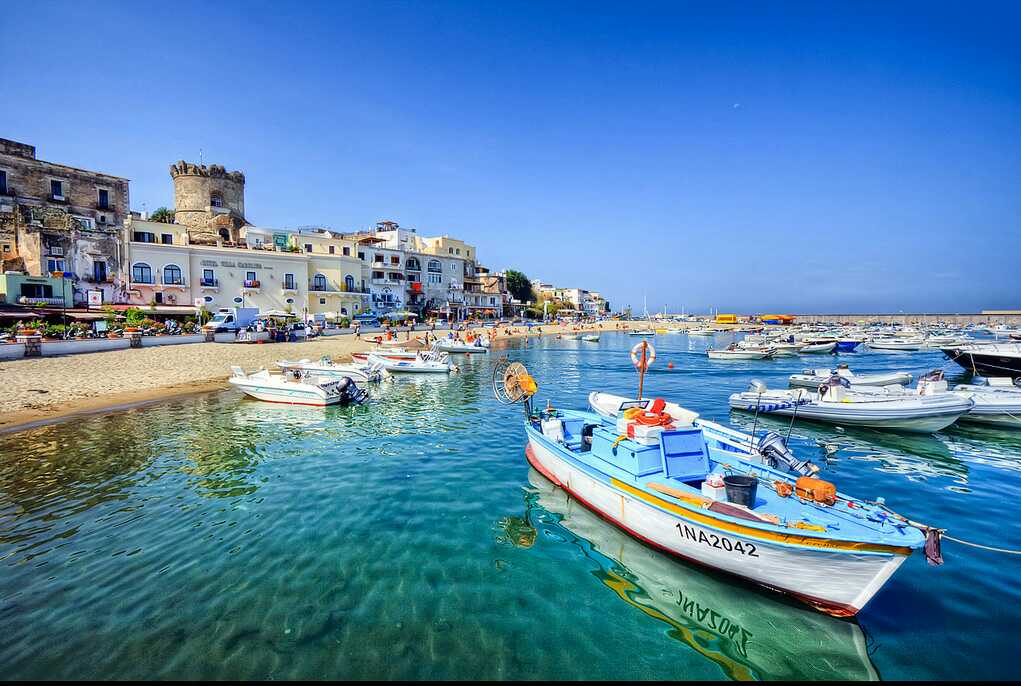
Forget Capri's crowds and Amalfi's tourist buses. Ischia sits in the Bay of Naples like Italy's best-kept secret, where volcanic springs bubble up through golden beaches and thermal spas have been healing bodies for over 2,000 years. This isn't just another Mediterranean island—it's where Romans came to soak their weary bones, and where you can still slip into naturally heated seawater that reaches 40°C.
The island stretches 46 square kilometers of pure indulgence. Ancient thermal parks like Negombo sprawl along Lacco Ameno's coast, while fishing villages like Sant'Angelo cling to clifftops above hidden coves. And here's what makes Ischia special: the thermal waters aren't just a gimmick. They're classified as medical treatments, rich in minerals that actually work on everything from arthritis to stress.
But don't expect pristine wilderness. This is lived-in Italy, where locals fish from volcanic rocks and family-run restaurants serve rabbit stew that's been perfected over generations. The beaches range from black volcanic sand at Maronti to the white pebbles of Citara. Some mornings you'll have thermal pools to yourself. Other times you'll share them with Italian grandmothers who've been coming here since the 1960s.
Culture & Context
VOLCANIC WORKING ISLAND
Ischia is a working volcanic island, not a theme park. It's Italy's third most populated island and takes its identity seriously. Locals are warm but they live here year-round — they're not performing for tourists.
The crowd skews Italian. You'll hear German too (the island has been a German holiday staple for decades). English is spoken in hotels and tourist restaurants but drops off fast once you step away from the main drag.
The island's history as a spa retreat goes back to Roman times, and locals treat the thermal waters as medicine, not a novelty. The 2022 landslide on the northern side of the island (Casamicciola Terme) still affects parts of that community, so be sensitive when visiting that area.
Local Customs
GREET & SIT DOWN
Greet people when you walk into any shop, bar, or restaurant. 'Buongiorno' in the morning, 'Buonasera' after about 1pm. Skipping this marks you immediately as rude, not just foreign..
Don't order a cappuccino after a meal. Italians consider it a breakfast drink. After lunch or dinner, espresso is correct.
If you want a gentle intro to the local way, try a caffè corretto — espresso with a splash of grappa.. Shops and many restaurants close for a midday break, roughly 1–4pm. Plan around it, not against it.
Fighting it only leads to frustration.. Tipping is not expected or required. A few euros left for genuinely good service is a nice gesture, not an obligation.
Your bill may already include a 'coperto' (cover charge) of €1–3 per person.. Dress modestly when entering any church. Shoulders and knees covered — this applies to every church on the island, including the smaller ones you wander into by accident..
Cash still matters here. Smaller beach bars, the local bus, and market stalls often don't take cards. Keep €20–30 in small bills on you..
Don't eat while walking. Italians sit down for meals and coffee. Street food is one thing, but wandering down Corso Vittoria Colonna with a dripping gelato cone is peak tourist energy..
The island limits car access in central areas to residents. Don't argue with the signs. Walk, take the bus, or use a scooter.
Safety
WATCH CROWDED PORTS
Ischia is genuinely safe. Violence is rare. The main concern is standard tourist-area stuff: petty theft and pickpocketing in crowded spots, particularly around the port in summer.
Don't leave bags unattended on the beach. Keep valuables in your hotel safe. The U.
S. State Department has a Level 2 advisory for Italy (not Ischia specifically) due to general terrorism concerns across Europe — this is the same category as most of Western Europe and shouldn't change your plans. The volcanic nature of the island means some areas have geothermal activity: Sorgeto Bay has spots where the water is genuinely boiling-hot, so read the water before you step in.
Hiking trails on Monte Epomeo are steep and rocky — proper footwear required. Emergency services are reliable. If you get into medical trouble, there is a hospital on the island (Ospedale Anna Rizzoli in Lacco Ameno).
Healthcare costs can be significant without insurance, so sort that before you go.
Getting Around
FERRY & SCOOTER
You can only get to Ischia by sea. From Naples, hydrofoils leave from Molo Beverello (fast, about 40–50 minutes, passenger only) and conventional ferries leave from Calata Porta di Massa (slower, 1–1.5 hours, can bring a car).
Ferry tickets start around €6 for foot passengers. In high season (June–September), book morning departures from Naples and evening returns from Ischia in advance — they sell out. The two piers in Naples are about 1km apart; a free Alibus shuttle connects them.
Taxis from Naples airport to the pier run a fixed €21. On the island itself: the EAV bus network connects all six towns and is cheap and reasonably reliable. Buy your ticket before you board — technically you can't buy on the bus.
Scooter rental is widely available at the port and doesn't require advance booking. It's genuinely the best way to explore freely, but the streets are narrow and every car on the island is scratched. Drive carefully and defensively.
Taxis exist but get expensive fast. There's no car rental needed unless you're bringing a lot of luggage — and note that the central areas of most towns restrict car access to residents.
Useful Phrases
Ischia Itineraries
View all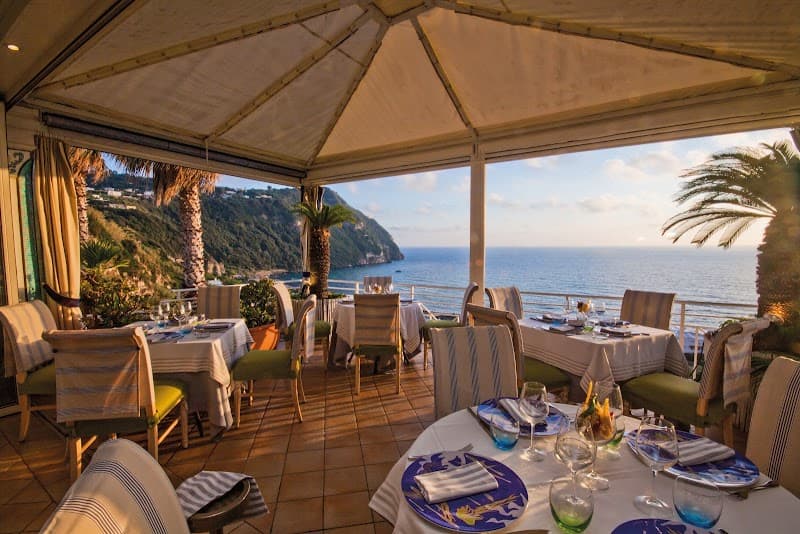
7 Wild-Nature Days on Volcanic Ischia
Week · $$$
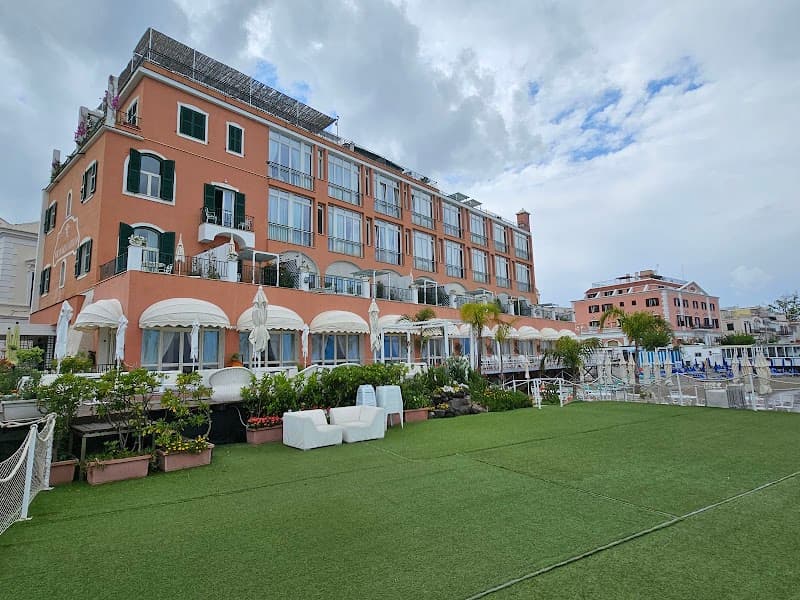
Ischia Solo Escape: Thermal Springs, Castles & Wild Coasts
Weekend · $$$

Green Island Romance: 7 Dreamy Days on Ischia
Week · $$$
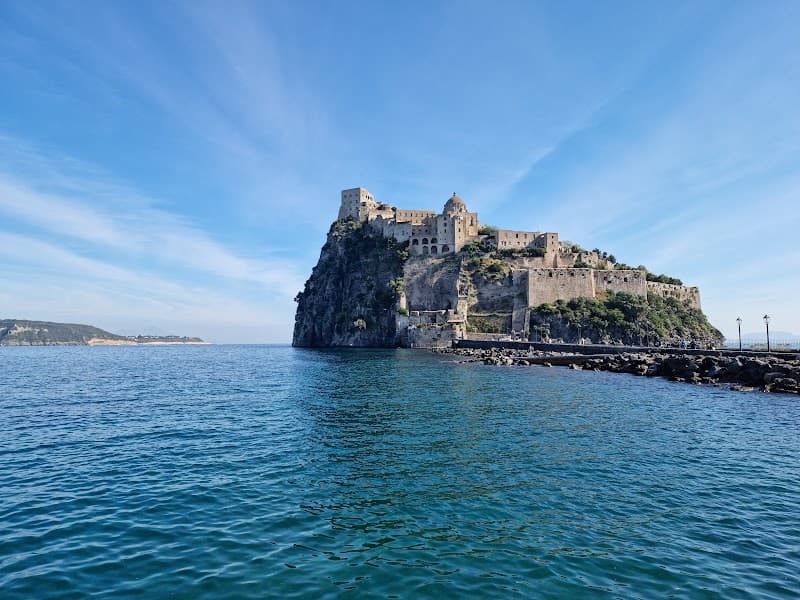
Ischia in Bloom: Romance, Thermal Seas, and Wild Coastal Calm
Weekend · $$$
Seven Wild-Green Days on Ischia with the Family
Week · $$$

Jungle-Wild Ischia: Castles, Gardens, and Sea Views
Weekend · $$$
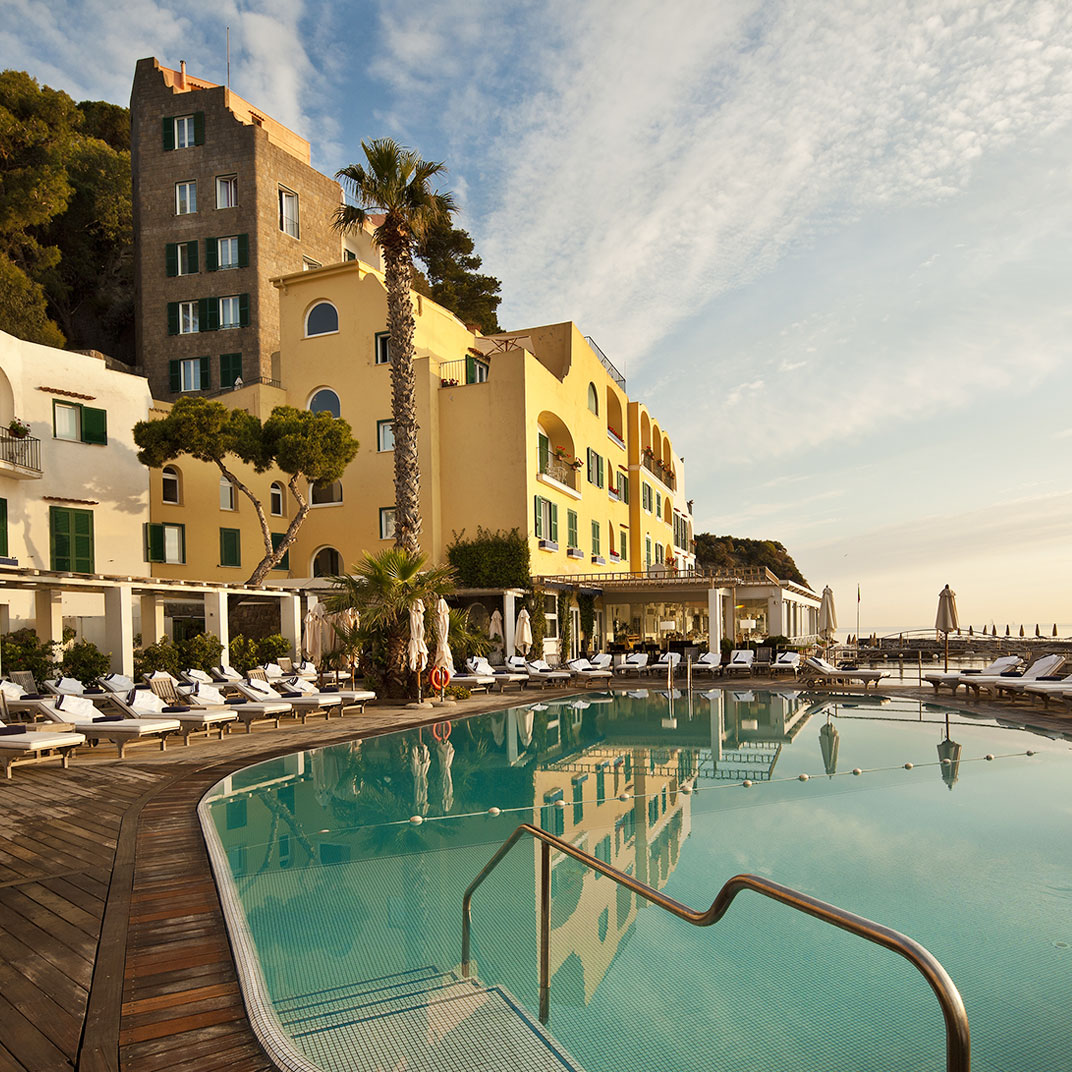
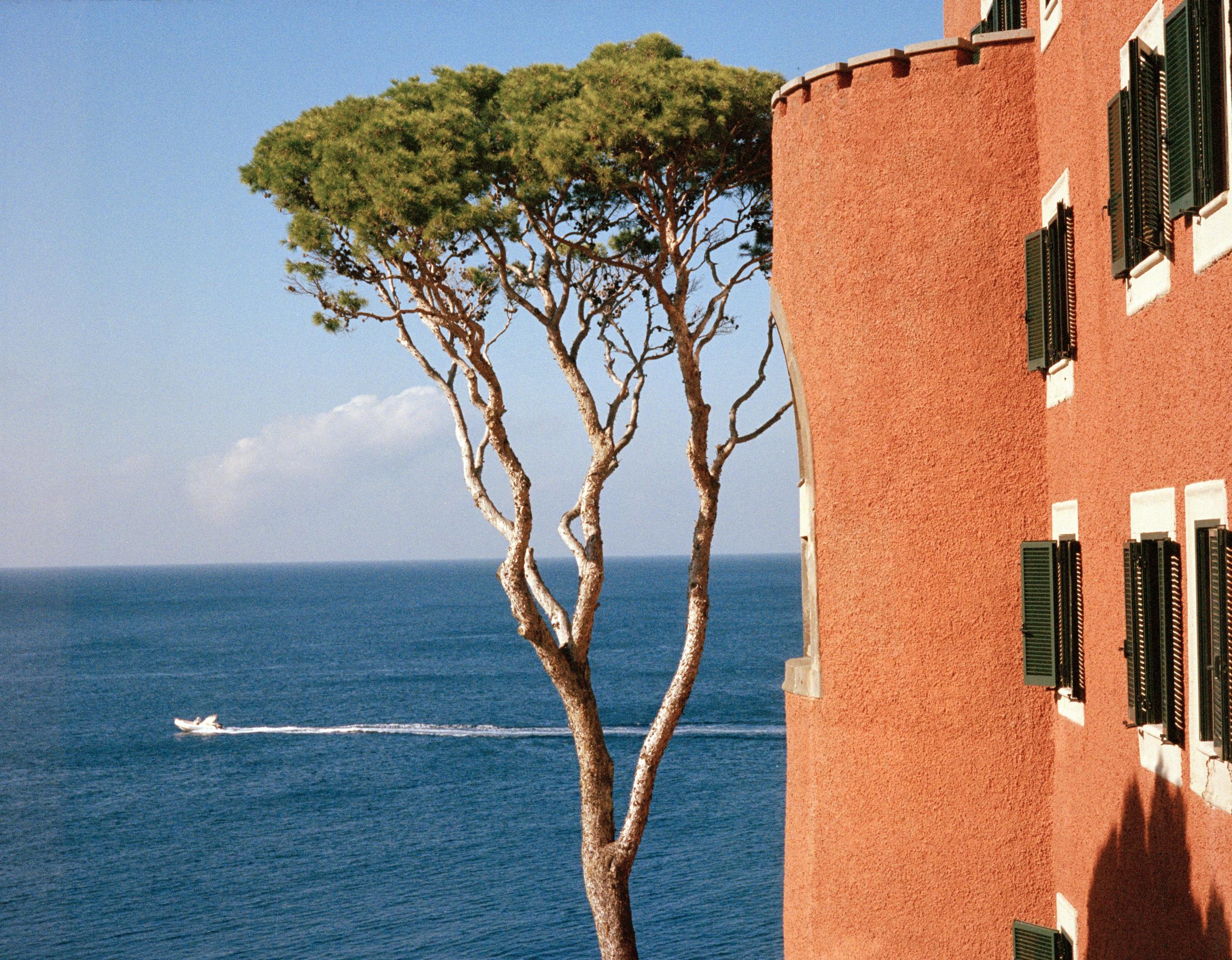
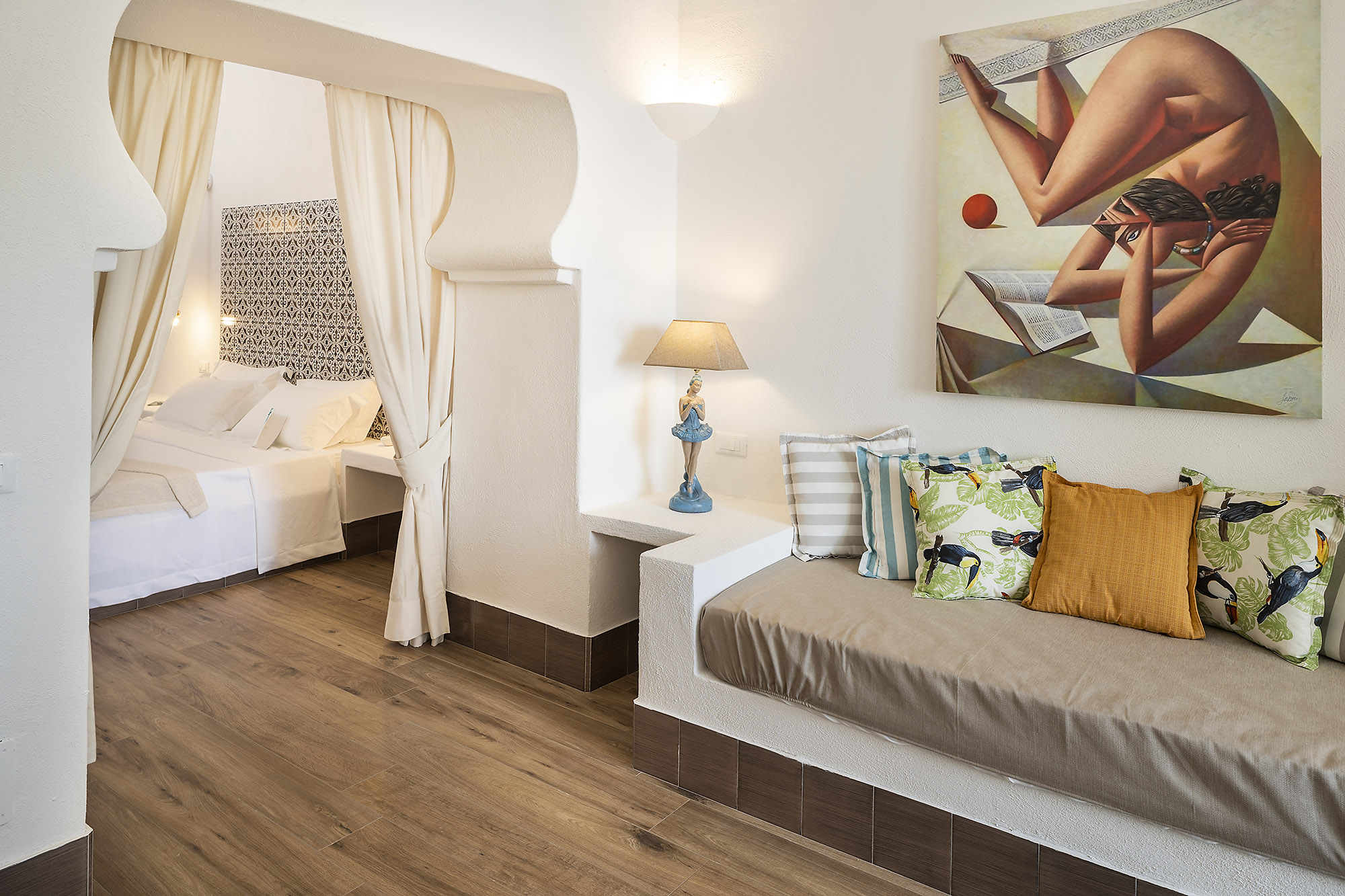
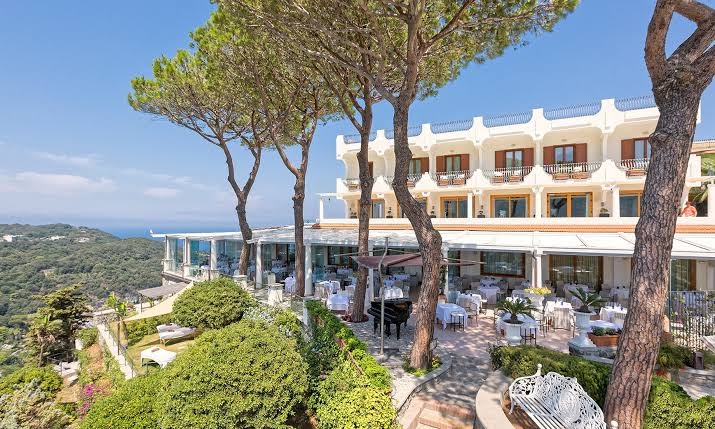
Where to Stay in Ischia
6 recommended properties
Things to Do in Ischia
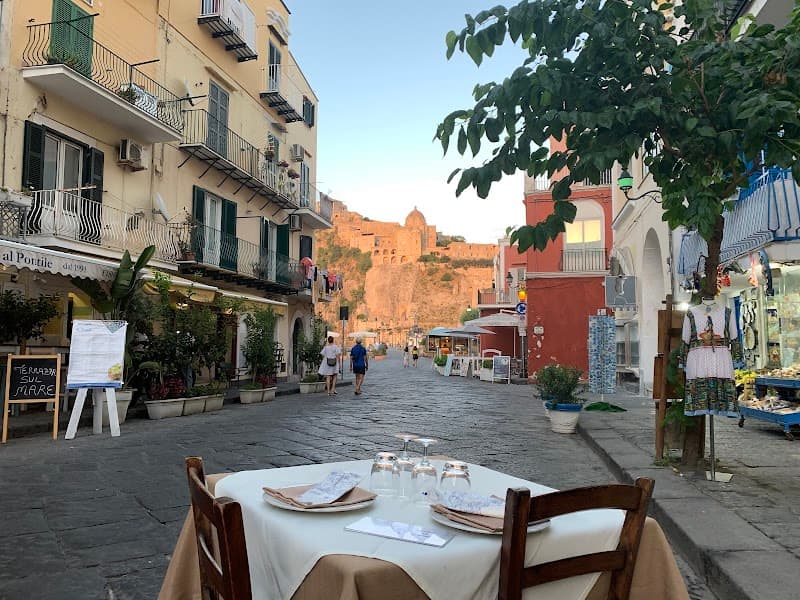
Ischia Porto Seafront Promenade
Ischia Porto · 60 min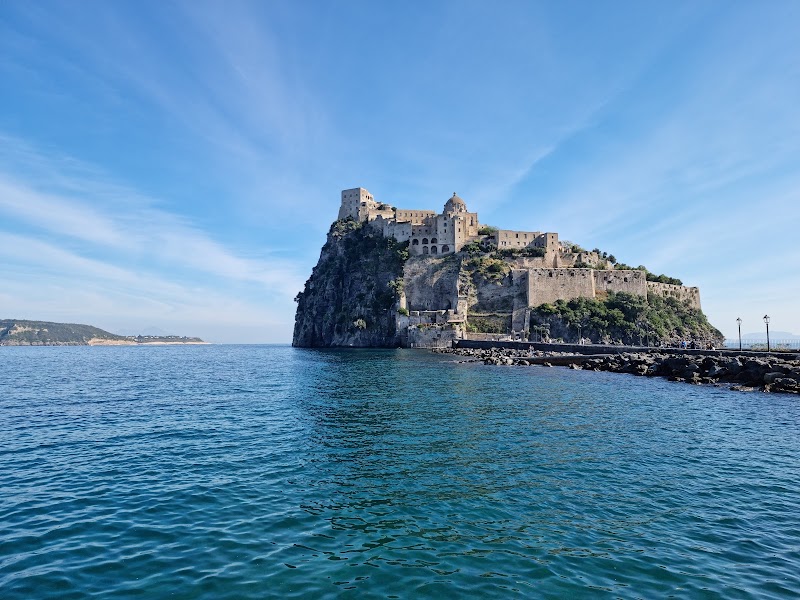
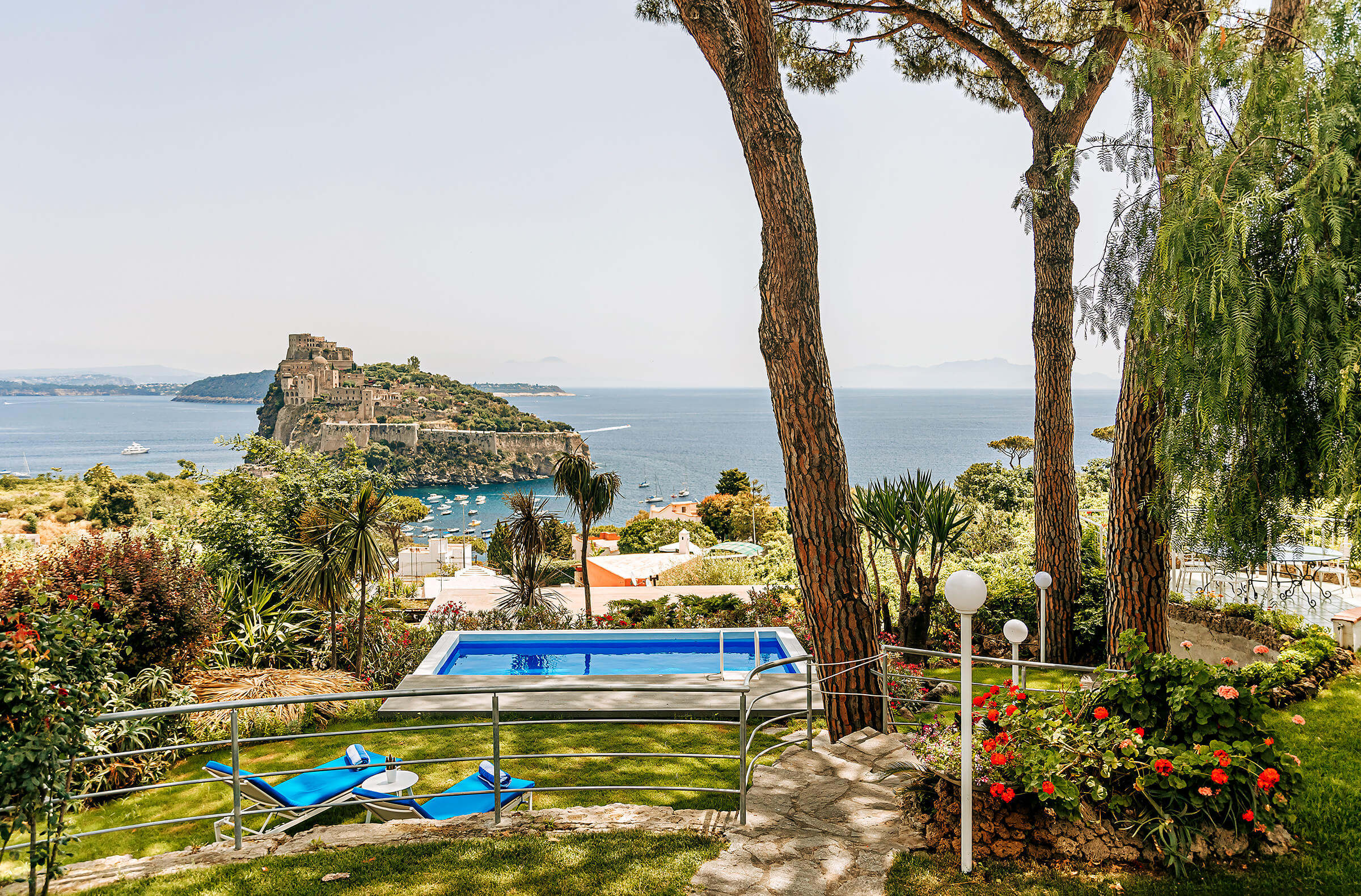
Castello Aragonese d’Ischia
Ischia Ponte · 150 min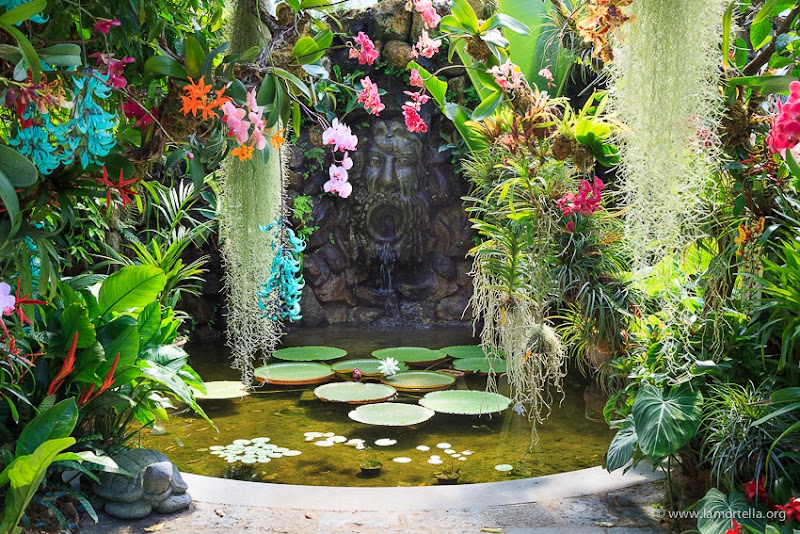
La Mortella Botanic Gardens
Forio · 150 minMoney-Saving Tips
- 1.Visit thermal parks in late afternoon for discounted entry—Poseidon Gardens charges €25 after 4 PM instead of €35 for full-day access
- 2.Buy ferry tickets online in advance for 10% discounts, especially during summer peak season
- 3.Stay in Casamicciola or Barano instead of Ischia Porto to save €50-80 per night on accommodation
- 4.Pack thermal park essentials (towels, flip-flops, water bottle) to avoid €5-10 rental fees at each location
- 5.Eat lunch at thermal parks' restaurants for better value than dinner—same food, 30% lower prices
- 6.Take the slower ferry instead of hydrofoil to save €8 per trip—only adds 45 minutes to the journey
- 7.Visit free thermal springs at Sorgeto Bay instead of paid thermal parks—bring your own towels and snacks
- 8.Buy a weekly bus pass for €15 instead of daily tickets if staying more than 4 days
Travel Tips
- •Book thermal spa treatments in advance—popular hotels like Regina Isabella fill up weeks ahead, especially for volcanic mud therapies
- •Bring reef-safe sunscreen as many thermal parks are strict about protecting their natural springs from chemical contamination
- •Download the CS Ischia bus app for real-time schedules—summer traffic can delay buses by 30-45 minutes
- •Pack comfortable walking shoes for reaching thermal springs—paths to places like Sorgeto Bay are rocky and steep
- •Learn basic Italian greetings—English isn't widely spoken outside major hotels and tourist areas
- •Carry cash for small businesses, thermal springs, and bus fares—many places don't accept cards under €20
- •Visit thermal parks early morning (8-10 AM) or late afternoon (4-6 PM) to avoid peak crowds and heat
- •Respect local thermal spring etiquette—Italians often soak quietly and consider loud conversations disruptive
- •Check thermal park opening schedules as some close on specific weekdays during shoulder seasons
- •Bring a waterproof phone case for thermal pools—the mineral content can damage electronics if they get wet