Florence
Renaissance art capital where history lives in marble
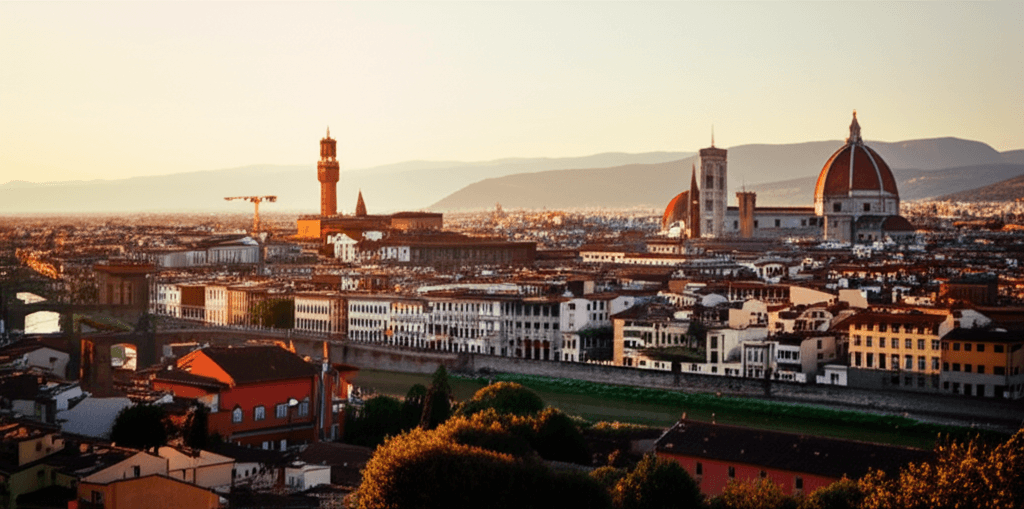
Florence hits you the moment you step off the train. Brunelleschi's dome rises above terracotta rooftops while the Arno reflects centuries-old bridges. This isn't just another Italian city — it's where the Renaissance was born, and you can still feel that creative energy today.
But Florence is more than marble statues and frescoes. It's also where Florentines line up at All'Antico Vinaio for legendary sandwiches, where aperitivo culture thrives in hidden wine bars, and where artisan workshops still craft leather goods by hand. The city moves at its own pace, especially during the midday riposo when shops close and locals retreat indoors.
Here's what you need to know to experience Florence like someone who actually lives here — not just passes through with a tour group.
Best Months
APR · MAY · JUN · SEP · OCT
~25°C · high crowds
Culture & Context
RENAISSANCE PRIDE RUNS DEEP
Florence takes its identity seriously. This is a city that invented the Renaissance, and locals haven't forgotten it. But it's not stuffy.
The Florentines have a dry wit and a healthy skepticism about tourists, which means earning a little respect goes a long way. Say buongiorno when you walk into any shop or bar. Don't order a cappuccino after 10am if you want to blend in (you will get served, but you will get a look).
Ordering a "latte" gets you a glass of plain milk. If you want coffee with milk, say "caffellatte" or "macchiato." Dining is slow and intentional.
Expect two hours for a proper lunch or dinner. The waiter won't bring the bill until you ask for it. Calling for it early is considered rude.
Restaurants tack on a coperto (cover charge) of €2-4 per person. That's not the tip. Don't touch produce at markets.
Point at what you want and let the vendor pick it. In churches, shoulders and knees must be covered. Pack a scarf.
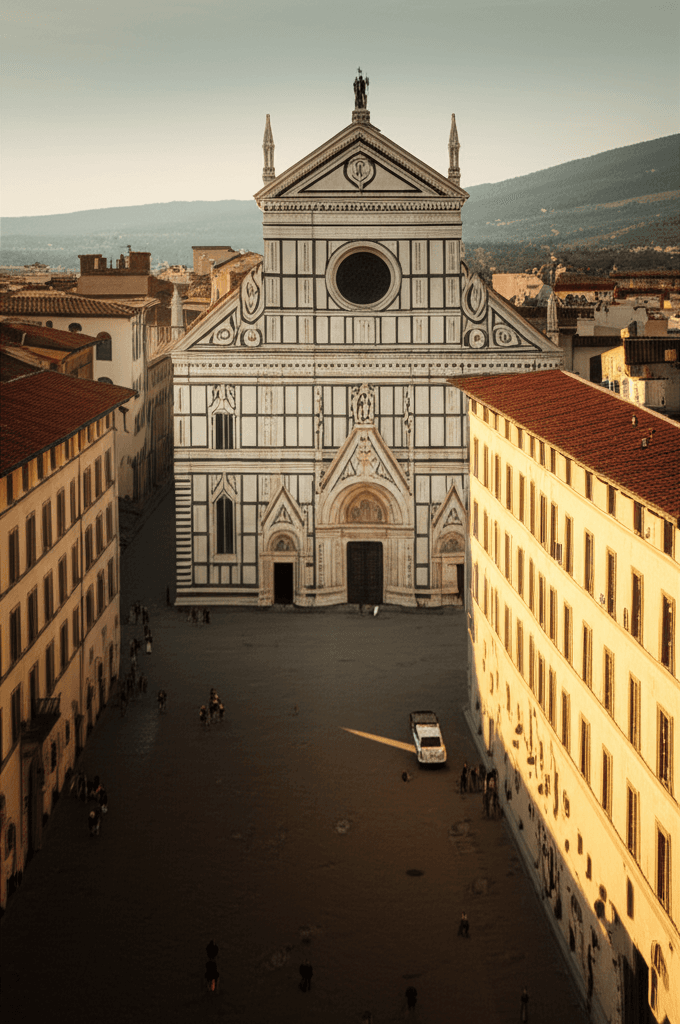
Eating and sitting on the steps of historical monuments and churches is actually prohibited and genuinely disrespects residents who deal with it constantly. Florence historically divides into four quarters: Santa Maria Novella, San Giovanni, Santa Croce, and Santo Spirito, which still face off each June in the Calcio Storico tournament. A violent, medieval hybrid of rugby, soccer, and wrestling played in 16th-century costume in Piazza Santa Croce.
It's as chaotic as it sounds.
Local Customs
SAY BUONGIORNO ALWAYS
Always say buongiorno (morning/day) or buonasera (evening) when entering any shop, bar, or restaurant. Skipping the greeting is considered rude, and locals notice.. Stand at the bar to drink your espresso.
Sitting down can more than double or triple the price due to table service charges. Order, pay at the register first in many places, then take your receipt to the barista.. Never order a cappuccino after about 10am if you want to eat like a local.
It won't get you thrown out, but it marks you immediately as a tourist.. Asking for 'latte' gets you a glass of milk. Say 'caffellatte' or 'macchiato' if you want coffee with milk..
Coperto (cover charge) of €2-4 per person is standard at virtually every sit-down restaurant. It's not optional and it's not a tip.. Don't touch produce, bread, or cheese at market stalls or food shops.
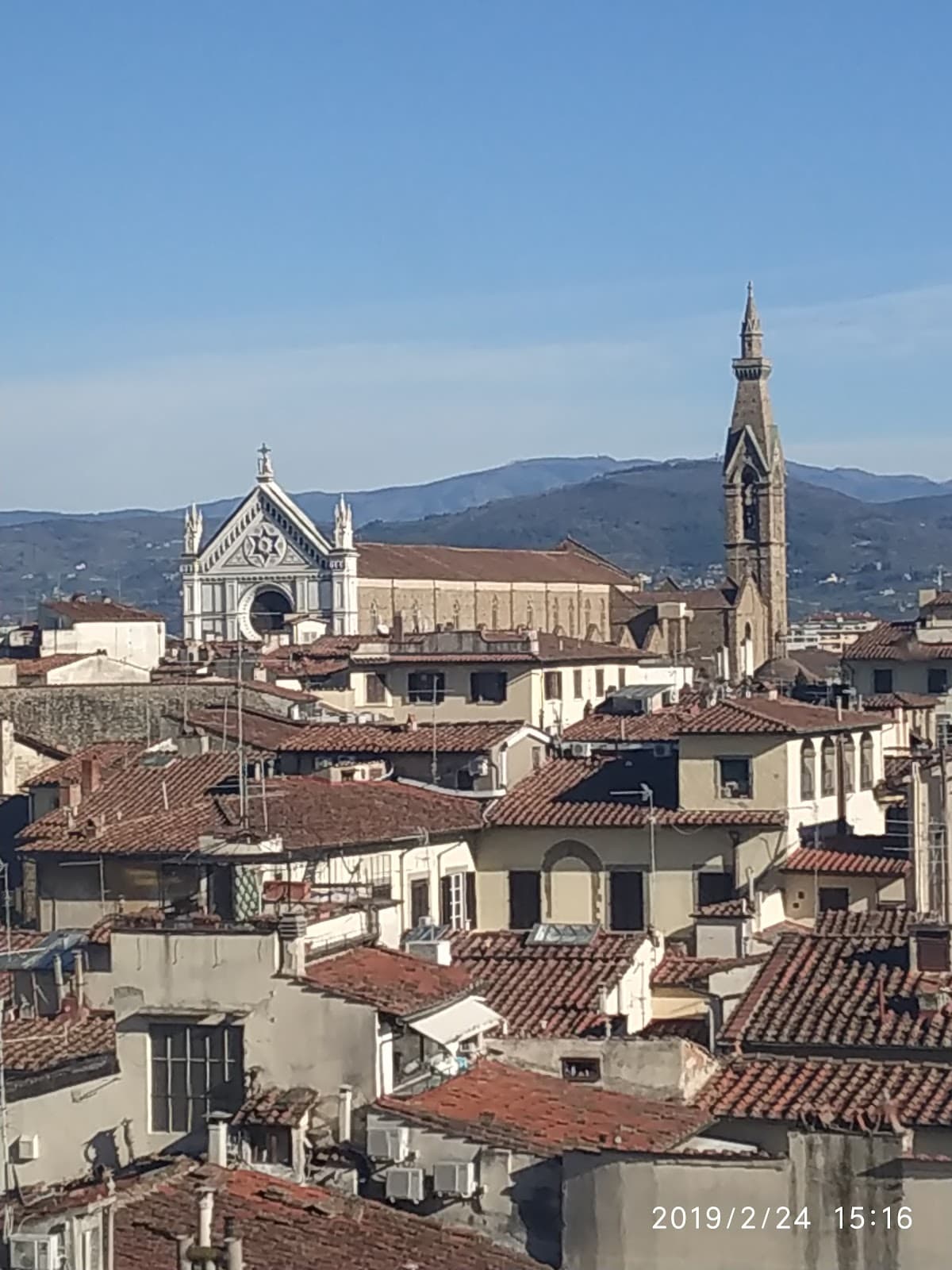
Point at what you want and let the vendor select it for you.. Cover your shoulders and knees before entering churches. The Duomo and Santa Croce both enforce this.
A lightweight scarf in your bag solves the problem instantly.. Don't eat, drink, or sit on the steps of churches or historical monuments. It's actually prohibited by city ordinance and genuinely frustrates residents..
The bill at restaurants doesn't arrive until you ask. Say 'Il conto, per favore.' Rushing this is considered impolite..
Cash is still preferred for small transactions under €10, including espresso, market purchases, and small tabacchi shops. Card acceptance is improving but not universal at small vendors.. Shops in Florence often observe a lunch break (pausa di pranzo) roughly 1-4pm, especially smaller, family-run places.
Don't be surprised to find things closed mid-afternoon.. When meeting someone new, shake hands and say 'piacere' (nice to meet you). Kissing on both cheeks is for people who already know each other.
Safety
WATCH YOUR BACK POCKETS
Florence is genuinely safe for violent crime. The historic center is heavily patrolled and well-lit. The main issue is pickpocketing, and it's concentrated in specific, predictable spots: Piazza del Duomo, the area outside the Uffizi and Accademia, Ponte Vecchio, San Lorenzo market, and the Santa Maria Novella train station.
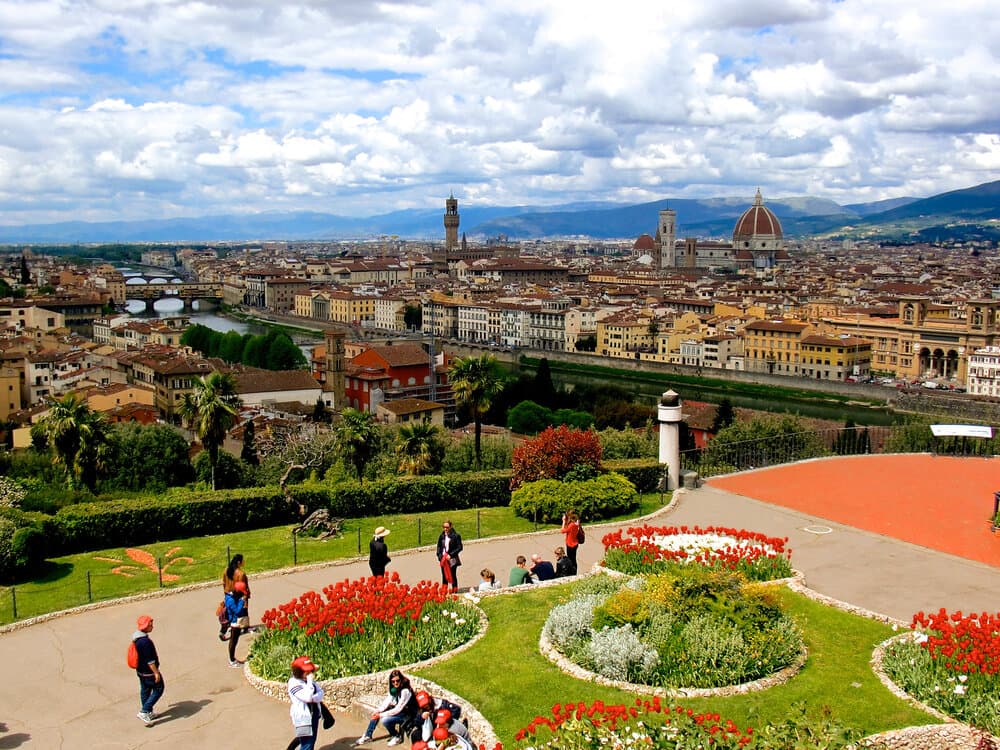
Crowded buses, especially on routes popular with tourists, are also targets. Bus 13 to Piazzale Michelangelo is a known hotspot. The fix is simple: crossbody bag worn in front, nothing in back pockets, phone not dangling while walking.
A distraction technique (someone bumping you, someone thrusting a petition or bracelet at you) almost always precedes an attempt — check your belongings immediately. Watch for inflated restaurant bills near major attractions. Don't eat at places with laminated picture menus within 50 meters of the Duomo or Uffizi.
Le Piagge, in the northwest near the airport, has higher poverty and occasional reports of gang activity — tourists have no reason to go there. Isolated stretches of the Arno riverbank after dark are quiet and best avoided. The area immediately around Santa Maria Novella train station is more chaotic than the rest of the city, though not actually dangerous.
Tap water in Florence is perfectly safe and free at the many public fountains (called nasoni) around the city.
Getting Around
WALKABLE HISTORIC CENTER
Walking is how you see Florence. The historic center takes about 30 minutes to cross on foot. Most of what you came for is within that radius.
But for everything else: From the airport, take the T2 tram to Santa Maria Novella station. It runs every 5 minutes, takes about 20 minutes, and costs €1.70.
The alternative is a €22 flat-rate taxi. Do the math. Single bus/tram ticket: €1.
70, valid for 90 minutes across all lines. If you buy on board from a driver, it costs €3.00.
Never board without a validated ticket — inspectors check frequently and fines are steep. Buy tickets at tabacchi shops (the ones with the T sign), ticket machines at tram stops, or via the AT Bus app. Validate immediately when you board, every time.
Florence has no metro. The tram system runs two main lines: T1 (Scandicci to Careggi, passing through the train station) and T2 (airport to Piazza San Marco). A third line (T3) is under construction in 2026, connecting toward the soccer stadium and Bagno a Ripoli — expect construction disruption near those areas.
For the historic center, four electric mini-buses (C1, C2, C3, C4) are small enough to navigate the narrow streets. Bus 13 goes to Piazzale Michelangelo. The ZTL (Limited Traffic Zone) prohibits private cars from most of the historic center.
If you drive a rental car in without authorization, you will receive automated fines in the mail weeks later. High-speed trains from Santa Maria Novella connect to Rome (from €19, about 1.5 hrs on Frecciarossa), Venice (about 2 hrs), and Milan (about 1.
5 hrs). Book on Trenitalia or Italo for the best prices, always in advance.
Useful Phrases
Explore Destinations
Explore the Region
Florence Itineraries
View all
Florence Flavors & Renaissance Views – Day 1
Weekend · $$$
Renaissance Views & Flavors in One Perfect Florentine Day
Weekend · $$$
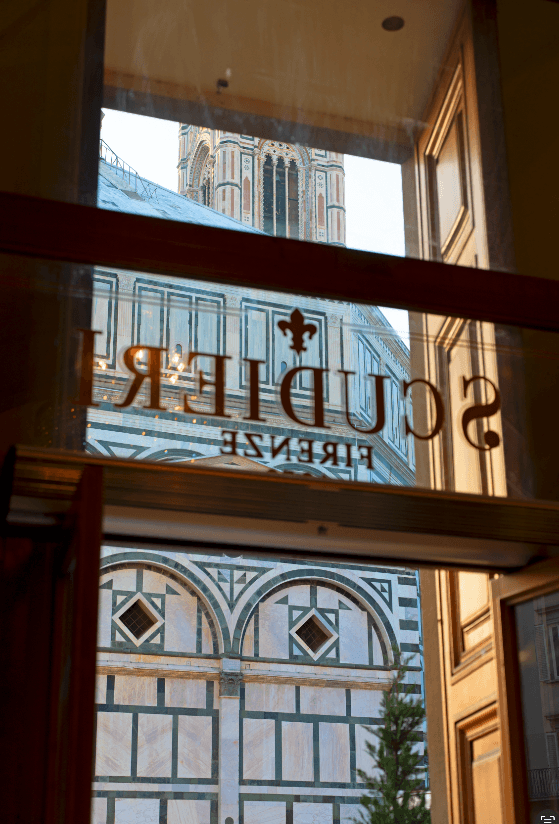
Florence Day One: Renaissance Calm for Modern Families
Weekend · $$$
Slow Florence for Two: Food, Views, and Evening Strolls
Weekend · $$
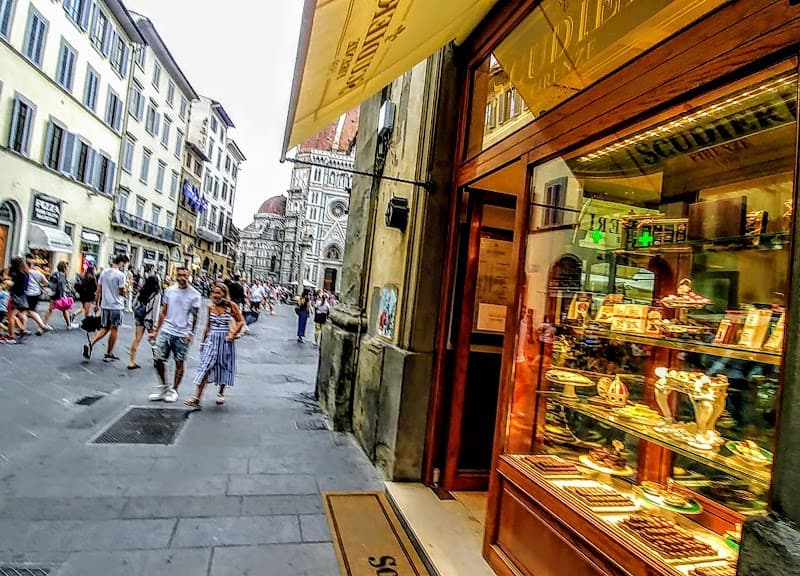
Five Days in Florence: Renaissance, Hillsides & Tuscan Wine
Weekend · $$$
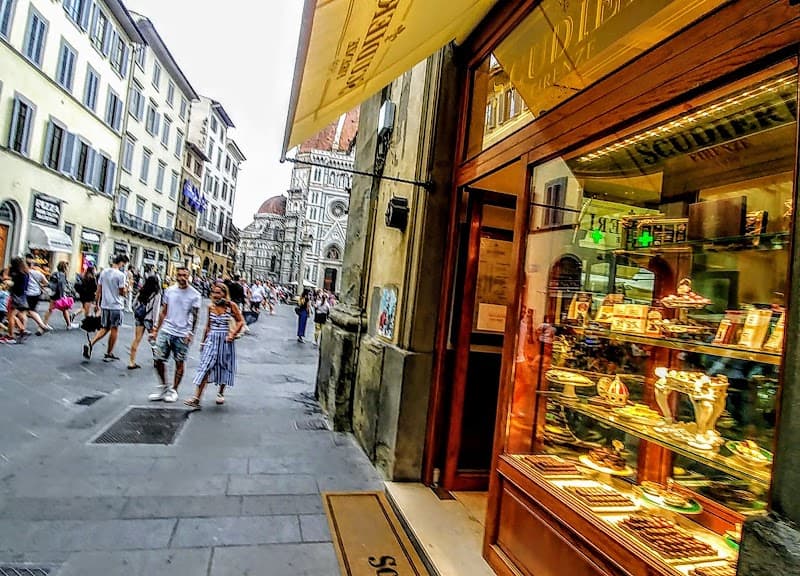
Three Packed Days in Renaissance Florence on a Budget
Weekend · $$
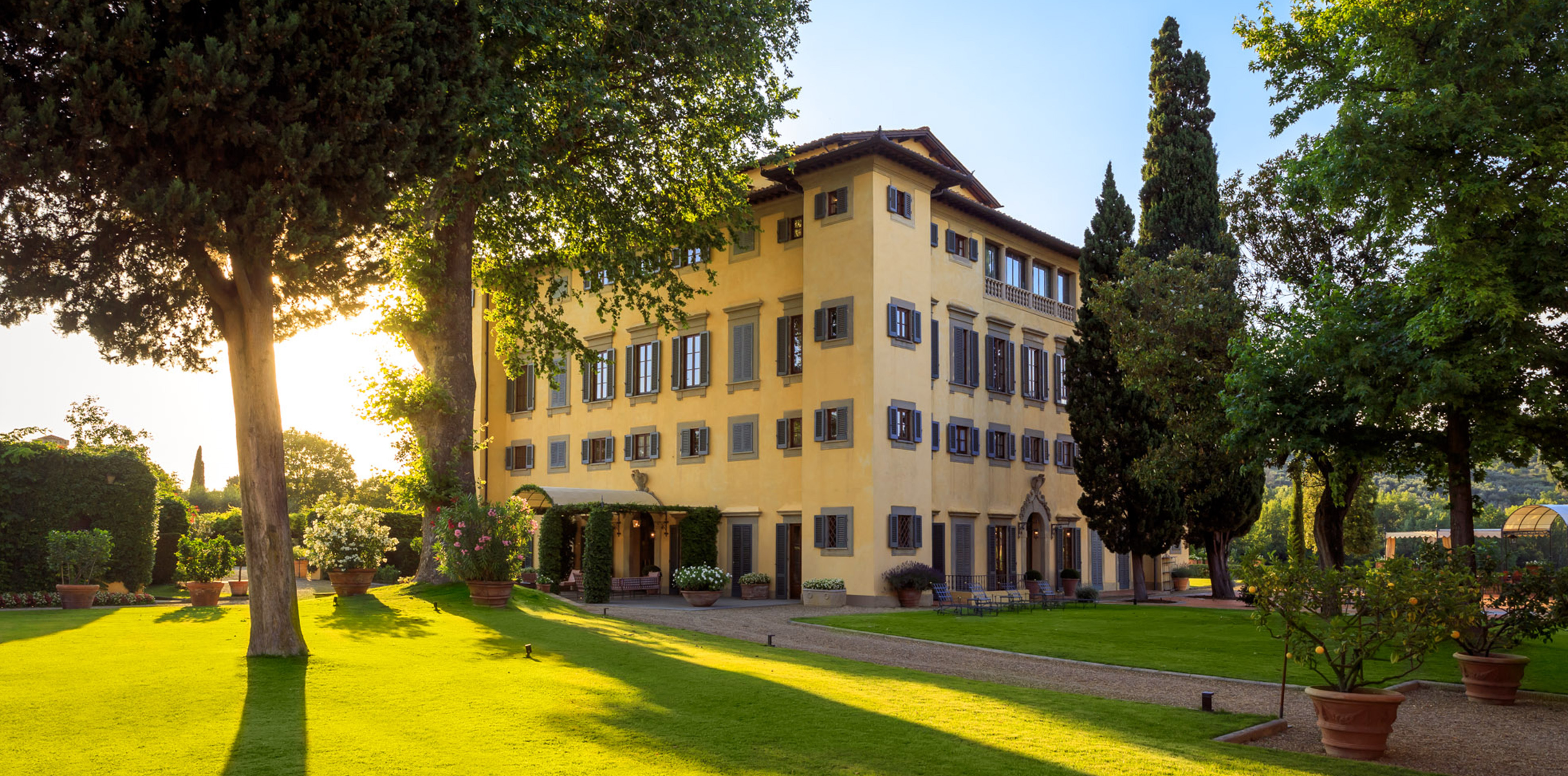
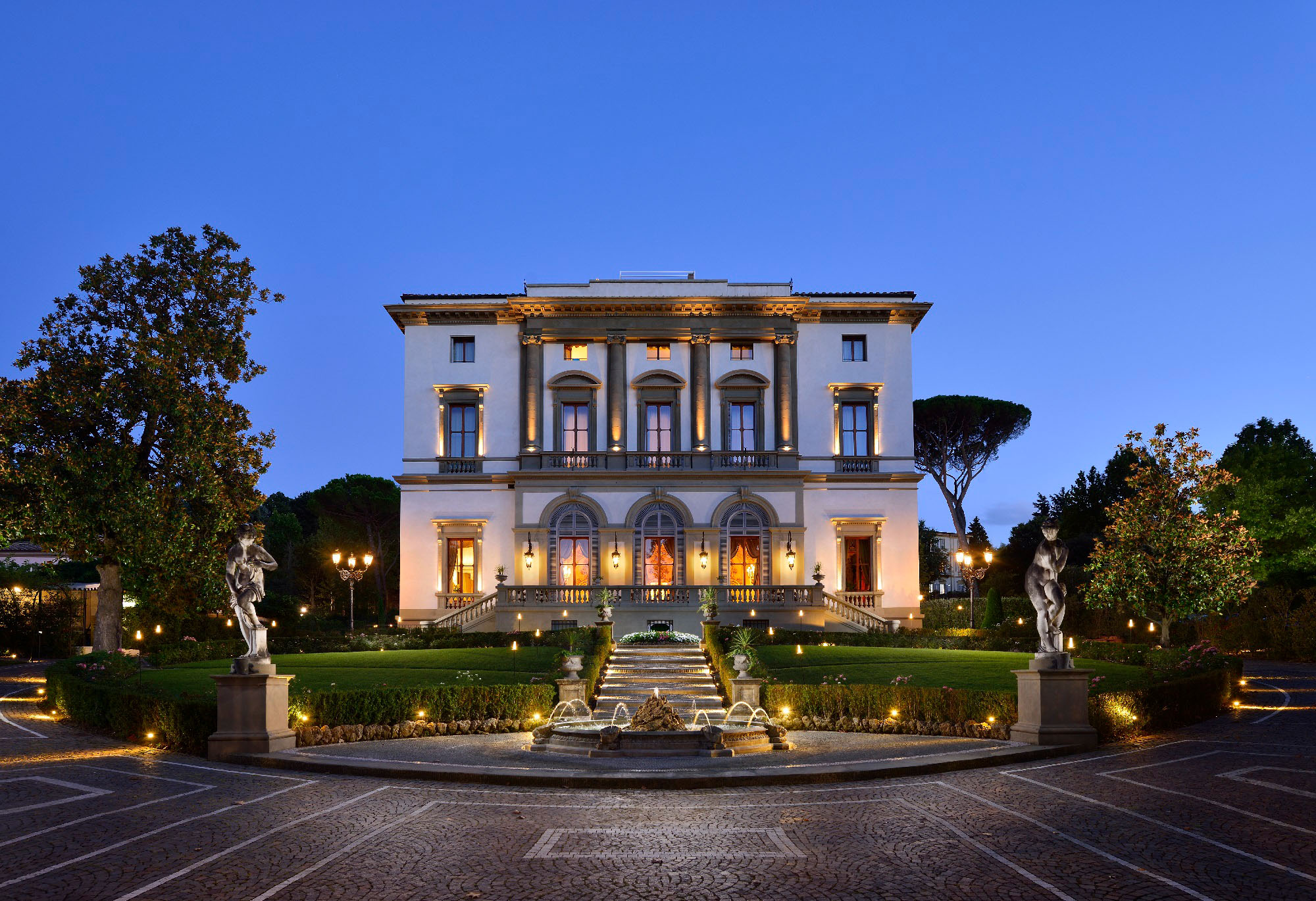
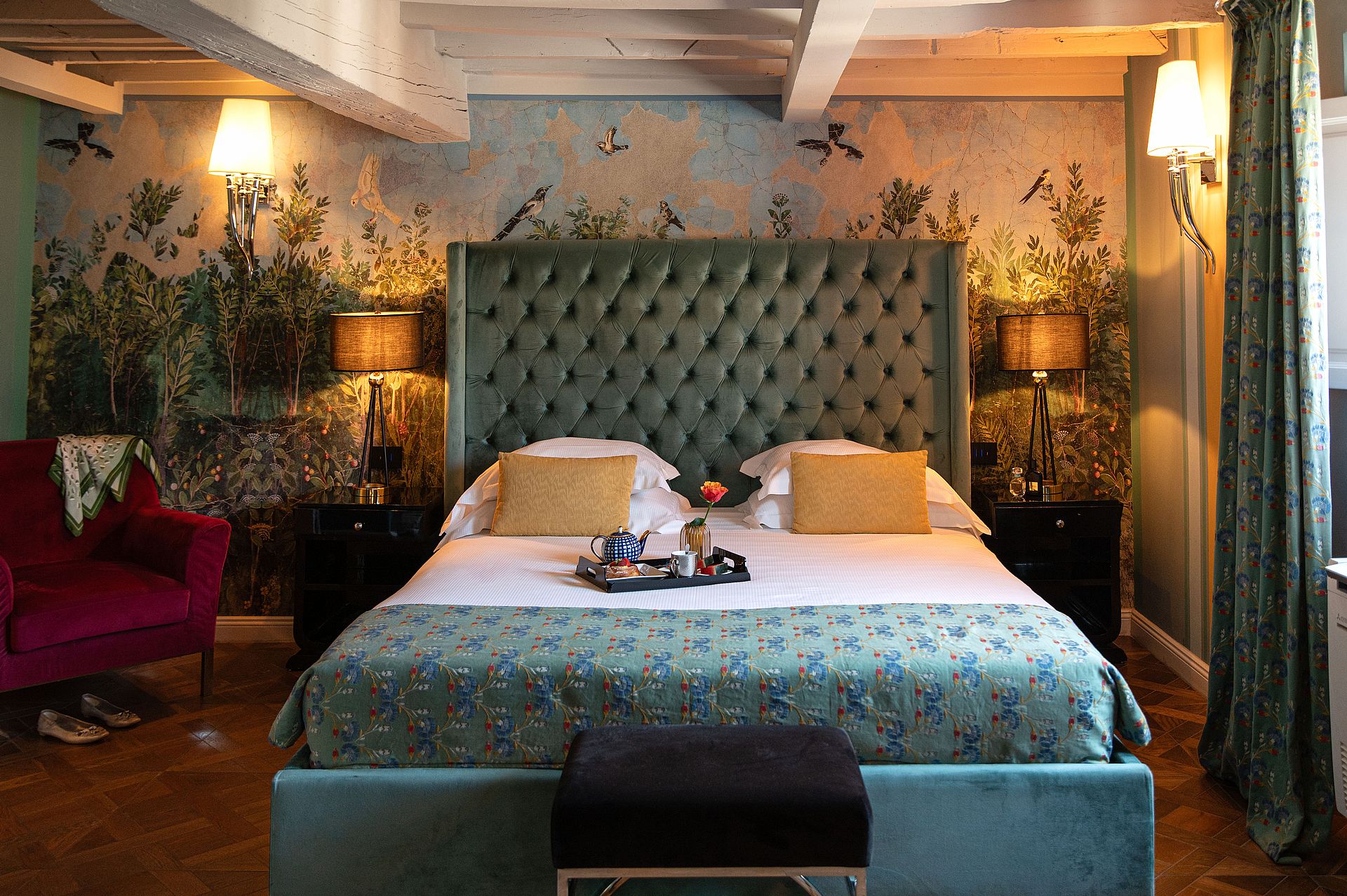
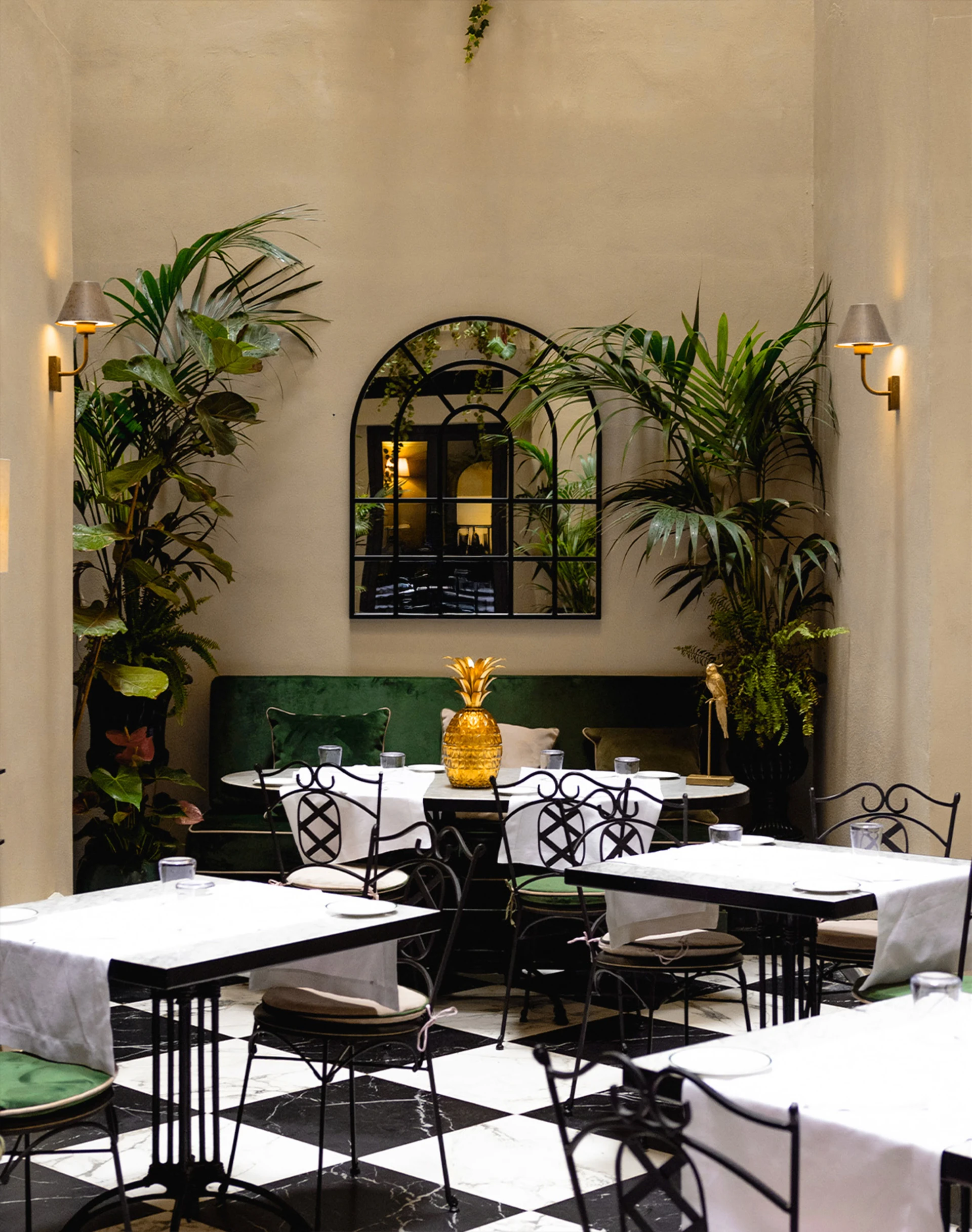
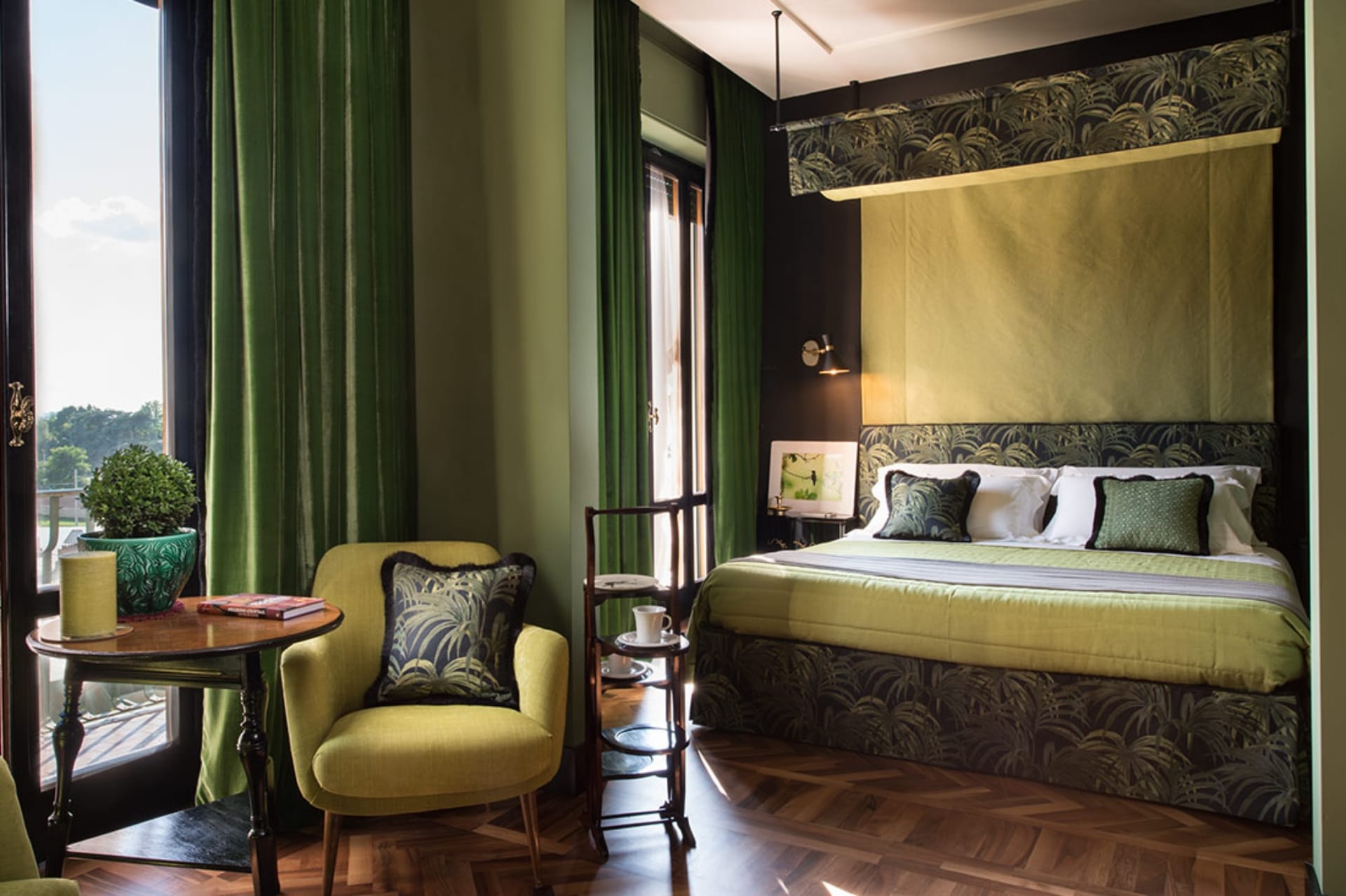
Where to Stay in Florence
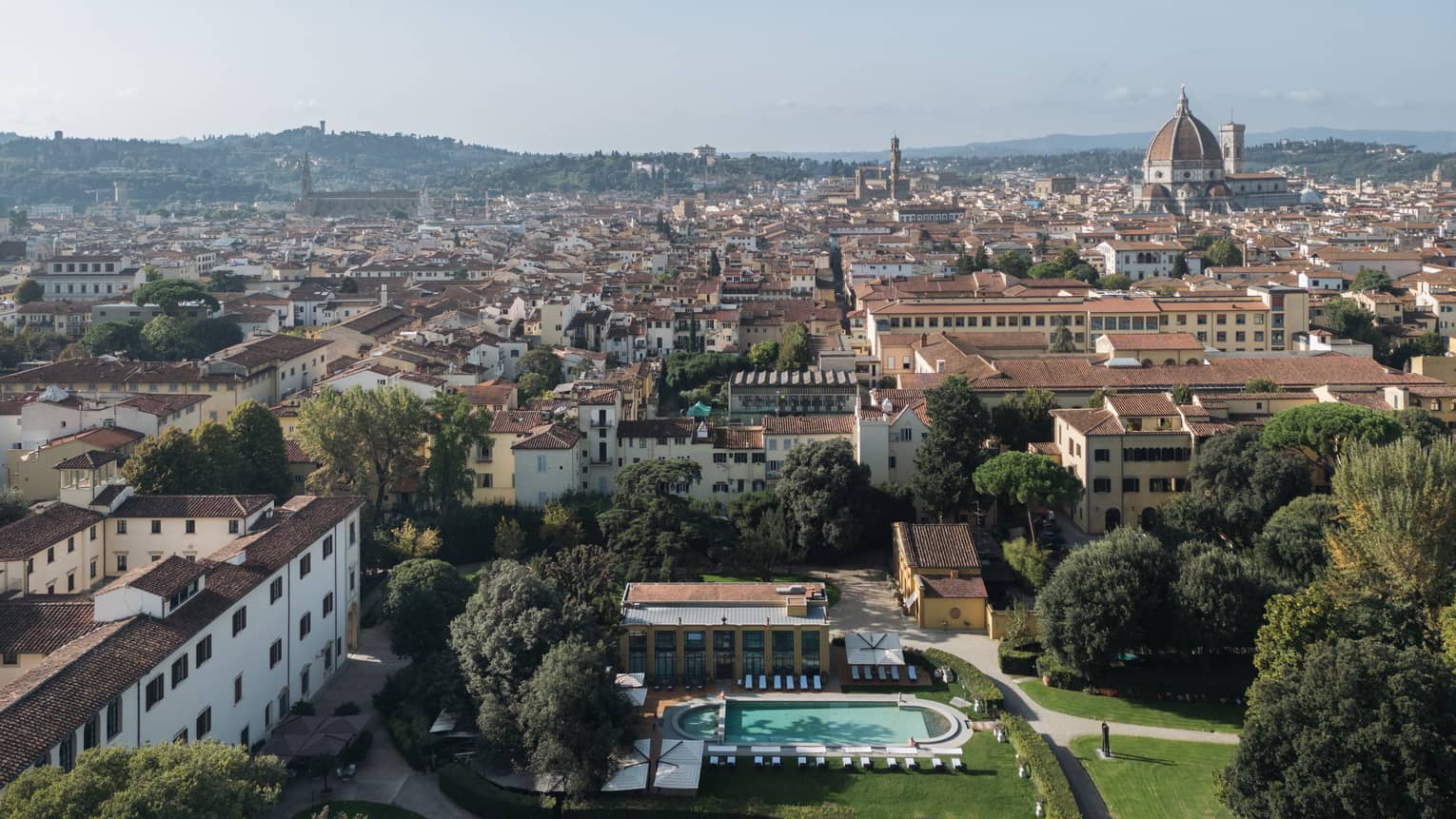
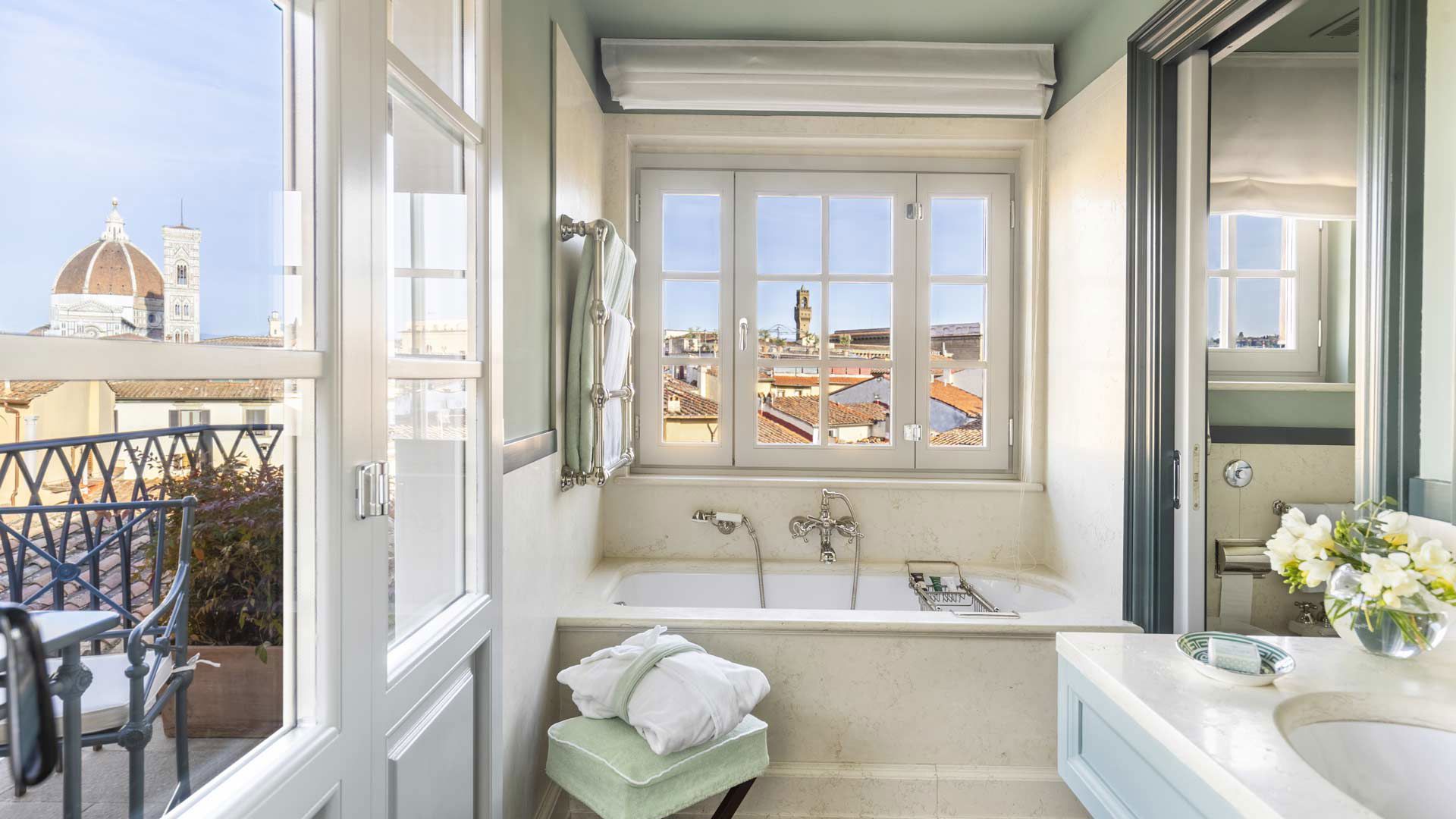
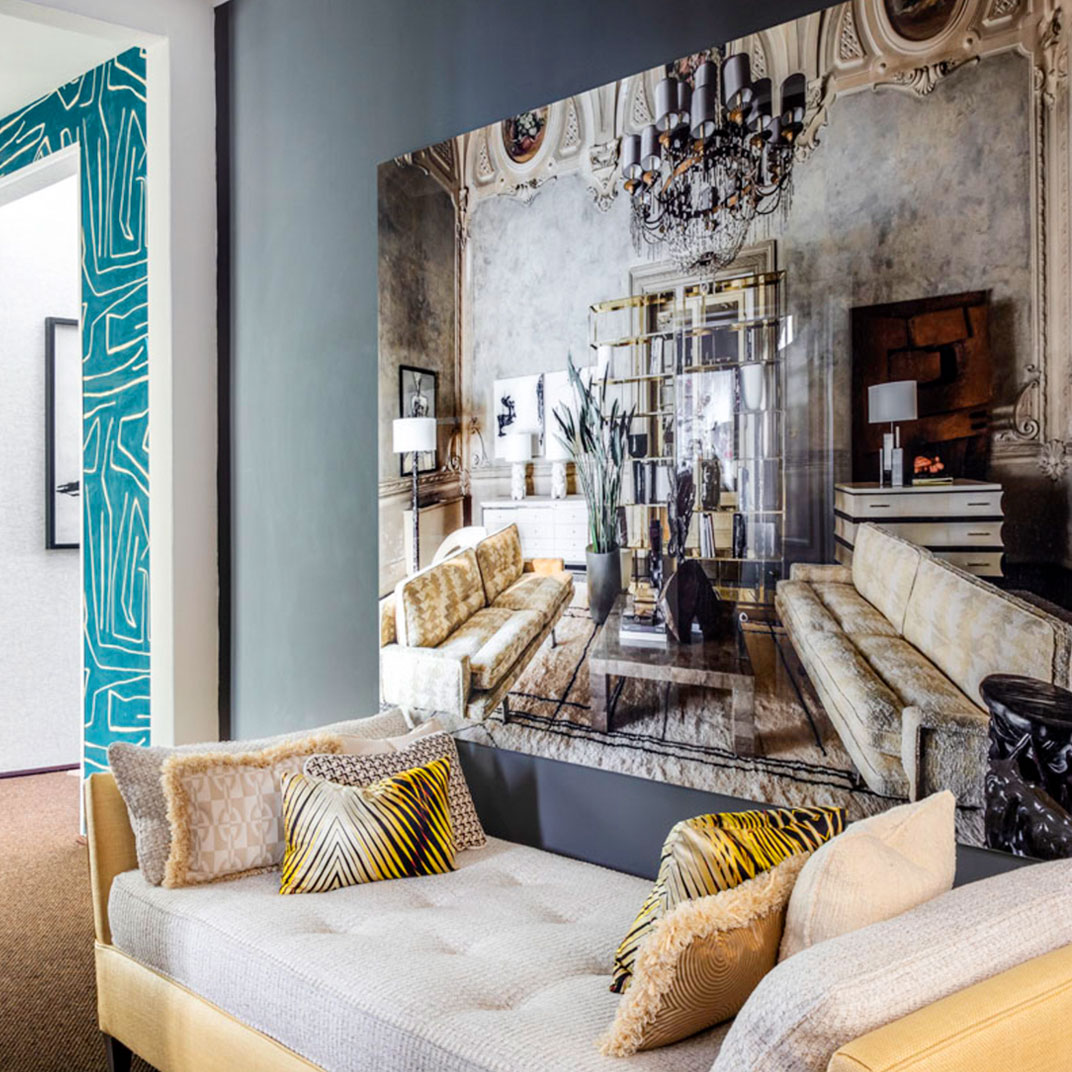
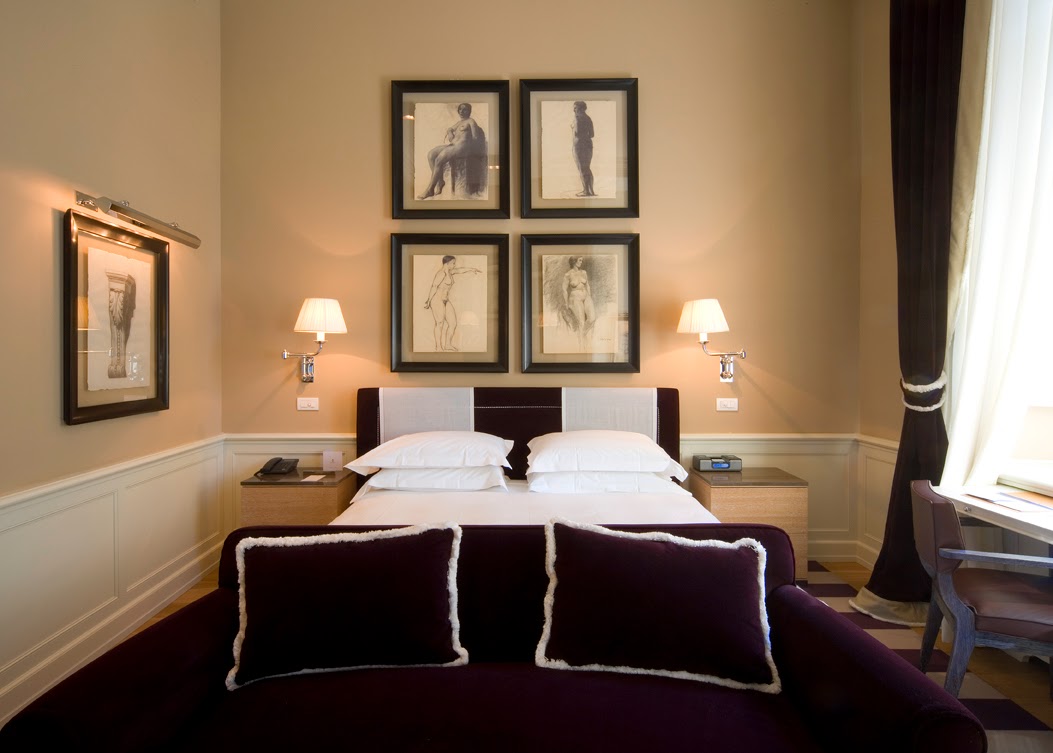
9 recommended properties
Things to Do in Florence
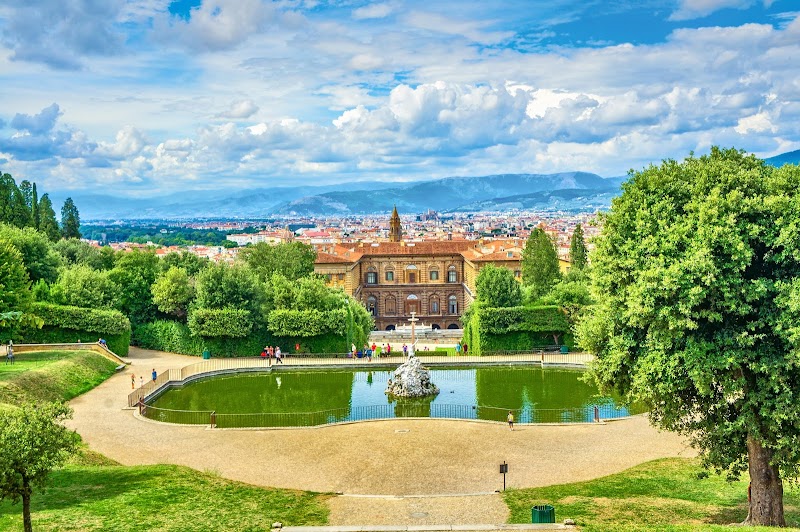
Boboli Gardens Grottoes
Oltrarno (Palazzo Pitti) · 120 min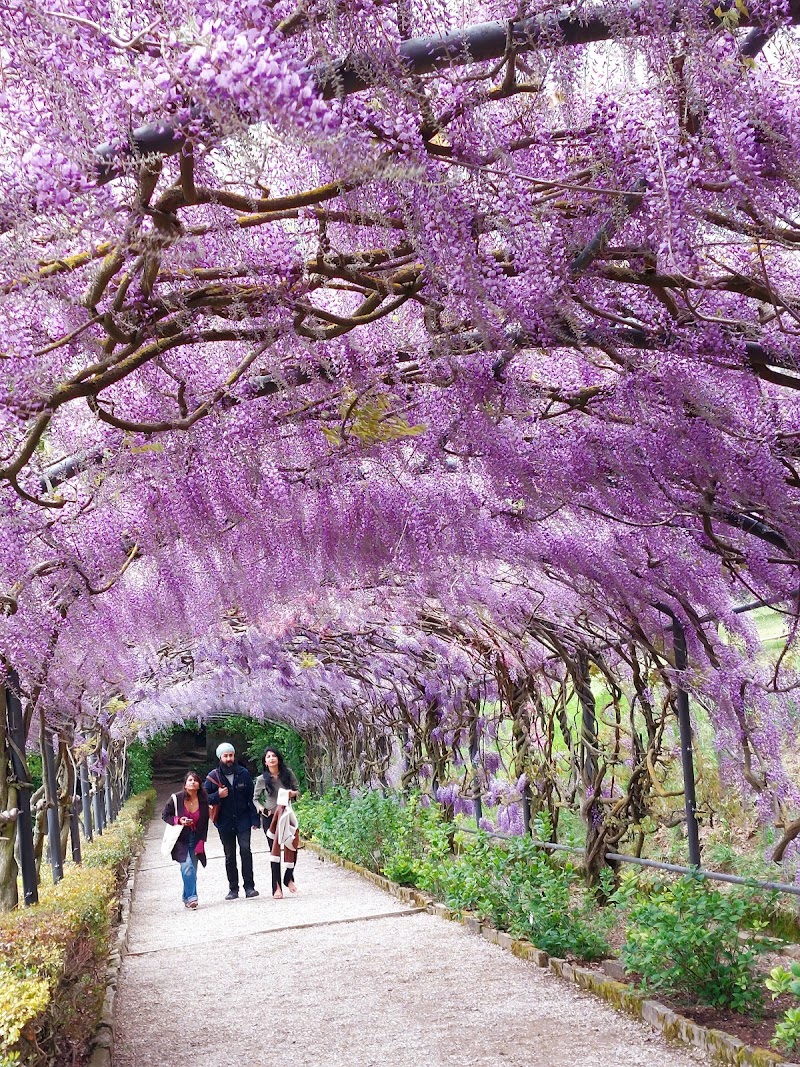
Bardini Gardens
Oltrarno · 90 min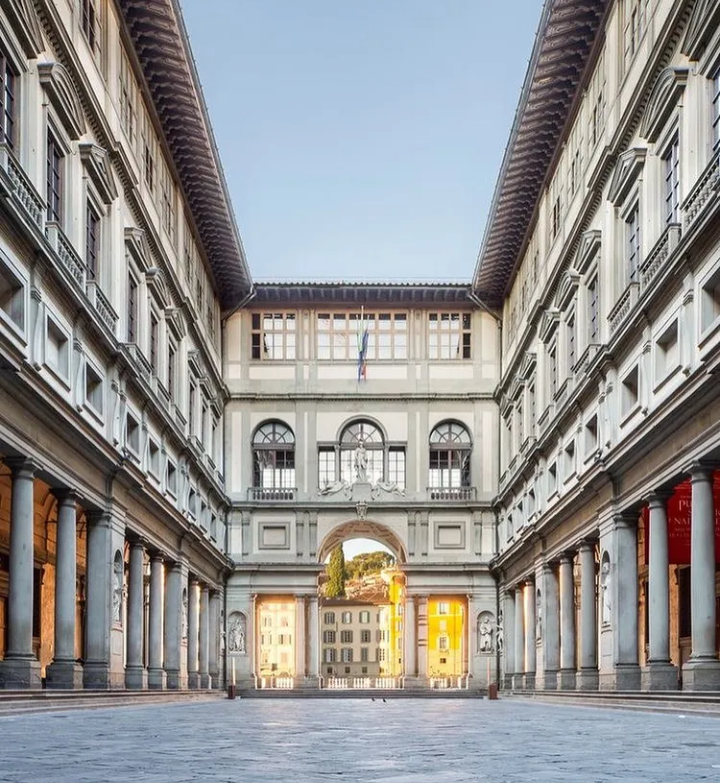
Uffizi Gallery
Duomo · 120 minMoney-Saving Tips
- 1.Museum passes save money only if you visit 4+ attractions. The Firenzecard costs €85 for 72 hours but includes skip-the-line access to Uffizi and Accademia
- 2.Eat lunch at neighborhood markets like Sant'Ambrogio or Santo Spirito for €5-8 meals instead of tourist restaurant prices
- 3.Book Uffizi and Accademia tickets online 2 months ahead — walk-up tickets cost double and often sell out
- 4.Happy hour aperitivo with free snacks costs less than dinner. Volume bar and Il Santino offer substantial food spreads
- 5.Stay in Oltrarno or Santa Croce neighborhoods for 30% cheaper hotels than the historic center
- 6.Buy groceries at Conad or Esselunga supermarkets instead of corner shops near attractions that mark up prices
- 7.Train day trips to Siena or Pisa cost €8-16 roundtrip versus €80+ for organized tours
Travel Tips
- •Reserve restaurants for dinner — Florentines eat late and popular spots fill up by 8 PM
- •Dress codes apply at major churches. Bring a scarf to cover shoulders at the Duomo and Santa Croce
- •Climb the Duomo dome early morning or late afternoon to avoid midday crowds and heat
- •Learn basic Italian greetings — locals appreciate the effort and provide better service
- •Carry cash for small restaurants, markets, and some museums that don't accept cards
- •Download offline maps before exploring — WiFi can be spotty in historic buildings
- •Visit major museums on first Sunday mornings for free entry, but expect massive crowds
- •Book cooking classes through local schools like In Tavola rather than hotel concierges for authentic experiences