Ischgl
Austria's glamorous ski resort with world-class slopes and après-ski
Ischgl doesn't mess around. This isn't your cozy mountain village with wooden chalets and hot chocolate by the fire. This is Austria's answer to St. Moritz — all champagne bars, designer ski gear, and DJs spinning sets at 2,320 meters above sea level.
The skiing speaks for itself. The Silvretta Arena gives you 239 kilometers of perfectly groomed runs that stretch into Switzerland, plus snow reliability that runs from late November through early May. But here's what makes Ischgl different: when the lifts close, the party's just getting started.
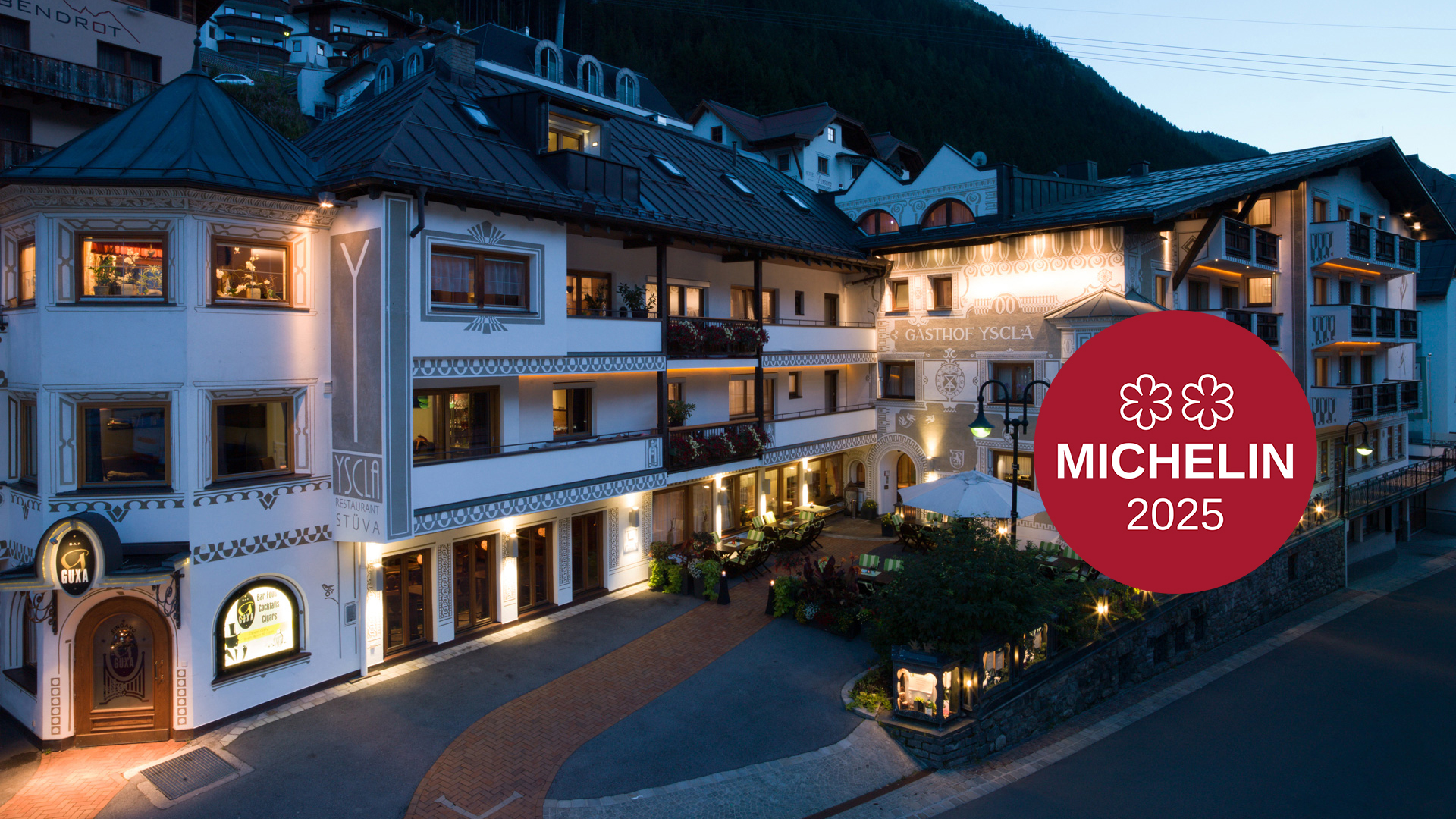
You'll find world-famous DJs headlining concerts on the slopes, Michelin-starred restaurants tucked between luxury hotels, and après-ski venues that stay packed until the early hours. The Paznauntal valley setting is stunning, sure, but Ischgl built its reputation on delivering experiences you can't get anywhere else in the Alps.
Best Months
JAN · FEB · MAR · DEC
~0°C · peak crowds
Culture & Context
CONCERT-FUELED APRÈS PARTY
Ischgl sits in the Paznaun valley in western Tyrol, and was genuinely a quiet farming village until its first cable car went up in 1963. It now has a permanent population of around 1,500 people but absorbs up to 10,000 visitors per week in peak season. That mismatch shapes everything about the place.
The village retains its Tyrolean architectural bones — traditional chalets, a Catholic church, the odd wooden facade — but the overlay is resolutely upscale and international. Designer ski suits outnumber fancy dress here. The crowd skews older and wealthier than budget party resorts. Regulars have been coming for 20+ years, and there's a recognizable local/loyal-tourist subculture, especially at places like the Kuhstall.
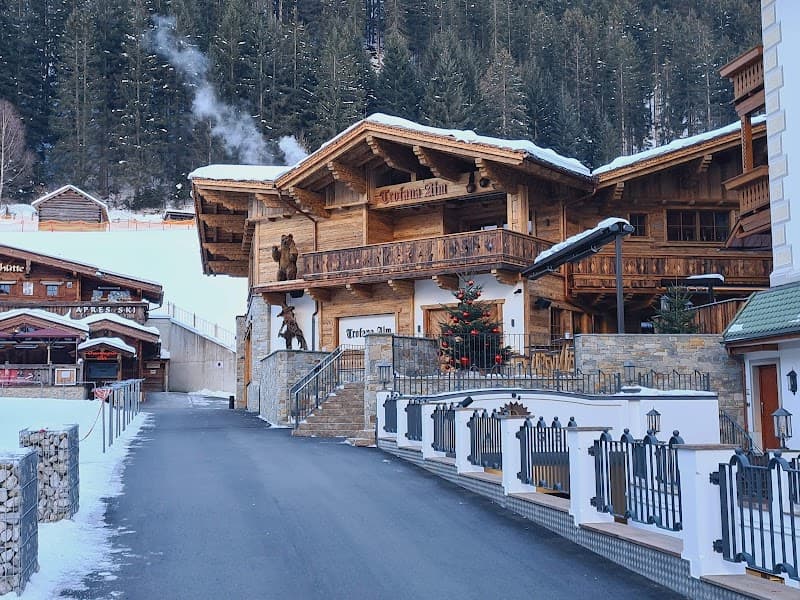
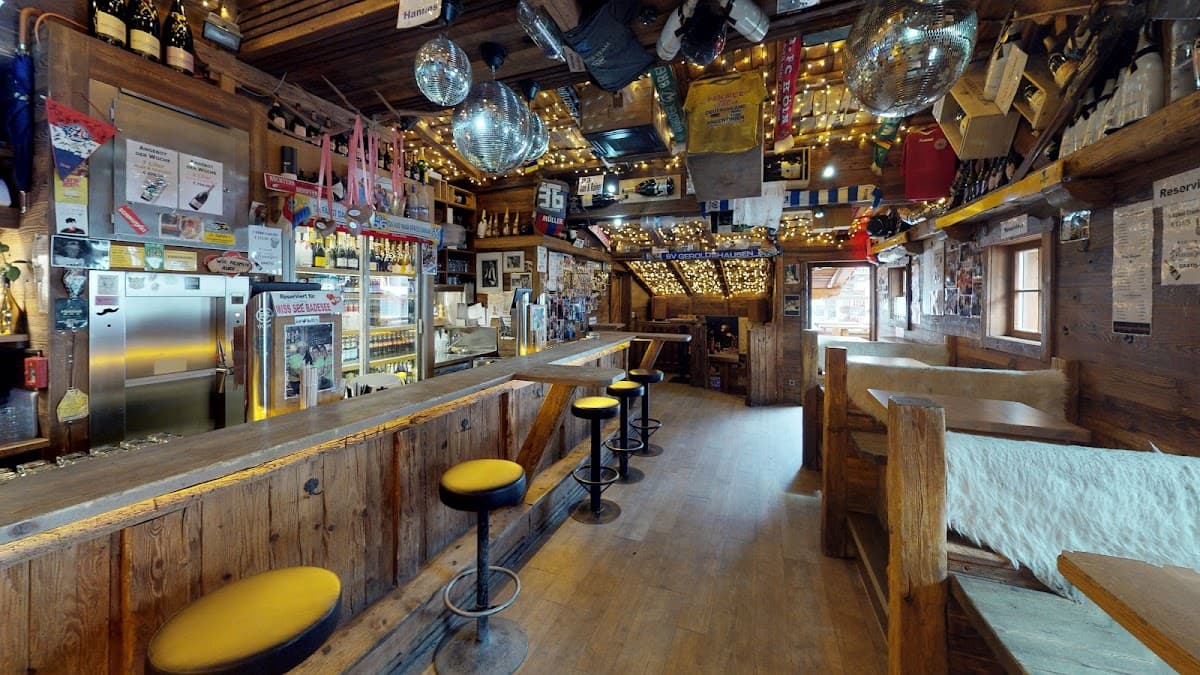
The Kuhstall on Dorfstraße is Ischgl's most iconic après-ski institution — loud, packed, German Schlager hits (think Mamma Laudaaa and Johnny Dapp), table dancing, hot, and crammed from 3pm. Beers run about €7. The Trofana Alm at Dorfstraße 95 is equally famous and slightly more spacious. For something quieter mid-afternoon, the alleys off the main street have simpler bars with cheaper drinks. Pacha in Hotel Madlein is where the real nightlife crowd heads after dinner — it's only getting started when the après-ski joints are winding down.
The Top of the Mountain concert series has featured Elton John, Robbie Williams, Tina Turner, Rihanna, Kylie Minogue, and Bob Dylan. When Helene Fischer played in 2018, she drew 26,000 people to a village of 1,500. The concerts are not sideshows — they're the reason many people book specific weeks.
Local Customs
GREET, CLINK, PACE YOURSELF
Always greet shopkeepers when entering and leaving a store — even briefly saying 'Grüß Gott' on the way in and 'Auf Wiederschauen' on the way out is standard Austrian etiquette. Ignoring this reads as rude.. Make eye contact and clink glasses individually when toasting — going around the table rushing through it doesn't count.
Austrians take this seriously.. Waitstaff won't rush you and won't bring the bill until you ask for it. This is not bad service.
It's the system. Ask for 'Zahlen, bitte' when you're ready.. The après-ski party starts around 2pm on the mountain and winds through the village from 4–7pm.
It does NOT stop. Clubs like Pacha in Hotel Madlein keep going until 4am. Locals and regulars know to pace themselves early..
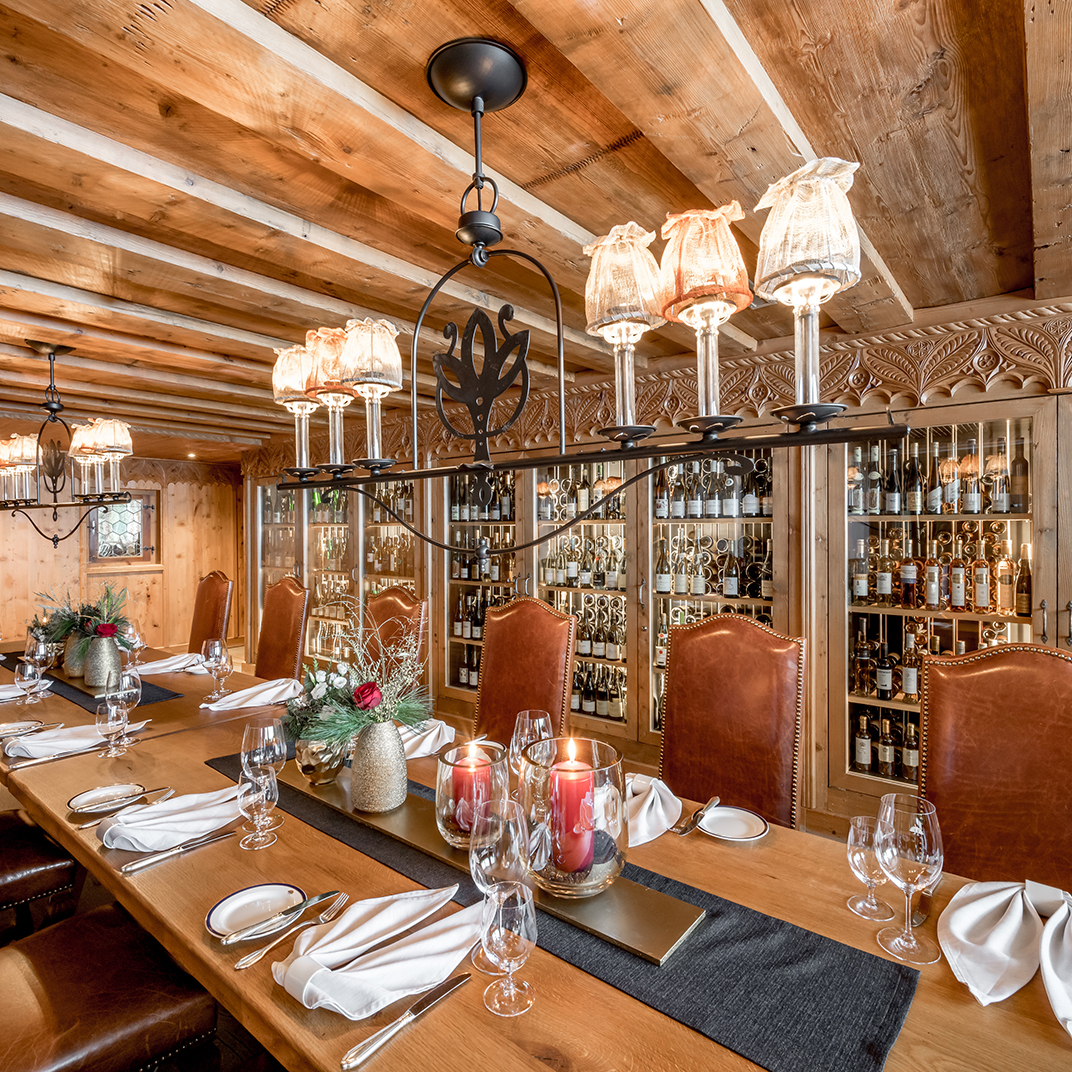
Most guests eat dinner in their hotels (half-board is very common here), so many hotel restaurants are excellent. But standalone restaurants on side streets can offer better value — places like Dorfcafe (on a side street below a hotel) are busy for good reason.. Tipping is expected but modest.
Round up the bill or add 5–10%. Leaving nothing after a meal is noticed.. The Silvretta Arena smartphone app is genuinely useful — real-time lift status, wait times, event info, and the Smuggler's Trail GPS tracker.
Download it before you arrive.. Bring cash. While cards are widely accepted, some mountain huts and smaller bars still prefer cash, and ATMs get busy on big concert days.
Safety
INTENSE CROWDS, FAST WEATHER
Ischgl is a safe resort by any general standard, but a few things are worth knowing. The après-ski scene is genuinely intense — bars run from 2pm to 4am and the party crowd is dense and enthusiastic. Drink responsibly on ski days; you have to ski down from the mountain bars, and the main run back into town after the Paznauner Thaya closes at 4pm involves hundreds of people in various states. Consider taking the gondola down instead.
On the mountain, high-altitude runs above the treeline close quickly in bad weather — visibility can drop to near zero fast. Stick to marked pistes when conditions deteriorate. The slope back from Idalp to the village is steep in places and gets very busy at the end of the day.
Ischgl has a difficult piece of recent history. In March 2020, the resort became one of Europe's most significant early COVID-19 super-spreader events. Authorities were widely criticized for keeping the resort open too long, and a class-action lawsuit involving thousands of victims from 44 countries followed. The resort has since invested heavily in safety infrastructure and monitoring, and it now operates normally. But if you're researching Ischgl, you'll come across this history — it's worth understanding.
Standard Alpine safety applies: tell someone your route if going off-piste, carry sun protection (UV exposure at 2,800m is intense even on cloudy days), and wear a helmet.
Getting Around
GONDOLA-DEPENDENT ACCESS
Getting to Ischgl requires planning. The nearest airport is Innsbruck (INN), about 100km away — roughly 1.5 hours by car or shuttle. Munich (MUC) is 229km out, around 3 hours, but offers far more flight options. The nearest train station is Landeck/Zams, with direct connections from Innsbruck (45 min), Salzburg (2hr 40min), Zurich (2hr 50min), and Vienna (5hr 30min). From Landeck/Zams, buses run directly to Ischgl.
Once you're there, you don't need a car. The village center is pedestrianized and has an underground moving walkway (the Dorftunnel) connecting the two ends. The free ski bus runs to Galtür, Kappl, See, and Mathon. There are three main gondola access points from the village: the Silvrettabahn (A1), Fimbabahn (A3), and the modern 3S Pardatschgratbahn (A2). All three are within easy walking distance of the village center.
Here's the thing about queues: the Silvretta and Pardatsch gondolas get genuinely horrible queues during peak season mornings. The Fimbabahn is consistently quieter and still gets you to the top quickly. Use it. On Top of the Mountain concert days, gondolas open at 8:30am — get up early or you're stuck at the back of a very long line.
If you're driving, winter equipment (chains or snow tires) is mandatory. The summer route over Bielerhöhe is closed in winter — set your GPS navigation via the town of Pians. Don't trust software that routes you over the pass.
Useful Phrases

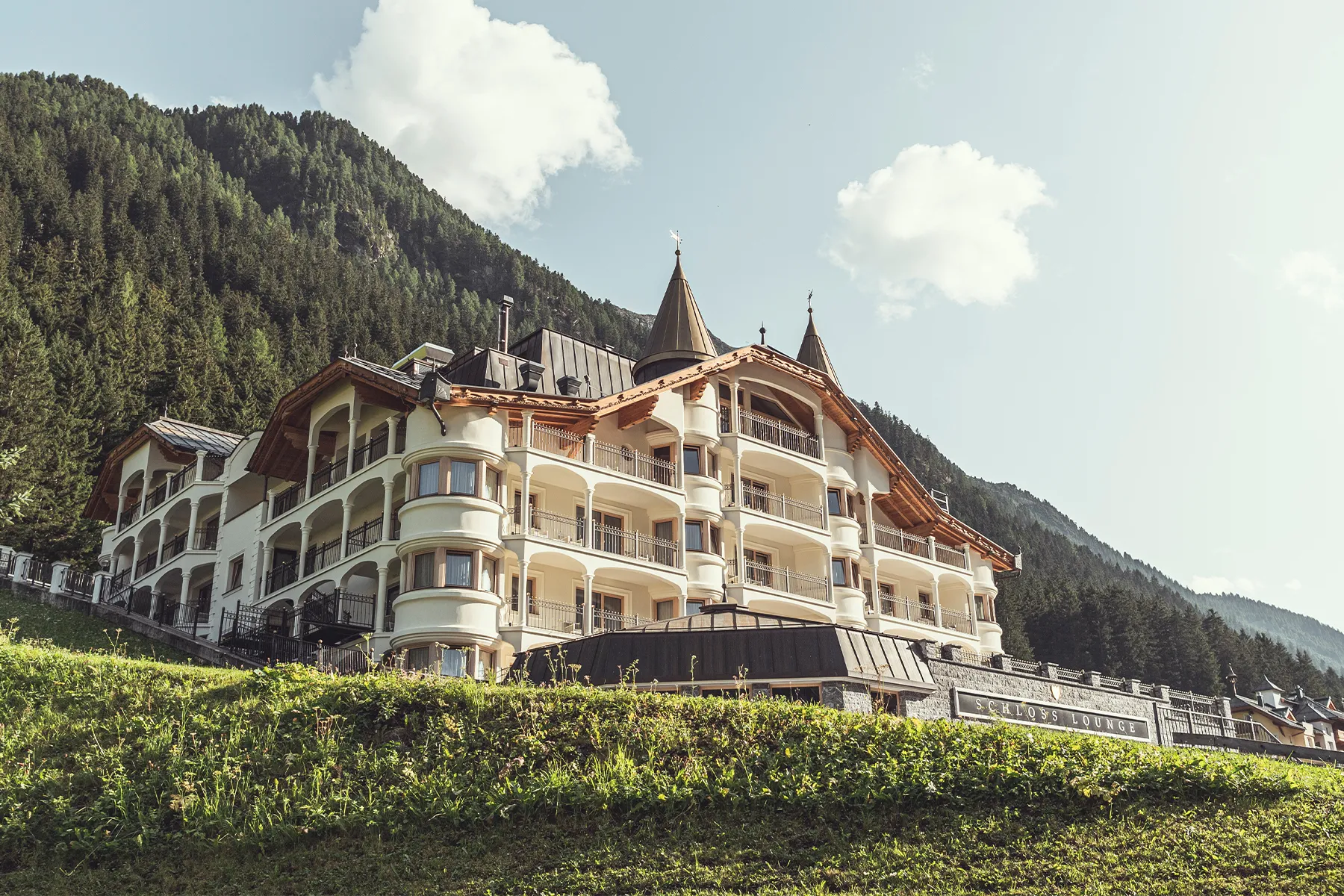
Where to Stay in Ischgl
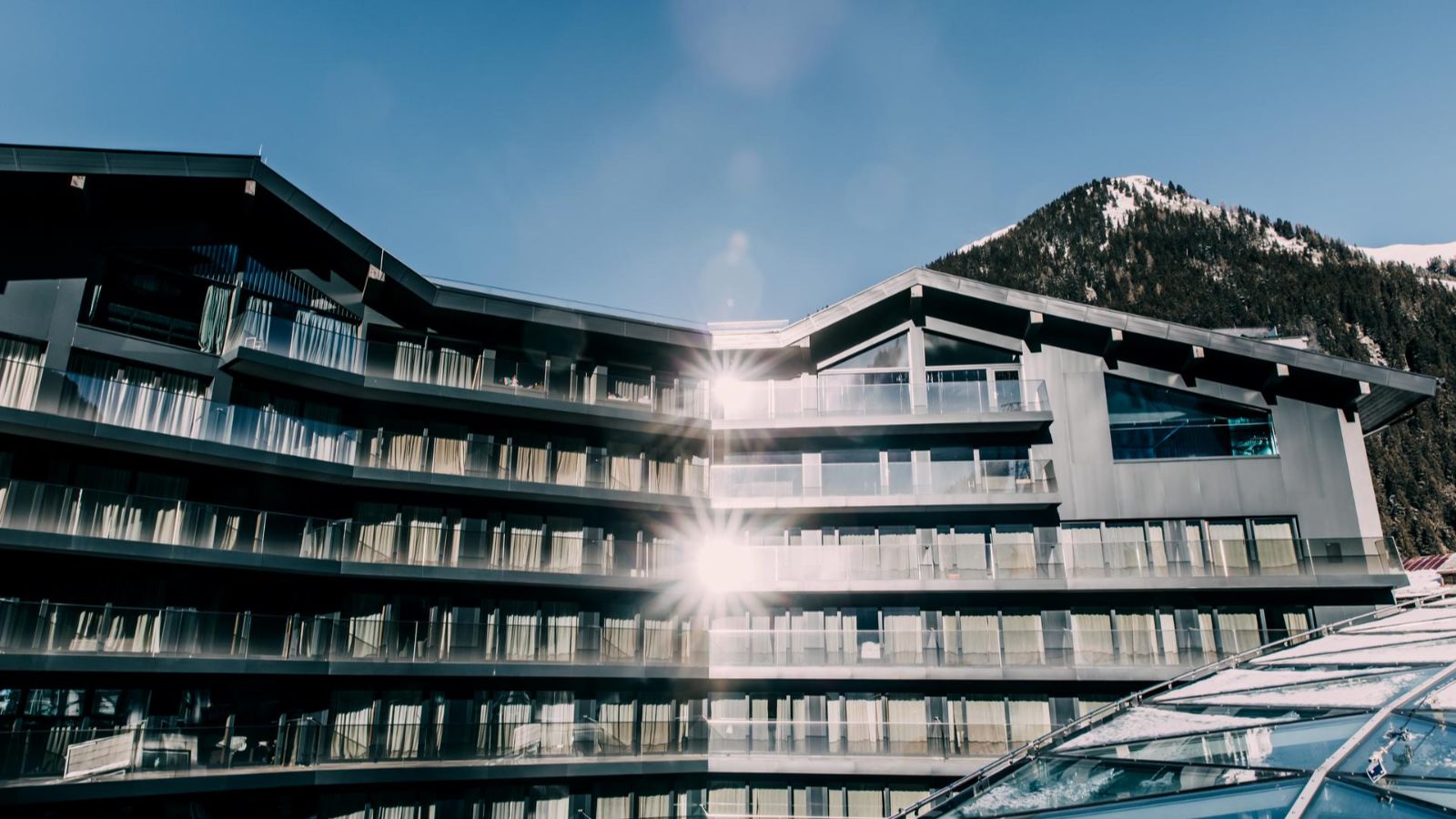
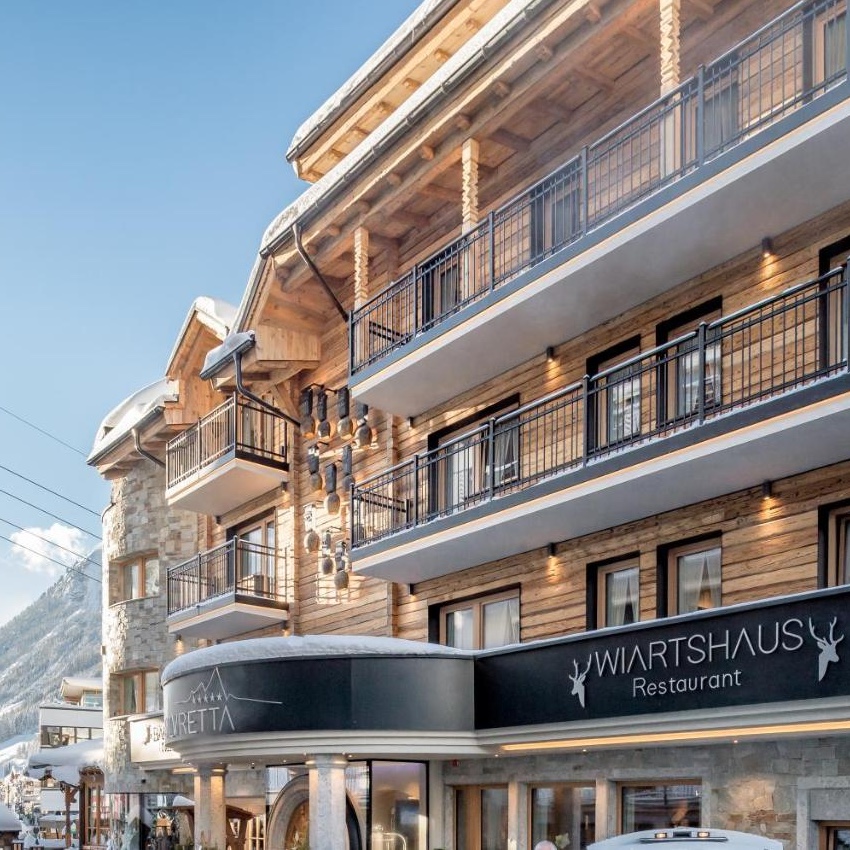
5 recommended properties
Things to Do in Ischgl

Silvretta Lift & Alpine Skiing
300 min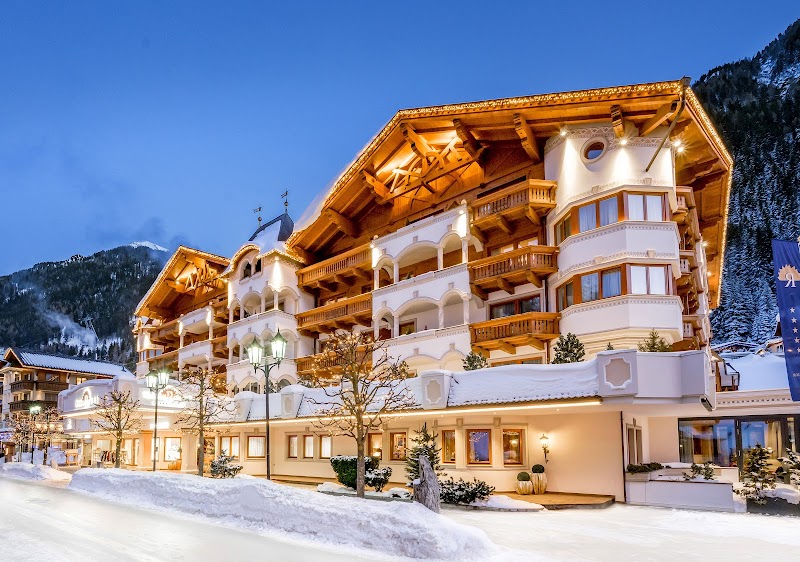
Luxury Spa Experience at Trofana Royal Resort
180 min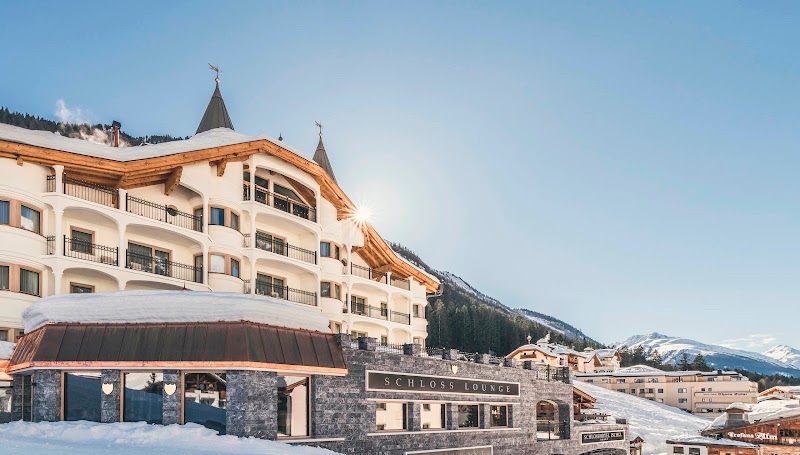
Adults-Only Spa Evening at Schlosshotel Ischgl
120 minMoney-Saving Tips
- 1.Book accommodation early for 20-30% savings, especially during peak season and concert weekends
- 2.Multi-day lift tickets offer better value than daily passes — 6-day tickets cost about 4.5 days' worth
- 3.Eat lunch on the mountain rather than in village restaurants to save €15-20 per meal
- 4.Happy hour at après-ski bars runs 3-5 PM with half-price drinks before the evening crowds arrive
- 5.Park in the Silvrettabahn underground garage for €15/day instead of hotel parking at €25+
- 6.Shop duty-free in Samnaun (included with your lift ticket) for significant savings on alcohol and luxury goods
Travel Tips
- •Download the Silvretta Arena app for real-time lift status and snow conditions
- •Make dinner reservations before you arrive — popular restaurants book solid during peak season
- •Bring layers for après-ski — outdoor terraces get cold fast when the sun goes down
- •Your Ischgl lift ticket includes access to Swiss slopes in Samnaun — don't forget your passport
- •Book ski lessons in advance, especially with English-speaking instructors during European holidays
- •The village shuttle runs every 15 minutes during peak hours, but walking is often faster
- •Altitude affects alcohol tolerance — pace yourself during après-ski, especially your first day