
Colmar
Fairy-Tale Alsatian Village with Half-Timbered Houses and Wine Routes
Look, I've wandered through plenty of European towns that promise fairy-tale charm, but Colmar actually delivers. This Alsatian beauty sits in France's wine country, where half-timbered houses lean over cobblestone streets like they're sharing secrets. The canals of Little Venice reflect pastel facades while wine cellars beneath your feet age some of the world's finest Rieslings.
But here's what guidebooks won't tell you: Colmar works best when you slow down. Skip the rushed photo tour and instead claim a table at Wistub Brenner on Rue Turenne, where the choucroute arrives steaming and locals argue about which domaine makes the best Gewürztraminer. The Unterlinden Museum houses Grünewald's Isenheim Altarpiece — one of art history's most powerful works — yet most visitors rush past for Instagram shots in Petite Venise.
Summer brings crowds but also the magic of evening light on timber and stone. Winter transforms the Christmas markets into something genuinely enchanting, not just tourist theater. And spring? That's when the wine route awakens and you can taste the new vintages while cherry blossoms frame the Vosges Mountains.
Best Months
APR · MAY · JUN · JUL · AUG · SEP · OCT · DEC
~20°C · moderate crowds
Culture & Context
FRANCO-GERMANIC FUSION
Colmar sits right at the old French-German fault line, and you feel it everywhere — in the architecture, in the food, in the fact that older locals might slip into Alsatian (a Germanic dialect) mid-sentence. France has been here officially since Louis XIV in the 17th century, but the Germanic bones of the place never went away. Menus still list dishes in Alsatian.
Street signs sometimes appear in both French and Alsatian. The regional identity is its own thing, distinct from both Paris and Berlin. Locals tend to be reserved but genuinely warm once you make the effort.
Politeness is non-negotiable — walk into a shop without saying bonjour and you've already made a bad impression. Meals are serious affairs. Lunch runs noon to 1:30pm and dinner from 7pm to 9:30pm; show up outside those windows and you'll be eating at McDonald's.
The food culture leans heavy and satisfying: choucroute (sauerkraut with sausages and pork), flammekueche (a thin flatbread with crème fraîche and lardons, not pizza — don't call it pizza), kougelhopf cake from the bakeries, and Munster cheese that smells more aggressive than it tastes. Riesling and Gewurztraminer are the local wines and both are excellent. The area also produces strong fruit schnapps and liqueurs served in winstubs.
And look, Colmar shuts down early. It's a small town. If you want late-night options beyond a quiet bar, this isn't your city.
Local Customs
BONJOUR FIRST, ALWAYS
Always say 'Bonjour Madame' or 'Bonjour Monsieur' before asking anything in a shop, café, or hotel. Skipping this greeting is genuinely considered rude, even if you're just asking a quick question.. Use 'vous' (formal 'you') with strangers and shop staff.
'Tu' is for friends, family, and kids only. Using 'tu' too early will raise eyebrows.. Restaurants operate on strict French hours: lunch noon–1:30pm, dinner 7–9:30pm.
Show up at 2pm expecting a full menu and you'll be disappointed.. Tipping is not mandatory — service is included in French restaurant bills. But leaving a few euros for genuinely good service is appreciated and normal..
Meals are slow. Order, wait, eat, linger. Asking for the bill too soon can feel rushed to the staff.
Catch their eye when you're ready.. Many locals — especially older ones — speak the Alsatian dialect (Elsässisch), which sounds like a cross between German and something older. Don't be thrown off if you overhear it.
It's not standard German.. Try a word or two of French before switching to English. Alsatians are generally more forgiving of language barriers than Parisians, but the effort still matters..
Carry some cash. Smaller winstubs and market stalls often don't take cards, and ATMs are easy to find.
Safety
GENUINELY SAFE TOWN
Colmar is genuinely safe. It ranks among the top 5 safest cities in France for solo female travelers, with an overall safety rating of 4.5/5 in travel community surveys.
The area around the train station is fine — it's a 15–20 minute walk to the historic center, and the route is straightforward and unthreatening. The old town itself has low crime rates. But like anywhere with concentrated tourism, petty theft and tourist-trap pricing happen.
That cheese shop in Little Venice isn't dangerous, just annoying and overpriced — same energy applies to a few souvenir spots near Koïfhus. During the Foire aux Vins, the crowds get very dense and previous attendees have flagged safety concerns around overcrowding at the open-air concert area; don't buy the express pass expecting comfort. Normal travel precautions apply: keep bags zipped in crowds, don't flash expensive gear in packed festival areas, and check your bill before paying at busier tourist restaurants near the canal.
Getting Around
WALKABLE & WELL-CONNECTED
Getting to Colmar is easy. From Paris Gare de l'Est, the TGV gets you here in about 2 hours 20 minutes — no transfers needed unless there's a rail strike, which does happen in France. From Strasbourg, it's 30 minutes on a regional TER.
The nearest airport is EuroAirport Basel-Mulhouse-Freiburg (BSL), about 60km south; it serves France, Switzerland, and Germany, so flight options are decent. Once you're in town, put the car keys away. The historic center is flat, compact, and walkable — everything from the canal to the museums to the festival venues is on foot.
The TRACE bus network (€1.30/ticket) handles longer trips to neighborhoods outside the center. A free electric navette loops the historic center from the train station but holds only about 12 passengers and runs 6 days a week.
For the Wine Fair at Parc des Expositions, evening bus shuttles run from the train station, or take bus line D. Taxis are available at the station and main squares. Ride-share apps have limited availability — don't rely on them.
For day trips to wine villages like Eguisheim (10 minutes away) or Riquewihr, regional buses exist but a rental car gives you far more flexibility.
Useful Phrases

Where to Stay in Colmar
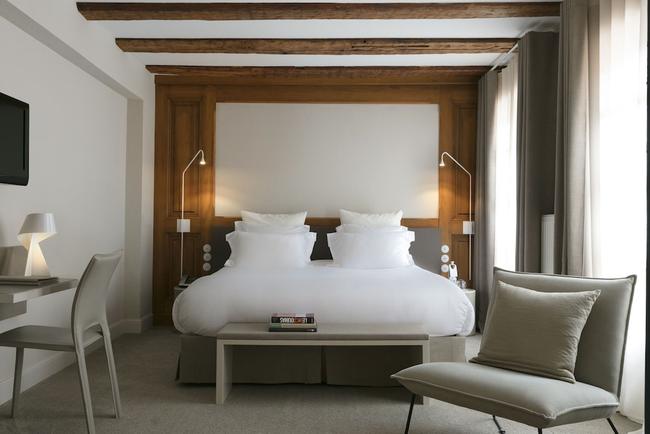
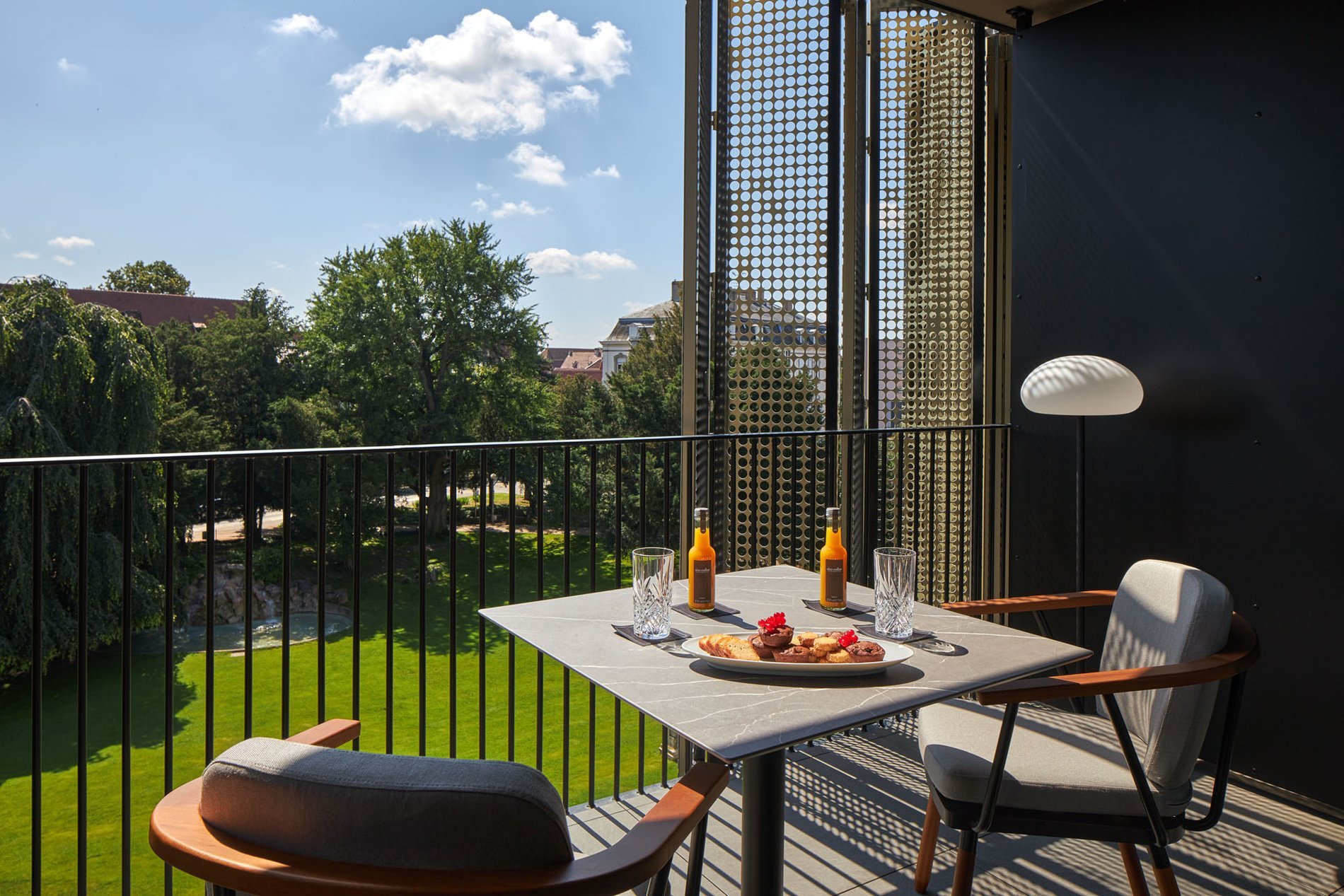
2 recommended properties
Things to Do in Colmar
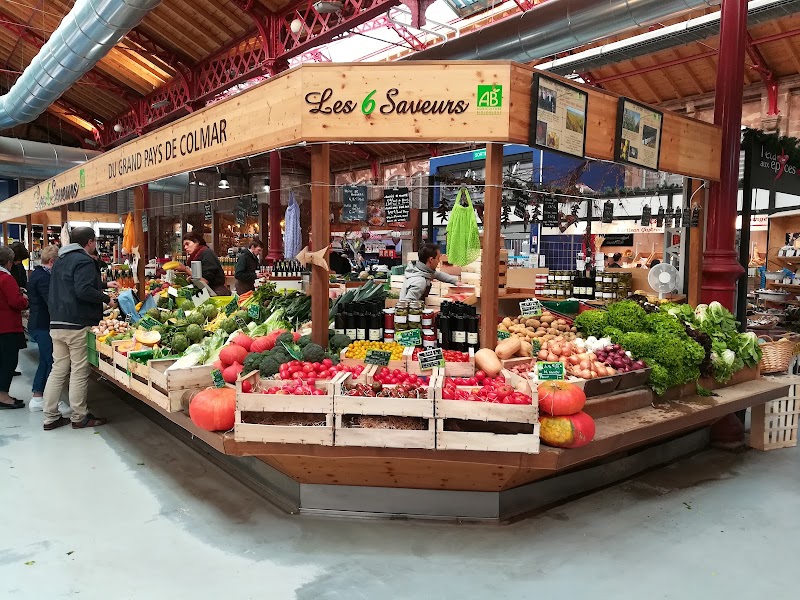
Marché Couvert
Centre Ville (Old Town) · 45 min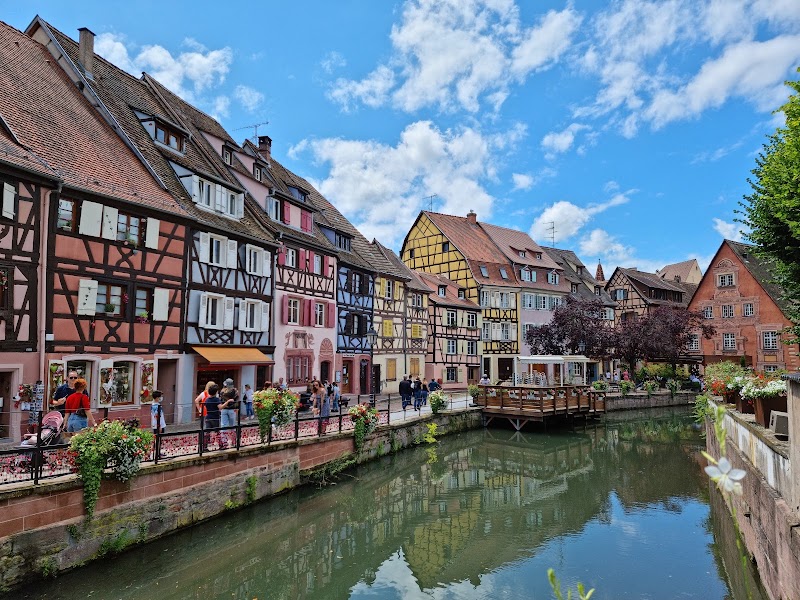
Petite Venise Canal Walk
Petite Venise · 75 min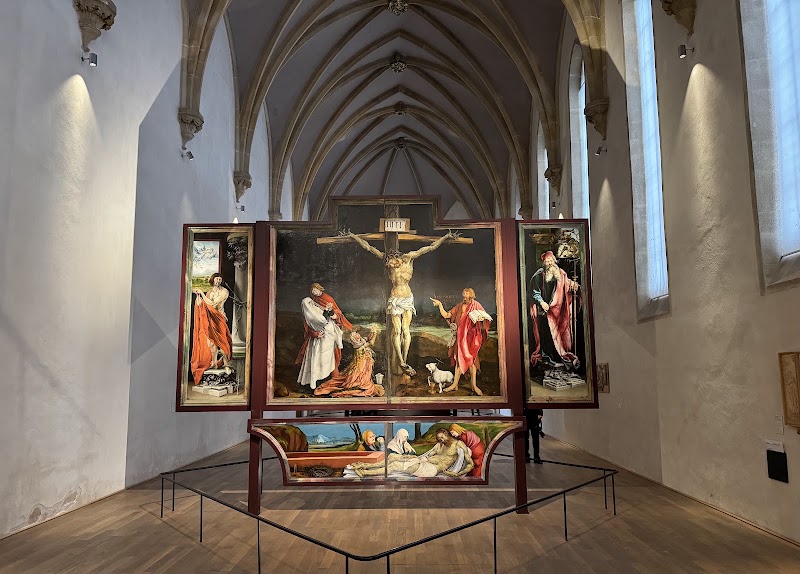
Unterlinden Museum
Centre Ville (Old Town) · 120 minMoney-Saving Tips
- 1.Buy wine directly from domaines — prices are 30-40% less than what you'll pay in restaurants
- 2.The Colmar Museum Pass costs €15 and covers five attractions including Unterlinden Museum
- 3.Lunch menus at quality restaurants cost €18-25, while dinner can hit €45+ for the same food
- 4.Free wine tastings happen at Cave de Turckheim cooperative on weekday afternoons
- 5.Park at Parking Rapp (€1.50/hour) instead of central spots that charge €3+
- 6.Wednesday markets offer better prices than weekend tourist-focused stalls
Travel Tips
- •Download the offline map before arrival — cell service gets spotty in wine village cellars
- •Restaurants close between 2-7 PM, so plan lunch accordingly or pack snacks
- •Learn basic wine terms in French — winemakers appreciate the effort and pour more generously
- •Wear comfortable shoes with good grip — cobblestones get slippery when wet
- •Book restaurant reservations 2-3 days ahead, especially for weekend dinners
- •Carry cash — many small wine producers don't accept cards
- •Pack layers year-round — morning mist and evening chill surprise visitors even in summer