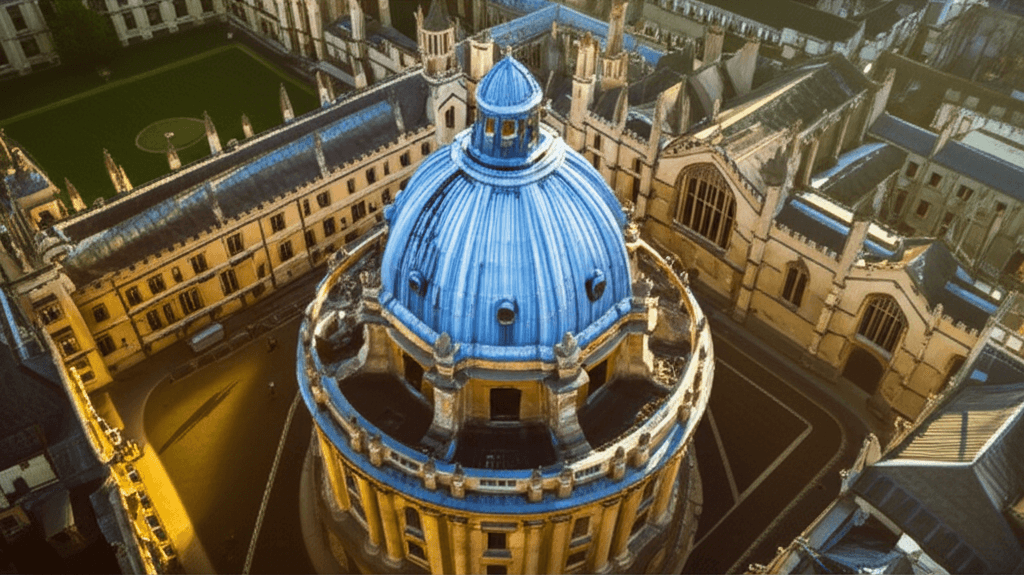
Oxford
Dreaming spires and scholarly traditions in England's heart
Oxford isn't just a university town — it's a living museum where Harry Potter was filmed and where centuries of scholars have walked cobblestone streets that you can explore today. The dreaming spires still pierce the skyline, but this city pulses with modern energy. Students cycle past medieval colleges while locals sip craft beer in 13th-century pubs. You'll find world-class museums, quirky bookshops, and some of England's best gastropubs all within walking distance. But here's the thing: Oxford can feel touristy in summer and intimidatingly academic at first glance. Look past the crowds and university mystique, though, and you'll discover a city that rewards curious travelers with hidden courtyards, excellent food, and stories around every corner.
Best Months
APR – OCT
~19°C · peak crowds
Culture & Context
TOWN VS GOWN DIVIDE
Oxford is fundamentally two cities sharing the same postcode. There's the university — ancient, formal, steeped in its own private language and rituals — and there's the actual town of 148,000 people who live here year-round and have their own shops, commutes, and frustrations with tourists blocking the pavement. The divide between "Town" and "Gown" has softened but never fully disappeared.
Locals on Cowley Road care roughly zero about Tolkien or Harry Potter; students in sub fusc on exam day are a world away from the Lidl queue in Temple Cowley. Both are Oxford. Understanding that helps you skip the performance and find the real city.
The university runs on three eight-week terms: Michaelmas (autumn), Hilary (January–March), and Trinity (spring). When term is in, the streets are packed with bicycles, black gowns, and frantic energy. During "vac," the pace drops, some venues scale back, and the city breathes.
Plan accordingly.
Local Customs
PUNTING & TRASH TRADITIONS
Trashing is a real thing: when students finish their final exams at the Exam Schools on High Street, friends waiting outside hurl silly string, glitter, and occasionally champagne over them. If you see students in sub fusc (dark clothes, white shirt, mortarboard) emerging blinking into the daylight, don't be alarmed by the chaos that follows.. Punting on the Cherwell is practically compulsory in Trinity term.
You can hire a punt from Magdalen Bridge Boathouse or the Cherwell Boathouse on Bardwell Road. Standing at the back and using the pole looks easy. It is not.
Budget time for going in circles and accept it gracefully.. May Morning is taken seriously. Students pull all-nighters to be on Magdalen Bridge by 6am.
Locals know to either join in fully or stay well away — the surrounding roads get gridlocked by 5:30am.. Bicycles rule. Oxford has the second-highest cycling commute rate in the UK.
Pedestrians who walk in bike lanes get no sympathy from anyone. And lock your bike with two separate locks — bike theft is the city's most persistent crime problem.. College gates close.
Many colleges lock up in the evening and control who enters. Don't just wander into a quad expecting free access — some charge entry fees for tourists, especially during term, and porters (the gatekeepers, not luggage carriers) will politely but firmly tell you to leave.. Ordering a round of drinks at The Turf Tavern or The Bear (Bear Lane, off the High Street) means navigating some of the narrowest pub spaces in England.
Elbow politely. Queue visibly. Don't stand at the bar looking lost — someone will always squeeze past you..
The Oxford Union (on St Michael's Street) is a debating society, not the Student Union. Tourists occasionally try to wander in expecting it to be a tourist attraction. It isn't.
Safety
WATCH YOUR BIKE & BAG
Oxford is generally safe, and violent crime against tourists is uncommon. The real issues are more mundane. Bicycle theft is endemic — locals use two separate locks, minimum, and still lose bikes regularly.
Petty theft and pickpocketing happen in crowded areas around the Covered Market, Cornmarket Street, and busy student pubs, particularly on weekend nights. The Oxford station and Gloucester Green bus station are not dangerous, but they're transition zones where distracted travellers with luggage become easy targets for opportunistic theft. Keep bags zipped and phones pocketed at these spots.
Parts of Blackbird Leys and Rose Hill (south and east of the centre) have a rougher reputation after dark — most tourists have no reason to visit these areas, but be aware if you're wandering. Late-night Cowley Road on a Friday or Saturday can get rowdy. The pub strip around Magdalen Road sees regular noise and occasional disorder, though rarely anything serious directed at strangers.
Flooding is worth knowing about: riverside paths and some roads near Port Meadow and the Thames become impassable after heavy rain. If you're visiting in autumn or winter, check the Environment Agency flood map before planning any riverside walks. Emergency: dial 999.
Thames Valley Police non-emergency: 101.
Getting Around
WALKABLE & BIKE-FRIENDLY
Oxford works best on foot or by bike. The city centre is genuinely compact — most college landmarks sit within a 15-minute walk of each other, and the train station is a 10-minute walk from the Bodleian. If you're driving in, don't.
Park at one of five Park & Ride sites (Pear Tree, Redbridge, Seacourt, Thornhill, or Oxford Parkway) on the ring road, pay £2.50 for up to 16 hours of parking, and catch a free bus into the centre. This scheme runs until at least May 2026 under the county council's initiative.
Note: Oxford has a temporary congestion charge (£5/day for cars, not electric vehicles) in place while Botley Road remains closed, expected to reopen around August 2026. The main bus operators are Oxford Bus Company and Stagecoach. Single fares start at £3; a day pass runs around £5–6.
The 400 bus connects Thornhill Park & Ride to the centre in about 15 minutes. Long-distance: Oxford Tube coaches run every 12 minutes to London Victoria (around £18 return). National Express operates from Gloucester Green bus station.
Trains from Oxford station go direct to London Paddington in 55–70 minutes (from around £15–30 depending on when you book). Cycling: Donkey Bikes and Pony Bikes operate dockless across the city via app. Brompton folding bikes available at the station for £5/day.
Summertown Cycles on Banbury Road rents standard bikes from around £18 for the first day.
Useful Phrases
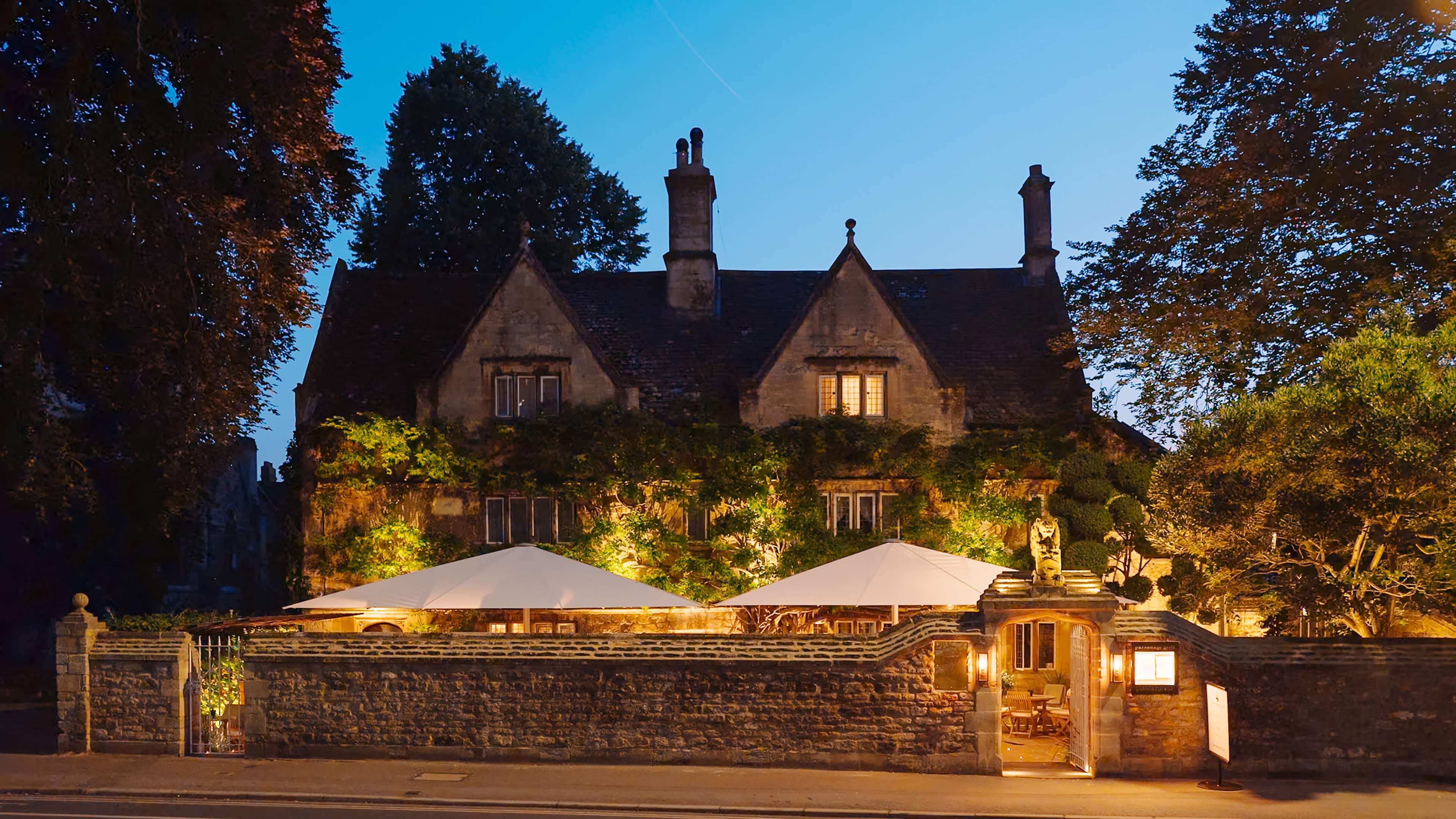
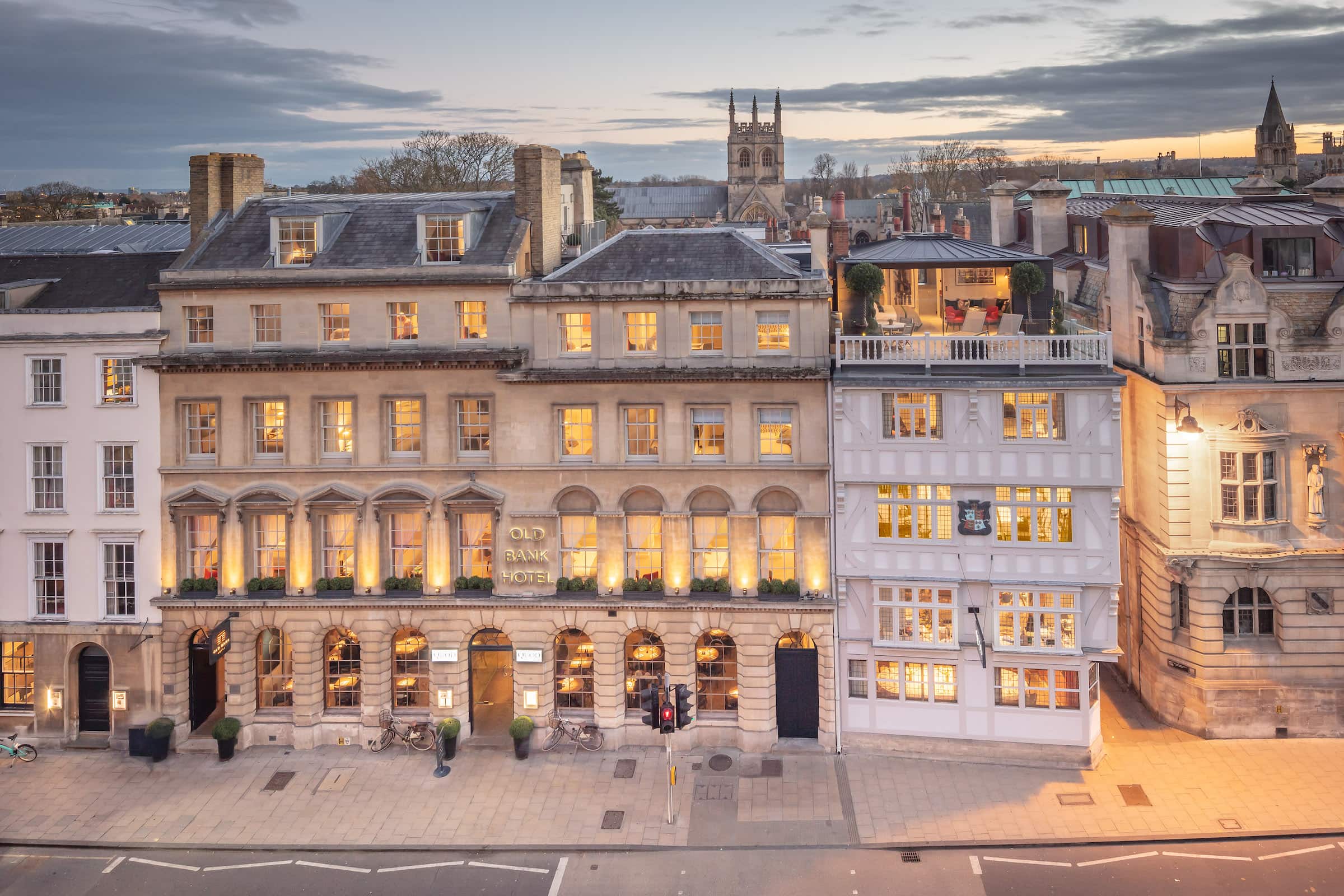
Where to Stay in Oxford
6 recommended properties
Money-Saving Tips
- 1.Many Oxford colleges charge £5-8 entry fees, but several like Exeter College stay free to explore
- 2.The Oxford Card (£25) includes entry to multiple attractions plus discounts at restaurants
- 3.Park & Ride lots cost £2.50/day versus £4/hour for city center parking
- 4.Student pubs offer cheaper pints (£4-5) compared to tourist areas (£6-7)
- 5.The Covered Market has affordable lunch options from £5-8 versus £15+ at restaurants
- 6.Many museums including the Ashmolean and Pitt Rivers stay completely free
- 7.Tesco Metro on Queen Street sells meal deals for £3 — perfect for picnics in college gardens
- 8.Book accommodation outside summer months to save 30-40% on hotel rates
Travel Tips
- •Download the Oxford University app for self-guided college tours with insider details
- •Book college visits in advance — popular ones like Christ Church sell out quickly
- •Bring layers even in summer — English weather changes fast and stone buildings stay chilly
- •Avoid driving in the city center — medieval streets confuse GPS and parking costs a fortune
- •The Covered Market closes at 5 PM on weekdays, 4 PM Saturdays — plan accordingly
- •Many pubs stop serving food at 9 PM, earlier than you might expect
- •Student areas like Cowley Road offer better value dining than tourist zones
- •Check college websites for closure dates during exam periods before visiting
- •The Bodleian Library requires advance booking for tours — they fill up weeks ahead
- •Punting works best on weekday mornings when the river's less crowded