Foz do Iguaçu
Home to Earth's Most Spectacular Waterfall Wonder
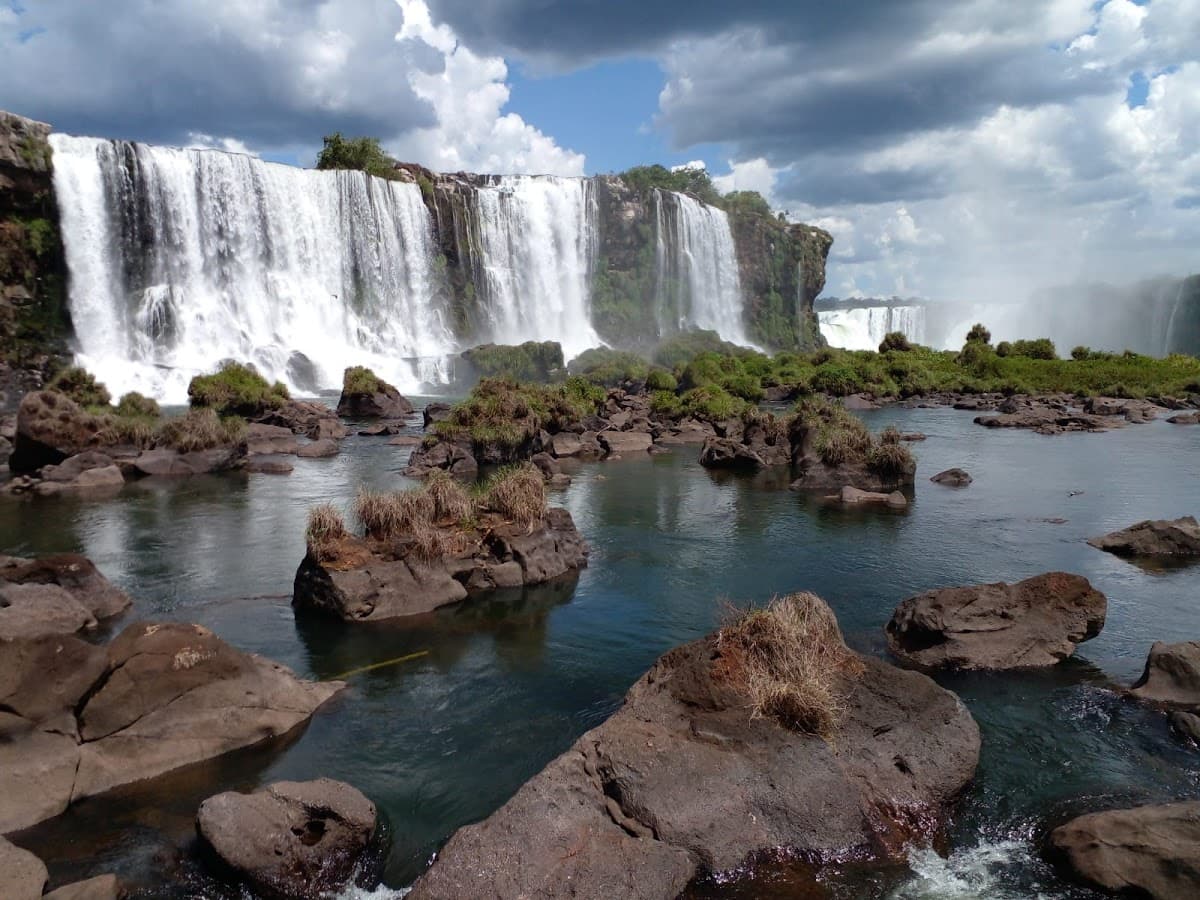
The roar hits you first. Then the mist. Finally, the sheer impossible scale of 275 waterfalls thundering into the Iguazu River below. Foz do Iguaçu exists for one reason: to be your gateway to Earth's most spectacular waterfall wonder. But this Brazilian border city offers more than just the falls. You've got Itaipu Dam, the world's second-largest hydroelectric plant. Bird Park with toucans that'll land on your shoulder. And a surprisingly solid food scene that goes way beyond tourist traps. Look, most people blow through here in two days. That's a mistake. Give yourself at least three to properly absorb the magnitude of what you're seeing.
Best Months
APR – SEP
~23°C · moderate crowds
Culture & Context
TRIPLE BORDER MELTING POT
Foz do Iguaçu is not a polished city. It grew fast around a few big things — the falls, the Itaipu Dam, the triple border — and never quite settled into one clean identity. On Avenida Brasil, Lebanese bakeries sit next to Chinese supermarkets and Paraguayan money changers.
The residential neighborhoods east of the center feel more like provincial Paraguay than Brazil. Locals move between three countries the way people in other cities cross a bridge to the next neighborhood. The city has around 265,000 people, but the wider Triple Frontier metro area (with Ciudad del Este in Paraguay and Puerto Iguazú in Argentina) is close to one million.
About 80 nationalities call the place home — significant Lebanese and Syrian communities have been here since the 1970s, alongside Japanese, Korean, German, Italian, Ukrainian, and Paraguayan populations. There's a large mosque (one of the biggest in Latin America), a Buddhist temple, and Catholic churches on every other corner. The Guaraní word "Iguaçu" literally means "big water.
" Locals are called iguaçuenses, or just fozenses. The city nickname is simply Foz.
Local Customs
GREET, THEN REQUEST
A 10% service charge (called 'serviço') often appears on restaurant bills — check before adding an extra tip. If it's not included, tipping 10% for good service is standard.. Greetings matter.
'Bom dia' before noon, 'Boa tarde' until sunset, 'Boa noite' after dark. Women typically exchange kisses on the cheek; men shake hands. Skipping the greeting and going straight to your request reads as rude..
Brazilians are physically warm and tactile — don't read a hug or close conversation distance as unusual. It's the norm.. Avoid political conversations with locals.
Brazilian politics is a genuinely loaded topic right now, and opinions run hot. Stick to the falls, the food, the football.. Cash is king for small vendors, feiras (street markets), and park-area snack stands.
ATMs inside bank branches or shopping malls are safer and more reliable than street machines, which run empty on busy weekends.. The Lebanese and Syrian community runs many of the best lunch spots in the city center. On and around Rua Edmundo de Barros, small padarias serve esfihas, quibe, and charutos that have nothing to do with tourist menus.
Go at lunch, when local office workers fill the place and the food is freshest.. Don't feed the coatis in the national park. They're everywhere, they look harmless, and they will bite you.
Park rangers take this seriously.
Safety
AWARE & SLIPPERY SHOES
Foz is a city of 265,000 people sitting at a triple border, and it acts like one. The national park, Avenida das Cataratas, and the city center (Centro) are all considered safe for tourists operating with normal awareness. The areas near the Friendship Bridge to Paraguay and the riverbanks outside the national parks deserve more caution, especially after dark — this is consistent advice from both local sources and experienced travelers.
Ciudad del Este across the border runs a higher petty crime risk than Foz itself; keep your guard up there and don't flash phones or cameras. Practical habits that apply here: keep your bag on the side of your body away from the street, use ATMs inside bank branches or shopping malls rather than street machines, use Uber or 99 in the evenings rather than flagging down taxis, and don't leave anything visible in a parked car. The park itself is well managed, with rangers and controlled visitor flow.
The coatis inside the park look friendly and will absolutely bite if you try to feed them or get too close — the signs about this are everywhere and they mean it. The walkways inside the park get wet and slippery; non-slip shoes are not optional, they're genuinely necessary. Stick to official trails.
US and EU citizens don't need a visa for Brazil for stays under 90 days as of 2026. Canadians need an e-Visa (about $40, processed online in 24–48 hours). Check current requirements for your nationality before you go, as bilateral agreements occasionally change.
Getting Around
UBER OVER TAXIS
The main public bus hub is the Terminal de Transporte Urbano (TTU) in the city center on Avenida Juscelino Kubitschek. Line 120 is the one tourists use most: it connects the TTU to the airport, the Parque das Aves, and the Brazilian falls entrance. It runs every 20–30 minutes and costs around R$5 (about $1 USD).
The trip takes 35–45 minutes from center to park. It works fine. But here's the honest catch — when you leave the national park, Uber signal is patchy and there often aren't taxis waiting.
Ask your Uber driver for a direct number before they drop you at the park entrance, so you can call them directly for the return. Uber, 99, and InDriver all operate normally in the city and are generally cheaper and safer than hailing a random taxi on the street. Taxis are available at the airport, bus station, hotels, and shopping centers.
Airport to city center runs about R$55 by official taxi. The Line 101/102 bus connects the TTU to the Ponte da Amizade (Friendship Bridge) for those crossing into Ciudad del Este, Paraguay. Buses to Puerto Iguazú, Argentina run hourly from 8am to 8pm — the company Crucero del Norte runs the cross-border route, and it costs $5–8 USD.
You will stop at immigration on both sides; the process takes 10–20 minutes and you need your passport. Do not try to walk or cycle across the bridge — it's not permitted for tourists. The International Bus Station is at Avenida Costa e Silva 1601, about 10km from the falls.
Long-distance buses connect to Curitiba (via BR-277), São Paulo, and Rio de Janeiro (24 hours, around R$240). Car rental runs R$130–180/day before insurance and is genuinely useful if you want to cross borders or visit attractions on your own schedule — just confirm cross-border insurance coverage with the rental company before signing anything.
Useful Phrases
Foz do Iguaçu Itineraries
View all
Seven Wild Days in Foz do Iguaçu
Week · $$$
Jungle Wild Weekend in Foz do Iguaçu
Weekend · $$$
Jungle-Wild Weekend in Foz do Iguaçu
Day Trip · $$$
7 Wild & Romantic Days in Jungle-Fresh Foz do Iguaçu
Week · $$$
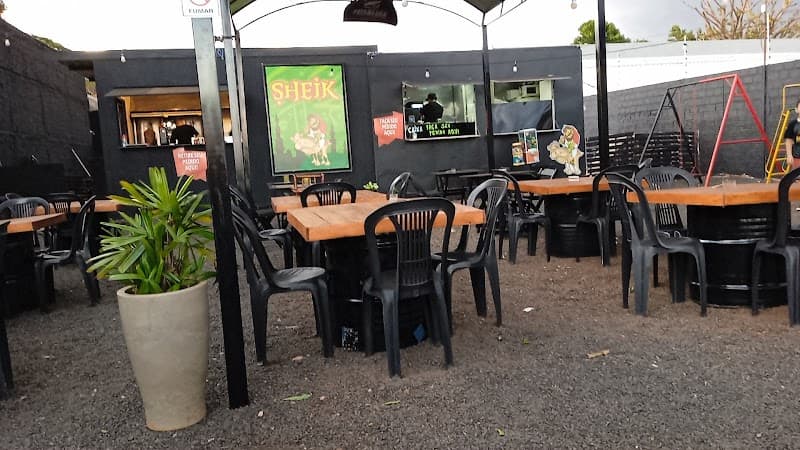
Jungle Romance at Iguazu Falls: 3-Day Escape
Weekend · $$$

7 Wild Days in Foz do Iguaçu with the Family
Week · $$$
Things to Do in Foz do Iguaçu
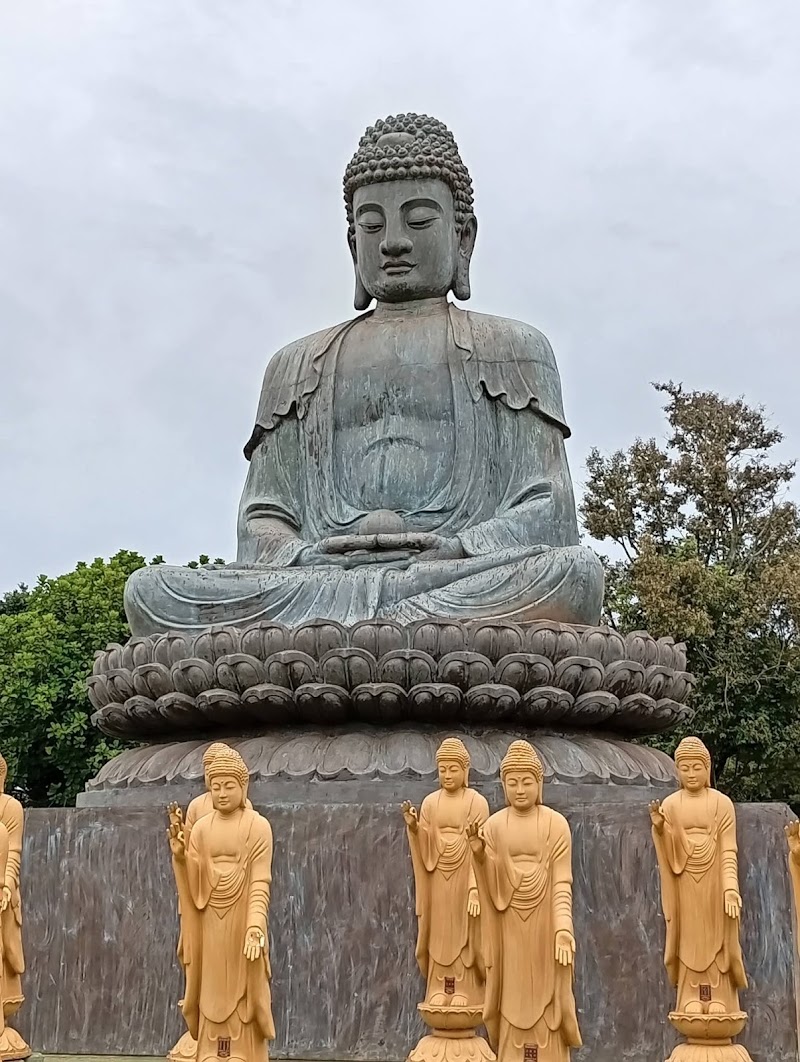
Chen Tien Buddhist Temple
Porto Belo / Suburb North of Centro · 120 min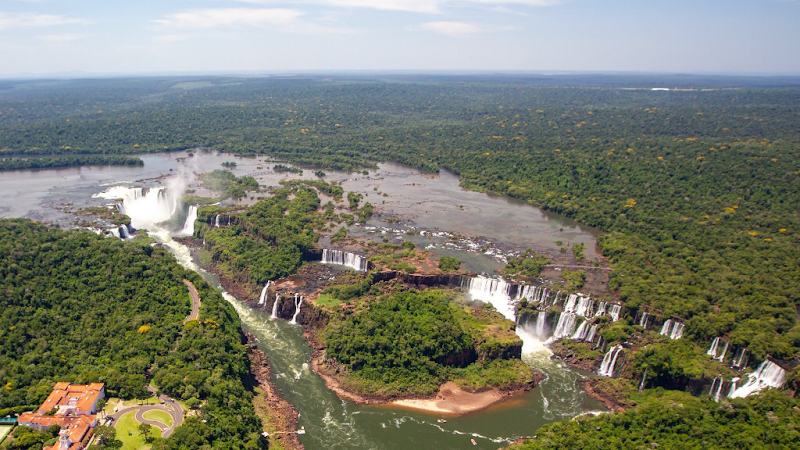
Parque Nacional do Iguaçu – Brazilian Side Walkways
Parque Nacional (Brazilian Falls Area) · 180 min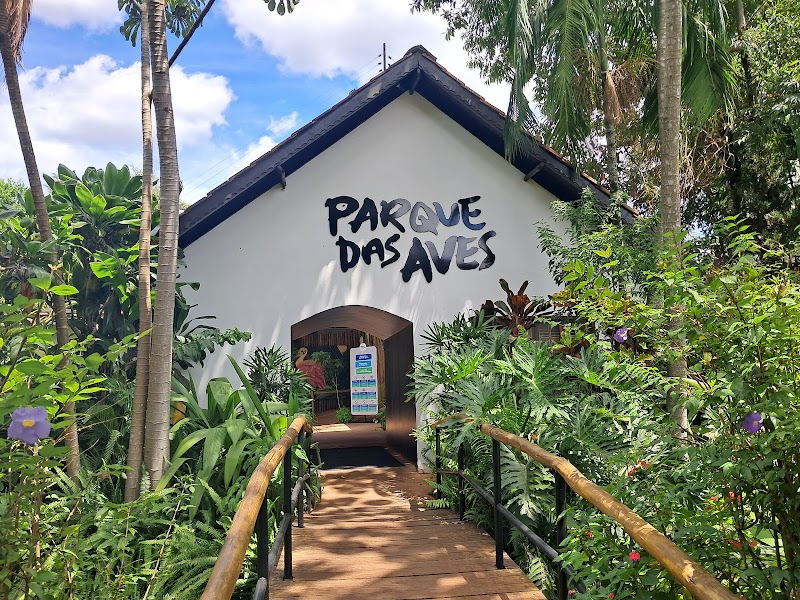
Parque das Aves (Bird Park)
Parque Nacional Entrance Area (Brazilian Falls) · 150 minMoney-Saving Tips
- 1.Buy a combo ticket for Brazil and Argentina sides of the falls - saves 20% versus separate entries
- 2.Eat at downtown restaurants instead of tourist spots near the falls - meals cost half the price
- 3.Take the public bus to the falls for R$5 instead of taxis that charge R$80
- 4.Shop for souvenirs at Shopping Cataratas rather than park gift shops - same items, better prices
- 5.Stay in downtown Foz and commute to falls rather than paying premium for park-adjacent hotels
- 6.Visit duty-free shops in Paraguay for electronics and perfumes - savings can be substantial
- 7.Pack snacks and water bottles - food inside the parks costs triple the street price
Travel Tips
- •Bring waterproof phone cases and extra clothes - you will get soaked near the falls
- •Wear grippy shoes with good tread - the walkways get extremely slippery from mist
- •Start early at the Brazil side for best lighting and smaller crowds before 10am
- •Keep your passport handy for Argentina day trips - border crossings happen frequently
- •Download offline maps - cell service can be spotty in the national park areas
- •Pack insect repellent with DEET - mosquitoes are aggressive, especially near water
- •Bring a rain jacket even in dry season - the falls create their own weather system
- •Book Belmond Hotel das Cataratas months ahead if you want exclusive early access to falls
Frequently Asked Questions
Explore Foz do Iguaçu
BUILD YOUR
FOZ DO IGUAÇU PLAN
Insider picks, smart timing, and a plan ready when you are.
Start Planning