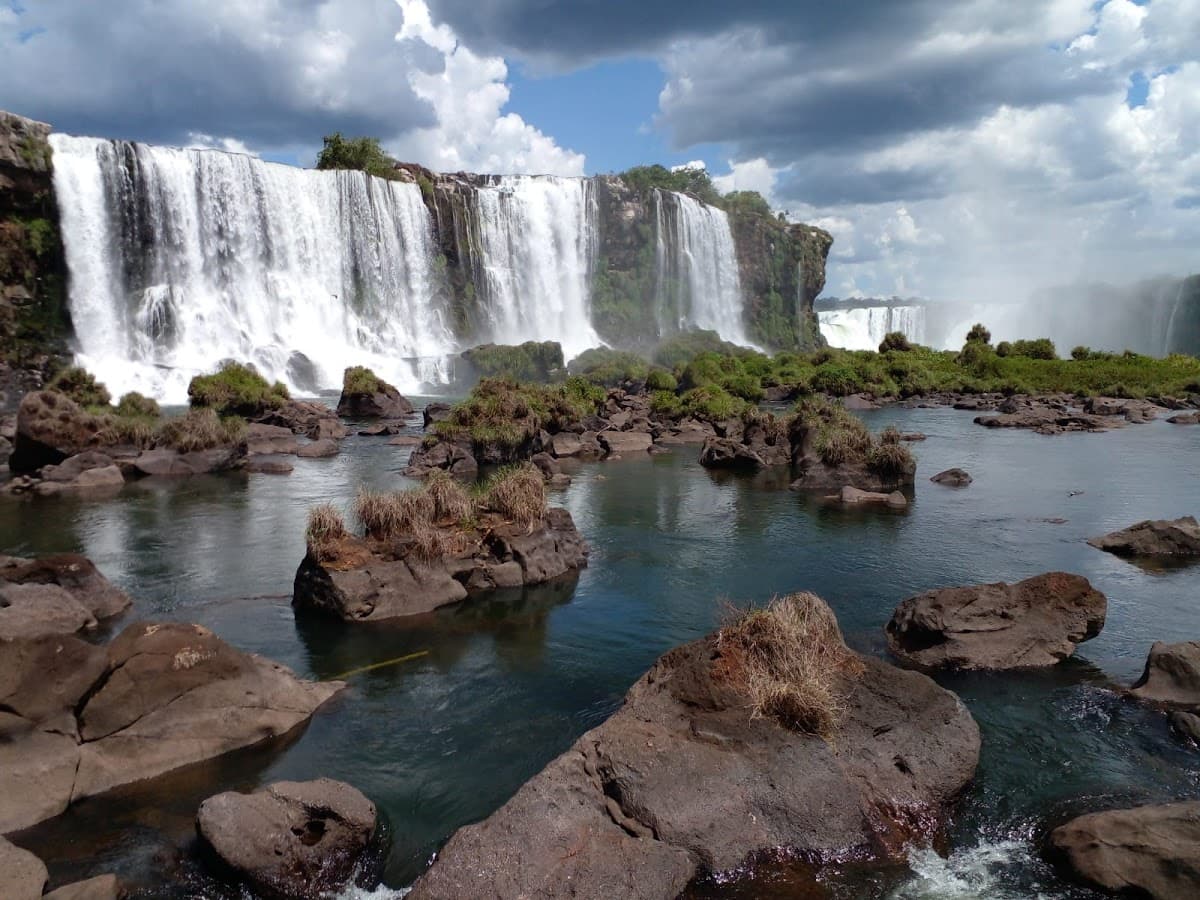
Foz do Iguaçu in January
Not the best time
Peak summer means peak crowds and peak prices, with the waterfalls at their most powerful but the weather at its most punishing. Your photos will be stunning but your wallet and comfort zone will take a beating.
Weather
January brings peak summer heat and humidity to Foz do Iguaçu, with sweltering temperatures that make the falls feel like a blessing. Afternoon thunderstorms roll in almost daily, turning the red dirt roads into muddy rivers. The air feels thick enough to swim through.
32°C high22°C low12 rain days
Crowds & Cost
peak crowds
~$95/day average
Events & Festivals
- •New Year celebrations
- •Summer school holidays (Brazil)
- •Festa de Nossa Senhora dos Navegantes
January Tips
- •Book accommodation 4-6 months ahead - it's Brazilian summer vacation
- •Pack quick-dry clothes and waterproof everything
- •Visit the falls early morning before the heat kicks in
All Months
April through September brings the best weather - less humidity, fewer mosquitoes, and water levels that showcase the falls without overwhelming them. July and August see the biggest crowds and highest prices. Book accommodations three months ahead for these months. December through March is wet season. The falls rage at maximum power but expect daily downpours and oppressive heat. March and April offer the sweet spot: decent weather, manageable crowds, and water levels high enough for dramatic photos. Avoid Brazilian school holidays in July and December unless you enjoy queuing with thousands of excited teenagers. The falls flow year-round, but September through November provides the most comfortable temperatures for hiking the trails.
Foz do Iguaçu Scores
Solo
7/10
Couples
8/10
Families
9/10
Adventure
8/10
Budget
7/10
Luxury
6/10
BUILD YOUR FOZ DO IGUAÇU PLAN
Insider picks, smart timing, and a plan ready when you are.