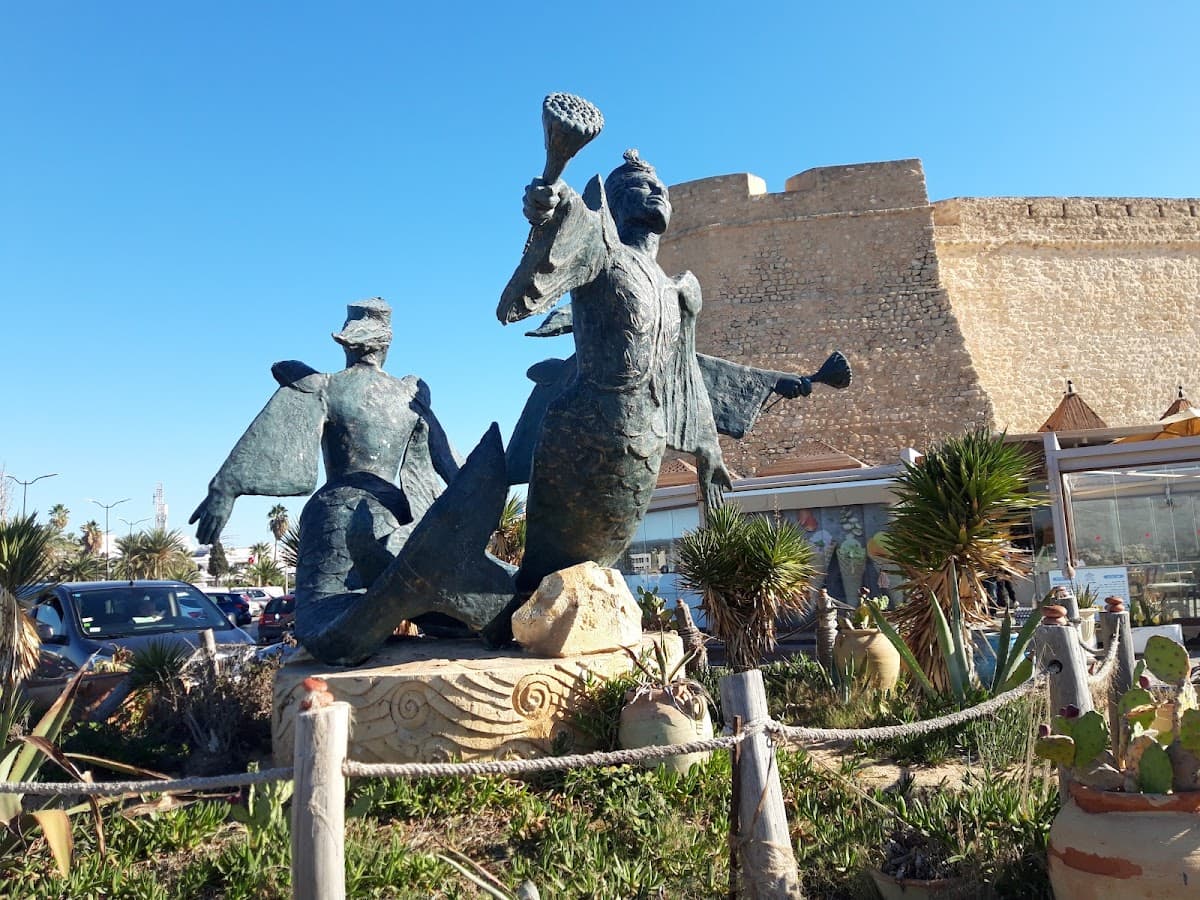
Hammamet
Tunisia's garden resort town with beaches and medina charm
Hammamet sits where Tunisia's coast curves into the Mediterranean, and honestly? It's got the balance right. This isn't some massive resort destination that's lost its soul. The medina still feels authentic, the beaches stretch for miles without feeling overcrowded, and you can eat like royalty for the price of a coffee back home. Sure, it's touristy - but the good kind of touristy where locals still outnumber visitors and the jasmine actually grows wild in the gardens that gave this place its "garden resort" reputation.
Best Months
APR · MAY · JUN · SEP · OCT · NOV
~26°C · moderate crowds
Culture & Context
LAYERED MEDINA RESORT
Hammamet literally means "the Baths" in Arabic, and the name tells you something about the place. Romans were here first, then Arabs, Spaniards, Turks, and the French. Every one of them left something behind, and the result is a town that feels layered rather than polished.
Paul Klee painted it in 1914. Winston Churchill and Frank Lloyd Wright both stayed at the Villa Sebastian. Today the clientele is mostly European package tourists, but peel back the resort gloss and the Old Town still has real texture.
Local life centers on the medina, the fishing port, and the mosque. French is the second language in most practical situations, spoken by most hotel and restaurant workers. English gets you by in tourist areas.
But here's the thing: Tunisian Arabic (called Derja) is what matters out in the streets, and using even three words of it changes how people treat you. The coastal resort vibe and the working-town atmosphere exist side by side, sometimes awkwardly. Yasmine Hammamet to the south is essentially a purpose-built resort complex with a marina and a reconstructed "fake" medina.
It is slick, comfortable, and completely disconnected from daily Tunisian life. Worth a walk for the marina and a sunset drink, but don't mistake it for the real thing.
Local Customs
BARGAIN CASH GREET
Bargaining in the souks is expected and normal. Start significantly lower than the asking price. Walking away works.
If you genuinely don't want to buy, just say 'la shokran' (no thank you) firmly and keep moving. Prolonged eye contact with a seller is effectively an invitation.. Cash is king.
Cards are accepted at malls, supermarkets, and larger hotels, but most local shops, taxis, and market stalls want dinars. ATMs inside banks or hotel lobbies are the safest option. TND cannot legally be exported, so don't change more than you'll spend..
On the beach and in resort zones, Western dress (bikinis, shorts, tank tops) is completely fine. The second you step into the medina or leave the tourist bubble, cover shoulders and wear longer bottoms. Think practical modesty, not full coverage.
At mosques: shoulders AND knees covered, no exceptions.. During Ramadan, eating, drinking, or smoking in public during daylight hours is considered disrespectful. Many local restaurants close during the day.
Hotels and tourist restaurants stay open. Check the Ramadan calendar when planning.. Greetings matter here.
People say hello before asking for anything. Going straight to a transaction without a basic 'aslema' reads as rude. Take three seconds for a greeting and the interaction changes..
WhatsApp is how everyone communicates in Tunisia, including hotels, tour guides, and taxis. Save a number for your accommodation before you arrive.. Tipping is not obligatory but appreciated.
Round up on taxis and leave 5–10% at sit-down restaurants if the service was genuine. At all-inclusive resorts, tipping staff directly goes much further than you'd expect.
Safety
WATCH PICKPOCKETS CLOSELY
Hammamet is genuinely relaxed and safe by most measures. But a few specific things are worth knowing before you arrive. Petty theft is the main practical risk — pickpocketing in crowded parts of the medina and on busy beaches.
Keep your phone in a front pocket and don't carry your entire trip budget in one wallet. Taxi overcharging is probably the most common thing that frustrates visitors. Always confirm the meter is running before the car moves, or agree an explicit price.
Drivers who tell you the meter is broken are almost always testing whether you'll accept a tourist fare. Just get out and take the next one. In the medina, some sellers will physically place items in your hands or put jewelry on you — a classic pressure tactic.
The correct response is to hand it back immediately, say "la shokran," and walk away. Staying firm without being aggressive works consistently. Heat is seriously underestimated.
July and August temperatures regularly exceed 30°C and the sun is intense. Dehydration comes on fast. Drink bottled water constantly, take a midday break somewhere cool, and use real sunscreen.
Tunisia carries a moderate travel advisory due to historical terrorism incidents, but these have been concentrated in border regions and inland areas far from the coast. The Hammamet resort zone has enhanced security presence. Check your government's current travel advice before departure, as conditions can shift.
Getting Around
TAXIS METER REQUIRED
Getting to Hammamet: Two airport options. Enfidha-Hammamet International Airport (NBE) is the closer one, around 40 km south. There is no public bus or train from either airport to Hammamet — this is a real gap. From NBE, expect to pay 60–180 TND for a taxi depending on your negotiating ability; a pre-booked private transfer runs around 100 TND fixed. From Tunis-Carthage (TUN), a direct STRGN bus runs once daily at 13:30 for 30 TND cash only, taking about 80 minutes. Taxis from TUN to Hammamet cost around 50 TND daytime or 75 TND after 21:00. The louage (shared minibus) from Bab Alioua station in Tunis is the cheapest option at 10–16 TND, but requires getting into central Tunis first, and is awkward with luggage.
Getting around: Yellow taxis are the standard in-town option. Starting rate is 0.90 TND; insist the meter runs or agree the fare before you sit down. Drivers frequently tell foreign passengers the meter is "broken" — it isn't. Ride-hailing apps: Uber and Bolt no longer operate in Tunisia as of 2025. Use Yassir or inDrive instead, both active in Hammamet. Louages connect Hammamet to Nabeul (15 minutes, very cheap) and onward to Tunis or Sousse for longer day trips. The town itself is walkable between the medina and the beach. Getting from the old town to Yasmine Hammamet requires a taxi — it's about 8 km south and there is no convenient direct bus.
Useful Phrases
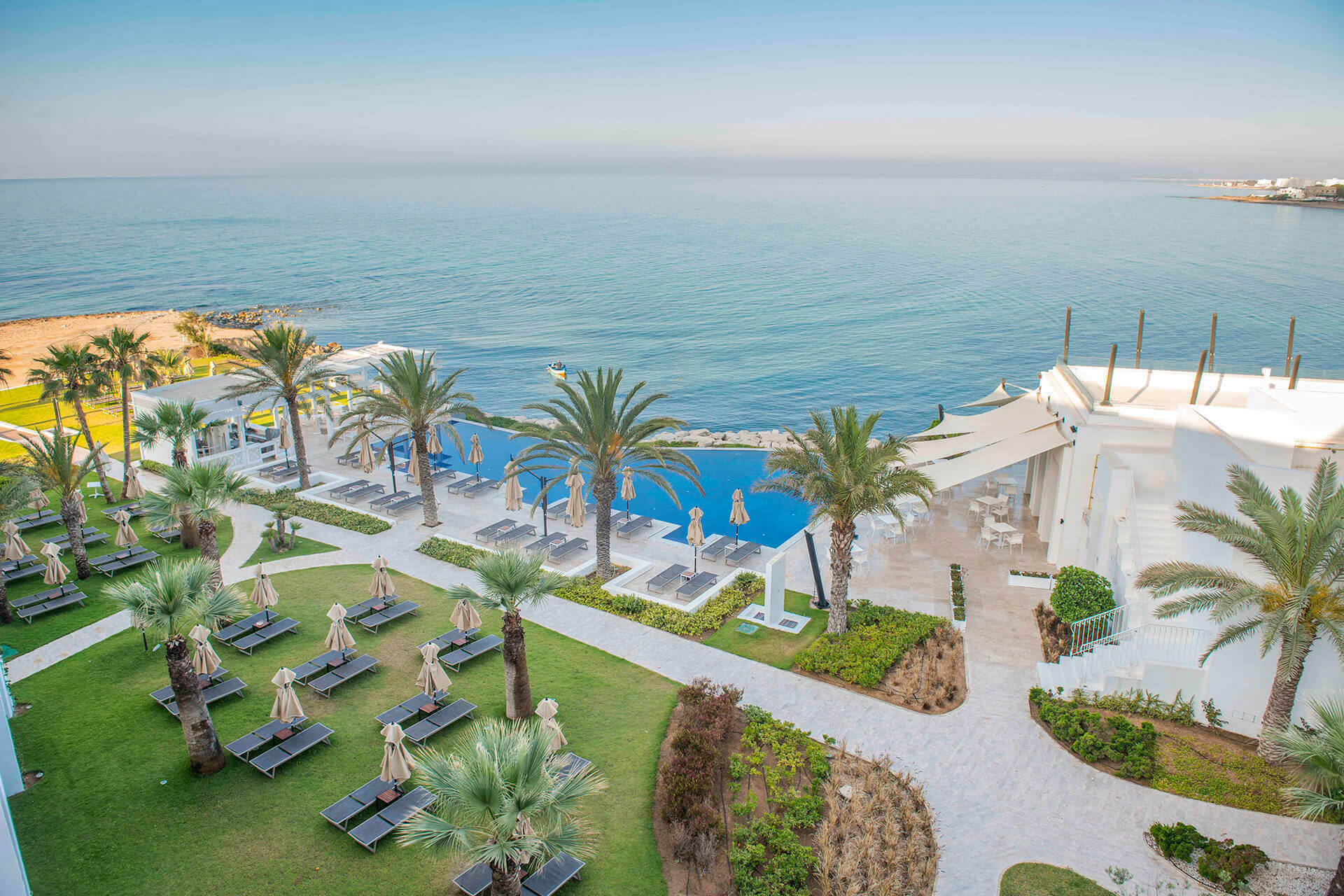
Where to Stay in Hammamet
1 recommended properties
Money-Saving Tips
- 1.Negotiate everything except in clearly marked shops - initial prices are often double what locals pay
- 2.Eat where you see Tunisian families dining - tourist restaurants charge 3x more for inferior food
- 3.Buy groceries at Monoprix or Carrefour rather than hotel shops to save 50-70% on basics
- 4.Use louages (shared taxis) instead of private taxis - same routes for one-third the cost
- 5.Visit hammams (public baths) in the medina for 8 dinars instead of hotel spas charging 80+ dinars
- 6.Book accommodation directly with smaller hotels to avoid booking site commissions
- 7.Drink coffee and tea at local cafes (2 dinars) rather than hotel lounges (15+ dinars)
- 8.Shop for souvenirs in Nabeul's Friday market instead of Hammamet's tourist shops
Travel Tips
- •Learn basic Arabic greetings - 'Ahlan wa sahlan' (welcome) opens doors and gets genuine smiles
- •Carry small denomination dinars for tips and street food - many vendors can't change large notes
- •Respect prayer times when visiting the Great Mosque - non-Muslims can enter outside prayer hours
- •Pack comfortable walking shoes with good grip - medina cobblestones get slippery when wet
- •Bring reef-safe sunscreen - Mediterranean sun is stronger than it feels due to sea breezes
- •Download offline maps before exploring - WiFi can be spotty in older medina areas
- •Try to visit during Ramadan if possible - the evening iftar atmosphere in the medina is magical
- •Keep your hotel business card with you - many medina streets look identical to newcomers