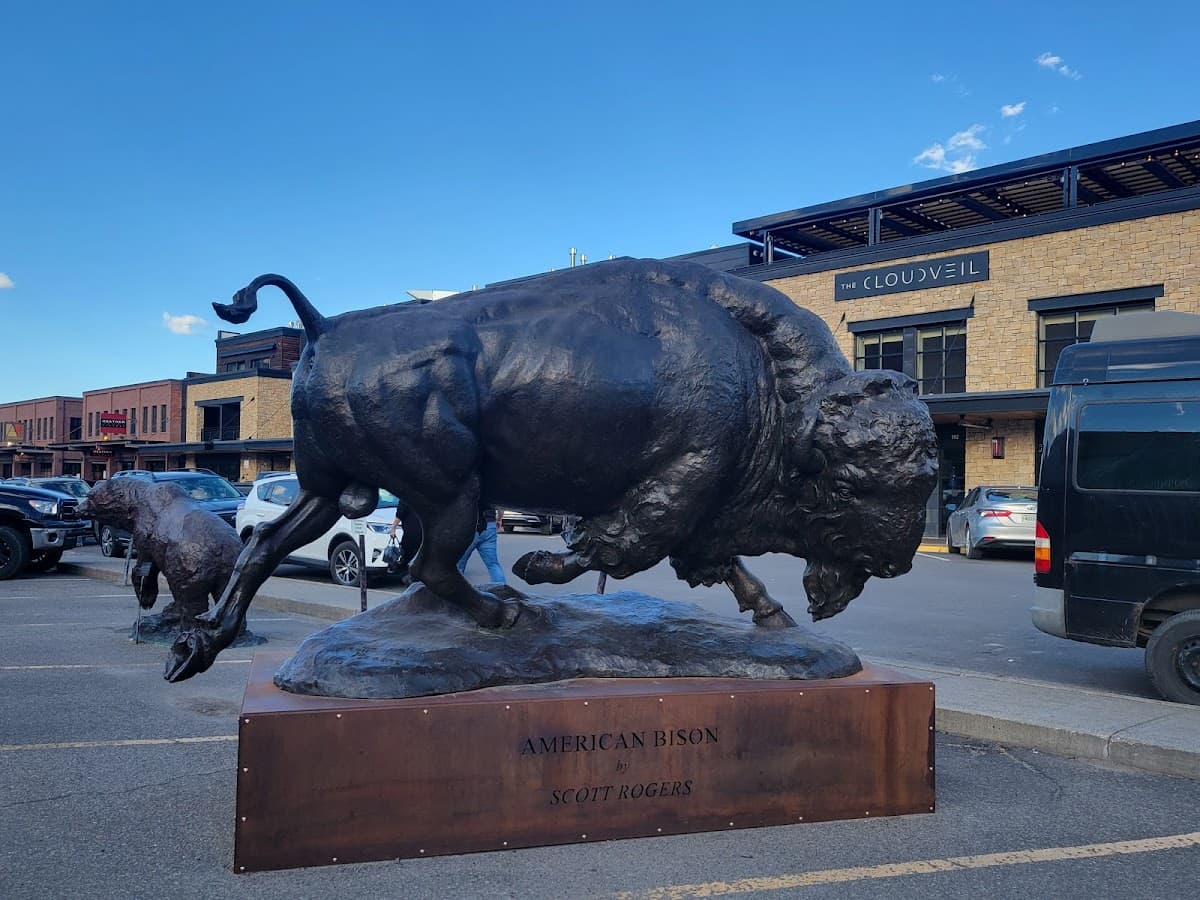
Jackson Hole
Elite mountain playground beneath the majestic Grand Tetons
Jackson Hole sits in a valley so dramatic it looks like someone cranked the contrast to maximum. The Teton Range shoots straight up from the valley floor — no foothills, no warm-up. Just 13,000-foot peaks that make your neck hurt from looking up. This isn't your typical mountain town. Sure, you'll find cowboys and elk. But you'll also spot private jets at the airport and $50 steaks downtown. Jackson attracts billionaires and backpackers, often sitting at the same bar. The skiing rivals anywhere in the world. The hiking leads to alpine lakes that'll ruin other mountains for you. And the wildlife? Grizzly bears wander through neighborhoods like they own the place. Because honestly, they do.
Best Months
JAN · FEB · JUN · JUL · AUG · DEC
~10°C · peak crowds
Culture & Context
Jackson Hole has a split personality that takes about a day to clock.
On one side: a genuine ranching and conservation community with deep roots, people who've lived here for generations and get visibly annoyed by traffic jams and overpriced everything. On the other: one of the wealthiest resort valleys in America, full of second-home billionaires and luxury seekers.
The locals who actually live here year-round lean fiercely pro-conservation — less than 3% of Teton County's land is privately owned, with the vast majority protected under federal and local conservation law. The Indigenous history here matters too: Teton County sits on the ancestral homeland of the Mountain Shoshone people and over 27 bands of Indigenous people who were the original stewards of the Greater Yellowstone Ecosystem. The cowboy heritage is real, not just aesthetic — rodeos, the elk antler auction, and Western parades have been happening here for over a century.
But so has the arts scene, which is serious: Jackson ranks among the top art markets in the country, with major galleries, the Grand Teton Music Festival, and the Fall Arts Festival drawing collectors and musicians internationally. Skiing is almost a religion. If it snows more than a certain amount, unspoken "powder clauses" mean some workers call in late.
And the outdoor lifestyle isn't aspirational here — it's just Tuesday.
Local Customs
Wildlife first, always.
Park regulations require you to stay at least 25 yards from moose, elk, and bison — and 100 yards from bears and wolves. Getting between a mother and her young is how people get hurt.
A moose or bison can run faster than 30 mph and jump 6 vertical feet from a standstill. This is enforced and taken seriously.. Carry bear spray when hiking and know how to use it before you need it.
Store all food and scented items securely, even on a day hike. This isn't optional theater — it's standard practice for everyone.. On multiuse trails: horses and pack animals have the right-of-way over everyone.
Cyclists yield to hikers. Bikers on paved paths always call out 'on your left' before passing — ringing a bell works too. It's basic trail courtesy but violating it will get you cold stares..
The mountain drives you. Powder days are sacred. If it snows overnight, don't be surprised if your guide, shuttle driver, or restaurant server shows up a little late — or that conversation on the lift is the most passionate thing you'll hear all week..
Altitude is real at 6,237 feet. Drink more water than you think you need, take your first day easy, and know that two beers hit like three. Locals drink water constantly..
Avoid driving during commuter rush hours (roughly 7-9am and 4-6pm), especially in summer. About 40% of local employees commute from outside the county — the roads genuinely clog. Hit Grand Teton early morning or stay for golden hour and head back after 6:30pm..
Sustainability matters here deeply. The community is vocal about environmental stewardship. Dispose of waste properly, don't pick wildflowers, don't approach wildlife for photos, and stay on marked trails.
'Leave no trace' isn't a slogan — it's a social norm.. Book everything in advance. Hotels, popular restaurants, activities, and even some hiking permits fill months out during peak seasons.
Showing up without a reservation in July is a gamble you'll lose.
Safety
Jackson Hole is extremely safe from a crime standpoint — violent crime is near zero, and the town is genuinely one of the safest in Wyoming.
The risks here are almost entirely natural. Wildlife is the number one concern: moose, bison, bears, and wolves live throughout the valley and national parks.
The National Park Service requires 25 yards minimum distance from moose, elk, and bison, and 100 yards from bears and wolves. Carry bear spray on every hike and know how to use it before you're startled by a grizzly. Never approach wildlife for a photo — bison and moose injure more people in US national parks than any other animal.
Winter driving is genuinely dangerous. Ice and heavy snowfall make mountain roads treacherous; the Wyoming DOT frequently issues warnings and sometimes closes roads. If you're not comfortable driving on black ice, take the START Bus to Teton Village.
Altitude is a real issue at 6,237 feet elevation — drink significantly more water than usual, take your first day slow, and be aware that alcohol hits harder at altitude. Summer thunderstorms develop fast and can produce heavy rain and dangerous lightning — get off ridgelines and exposed terrain the moment you see clouds building. Avalanche danger is serious in backcountry winter terrain — always check the avalanche forecast before going out of bounds, and don't go alone.
Wildfire smoke can affect air quality in summer; check conditions before planning strenuous outdoor days.
Getting Around
You do not need a visa to visit Jackson Hole — it is located in Wyoming, USA.
US citizens need no documentation beyond a valid ID. International travelers follow standard US entry requirements: a valid passport, and a visa or ESTA (Electronic System for Travel Authorization) if your country participates in the Visa Waiver Program.
Citizens from VWP countries (most of Western Europe, Japan, Australia, etc.) can apply for ESTA online at esta.cbp.
dhs.gov for $21 — do it at least 72 hours before departure. All others need a B-2 tourist visa through the nearest US embassy.
Grand Teton National Park charges international visitors 16+ an additional $100 per-person surcharge starting January 2026 — the $250 annual nonresident pass is worth it if you plan to visit three or more affected parks.
Useful Phrases
Jackson Hole Itineraries
View all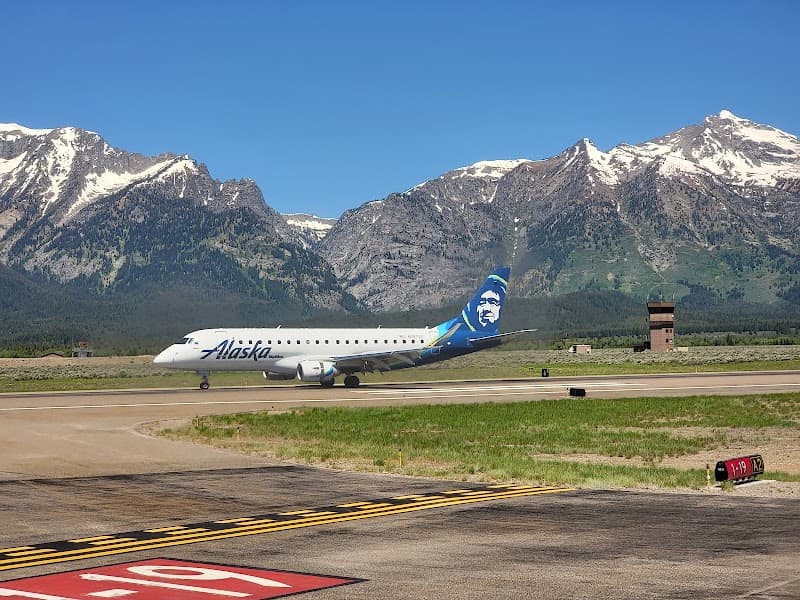
Slow-Travel Jackson Hole: Design, Spa, and Wild Teton Light
Weekend · $$$$
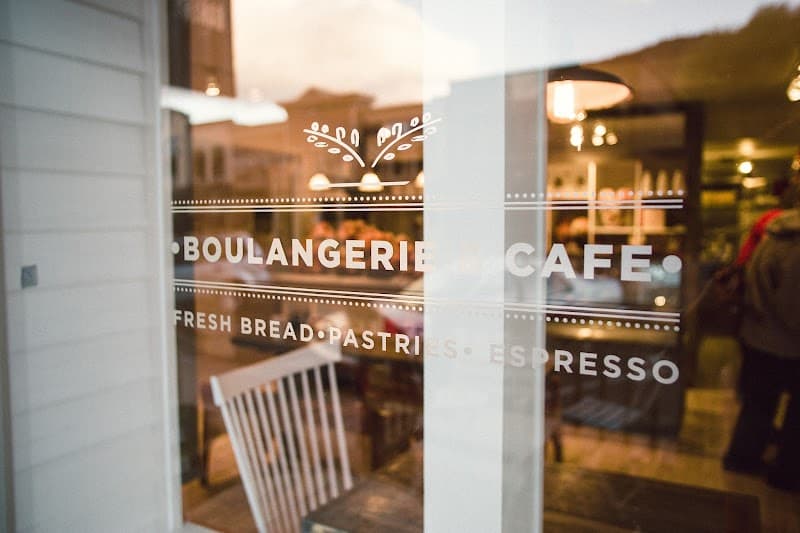
Jackson Hole for Food, Wine, and Slow-Going Discovery
Weekend · $$$$
Modern Sips & Scenic Peaks: 5 Days in Jackson Hole
Weekend · $$$

Wild Valleys & Rivers: 7 Days in Jackson Hole
Week · $$$

Jackson Hole Weekend of Wild Peaks, Wildlife, and Easy Comfort
Weekend · $$$

Wild Romance Weekend in Jackson Hole
Weekend · $$$
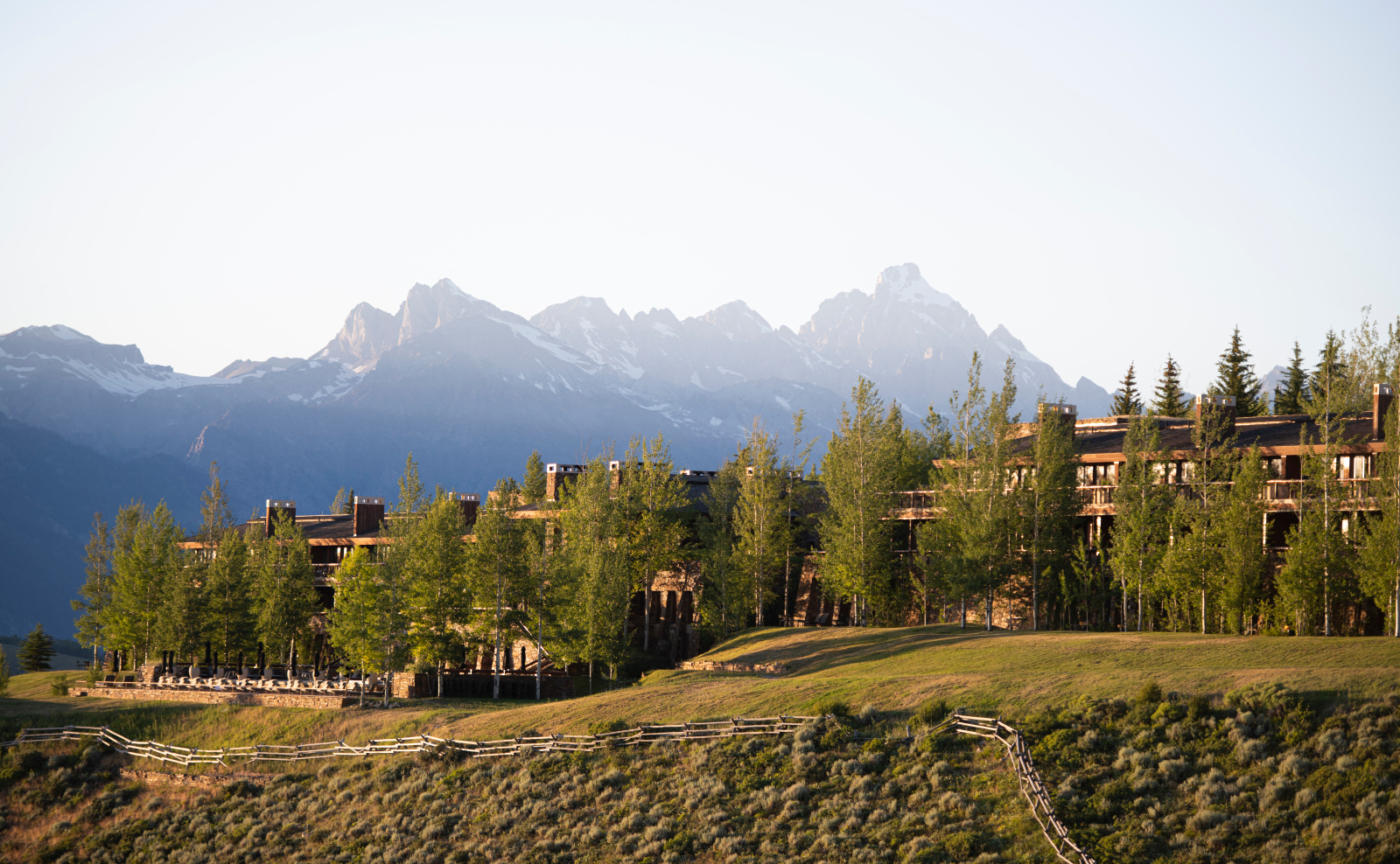
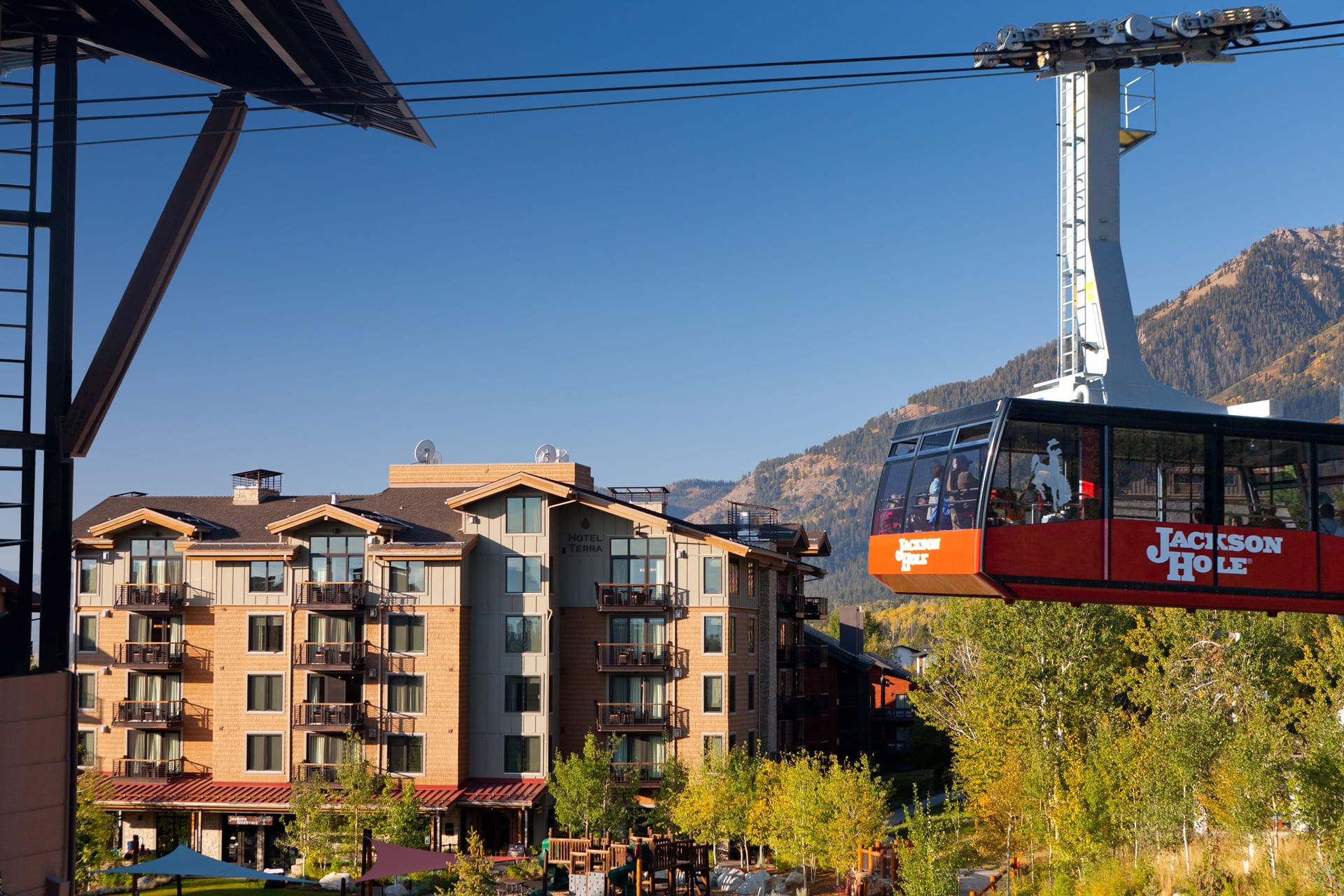
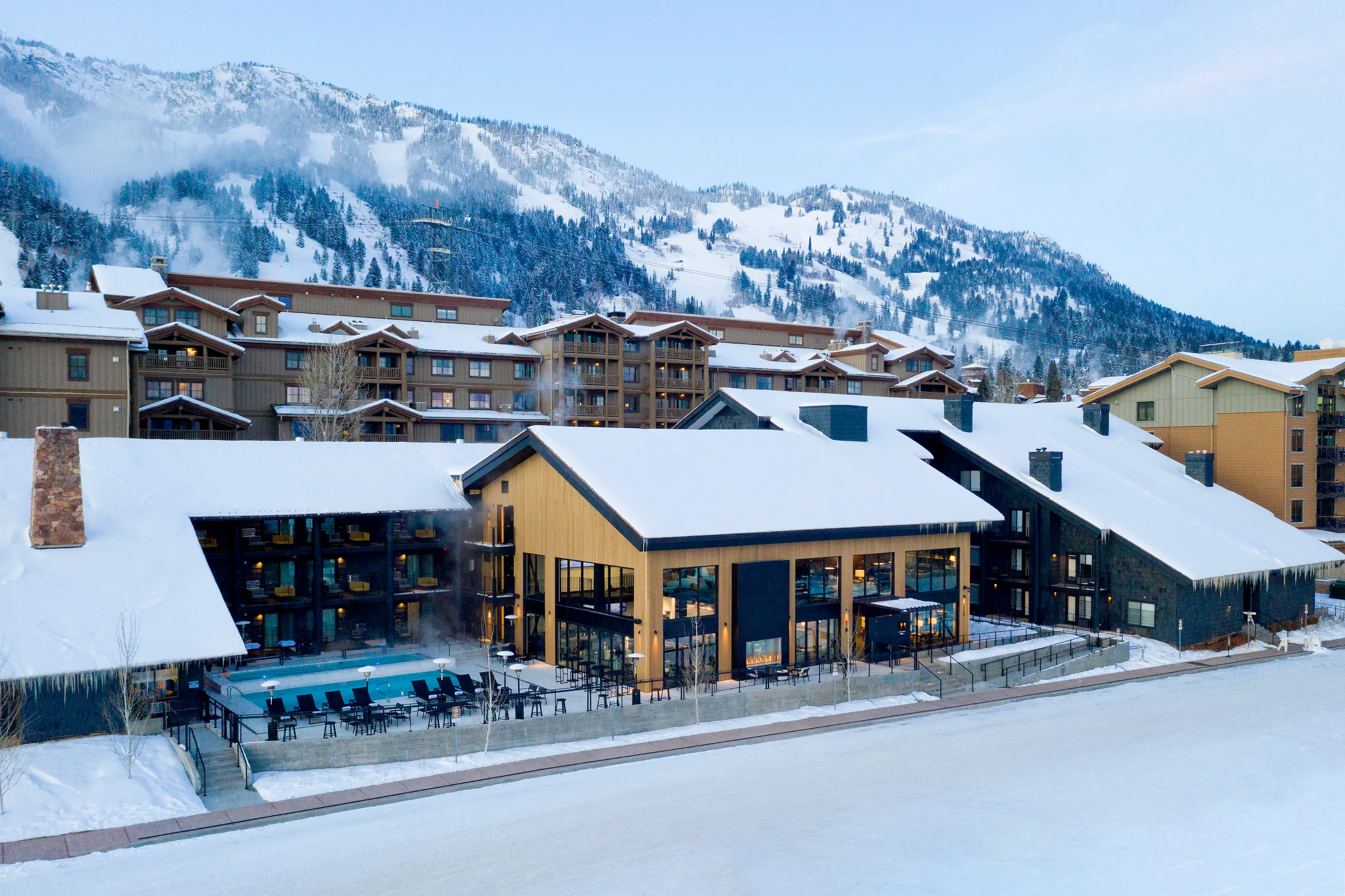
Where to Stay in Jackson Hole
8 recommended properties
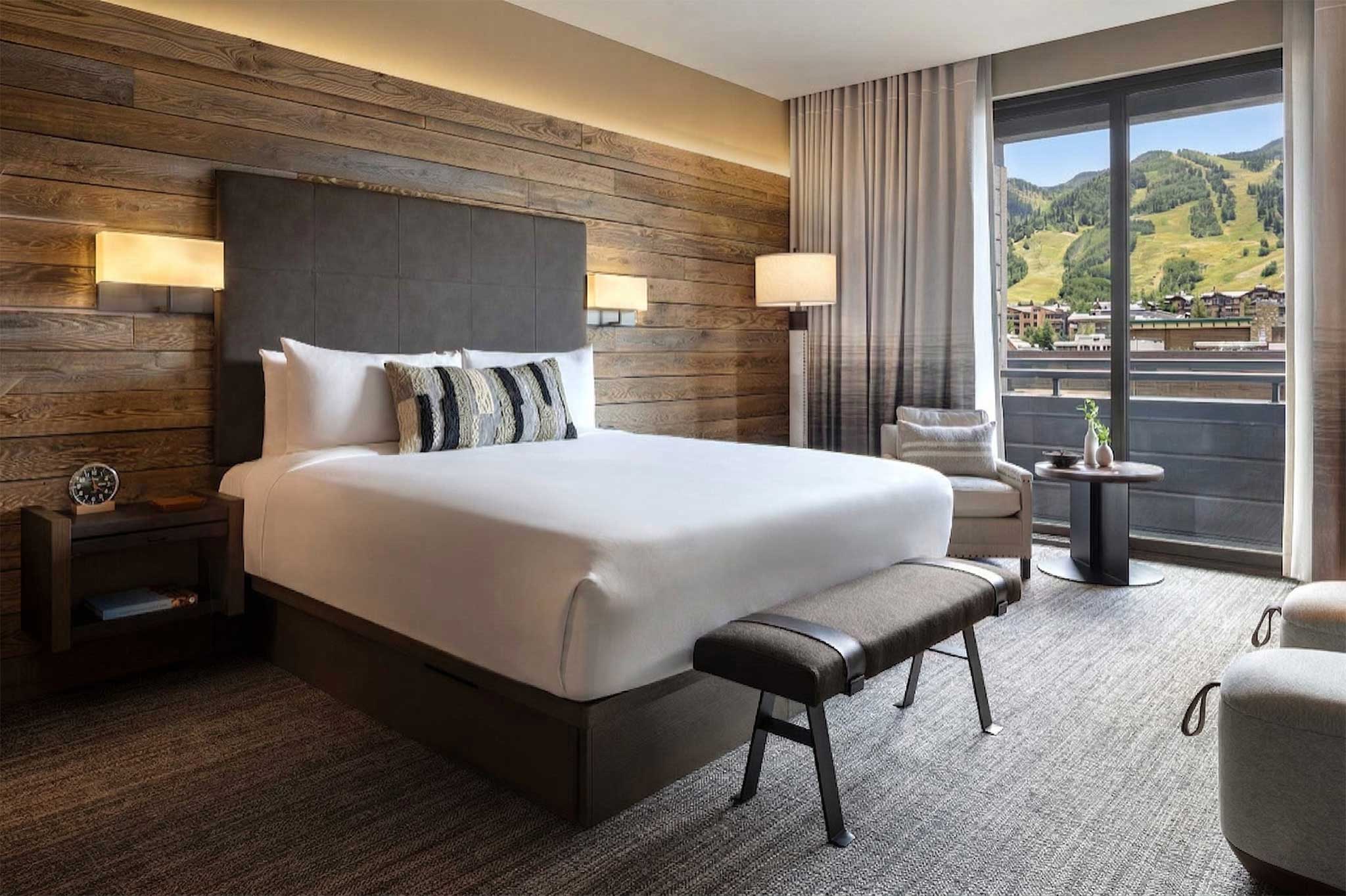
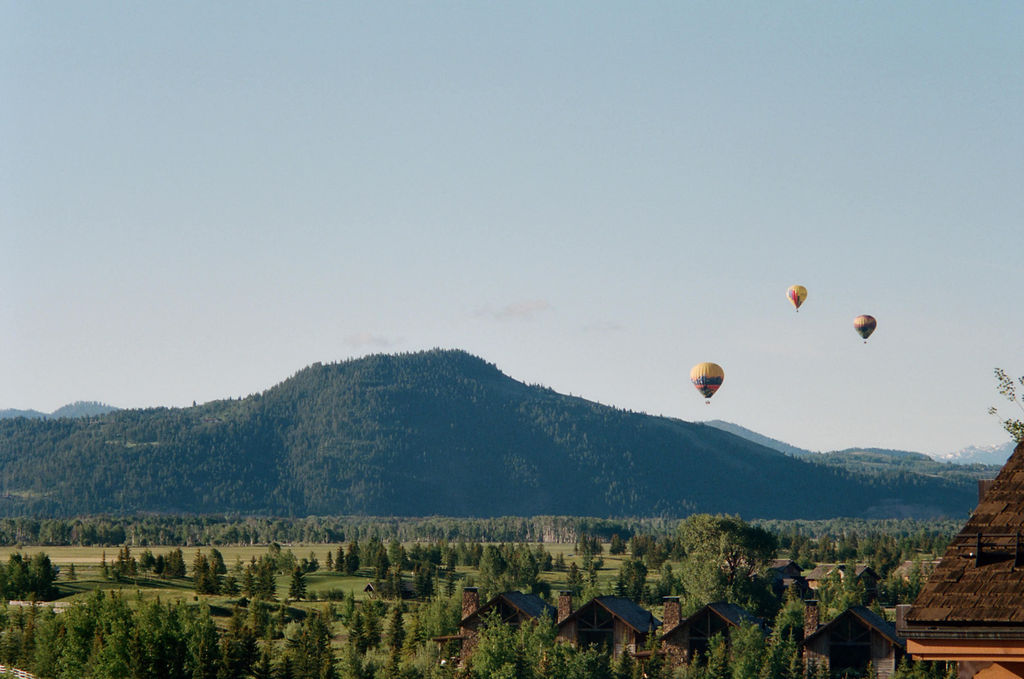
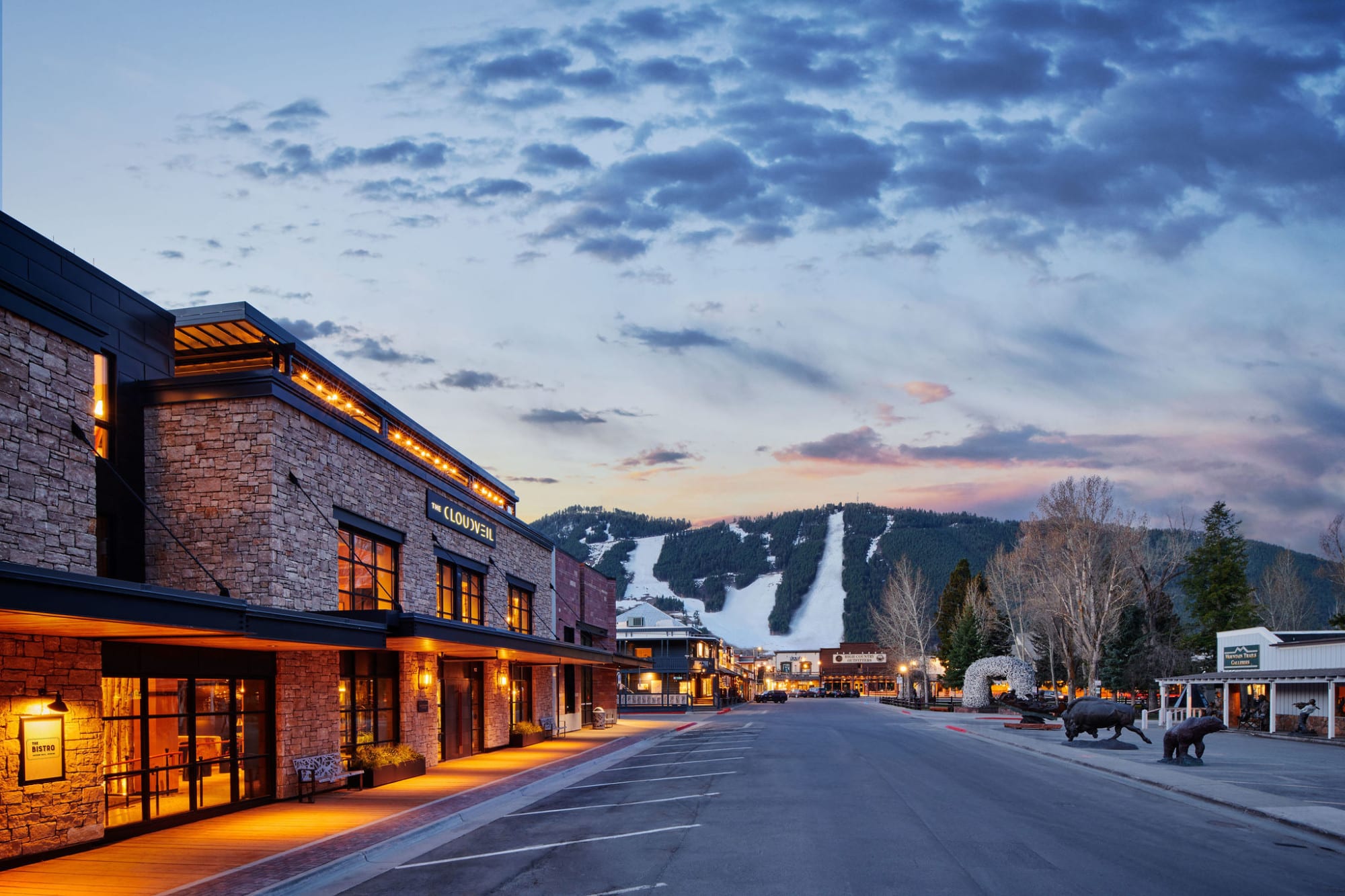
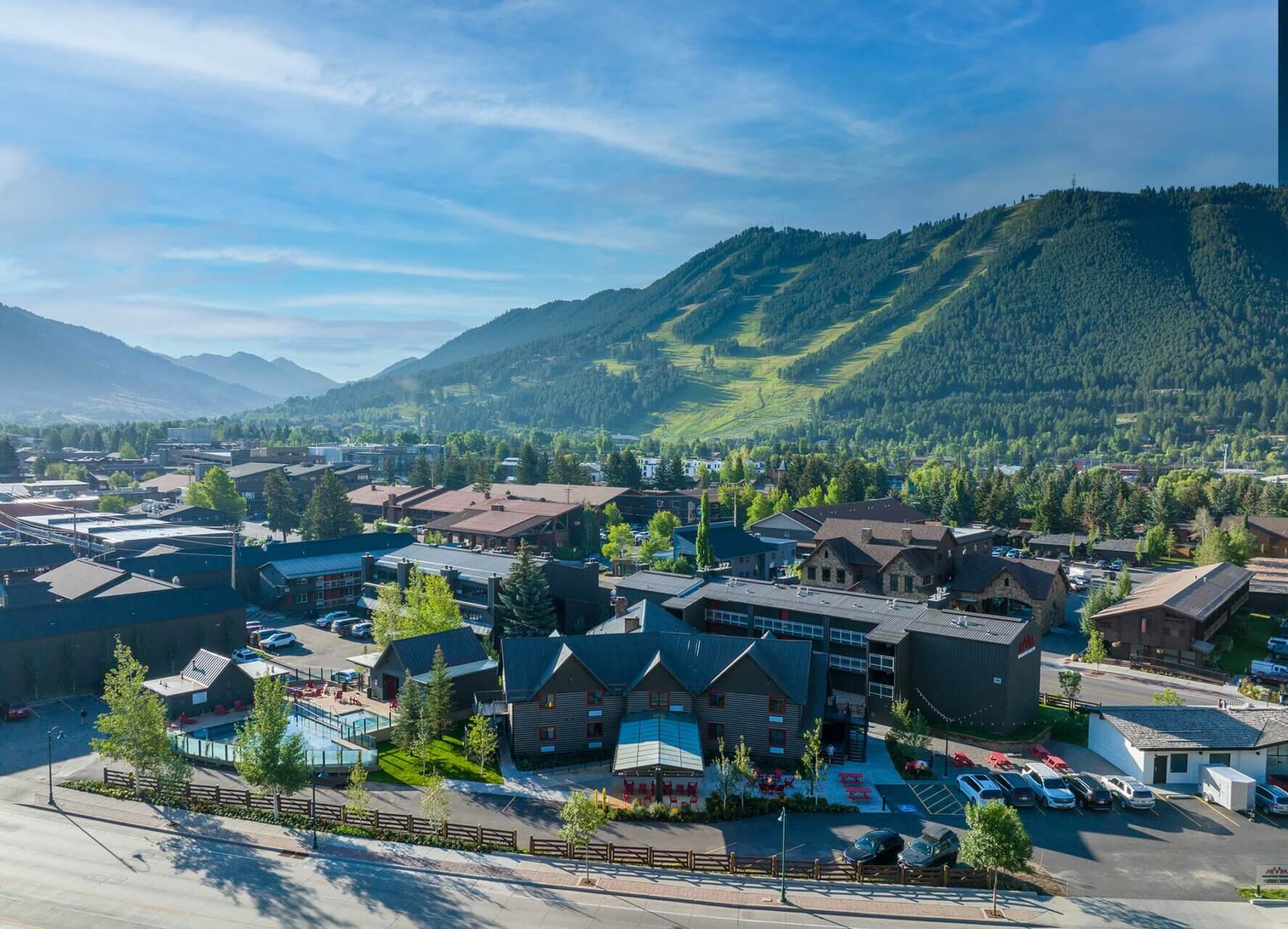
Things to Do in Jackson Hole
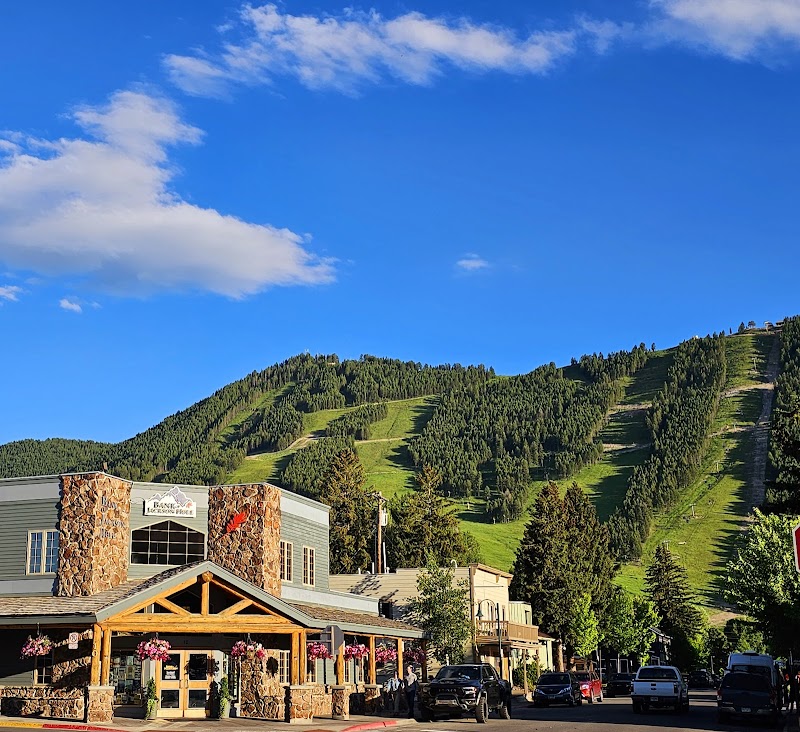
Jackson Town Square Walk
Jackson Town Square · 45 min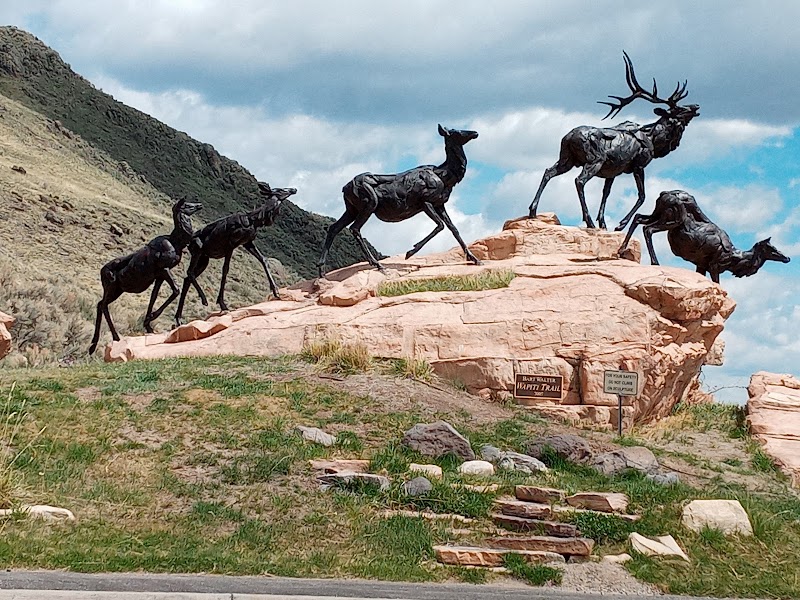
National Museum of Wildlife Art
East Jackson · 120 min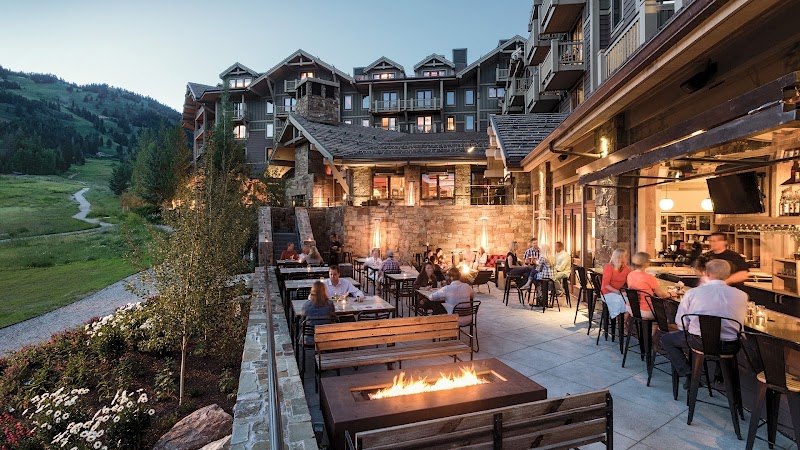
Spa at the Four Seasons Resort and Residences Jackson Hole
Teton Village · 120 minMoney-Saving Tips
- 1.Book accommodations in Wilson or Driggs, Idaho instead of Jackson proper to save 30-40% on lodging
- 2.Eat lunch on the mountain — resort food costs the same as downtown restaurants but includes the views
- 3.Buy groceries at Smith's or Albertsons for breakfast and snacks; downtown convenience stores charge tourist prices
- 4.Park at the visitor center and walk downtown to avoid $2/hour parking meters
- 5.Visit during shoulder seasons (May or September) when hotel rates drop by half
- 6.Look for lodging packages that include lift tickets — often cheaper than buying separately
- 7.Happy hour at resort bars (4-6 PM) offers half-price drinks and appetizers
Travel Tips
- •Pack layers year-round — mountain weather changes fast and temperature swings are extreme
- •Download offline maps; cell service gets spotty in the backcountry and national parks
- •Carry bear spray when hiking and know how to use it — both black bears and grizzlies live here
- •Book restaurant reservations weeks in advance during peak seasons (winter and summer)
- •Rent or buy a National Parks Pass if visiting both Grand Teton and Yellowstone
- •Keep your car doors locked — bears have learned to open them looking for food
- •Altitude affects everyone differently; drink extra water and take it easy your first day at 6,200 feet
Frequently Asked Questions
Explore Jackson Hole
BUILD YOUR
JACKSON HOLE PLAN
Insider picks, smart timing, and a plan ready when you are.
Start Planning