Maputo
Mozambique's vibrant capital with Portuguese colonial charm and beaches
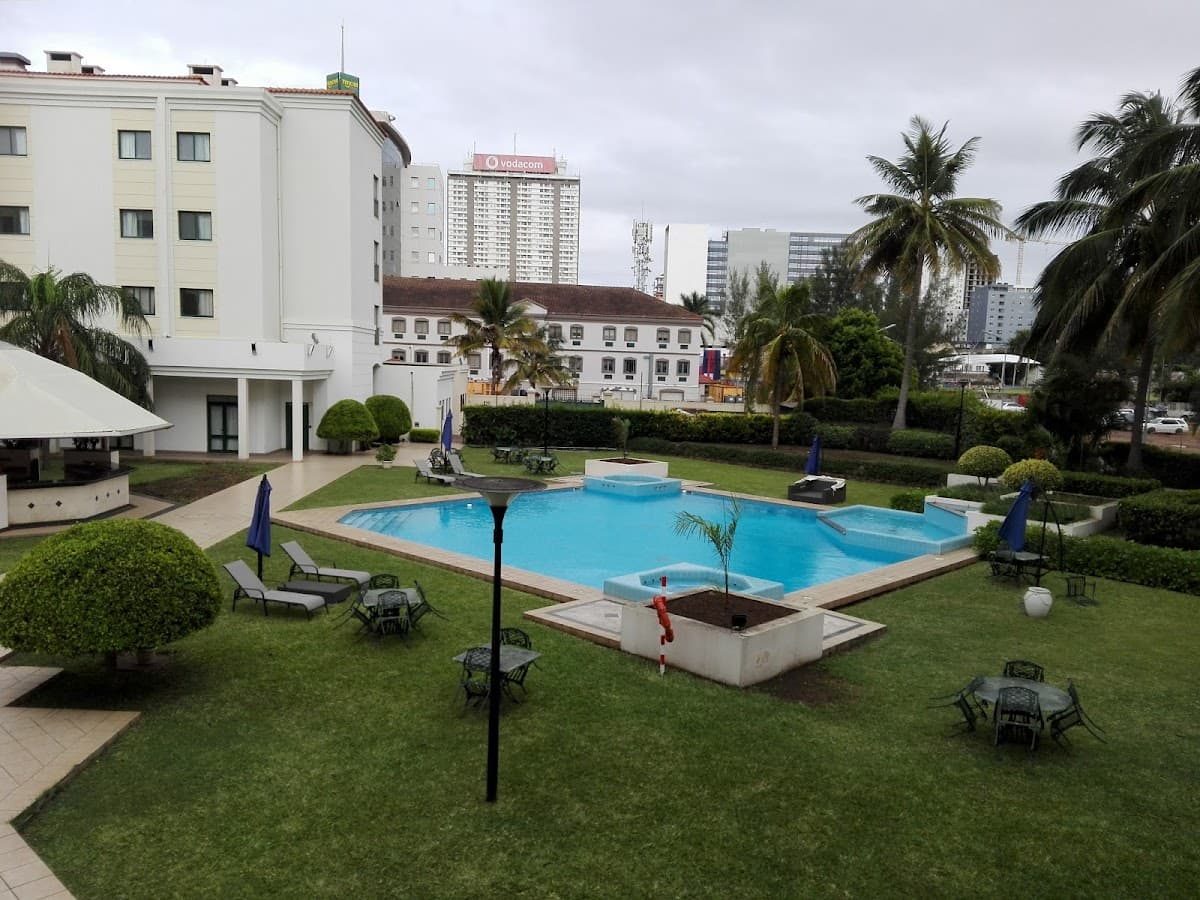
Maputo feels like a secret that's been hiding in plain sight. Mozambique's capital sprawls along Maputo Bay, where Portuguese colonial buildings crumble gracefully next to modern glass towers. The city moves at its own pace – unhurried, friendly, with an undercurrent of optimism that's infectious.
You'll find yourself lingering over prawns at sidewalk cafés on Rua da Marginal, watching dhows drift across the bay. The architecture tells stories: the pink-domed Central Train Station that Gustave Eiffel supposedly designed, the fortress that's now the Museum of History. But Maputo isn't stuck in the past. Art galleries showcase contemporary Mozambican artists, and the music scene pulses with marrabenta rhythms.
This isn't a polished tourist destination – and that's exactly the point. Street vendors sell cashews by the handful, taxis are shared adventures, and conversations happen easily. The beaches of Catembe are a ferry ride away, but honestly, you might find yourself too charmed by the city's gentle chaos to leave.
Best Months
APR – OCT
~26°C · moderate crowds
Culture & Context
COLONIAL SCARS, OCEAN FLAVORS
Maputo is Mozambique's capital and its most layered city. It carries the bones of a Portuguese colonial port, the scars of a civil war that ran until 1992, and the restless energy of a place still figuring out what it wants to be. Wide avenues lined with jacaranda and flame trees cut through neighborhoods where crumbling colonial facades sit next to glass-fronted towers.
The city runs on Portuguese, but Xichangana echoes in the markets and on the chapas (the shared minibuses that are the real circulatory system of local life). Marrabenta music — a fast, percussive style born in Maputo's neighborhoods in the 1920s — still leaks out of bars on weekend nights. The food is the real draw for a lot of visitors: peri-peri prawns, matapa (cassava leaves cooked in coconut and peanuts), and fresh fish from the Indian Ocean are the things people talk about for years after leaving.
But look, Maputo is not a polished city. Power cuts happen. The pavement breaks.
ATMs run dry during festivals. That's the deal. And most people who actually spend time here come away loving it more than they expected.
Local Customs
GREET WITH RESPECT
Greet people with a handshake and eye contact — this is standard between men and expected as a sign of respect. Skipping the greeting feels rude.. If you visit someone's home, expect to be offered tea or food.
Refusing is considered impolite. It's genuinely rude, not just awkward.. Remove your shoes before entering a private home.
This is customary and signals respect.. It is illegal to photograph government buildings, military installations, and official vehicles. Don't risk it — even accidentally.
Police will confiscate phones.. Tip around 10% in sit-down restaurants in tourist areas. It's appreciated, not obligatory, but it matters..
Dress modestly when visiting churches or mosques. The Cathedral of Our Lady of the Immaculate Conception is a working church, not just a photo stop.. Taxi fares triple during major events.
Negotiate the fare before you get in or use the Bolt app to lock in a price. Street taxis will absolutely try tourist pricing.. Carry cash in small denominations at all times.
Card readers are rare at markets and food stalls, and ATMs run dry during festivals like Independence Day week.
Safety
WATCH YOUR BELONGINGS
Maputo is generally safe for tourists who stay in the central tourist areas and take standard city precautions. The bigger risks are petty crime: pickpocketing, bag-snatching, and muggings happen. The U.
S. State Department specifically advises against walking alone along the Marginal south of the Southern Sun Hotel, along Avenida Friedrich Engels, and Rua Caracol. Avoid walking along roads bordered by wooded areas — those are hiding spots.
Pedestrians have been mugged at all hours of the day, not just at night, so don't get complacent on a sunny afternoon. At night, don't walk anywhere alone. Take Bolt or a negotiated taxi.
Keep your phone in your pocket, not your hand. Don't flash cash or wear expensive-looking jewelry in markets. The Baixa markets deserve extra caution with bags.
Beyond city crime: Mozambique has no known landmines near Maputo, but if you venture into very rural areas outside the city, seek local advice. For health: malaria risk in Maputo city is relatively low (1-20% range) compared to northern Mozambique, but bring repellent and use it at dusk and dawn near water venues. Tap water is not safe to drink — stick to bottled water.
Private clinics in Maputo (CIMEC, HCB International) charge $50-100 for consultations. Serious medical cases are typically routed to Johannesburg, so travel insurance with medical evacuation coverage is essential.
Getting Around
CHAPAS & BOLT APP
Getting around Maputo is genuinely straightforward once you know the system. Chapas — the shared minibuses — are the backbone of local transport at $0.30-0.
80 per ride. They're often crowded and the routes can be confusing, but locals on the street will point you to the right one if you ask clearly. For anything at night or during festivals, use the Bolt app (it works, rates are reasonable, and you avoid the tourist price trap).
Regular taxi fares run $1-4 for city trips, but always agree on the fare before you get in. Mototaxis handle short hops for $0.50-1.
50. Bicycle rickshaws, called Xinxinane, are another cheap option for short distances. The central neighborhoods — Baixa, Polana, Sommerschield — are walkable during the day, though the pavement is uneven in parts.
Walking alone after dark anywhere is not recommended. Maputo International Airport (MPM) is the main gateway, with direct connections from Johannesburg (1 hour), Lisbon via TAP, and regional hubs. Inter-city coaches like Intercape connect Maputo to Johannesburg.
The city also has the famous CFM railway station, though rail options within Mozambique are limited.
Useful Phrases
Money-Saving Tips
- 1.The local currency is the metical, but US dollars are widely accepted. Bring small bills – breaking a $100 note can be challenging.
- 2.ATMs are common in Baixa and Polana, but they often run out of cash on weekends. Stock up on meticais during weekdays.
- 3.Bargaining is expected at markets and with taxi drivers. Start at about half the quoted price and work up.
- 4.Restaurants add a 10% service charge, but an extra tip for good service is appreciated.
- 5.Credit cards work at upscale hotels and restaurants, but cash is king everywhere else. Many places don't accept cards at all.
Travel Tips
- •Yellow fever vaccination is required if you're coming from an affected country. Malaria prophylaxis is recommended year-round.
- •Portuguese phrases go a long way – locals appreciate the effort, even if your pronunciation is terrible.
- •The electrical outlets are South African-style three-pin plugs. Bring an adapter or buy one at the airport.
- •Tap water isn't safe to drink. Stick to bottled water, which is cheap and available everywhere.
- •Keep copies of your passport and visa separate from the originals. Police checkpoints are common, and you need ID.
- •The sun is stronger than you think, even in winter. Sunscreen and a hat are essential for any outdoor activities.
- •Mozambican time runs on a more relaxed schedule. Build buffer time into your plans and don't stress about delays.