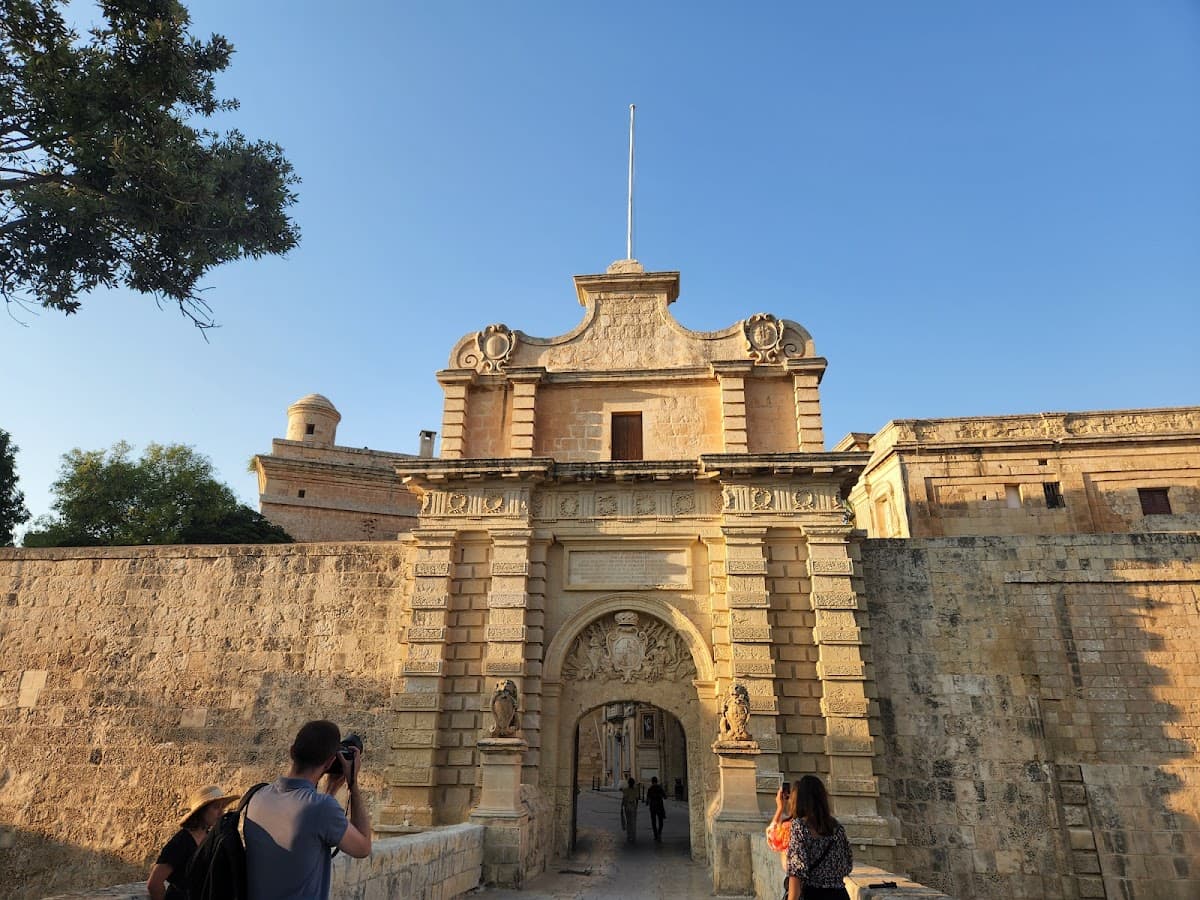
Mdina
Malta's silent medieval city frozen in time
Walk through the gates of Mdina and you're stepping back 800 years. This fortified city sits on a hill in central Malta, its honey-colored limestone walls glowing amber in the Mediterranean sun. They call it the Silent City for good reason — cars are banned inside the walls, leaving only the sound of your footsteps on ancient cobblestones.
The narrow streets wind past Norman palaces and baroque churches, each corner revealing another postcard view across the Maltese countryside. But here's what the guidebooks won't tell you: Mdina empties out completely after the tour buses leave at 4pm. That's when the real magic happens — when locals emerge from their ancestral homes and the city becomes yours alone.
Best Months
APR · MAY · JUN · SEP · OCT · NOV
~25°C · moderate crowds
Culture & Context
MEDIEVAL EUROPE PRESERVED
Mdina sits on a hill in central Malta and has been continuously inhabited for around 4,000 years. The Phoenicians were first. Then Romans, Arabs (who gave it the name 'Mdina,' from the Arabic word for 'city'), Normans, the Knights of St.
John, French, and finally the British — each left something behind in the architecture. Today the city has fewer than 300 full-time residents, mostly elderly, which explains the silence. It's not a ghost town, just a very selective guest list.
Malta is deeply Catholic, and that's more than just a Sunday thing — it shapes local customs, feast days, and how communities organize themselves. In Mdina, St. Paul's Cathedral is the religious centerpiece and has been standing (in various forms) since the 4th century.
Mdina appeared as King's Landing in Game of Thrones Season 1, which brought a different crowd through its gates and frankly — they never left. Nobles still hold palaces here. The aristocratic families of Malta have owned properties inside these walls for centuries and continue to do so.
It is, by any reasonable measure, a functioning piece of medieval Europe that never got bulldozed.
Local Customs
MODEST DRESS, RESPECT SILENCE
Malta is a traditionally Catholic country. Cover shoulders and knees when entering St. Paul's Cathedral or any church — this is enforced, not just suggested..
The horse-drawn karozzini carriages outside Mdina Gate are a tourist fixture. The horses stand in the summer heat for long hours. Worth knowing before you decide whether to use them..
Tap water in Malta meets EU safety standards but tastes noticeably different due to desalination. Most locals drink bottled water. Don't be surprised..
Cash is still king in many places. Carry small coins — €1 and €2 — for parking attendants, pastizzi vendors, and some smaller cafés. Some operators don't accept large banknotes..
Maltese locals are genuinely friendly and often start conversations with strangers, especially in village squares. Saying 'Bonġu' (good morning) when entering a shop is normal and appreciated.. Tipping at restaurants is standard: around 10–15% for good service.
Not obligatory but expected in sit-down places.. Avoid excessive noise inside Mdina at night. The remaining residents are mostly elderly and the city prides itself on its silence.
Authorities take this seriously.. Parking outside Mdina is technically pay-what-you-want to the parking attendants, but tipping them €1–2 keeps things smooth. Arrive early — it gets difficult during busy periods.
Safety
VERY SAFE, WATCH FOOTING
Mdina is one of the safest places in Malta, which is itself one of the safer countries in Europe. The National Statistics Office reports low crime rates here specifically — the absence of nightlife removes most of the usual risk factors. Walk the lantern-lit alleys at night without concern.
The main caution: cobblestones are uneven and can be slippery after rain, so watch your footing especially in narrow alleys. Wheelchairs and strollers will find it genuinely difficult. Bring water in summer — the heat inside the stone walls is real, and there are limited places to buy drinks cheaply inside the city.
Petty theft is not a significant issue in Mdina itself, though the usual tourist-area awareness applies (keep your phone in your pocket, not on a table). If driving, be warned: Maltese traffic habits are a thing. Parking outside the gate is limited and gets difficult during busy periods — arrive early or take the bus.
Getting Around
BUS OR BOLT RIDESHARE
Buses 51, 52, and 53 from Valletta's main bus terminal all go to Rabat, a five-minute walk from Mdina's main gate. Journey time is about 30–40 minutes. From Sliema, take bus 202.
From St. Paul's Bay, buses 186 or X3 work. No buses stop inside Mdina — cars are prohibited except for registered residents.
The 7-day Explore pass (€25) covers unlimited bus travel for the week and is good value if you're doing multiple day trips. Bolt rideshare works across Malta and is reliable. A journey from Valletta runs roughly €6–9.
Skip the white tourist taxis parked outside attractions — no meters, inflated prices, poor reputation. If you drive, parking is just outside the Mdina gate (small lot) or in the larger lot near the Rabat bus terminus, about 200 meters away. Parking attendants work on tips — €1–2 is the norm.
You cannot park inside the city walls.
Useful Phrases
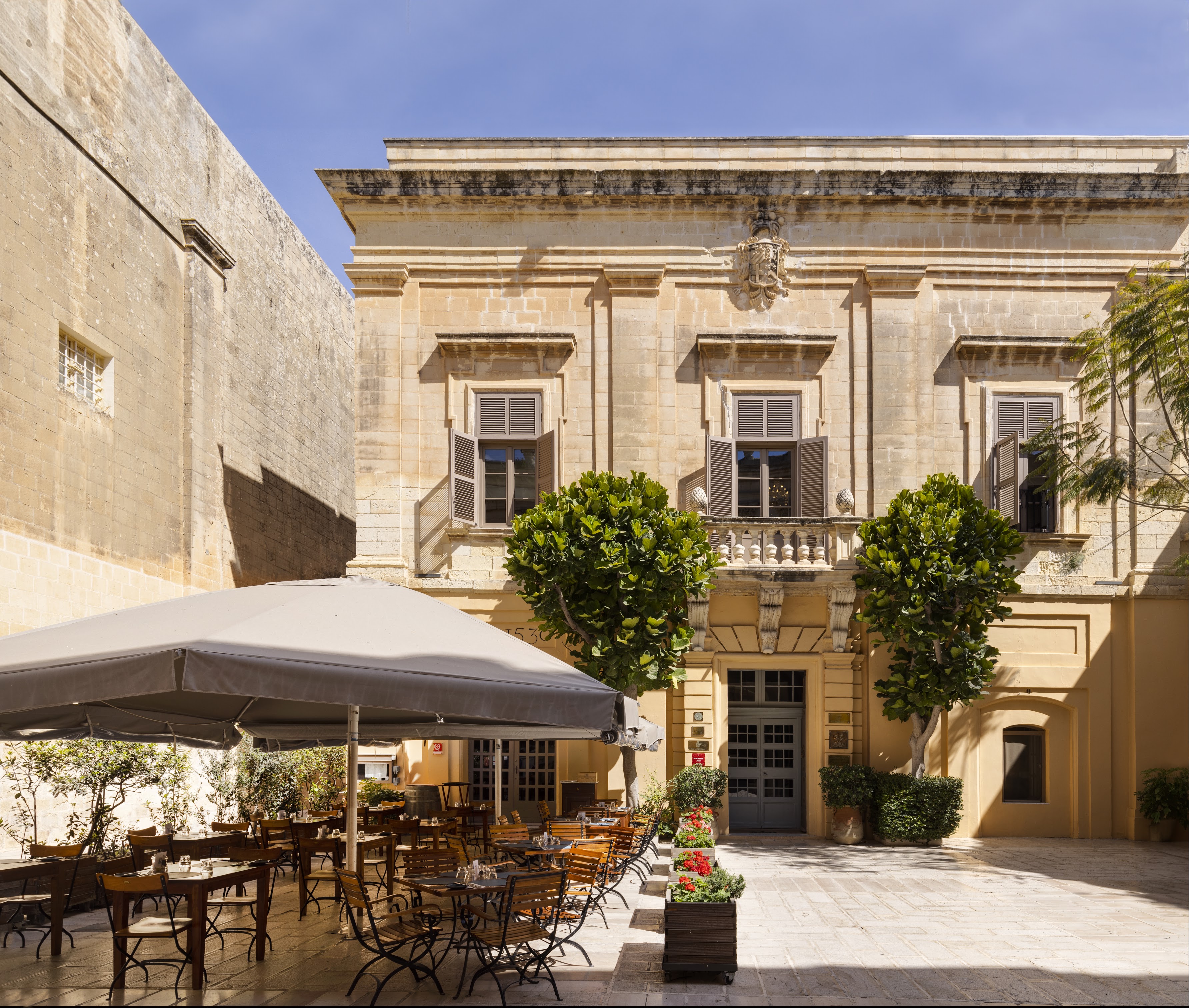
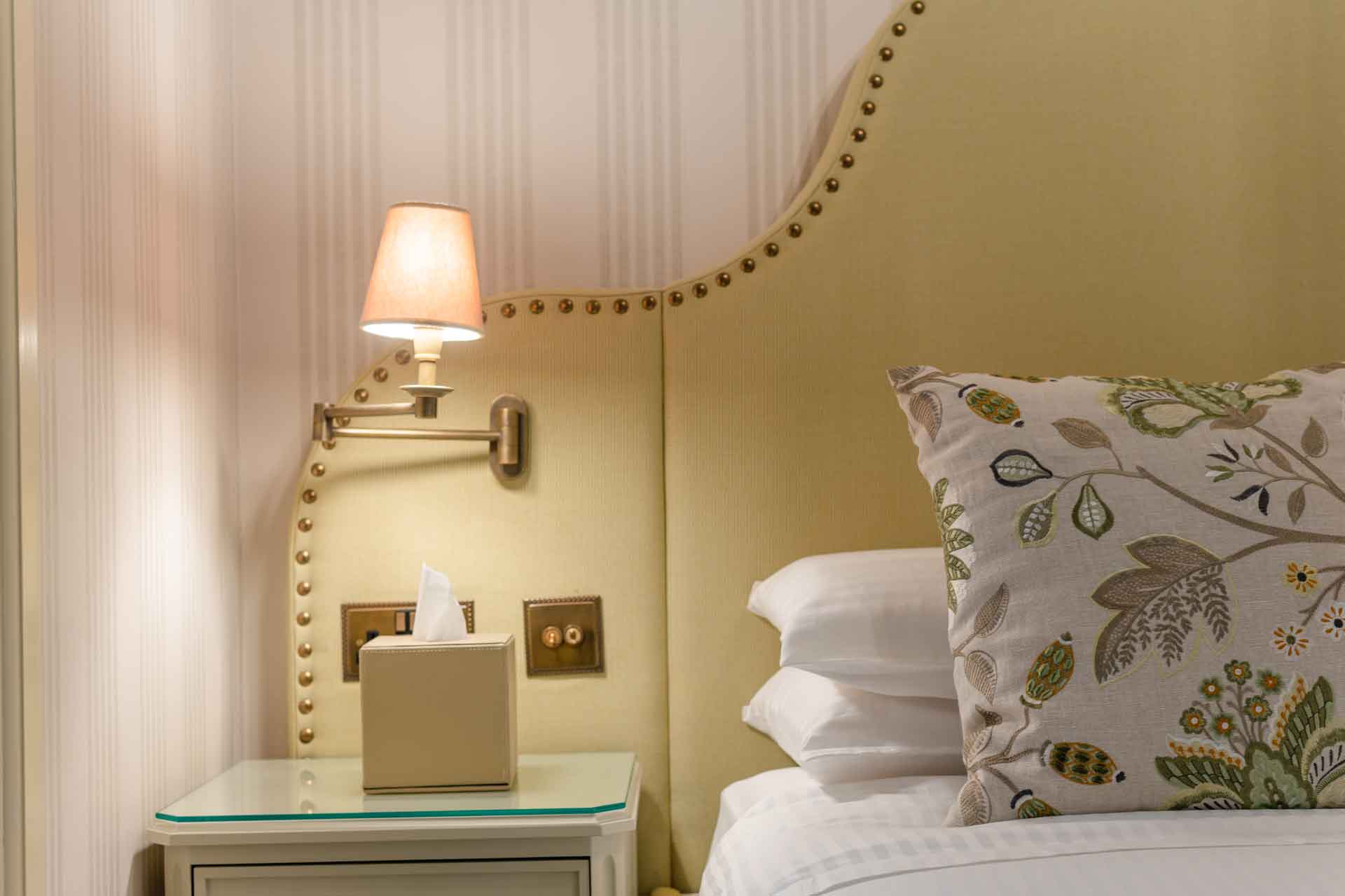
Where to Stay in Mdina
2 recommended properties
Money-Saving Tips
- 1.Buy a 7-day bus pass for €21 instead of single tickets — it pays for itself after 15 rides
- 2.Many churches are free to enter, including St. Paul's Cathedral which charges tourists €5 but locals enter free during mass times
- 3.Fontanella's famous chocolate cake is huge — order one slice to share between two people
- 4.Evening restaurant prices drop significantly after 8pm at some places — ask about late dining discounts
- 5.The Mdina Experience audio guide costs €3 but you can download similar content free from Malta Tourism's app
- 6.Parking outside the walls is free in Rabat's residential streets — avoid the paid lots near the main gate
- 7.Local buses cost €1.50 vs €25+ for taxis — the bus stop is 50 meters from Mdina's entrance
Travel Tips
- •Visit after 4pm when tour groups leave — you'll have the medieval streets almost to yourself
- •Wear comfortable walking shoes — those 800-year-old cobblestones are unforgiving
- •Bring a jacket for evenings even in summer — the hilltop location gets breezy after sunset
- •Download offline maps — cell service can be spotty within the thick medieval walls
- •The main gate gets crowded for photos — try the smaller Mdina Gate on Greeks Gate Street instead
- •Many palaces are still private homes — respect residents' privacy and keep noise down
- •The best views are from the bastions on the south side — follow Villegaignon Street to the ramparts
- •Churches close for siesta from 12-3pm — plan your cathedral visits for morning or late afternoon