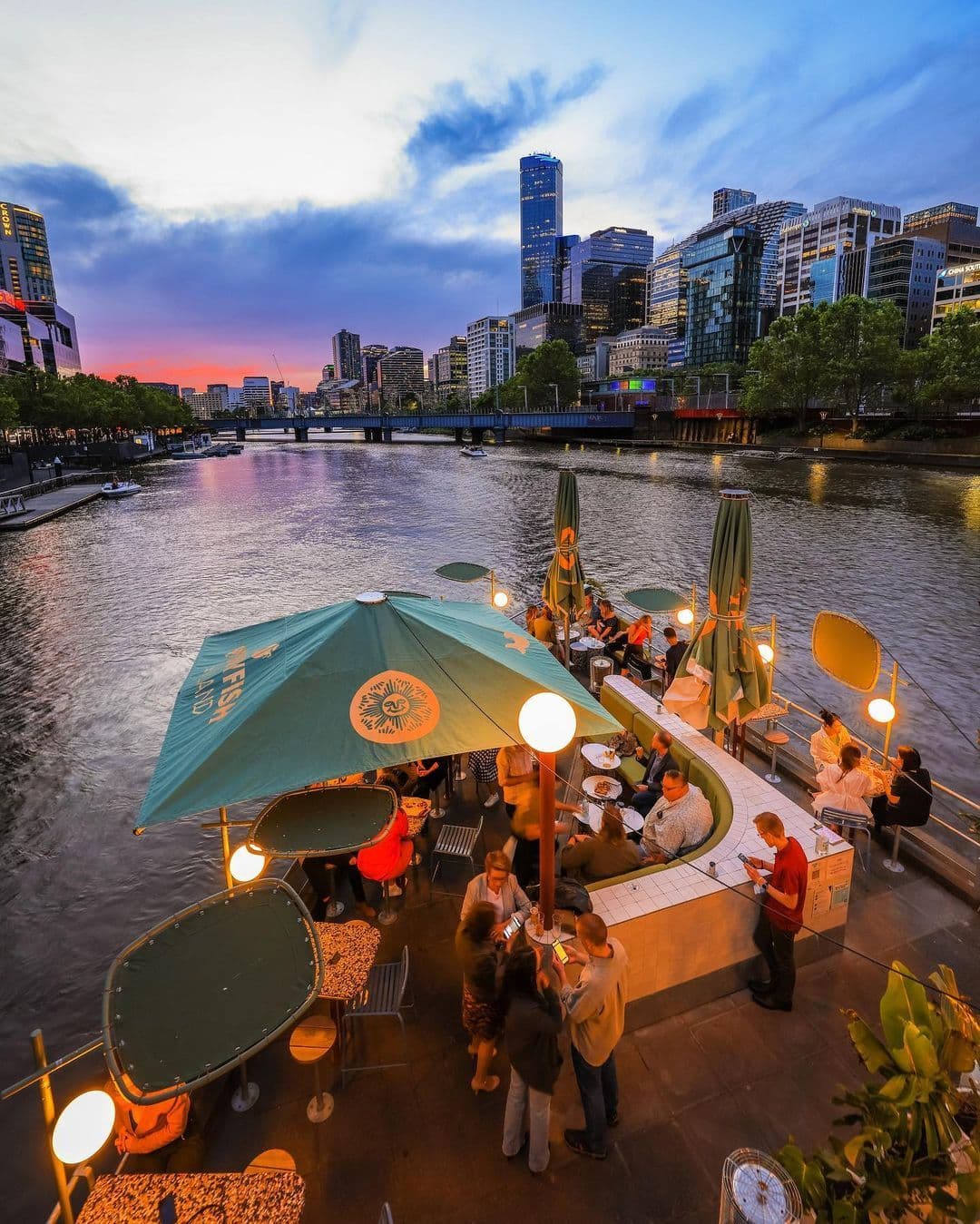
Melbourne
Australia's cultural capital with world-class coffee culture
Melbourne hits different than Sydney. Sure, Sydney's got the harbor and the Opera House, but Melbourne? Melbourne's got soul. This is where Australians come to eat, drink exceptional coffee, and lose themselves in laneways covered in street art that changes faster than the weather.
The city runs on caffeine and creativity. You'll find third-wave coffee roasters on every corner, restaurants that wouldn't look out of place in Paris or New York, and a music scene that's launched more bands than you can count. The weather's famously unpredictable — four seasons in one day isn't just a saying here, it's a lifestyle.
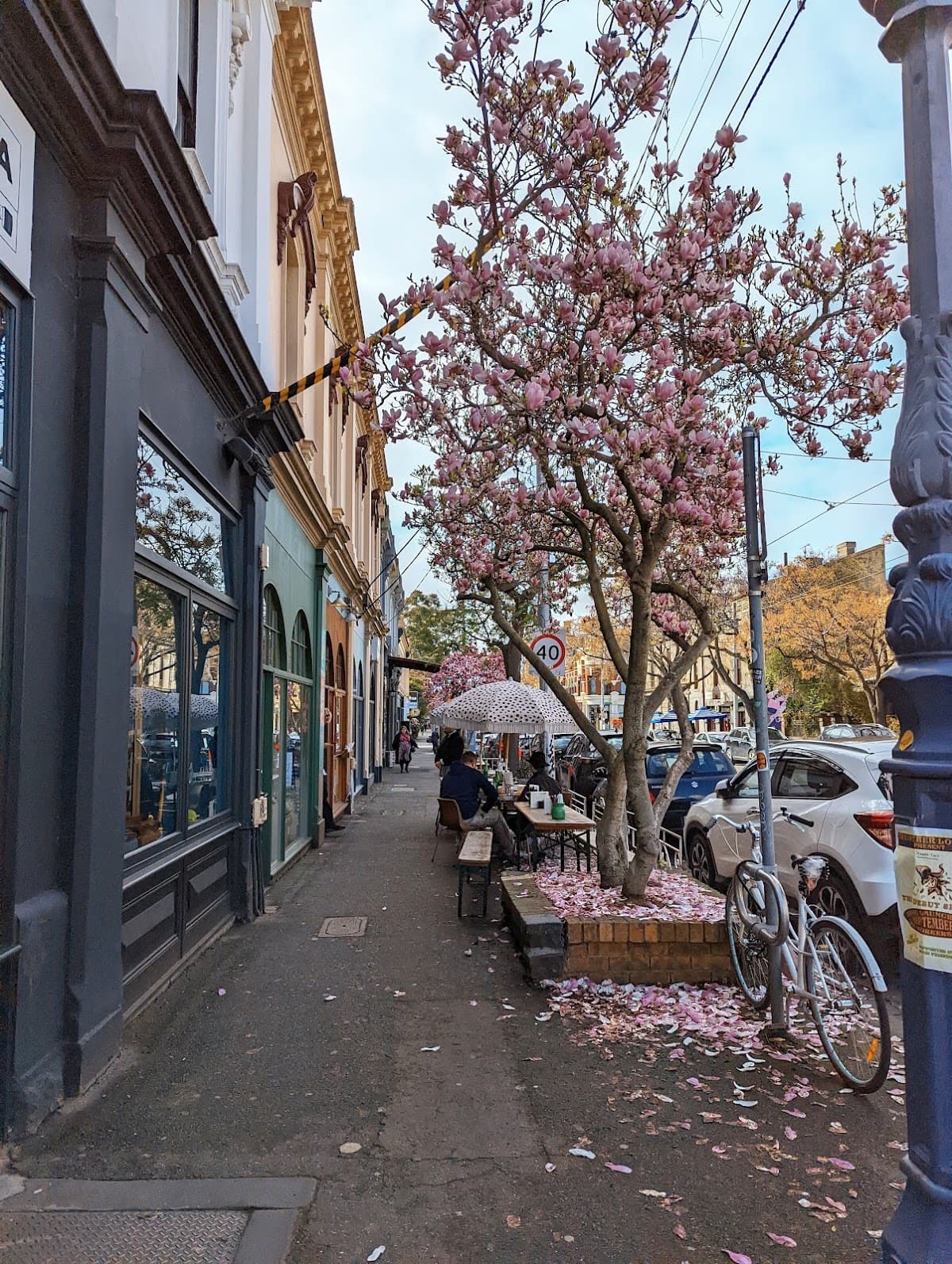
But here's what makes Melbourne special: it doesn't try too hard. The best experiences happen in converted warehouses in Fitzroy, down narrow laneways in the CBD, or in cramped bars that look like someone's living room. The city rewards curiosity over Instagram-perfect moments.
Best Months
MAR · APR · MAY · SEP · OCT · NOV
~20°C · moderate crowds
Culture & Context
COFFEE & FOOTY RELIGION
Melbourne takes coffee seriously — not as a quirk, but as a genuine civic religion. The flat white was perfected here, and ordering a bad one is practically a moral failing. The AFL (Australian Football League) is the other religion.
Locals call it 'footy' — not soccer, not rugby. During the season (March–September), the city reorganizes itself around match days. Look, you don't have to love it, but understanding that the MCG is basically a cathedral will help you read the room.
Melbourne is also Naarm, the traditional land of the Wurundjeri Woi-wurrung and Bunurong/Boon Wurrung peoples of the Kulin Nation — you'll hear this acknowledged at most public events, and it's treated with genuine respect rather than performative box-ticking. The city is one of the most multicultural in the world. Greek, Vietnamese, Chinese, Italian, Lebanese — the food map reflects decades of migration, and Melburnians are genuinely proud of it.
Tipping is not expected. Aussies tip when service is exceptional, not as a default. A 1.
5% card surcharge applies at many places though, so check before you tap.
Local Customs
FLAT WHITE PRECISION
Order your coffee correctly. A flat white is espresso with microfoam milk — not a latte, not a cappuccino. Baristas will not correct you, but they will silently judge you..
The tram has its own rule: when a tram stops at a stop WITHOUT a raised platform (a 'safety zone'), all traffic must stop. If you're driving, this is law. If you're a pedestrian, be aware cars should be stopped but watch anyway..
Australians use 'How ya going?' as a greeting, not a genuine inquiry into your wellbeing. 'Good thanks, you?
' is the appropriate autopilot response.. Don't try to fake the accent. It lands badly every time and locals hear it constantly from tourists..
BYO (Bring Your Own) restaurants exist legally in Melbourne — many spots let you bring your own wine for a small corkage fee of AUD 5–10. It's a genuinely good way to eat well for less.. Biosecurity at the airport is serious.
Don't pack fresh fruit, meat, or plant material in your luggage. They will find it, and the fine is not small.. Sunday surcharges on food and drinks are normal and legal — restaurants are required to display them on menus, but it still catches visitors by surprise at the bill..
AFL culture means you'll be asked 'who do you barrack for?' — 'barrack' means support. Picking a team (even randomly) earns you more goodwill than saying you don't follow footy.
Safety
WATCH YOUR PHONE
Melbourne is genuinely one of the safer large cities in the world. Day-to-day, most visits are completely trouble-free. That said, a few things are worth knowing.
Petty theft happens in crowded tourist areas — Federation Square, Queen Victoria Market, busy tram routes. Keep your phone out of your back pocket. Pickpocketing is nowhere near European capital levels but it's not zero either.
Late nights near the CBD bar district (especially around King Street) can get messy — alcohol-related aggression exists, same as any city. It doesn't typically involve tourists directly, but walking through it is unpleasant. Stick to well-lit streets after midnight.
The emergency number in Australia is 000 (not 911, not 999). Train stations have yellow-marked safety zones with emergency assistance buttons and CCTV — look for them at night. Transport inspectors on trams wear both uniforms and plain clothes.
The fine for not tapping on your Myki is AUD 243, and they do check. Melbourne's sun is genuinely dangerous — UV levels in summer can burn exposed skin in under 15 minutes. Sunscreen is not optional.
If you're taking day trips outside the city in summer (November–April), be bushfire-aware and check the Vic Emergency app. Australians drive on the left — pedestrians need to look right first when stepping off a kerb.
Getting Around
MYKI CARD REQUIRED
Melbourne runs on trams, trains, and buses, all using the Myki smartcard system. The Myki card costs AUD 6 (or pick one up at 7-Eleven, train stations, or the PTV Hub at Southern Cross). Top it up with credit and tap on before boarding — inspectors check regularly and the fine is AUD 243.
From June 2026 until January 2027, all public transport fares in Victoria are half-price. Anyone under 18 travels free with a Youth Myki (AUD 5). The Free Tram Zone covers the CBD grid and Docklands — within those boundaries, trams are completely free and you don't need to tap on at all.
The moment you leave that zone, you need a valid Myki. The daily cap for Zone 1+2 travel is AUD 10.60 — after that, you ride free for the rest of the day.
Weekly Zone 1+2 pass costs AUD 64. The City Circle Tram (historic W-class) runs a free loop of CBD landmarks every 12 minutes between 9:30am–5pm daily. It's slow but has audio commentary and gets you oriented fast.
Peak hours (7–9am, 4:30–6pm) make trams and trains genuinely unpleasant. Travel between 10am and 4pm if your schedule allows. A new airport rail link opened in 2026, connecting Melbourne Airport to the CBD for AUD 20.
80 — the best value for solo travelers. Groups might find rideshare cheaper. The PTV app and Google Maps both integrate real-time Myki transfer information.
Download one before you arrive.
Useful Phrases
Explore Neighborhoods
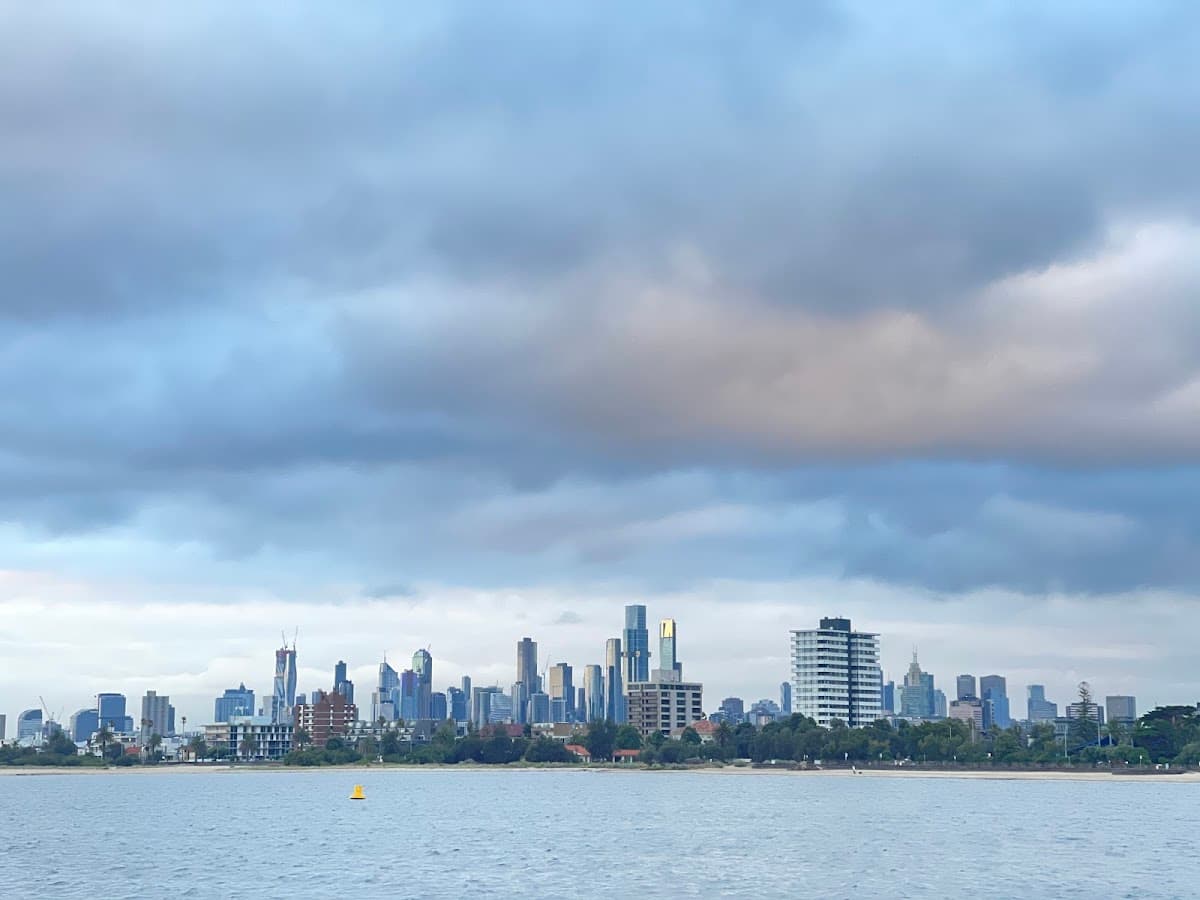
Explore the Region
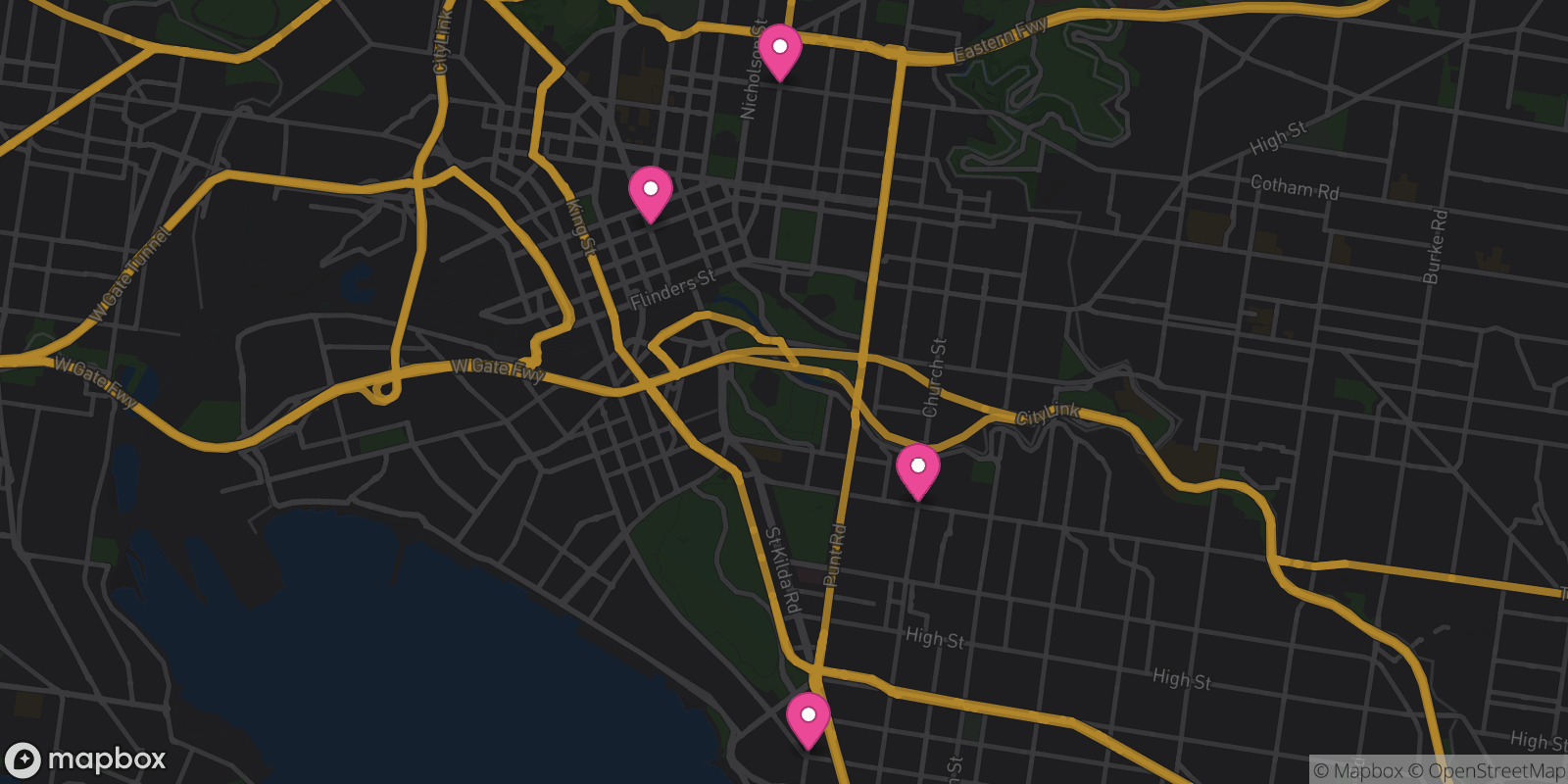
Melbourne Itineraries
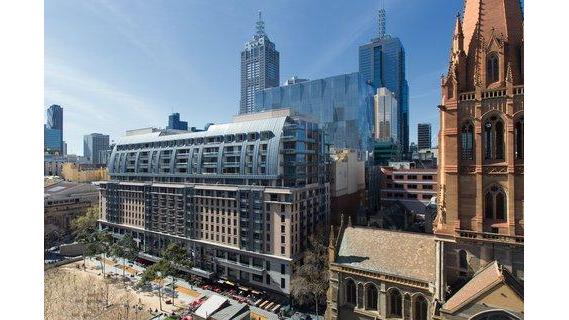
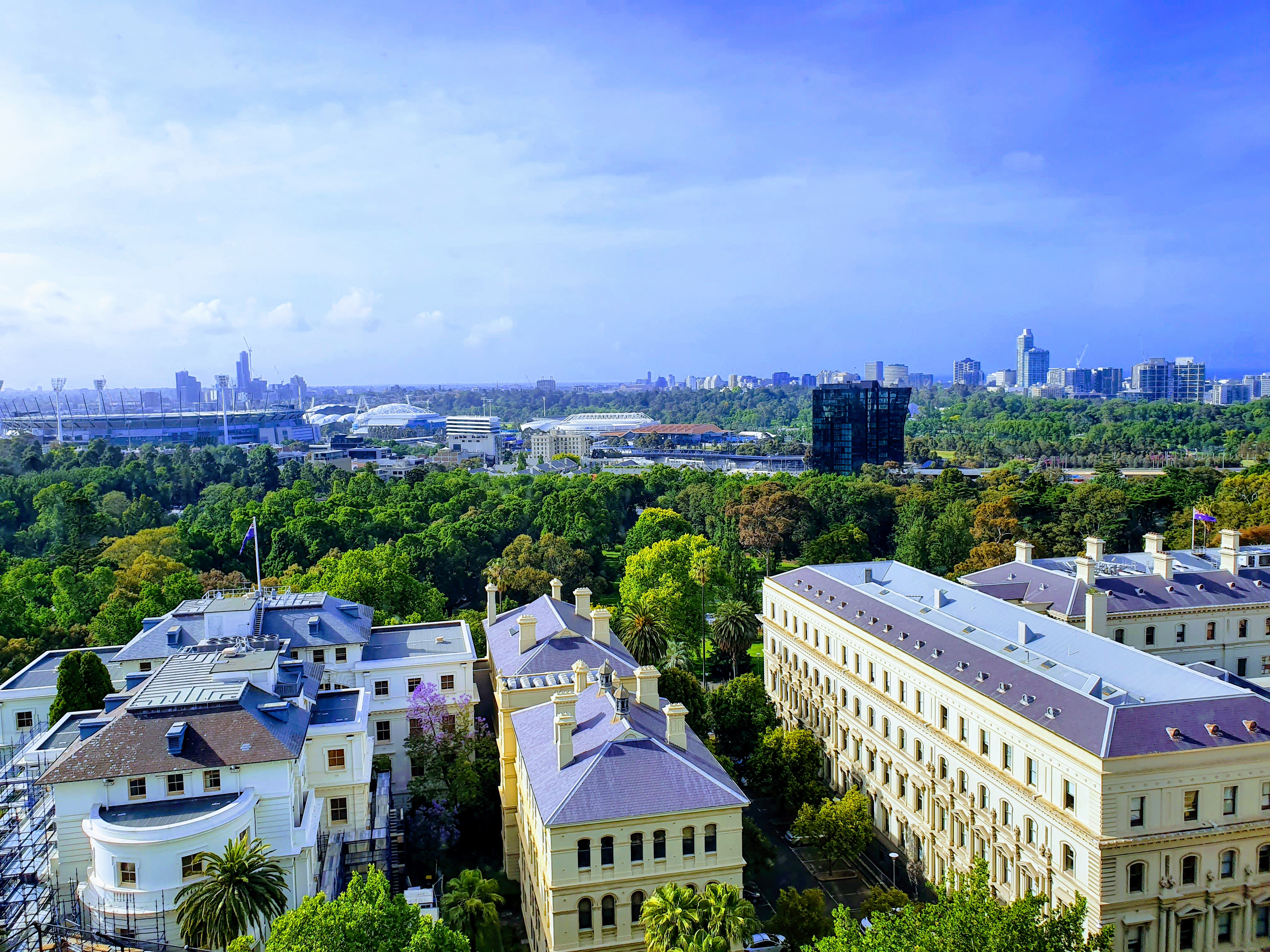
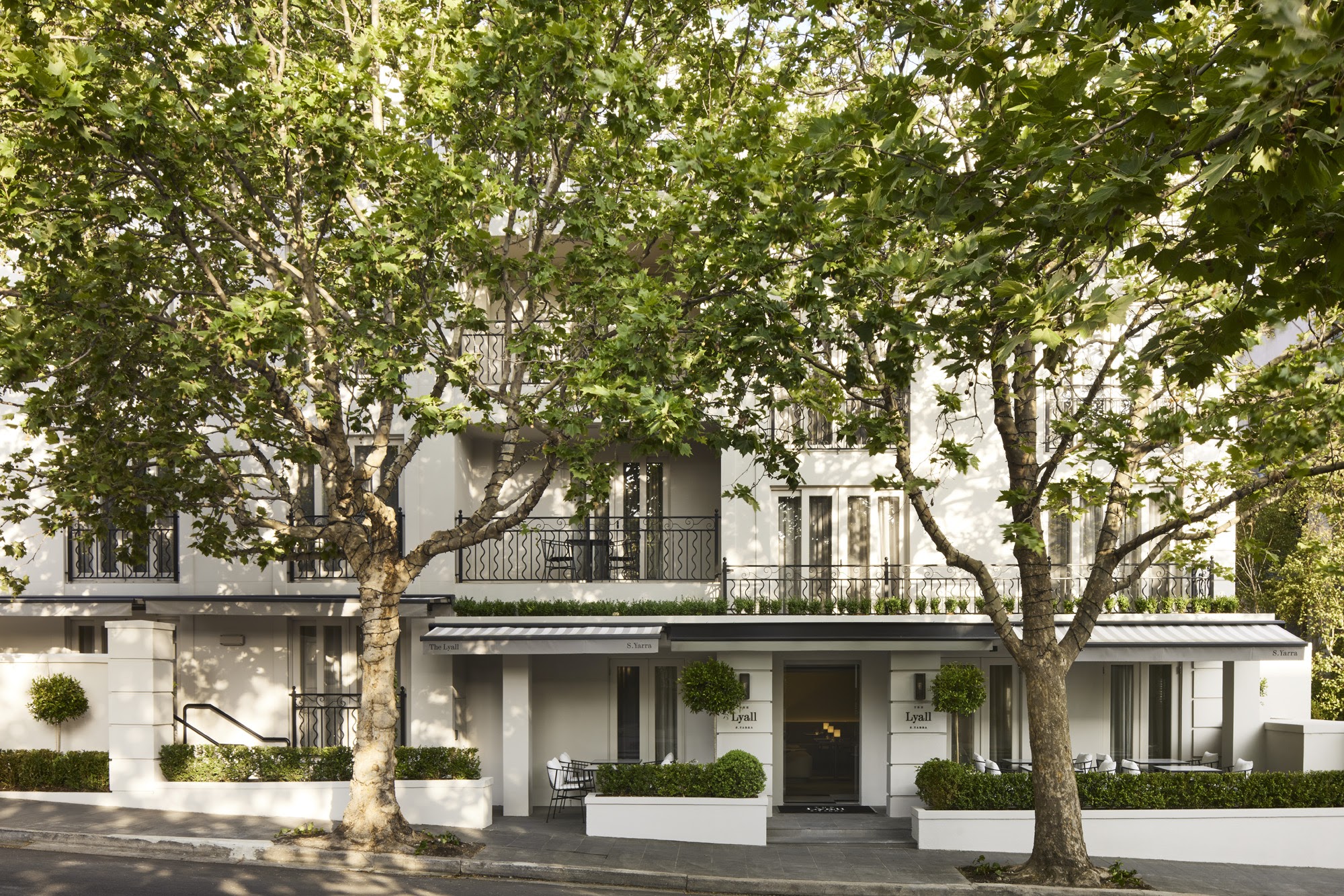
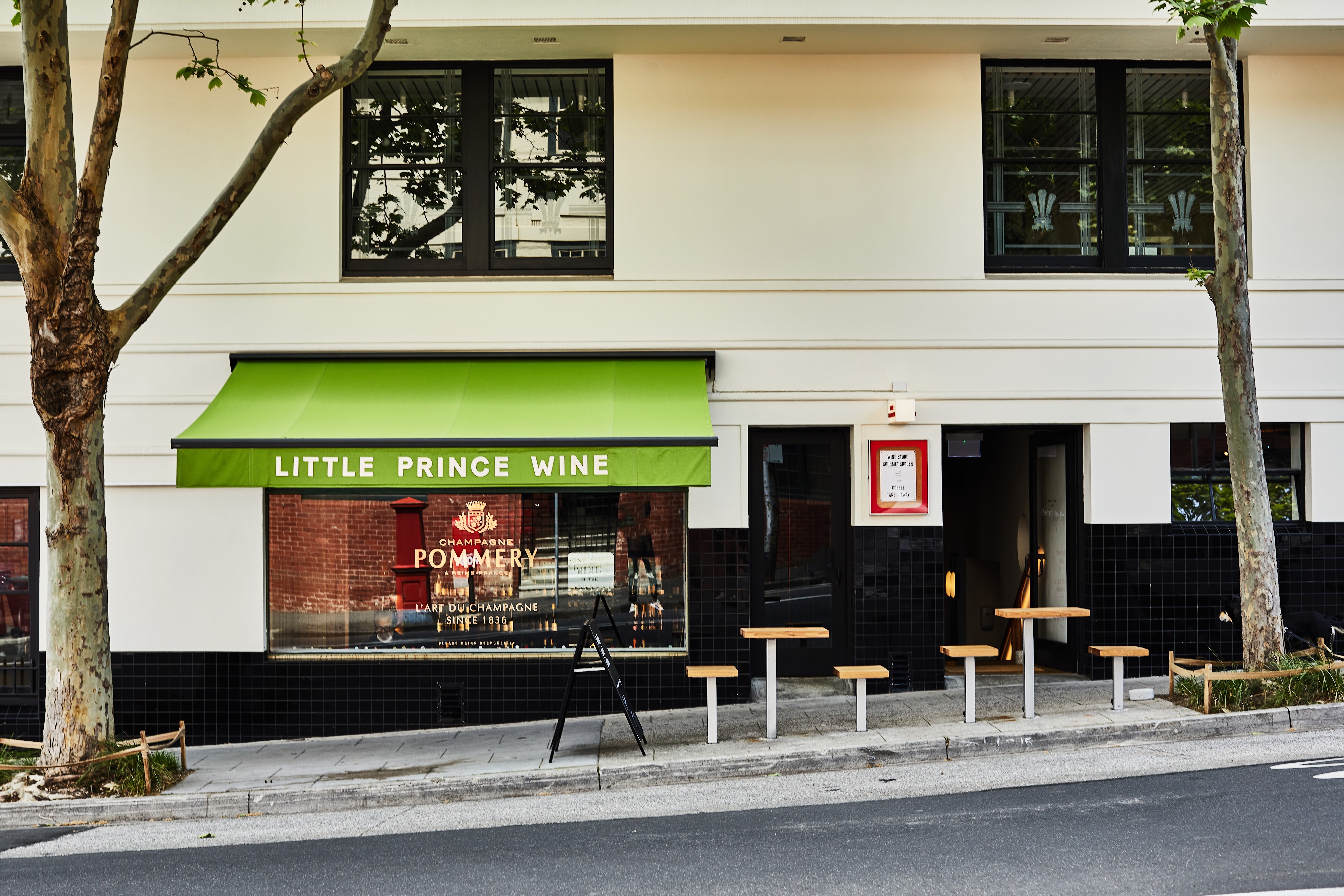
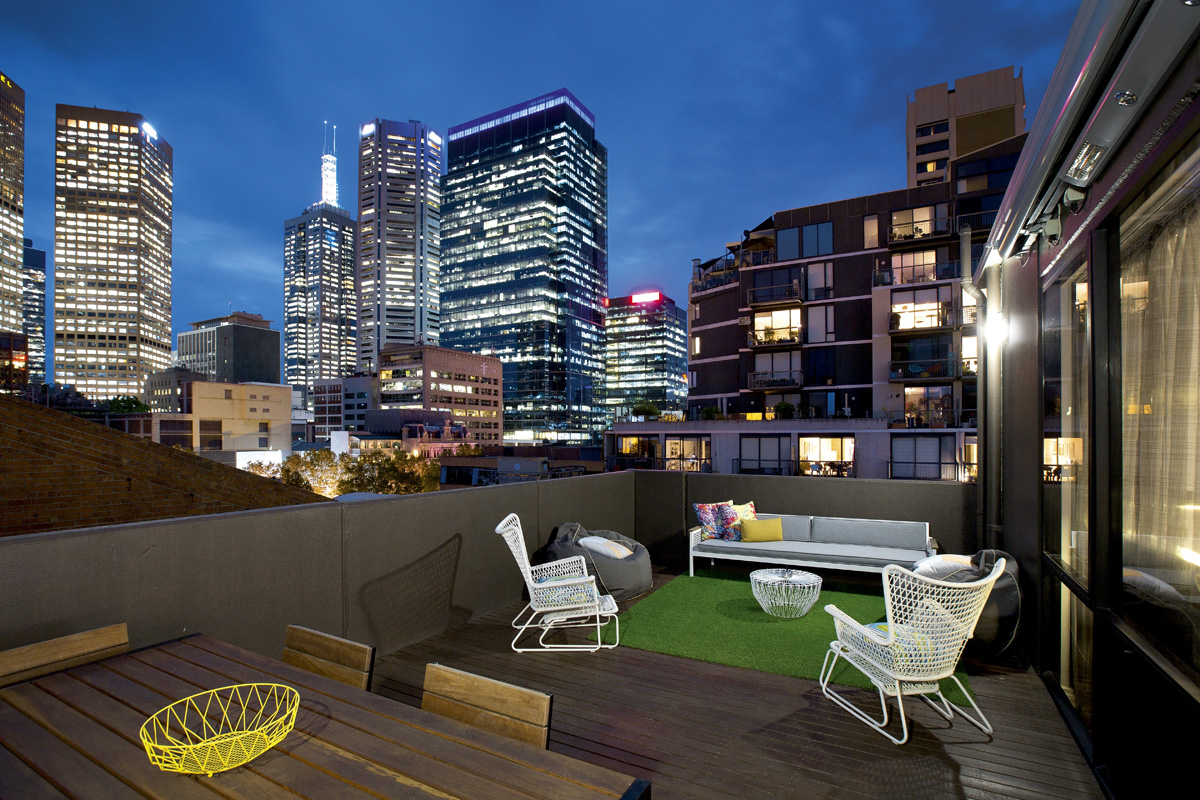
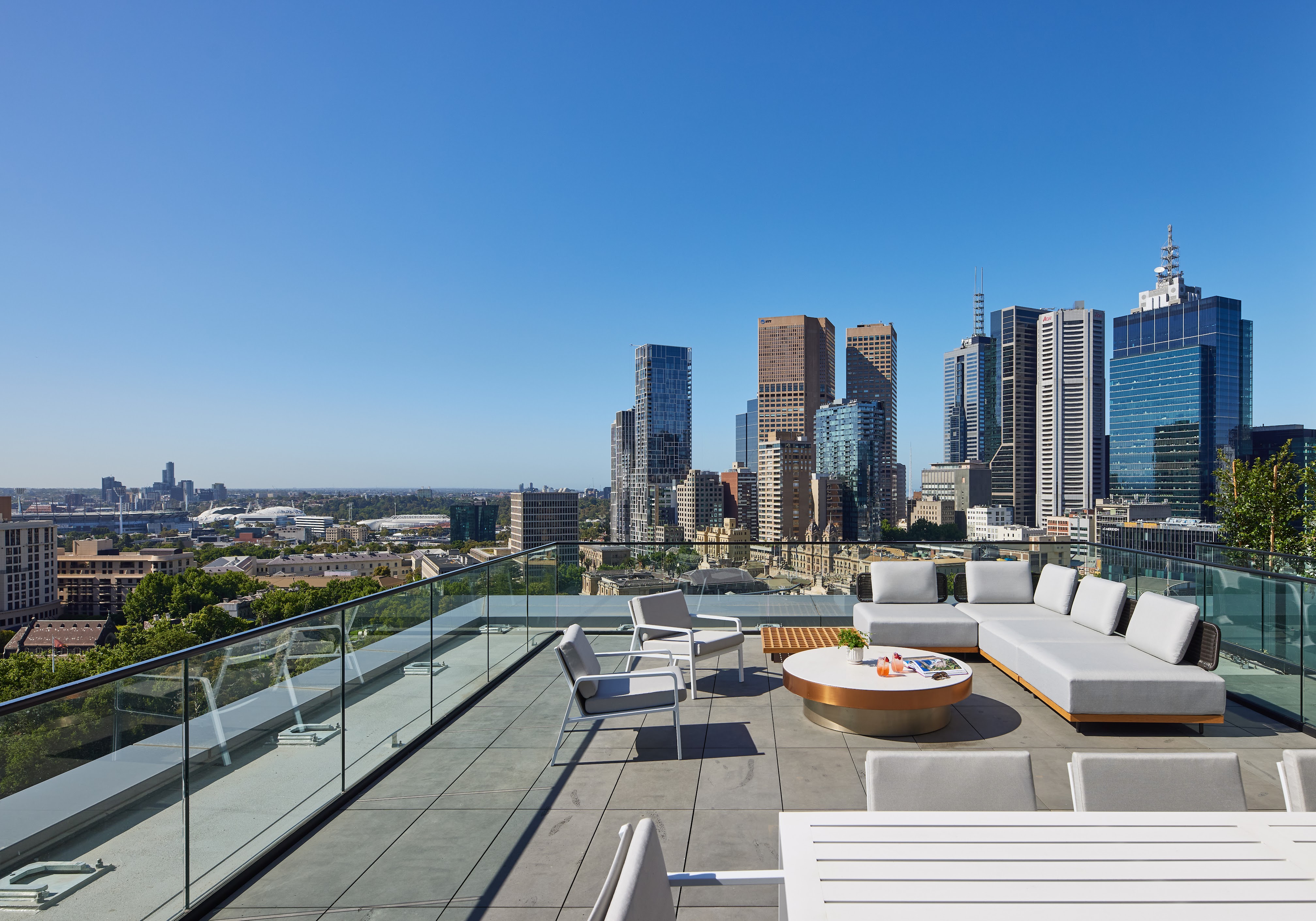
Where to Stay in Melbourne
9 recommended properties
Money-Saving Tips
- 1.Happy hour at most bars runs 4-6pm weekdays — cocktails drop from $20 to $12-15
- 2.Tram Zone 1 daily cap is $9.20, so unlimited city travel costs less than two Uber rides
- 3.Queen Victoria Market vendors slash prices in the last hour before closing (3pm Sunday, 2pm Saturday)
- 4.Many museums offer free entry to permanent collections — only special exhibitions charge admission
- 5.Lunch specials at top restaurants cost 40-50% less than dinner for the same quality
- 6.BYO wine restaurants charge $8-12 corkage but save you $30-50 per bottle on markup
- 7.City Circle Tram (Route 35) is completely free and hits most major attractions
- 8.Grocery shopping at Aldi saves 20-30% compared to Coles or Woolworths
- 9.Book accommodation Sunday-Wednesday for 25-40% lower rates than weekends
- 10.Street art tours in the laneways are often free — just tip your guide
Travel Tips
- •Download the PTV Mobile app for real-time tram and train updates — Melbourne's public transport runs on its own schedule
- •Always carry a light jacket, even in summer — Melbourne weather changes without warning
- •Book restaurants in advance, especially Thursday-Saturday nights — the good places fill up fast
- •Trams have priority over cars, but pedestrians don't — look both ways before crossing tram tracks
- •Most cafés stop serving food around 3pm, but coffee flows until closing time
- •The 'Melbourne Shuffle' isn't just a dance — it's how locals navigate crowded sidewalks during lunch rush
- •Free WiFi is available in Federation Square, State Library, and most shopping centers
- •Tipping isn't expected but 10% is appreciated for good restaurant service
- •Many bars don't take bookings — arrive early or prepare to wait, especially on weekends
- •The weather app lies — check the Bureau of Meteorology radar for accurate rain predictions