Tehran
Iran's sprawling capital blending ancient Persian heritage with modernity
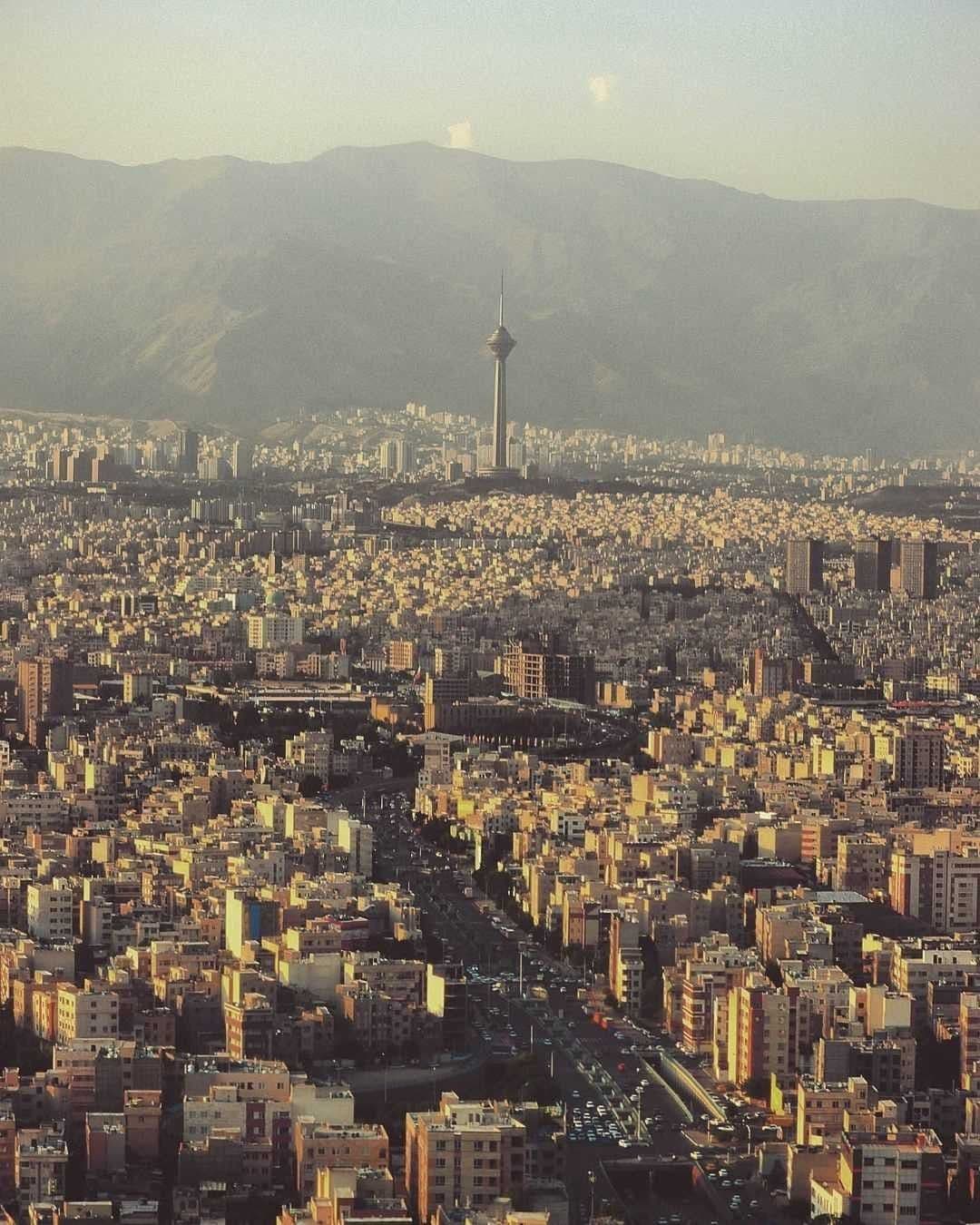
Tehran gets a bad rap, but here's what travel blogs won't tell you: this sprawling metropolis of 9 million people is one of the Middle East's most surprising cities. Sure, the traffic is legendary and the smog can be thick, but look past the chaos and you'll find incredible Persian carpets in the Grand Bazaar, world-class museums, and some of the warmest people you'll ever meet. The Alborz Mountains rise dramatically to the north, offering weekend escapes just an hour from downtown. And the food? Persian cuisine here puts every "Persian" restaurant back home to shame.
Best Months
APR · MAY · OCT · NOV
~23°C · moderate crowds
Culture & Context
MOUNTAINS, CHAOS, WARMTH
Tehran sits at the base of the Alborz Mountains and has around 9.6 million people within the city proper, with over 12 million passing through daily. It's Iran's political, economic, and cultural engine, and it wears that weight visibly: traffic that makes Bangkok look relaxed, air pollution that regularly obscures the mountain views, and a pace of life that never quite slows down.
But here's the thing — under all of that, the city has a genuine warmth. Locals are curious about foreigners in the best possible way. Strangers will invite you for tea.
Your taxi driver will want to talk politics and poetry in equal measure. Taarof, the elaborate Iranian system of politeness and ritual refusal, runs through every interaction. When someone says 'ghorbel nadare' ('it's nothing') about the taxi fare, you smile, thank them, and pay anyway.
When food is offered three times, you accept on the third. It's not confusion; it's culture. The north-south divide matters here too.
North Tehran (Tajrish, Elahieh, Niavaran) is cooler, more expensive, and more cosmopolitan. Head south toward the Grand Bazaar and you're in a different Tehran entirely — denser, louder, more traditional, and genuinely fascinating.
Local Customs
TAAROF POLITENESS PROTOCOL
Taarof is real and it runs deep. When a shopkeeper or taxi driver waves off your payment with 'ghorbel nadare,' they expect you to insist politely and pay. If you take the freebie at face value, you've created an awkward situation..
Remove your shoes before entering any home. This is non-negotiable and a sign of basic respect. Many religious sites also require it..
Greet people with 'Salâm' first. If meeting someone of the opposite gender, don't extend your hand first — wait to see if they offer theirs. Many conservative Iranians won't shake hands across genders; a hand over the heart is a warm alternative..
Say 'khaste nabashid' (don't be tired) when entering a shop, a taxi, or anywhere someone is working. Locals will love you for it.. During Ramadan, do not eat, drink, or smoke in public during daylight hours.
Even in Tehran's more liberal neighborhoods, this is a serious show of respect.. VPN setup is not optional — install it before you arrive because you won't be able to download apps inside Iran.. Carry cash.
All the time. International bank cards don't function in Iran at all due to sanctions. ATMs will not work for foreign cards..
The metro has separate carriages for women and men. Women can choose either the women-only section or the mixed section. Men must use the men's section..
When someone offers you tea or food three times, accept on the third. Refusing repeatedly past that point is genuinely impolite, not polite.. Photography of military sites, government buildings, and certain religious institutions is prohibited.
Don't assume anything official-looking is safe to photograph without checking.. Alcohol is prohibited publicly throughout Iran. The nightlife that exists happens privately.
Don't expect bars or nightclubs.
Safety
ACTIVE CONFLICT ZONE
STOP. Before anything else: as of May 2026, Tehran is in an active conflict zone. Israeli military strikes hit the city in June 2025 and March 2026.
The United States launched combat operations in Iran in early 2026. Iran's airspace was shut down entirely for an extended period, only partially reopening in April 2026. The U.
S. State Department has issued a Level 4: Do Not Travel warning — the highest level they issue. The UK Foreign Office has withdrawn its embassy staff from Iran and advises against all travel.
Canada's government advisory is 'Do Not Travel.' Australia's is the same. The Swiss Embassy's Foreign Interests Section in Tehran, which previously handled emergency U.
S. consular cases, is temporarily closed. There is currently no functioning U.
S. consular presence in Iran. If you are an American in Iran right now, the State Department is actively urging you to leave via Turkish land crossings (Gürbulak/Bazargan being the primary route) or any available commercial flight.
Even beyond the active conflict: U.S., UK, and Canadian passport holders face additional baseline risks including arbitrary detention, the requirement to travel only with a licensed government-approved guide, and Iran's non-recognition of dual nationality.
Foreigners have historically been targeted in Iran for petty crime including bag-snatching and scams involving people impersonating plainclothes police — never hand over documents or cash without seeing a uniformed officer and a marked vehicle. Pre-booked taxis are significantly safer than street hails. Do not attempt to drive yourself: Iranian traffic laws are treated as suggestions.
In rural areas, tap water is not safe to drink. Air pollution in Tehran is serious — check AQI before outdoor activities, particularly in summer and winter inversions. Always check your own government's travel advisory the day you read this.
The situation is evolving rapidly.
Getting Around
METRO & SNAP TAXIS
The Tehran Metro is your best friend for getting across this city without losing your mind to traffic. It's the largest metro system in the Middle East, with 7 active lines and 149 stations as of 2025. Line 1 (red) runs north-south from Tajrish all the way to Kahrizak — 29 stations, 36 kilometers.
Line 2 (dark blue) is the east-west workhorse and the busiest in the system. The metro operates 5:30 AM to 10:30 PM daily (slightly adjusted on Fridays). A single ride costs around 15,000-20,000 IRR (roughly $0.
03-0.05 USD). Buy a rechargeable smart card at any station booth for about 50,000 IRR — it works on metro and BRT buses and saves you queuing for tickets every time.
No ID required to purchase. Avoid peak hours (7-9 AM and 5-7 PM) if you want a seat. Station signs and announcements are in both Farsi and English, which makes it genuinely navigable even without language skills.
Women have access to women-only carriages at the front of trains; mixed carriages are also available. For taxis, use Snap (the Iranian equivalent of Uber) — it's app-based, has set prices, and removes the negotiation problem. Street taxis are of four types: darbast (private, you get the whole cab), shared, company-called, or Snap.
Stick to Snap or pre-booked cabs and avoid unmarked street hails, which have a higher risk of overcharging. Most street taxis don't have meters. Line 4 connects to Mehrabad domestic airport.
For Imam Khomeini International Airport (IKA), located 30 km southwest of the city, take a taxi or airport bus — there's no direct metro connection yet.
Useful Phrases
Tehran Itineraries
Things to Do in Tehran
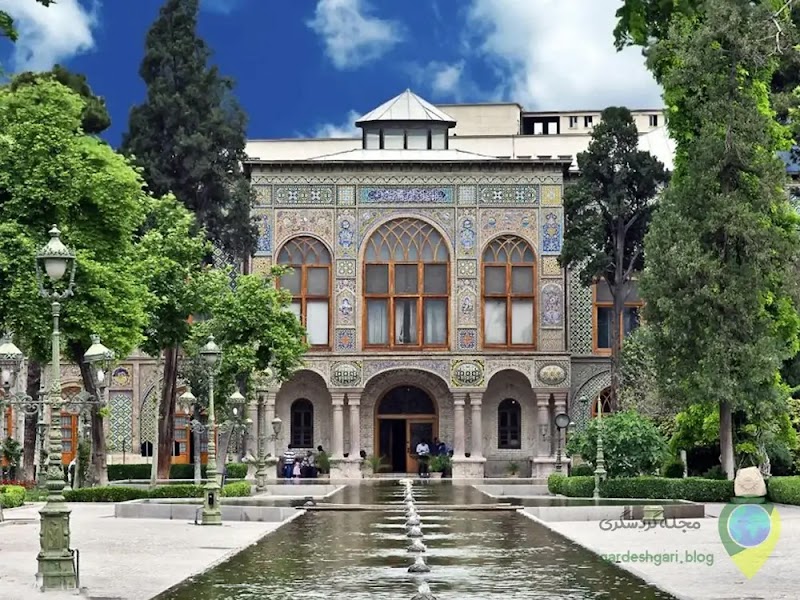
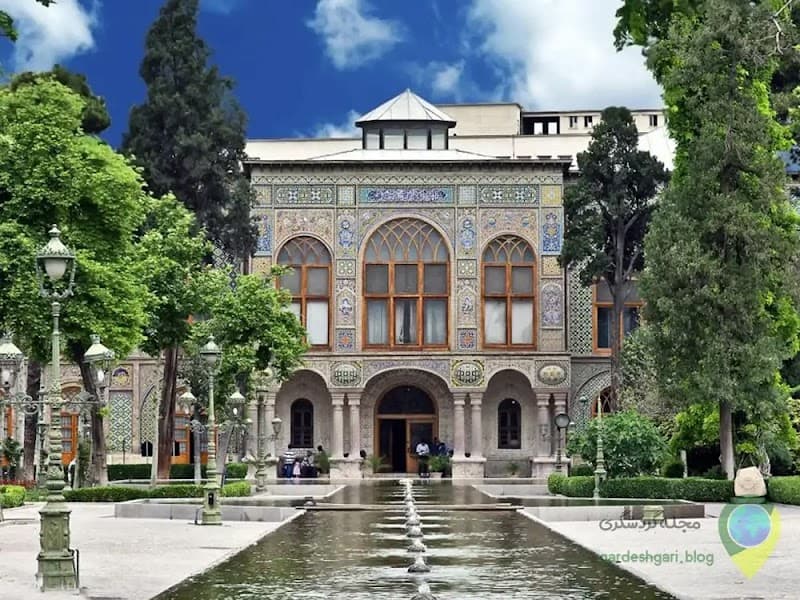
Golestan Palace
Downtown Tehran (Bazaar District) · 90 min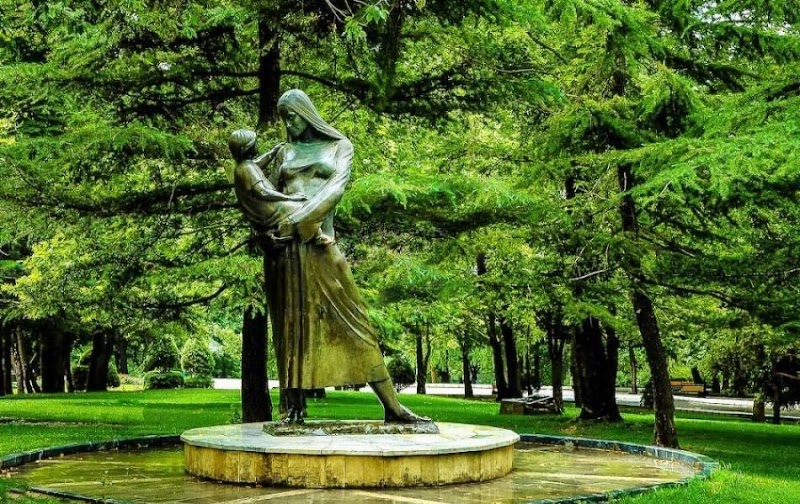
Mellat Park
Vanak/Shemiran District · 90 minMoney-Saving Tips
- 1.The Iranian rial has multiple exchange rates — bring US dollars or euros in cash and exchange at jewelry shops in the bazaar for the best rates
- 2.Credit cards don't work due to sanctions, so budget for an all-cash trip and bring more than you think you'll need
- 3.Tipping 10% at restaurants is standard, but round up taxi fares to the nearest comfortable amount
- 4.Museum entry fees are incredibly cheap for foreigners — usually under $2 USD even for major sites
- 5.Bargaining is expected in bazaars, start at half the asking price and work up from there
- 6.Public transportation costs almost nothing — a metro ride across the city costs about 10 cents USD
Travel Tips
- •Download offline maps before arriving — Google Maps works but internet can be spotty
- •Dress conservatively: long sleeves and pants for men, headscarf and loose clothing for women in public
- •Learn basic Persian greetings — locals appreciate the effort and it opens doors
- •Bring a VPN if you need access to social media, though many sites are blocked
- •Friday is the weekend day when many shops and offices close
- •Air pollution can be severe — consider bringing a face mask for bad air days
- •Tea culture is serious business — never refuse an offered glass, it's considered rude