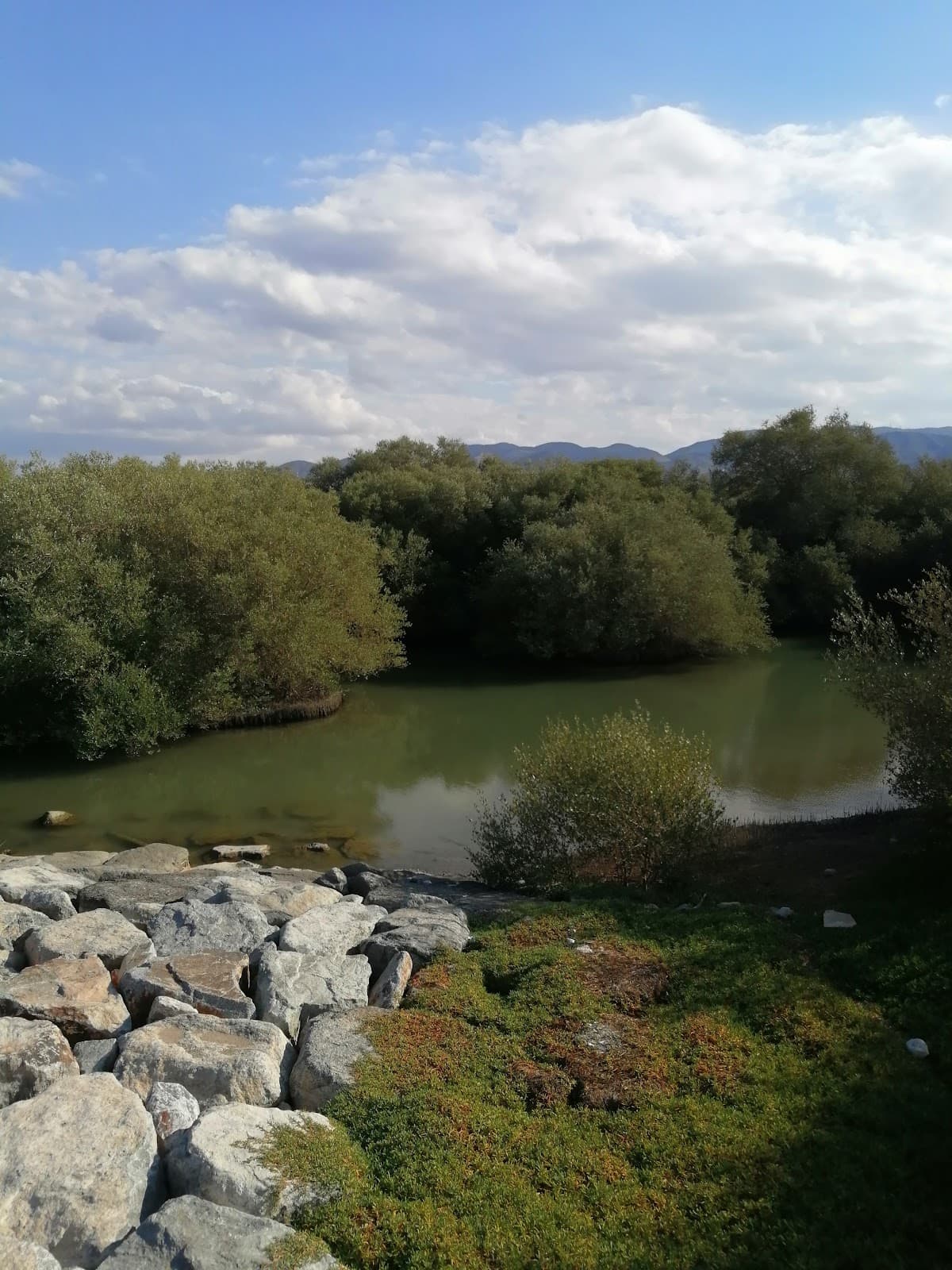
Muscat
Oman's elegant capital blending Arabian heritage with modernity
Muscat doesn't shout for attention like Dubai or try to wow you with glass towers. Instead, Oman's capital whispers its elegance through frankincense-scented souks, honey-colored forts perched on rocky outcrops, and a corniche that curves along impossibly blue waters. Here's a city that figured out how to grow up without losing its soul.
The Sultan Qaboos Grand Mosque rises from manicured gardens like something from Arabian Nights, while down in Mutrah Souk, vendors still haggle over silver khanjars and rose water just like their grandfathers did. But step into the Royal Opera House or the sleek cafes of Qurum, and you'll find a city that's thoroughly modern without being flashy about it.
Look, Muscat won't overwhelm you with choices. This isn't Bangkok or Istanbul. But that's exactly its charm. You can see the highlights in three days, eat incredible Omani food without breaking the bank, and actually relax instead of checking items off an endless list.
Best Months
JAN · FEB · MAR · APR · NOV · DEC
~30°C · peak crowds
Culture & Context
GROUNDED, NOT GLITZY
Muscat is not Dubai. The government made a conscious choice to keep the city low-rise and culturally grounded. No skyscrapers.
No glitzy excess. The result is a capital that still feels connected to its own identity. Portuguese forts built in the 16th century sit at the edge of the harbor, flanking Al Alam Palace.
The old trading port of Mutrah has been a working souk for centuries. And Omanis genuinely seem proud of all of it rather than in a rush to pave it over. That said, modernization is moving fast under Vision 2040.
The Oman Across the Ages Museum is the country's bold new cultural flagship, bridging centuries of maritime and desert history with bold architecture. Oman has also been notably more relaxed than its Gulf neighbors. Women don't need to wear abayas here (though dressing modestly is genuinely expected and respected).
Alcohol is served in hotel bars. Music plays at restaurants. The culture runs deep on respect: respect for elders, for guests, for the pace of a conversation.
Rushing is rude. Anger in public can actually get you into legal trouble.
Local Customs
RESPECT PACE & PROTOCOL
Greet with 'As-salamu alaykum' before anything else. Omanis take greetings seriously. Rushing past a hello is genuinely rude.
The response is 'Wa alaykum as-salam.'. Always use your right hand for giving, receiving, eating.
The left hand is considered unclean in Omani culture.. When meeting Omani men, a gentle handshake — not a firm Western power grip — is the norm. Often the right hand goes to the heart after.
For Omani women, wait for them to extend their hand first. Many will. Many won't.
Don't assume either way.. Dress modestly in all public spaces. Women should cover shoulders and knees at minimum.
Men: shorts above the knee draw side-eyes. At the Sultan Qaboos Grand Mosque, women must cover hair, arms, and legs fully. Mosque visiting hours for non-Muslims: 8am-11am daily..
Ask before photographing people, especially in the souk. The incense sellers and old men in dishdashas at Muttrah Souq don't owe you a portrait. Ask first.
The interaction that follows is usually more interesting than the photo anyway.. If invited to an Omani home, shoes come off at the door. Accept the coffee (qahwa) and dates.
If you've had enough coffee, tilt your cup from side to side — that signals 'I'm done' without being rude. Refusing food or drink is considered impolite.. Ramadan rules apply to everyone.
During daylight hours: no eating, drinking, smoking, or playing music in public. This is law, not just custom — non-Muslims included.. Anger in public and offensive gestures can result in formal complaints and legal proceedings under Omani law.
Keep your cool on the road, in traffic, everywhere. Especially on the road.. Drones require a permit via Oman's Serb Tourist Plan (Civil Aviation Authority).
Flying without one risks Article 144 of the Penal Code: six months to three years imprisonment and possible confiscation at customs.. Bargaining is normal and expected in souks. Start friendly, not aggressive.
It's meant to be a social exchange, not a battle.
Safety
VERY SAFE, GEOPOLITICS WATCH
Muscat and Oman generally have extremely low crime rates, and solo travelers including women consistently rate it as one of the safest destinations in the Middle East. Omanis are polite and deferential. Petty crime is rare.
Public harassment is uncommon, though solo female travelers may feel conspicuous in less touristy areas — not unsafe, just noticed. Important caveat for 2026: In March 2026, the U.S.
State Department issued a Level 2 advisory (Reconsider Travel) for Oman following the onset of U.S.-Iran hostilities on February 28, 2026, citing risk of drone and missile attacks and significant disruptions to commercial flights.
Non-emergency U.S. government staff were ordered to depart.
This is a geopolitical situation tied to regional conflict — not domestic Omani crime or unrest. Check your government's current travel advisory before booking, as this situation is evolving. On the ground practicalities: keep cool in traffic (road rage gestures are illegal).
Photograph nothing that looks like a government or military building. Drones without permits are confiscated and the penalties are serious. Stay hydrated — summer heat in Muscat regularly tops 40°C and is genuinely dangerous for outdoor activity.
Getting Around
TAXIS & CAR RENTAL
Muscat doesn't have a metro yet (plans exist but are still at the study stage). Car is king here, and the city's 60km sprawl means you'll feel that every day. Your main options: Taxi apps — Download Yango (cheapest, dynamic pricing, works well in Muscat), OTaxi (slightly pricier but works in more remote areas), or Marhaba.
Uber and Careem are not available in Oman. Street taxis are orange and white; some are metered, some aren't. If unmetered, negotiate the price before you get in.
Short city trips run 2-4 OMR. Airport transfers cost 10-20 OMR depending on destination. Bus — Mwasalat runs the city network.
Fares are 200-500 baisa, paid in cash to the driver. Bus Line 8 connects the airport to Al Khuwair for 1 OMR. The A1 line connects the airport to Ruwi bus station in about 45 minutes.
Routes are limited though — once you get off, you may still have a long walk. Car rental — Available 24/7 at the airport arrivals hall from global companies (Sixt, Hertz, Europcar). Economy cars start at 20-30 OMR/day.
Minimum age is typically 21 (sometimes 25). All road signs are bilingual English/Arabic. Speed cameras line highways constantly — do not speed.
If you're heading into the mountains or desert, ask whether your rental insurance covers off-road use before you sign anything. Big Bus — Between November and March, a Big Bus circular route runs around Old Muscat departing from outside Muttrah Souq. Non-cruise ship days: departs at 10am and 3pm.
Takes about 1 hour 45 minutes. Not hop-on/hop-off on non-cruise days.
Useful Phrases
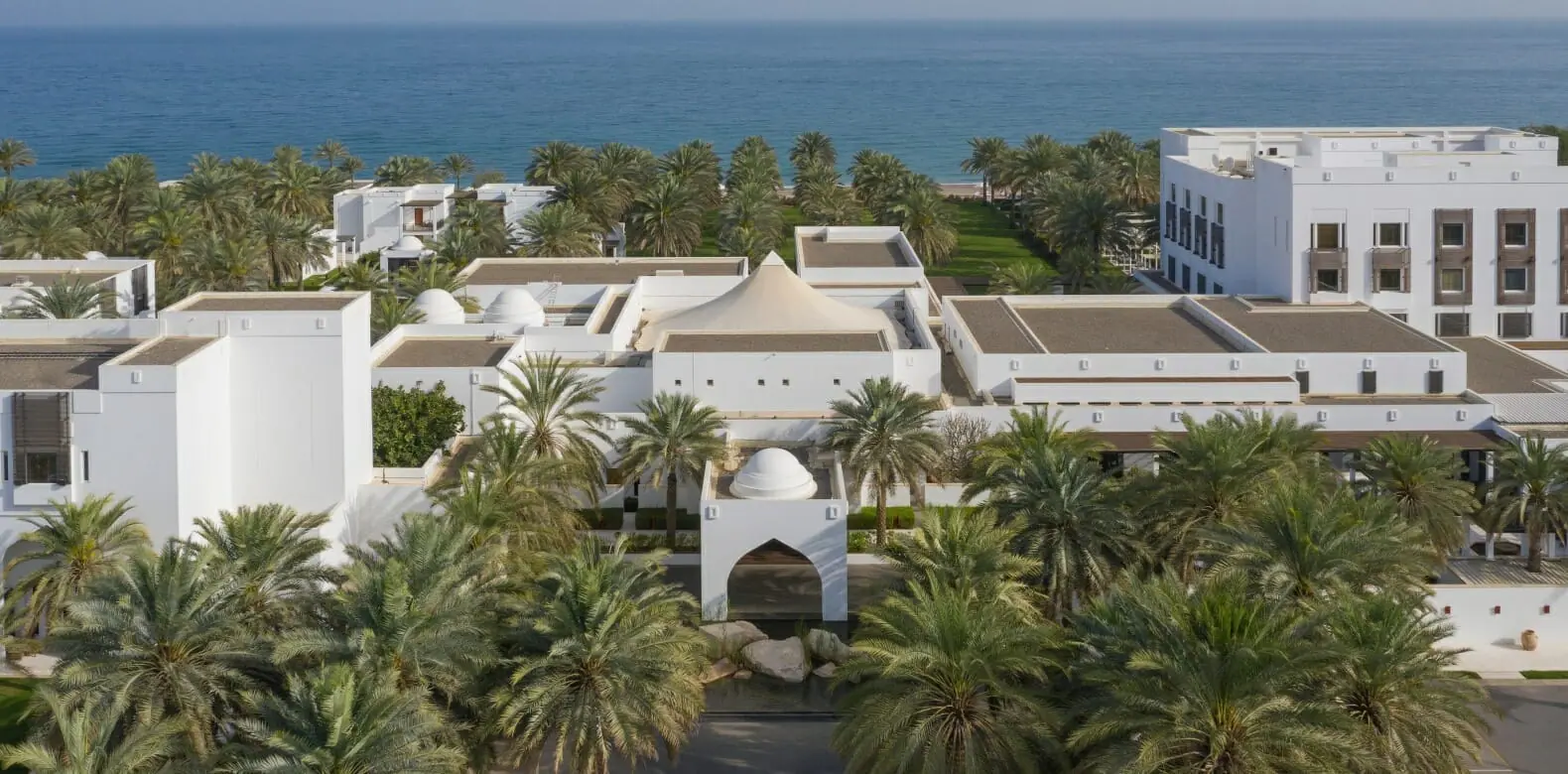
Where to Stay in Muscat
2 recommended properties
Money-Saving Tips
- 1.Haggle in Mutrah Souk but not in modern shops - vendors expect negotiation on handicrafts and spices
- 2.Fill up your rental car whenever possible - gas costs less than 0.5 OMR per liter
- 3.Eat at local restaurants away from hotels to cut food costs by 60-70%
- 4.Many attractions like forts and beaches are free or charge minimal entrance fees
- 5.Shop for gold and silver in the souk - prices are competitive and quality is high
- 6.Book hotels directly rather than through booking sites to avoid extra fees
- 7.Use OTaxi app instead of street taxis to get fair, upfront pricing
Travel Tips
- •Download offline maps before exploring - cell coverage can be spotty in mountains and deserts
- •Dress conservatively especially when visiting mosques - cover shoulders and knees
- •Carry cash as many smaller restaurants and shops don't accept cards
- •Learn basic Arabic greetings - Omanis appreciate the effort and are very welcoming
- •Book desert camp stays in advance during peak season (December-February)
- •Rent a 4WD if planning mountain or desert day trips - regular cars can't handle the terrain
- •Bring reef-safe sunscreen for beach and snorkeling activities
- •Visit the fish market early morning (5-7 AM) to see the daily catch and avoid crowds