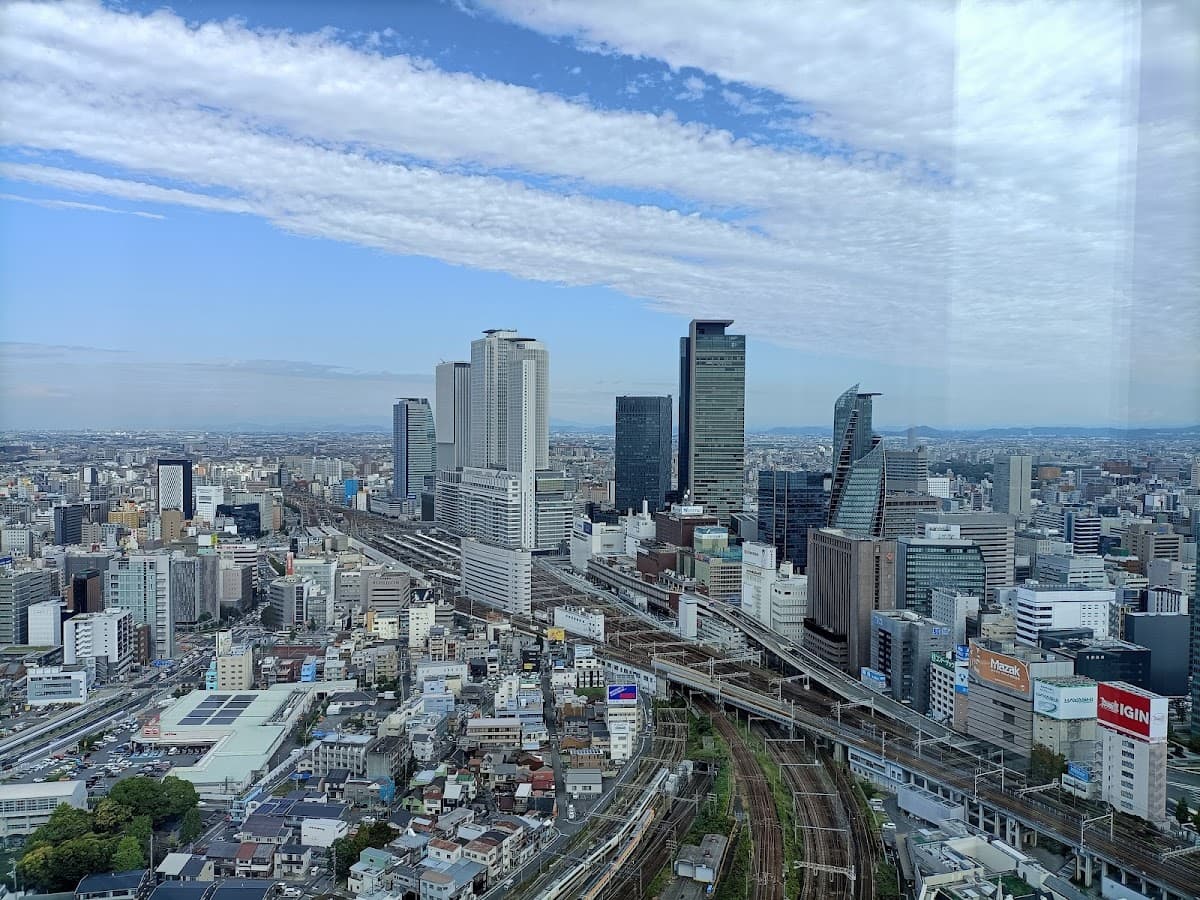
Nagoya
Japan's industrial heart with castle charm and culinary surprises
Most travelers skip Nagoya for Tokyo and Kyoto. Their loss. Japan's fourth-largest city sits quietly between the tourist magnets, serving up some of the country's best food, a reconstructed castle that actually tells its story well, and the kind of authentic urban experience that's getting harder to find. This is where Toyota was born, where miso katsu rules the dinner table, and where you can explore a major Japanese city without fighting crowds at every temple gate.
Best Months
MAR · APR · MAY · SEP · OCT · NOV
~21°C · high crowds
Culture & Context
PRACTICAL INDUSTRIAL PRIDE
Nagoya sits squarely between Tokyo and Osaka — literally and culturally. It's Japan's fourth-largest city, home to around 2.3 million people, and it's the industrial backbone of the country.
Toyota is basically next door. That corporate, manufacturing DNA shapes the city: practical, proud, and not particularly concerned with being Instagram-famous. Locals here have a quiet confidence about their city.
They know Tokyo gets the hype and Osaka gets the laughs, but Nagoya just gets on with it. The city has its own distinct food culture called Nagoya Meshi — think miso katsu, hitsumabushi eel on rice, tebasaki chicken wings, thick kishimen flat noodles, and the genuinely strange ankake spaghetti (thick, starchy, spiced pasta sauce that shouldn't work but somehow does). These aren't fusion experiments; they're deeply local and locals take them seriously.
The castle town heritage is real too. Tokugawa Ieyasu reshaped Nagoya into a castle town in 1610, and you can still feel that layering of old and new across neighborhoods like Osu and Shikemichi. Tipping is not a thing anywhere in Japan — leave money on the table and staff will chase you down thinking you forgot it.
Bowing is the standard greeting. A respectful nod works fine for tourists; nobody expects you to nail the angle.
Local Customs
NO TIPPING, SLURP NOODLES
No tipping — anywhere, ever. Leaving money on the table makes staff uncomfortable and they will actually follow you out to return it.. Say 'itadakimasu' (ee-tah-DAH-kee-mass) before eating — it's a show of gratitude for the meal.
Skip it and nobody will yell at you, but locals notice.. Say 'gochisousama deshita' after finishing a meal at a restaurant — roughly 'thank you for the feast.' Staff genuinely appreciate it..
At shrines, rinse your hands at the chozuya (water basin) before approaching the main hall. Drop a coin in the offering box, bow twice, clap twice, then pray or just stand quietly for a moment.. Keep your phone on silent on the subway.
No speakerphone calls. Talking loudly is considered rude on public transport.. When paying at a shop or restaurant, put your cash on the small tray at the register — don't hand it directly to the cashier..
Eating while walking is technically frowned upon, though it's more relaxed around Osu's shopping arcade where street food is sold specifically for that purpose. Read the room.. Don't stick chopsticks upright in rice — that's a funeral ritual reference.
Rest them on the chopstick holder or across your bowl when not in use.. Slurping noodles is fine — expected, even. It's not rude; it cools the noodles and signals appreciation..
At escalators in Nagoya (central Japan area), stand on the left and leave the right side open for people in a hurry — though signs at some stations now ask everyone to stand on both sides.
Safety
VERY SAFE, STAY AWARE
Nagoya is very safe by any metric. Street crime targeting tourists is rare to the point of being a non-issue. The usual Japan travel caveats apply: watch your belongings on crowded trains, keep some cash on hand since smaller local restaurants and some shrines don't accept cards, and carry a portable battery pack because finding public charging spots outside hotels is difficult.
Earthquakes are a genuine consideration in central Japan — familiarize yourself with your hotel's emergency procedures. The summer heat (July–August) is genuinely intense with high humidity; heatstroke is a real risk during festival season, so carry water and take breaks in air-conditioned spaces. The city is well-lit and public transport runs reliably late, making solo travel and late evenings out comfortable.
LGBTQ+ travelers should note that while Japan is generally tolerant, open displays of affection in public attract attention and Nagoya is more conservative in this regard than Tokyo or Osaka.
Getting Around
SUBWAY & IC CARDS
Six subway lines cover the city well and everything is labeled in English and Japanese. The Higashiyama Line (yellow) is the one you'll use most — it links Nagoya Station to Sakae directly and continues east. The Meijo Line (purple) is Japan's first fully circular subway line, which makes it easy to loop around major hubs like Sakae, Kanayama, and the castle area without backtracking.
Single fares run ¥210–¥340 depending on zones. Buy a Manaca or TOICA IC card at the airport or any station vending machine (English menus available) and just tap in and out — no fumbling with paper tickets. If you arrive with a Suica or Pasmo from Tokyo, those work here too.
For day-tripping: the 24-Hour Subway Pass costs ¥760 and is good for exactly 24 hours from first use. On weekends, national holidays, and the 8th of every month, the Donichi Eco Kippu covers all subways AND city buses (including the Meguru sightseeing loop bus) for just ¥600. The Meguru loop bus is useful for hitting the castle, Toyota Museum, Noritake Garden, and Tokugawa Art Museum in sequence without transferring subway lines.
For the port area and Legoland, take the Aonami Line from Nagoya Station — 24 minutes to Kinjo-Futo for ¥350. Getting to Nagoya from Tokyo by Shinkansen takes about 1 hour 40 minutes. From Osaka, about 50 minutes.
Chubu Centrair International Airport connects to Nagoya Station via Meitetsu in about 28 minutes.
Useful Phrases
Nagoya Itineraries
View all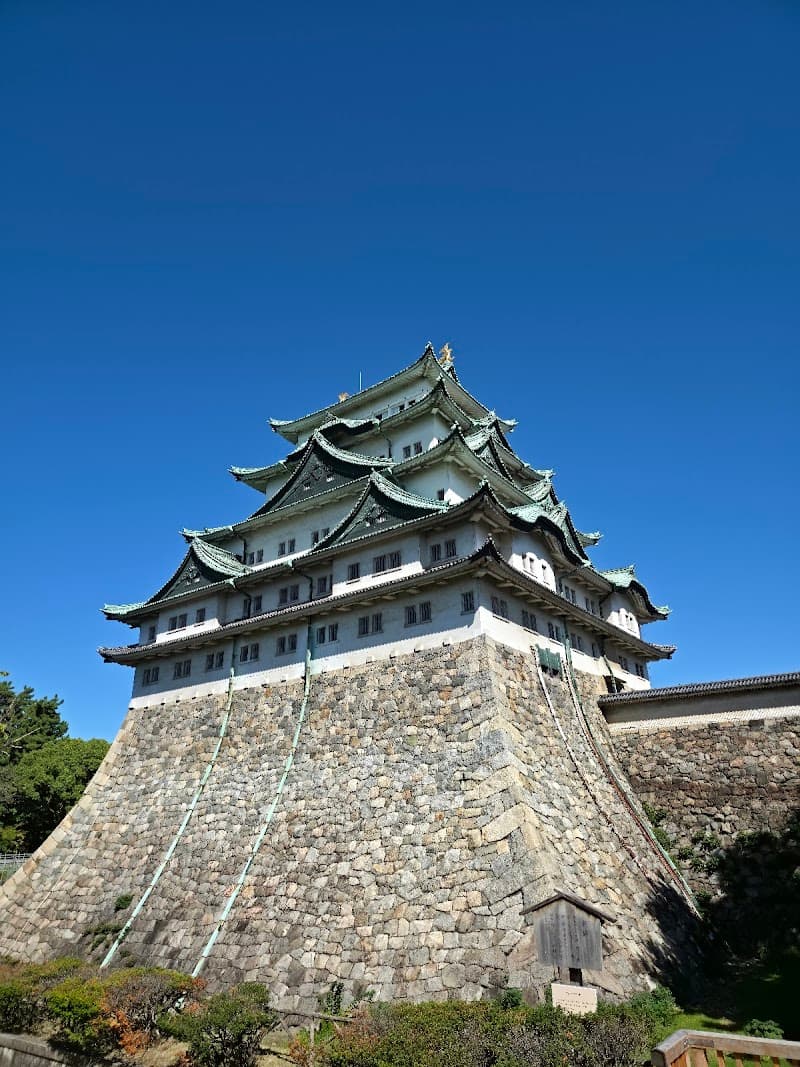
Wild Nagoya: Castles, Forest Temples & Hidden Alleys
Week · $$$
Nagoya Jungle Wild Weekend: Castles, Canals, and Green Escapes
Weekend · $$$

7 Romantic Jungle-Wild Days in Nagoya
Week · $$$

Nagoya for Two: Castles, Gardens, and Easy Romance
Weekend · $$$
Nagoya with Kids: Castles, Forest Shrines & Hidden Alleys
Week · $$$
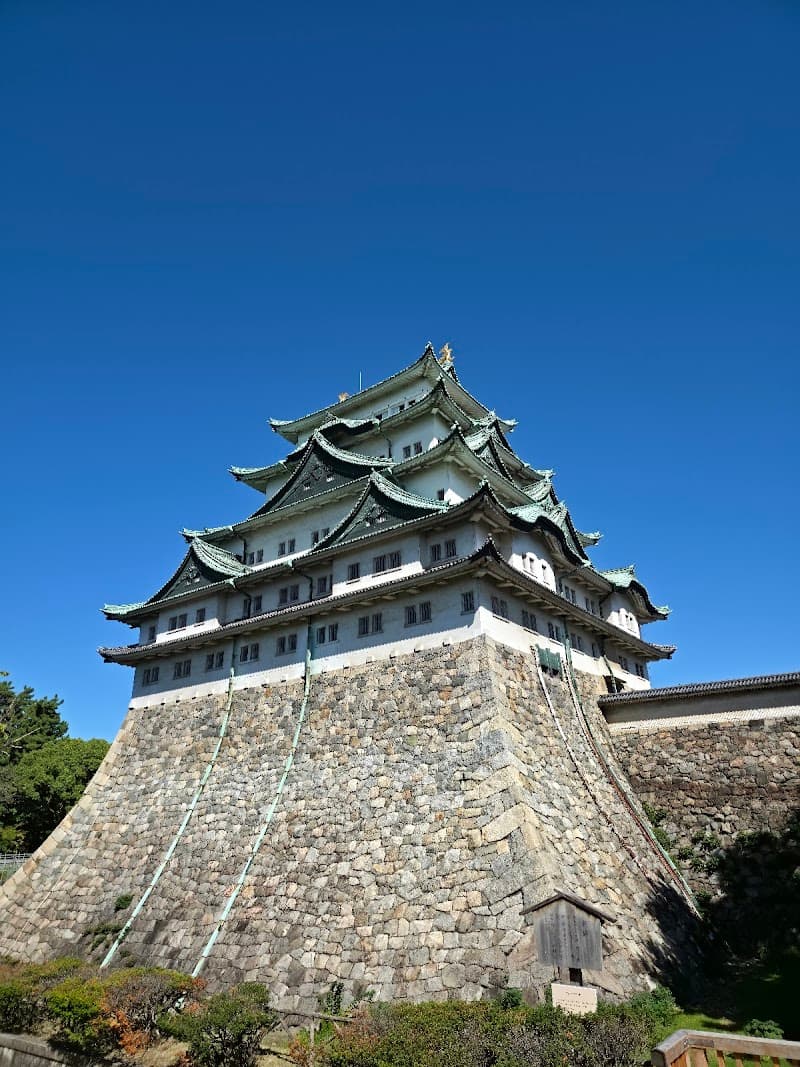
Nagoya Jungle Weekend: Castles, Culture, and Hands-On Family Fun
Weekend · $$$
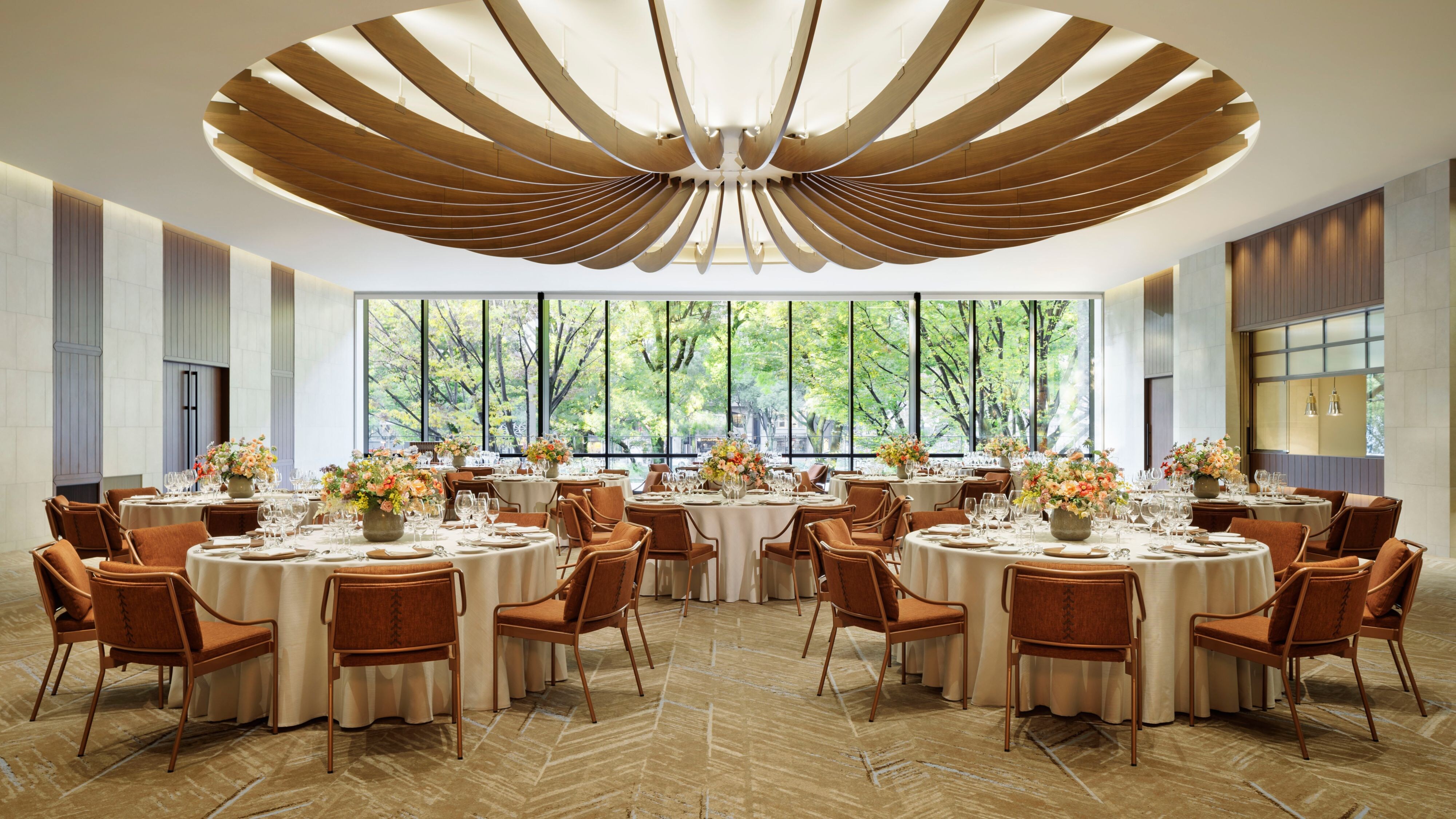
Where to Stay in Nagoya
2 recommended properties
Things to Do in Nagoya
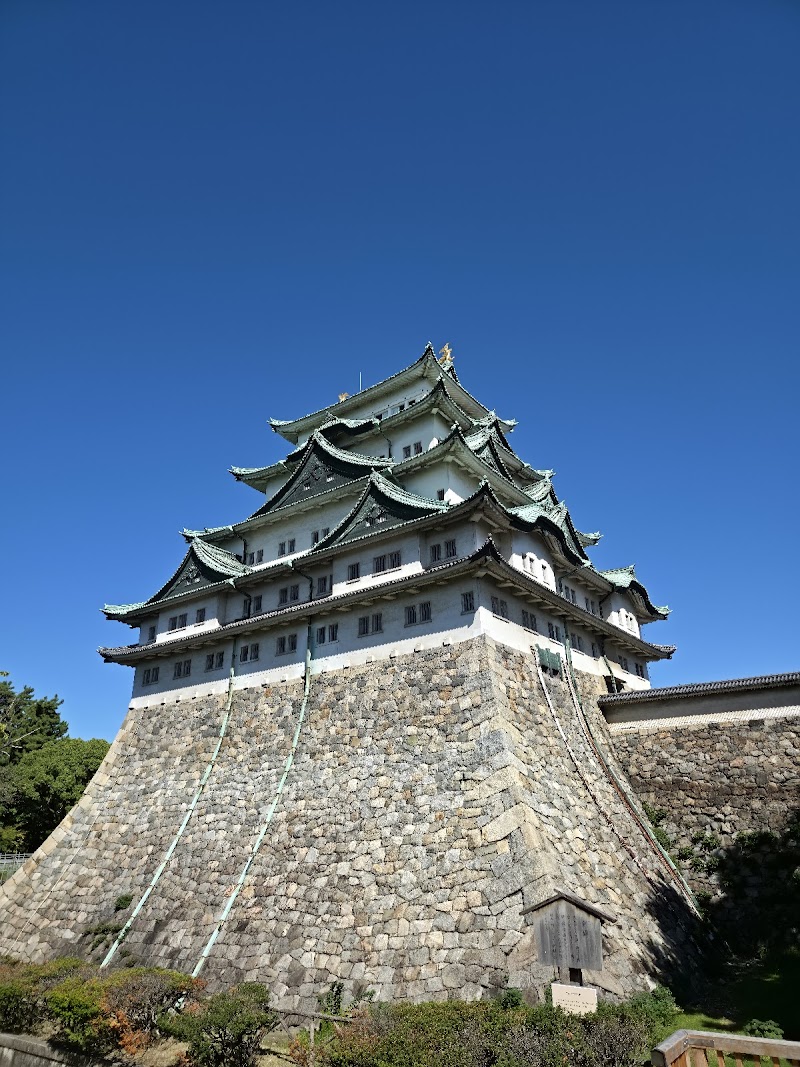
Nagoya Castle & Hommaru Garden
Sannomaru · 120 min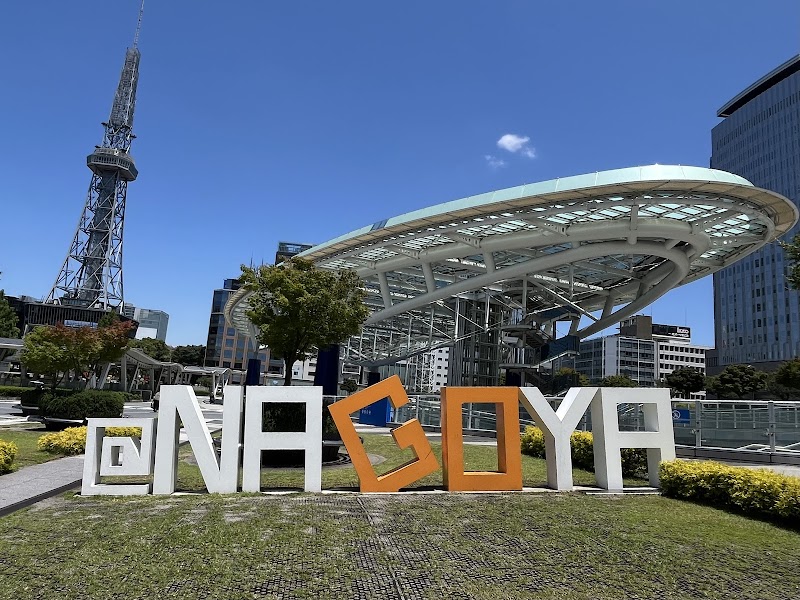
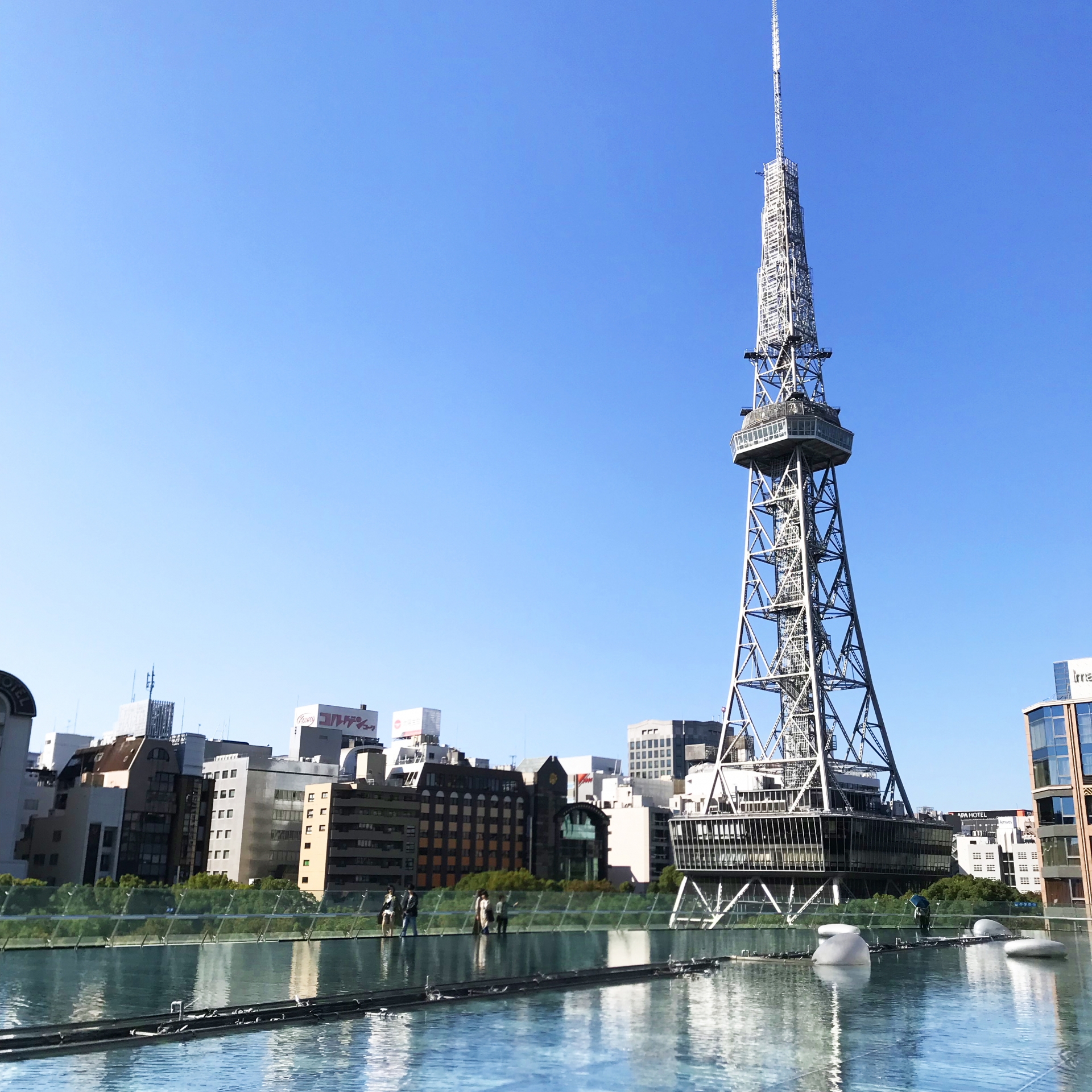
Hisaya-odori Park & Oasis 21
Sakae · 120 min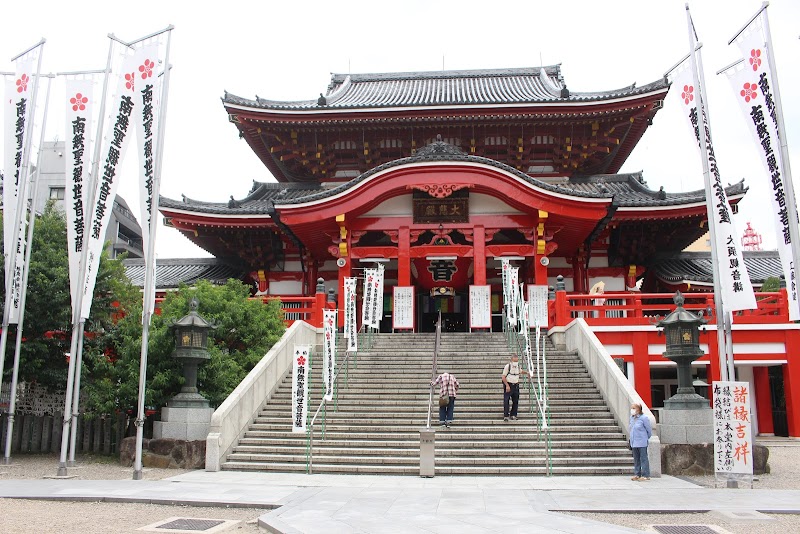
Osu Kannon Temple & Osu Shopping Arcade
Osu · 120 minMoney-Saving Tips
- 1.Department store basement food courts offer restaurant-quality local dishes for ¥800-1,200 per meal
- 2.Subway day passes (¥870) pay for themselves after just 3 rides around the city
- 3.Free observation decks at JR Central Towers and Oasis 21 provide city views without paying for Sky Promenade
- 4.Convenience store meals cost ¥300-600 and rival many restaurant options in quality
- 5.Many temples and shrines have free admission, including the famous Atsuta Shrine
- 6.Happy hour at hotel bars often runs 4-7 PM with half-price drinks and appetizers
Travel Tips
- •Download Google Translate app with camera function for menu reading at local restaurants
- •Carry cash – many smaller restaurants and shops don't accept cards, even in 2026
- •Reserve seats on express trains to Takayama during peak seasons, they sell out
- •Most museums close on Mondays, plan your itinerary accordingly
- •Learn to recognize the miso katsu symbol on restaurant signs to find authentic local spots
- •Nagoya Station has coin lockers but they fill up fast – store luggage early if day-tripping
- •Free WiFi is available at all subway stations and most convenience stores
- •Bow slightly when entering traditional restaurants, especially in Osu district