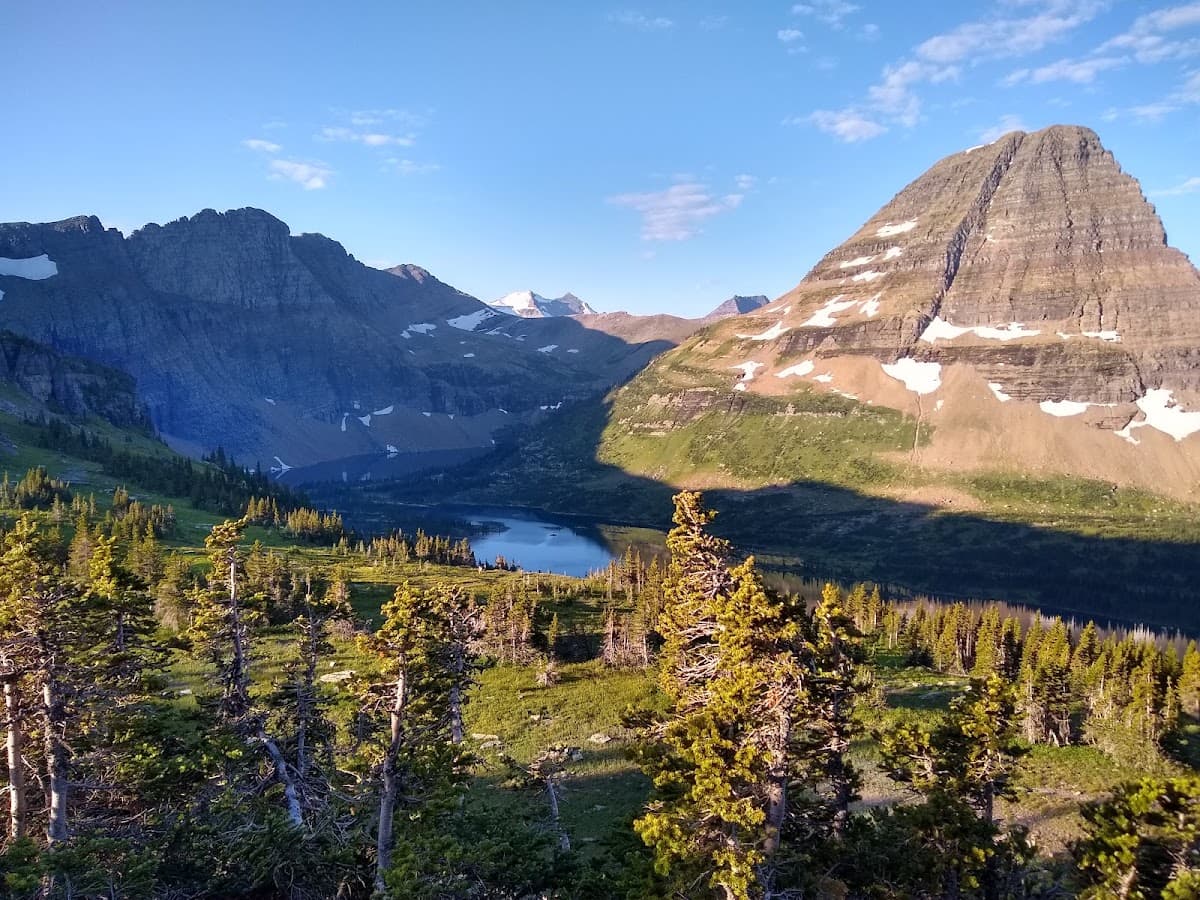
Glacier National Park
Crown jewel of American wilderness and pristine peaks
Glacier National Park doesn't mess around. This is raw wilderness at its finest — over a million acres of jagged peaks, pristine lakes, and glacial valleys that'll make you forget your phone exists. Located in northwest Montana along the Canadian border, the park earned its "Crown of the Continent" nickname honestly. Here's the thing: this isn't your typical drive-through national park. The Going-to-the-Sun Road might be famous, but the real magic happens when you lace up your boots and head into the backcountry. Sure, the park sees crowds in summer, but with over 700 miles of trails, there's plenty of room to find your own slice of alpine paradise. Just don't expect cell service — and honestly, that's the point.
Best Months
JUN – SEP
~23°C · peak crowds
Culture & Context
BLACKFEET NATION TERRITORY
Glacier sits on the traditional territory of the Blackfeet Nation (Blackfoot Confederacy) on the eastern side, and the Salish and Kootenai peoples on the west. The park's eastern gateway at East Glacier Park Village is right on the Blackfeet Indian Reservation. If you want to fish, camp, hunt, or hike on tribal land outside the park boundary, you need a tribal permit from Blackfeet Nation Fish and Wildlife.
This isn't optional. The Clarke Gallery in East Glacier shows works by John L. Clarke, a celebrated Blackfeet wood carver — worth a stop.
The region's identity runs deep with ranching, logging, and river culture, not just outdoor tourism. Locals don't love the summer crowds, but they depend on them economically. Be a respectful visitor.
Leave No Trace is taken seriously here, and so is general courtesy on crowded trails.
Local Customs
BEAR SPRAY NON-NEGOTIABLE
Bear spray is not optional — it's the local equivalent of a seatbelt. Buy or rent it in Whitefish or West Glacier before entering the park. Counter Assault is the brand park rangers carry and is sold locally.
Know how to deploy it before you're standing on a trail.. Hike in groups of three or more. Solo hiking is technically allowed but the locals know better, especially after a hiker died from a suspected bear attack in the park on May 6, 2026 — the first fatal encounter since 1998.
Make noise on blind corners and near loud water where bears can't hear you coming.. Stay 100 yards from bears and wolves, 25 yards from all other wildlife. That mountain goat on the Logan Pass boardwalk looks friendly.
It is not your friend. The thumb rule: if your thumb doesn't cover the animal when you hold your arm out, you're too close.. Don't stop and block traffic on Going-to-the-Sun Road when you spot wildlife — this is a real frustration for locals and rangers alike.
Pull over safely or keep moving.. The park is cashless at entrance booths. Have a card ready or purchase your pass online before arriving..
Rangers lead free hikes during summer months — these are genuinely good. They provide safety in numbers and excellent local knowledge. Check the NPS calendar when you arrive..
In East Glacier and the eastern side generally, if you're recreating on Blackfeet tribal land outside the park boundary, you need a tribal permit. Don't assume your NPS pass covers everything.. September is the locals' favorite month to visit.
Crowds thin dramatically after Labor Day, the Going-to-the-Sun Road typically stays open until mid-to-late October, and the light gets exceptional.
Safety
GRIZZLIES DEMAND RESPECT
Real talk: a 33-year-old hiker from Florida died from a suspected bear attack in Glacier National Park on May 6, 2026 — the first fatal bear encounter since 1998. This is not meant to scare you off, but you need to take bear safety seriously, not treat it as a formality. The park has roughly 300 grizzlies and 600 black bears. Wildlife biologist John Waller put it simply: assume it hasn't been long since a bear passed by any trail you're on.
Carry bear spray in an accessible holster, not buried in your pack. Know how to use it before you go. Hike in groups of three or more — experts actually recommend four or five. Make noise on blind corners and near loud rushing water. Avoid hiking at dawn, dusk, or at night when grizzlies are most active. Stay 100 yards from bears and wolves at all times. Report any sightings to a ranger immediately.
Beyond bears: Going-to-the-Sun Road sits at altitude and changes fast. Logan Pass can be 20-30°F colder than the valley below. Snow and ice on high trails can persist well into July. The Highline Trail and other alpine routes may stay closed due to hazardous conditions after the Logan Pass snow clearing — the park cannot predict when they open. Check trail status before heading up.
Water is safe to drink from streams with a filter. Altitude matters more than people expect — stay hydrated. And with the vehicle reservation system gone in 2026, areas like Logan Pass and Many Glacier can still be temporarily closed when lots fill up, so have a backup plan if you get diverted at the gate.
Getting Around
ARRIVE EARLY OR SHUTTLE
Big news for 2026: vehicle reservations are completely eliminated. No more timed entry anywhere in the park — not Going-to-the-Sun Road, not Many Glacier, not Two Medicine, not the North Fork. You show up, you pay your entrance fee ($35/vehicle for US residents), and you drive. This is a major change from the system that ran from 2021-2025.
The catch: popularity hasn't dropped. Logan Pass parking (roughly 175 spaces) still fills by 7-8am on peak summer days. Starting July 1, 2026, parking at Logan Pass is capped at 3 hours. If you get there after the lot fills, rangers will temporarily divert vehicles — visitors with camping, lodging, or boat tour reservations get priority entry during those diversions.
Smart move: arrive before 7am or after 4pm. Parking fills early and clears somewhat in the late afternoon. Or take the shuttle.
The Logan Pass express shuttle is now ticketed — $1 processing fee per person through Recreation.gov. Tickets can be booked 60 days in advance starting May 2 at 8am, and same-day tickets drop nightly at 7pm starting June 30. West side shuttles depart from Apgar Transit Center and Lake McDonald Lodge. East side departs from St. Mary Visitor Center and Rising Sun. Shuttles do NOT stop at Avalanche Creek or Lake in 2026. Note that last service runs are the last westbound departure from Logan Pass at 7:30pm, eastbound at 8pm — missing the last shuttle means hiking back.
Getting here: Fly into Glacier Park International Airport (FCA) in Kalispell, 30 miles from the west entrance and 12 miles from Whitefish. Missoula (MSO) works too, about 2 hours out. Amtrak's Empire Builder stops in West Glacier, East Glacier, and Whitefish — the Whitefish stop is right in the middle of town. A shuttle from Whitefish to Apgar Visitor Center runs about $10 and connects to the free park shuttle system inside. Rental cars near FCA go fast in July, especially during Under the Big Sky festival weekend (July 17-19). Book early or you'll pay a lot for a bad option.
Useful Phrases
Glacier National Park Itineraries
View all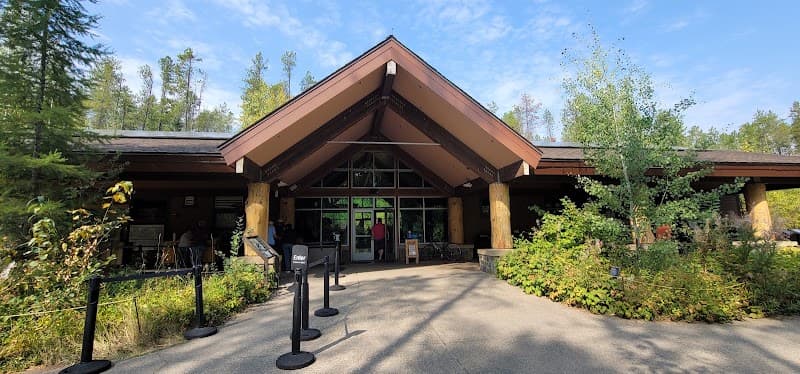
Shoestring Solo Adventure in Glacier National Park
Week · $
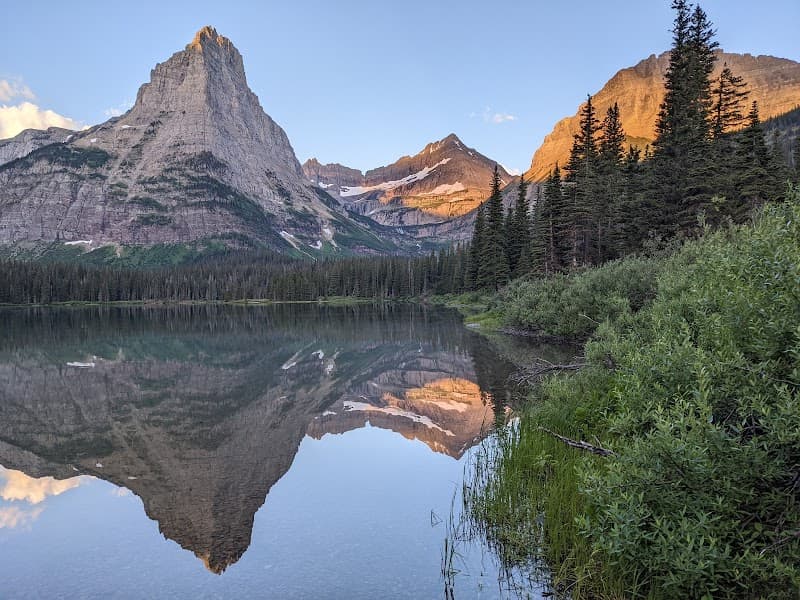
Family Long-Weekend Adventure in Glacier National Park
Weekend · $$

7 Wild Days in Glacier National Park
Week · $$$

Wild Weekender in Glacier National Park
Weekend · $$$

Glacier National Park: Wild Peaks & Quiet Lakes in 3 Days
Day Trip · $$$

Wild Hearts in Glacier: A Three-Day Romantic Escape
Weekend · $$$
Where to Stay in Glacier National Park
1 recommended properties
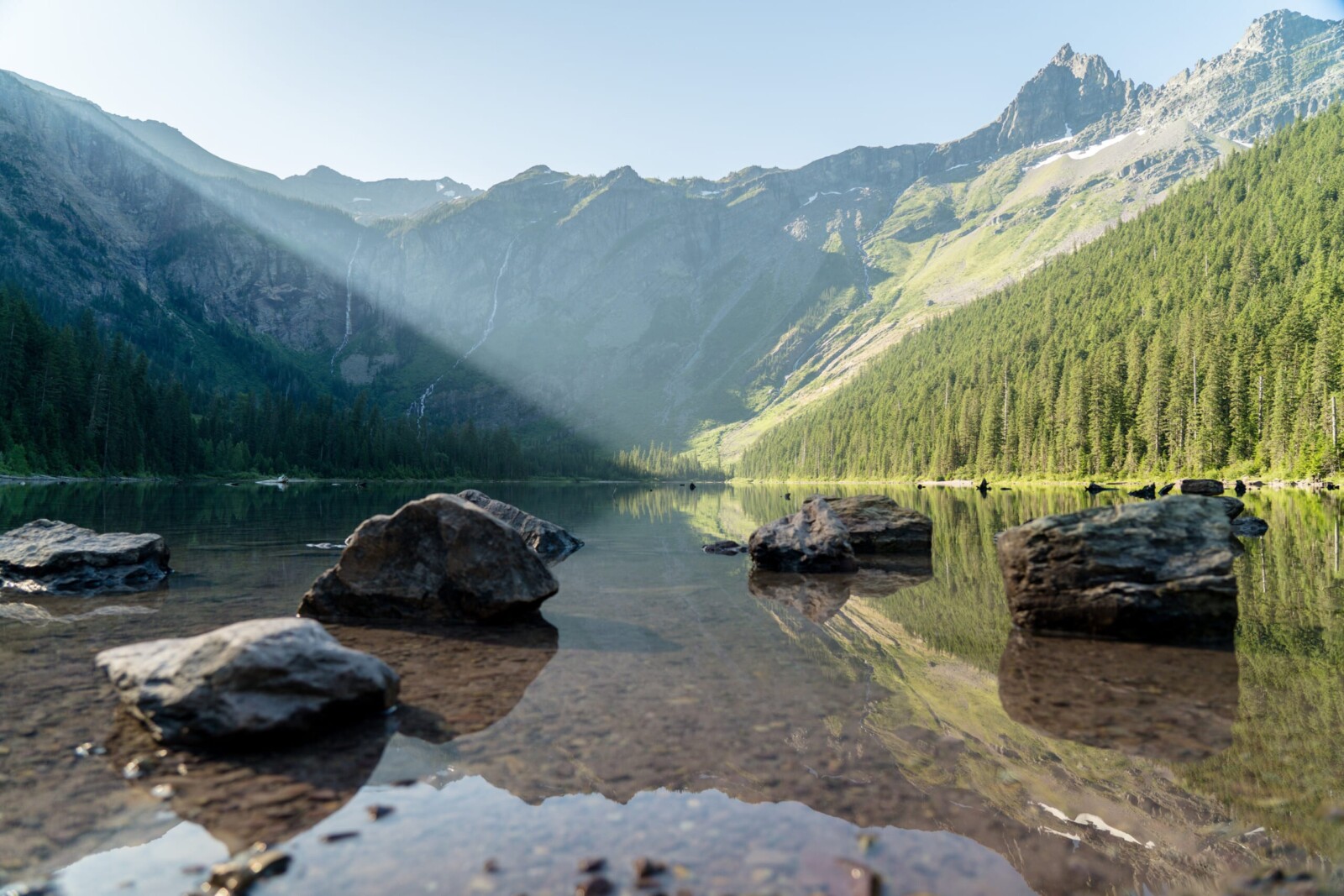
Things to Do in Glacier National Park
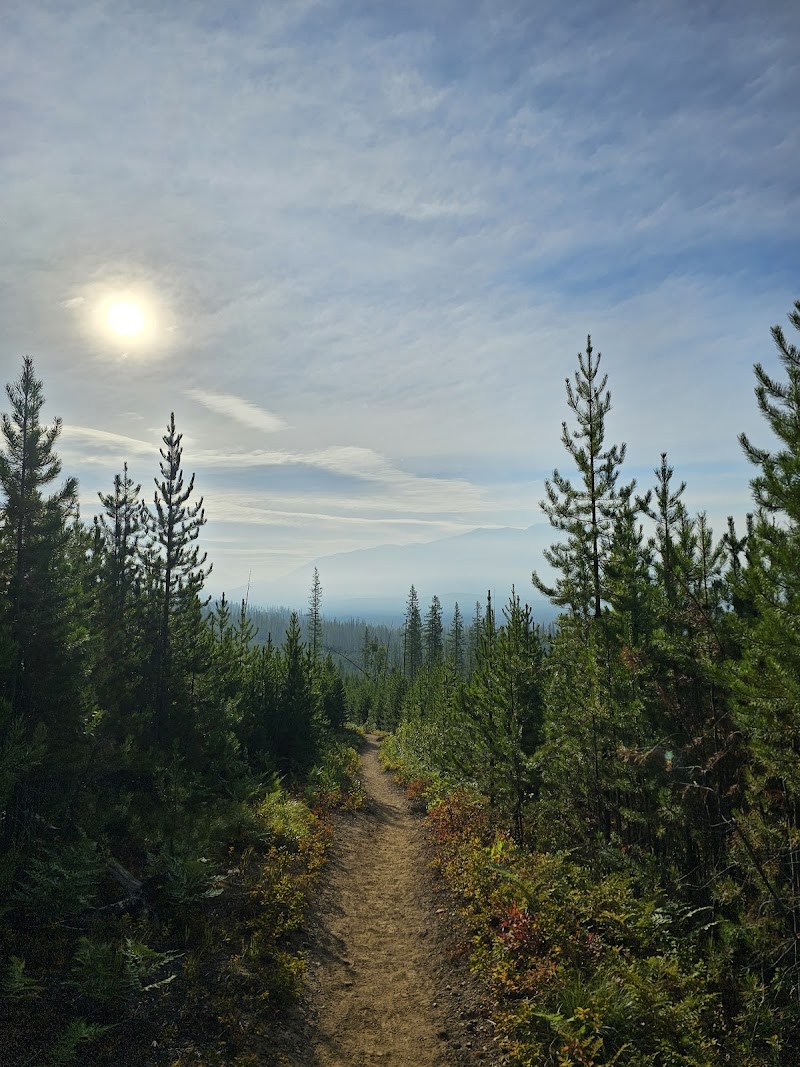
Apgar Lookout Trail (partial or full hike)
Apgar / West Glacier · 180 min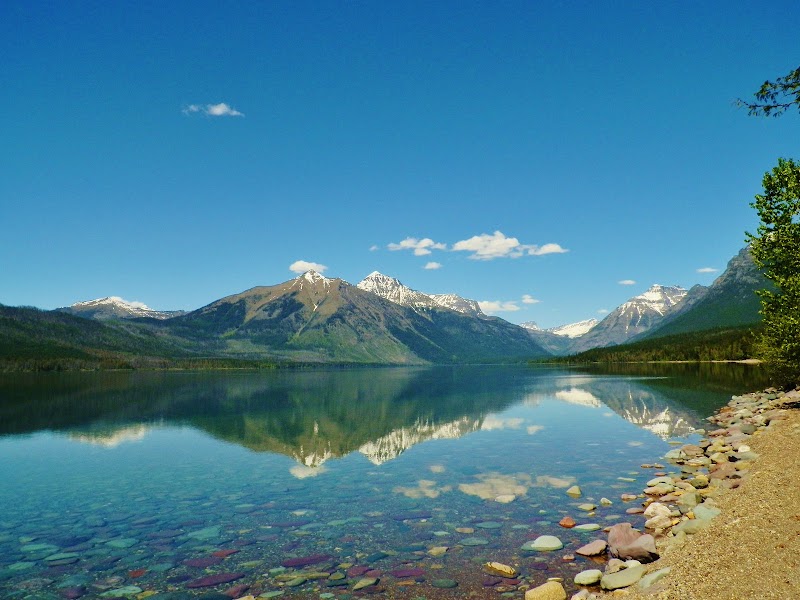
Lake McDonald Sunset & Stargazing
Apgar / West Glacier · 90 min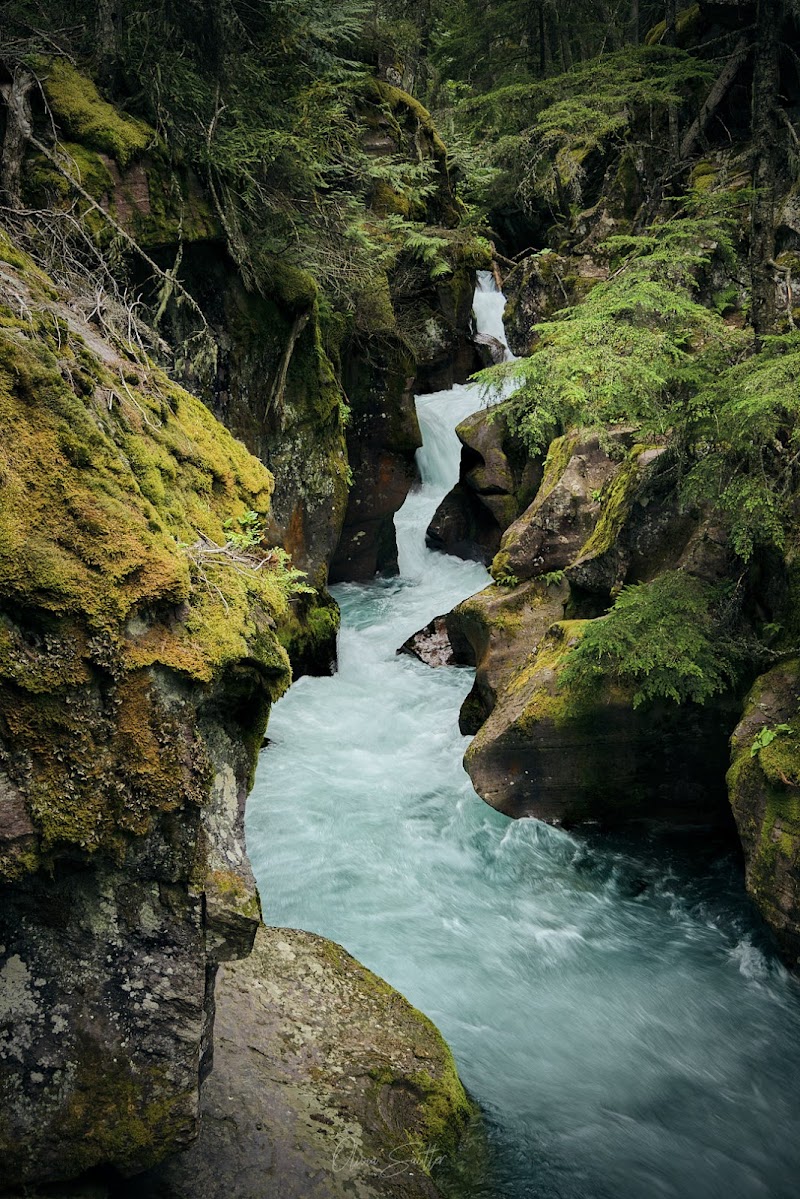
Going-to-the-Sun Road West Section & Trail of the Cedars
Lake McDonald Valley / Avalanche · 180 minMoney-Saving Tips
- 1.Buy your America the Beautiful Annual Pass online before arriving to skip the entrance station lines
- 2.Pack all your own food — the park's dining options are extremely limited and overpriced
- 3.Fill up your gas tank in Whitefish or St. Mary before entering; there are no gas stations inside the park
- 4.Book accommodations outside the park in Columbia Falls or Kalispell to save $100+ per night
- 5.Visit in late September for 40% lower lodging rates and fewer crowds
- 6.Buy bear spray at REI or Walmart before your trip — park stores charge 30% more
Travel Tips
- •Download offline maps before entering — cell service is nonexistent in most of the park
- •Start popular hikes before 7am to secure parking and avoid afternoon thunderstorms
- •Bring cash for the park shuttle system — credit cards aren't always accepted
- •Check road conditions daily on the park website — weather can close Going-to-the-Sun Road with little notice
- •Pack microspikes or yaktrax even in summer for icy morning trail conditions
- •Make dinner reservations at park lodges when you book your room — they fill up fast
Frequently Asked Questions
Explore Glacier National Park
BUILD YOUR
GLACIER NATIONAL PARK PLAN
Insider picks, smart timing, and a plan ready when you are.
Start Planning