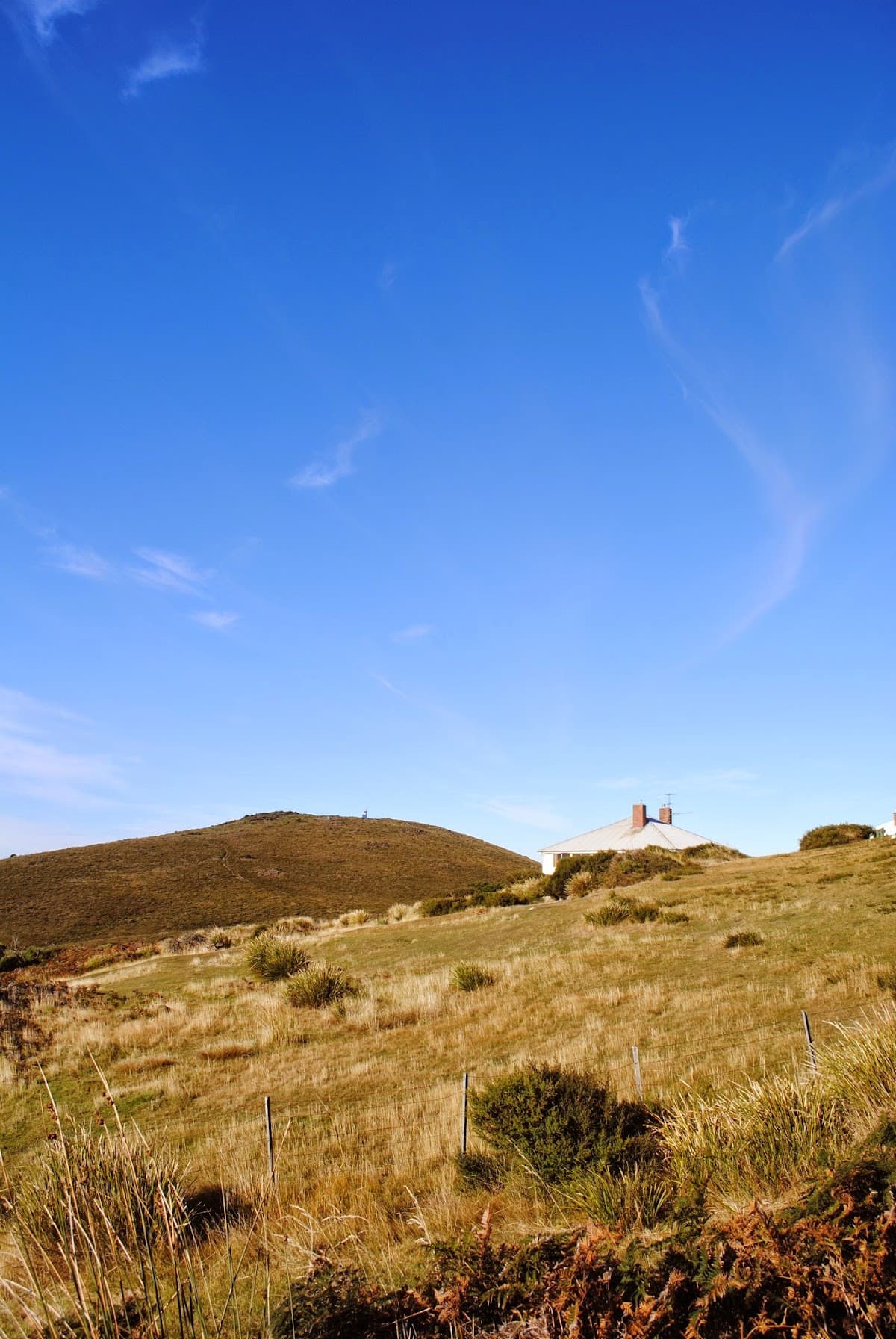
Bruny Island
Tasmania's wild island paradise for nature lovers
Bruny Island sits just 20 minutes by ferry from mainland Tasmania, but feels like another world entirely. This wild 100-kilometer stretch of land splits into North and South Bruny, connected by a narrow sandy neck that's home to fairy penguins and echidnas. You'll find white sand beaches that stretch for miles without a footprint, towering sea cliffs where you can spot migrating whales, and small-batch producers crafting everything from whisky to cheese in converted farm sheds. The island runs on island time – shops close when they feel like it, and the best restaurant might be a food truck parked by the lighthouse. But that's exactly the point. Here, you trade convenience for something rarer: the chance to disconnect completely while surrounded by some of Australia's most pristine wilderness.
Best Months
JAN · FEB · MAR · OCT · NOV · DEC
~20°C · moderate crowds
Culture & Context
ANCIENT MEETS CONVICT HISTORY
Bruny Island sits off Tasmania's southeast coast, and people have been living here for over 40,000 years. The island's traditional name is Lunawanna-allonah, given by the Nuenonne people (also written "Nuenonne" or "Nuenone"), the First Nations custodians of this land. Their language is now extinct, but their names survive all over the island.
Alonnah and Lunawanna, the island's two main southern settlements, both come directly from that original name. Truganini, widely known as the last full-blooded Tasmanian Aboriginal person, was the daughter of Mangana, Chief of the Bruny Island people. The Truganini Lookout at The Neck is named in her honour, and Mount Mangana, Bruny's highest point, carries her father's name.
The Murrayfield Station on North Bruny is operated by the Weetapoona Aboriginal Corporation and is home to hundreds of significant Aboriginal sites. European history is just as layered. Captain Bligh stopped here in 1788 on the Bounty and planted the first apple trees in Tasmania.
French explorer Bruni D'Entrecasteaux was the one who proved it was actually an island, and both the island and the channel are named after him. The Cape Bruny Lighthouse went up in 1836, built with convict labour. Today the island runs at its own pace.
Locals refer to weekenders who race through in a single day, cramming in everything and seeing nothing, as part of the problem. The culture here is low-key, fiercely proud of its produce, and protective of the wildlife. Treat the place right and the community treats you like a mate.
Local Customs
SLOW DOWN, STAY LONGER
Slow right down on every road. The 90 km/h limit is the law (not 100 km/h like mainland Tasmania), and locals mean it. A survey on the Cloudy Bay road found 190 native animals killed by cars in 2021 alone.
Wallabies bolt without warning, eastern quolls wander at dusk, and even endangered swift parrots get hit. If you see roadkill with a raptor feeding on it, pull over, hazard lights on, and let the bird clear.. Don't race around trying to tick off every stop in one day.
The island is about 60km top to bottom, with winding sealed roads and plenty of gravel. Locals will spot you as a day-tripper the moment you look at a checklist. Pick three things and do them properly..
At The Neck penguin viewing area, dress dark, keep 3 metres from burrows, no flash cameras and no dogs. It's actually illegal to harass or catch penguins. A ranger can and will step in..
The produce trail is its own thing. Bruny Island Cheese Co., Get Shucked oysters, Bruny Island Honey, Bruny Island Chocolate, Bruny Island Premium Wines, the House of Whisky near the ferry terminal — most of these operations are owner-run and they can close outside peak season without much notice.
Check before you drive 30 minutes to find a locked gate.. Bring cash and a charged phone for North Bruny. Reception drops out significantly in South Bruny.
On the island overall, Optus performs better than Telstra, but don't count on either when you're deep in the national park.. Check ferry times before you plan your return. The last ferry most nights leaves before 7pm.
Miss it and you're staying another night.
Safety
WATCH FOR WILDLIFE ROADKILL
The biggest danger on Bruny is driving too fast. The island's maximum speed limit is 90 km/h on sealed roads and 80 km/h on gravel — lower than mainland Tasmania, for good reason. A roadkill survey on just one stretch of the Cloudy Bay road recorded 190 native animals killed in a single year: wallabies, pademelons, possums, echidnas, native hens, and even an eastern quoll.
Raptors feeding on roadkill then get hit too. Slow right down, especially at dawn and dusk when animals are most active. Avoid night driving if you can at all avoid it.
Phone reception is patchy across the island and drops out almost entirely in parts of South Bruny. Optus generally outperforms Telstra on Bruny, but don't plan anything that relies on consistent signal. Download offline maps before you board the ferry.
The last ferry from Bruny departs before 7pm most nights — check the current SeaLink timetable before you set an evening plan. Road conditions on South Bruny deteriorate after rain, and some gravel sections may not be suitable for 2WD vehicles. Check your hire car rental agreement before taking a rental car on the ferry; some companies prohibit it or won't cover you on the boat crossing.
For emergencies, there is a 24-hour accident and emergency service at the Bruny Island Community Health Centre at 16 School Road, Alonnah, and an ambulance on island. Call 000 in an emergency. There is a pharmacy in Alonnah for non-emergency needs.
In the national park, always tell someone your plans before heading out on a longer walk.
Getting Around
FERRY & YOUR OWN CAR
Bruny Island is only accessible by the SeaLink vehicular ferry from Kettering, which is about a 35-minute drive south of Hobart along the A5 Southern Outlet to Kingston, then the B64 south. The ferry crossing takes 20 minutes. SeaLink runs 365 days a year with more than 20 departures per day in summer.
The service runs on a queuing system — you turn up, pay at the ticket booth or show your pre-purchased ticket, and board the next available sailing. Tickets are return fares, open-dated, and valid for 365 days. Foot passengers ride free but there's no public transport at either end, so arriving without a car is genuinely difficult unless you're joining an organised tour.
Once on the island, you need your own wheels. There are no buses, no rideshare, no taxis. The main road (Bruny Island Main Road, B66) runs the length of the island from the Roberts Point ferry terminal in the north down to the south.
Plan your route carefully if you're only on island for a day — some major attractions like Cape Bruny Lighthouse and Cloudy Bay are a decent drive from the ferry and from each other. The island is about 60km top to bottom but the roads are winding and the speed limits are low. From May 1 to August 1, 2026 a temporary $4 fuel surcharge applies to non-resident vehicle bookings.
Fuel on the island is extremely limited — fill up at Kettering or Hobart before boarding.
Useful Phrases
Money-Saving Tips
- 1.Ferry costs add up fast – $45+ return per car. Consider staying multiple nights to spread the cost
- 2.Bring groceries from Hobart. Island shops are limited and expensive – expect to pay 30-50% more
- 3.Free camping at designated Parks Tasmania sites saves $100+ per night compared to accommodation
- 4.Many attractions like The Neck Lookout and most beaches are completely free to access
- 5.Pack lunch for day trips. Restaurant options are limited and pricey – mains start around $30
- 6.Fuel up in Kettering before the ferry. Island petrol costs 20-30 cents more per liter
- 7.Book accommodation well ahead. Last-minute options are scarce and premium-priced
Travel Tips
- •Download offline maps before you go – mobile coverage is patchy, especially on South Bruny
- •Pack layers and rain gear. Island weather changes quickly and it's always windier than expected
- •Bring a torch for penguin viewing at The Neck after dark. Keep noise to minimum around nesting sites
- •Stock up on groceries in Hobart or Kettering. Island shops have limited hours and selection
- •Check ferry times and allow extra time for queues during summer weekends
- •Many businesses operate on 'island time' – call ahead to confirm opening hours
- •Respect private property signs. Much of the island is working farmland
- •Book restaurant tables in advance. Dining options are limited and fill up quickly
Frequently Asked Questions
Explore Bruny Island
BUILD YOUR
BRUNY ISLAND PLAN
Insider picks, smart timing, and a plan ready when you are.
Start Planning