Oslo
Scandinavian sophistication meets fjord-side natural beauty
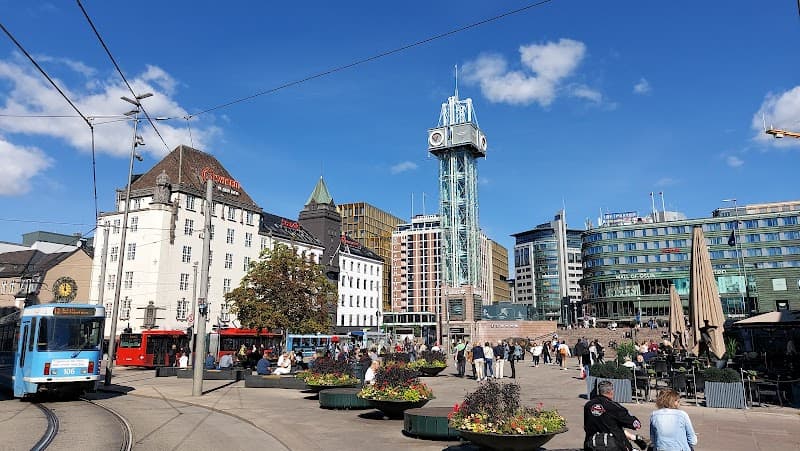
Oslo pulls off something most capitals can't: being both a serious cultural heavyweight and a gateway to wild Nordic nature. You can spend your morning at the Munch Museum on Bjørvika, lunch at a Michelin-starred restaurant in Frogner, then catch a ferry to car-free Hovedøya island for an afternoon hike. The city sits at the head of Oslofjord, surrounded by forests that locals treat like their backyard. Sure, your wallet will feel lighter here – a beer costs around 80 NOK ($7.50) – but the quality of life is immediately obvious. Clean air, efficient transport, and design that makes you want to photograph everything.
Best Months
MAY – SEP
~19°C · moderate crowds
Culture & Context
EQUALITY & FOREST LIFE
Norwegians value equality deeply, a concept locals sometimes describe through the informal idea of Jante Law: nobody is better than anyone else, nobody flaunts wealth, nobody expects to be treated as special. It sounds cold on paper. In practice it produces a refreshingly unpretentious city.
The other big concept is friluftsliv, which translates roughly to "open air life." Locals genuinely escape into the forests and fjords on weekends, not as a hobby but as a baseline human need. Oslo is surrounded by Marka forest on three sides, reachable by metro.
People may seem reserved at first and that is not unfriendliness. Once you make the first polite move, Norwegians warm up fast. Most speak excellent English and are genuinely glad to help.
Local Customs
QUIET, PUNCTUAL, CARD ONLY
Tipping is not expected. Wages are high, service charges are included. At restaurants, rounding up or leaving 5-10% for genuinely good service is fine.
At a café, nothing is necessary. Taxis are already very expensive, so locals rarely tip.. Shoes come off at the door when entering someone's home.
Do this automatically and you'll make an excellent first impression.. Norway is cashless to a degree that surprises most visitors. Pay by card everywhere.
On the rare occasion a terminal asks whether to charge in NOK or your home currency, always choose NOK. Dynamic Currency Conversion charges worse rates.. Wine and spirits can only be bought at state-run Vinmonopolet stores.
These close early (typically 6pm weekdays, 3pm Saturdays) and are closed Sundays. Plan ahead if you want a bottle for the evening.. Buy beer from a supermarket before 8pm on weekdays or 6pm on Saturdays.
After those hours, supermarkets stop selling alcohol. Late-night beer means bar prices of 100-130 NOK per pint.. Keep your voice down on public transit.
Loud conversations are considered rude and you'll get looks. It's not personal, it's just the norm.. When Norwegians make a toast, they say 'Skål!
' and make direct eye contact with everyone at the table before drinking. Skip the eye contact and it's considered bad form.. Punctuality matters.
Arriving on time for any arranged meeting, tour, or dinner reservation is expected, not optional.. Oslo's forests are open to everyone under the right of public access (allemannsretten). You can hike, forage, and camp almost anywhere in nature.
But leave no trace. Locals take the environment seriously.
Safety
VERY SAFE, WATCH PICKPOCKETS
Oslo is objectively one of the safest capital cities in Europe. As of 2026, the city has a crime index of 34.5 and a safety index of 65.
5 according to Numbeo. Violent crime involving tourists is rare. The main thing to watch for is pickpocketing around Oslo S (Central Station), along Karl Johans gate, and at Aker Brygge when summer crowds swell.
Keep your phone in a front pocket. Don't leave your bag on the back of a café chair. That's about the level of vigilance required.
Drug laws are strict, and enforcement is consistent. Police presence in nightlife areas like Youngstorget is visible on weekends. Norway's terror threat level was lowered to Moderate (level 3 of 5) in November 2024.
The tap water is clean, excellent, and free. Carry a reusable bottle. For emergencies: 112 for police, 113 for ambulance, 110 for fire.
Most emergency services speak good English. One real financial risk: unlicensed taxi rides from Oslo Airport can cost upwards of $200. The Vy regional train from the airport to the city takes about 23 minutes and costs 118 NOK.
The Flytoget Express takes a few minutes less for 229 NOK. Either is fine. Avoid any unmarked car at the airport.
Getting Around
METRO & TRAM NETWORK
Oslo's public transport is run by Ruter, and it covers everything: T-bane (metro), trams, buses, and local ferries under one ticketing system. One ticket works across all modes within the same zone. A single Zone 1 ticket costs 40 NOK (~$4.
30) and covers virtually everything you'll need in the city, including the metro all the way to Holmenkollen on T-bane line 1. The 24-hour pass is 121 NOK (~$13). Download the Ruter app before you arrive.
Always activate your ticket before boarding or face a fine of around 1,000 NOK. If you plan to visit several museums and use transit heavily, the Oslo Pass bundles unlimited Zone 1 transport with free entry to 30+ attractions for 24, 48, or 72 hours. For getting to/from the airport at Gardermoen: the Flytoget Express runs directly to Oslo S in about 19-22 minutes for 229 NOK.
The Vy regional train also goes to Oslo S in about 23 minutes for 118 NOK and is the smarter budget call. Note that Oslo Airport is in Zone 4N, so your Zone 1 pass won't cover it without adding zones in the app. The Bygdøy peninsula (Viking Ship Museum, Fram Museum, Folk Museum) is served by bus #30 year-round.
Summer ferries also run from Rådhusbrygge but require a separate ticket. Taxis are expensive: a standard 8km ride runs around 460 NOK ($50). Use them only if necessary.
The city is also genuinely walkable, and the center is compact enough that you can cover a lot on foot between tram stops.
Useful Phrases
Explore Neighborhoods
Explore the Region

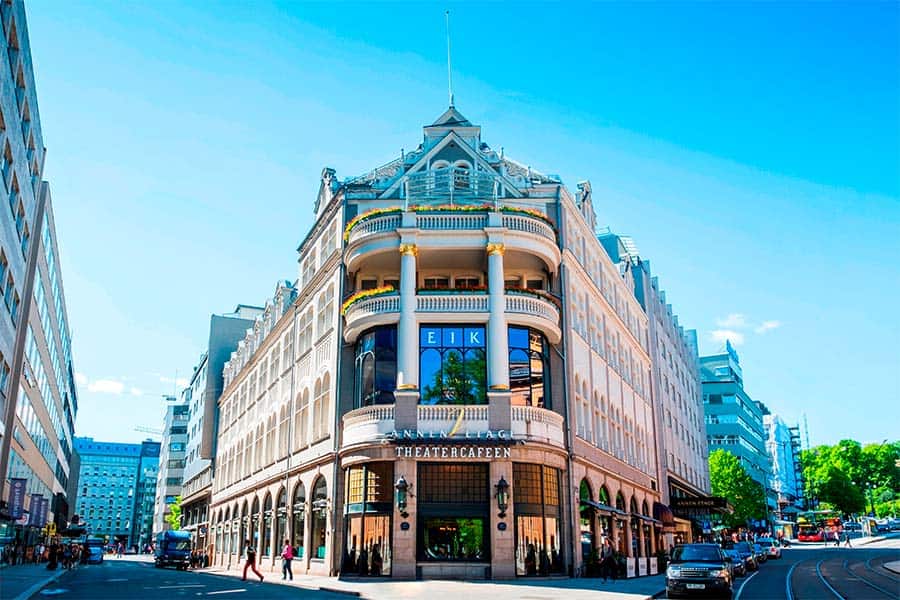
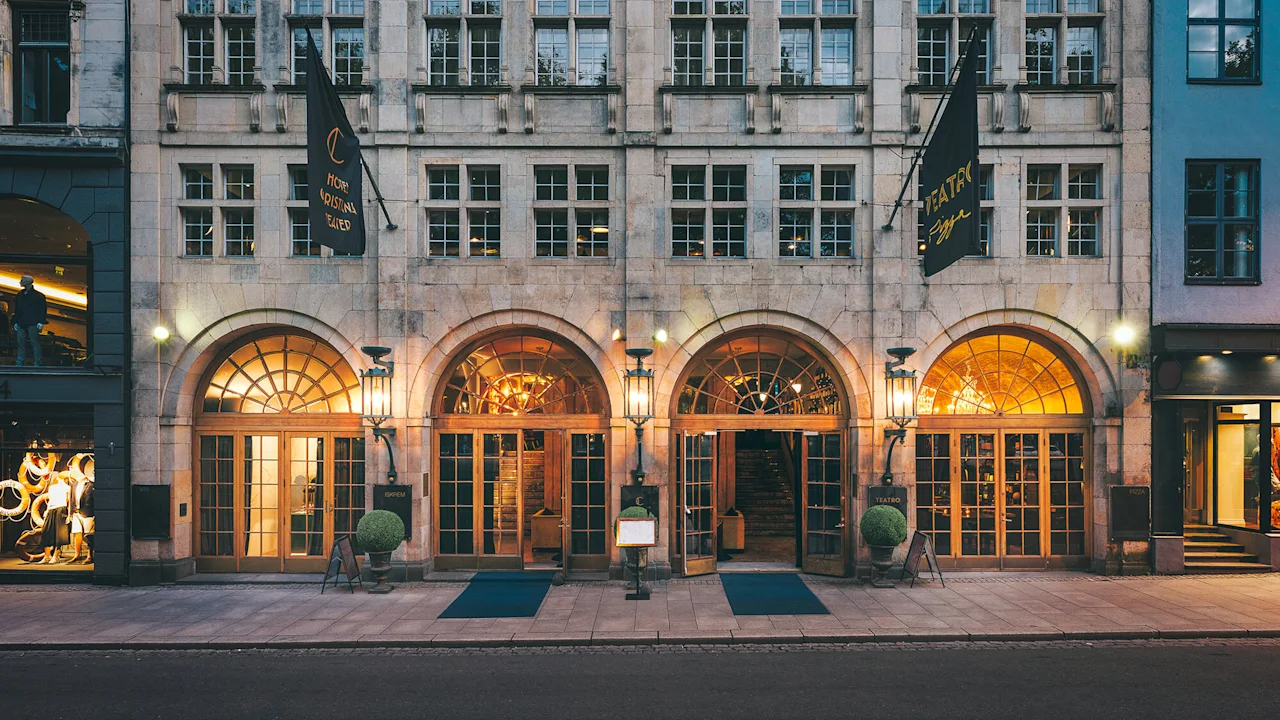
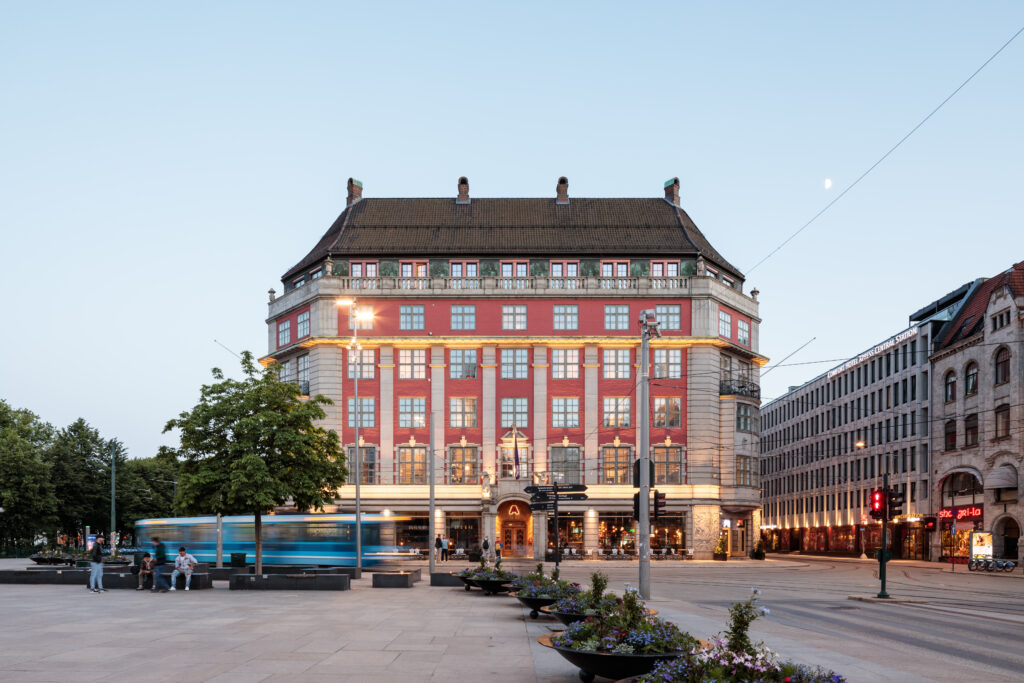
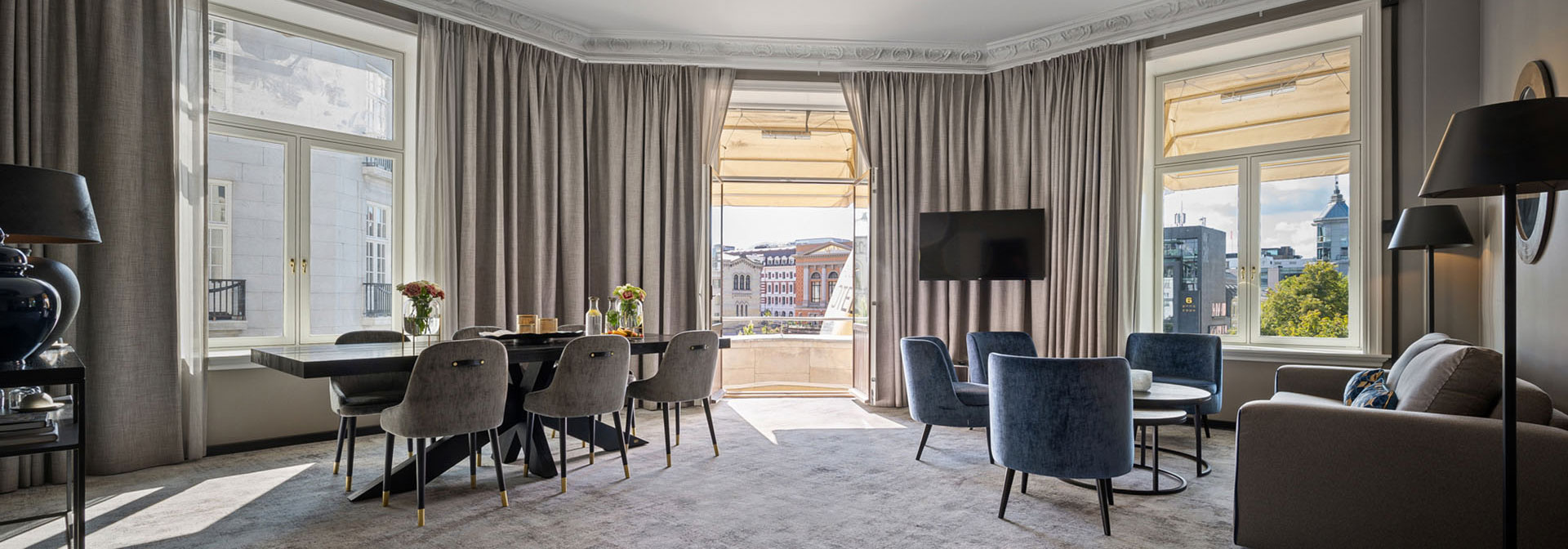
Where to Stay in Oslo
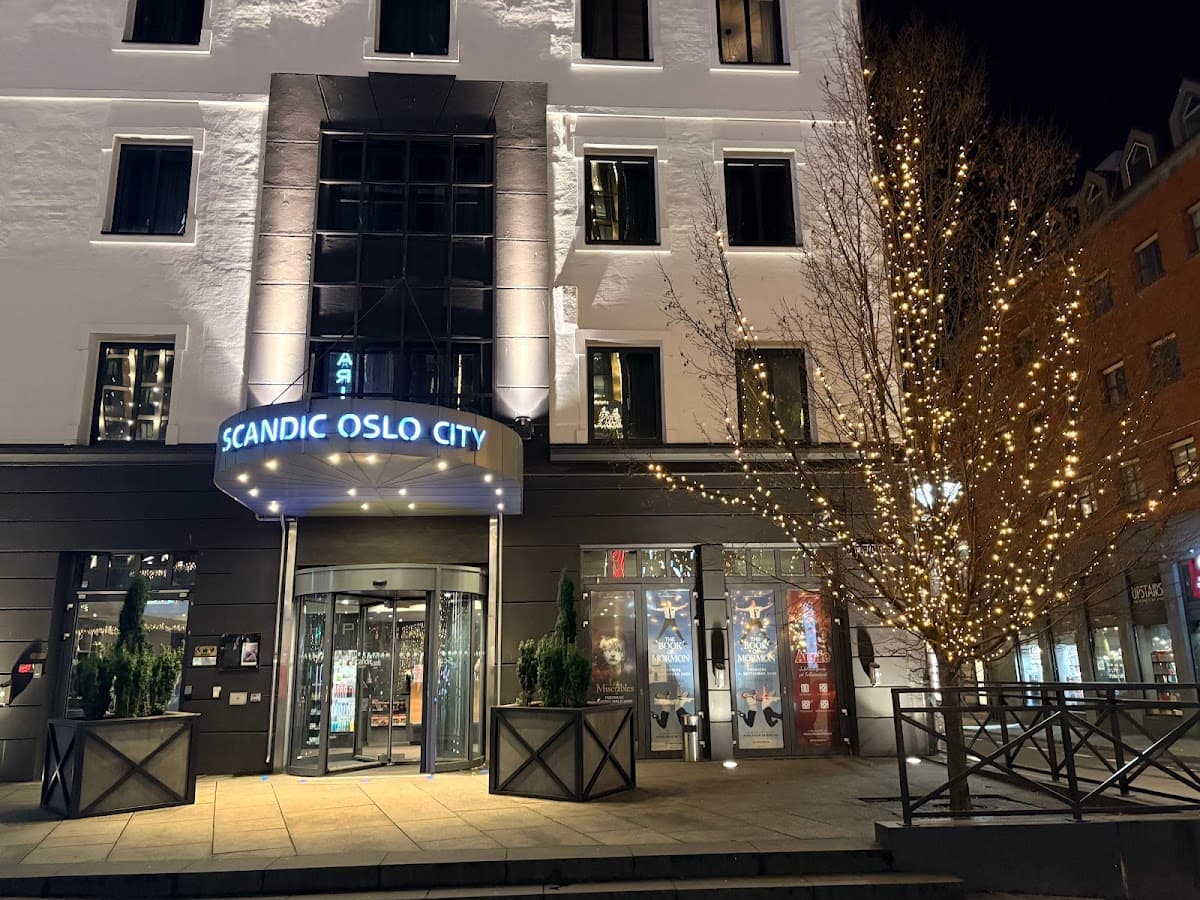
6 recommended properties

Things to Do in Oslo
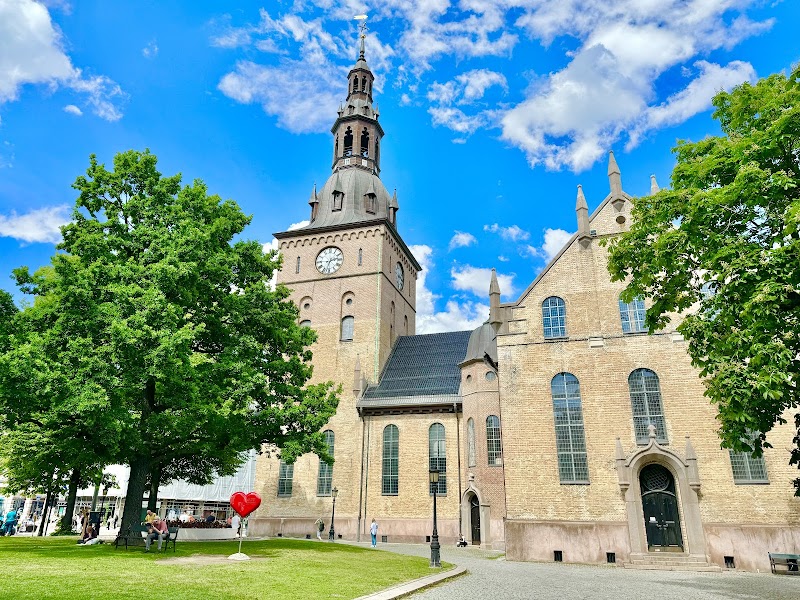
Karl Johans gate & Oslo Cathedral Stroll
Sentrum (City Center) · 90 min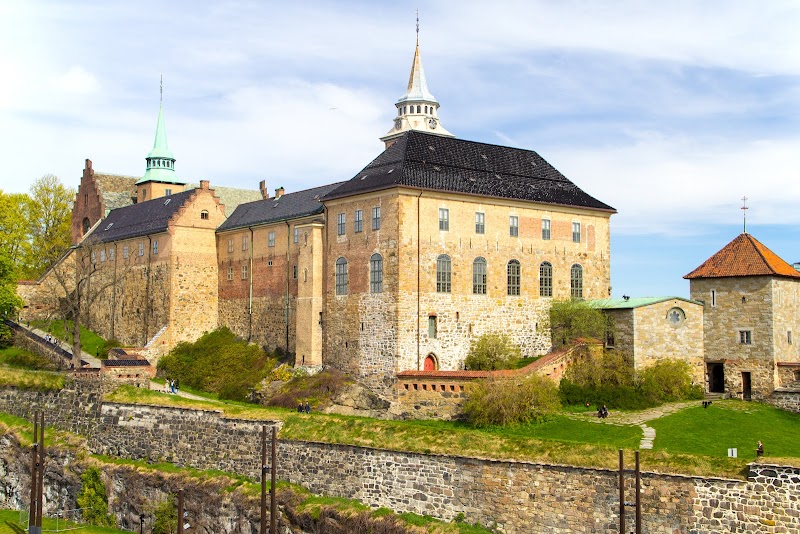
Akershus Fortress
Sentrum (City Center) · 120 min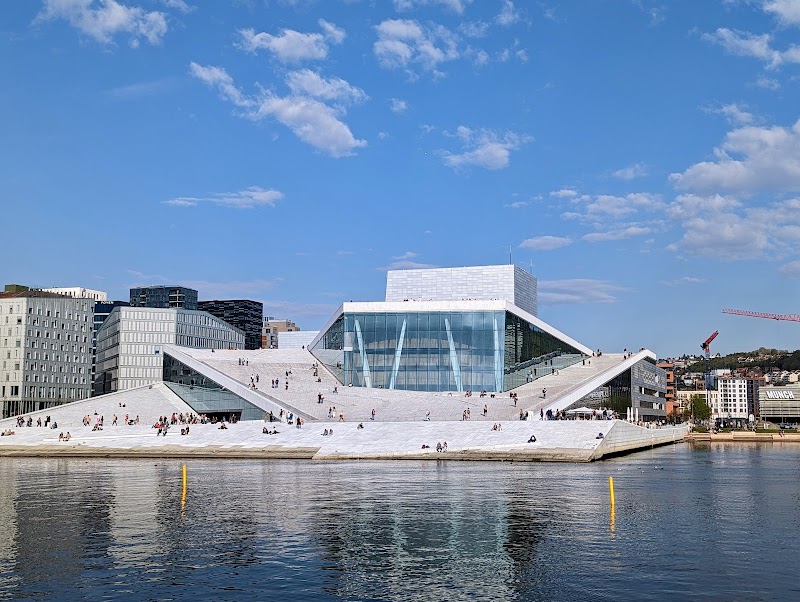
Bjørvika Waterfront & Oslo Opera House Roof
Bjørvika / Sørenga · 90 minMoney-Saving Tips
- 1.Buy groceries at Rema 1000 or Kiwi – avoid ICA and Meny which cater to locals with money to burn
- 2.Many museums offer free entry on certain days – check individual websites before paying full price
- 3.Lunch specials at high-end restaurants cost half what dinner does, sometimes for the same menu
- 4.The Oslo Pass includes public transport and museum entry, but do the math – it only pays off if you're museum-hopping
- 5.Pre-drink at your accommodation – a beer that costs 25 NOK at a store costs 80+ NOK at bars
- 6.Ferry rides to the fjord islands count as public transport, not tourist excursions – use your regular transit pass
Travel Tips
- •Download the Ruter app for public transport – it's more reliable than asking locals who all use it
- •Restaurants close early on Sundays, and many don't open until Tuesday after Monday holidays
- •Pack layers even in summer – Oslo weather changes fast, especially near the fjord
- •Learn basic Norwegian numbers for prices – many older locals prefer Norwegian to English
- •Book restaurant reservations well ahead, especially for weekend dinners
- •The honor system on public transport is real, but inspectors do random checks with hefty fines
- •Most places accept cards only – cash is increasingly rare even for small purchases
- •Tipping isn't expected but rounding up bills is appreciated for good service