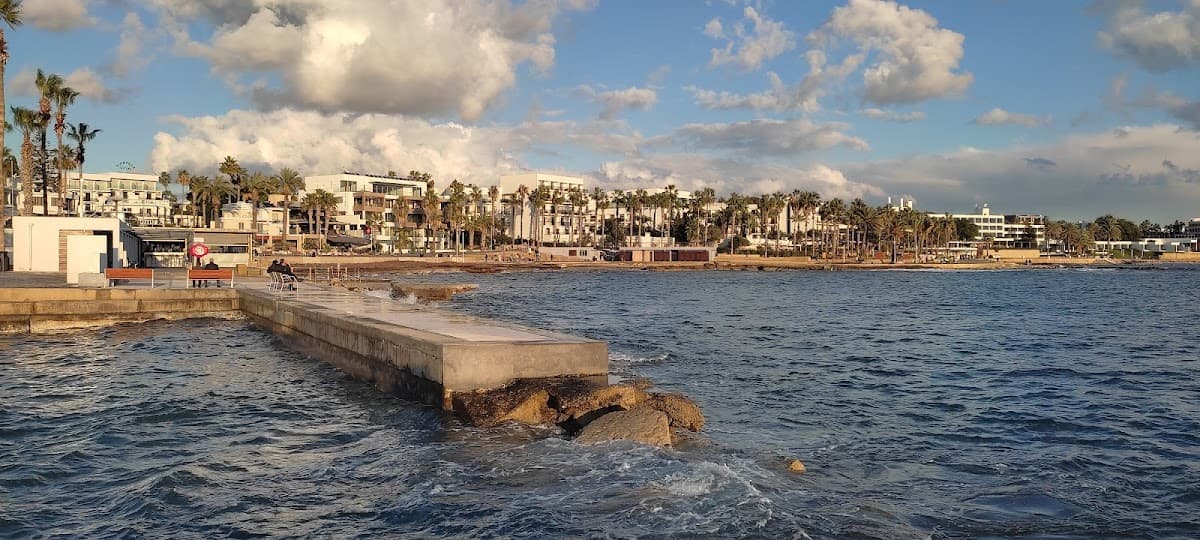
Paphos
Ancient ruins meet Mediterranean beaches in Cyprus gem
Paphos doesn't try to impress you. It just does. Walk down a random street and stumble into 2,000-year-old Roman mosaics. Turn a corner and find yourself on a golden beach where sea turtles nest. This UNESCO World Heritage city on Cyprus's southwest coast has mastered the art of blending ancient history with modern Mediterranean life.
The old town spills stories at every turn - Aphrodite's legendary birthplace sits just offshore, while underground tombs rival anything you'll see in Rome. But here's what makes Paphos special: it never feels like a museum. Locals still fish from the same harbor where Roman ships once docked. Families picnic in parks built around ancient ruins. And the beaches? They're some of Cyprus's finest, without the crowds crushing other coastal towns.
Best Months
APR · MAY · JUN · SEP · OCT · NOV
~28°C · moderate crowds
Culture & Context
ROMAN MOSAICS & WARMTH
Paphos sits on Cyprus's southwest coast, and it carries more history per square kilometer than most places dare to claim. The Romans left mosaic floors here so detailed they look like oil paintings. The medieval castle at the harbor has watched centuries of trade roll in.
And in 2017, the whole city was named European Capital of Culture, which tells you something. But walk ten minutes off the harbor strip and it feels genuinely local. Cypriots are warm without being pushy.
They'll feed you until you protest, pour you zivania (the local firewater) without warning, and wave you off like an old friend. English is everywhere — Cyprus was a British colony, and they still drive on the left. So communication is rarely a problem.
The city splits cleanly into two: Kato Paphos down by the harbor with the mosaics, the castle, and the tourist strip, and Pano Paphos (also called Ktima) up the hill where locals actually live. The waterfront restaurants are fine, but the markup for that view is real. The actual character of the place lives uphill.
Local Customs
COFFEE IS CEREMONY
Tavernas routinely bring a complimentary plate of fresh fruit or a small dessert at the end of your meal. It's hospitality, not a sales pitch. Just say efharisto..
Coffee is a serious daily ritual, consumed hot or cold at all hours. Sitting for a coffee isn't a quick stop — it's an event. Locals play tavli (backgammon) alongside it.
Don't rush it.. Haggling is acceptable at open-air markets and with street sellers. Shops with fixed pricing won't budge, but outdoor stalls expect some back-and-forth..
Cyprus drives on the left — a British legacy. If you're renting a car and not used to it, the first few roundabouts will require your full attention.. Never hand your passport over as security for a vehicle rental.
It's technically illegal to use as collateral, and most reputable companies won't ask. Walk away from any that do.. Orthodox Easter is taken seriously.
Some businesses close, particularly on Good Friday and Easter Sunday. If you're here during Holy Week, expect church services running late into the night and the atmosphere to shift noticeably.. Tipping taxi drivers isn't mandatory but rounding up or adding 5–10% for good service is appreciated.
Same applies in restaurants.. The Cypriot dialect differs from standard Greek in noticeable ways — the pronunciation is heavier, and some words mean different things entirely. Even fluent Greek speakers from the mainland sometimes do a double take.
Don't worry: English is genuinely everywhere in Paphos.
Safety
VERY SAFE, SUN VIGILANT
Paphos is genuinely safe. Cyprus records some of the lowest crime rates in Europe, and serious incidents involving tourists are rare. The main thing to watch is petty theft — keep an eye on bags at the beach and in crowded market areas, and don't leave valuables visible in rental cars.
The harbor area at night is fine. Kato Paphos after dark is not a concern. The bigger practical risks are sun-related: July and August temperatures regularly hit 35°C and above.
Cover up during midday, carry water, and use high-SPF sunscreen — this isn't a suggestion, it's genuinely necessary. Emergency number for all services is 112, free from any phone. EU visitors can use an EHIC or GHIC card at public healthcare facilities.
Non-EU visitors should have travel insurance with medical coverage. One specific note: the area immediately west of the Paphos bus station has occasionally been flagged by long-term residents as worth mild caution at night, though it's far from dangerous by any objective standard. Driving locally involves left-hand traffic, and some roads in the center are narrow.
Road behavior is variable — don't assume all drivers are predictable, especially on rural routes.
Getting Around
BUSES & RENTAL CAR
The bus network is run by OSYPA and uses distinctive blue buses. Tickets cost €1.50–2 per ride.
The two main hubs are Karavella Bus Station on Andrea Geroudi Street in the upper town, and the Harbor station in Kato Paphos. Bus 612 runs 24/7 between Paphos International Airport and the harbor — genuinely useful for late arrivals. Bus 613 connects the airport to the city center.
Route 615 is your workhorse for getting between the harbor and key tourist sites, running every 10–15 minutes from 6am to midnight. Buses are affordable and cover the main sites well. Here's the honest caveat: some reviewers note that driver conduct can be inconsistent, and rural routes run on reduced Sunday schedules.
On public holidays, most routes switch to Sunday timetables — only the airport lines (612 and 613) run unchanged year-round. For anywhere beyond the city — the Akamas Peninsula, Troodos Mountains, wine villages — a rental car is the practical answer. Cyprus drives on the left.
Paid parking in tourist areas runs €1–2 per hour. Taxis charge roughly €0.73/km during the day and up to €0.
90/km after 20:30, with most short in-town trips landing at €10–15 minimum. Bicycle rental (€8–10/day) is worth considering for the relatively flat coastal strip around Kato Paphos. The city center is compact enough to walk for most things in Kato and Pano Paphos.
Useful Phrases
Paphos Itineraries
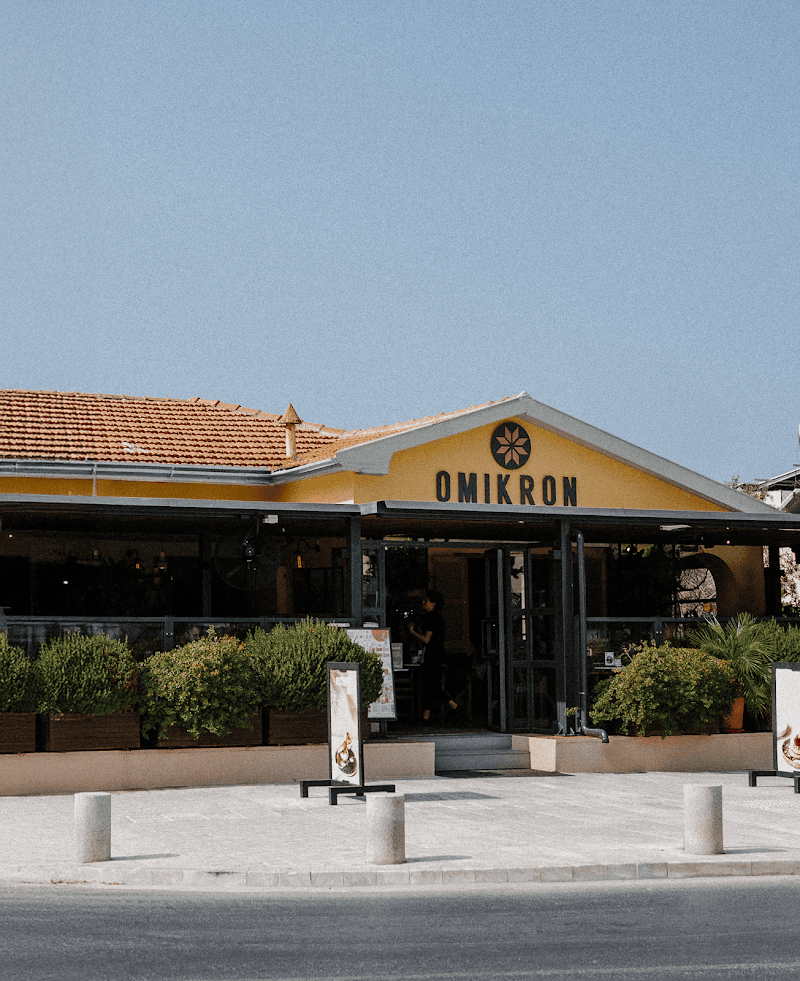
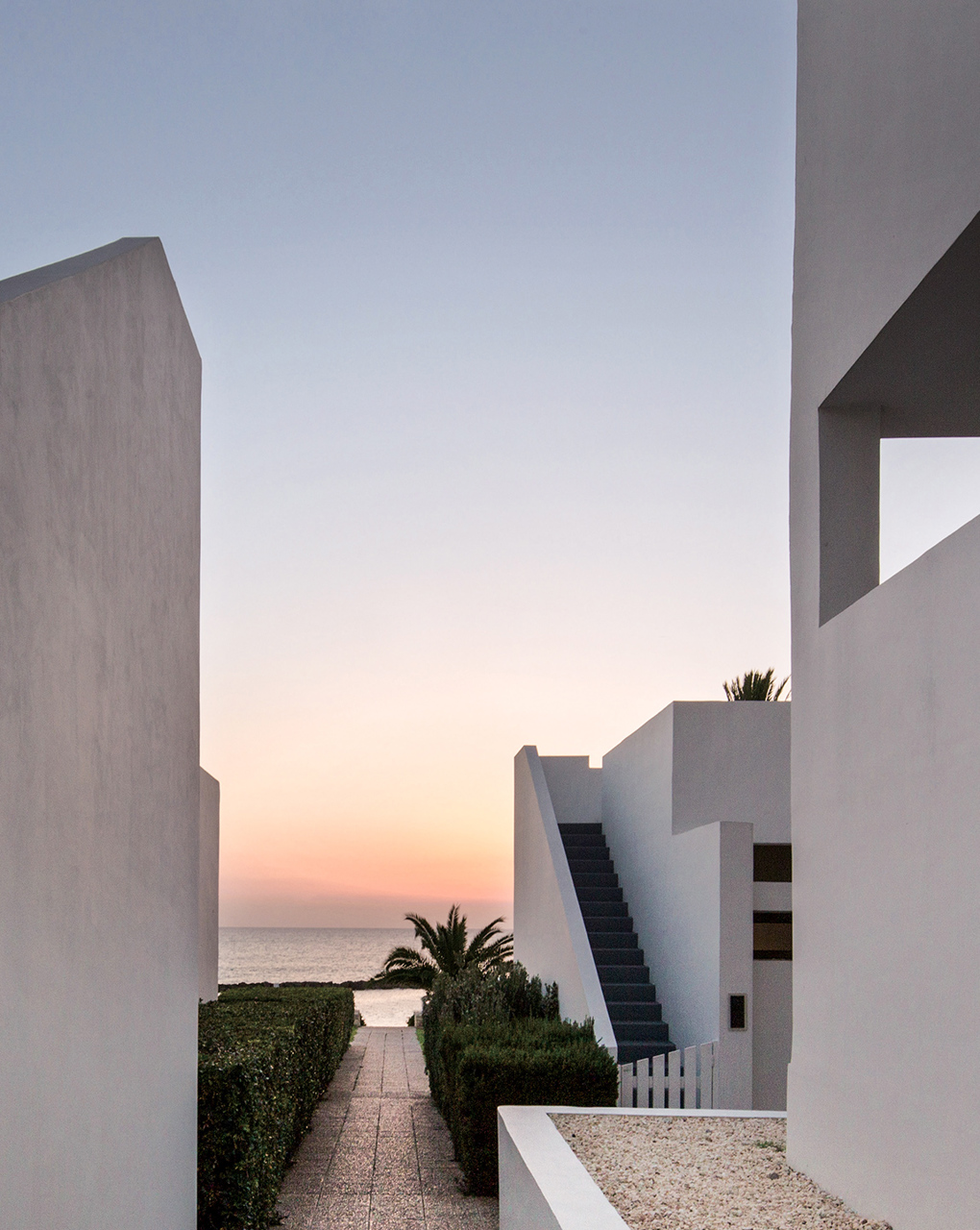
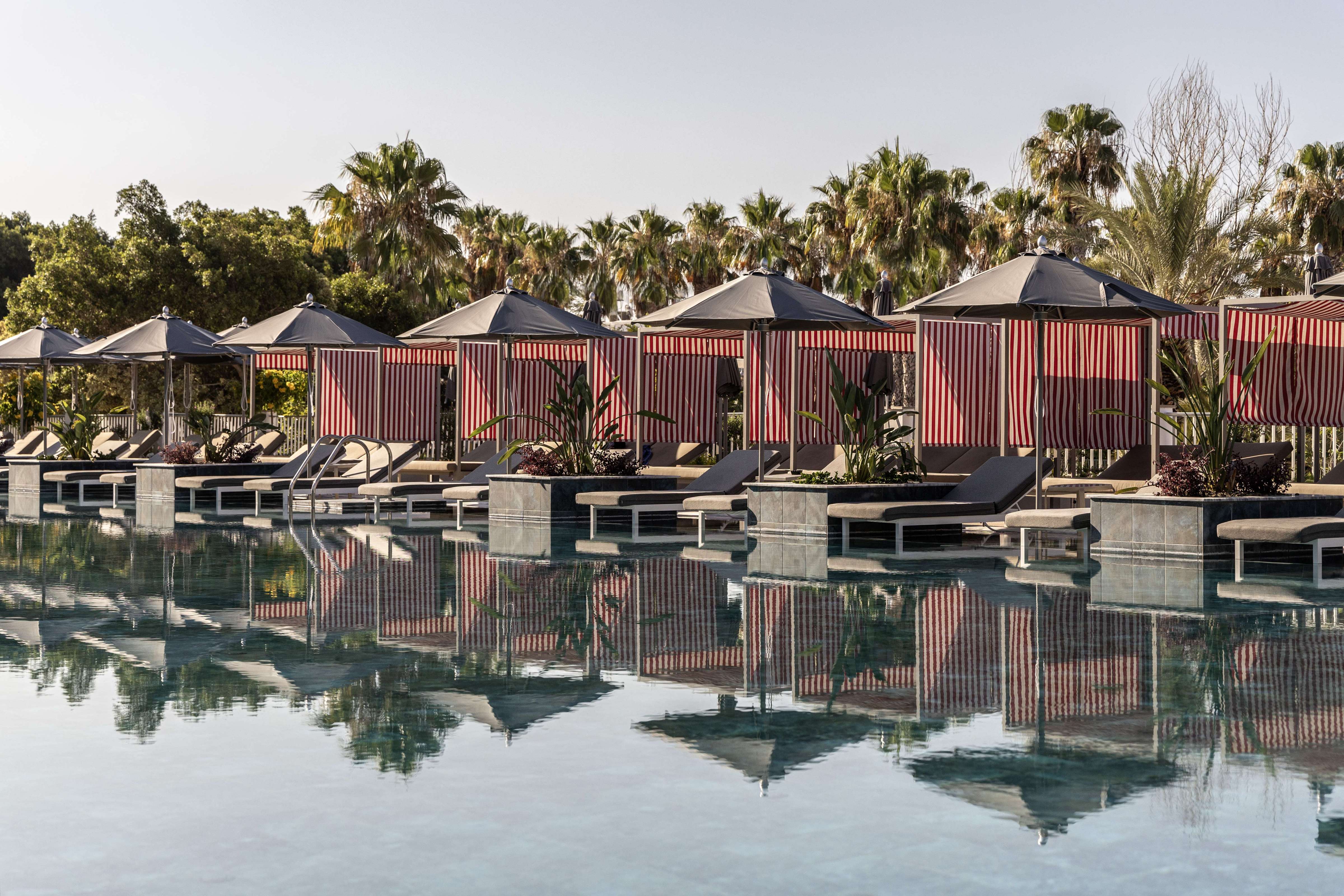
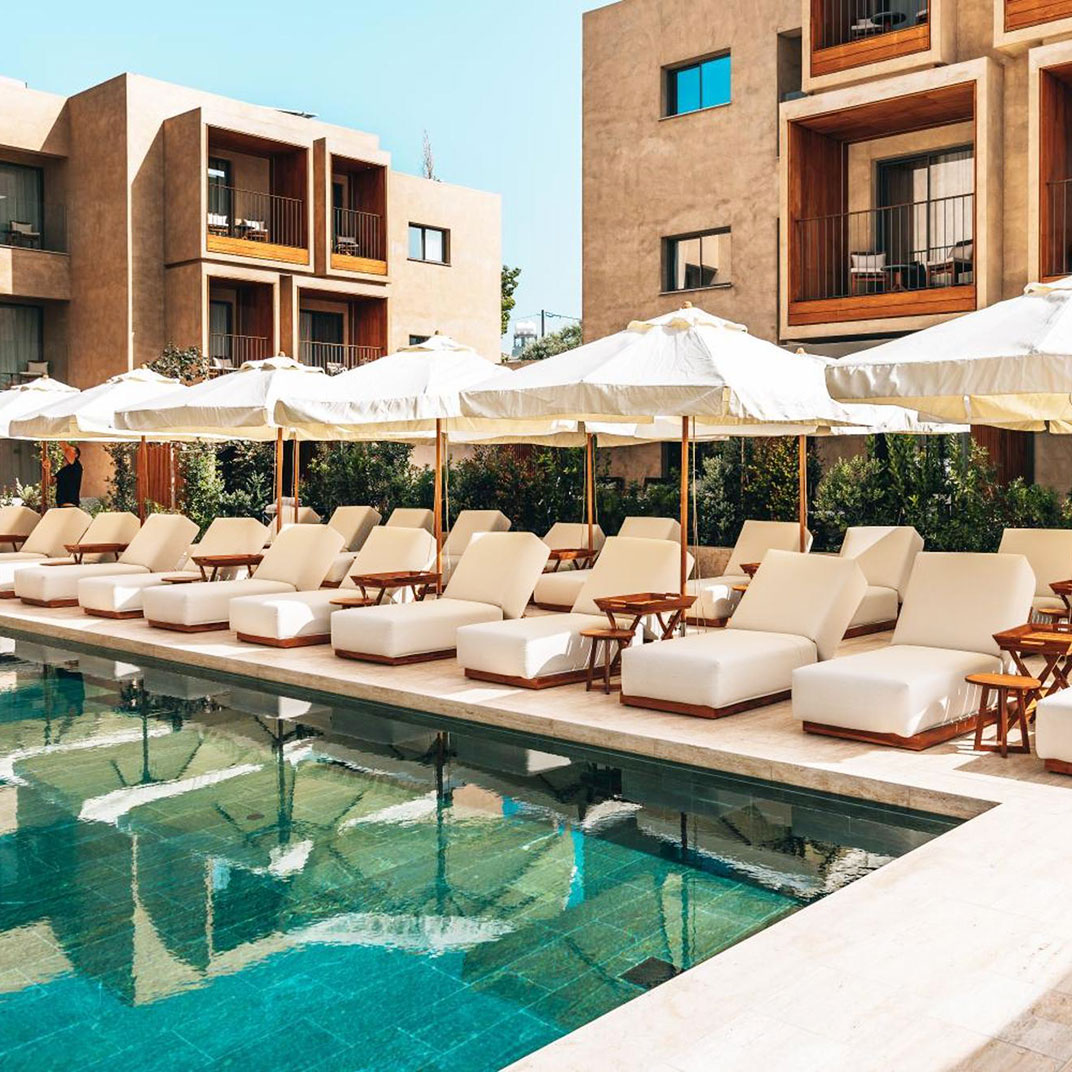
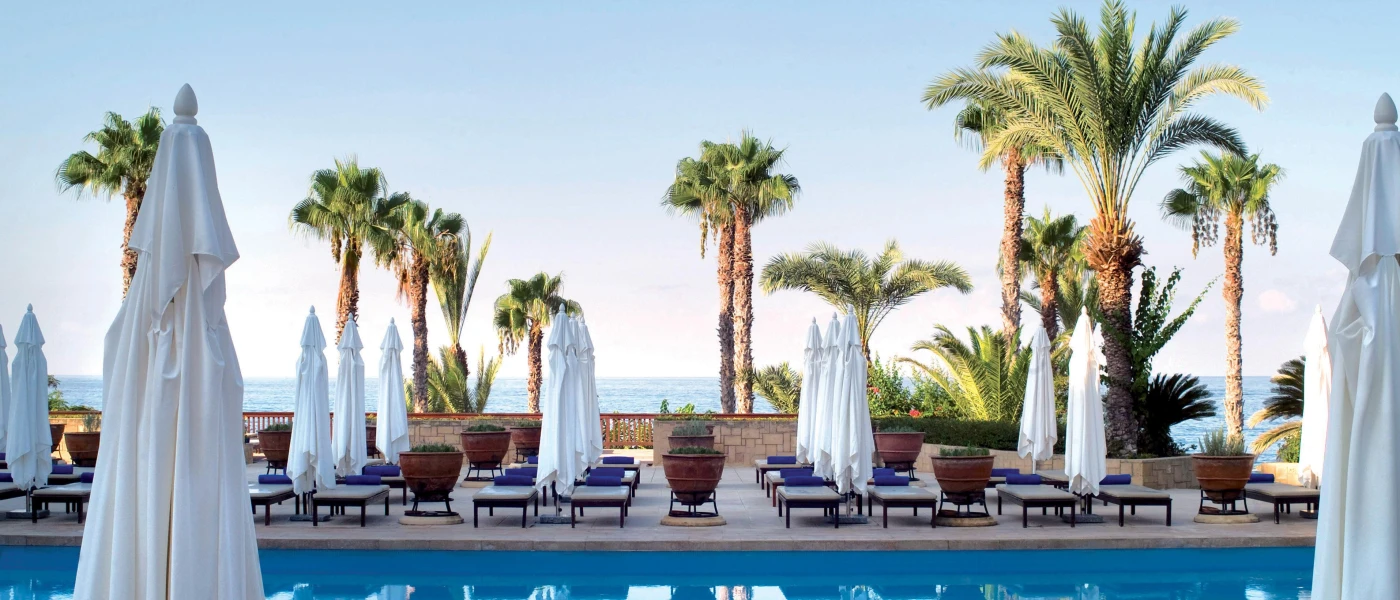
Where to Stay in Paphos
6 recommended properties


Things to Do in Paphos
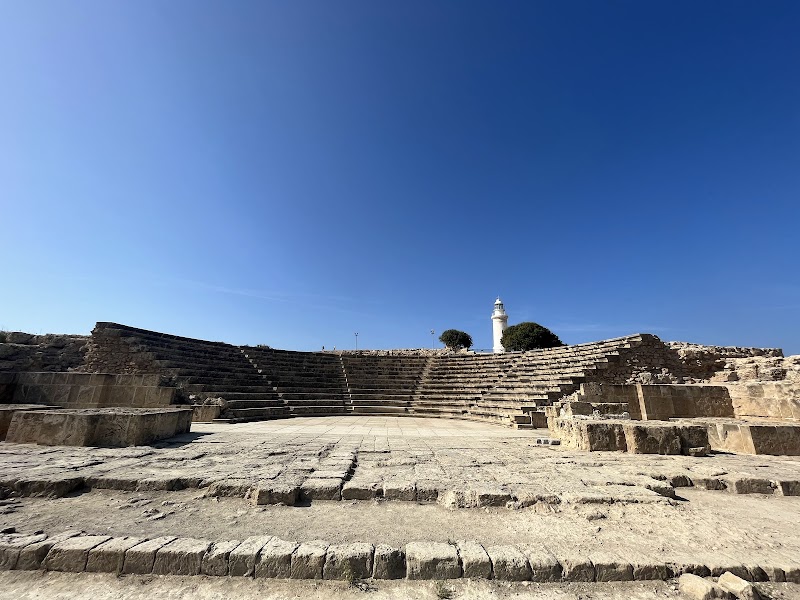
Paphos Archaeological Park
Kato Paphos / Harbour · 150 min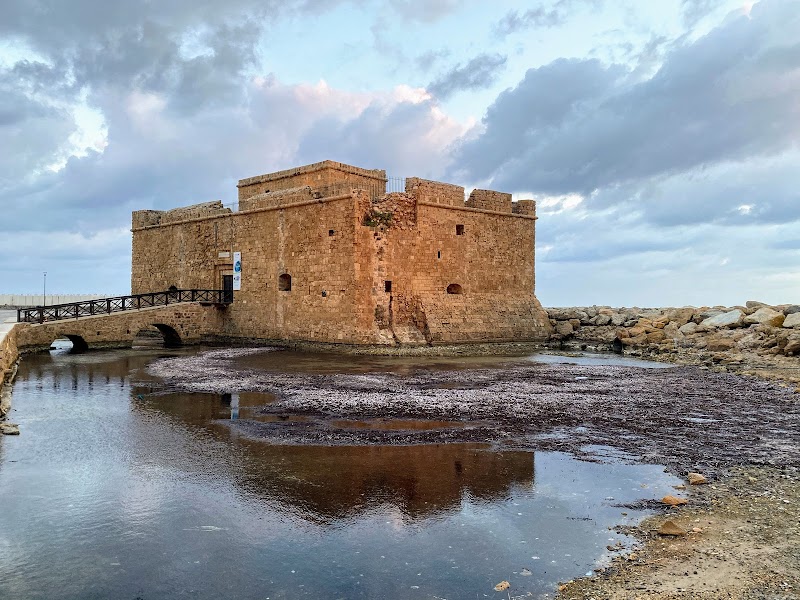
Paphos Castle
Kato Paphos / Harbour · 45 min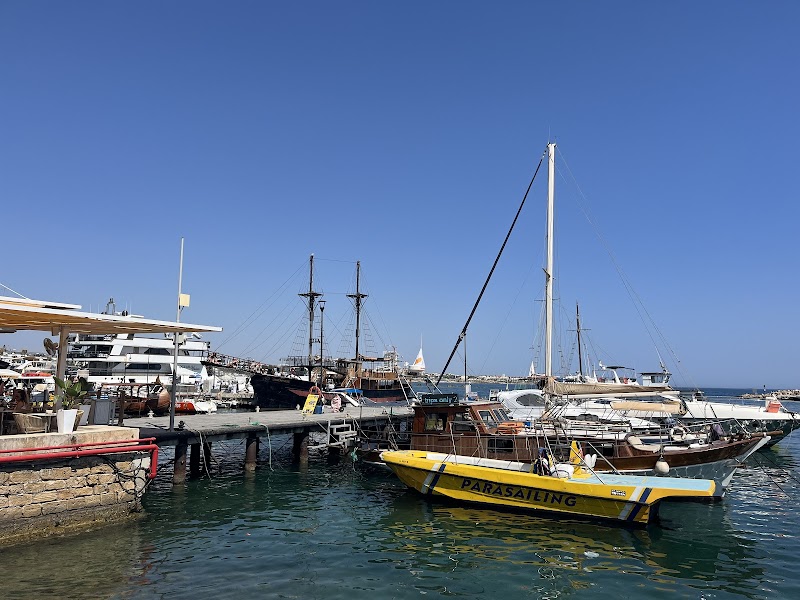
Paphos Harbour and Port
Kato Paphos / Harbour · 90 minMoney-Saving Tips
- 1.Municipal Market on Saturdays offers the cheapest fresh produce and local specialties - halloumi costs €3/kilo vs €8 in tourist shops
- 2.Free parking everywhere except Kato Paphos harbor area during 9am-6pm - save €2-4 hourly by walking an extra 5 minutes
- 3.Many archaeological sites offer combo tickets - €8.50 covers Paphos Archaeological Park, Tombs of Kings, and House of Dionysus vs €4.50 each separately
- 4.Lunch at local tavernas in Ktima costs €8-12 vs €20+ at harbor restaurants for similar quality
- 5.Book accommodations in Coral Bay instead of Kato Paphos harbor - save €30-50 nightly and get better beaches
- 6.Buy wine directly from Tsangarides or Vasilikon wineries - €6-8 bottles vs €15-20 in restaurants
Travel Tips
- •Download offline maps - cell coverage gets spotty in Akamas Peninsula and mountain areas
- •Bring reef-safe sunscreen - many beaches here are protected marine areas and regular sunscreen harms sea life
- •Archaeological sites close at 5pm sharp and don't allow entry after 4:30pm - plan accordingly
- •Cyprus uses Type G plugs (same as UK) - bring adapters if coming from mainland Europe
- •Many restaurants close 3-6pm for siesta - lunch ends by 3pm, dinner doesn't start until 7pm
- •Car rental requires International Driving Permit - get this before traveling, not available on arrival
- •Sea turtle nesting season (May-August) means some beaches have restricted access after 8pm
- •ATMs charge €3-5 fees for foreign cards - withdraw larger amounts less frequently