Perugia
Umbria's hilltop capital where medieval charm meets chocolate and culture
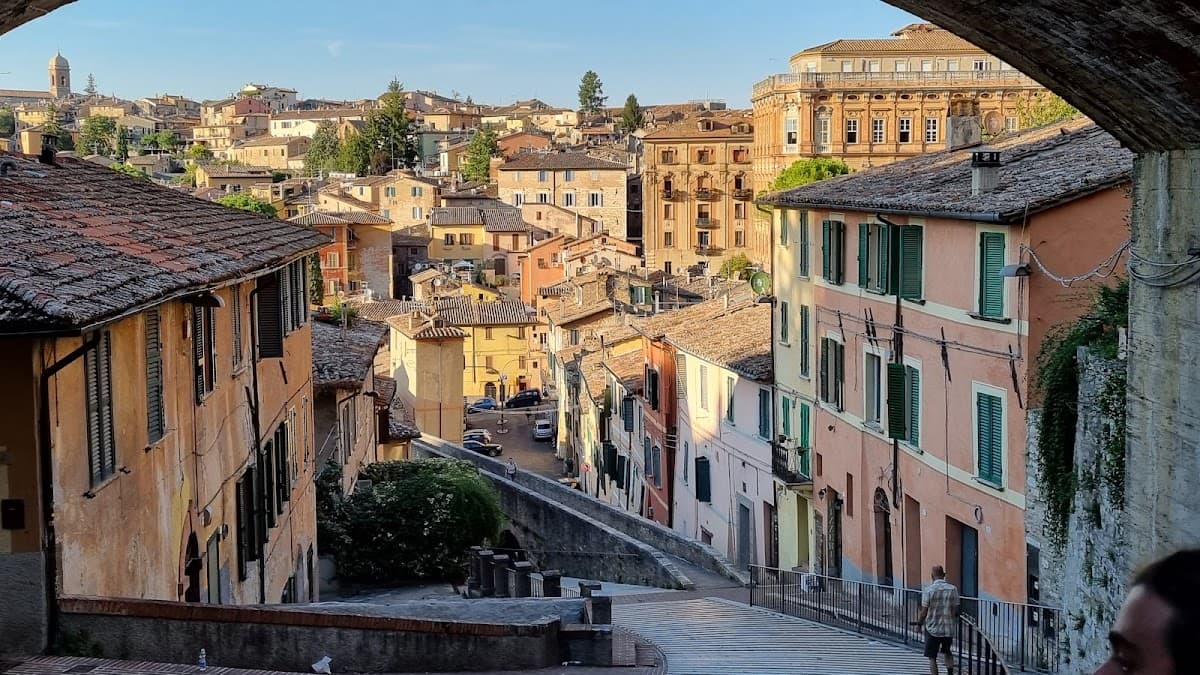
Forget Florence's crowds and Rome's chaos. Perugia sits pretty on its Umbrian hilltop, serving up medieval streets that wind past chocolate shops and jazz clubs. This is Italy's sweet spot — literally and figuratively. The city that gave us Baci chocolates and hosts one of Europe's best jazz festivals manages to feel both timeless and alive. Students from the University for Foreigners keep the energy buzzing, while 13th-century palazzos remind you you're walking through centuries of history. And here's the thing: most tourists skip right past on their way to Tuscany. Their loss, your gain.
Best Months
APR · MAY · JUN · SEP · OCT
~22°C · high crowds
Culture & Context
ETRUSCAN LAYERS, STUDENT HEART
Perugia is first and foremost a university city. The Università per Stranieri (University for Foreigners) pulls in students from around the world, which means the city has a genuinely international atmosphere without feeling like a theme park. Locals cultivate their own olive oil and wine.
The connection to the land is real, not a marketing pitch. Perugina chocolate, home of the iconic Baci (those foil-wrapped hazlenut pralines with tiny love notes inside), has been made here since 1907. The city is Etruscan at its bones, with 3rd-century BC walls and arches you can still walk through, layered over with Roman streets, medieval towers, and Renaissance palaces.
Perugia is also the regional capital of Umbria, so it has the cultural infrastructure of a proper city without the tourist saturation of its Tuscan neighbors. Evenings mean passeggiata along Corso Vannucci. People dress well, walk slowly, and take the ritual seriously.
Don't rush it.
Local Customs
MORNING CAPPUCCINO ONLY
Cappuccino is a morning drink. Order one after 11 AM and you won't be thrown out, but you will get a look. Stick to espresso after lunch..
Don't eat while walking. Grab your torta al testo and find a step or a bench. Street snacking while strolling is less common and noticed..
The bill doesn't come until you ask for it. 'Il conto, per favore' is your signal. Waiting and wondering why the waiter isn't bringing it is just part of Italian dining rhythm..
Most places include a coperto (cover charge) of €1-3 per person. It's not a tip. It's built in.
Tipping isn't expected, but rounding up or leaving a euro or two for good service is appreciated.. Validate your bus or Minimetrò ticket immediately. Inspectors check regularly and 'I didn't know' doesn't help..
Cover shoulders and knees for churches. Perugia has a lot of them, and they're not just tourist attractions. People worship there..
Many family-run shops close between 1 PM and 4 PM on weekdays. Build that into your plans or you'll be staring at locked doors.. When meeting someone new, a handshake is standard.
Among friends, expect a kiss on both cheeks starting from the left. It's an air kiss more than an actual kiss.. In markets and small food shops, don't touch the produce yourself.
Point to what you want and let the vendor select it.. If you're splitting a restaurant bill between a large group, sort it out in cash among yourselves first. Italian POS systems weren't designed for six-way splits.
Safety
SMART URBAN AWARENESS
Perugia is a reasonably safe city with a safety index of 65.41 and a crime index of 34.59.
That said, it's a university town and a city with real urban life, so normal urban awareness applies. Watch your pockets and bags in crowded festival areas, especially during Umbria Jazz (July) and Eurochocolate (November) when tourist numbers spike significantly. One practical hazard: driving into the ZTL (historic center restricted zone) without authorization.
Cameras cover every entry point and fines arrive by mail. Park at Pian di Massiano and take the Minimetrò up. Also worth knowing: one local guide flags Caffè Fortebraccio as lively but worth avoiding as a solo female traveler at night specifically.
During the day it's fine. The Perugino dialect and local student culture mean the city can feel a bit rougher and more casual than tourist-polished destinations. That's not a safety issue, just a tone difference from somewhere like Assisi.
Getting Around
MINIMETRÒ & WALKING
The Minimetrò is your best friend. It's an automated, driverless light rail connecting Fontivegge train station (the main national rail hub) to the historic center at Pincetto in 13 minutes, with 7 stations along the route. Tickets are €1.
50 and valid on city buses too. Trains come every 2-3 minutes. Get off at Pincetto and a short series of escalators deposits you directly into the heart of the old city.
For drivers: park free at Pian di Massiano (around 3,000 spaces) and ride up. Do not drive into the ZTL. Cameras are everywhere and fines are automatic.
For national and regional rail, Trenitalia connects Perugia Fontivegge to Rome Termini (roughly 2-2.5 hours, €18-35), Florence, and other Umbrian towns. Regional buses cover the broader province.
The Busitalia app handles both Minimetrò and bus information. Important: the Minimetrò closes for approximately two weeks in August for annual maintenance. Check the official schedule at minimetrospa.
it before planning any summer travel around it.
Useful Phrases
Where to Stay in Perugia
3 recommended properties
Money-Saving Tips
- 1.Buy groceries at Conad on Via dei Priori instead of tourist shops — prices are 40% lower for the same products
- 2.The Minimetrò day pass costs €1.50 and includes all escalators and buses within the city center
- 3.Lunch menus at restaurants run €12-15 versus €25+ for dinner — same food, better value
- 4.Free wifi at Bibliotheca Augusta and most cafes if you buy a coffee (€1.20 average)
- 5.Many churches and museums offer free entry on first Sundays of the month
- 6.Student areas like Borgo XX Giugno have restaurants with portions sized for sharing and prices to match
- 7.Aperitivo at 6-8pm often includes free snacks with your €5-7 drink purchase
Travel Tips
- •The historic center's cobblestones are brutal on wheeled luggage — pack light or use a backpack
- •Most shops close 1-4pm for riposo, even in tourist areas — plan accordingly
- •The University for Foreigners means many locals speak excellent English, especially younger residents
- •Parking in the center is nearly impossible — use the escalator system from lower lots instead
- •Restaurant reservations aren't typically needed except during jazz festival week in July
- •The main tourist office in Piazza Matteotti has free maps and current event listings
- •ATMs are scattered throughout the center, but many small restaurants still prefer cash
- •The evening passeggiata (stroll) along Corso Vannucci is a local tradition — join in around 6pm