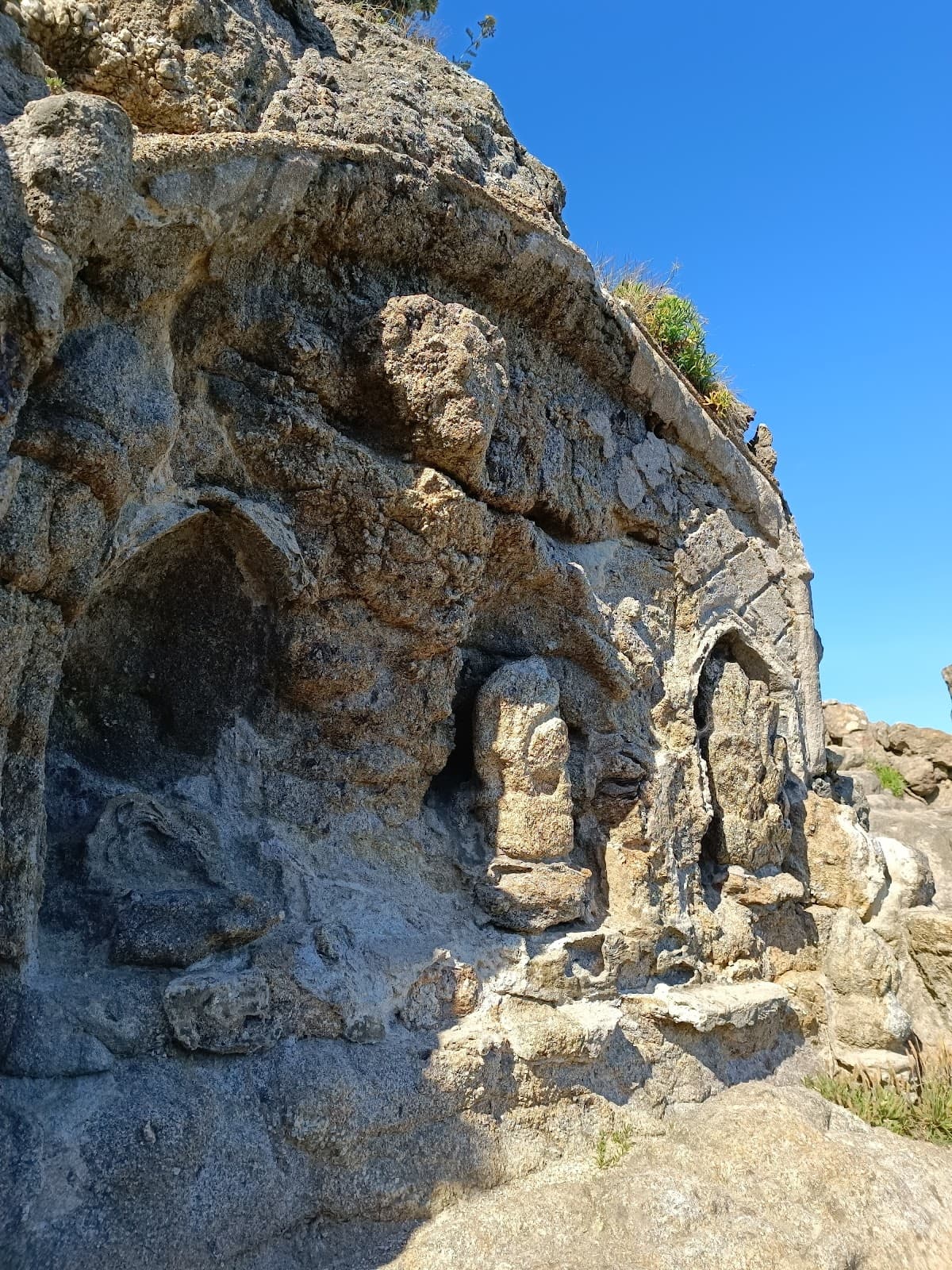
Saint-Malo
Corsair city where medieval walls meet Atlantic waves
Saint-Malo rises from the Brittany coast like something out of a medieval fever dream. Those granite ramparts have watched over pirates, privateers, and now tourists for centuries. The old town sits on a rocky outcrop, completely surrounded by walls you can walk on top of while Atlantic waves crash below.
Here's what makes this place special: it's one of the few walled cities in Europe where you can still feel like you're living inside history. The intra-muros (within the walls) feels like a movie set, but locals actually live here. Tide goes out and you can walk to Fort National on foot. Tide comes in and the city becomes an island again.
But Saint-Malo isn't stuck in the past. The restaurants serve some of Brittany's best seafood, the beaches stretch for miles, and day trips to Mont-Saint-Michel are just an hour away. Summer brings crowds, but visit in shoulder season and you'll have those rampart walks mostly to yourself.
Best Months
MAY – SEP
~21°C · high crowds
Culture & Context
INDEPENDENT CORSAIR SPIRIT
Saint-Malo is a granite-walled port city on Brittany's Côte d'Émeraude (Emerald Coast). The local motto says it all: "Neither French nor Breton — I am from Saint-Malo." That independent streak is real.
The city has its own identity, shaped by corsairs (state-licensed privateers, not outright pirates — locals will correct you on this), explorers like Jacques Cartier, and the kind of Atlantic tides that rank among the strongest in Europe, hitting 13 to 14 meters difference between low and high. The old city, called Intra-Muros, was 80% destroyed in 1944 during Allied bombardment. The Malouins rebuilt it stone by stone, almost identically.
Quebec sent donations, a nod to the deep ties between the city and the land Cartier "discovered." That resilience still shows up in how proud locals are of the place.
Local Customs
CHECK TIDE TABLES FIRST
Always check the tide schedule before walking to any of the tidal islands — Grand Bé and Petit Bé cut off completely at high tide and the current is too strong to swim back. This is not a joke.. Menus are posted outside every restaurant by law.
Read them before you sit down. Inside Intra-Muros, tourist pricing is the norm — a five-minute walk to Saint-Servan or Rocabey drops prices noticeably.. Kouign-amann (a very buttery, slightly caramelized Breton pastry) is the local specialty to try.
Buckwheat galettes with cheese, egg, or andouille sausage are the savory move at any crêperie.. Bretons take their cider seriously. Order it at a crêperie instead of wine and you'll fit right in..
The city is genuinely dog-friendly, including on the ramparts. France is generally relaxed about dogs in public, but follow posted signs — fines are real.. Bordier Butter is a local cult product.
You can find it at local markets and some bakeries. Buy some. It will ruin regular butter for you forever..
On spring tides (especially around the equinoxes), don't stand at the water's edge near the Sillon seawall or the ramparts. Waves come from nowhere and fast.
Safety
RESPECT THE TIDES
Saint-Malo is a safe city overall. The main risks are environmental, not criminal. Tides are the big one — the bay has some of the strongest tidal ranges in Europe, up to 13–14 meters difference between low and high.
Do not walk to Grand Bé or Petit Bé without checking the tide schedule. Missing the cutoff means hours stranded or a genuinely dangerous attempt to get back through strong currents. The rocks around the ramparts and beaches are slippery at all times, especially around the Sillon seawall during large swells.
Never stand at the water's edge there when tides are high and there's any swell — waves arrive without much warning and have taken people off their feet. Summer crowds in Intra-Muros can make parking a real problem, with some visitors reporting 45 minutes to find a spot. Pickpocketing is not a major issue but the usual crowded-tourist-area awareness applies.
Getting Around
WALKABLE & FERRY-CONNECTED
Getting to Saint-Malo is straightforward. Train from Rennes (the main regional hub) takes about an hour and costs €15–30. FlixBus connects directly from Paris from as little as €5, stopping at the bus terminal near the tourist office, which is about 10 minutes on foot from the ferry port.
If you're coming from the UK, Brittany Ferries runs from Poole and Portsmouth, and Condor Ferries covers Jersey and Guernsey — the ferry terminal is right in town. Once you're there, Intra-Muros is completely walkable and parking inside the walls is essentially impossible in summer. The MAT local bus network (Malo Agglo Transports) covers 15 lines across 18 communes, and as of spring 2025 introduced contactless card payment directly on buses.
However, be aware the network went through a messy restructuring in early 2025 and a contract dispute led to the termination of Transdev's contract in December 2025 — check reseau-mat.fr for current service status before relying on outlying routes. Ferries also run to Dinard (directly across the estuary, about 10 minutes) and to the island of Cézembre in summer, taking roughly 20 minutes.
Bikes are genuinely useful for covering the coast path and the Sillon digue.
Useful Phrases
Money-Saving Tips
- 1.Buy a day pass for MAT buses at €3.50 instead of individual €1.30 tickets if you're making more than 2 trips
- 2.Many restaurants offer lunch menus for €15-20 that cost €35+ at dinner - eat your big meal at midday
- 3.Free rampart walks provide the best views in town - no need to pay for tourist attractions
- 4.Shop at Leclerc supermarket in Saint-Servan for groceries instead of expensive intra-muros shops
- 5.Visit the Saturday market after 11am when vendors start discounting produce to avoid taking it home
- 6.Park at Parking des Remparts (€2/hour) instead of trying to find street parking in the old town
Travel Tips
- •High tide schedules change daily - check times at the tourist office to plan Fort National visits
- •Bring layers even in summer - Atlantic winds can be chilly on the ramparts
- •Book restaurants ahead in July/August or you'll end up eating overpriced tourist food
- •The old town's cobblestones are slippery when wet - wear shoes with good grip
- •Download the MAT bus app for real-time schedules - buses can run late in summer traffic
- •Many shops close 12-2pm for lunch - plan your shopping around these hours
- •The rampart walk is 1.8km total but has several exit points if you get tired
- •Tides can cut off access to beaches and forts - always check tide times before heading out