
Tequila
Birthplace of Mexico's national spirit in agave-covered highlands
Look, everyone knows tequila the drink. But Tequila the town? That's where the real magic happens. This highland pueblo sits 65 kilometers northwest of Guadalajara, surrounded by blue agave fields that stretch to the volcanic horizon. Here's the thing - this isn't just another Mexican tourist trap. It's a UNESCO World Heritage site where jimadores still harvest agave by hand, where family distilleries have been perfecting their craft for generations, and where you can taste tequila that never makes it past the town limits. The red volcanic soil and 1,200-meter elevation create perfect growing conditions for agave azul. And those Instagram-worthy agave fields? They're working farms, not photo ops.
Best Months
JAN · FEB · MAR · APR · OCT · NOV · DEC
~26°C · moderate crowds
Culture & Context
AGAVE & SOUL
Tequila is where Mexico's most famous export literally grows out of the ground. The name comes from the Nahuatl word "Tequillan," meaning "place where it is cut," which is a direct reference to the jimadores harvesting agave by hand for centuries before anyone bottled a drop. The town holds UNESCO World Heritage status for its agave landscape and ancient industrial facilities, and it's been a Pueblo Mágico since 2003.
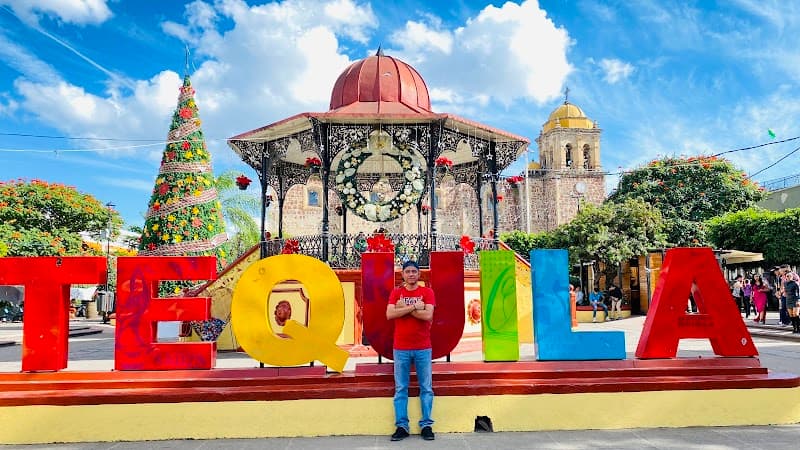
But here's the thing: it doesn't feel like a museum piece. On weekends, it feels more like a party that happens to have cobblestone streets and a 16th-century church at the center of it. Sixty-plus tequila factories operate in and around town, and the air genuinely smells like roasting agave piñas.
Every agave plant takes roughly seven years to mature before a jimador harvests it with a coa (a sharp, disc-shaped tool). That patience is baked into the culture here. People are proud of this place in a way that's hard to fake.
Ask anyone working at a distillery about their craft and you'll get a 20-minute answer, no upcharge.
Local Customs
SIP SLOW, RESPECT AGAVE
Skip the salt-and-lime shot routine with any quality tequila. That's a tourist thing from cheap mixto bottles. In Tequila town, you sip reposado and añejo slowly, like whisky.
Doing the lick-shoot-bite thing at a serious tasting will get you politely corrected.. The cantarito is the authentic local cocktail: tequila, fresh orange juice, grapefruit juice, lime, and mineral water served in a small clay jug. The clay mutes the sharpness of the tequila and keeps the drink cold.
Get one from a street vendor before you spend money at a bar.. The batanga was invented at Cantina La Capilla on the main street by Don Javier Delgado Corona: tequila, cola, lime, and salt. Order one here specifically.
It's history in a glass and costs next to nothing.. At any tasting room worth your time, ask '¿Qué porcentaje de agave es esto?' (What percentage agave is this?
). 100% agave is the real thing. Mixto can legally contain up to 49% other sugars.
Knowing the difference matters and asking the question marks you as someone who cares.. Tipping is expected and appreciated. Bartenders, tour guides, and street food vendors all rely on tips.
10-15% at restaurants, 20-50 pesos for a guide interaction is appropriate.. Weekends in Tequila town get genuinely rowdy, especially around the plaza. Domestic Mexican tourists come here to let loose.
If you want the town without the crowd, a Thursday or Friday arrival is far more pleasant.
Safety
TOWN SAFE, STATE TENSE
Tequila town itself is considered safe for tourists. No recorded American homicides have been documented in the town, and local authorities maintain visible security presence around the tourist core. That said, Jalisco as a state carries a US Level 3 'Reconsider Travel' advisory, and early 2026 saw genuine disruption.
In February 2026, the killing of El Mencho (CJNG cartel leader) triggered retaliatory roadblocks, vehicle fires, and brief flight cancellations at Guadalajara and Puerto Vallarta airports. The situation stabilized by March 2026, with tourist areas unaffected throughout. The security situation in and around Tequila town was described as stable by April 2026.
Practical notes: don't drive to or from Tequila on rural roads after dark. Don't flash expensive gear or large amounts of cash. Petty theft and pickpocketing are the main risks in crowded festival situations.
Drink moderately, especially if you plan to drive or use public transport back to Guadalajara. And monitor travel.state.
gov for any new alerts before you go. The violence in Jalisco is real but concentrated in the south of the state and rural corridors nowhere near the tourist circuit. Staying in the Centro, doing distillery tours, and using official transport keeps risk extremely low.
Getting Around
BUS, TRAIN, OR CAR
From Guadalajara, you have three main options. The cheapest: buses from the Antigua Central Camionera (old bus terminal) run roughly every 30 minutes, cost around 75-100 MXN, and take about 1.5 hours.
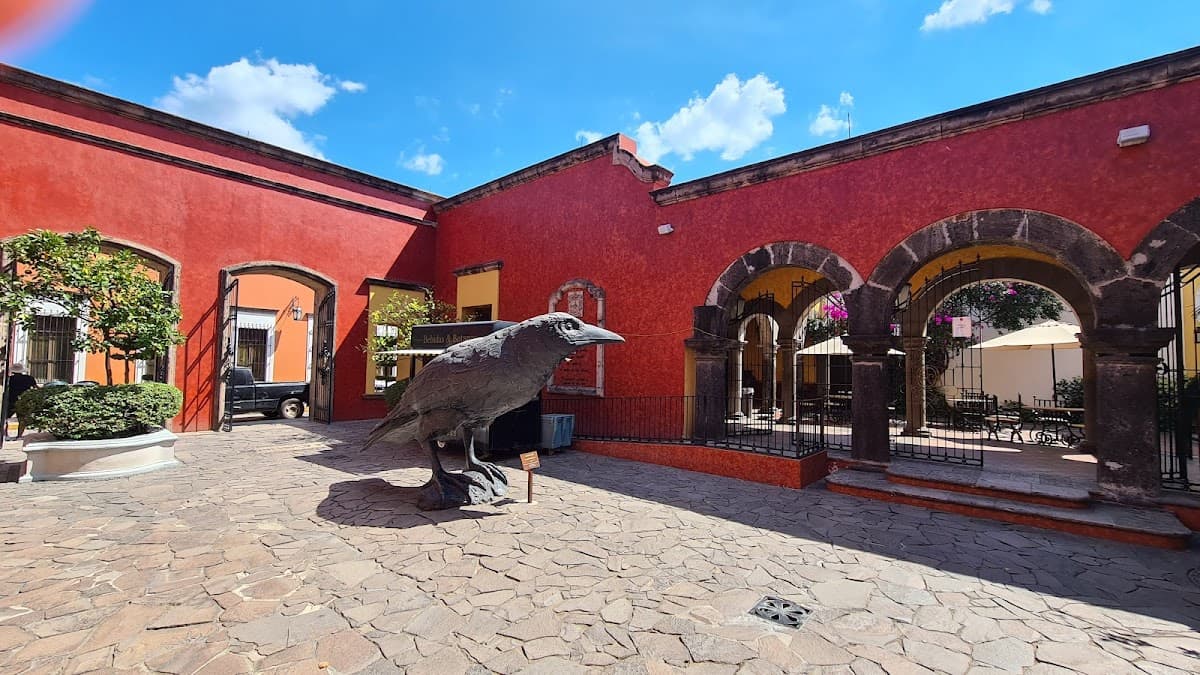
It's basic but totally functional. The most atmospheric: the José Cuervo Express train departs Saturdays from González Gallo Station in Guadalajara, includes an open bar, a stop at La Rojeña distillery, and an agave field walk. Price ranges from 1,200-2,500 MXN depending on class.
Book weeks ahead because it sells out. A relaunched Tequila Express train also operates on weekends (check tequilaexpress.mx for current schedule, as availability has been inconsistent).
By car: an easy one-hour drive on the toll highway. Rideshare by Uber or private driver is also common from Guadalajara, with many locals doing return trips. Within Tequila town, everything in the Centro is walkable.
To reach Amatitán, El Arenal, or the agave field viewpoints, you need a car or a tour. Taxis are available at the plaza but negotiate the price before you get in.
Useful Phrases
Things to Do in Tequila
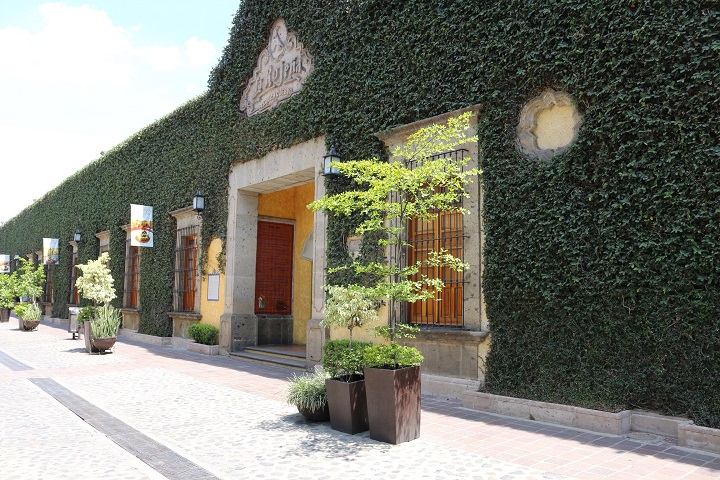
José Cuervo Distillery (Fábrica La Rojeña) Tour
180 min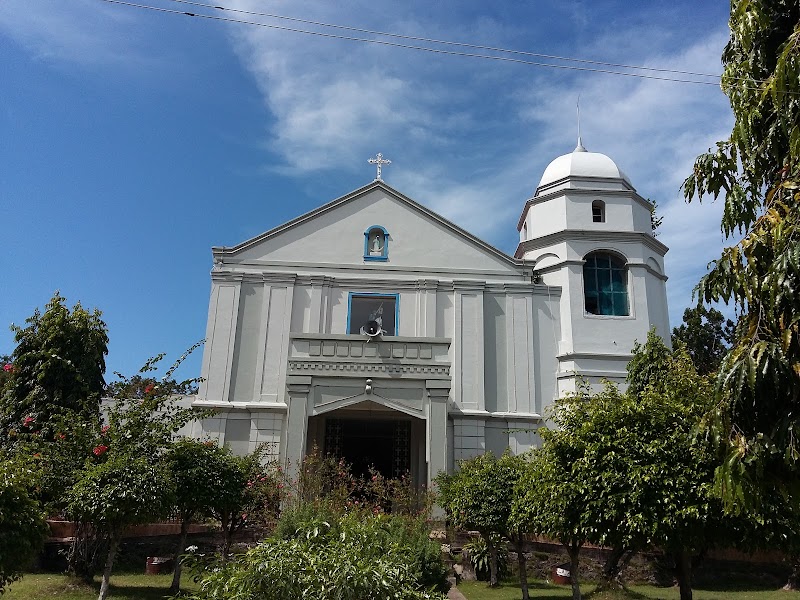
Santiago Apostol Parish Church Visit
45 min
Tequila Express Train Experience
480 minMoney-Saving Tips
- 1.Skip the tourist train if you're on a tight budget - regular buses from Guadalajara cost $8 versus $65 for the Tequila Express
- 2.Buy tequila directly from small distilleries like El Tesoro or Fortaleza - prices are 30% lower than what you'd pay in the US
- 3.Eat lunch at local fondas instead of hotel restaurants - a full meal with drinks costs $8-12 versus $25+ at tourist spots
- 4.Book distillery tours directly rather than through hotels to avoid markup fees
- 5.Stay in Amatitán, 10 minutes away, where hotels cost half the price of Tequila's historic center
- 6.Visit during weekdays when many attractions offer discounted admission rates
Travel Tips
- •Bring cash - many small distilleries and local restaurants don't accept cards
- •Book distillery tours in advance during harvest season (December-January) when they fill up quickly
- •Wear closed-toe shoes for distillery visits - tour guides won't let you in wearing sandals
- •Learn the difference between 100% agave and mixto tequilas before visiting - it'll enhance every tasting
- •Don't drive after distillery tours - even small tastings add up quickly in the high altitude
- •Pack layers - highland mornings are cool but afternoons get warm
- •Bring sunscreen and a hat - the high altitude sun is stronger than you expect
- •Download offline maps - cell service gets spotty in the agave fields outside town