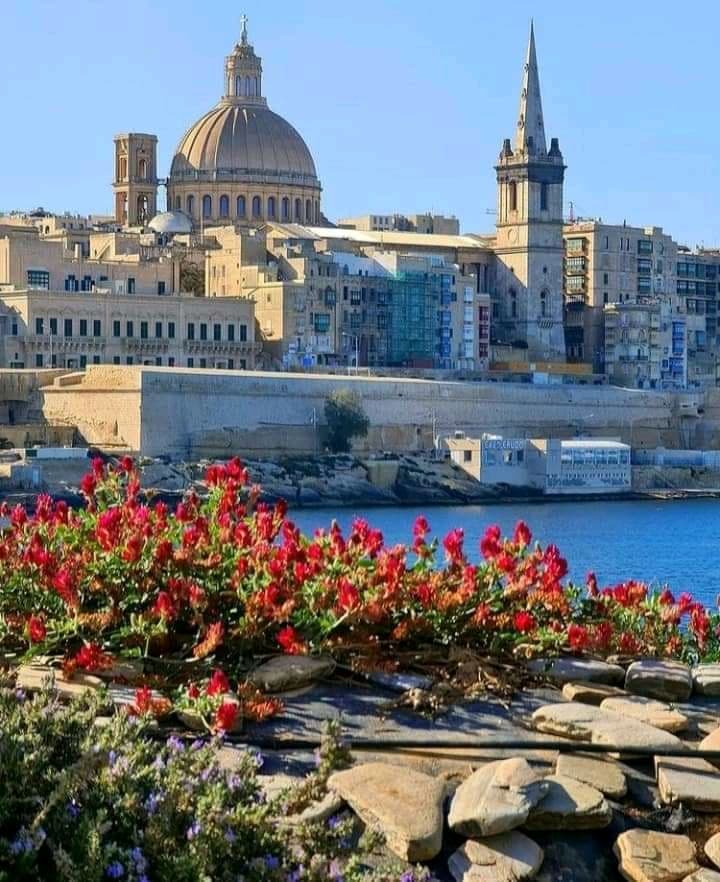
Valletta
Baroque fortress city where knights' history meets Mediterranean splendor
Valletta packs more history per square meter than almost anywhere in Europe. This tiny capital city — you can walk end to end in 15 minutes — sits on a limestone peninsula jutting into the Mediterranean like the prow of a ship. The Knights of St. John built it as an impregnable fortress in the 16th century, and today their baroque palaces house boutique hotels, wine bars, and art galleries. The honey-colored limestone glows golden at sunset, while the Grand Harbour spreads out below like a blue mirror. But here's what makes Valletta special: it's a living city, not a museum. Locals still hang laundry from ornate balconies, kids play football in Castille Square, and fishermen mend nets in the morning light.
Best Months
APR · MAY · JUN · SEP · OCT · NOV
~24°C · moderate crowds
Culture & Context
LIVING MEDIEVAL MONUMENT
Valletta is Europe's smallest capital city, a UNESCO World Heritage Site packed onto a limestone peninsula between two of the Mediterranean's most dramatic natural harbours. Founded in 1565 by the Knights of St John, the whole city is essentially one enormous monument that people still live and work in. And that's the thing about Valletta: it doesn't feel like a museum town.
Government ministers walk the same streets as tourists. Caravaggio paintings hang in a church you can walk into for free most days. The scale is intimate.
You can cross the city in about 14 minutes on foot, end to end. Maltese identity runs deep here, shaped by centuries of Arab, Norman, Spanish, French, British, and Italian rule. That layered history shows up in the language, the food, the architecture, and in the almost theatrical passion locals bring to everyday conversation.
English is an official language alongside Maltese, so communication is easy. But the city's soul is Maltese, not a generic Mediterranean backdrop.
Local Customs
FESTAS & FIREWORKS
Festas are serious business. Every village honours its patron saint with fireworks, band marches, and street food. Don't treat them as a tourist spectacle.
They're genuine community events and locals take fierce pride in them. Drop in, eat something, watch the procession.. The daily noon cannon salute from the Saluting Battery below Upper Barrakka Gardens has been firing since the Knights of St John.
It happens at noon and 4pm. It's loud enough to startle you the first time. There's no admission fee to watch..
Dress codes at churches are enforced, including at St John's Co-Cathedral. Shoulders must be covered. A mini-skirt is fine; a sleeveless top without a cover-up is not.
Carry a scarf.. Driving is on the left side of the road, a legacy of British rule. Roundabouts follow 'give way to the right.
' Traffic in and around Valletta can be chaotic. Parking is genuinely difficult. For most visitors, buses and ferries are a better call..
Siesta hours still affect some shops in less urban areas, typically 1pm–4pm and sometimes on Saturday afternoons. In Valletta proper this is less common, but don't be surprised if a local shop is shuttered mid-afternoon.. Tap water is safe by official standards but tastes strongly of salt because it's desalinated seawater.
Most locals drink bottled water. Don't plan on enjoying tap water with your meals.. Maltese people are expressive and direct.
Conversations come with hand gestures, raised voices that aren't actually arguments, and a blunt honesty that can catch visitors off guard. It's warmth, not aggression.. The 'Bird Man' scam operates near Upper Barrakka Gardens.
Someone places a parrot on your shoulder without asking, then demands €10–20 for a photo. Just say no before it lands on you.
Safety
VERY SAFE CAPITAL
Valletta is genuinely one of the safest capitals in Europe. Malta recorded its lowest crime rate on record in 2025 at 27 crimes per 1,000 residents. Violent crime targeting tourists is extremely rare.
That said, a few things are worth knowing. Pickpocketing happens in crowded areas around Valletta's markets, the main bus terminus, and on busy bus routes between Valletta and Paceville. Keep your bag in front of you on crowded buses.
White taxis don't use meters. Always agree on the fare before you get in, or use Bolt or eCabs for transparent upfront pricing. A taxi from the airport to Sliema should cost around €20–25 in 2026.
Some restaurants near the main tourist drag add hidden charges or inflate bills. Check your receipt. Sicily Street has a reputation for occasional minor scams at night.
The Fort St Elmo area is quieter after dark and worth extra awareness if you're walking alone. Valletta is LGBTQIA+ friendly, with Malta considered one of the most progressive countries in Europe on those rights. For emergencies, the number is 112 for police, fire, and medical services.
Getting Around
BUSES & FERRIES
Valletta is the hub of Malta's entire public bus network, which means almost every bus on the island starts or ends here. The weekly bus pass costs €25 for adults and gives you unlimited travel across Malta and Gozo for 7 days. Single fares are cheap.
The ferry across the harbour from Sliema to Valletta is 10 minutes, costs €2 single (€3.80 return), and honestly more pleasant than fighting through traffic. Ferries to the Three Cities run roughly every 30 minutes.
No metro exists. Bolt and eCabs are the reliable ride-sharing apps. Both show upfront pricing and are far better than flagging an unmarked taxi.
For the airport (Malta International is about 20 minutes from Valletta), prebook a taxi or use Bolt to avoid overcharging at the terminal. Renting a car gives you freedom to explore, but parking in Valletta is genuinely awful and the narrow medieval streets are not forgiving. For day trips outside the city, a car makes sense.
Driving is on the left. Gozo ferry departs from Ċirkewwa (northern Malta); the trip to Gozo is free one way, €4.65 per passenger on return.
Useful Phrases

Things to Do in Valletta
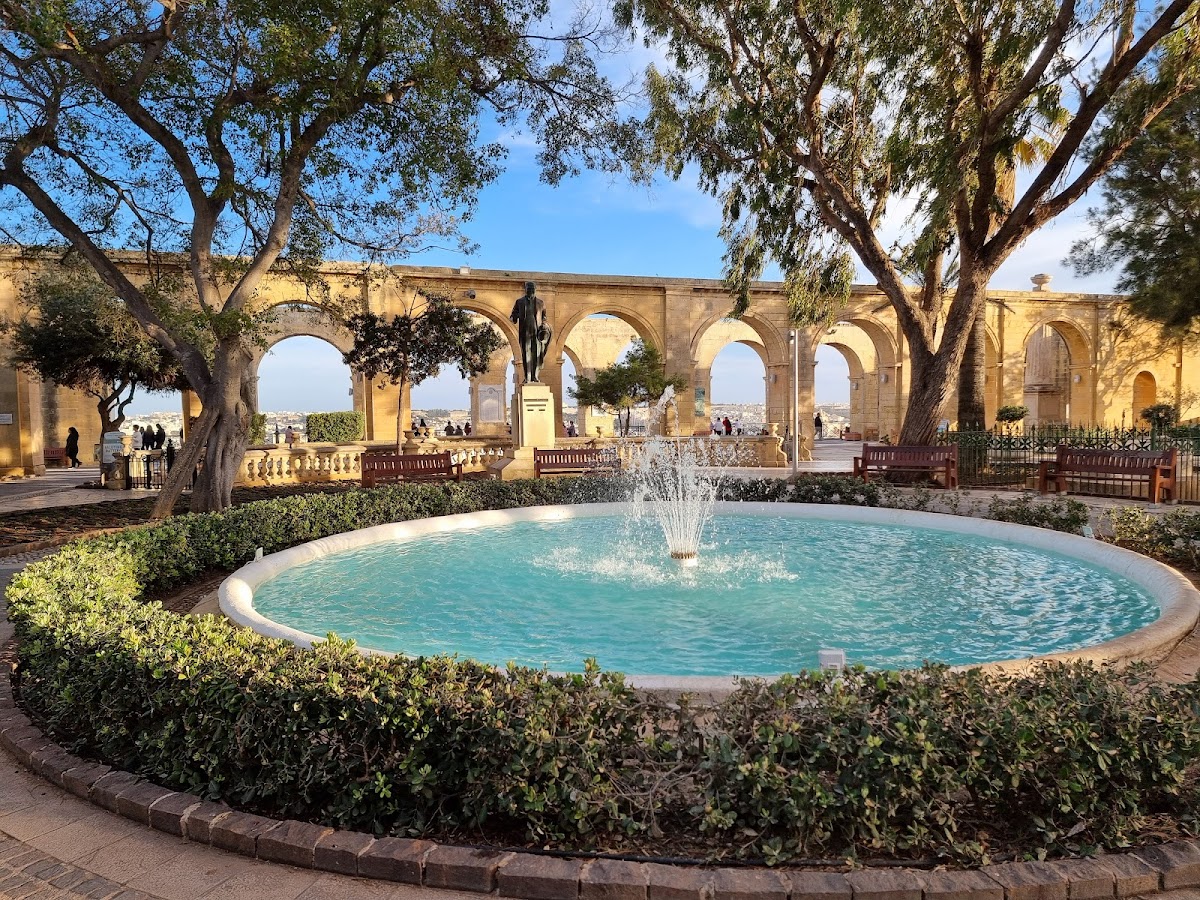
Upper Barrakka Gardens
90 min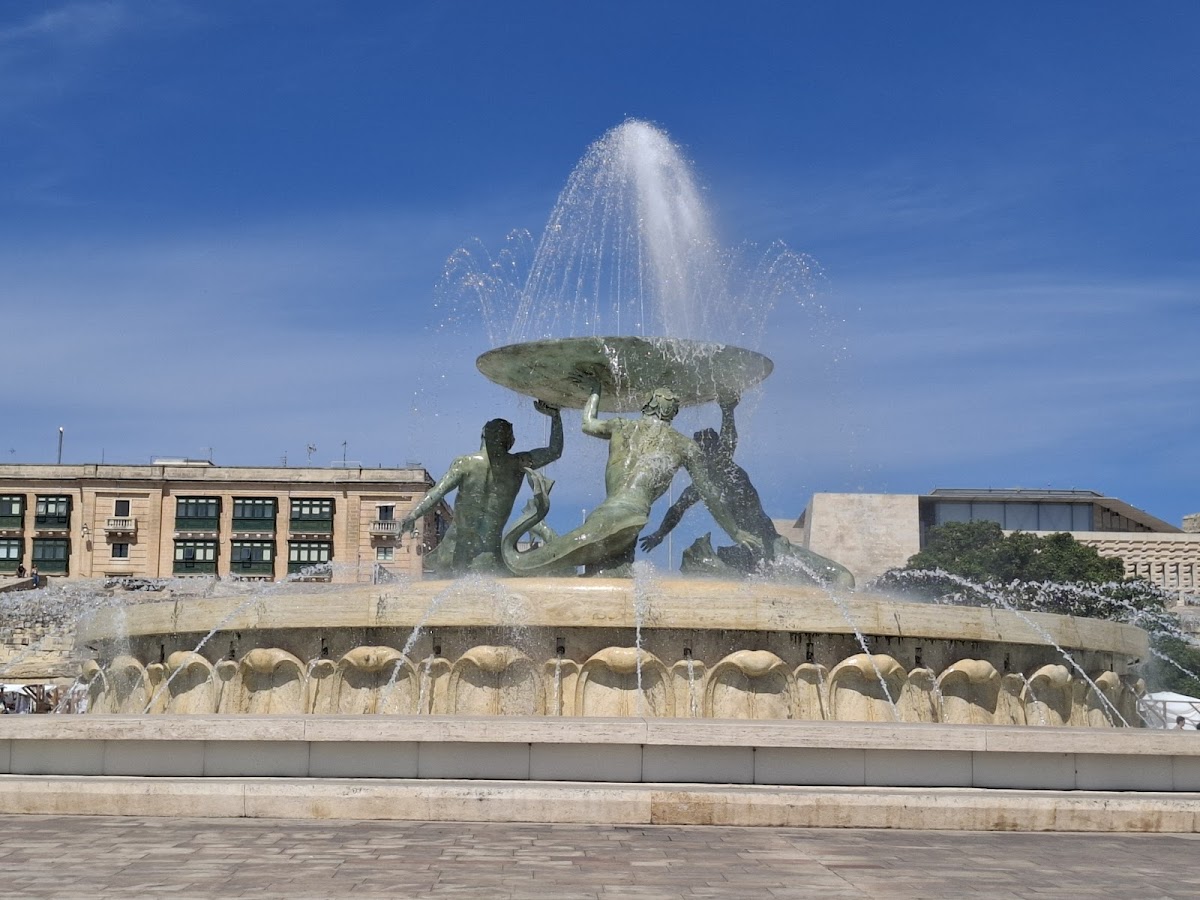
Tritons Fountain and Main Square Walking Tour
60 min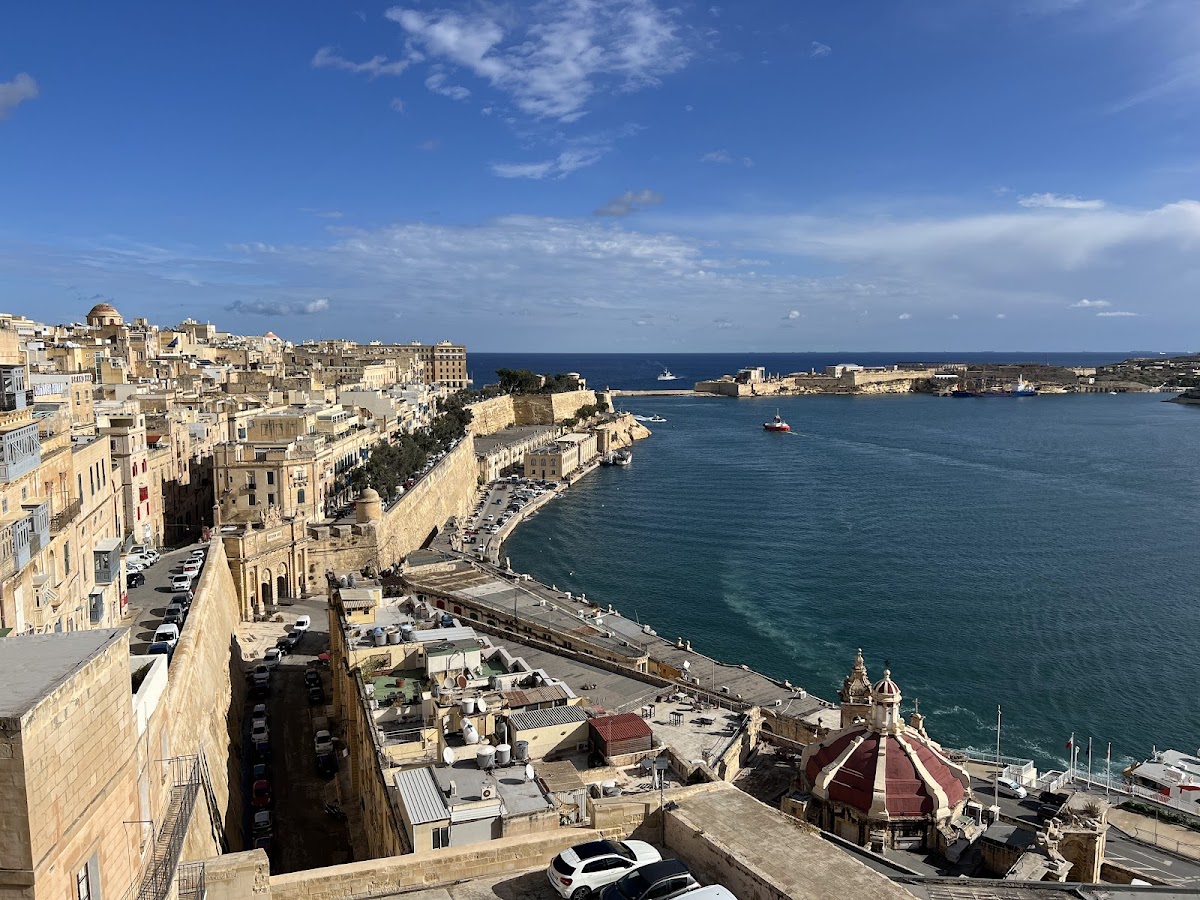
Valletta Waterfront Historic Walking
75 minMoney-Saving Tips
- 1.Many museums offer combined tickets — the Heritage Malta pass covers 5 sites for €25 instead of paying individually
- 2.Eat lunch at local bars serving pastizzi (flaky pastries) for under €2 instead of tourist restaurants
- 3.The public bus system costs just €2 for day passes, much cheaper than taxis between towns
- 4.Free walking tours run daily from City Gate — tip-based so you control the cost
- 5.Happy hour at Strait Street bars typically runs 5-7 PM with half-price cocktails
- 6.Shop at Scotts supermarket in Valletta for groceries instead of hotel minibar prices
Travel Tips
- •Download the Heritage Malta app for free audio guides at major attractions
- •Carry water — limestone reflects heat and dehydration hits fast in summer
- •Book restaurant reservations ahead, especially weekends when locals dine out
- •The Upper Barrakka Gardens elevator saves your knees but closes at 8 PM
- •ATMs cluster around Republic Street — cards accepted most places but carry some cash
- •Sunday mornings are quietest for photography before cruise ships arrive
- •Wear sunscreen even in winter — the Mediterranean sun reflects off white limestone
- •Learn basic Maltese greetings — locals appreciate the effort even though English is official