
Lombok
Bali's quieter neighbor with pristine beaches and volcanic adventures
Lombok sits just 35 kilometers east of Bali, but it feels like another world entirely. While Bali gets the crowds, Lombok keeps the soul of Indonesia intact. Here you'll find beaches that make Bali's look ordinary, a volcano that'll test your limits, and locals who still smile because they're genuinely happy to see you, not because you're carrying a wallet. The Sasak people have called this island home for centuries, and their traditions run deeper than any resort pool. Sure, development is creeping in, but Lombok still rewards travelers who venture beyond the obvious.
Best Months
APR – SEP
~31°C · moderate crowds
Culture & Context
SASAK, NOT BALI
Lombok is not Bali's little sibling. That comparison does both islands a disservice. About 85% of the population are Sasak people, an indigenous Muslim majority with their own language, customs, and rhythms that have nothing to do with Bali's Hindu ceremonies.
The call to prayer echoes five times a day here. You'll spot mosques on nearly every corner, which is why Lombok is sometimes called the Island of a Thousand Mosques. That shapes everything: alcohol is harder to find outside tourist zones, dress norms are more conservative in villages, and the general pace is quiet and inward-facing rather than performance-based.
Sasak culture is genuinely old and layered. On weekends in villages, you'll stumble on Nyongkolan wedding processions with full street energy, drums, and traditional dress. The weaving villages of Sukarara and Pringgasela still practice hand-loom techniques passed down for generations.
And the Merariq marriage tradition (a symbolic bride "kidnapping") still happens. None of this is staged for tourists. That authenticity is precisely why people who find it fall hard for Lombok.
Local Customs
RIGHT HAND, MODEST DRESS
Dress modestly when leaving beach areas. Sarongs and covered shoulders are expected in villages and near mosques. This is a predominantly Muslim island, not Hindu Bali, and the distinction matters..
Use your right hand for eating, giving, and receiving. Offering something with your left hand is considered disrespectful.. The call to prayer (Adhan) happens five times daily and can be loud.
During Ramadan, avoid eating, drinking, or smoking in public during daylight hours out of respect.. Always ask before photographing people, homes, ceremonies, or sacred places. A smile and 'Boleh foto?
' goes a long way.. Bargaining is normal and expected in markets. Do it with a smile, not aggression.
Walking away is part of the process.. If you encounter a Nyongkolan wedding procession on the street (this happens most weekends), step aside and let it pass. It's a real community celebration, not a tourist show..
Wetu Telu is a local spiritual tradition practiced in some mountain villages that blends Islam with older animist beliefs. Approach with curiosity and respect, not judgment.. Take your shoes off before entering homes and many small local shops.
Look for the pile of shoes at the door as your cue.
Safety
WATCH MOTORBIKE RISKS
Lombok is genuinely safe for tourists. Violent crime is rare, and most visits are completely incident-free. But practical risks are real and worth knowing.
Motorbike accidents are the leading cause of tourist injuries. Roads narrow, conditions unpredictable, livestock in the road at dusk. Don't rent a scooter if you're not confident, and never ride at night unless you have to.
The ocean on the exposed south coast has strong currents. Beaches like Semeti look calm but can be dangerous. Ask locals before swimming anywhere unfamiliar.
Lombok sits on the Sunda Arc, one of the world's most seismically active zones. The island was hit by a 7.0 magnitude earthquake in 2018, killing over 500 people.
Earthquakes still occur. Know the drop-cover-hold procedure. Healthcare outside Mataram is limited.
Serious medical issues may require evacuation to Bali. Travel insurance with medical evacuation coverage is essential, not optional. On the alcohol front: stick to sealed, branded bottles.
Methanol poisoning has occurred in Indonesia, including Lombok and the Gili Islands. Avoid homemade arak unless you really know the source. Dengue fever risk spikes during and after the wet season (November-April).
Use DEET repellent at dawn and dusk. ATMs in rural areas are scarce and charge IDR 30,000-70,000 per withdrawal. Carry enough cash before heading anywhere remote.
Getting Around
SCOOTER OR PRIVATE DRIVER
Lombok International Airport (LOP) is in the south, about 25-30 minutes from Kuta Lombok and roughly an hour from Senggigi. A Blue Bird taxi from the airport to Kuta runs around IDR 100,000 (under $7). Agree on a price before you get in with any other driver.
Here's the thing: Grab and Gojek (Indonesia's ride-hailing apps) are unreliable in Lombok, particularly in the south. Don't count on them. Your accommodation can usually arrange taxis at fair prices.
For getting around day-to-day, renting a scooter costs about $3-10 per day (IDR 50,000-150,000). But take that seriously: motorbike accidents are the leading cause of tourist injuries here. Roads are narrow, poorly maintained in spots, and shared with trucks and livestock.
Only rent one if you have real experience riding in developing-country traffic, and absolutely wear a helmet and carry an International Driving Permit. Private drivers are worth it for remote destinations. Ferry from Bali to Lombok takes most of a day; fast boats are faster but more expensive than a domestic flight.
Flying Bali to Lombok takes 20 minutes on domestic carriers like Lion Air or Wings Air and often costs under $30 if booked in advance.
Useful Phrases
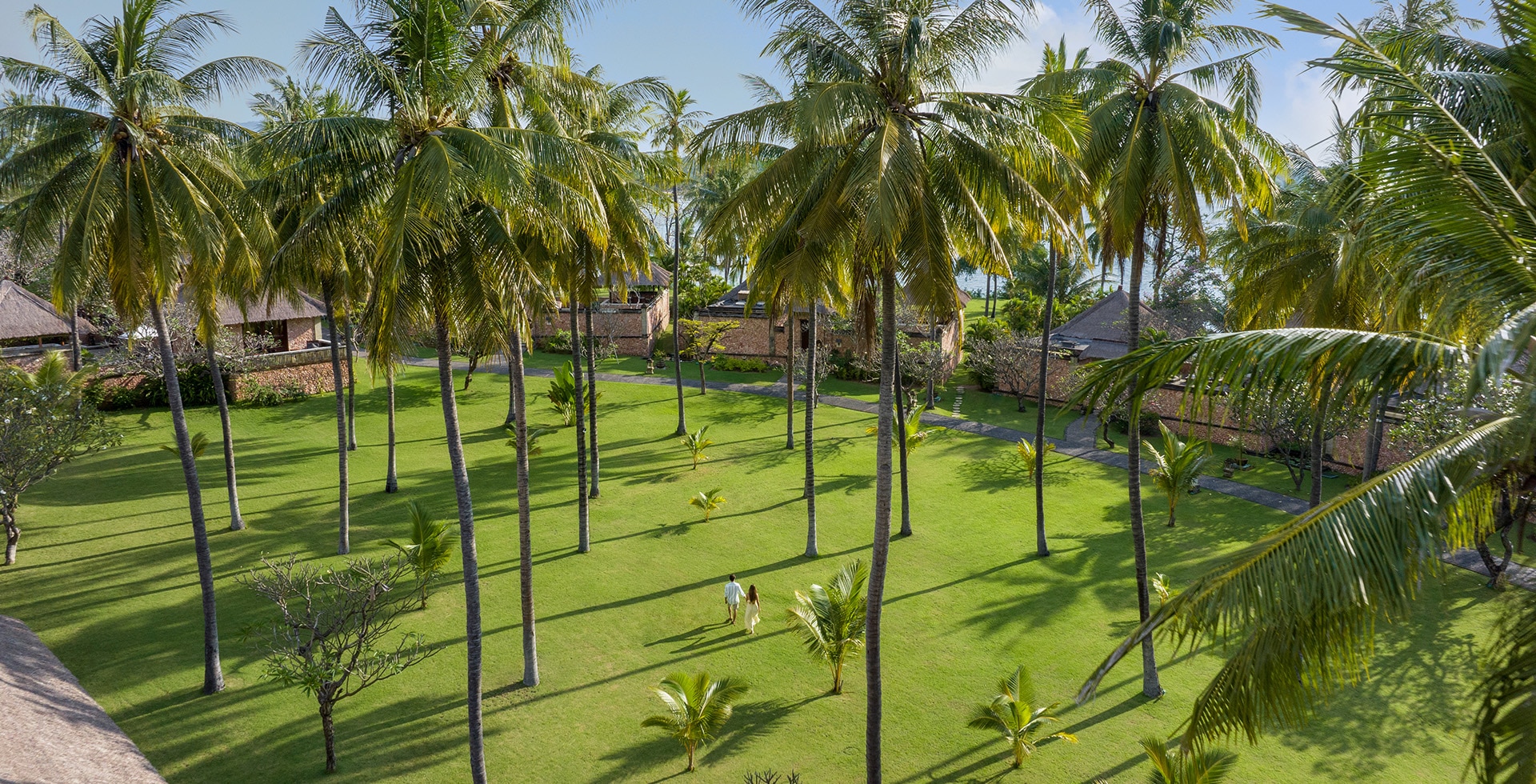
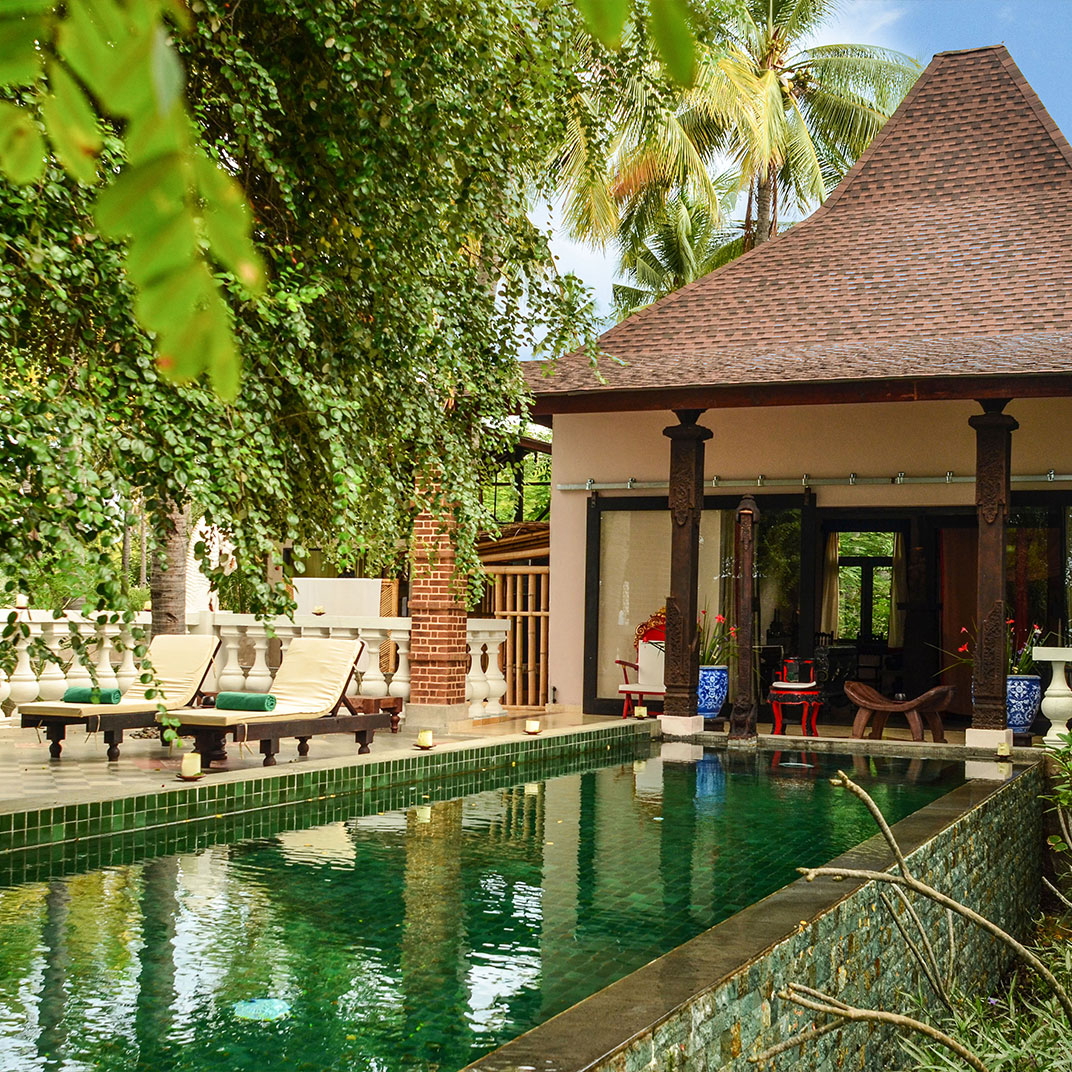
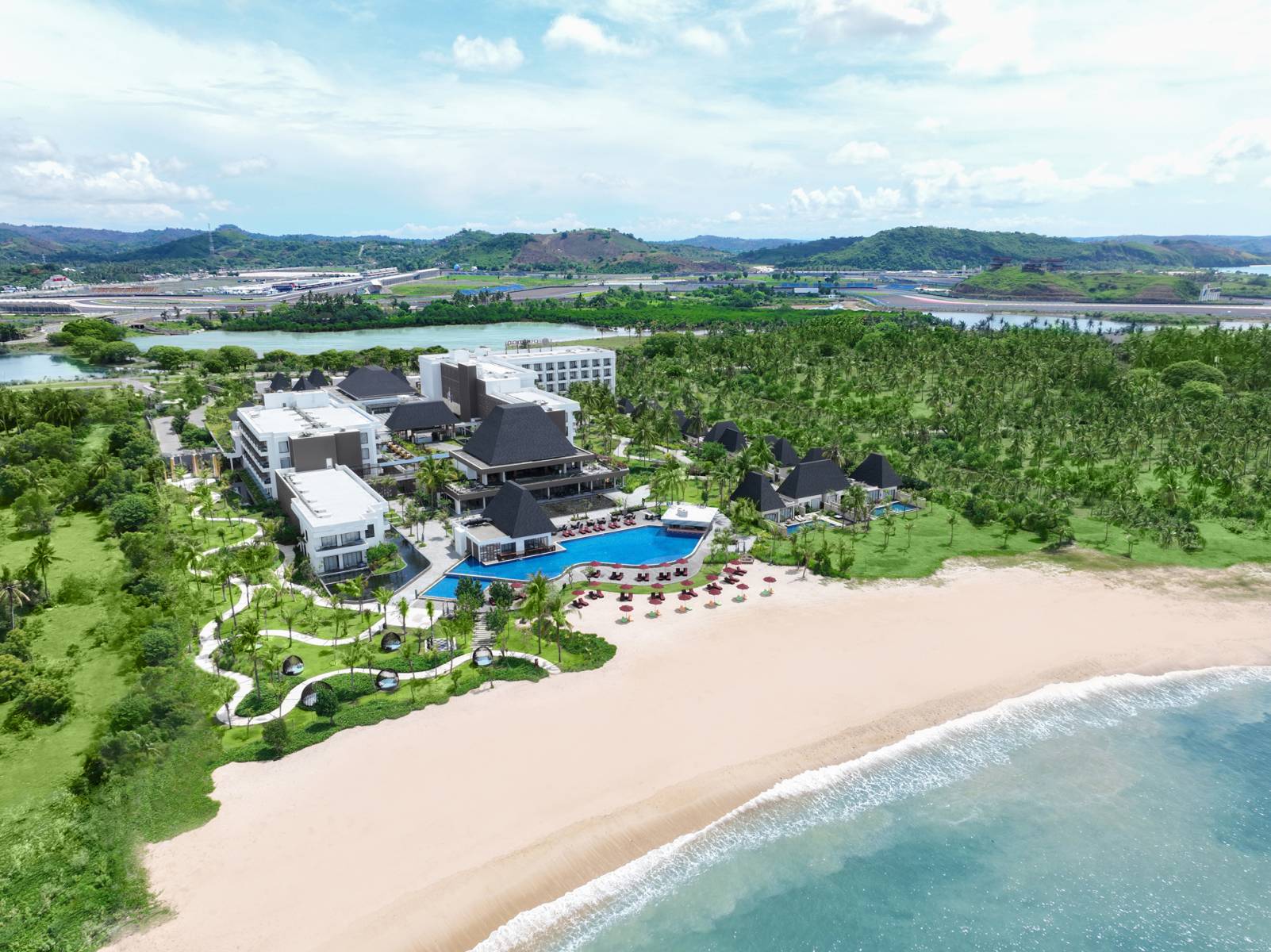
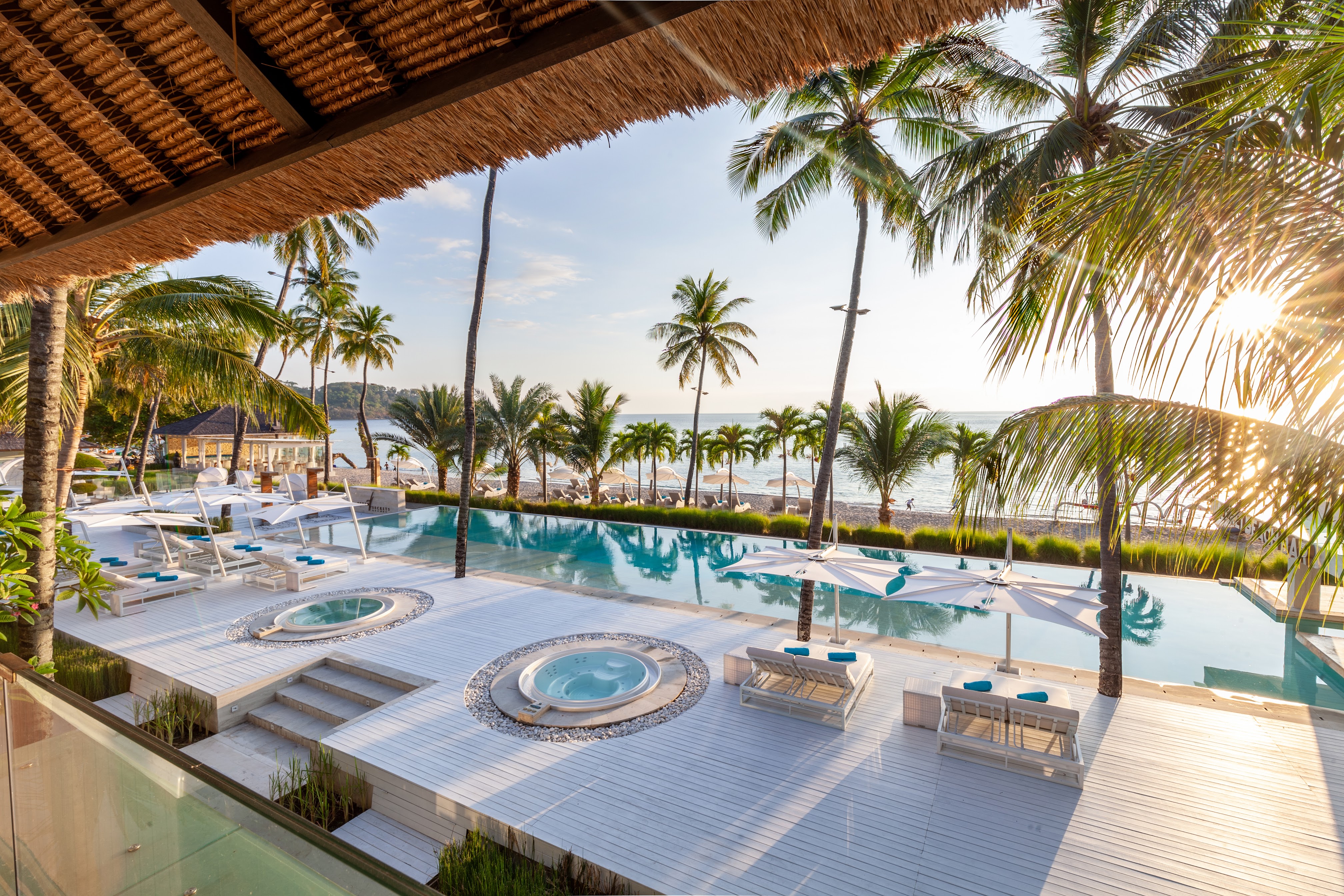
Where to Stay in Lombok
4 recommended properties
Money-Saving Tips
- 1.ATMs are scarce outside main tourist areas – stock up on cash in Senggigi or Mataram before heading to remote beaches
- 2.Negotiate scooter rentals for weekly rates – daily rentals drop from 80,000 to 60,000 rupiah for week-long commitments
- 3.Eat at local warungs instead of hotel restaurants – a full meal costs 25,000 rupiah versus 150,000 at resorts
- 4.Book Gili Islands accommodation directly with guesthouses to avoid booking platform fees of 15-20%
- 5.Buy snorkeling gear in Mataram's markets for 200,000 rupiah rather than renting daily at 50,000 rupiah on the Gilis
- 6.Use local bemos (shared vans) for 10,000 rupiah trips instead of private taxis charging 100,000+ rupiah
- 7.Shop for souvenirs at Mataram's traditional markets – prices are 50% lower than tourist beach shops
Travel Tips
- •Download offline maps before leaving WiFi zones – cell coverage disappears quickly in rural areas and on smaller islands
- •Pack reef-safe sunscreen – many dive shops won't let you in the water with regular sunscreen that damages coral
- •Bring cash in small bills – many local vendors can't break 100,000 rupiah notes
- •Learn basic Bahasa Indonesia phrases – English is limited outside tourist zones and locals appreciate the effort
- •Respect Sasak customs by dressing modestly when visiting traditional villages – cover shoulders and knees
- •Book Mount Rinjani treks through official operators only – unlicensed guides lack proper safety equipment
- •Check fast boat schedules in advance – services to the Gilis can be cancelled due to rough seas without notice
- •Carry toilet paper and hand sanitizer – public facilities often lack basic supplies
- •Negotiate prices for everything except food at warungs – initial quotes are usually inflated for tourists