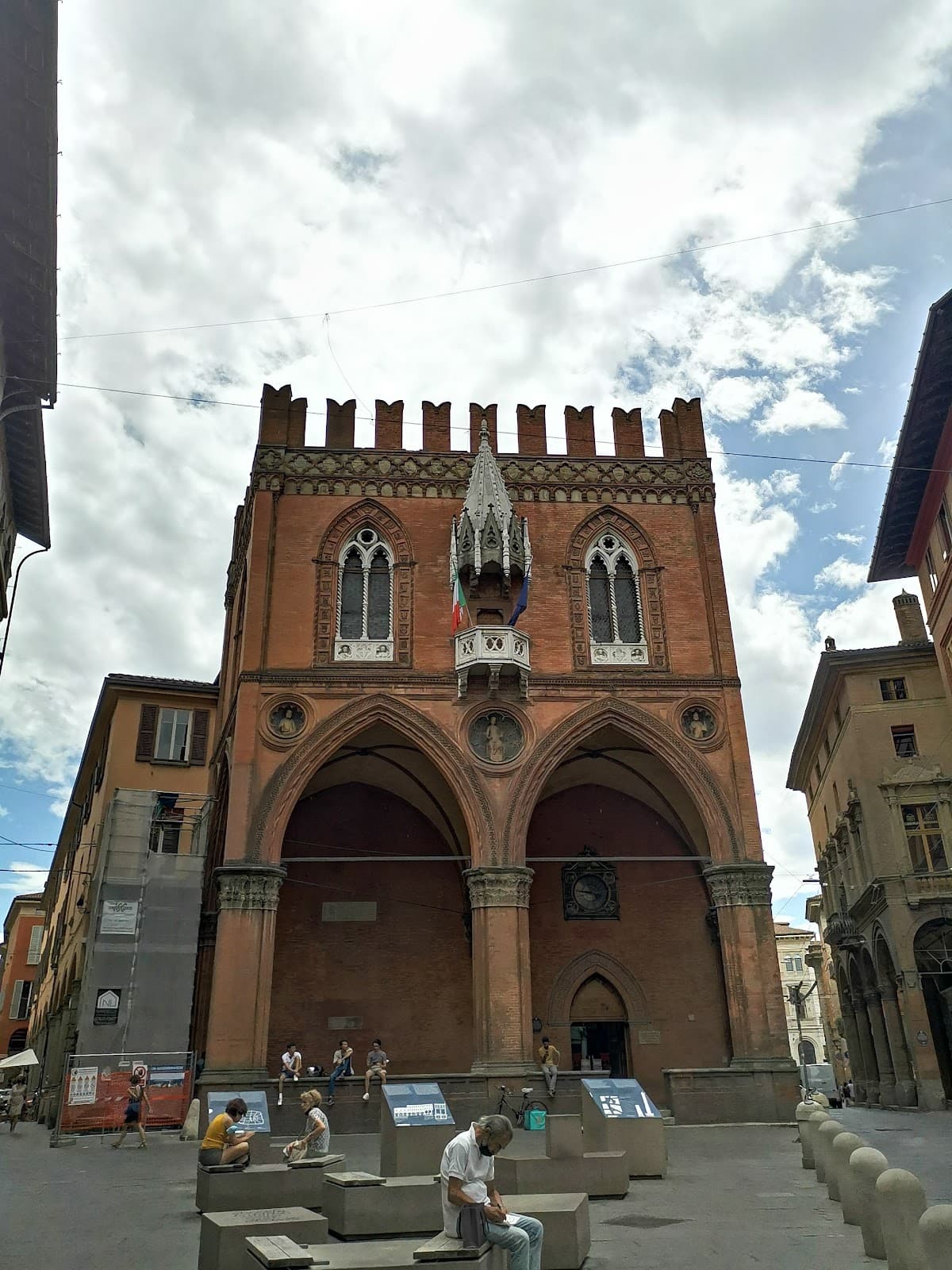
Bologna
Italy's culinary capital with medieval towers and porticoed streets
Bologna doesn't play the tourist game like Rome or Florence. This is Italy's food capital, where tortellini was born and where university students have been arguing over dinner for 900 years. The city sprawls beneath medieval towers and endless porticoes - those covered walkways that let you stroll for miles without seeing sky. You'll eat better here than anywhere else in Italy, and your wallet won't hate you for it. The catch? Most travelers skip it entirely, racing between Venice and Florence on the high-speed train. Their loss, your gain.
Best Months
APR · MAY · JUN · SEP · OCT
~22°C · high crowds
Culture & Context
LEARNED, FAT, RED
Bologna runs on three nicknames that locals actually use and mean. "La Dotta" — the learned — because the University of Bologna, founded in 1088, is the oldest in the Western world, and its 85,000+ students define the city's energy, politics, and nightlife. "La Grassa" — the fat — because this is where tagliatelle al ragù and tortellini come from, and people here will correct you if you call it spaghetti bolognese. And "La Rossa" — the red — for both the terracotta rooftops and a decades-long left-wing political tradition that shapes everything from graffiti to city governance.
Here's the thing about Bologna that surprises people: it feels lived-in. Students on bikes, packed aperitivo bars at 7pm, markets that cater to residents first. The 40km of UNESCO-listed porticoes (awarded World Heritage status in 2021) are not decorative. They're how the city actually functions — you walk across town in the rain without getting wet. The food culture runs deep enough that asking for a cappuccino after a meal is a genuine social faux pas. The zdora (azdora), the matriarch who hand-rolls pasta, is a real institution here, not a tourist performance. Bologna rewards patience. It doesn't show off.
Local Customs
CAPPUCCINO BEFORE ELEVEN
Stand at the bar counter to order coffee. Table service at a café costs noticeably more and immediately identifies you as a tourist. Order, pay at the till, hand the receipt to the barista.
Takes about 90 seconds total.. Cappuccino is a morning drink — before 11am, full stop. After a meal, you order an espresso.
Ordering a cappuccino after lunch will not get you yelled at, but it will get you a look.. The coperto (cover charge) is standard at sit-down restaurants — typically €1–3 per person. It's not a scam.
It dates to the Middle Ages. Pay it, move on. The upside is that tipping is not expected; rounding up slightly or leaving a euro or two is plenty..
Aperitivo runs roughly 6–8pm. A Negroni, spritz, or glass of local Lambrusco usually comes with small snacks (olives, chips, bruschetta). The snacks are appetizers, not dinner — don't pile your plate..
Museums in Bologna are generally closed on Mondays. Plan accordingly.. The ZTL (Zona Traffico Limitato) covers most of the historic center from 7am–8pm.
Drive in without authorization and cameras will fine you automatically. Park in a garage outside the walls and walk.. Many smaller shops close for riposo between 1pm and 4pm on weekdays.
October 4th (Feast of San Petronio) is Bologna's local public holiday — shops and businesses may close.. Graffiti is not a sign of danger in Bologna. It's political and artistic expression rooted in the city's left-wing university culture.
Some of the most heavily painted streets are among the safest to walk.
Safety
WATCH PETTY THEFT
Bologna is genuinely safe. Violent crime against visitors is rare; the bigger issue is petty theft, concentrated around Bologna Centrale station and busy bus routes. Keep your wallet in a front pocket and your phone off the table at cafes near the main tourist corridors. Bolognina (north of the station) and San Donato both have higher petty crime rates than the centro — worth more awareness after dark, though not dangerous in the 'avoid entirely' sense.
Don't read graffiti as a danger signal. In Bologna, street art and political murals are standard expressions of a left-wing university culture, and the most painted streets are often among the safest to walk. The porticoes in the historic center stay well-lit and populated well past midnight.
Solo female travelers will find Bologna consistently welcoming. The 80,000+ student population means women walking, eating, or sitting in bars alone is completely unremarkable. The University Quarter stays lively until 2–3am, which actually makes it safer than quieter neighborhoods at that hour.
Note: a new tram line under construction on Via Riva di Reno and Via Indipendenza has narrowed sidewalks and added temporary pedestrian crossings — watch your footing and check both ways on side streets.
Emergency: 112 (works everywhere in Europe from any phone, including without a SIM). Pharmacies (green cross sign) are open 8:30am–1pm and 3:30pm–7:30pm, with rotating after-hours coverage. A list of on-duty pharmacies is posted on every closed pharmacy door. Tap water is safe to drink throughout the city.
Getting Around
WALKABLE, BIKE-FRIENDLY CITY
Getting from the airport (BLQ, Guglielmo Marconi) to the city is easy. The Marconi Express monorail takes 7 minutes to Bologna Centrale, runs every 7–15 minutes from 5:40am to midnight, and costs €12.80 one-way (€23.30 return valid 30 days). It's fully sheltered, contactless-friendly, and almost always on time. Budget option: bus 944 to Santa Viola, then transfer to bus 61 — one €4 ticket covers both if you complete the journey within 75 minutes. Taxis from the airport cost €20–30 and take around 20 minutes. The Marconi Night bus (Line Q) covers late-night arrivals after the Express stops.
Once in the city, you often won't need public transport at all. Bologna is flat and compact. Walking from Bologna Centrale to Piazza Maggiore takes about 15–20 minutes. Cycling is what locals actually do — rentals are widely available and the infrastructure is good.
Single bus tickets cost €2.30 (buy at tobacconists with the blue "T" sign, vending machines at major stops, or on the bus). Validate on boarding. Fines for unvalidated tickets run up to €100.
High-speed trains from Bologna Centrale connect to Florence (35 min), Milan (1 hr), Rome (just over 2 hrs) — making it an excellent base for day trips. The Frecciarossa services are reliable and frequent.
Heads up: Bologna's first tram line (Red Line, 16.5km, 34 stops) is under active construction as of 2026 and expected to open in stages. This means disrupted footpaths on parts of Via Indipendenza and Via Riva di Reno. If you're driving: never enter the ZTL (historic center, restricted 7am–8pm). Cameras catch you automatically and fines arrive by post months later. Park in a garage outside the walls. Italian transport strikes usually hit Fridays — check the TPER website the day before if you're relying on buses or regional trains.
Useful Phrases
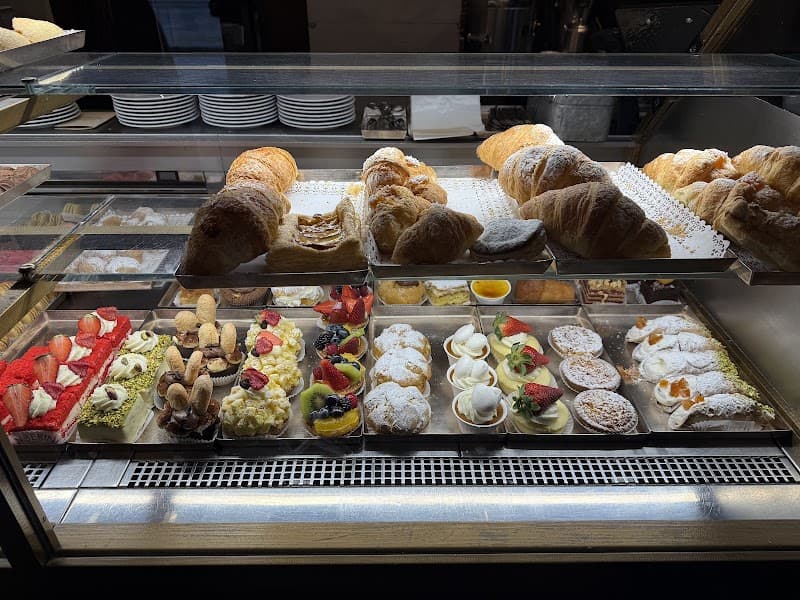
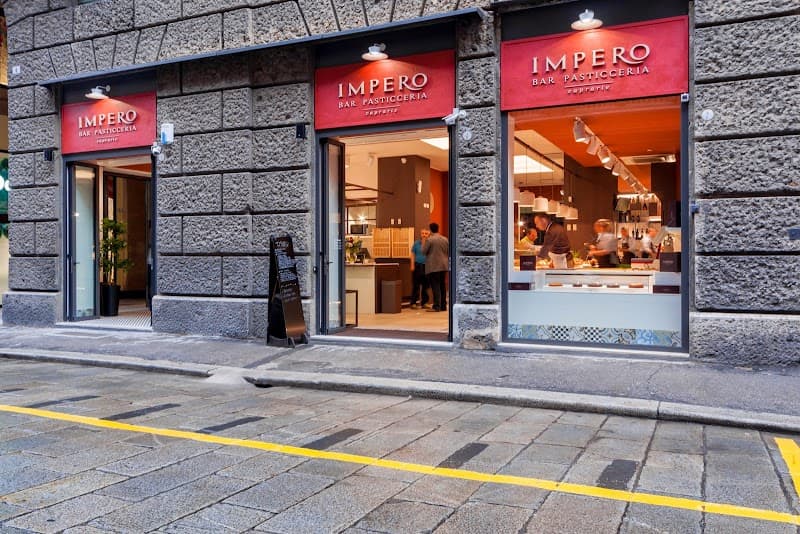

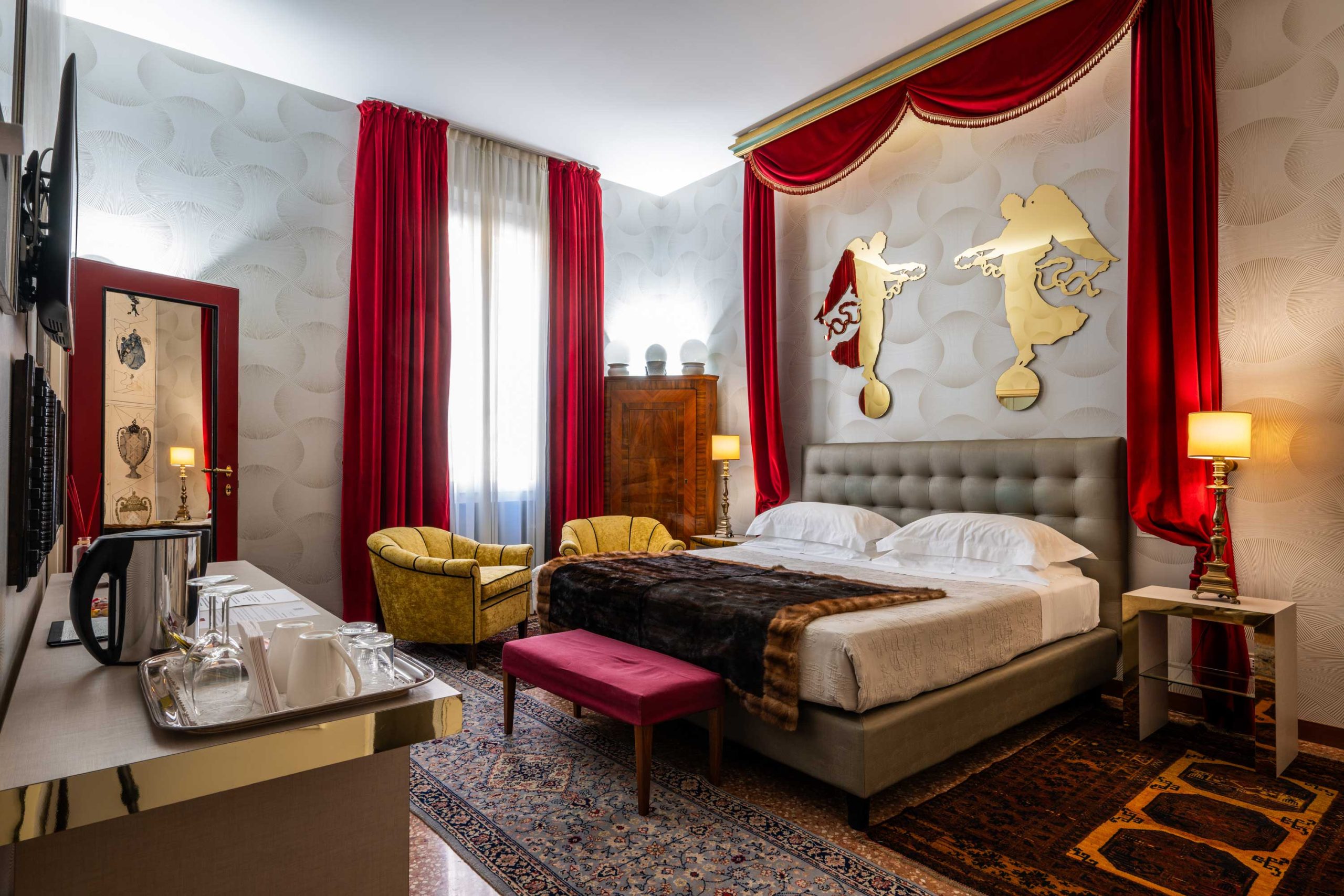
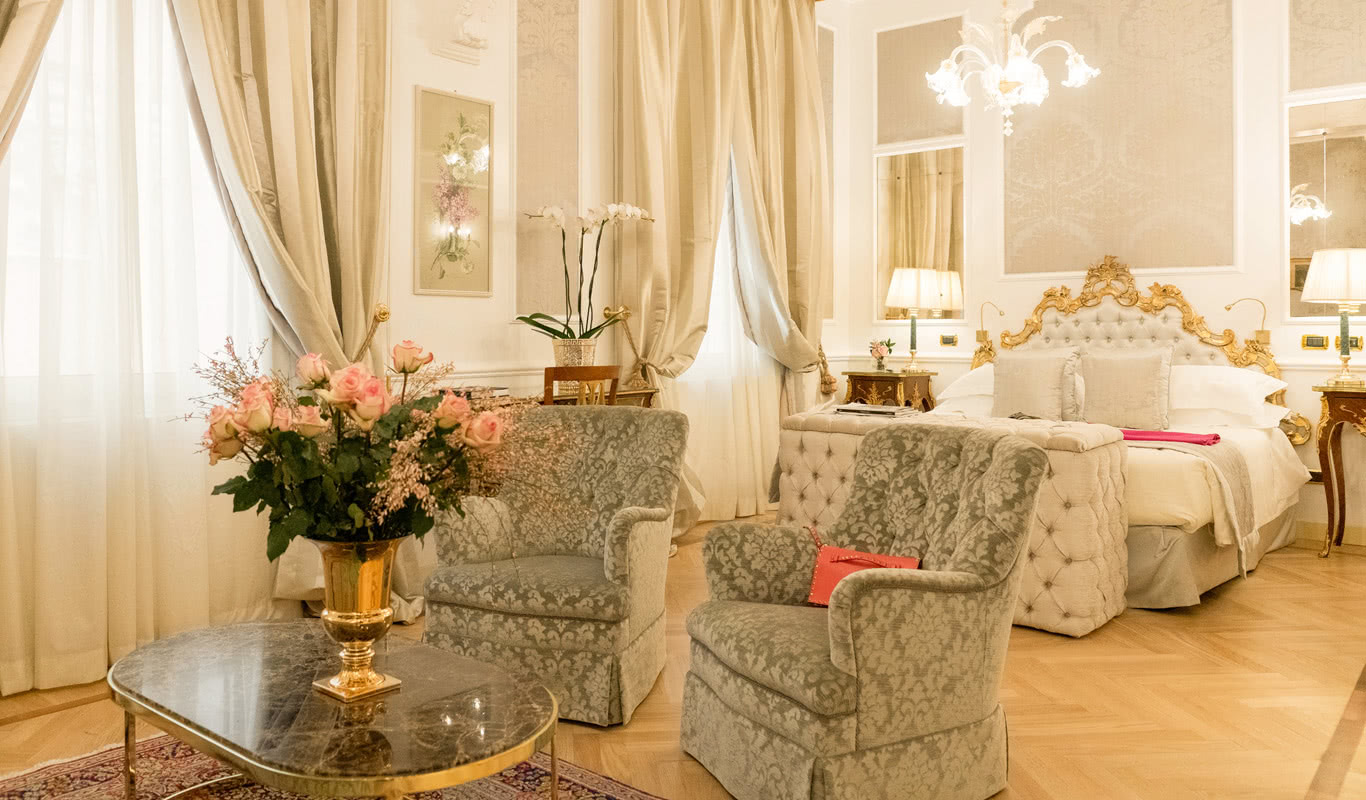
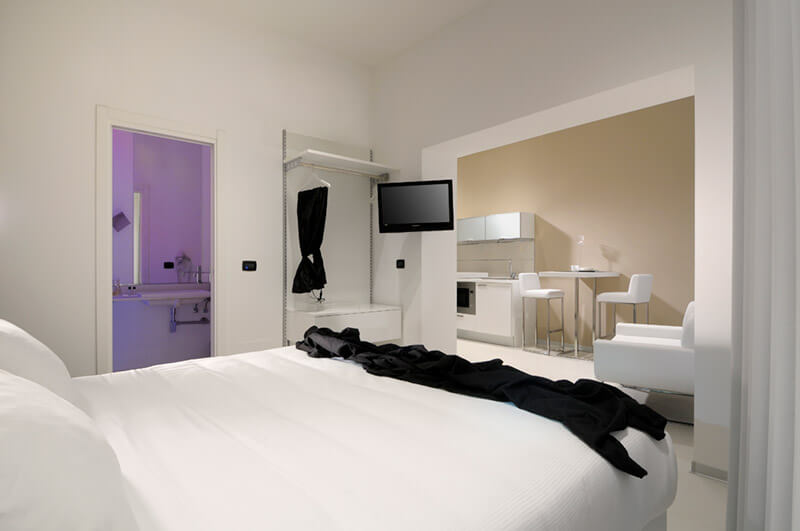
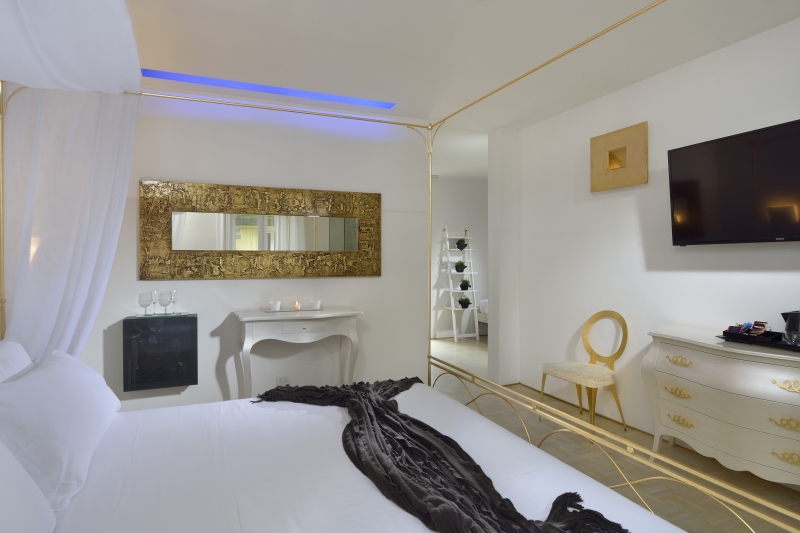
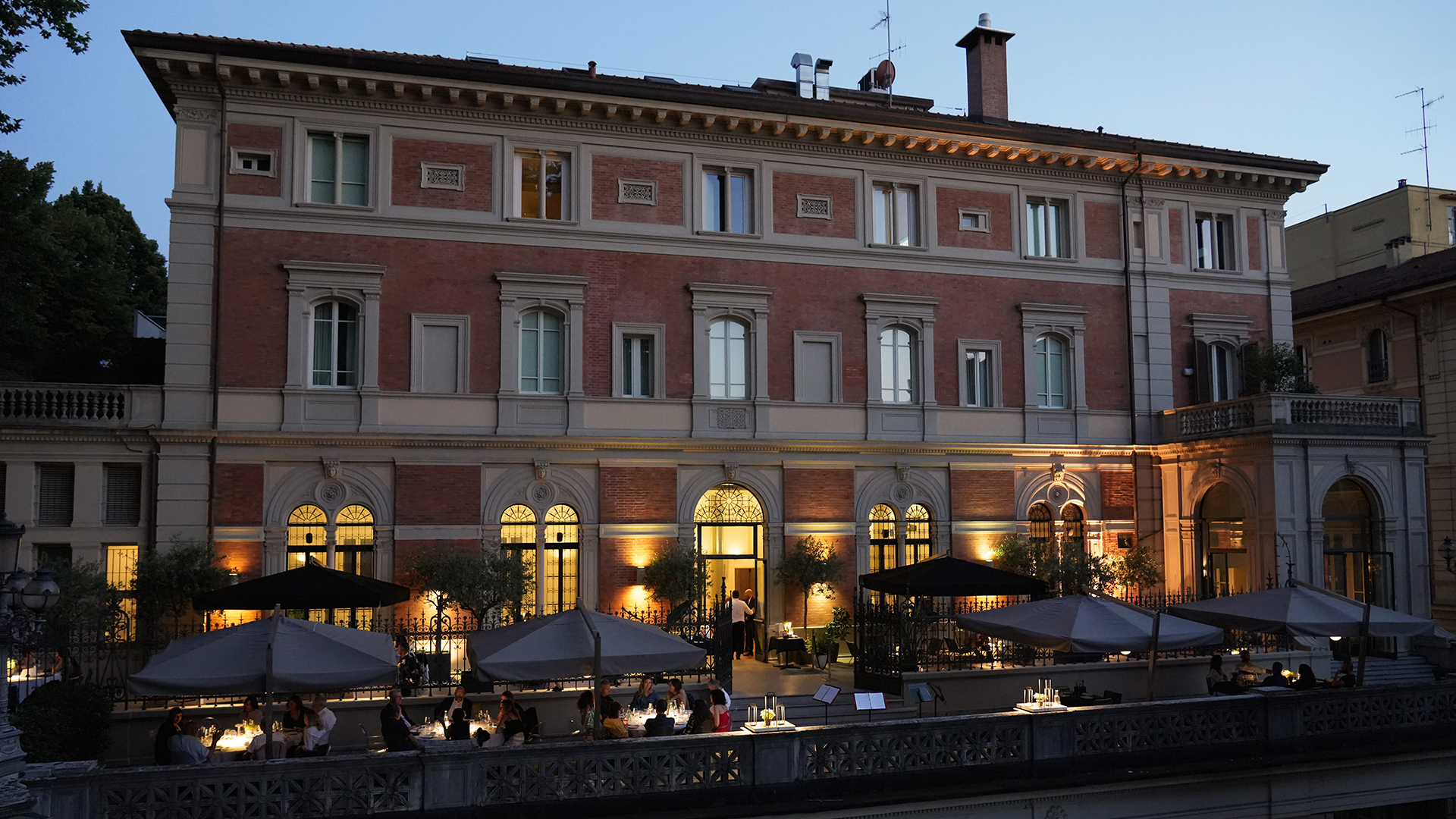
Where to Stay in Bologna
5 recommended properties
Things to Do in Bologna
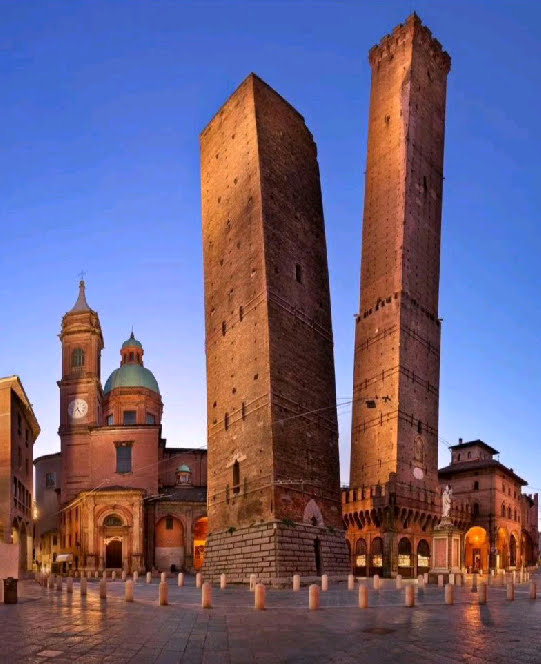
Piazza Maggiore & Due Torri
Piazza Maggiore · 120 min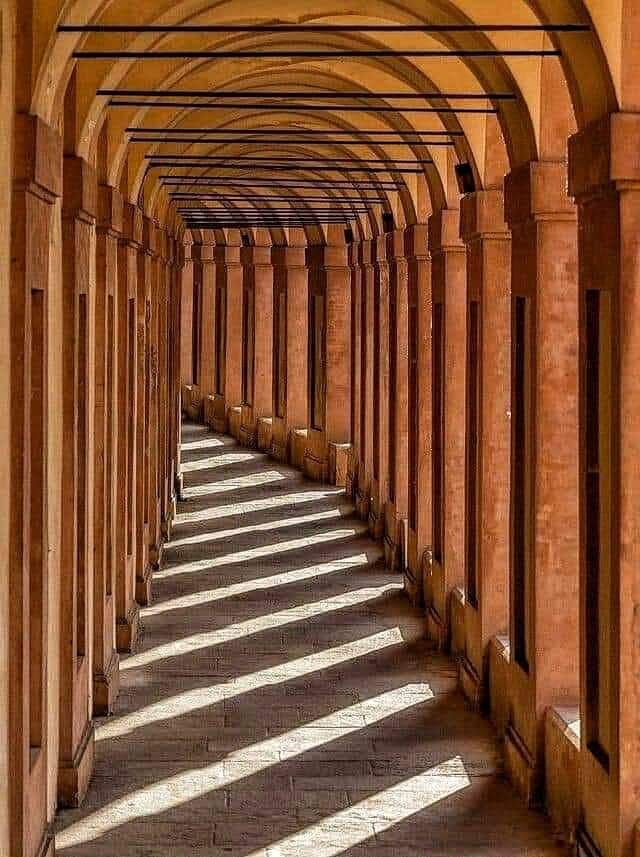
San Luca Portico Hike
Porta Saragozza to San Luca Hill · 150 min
Piazza Maggiore & Fountain of Neptune
Centro Storico (around Piazza Maggiore) · 60 minMoney-Saving Tips
- 1.Eat lunch at university mensa cafeterias - €4 gets you a full meal and you'll sit with local students
- 2.Buy groceries at Coop or Conad supermarkets instead of tourist-focused shops near major sights
- 3.Many museums offer free entry on first Sunday of each month for EU residents
- 4.Aperitivo bars include free snacks with drinks - order one spritz and snack for dinner
- 5.Regional trains cost half the price of high-speed options and connect all major food towns
- 6.Stay in university areas during summer break (July-August) when student housing opens to travelers
Travel Tips
- •Download the Mobike app before arriving - bike sharing is the fastest way around the center
- •Bring cash - many traditional trattorias and market vendors don't accept cards
- •Learn basic food vocabulary - menus at authentic places are often Italian-only
- •Visit food markets early morning (7-9 AM) when vendors are most talkative and produce is freshest
- •Pack comfortable walking shoes - those porticoes have uneven stone floors
- •Book restaurant reservations for Friday/Saturday nights, especially in university areas
- •Carry an umbrella - those famous porticoes don't cover every street