
Bruges
Fairytale Medieval City of Canals and Chocolate Dreams
Bruges feels like stepping into a medieval painting that somehow survived the centuries intact. Cobblestone streets wind between Gothic spires and mirror-still canals, while horse-drawn carriages clip-clop past chocolate shops that smell like heaven. But here's what the postcards don't tell you: this UNESCO World Heritage city manages to be both a living museum and a place where locals actually live and work. Yes, it gets crowded in summer. And yes, some corners feel touristy. But catch Bruges in the early morning mist or during a quiet winter evening, and you'll understand why people fall hard for this place. The beer is world-class, the medieval architecture is genuine, and walking these streets feels like time travel with better food.
Best Months
APR – OCT
~19°C · moderate crowds
Culture & Context
MEDIEVAL AMBER, 8 MILLION VISITORS
Bruges (look for "Brugge" on signs, that's the actual Flemish name) is a medieval city in West Flanders where about 120,000 residents share their streets with roughly 8 million tourists a year. That number tells you a lot. The entire historic core was declared a UNESCO World Heritage Site in 2000, and the architecture really did survive two world wars untouched.
Gothic guild halls, 13th-century canals called "reien," and four surviving windmills out of the 23 that once ground grain here. The city got rich as one of Europe's most important trading hubs, fell into slow decline, and essentially got preserved in amber. Which is both the appeal and the problem.
It can feel like a theme park between March and November, but wander ten minutes off the main tourist drag and you'll find a genuinely lived-in Flemish city. The language is Flemish Dutch, everyone in tourist areas speaks excellent English, but don't assume that means Flemish doesn't matter. Flemish has its own quirks compared to Dutch.
The word "lekker" in Belgium is reserved strictly for food and drink, not used for general enthusiasm like it is in the Netherlands. Use it wrong and you'll get a look. Beer culture here is serious.
Each Belgian beer has its own specific glass, served at its own temperature, for real reasons. And stealing a glass as a souvenir is a fineable offense.
Local Customs
MONDAY CLOSURES ARE REAL
Shops and many supermarkets close on Sundays. Most museums close on Mondays. Always check hours before planning around a specific site..
Belgium has gone nearly cashless. Tap your card or phone at restaurants, bars, buses, and most shops. ATMs exist but you rarely need them..
Fixed prices are standard everywhere. Don't haggle in shops or restaurants. At outdoor markets, gentle negotiation on larger items is acceptable, but keep it polite..
In Flemish culture, a handshake is standard for first meetings. Close friends and family do three cheek kisses. Don't skip the handshake in more formal contexts..
Dress modestly in churches: shoulders and knees covered. This applies to the Basilica of the Holy Blood and the Church of Our Lady, both of which get a lot of foot traffic.. Each Belgian beer has its own glass, served at a specific temperature.
Bartenders take this seriously. Don't ask for a different glass and don't pocket the glass at the end.. A few words of Flemish make a genuine difference.
Even just 'Dank u wel' when leaving a shop signals you're not treating Bruges like a set piece.. Monday closures are real. Restaurants, independent boutiques, and even hairdressers commonly close Mondays.
Plan your big dining days for Tuesday through Sunday.
Safety
VERY SAFE, WATCH WALLETS
Bruges is one of the safer cities in Belgium by a significant margin. Violent crime is very rare. That said, it's a tourist magnet and the usual opportunistic scams show up.
The most reported one: fake "plainclothes police" near the Markt or train station who approach tourists claiming a drug investigation or counterfeit currency alert, then ask to inspect your wallet. Real Belgian police don't do this on the street. Tell them you'll only speak at the nearest police station and walk away.
Never hand over your wallet. The Belgian emergency police number is 101. Pickpockets work the crowds around the Belfry and Markt Square, particularly in summer.
A crossbody bag worn in front, zippers closed, is the standard counter-move. Taxi overcharging happens near the train station. Confirm the meter is running before you move.
Budget hotel rooms have had some reported thefts, so don't leave valuables out. At night, the city feels genuinely calm. Most visitors report a strong sense of security after dark.
Solo female travelers consistently rate it as comfortable.
Getting Around
WALK OR BIKE
Walk or bike. Honestly, that covers 95% of it. The historic center is compact enough that you can get from the Markt to the Beguinage on foot in about 15 minutes, and nearly everything worth seeing falls within that range.
Bike rentals start at €4/hour and €13/full day from shops clustered near the train station. Bruges is flat, has dedicated cycle lanes throughout, and all streets in the historic center are officially a bicycle zone where cars cannot overtake cyclists. The train station (signposted as "Brugge") sits about 20 minutes south of the Markt on foot.
De Lijn buses run from Stationsplein to the center if you're carrying bags. Routes 1, 3, 4, 11, 13, 14, and 16 all connect the station to Kuipersstraat, Markt, and 't Zand. A single ticket costs about €3 when bought before boarding.
A day pass runs €7.50 and makes sense if you're hopping around. Skip taxis.
The base rate is €23 before the meter even starts, then €2.70 per kilometer on top of that. There are no Uber or rideshare options in the historic center.
Driving into the old town is restricted, expensive, and a bad idea on narrow medieval streets.
Useful Phrases
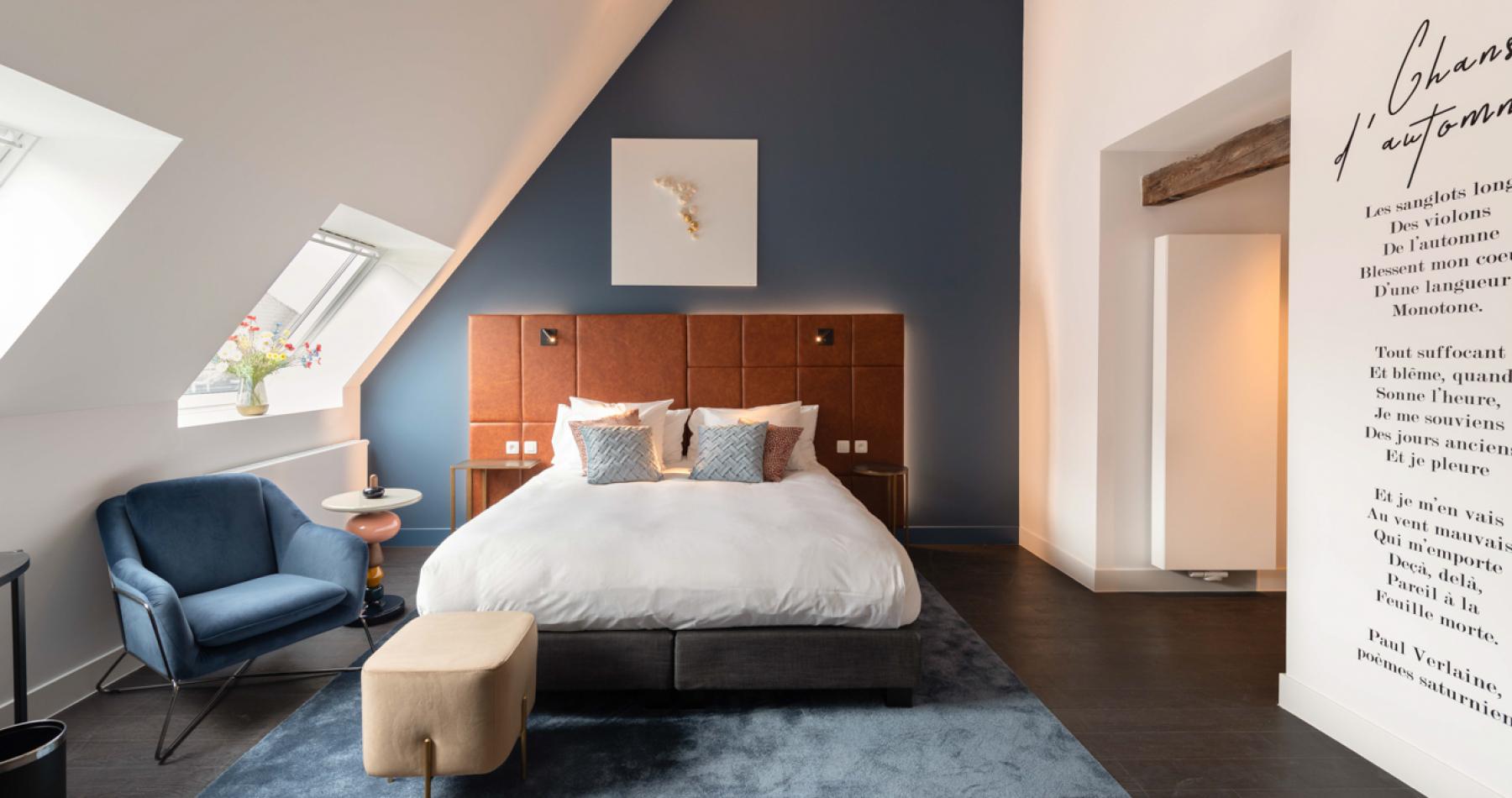
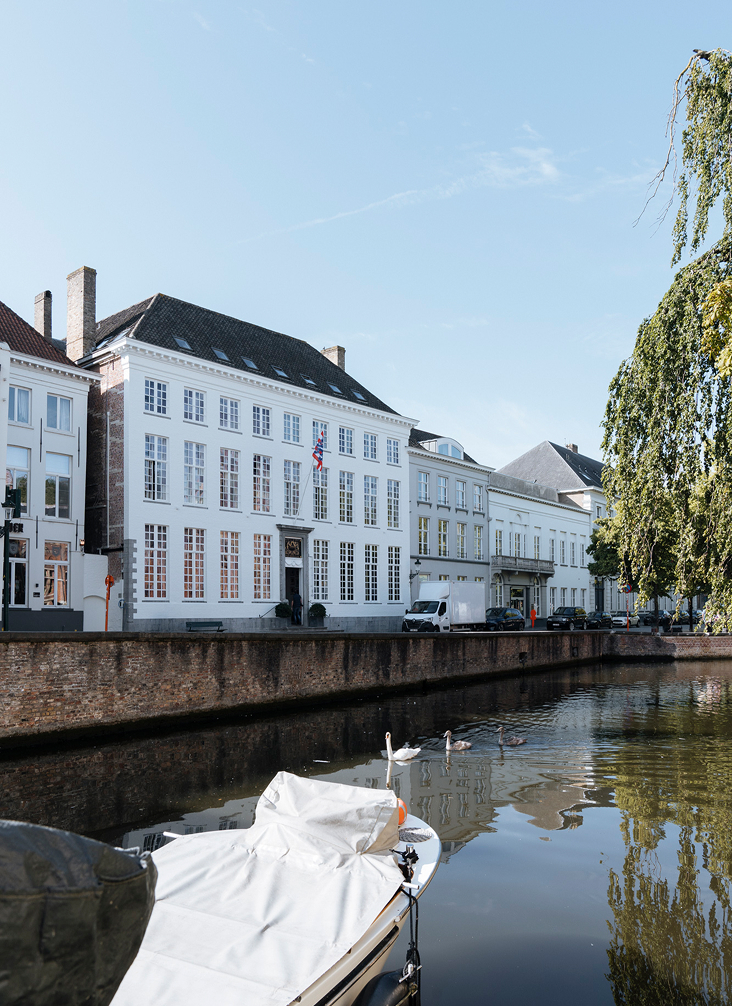
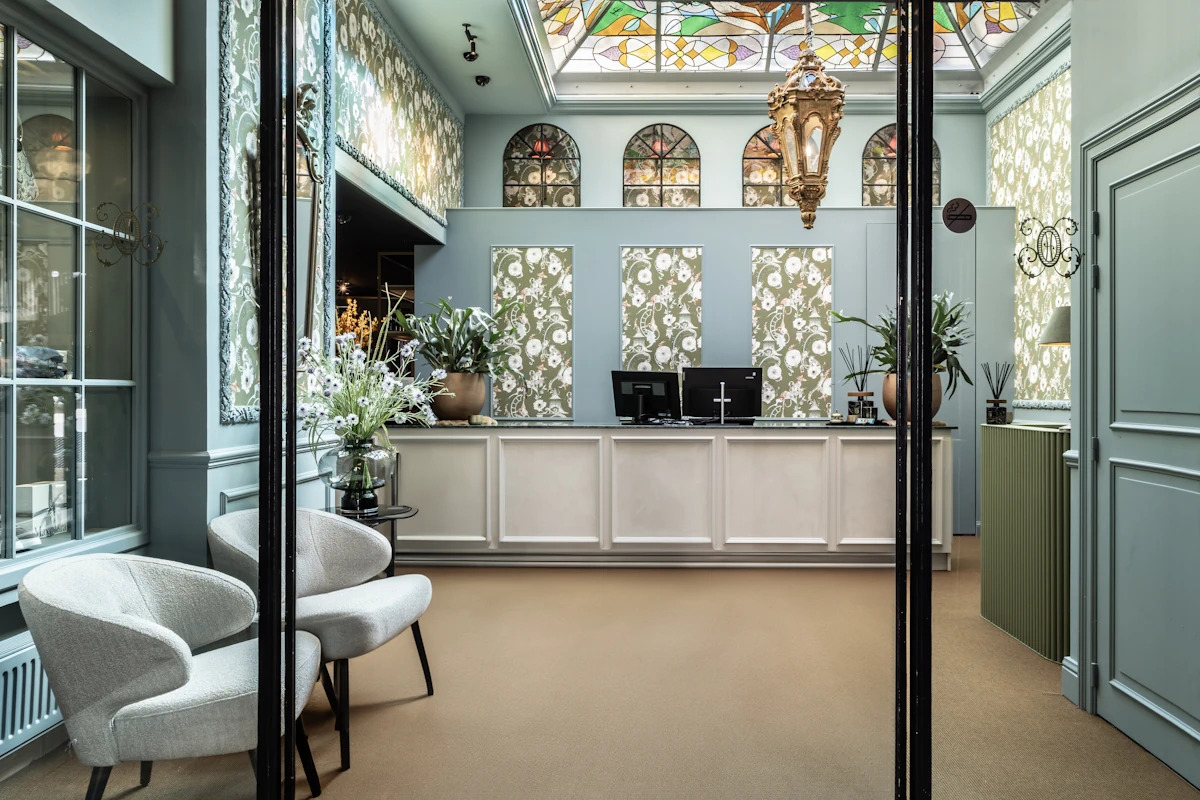
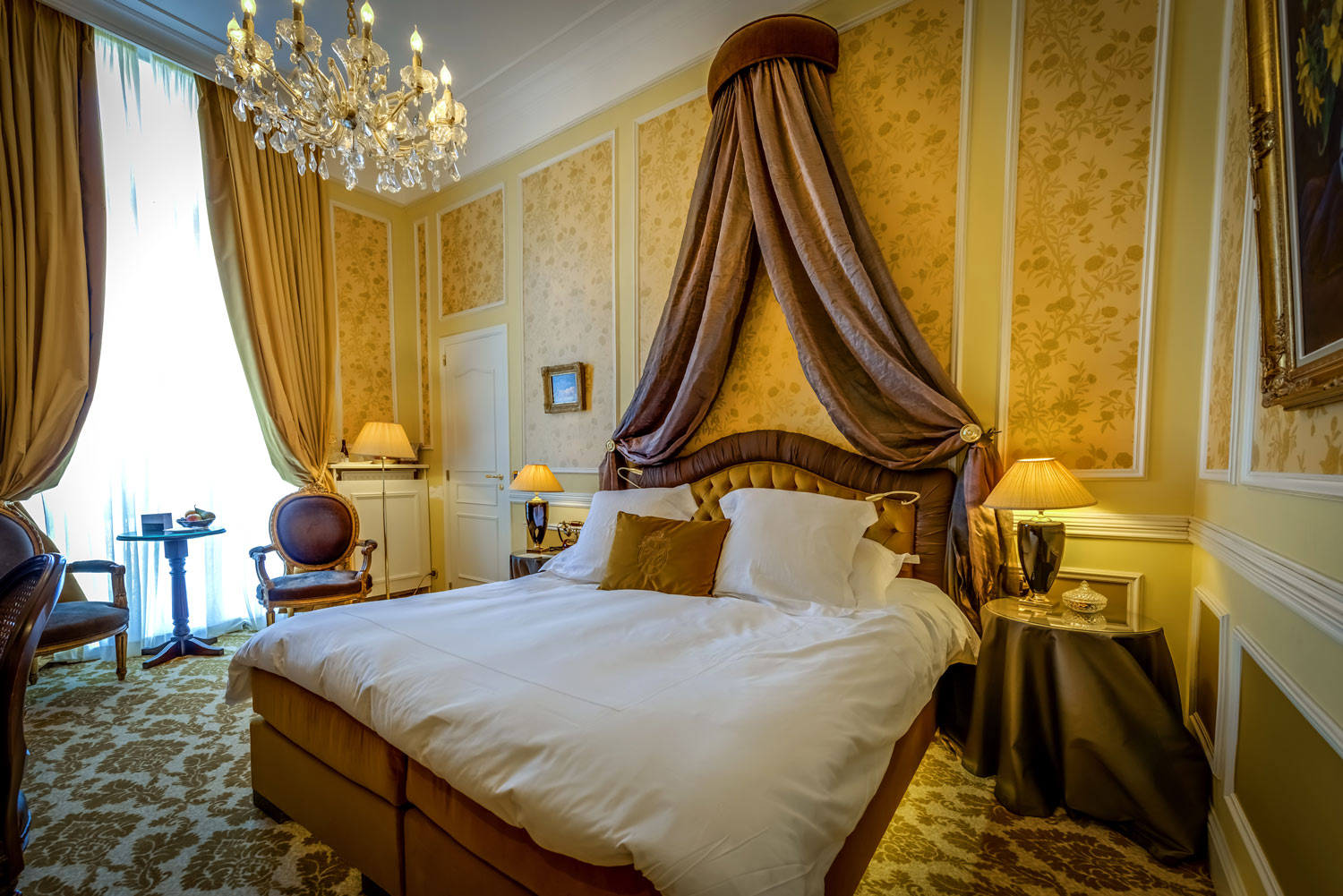
Where to Stay in Bruges
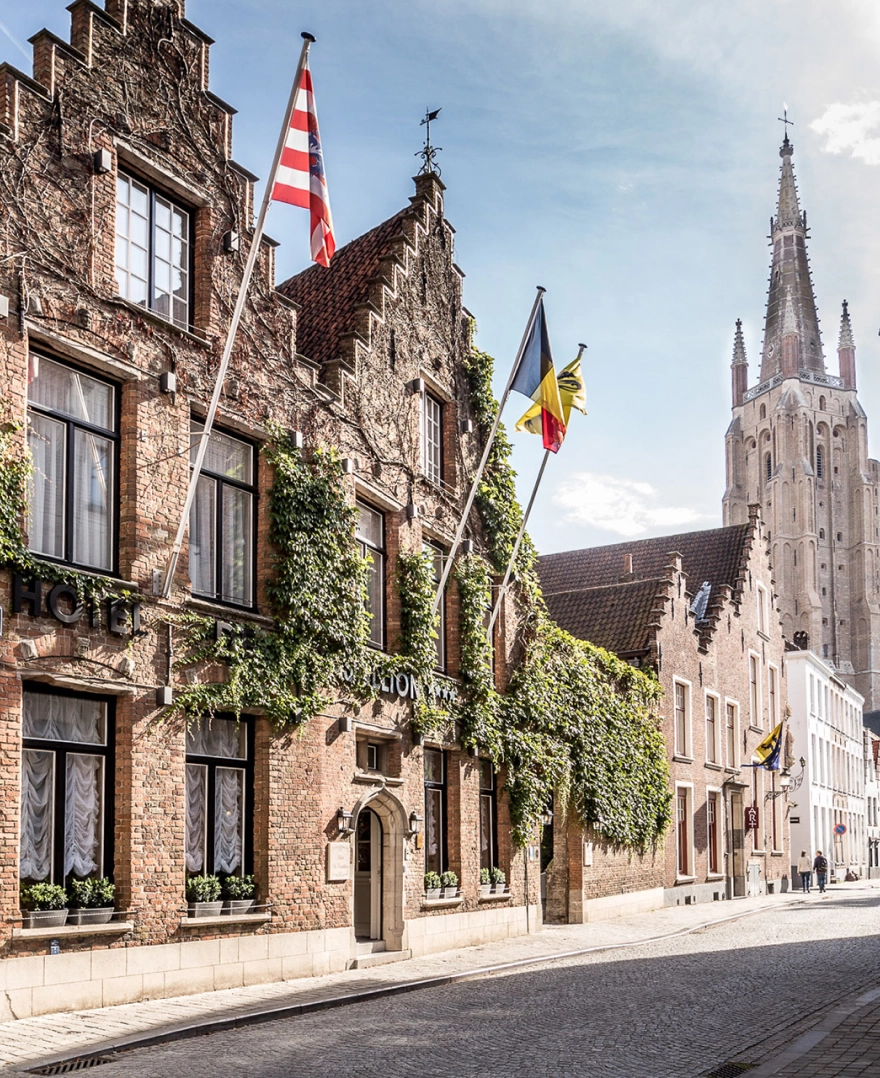
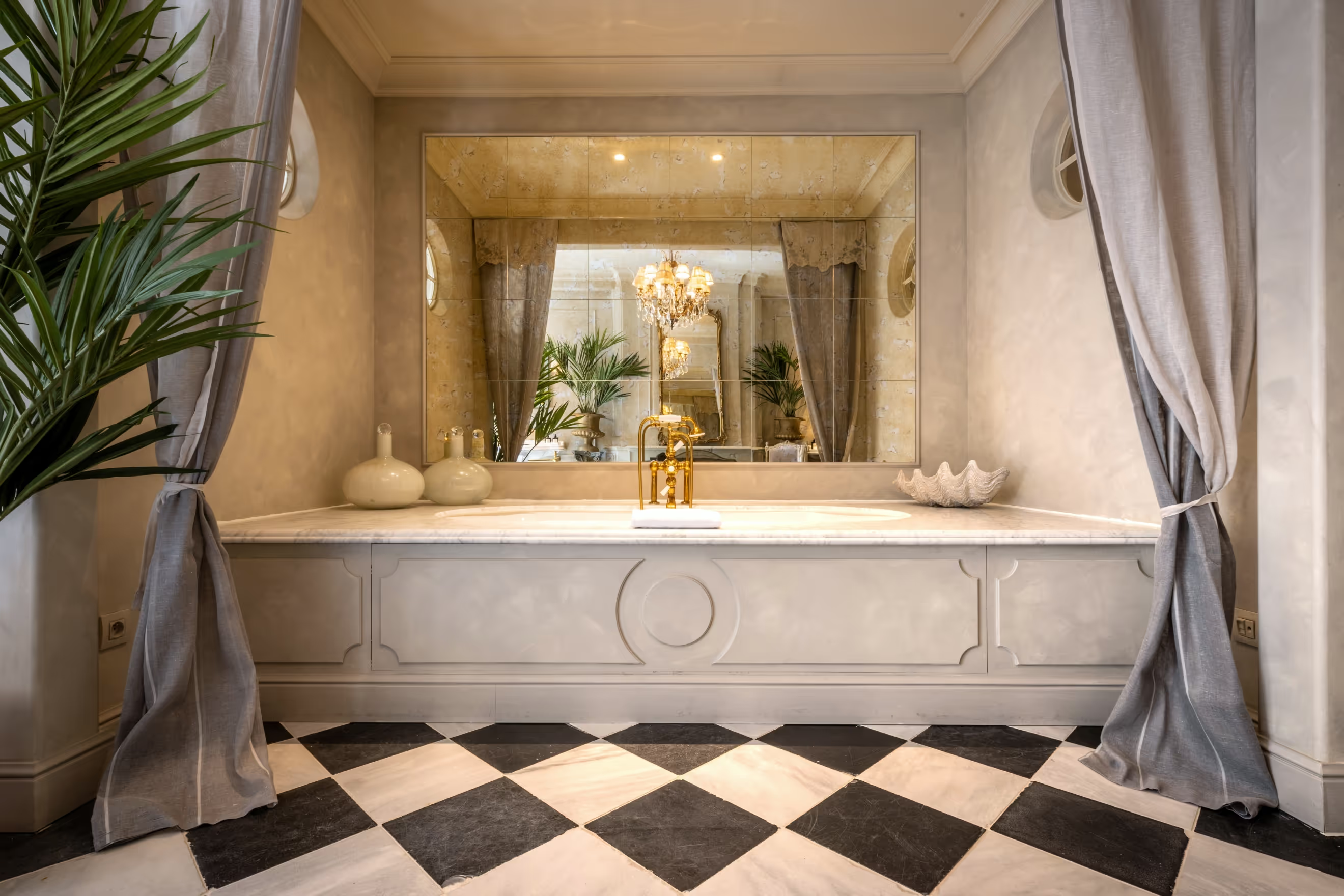
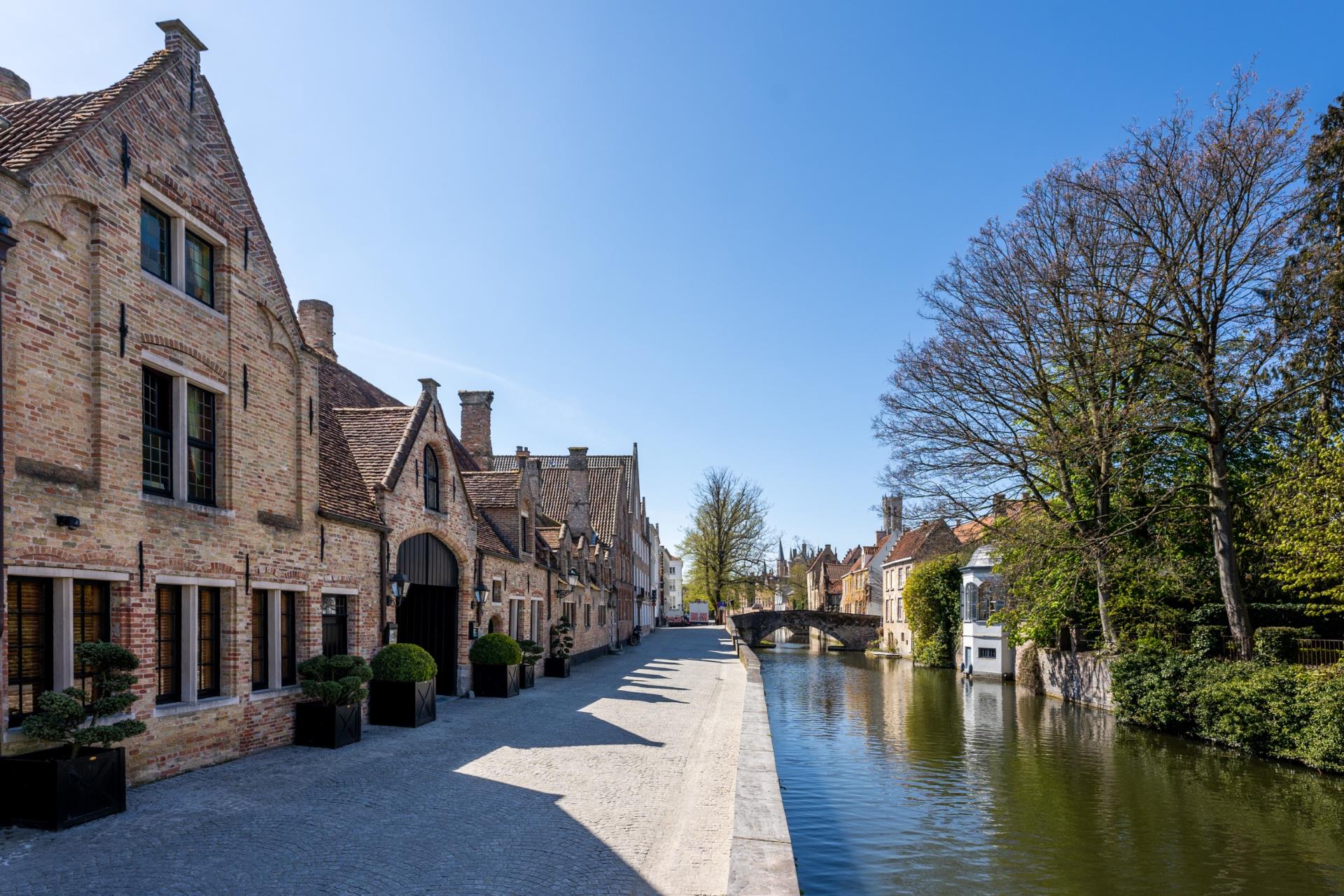
9 recommended properties
Things to Do in Bruges
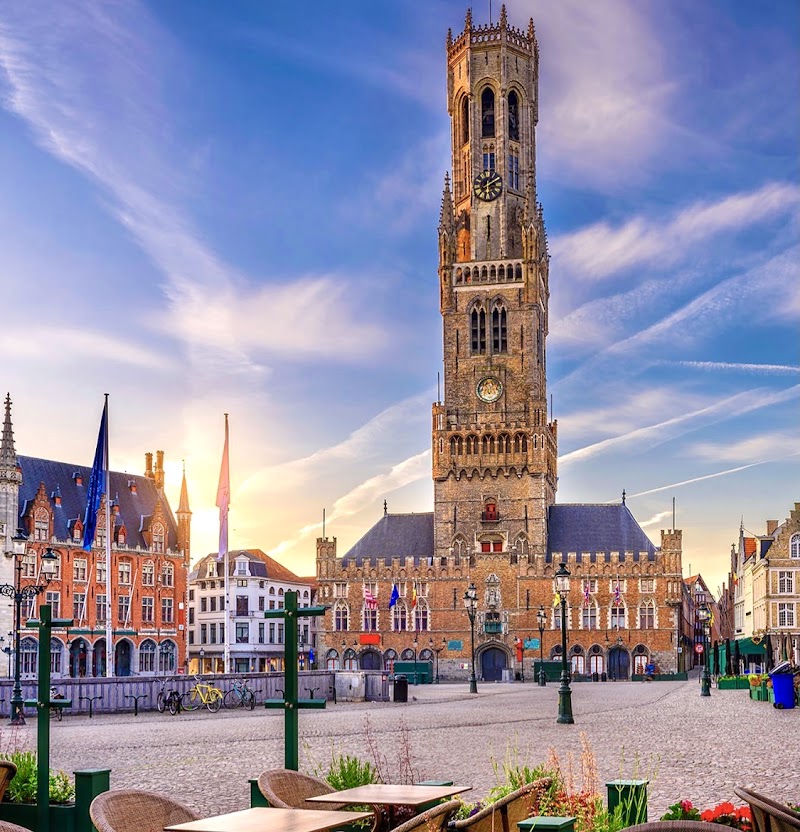
Belfry of Bruges
Markt & Belfry · 90 min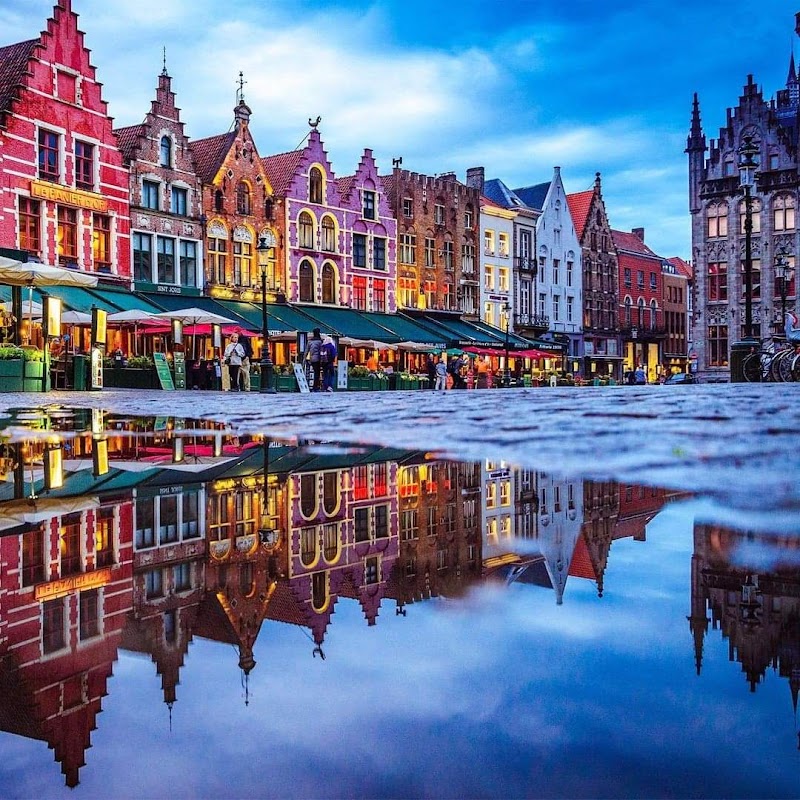
The Markt
Markt & Belfry · 45 min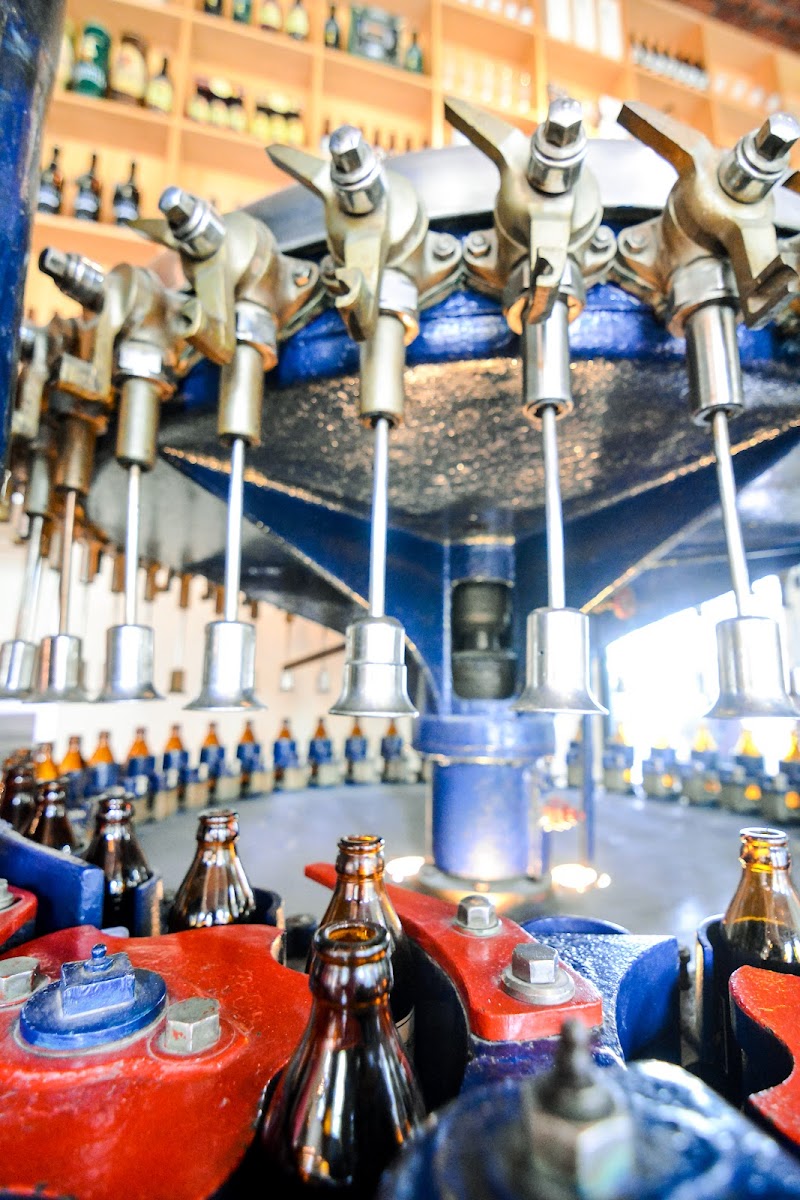
De Halve Maan Brewery Tour
Brewery Quarter & Minnewater · 90 minMoney-Saving Tips
- 1.Buy the Bruges City Card for €48 - it includes museum entries and canal boat rides that would cost €60+ separately
- 2.Eat lunch at local cafés away from Markt square - prices drop 30% just two blocks from the main tourist areas
- 3.Book accommodation outside July-August peak season for rates that are literally half the summer prices
- 4.Skip expensive horse carriage tours - walking the same routes costs nothing and you can stop for photos
- 5.Buy chocolate directly from smaller producers like Sukerbuyc instead of tourist shops - better quality, same price
- 6.Use the train for day trips to Ghent or Brussels - regional passes cost less than driving and parking
- 7.Visit free attractions like Minnewater Park and Begijnhof during expensive peak hours when paid sites are crowded
Travel Tips
- •Book canal boat tours early morning or late afternoon - midday crowds mean longer waits and rushed experiences
- •Wear comfortable walking shoes with good grip - those medieval cobblestones are slippery when wet
- •Learn basic Dutch phrases - locals appreciate the effort even though most speak excellent English
- •Carry cash for small purchases - many chocolate shops and cafés don't accept cards for amounts under €10
- •Visit major sights like the Belfry tower early morning or late afternoon to avoid cruise ship crowds
- •Pack layers even in summer - weather changes quickly and canal breezes can be chilly
- •Download offline maps - GPS can be unreliable in the narrow medieval streets with tall buildings