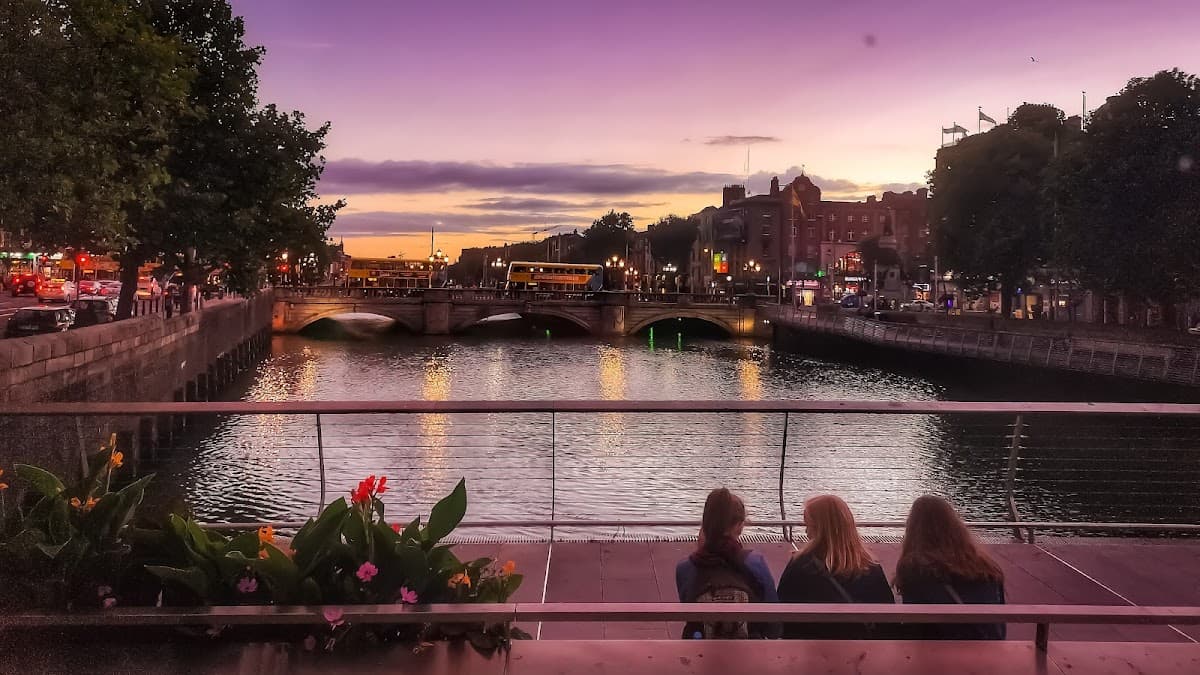
Dublin
Ireland's Literary Capital with Legendary Pub Culture
Dublin hits different than other European capitals. Sure, it's got the historic Trinity College and cobblestone streets you'd expect. But walk into any pub at 3pm on a Tuesday and you'll find locals deep in conversation about Yeats, yesterday's football match, and the best place for a proper breakfast roll. This is a city where literature lives in the streets, where every corner pub has a story, and where "one more pint" somehow turns into the best night of your trip. The Dubliners aren't just friendly – they're genuinely curious about where you're from and will probably invite you to their cousin's wedding by the end of the conversation.
Best Months
MAY – SEP
~19°C · moderate crowds
Culture & Context
THE PUB NEVER CLOSES
Dublin is a city that talks to strangers. Order a pint, mention the weather or last night's match, and you'll have three opinions before you've taken a sip. That warmth isn't a tourist performance. It's just how things work here. The pub is the living room, the office, the therapy session. People genuinely use it as all three.
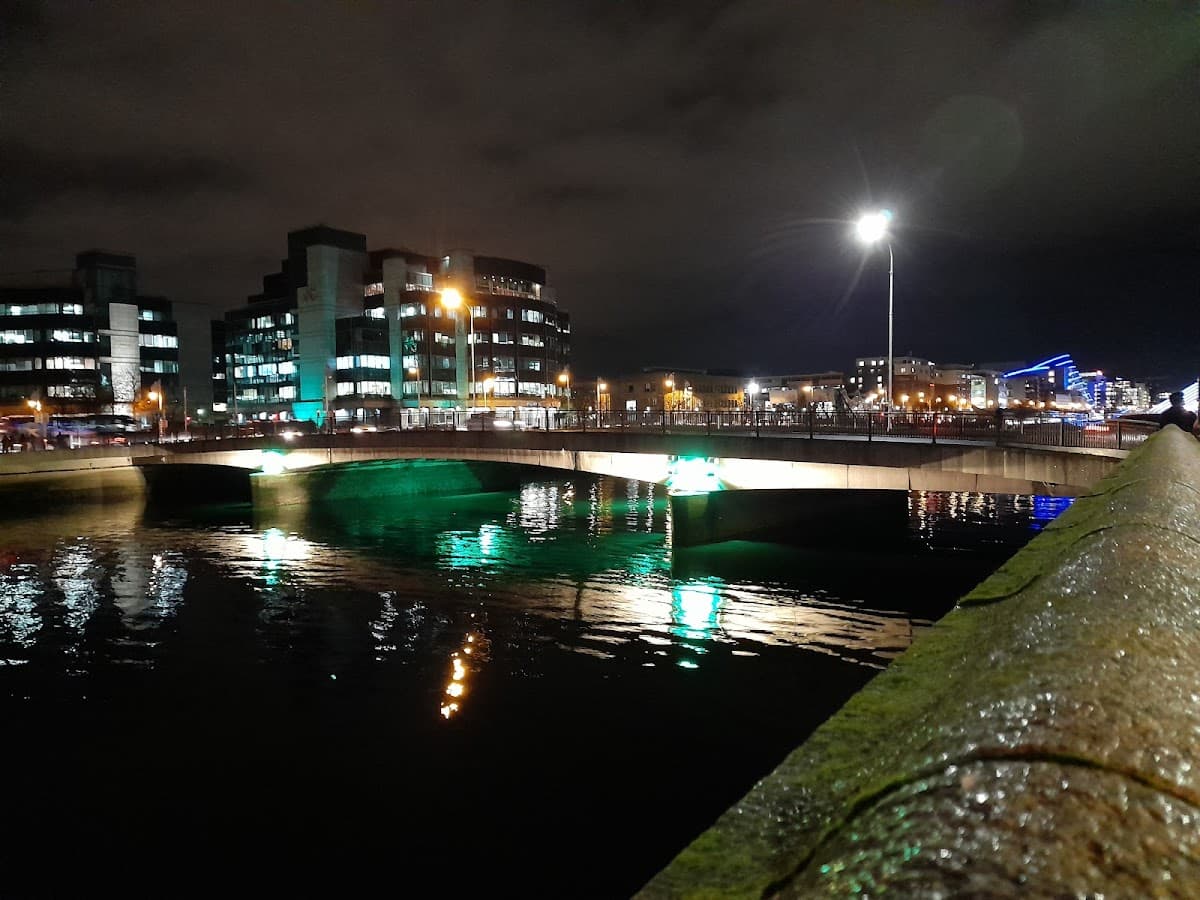
But Dublin is also dealing with some very 21st-century growing pains. Housing costs have made the city one of Europe's most expensive, and you'll see the tension that creates. Long-term residents being priced out, a homelessness problem that pops up along the River Liffey boardwalk at night, and a general fatigue in some quarters with the waves of tourists trampling through Temple Bar.
The city has serious literary DNA. James Joyce, Samuel Beckett, Oscar Wilde, and Bram Stoker all walked these streets. Dublin takes that seriously. It's a UNESCO City of Literature. You'll find statues of writers, pubs named after novels, and a whole festival week dedicated to a single day in Ulysses.
One more thing worth knowing: Dublin is divided by the River Liffey into Northside and Southside, and while that distinction matters a lot less than it used to, locals still reference it. Southside has the Georgian squares, Trinity, and Grafton Street shopping. Northside has O'Connell Street, Smithfield, and Phoenix Park. Most tourists default to the Southside, which means the Northside is usually less crowded and often cheaper.
Local Customs
SLAGGING IS AFFECTION
Round-buying in pubs is a serious social ritual. If you're in a group, everyone takes turns buying a round for the whole table. Don't skip your round.
It will be noticed.. Slagging (friendly mockery) is how Dubliners show affection. If someone takes the piss out of you, that's a good sign.
Take it in good humor and give it back.. The queue is sacred. Don't jump it.
Ever. In a shop, at a bus stop, anywhere.. "How are ya?
" or "Howaya?" is a greeting, not a request for your actual wellbeing. "Grand" or a reciprocal "Howaya" is the correct answer..
Tipping is appreciated but not as rigid as in the US. 10-15% in restaurants is standard. No one tips at the bar for a round of drinks..
Never call Irish Gaelic just "Irish" in conversation without context confusion — locals will assume you mean the people, not the language. Say "Irish language" or "Gaeilge" to be clear.. St.
Patrick's Day (March 17) is a national holiday and the city genuinely shuts down in certain ways. Banks close, some shops run reduced hours. Plan around this if visiting in mid-March..
Dubliners have affectionate nicknames for local landmarks. The Spire on O'Connell Street is known as the Stiletto in the Ghetto. The Molly Malone statue on Suffolk Street is called the Tart with the Cart.
Safety
WATCH YOUR BELONGINGS
Dublin is a reasonably safe city, and Ireland ranked second on the 2025 Global Peace Index (behind only Iceland). That context matters. The vast majority of visitors have no problems whatsoever.
That said, petty theft is the main thing to watch. Pickpocketing happens on Grafton Street, in Temple Bar, around O'Connell Street, and on crowded public transport. Keep your wallet in a front pocket. Hold your bag in front of you in busy areas. Don't pull your phone out if a stranger asks you what time it is.
O'Connell Street and the streets immediately off it are best visited in daylight. After dark, this area attracts more aggressive personalities and the general vibe deteriorates. Talbot Street gets similar reviews from locals. The Liffey Boardwalk at night is another spot to skip if you're alone.
Temple Bar gets rowdy on weekend nights, and there have been documented incidents of tourists being overcharged or targeted by opportunists. It's not dangerous, exactly, but keep your wits about you. Late-night Temple Bar on a Friday or Saturday is mostly drunken tourist chaos.
The areas locals will suggest avoiding entirely (Ballymun, parts of Finglas, Tallaght) are far from where any tourist would normally go. You're unlikely to accidentally end up there.
Emergency numbers: Garda (police) on Store Street, Dublin City Centre: +353 1 666 8000. Irish Tourist Assistance Service: +353 1 666 9354. General emergency: 999 or 112.
Getting Around
BUSES, TRAMS & TRAINS
Dublin has no underground metro. Full stop. That surprises a lot of people expecting a Paris-style system. Instead you get three overlapping options: Dublin Bus (the bus network), the Luas (two tram lines, Red and Green), and the DART (an electrified coastal train running from Greystones up to Malahide and Howth). All three are covered by the Leap Visitor Card, which you can buy at Dublin Airport or city center retailers. Get one immediately. It gives you unlimited travel on Dublin Bus, Luas, DART, and Commuter Rail for 1, 3, or 7 days, and it's a genuine money and hassle saver.
The basic Leap Card flat fare with the TFI 90-minute fare is €2 for adults. That gets you 90 minutes of travel across buses, Luas, and DART in Zone 1. Always tap on and tap off on the Luas and DART — failure to tap off results in a maximum fare being charged.
Getting from Dublin Airport to the city: there is no direct train or Luas link to the airport (a future Metrolink is planned, but it won't be ready in 2026). Your options are Dublin Bus routes 16 or 41 (cheap, slow, around 45–70 minutes depending on traffic), Aircoach or Dublin Express shuttle services (faster and more direct but not covered by the Leap Card and need a separate ticket), or a taxi (convenient, roughly €25–35 to the city center). Note that private airport bus services like Aircoach do not accept the Leap Card.
Uber and Bolt both operate in Dublin and are generally safe and reliable options for late-night travel. For getting around within the compact city center, walking is often the fastest option. Most major attractions south of the Liffey are within 20 minutes on foot of each other.
Useful Phrases
Explore Neighborhoods
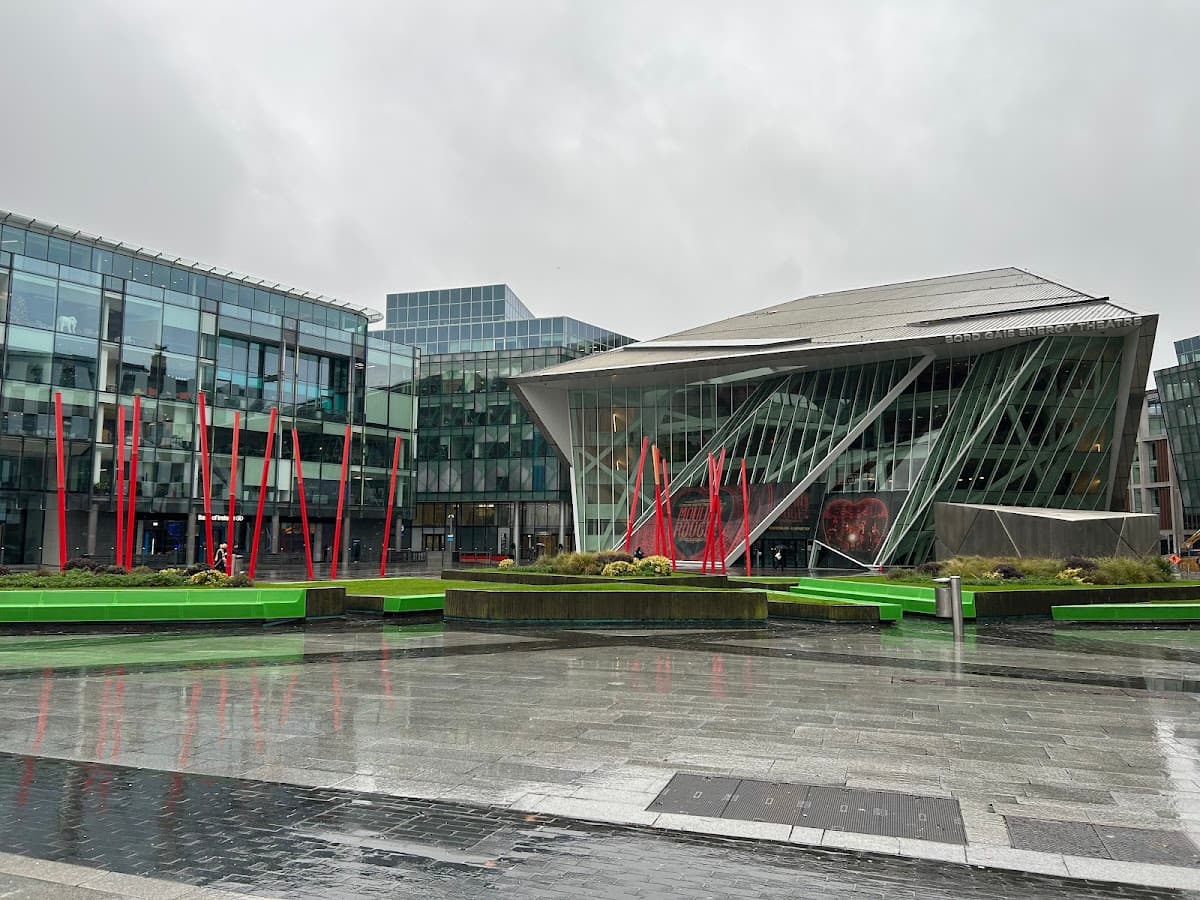
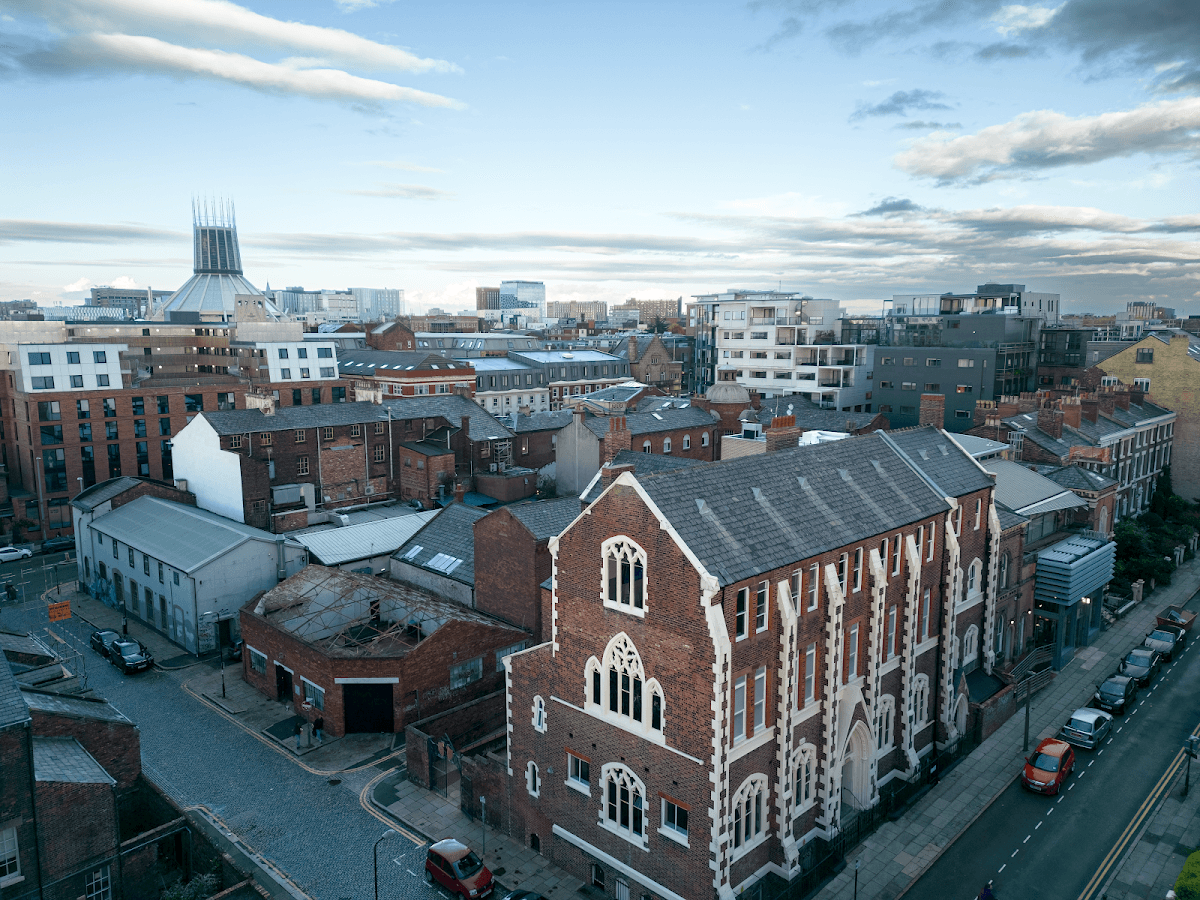
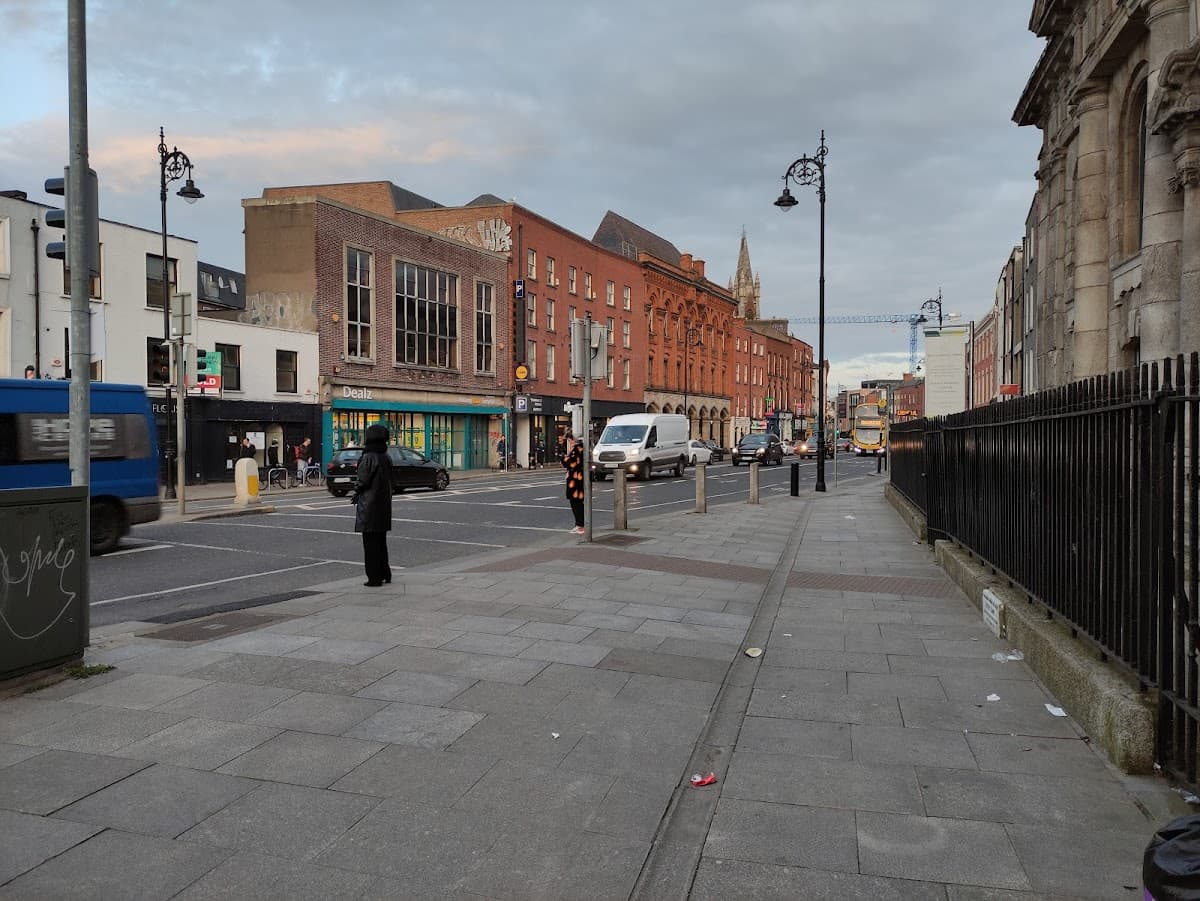
Explore the Region
Dublin Itineraries
View all
Wild Greens & City Beats: A Dublin Adventure Weekend
Weekend · $$
7 Days in Dublin: Castles, Culture & Cozy Pubs for Families
Week · $$

Seven Days of Modern Culture in Dublin
Week · $$$
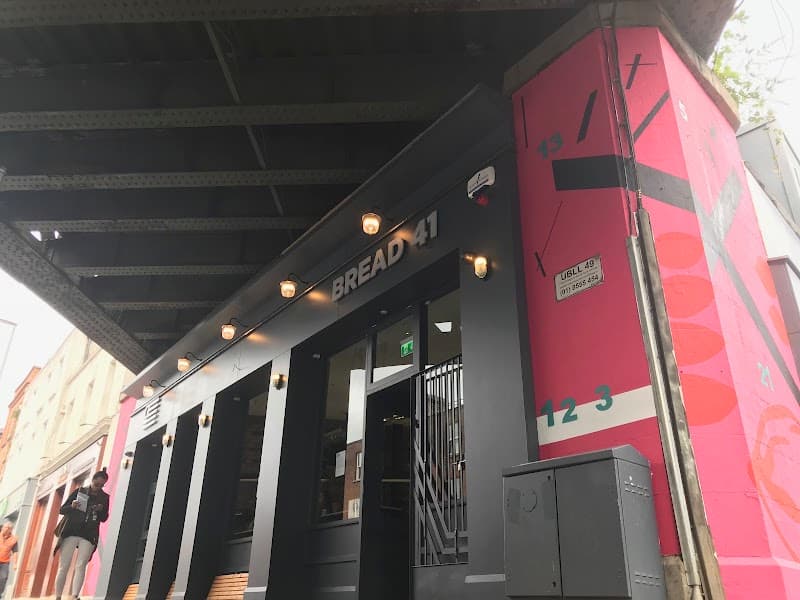
Bohemian Dublin: Coastlines, Culture & Nightlife in 3 Days
Weekend · $$$
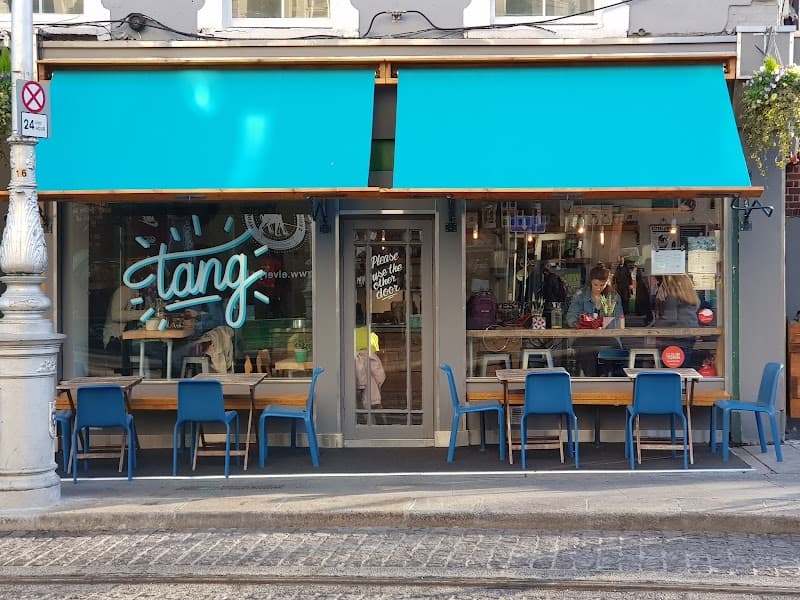
Lux Dublin Day: Georgian Elegance, Green Parks & Gourmet Bites
Weekend · $$$$$
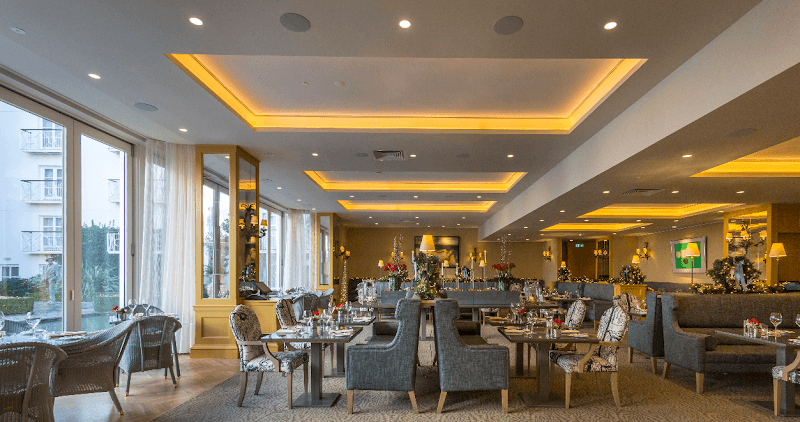
Lux Dublin Weekend: Georgian Elegance & Family Fun
Weekend · $$$$$
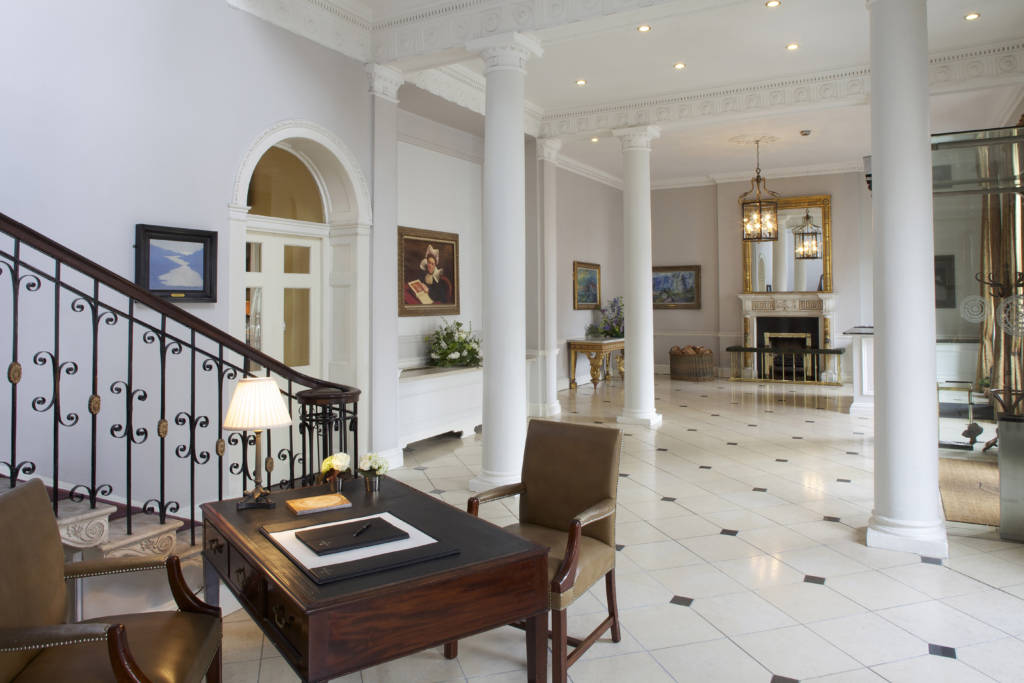
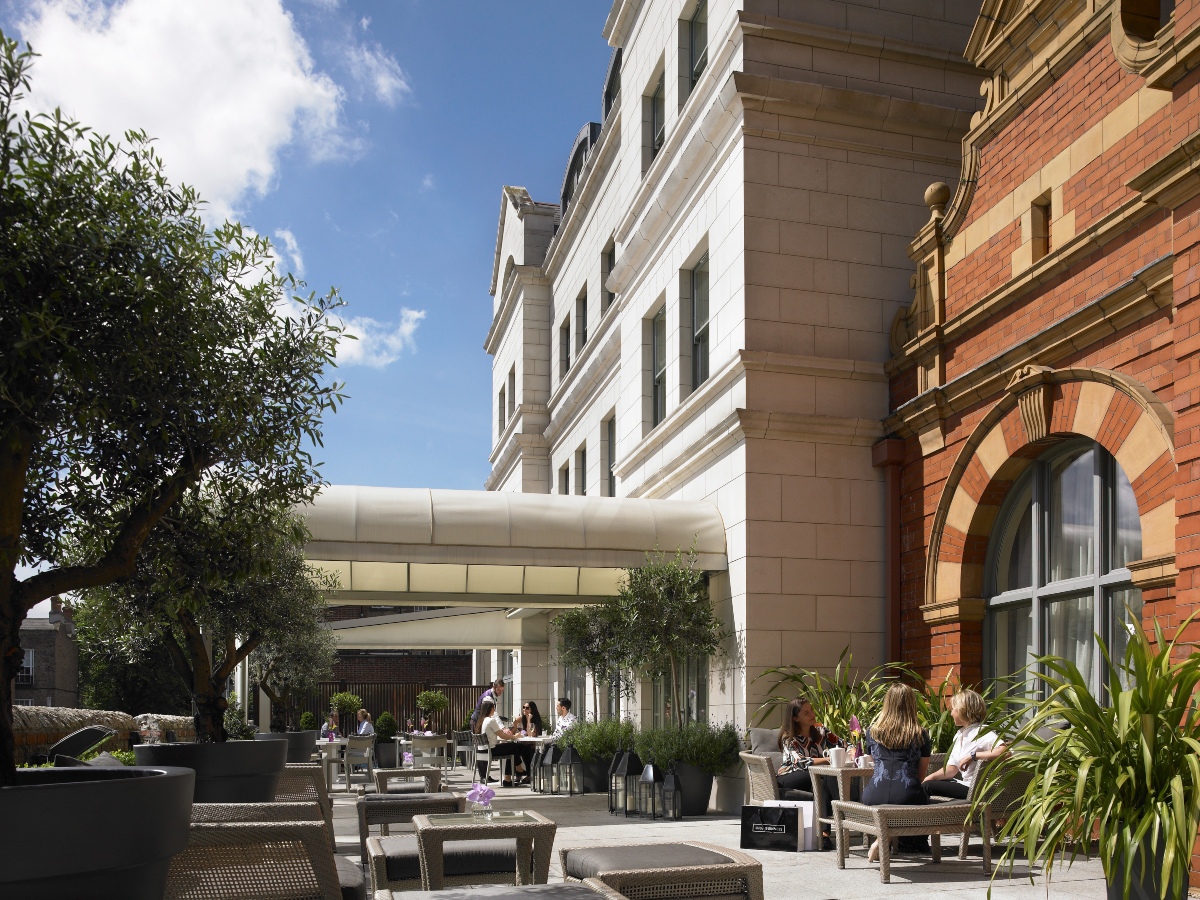
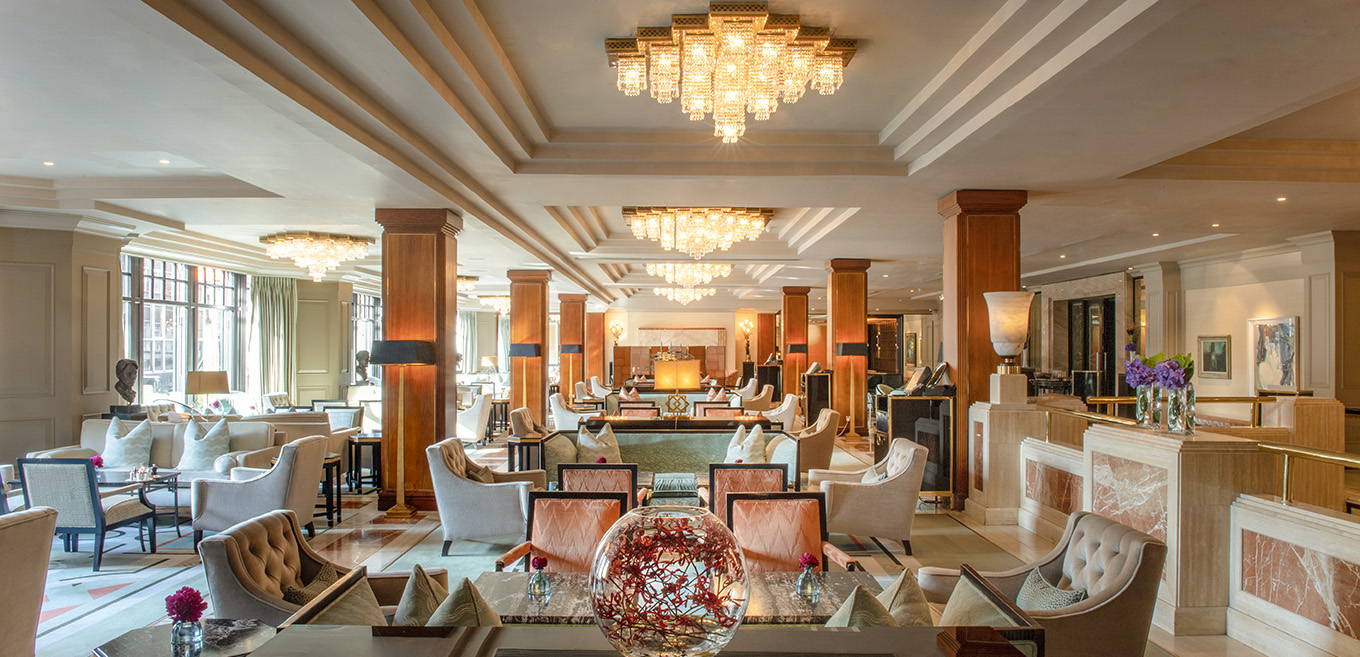
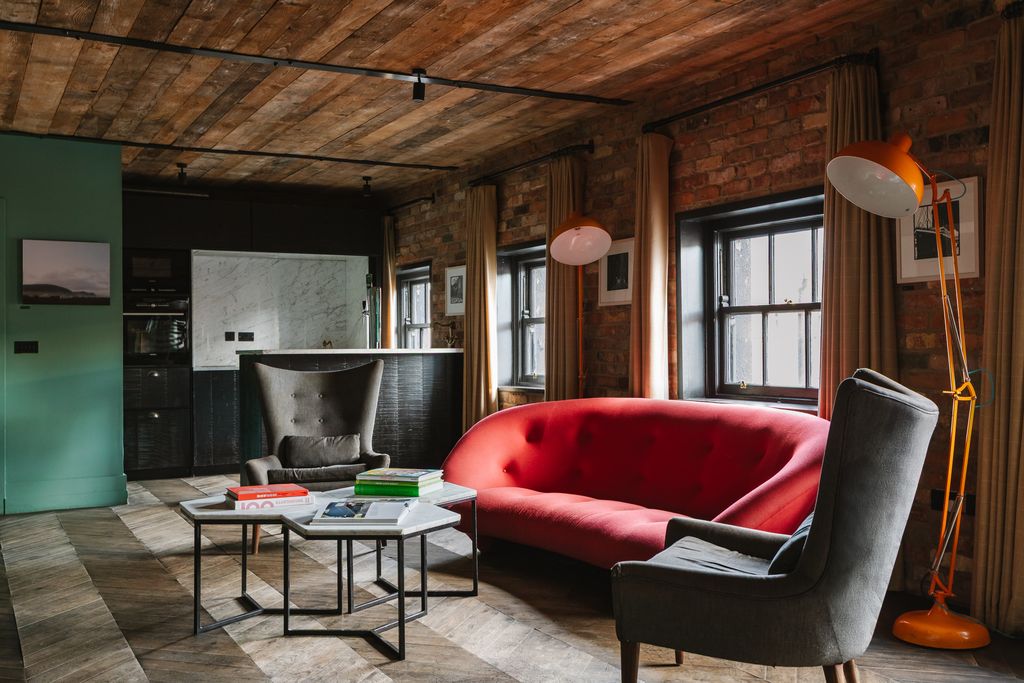
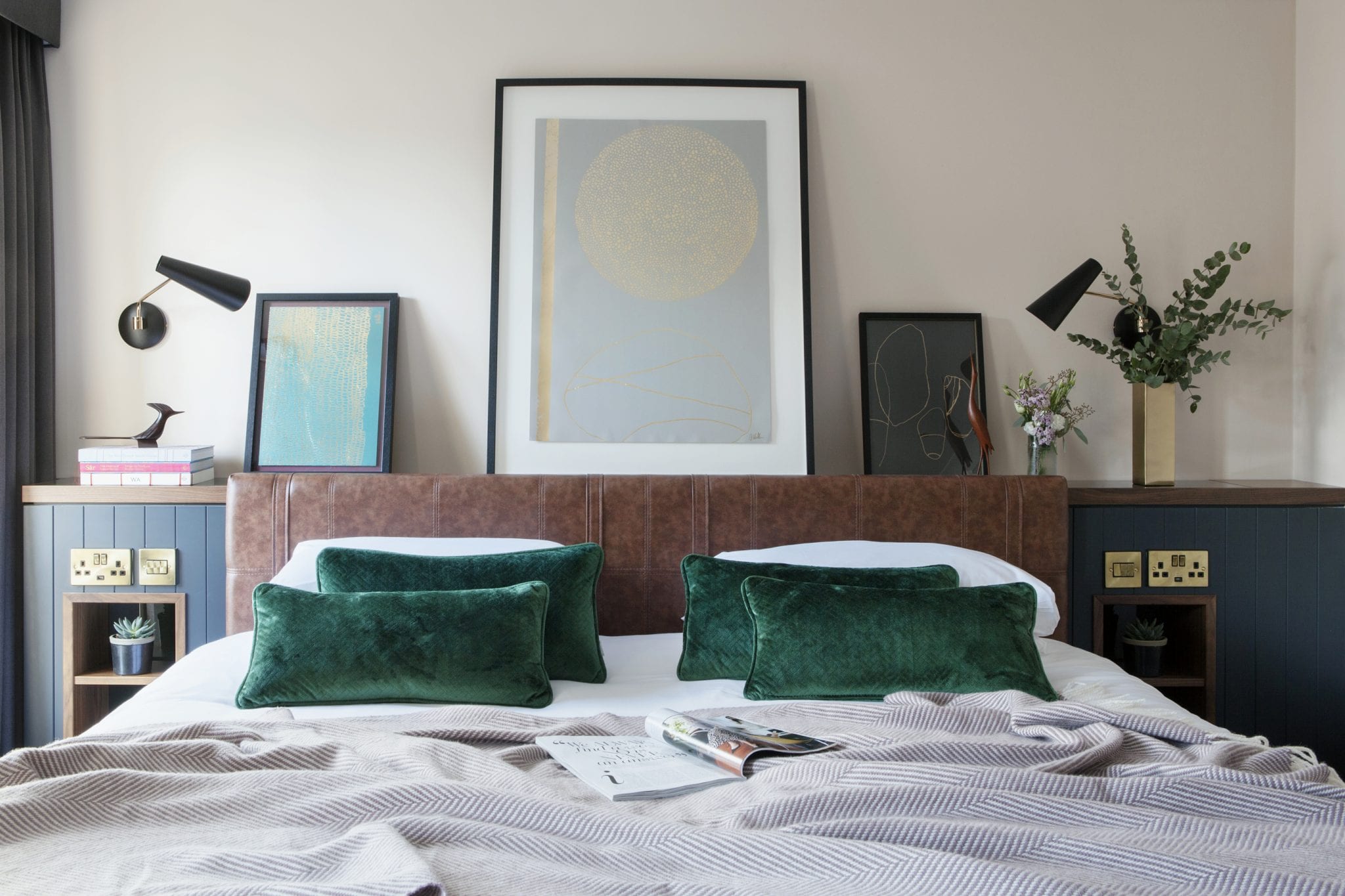
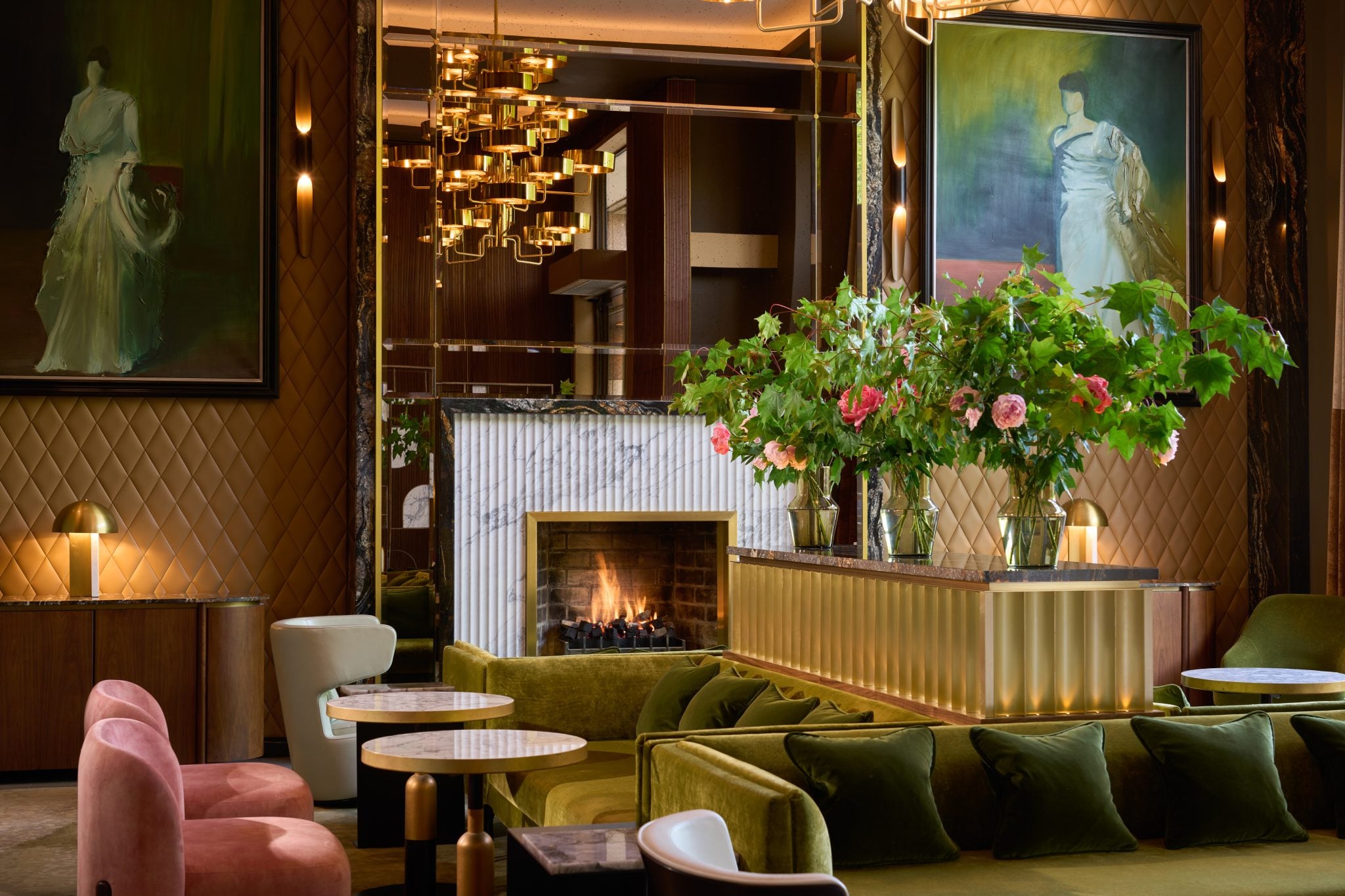
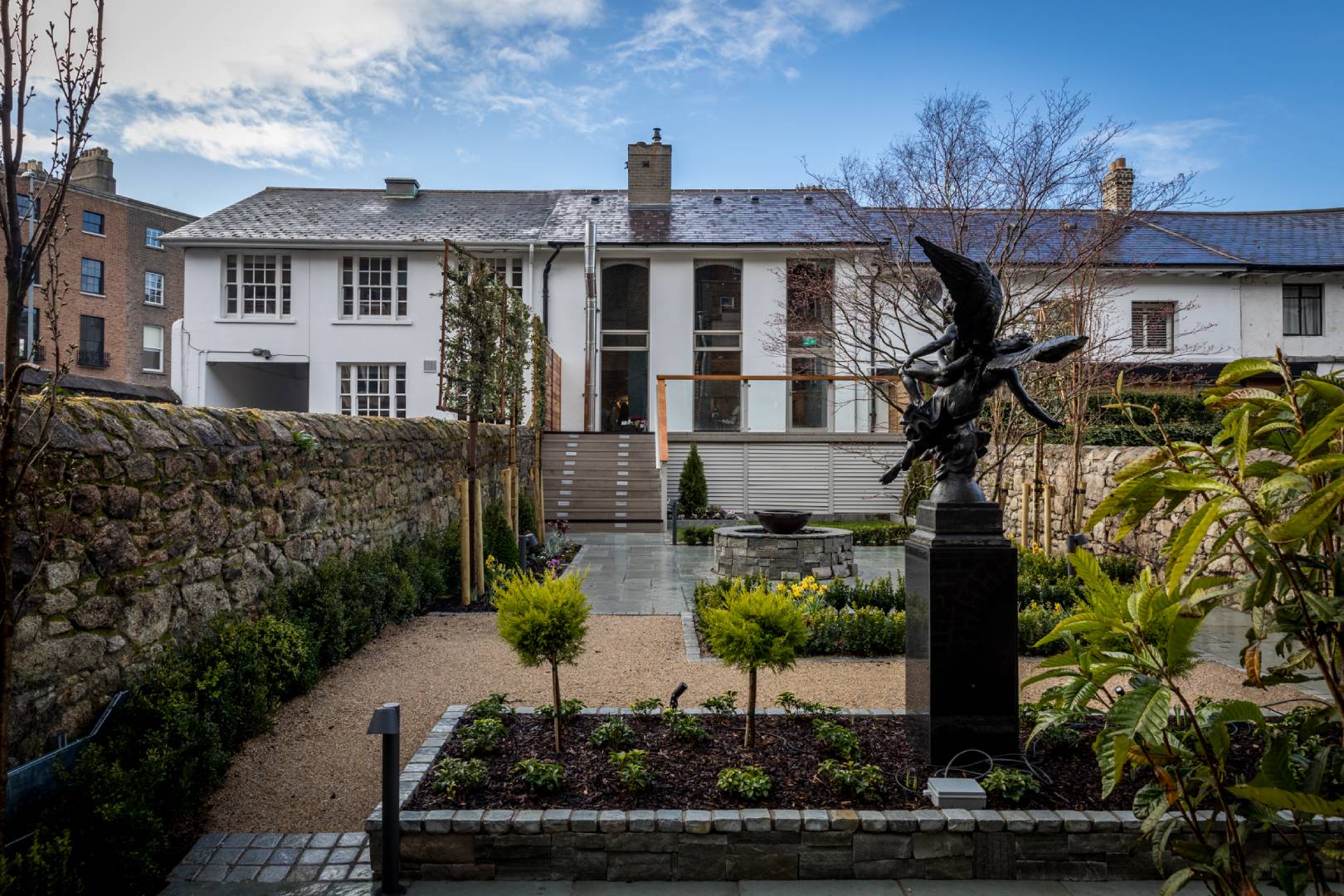
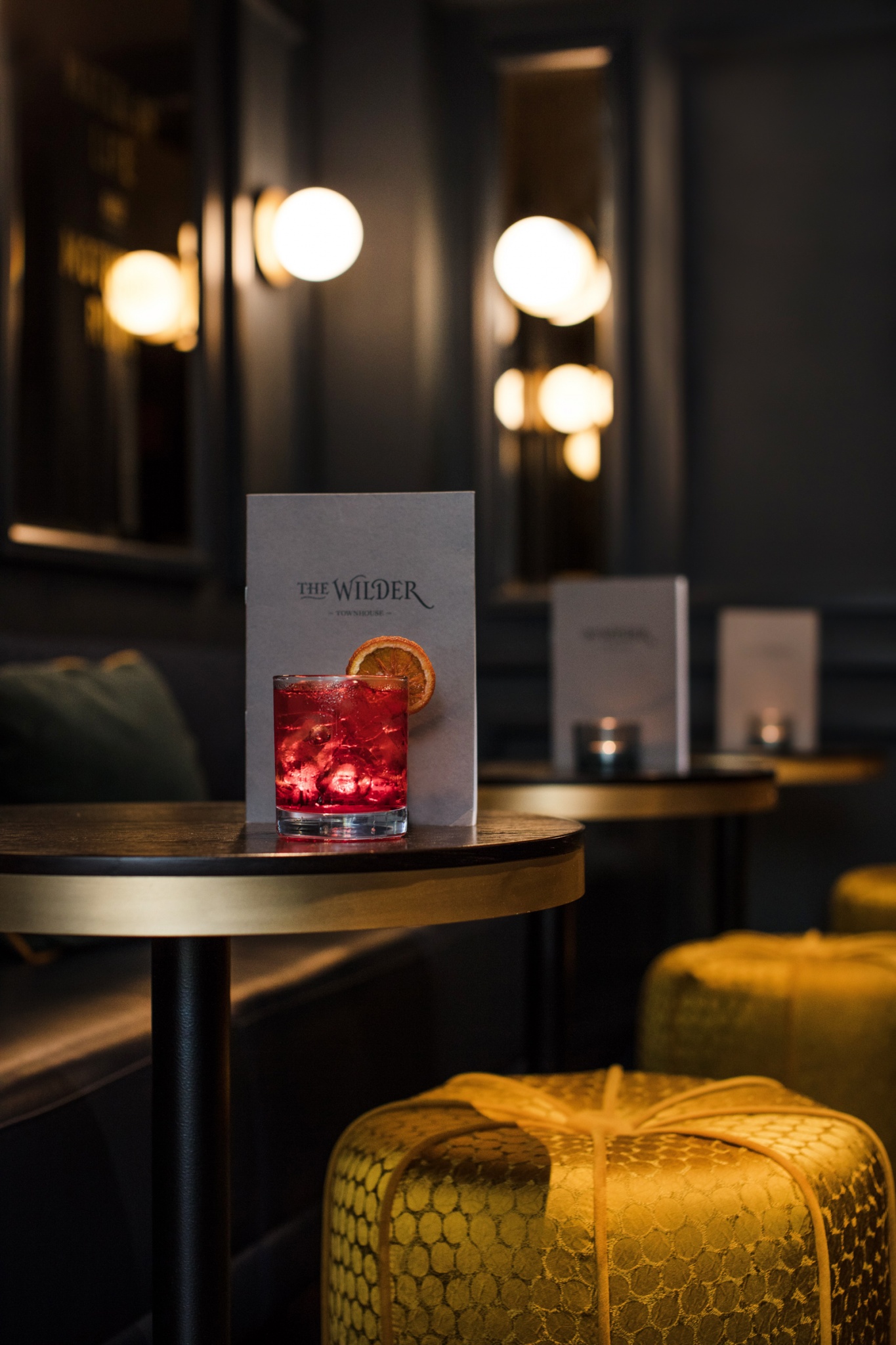
Where to Stay in Dublin
9 recommended properties

Things to Do in Dublin

Trinity College & Book of Kells
Trinity Area / City Center · 120 min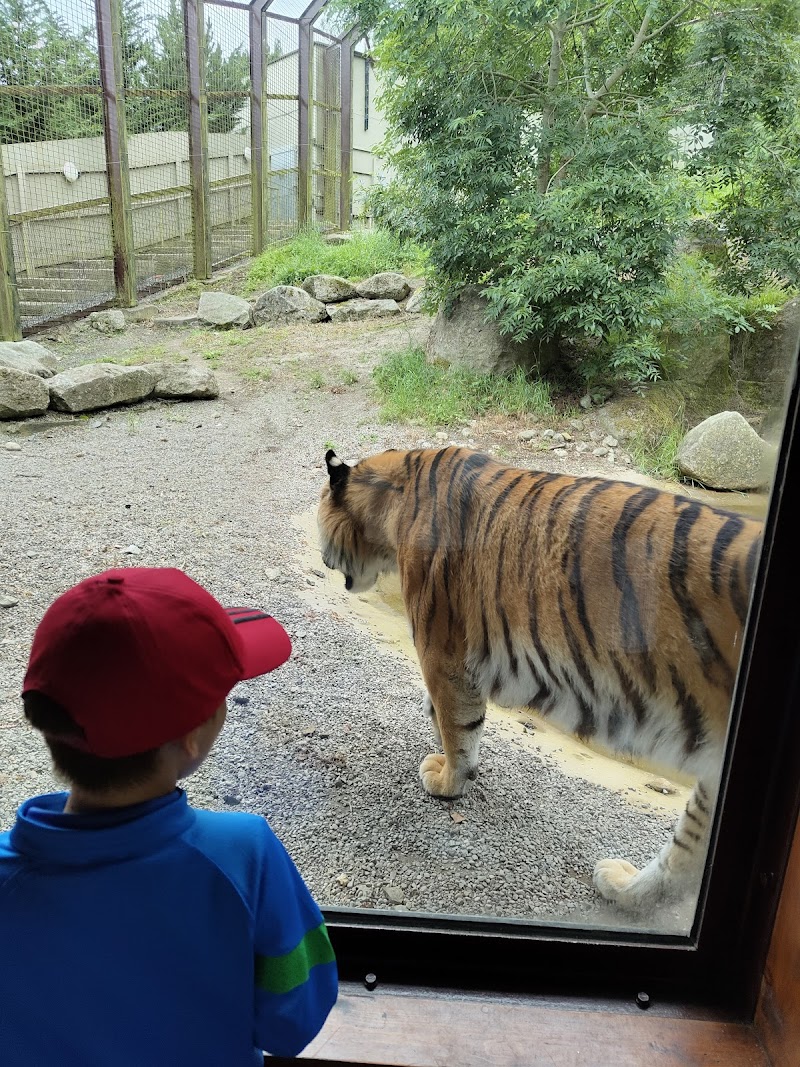
Phoenix Park Nature Walk
Phoenix Park (West Dublin) · 150 min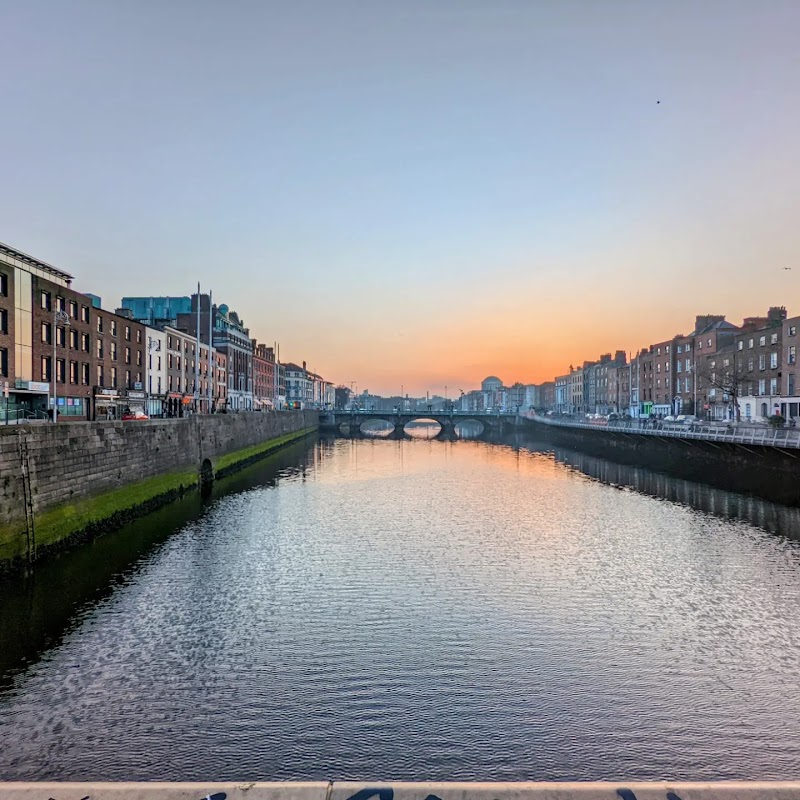
Temple Bar Cultural Experience
Temple Bar · 120 minMoney-Saving Tips
- 1.Pints cost €5-7 in most pubs, but Temple Bar charges tourist prices of €8-10
- 2.Many museums offer free admission on certain days - Trinity College's Old Library is €16 but worth it
- 3.Lunch specials at gastropubs run €12-15, much cheaper than dinner at the same places
- 4.Dublin Bus day passes cost €7 and cover unlimited travel in the city center
- 5.Happy hour at cocktail bars usually runs 5-7pm with drinks around €8 instead of €12-15
- 6.Grocery shopping at Tesco or Dunnes Stores saves money over eating out for every meal
- 7.Book accommodation well ahead for summer months - prices double during peak season
Travel Tips
- •Pubs close early on Sundays (11pm) and some don't serve alcohol until after 12:30pm
- •Bring layers and a waterproof jacket - Dublin weather changes every 20 minutes
- •Tipping isn't expected in pubs, but 10-15% is standard in restaurants for good service
- •The city center is very walkable, but wear comfortable shoes for the cobblestones
- •Book popular restaurants in advance, especially on weekends - Dubliners dine out frequently
- •Many attractions close on Mondays, so plan accordingly
- •ATMs are everywhere, but notify your bank before traveling to avoid card blocks