Cagliari
Sardinia's historic capital with Mediterranean charm
Cagliari isn't trying to impress anyone. And that's exactly why it does.
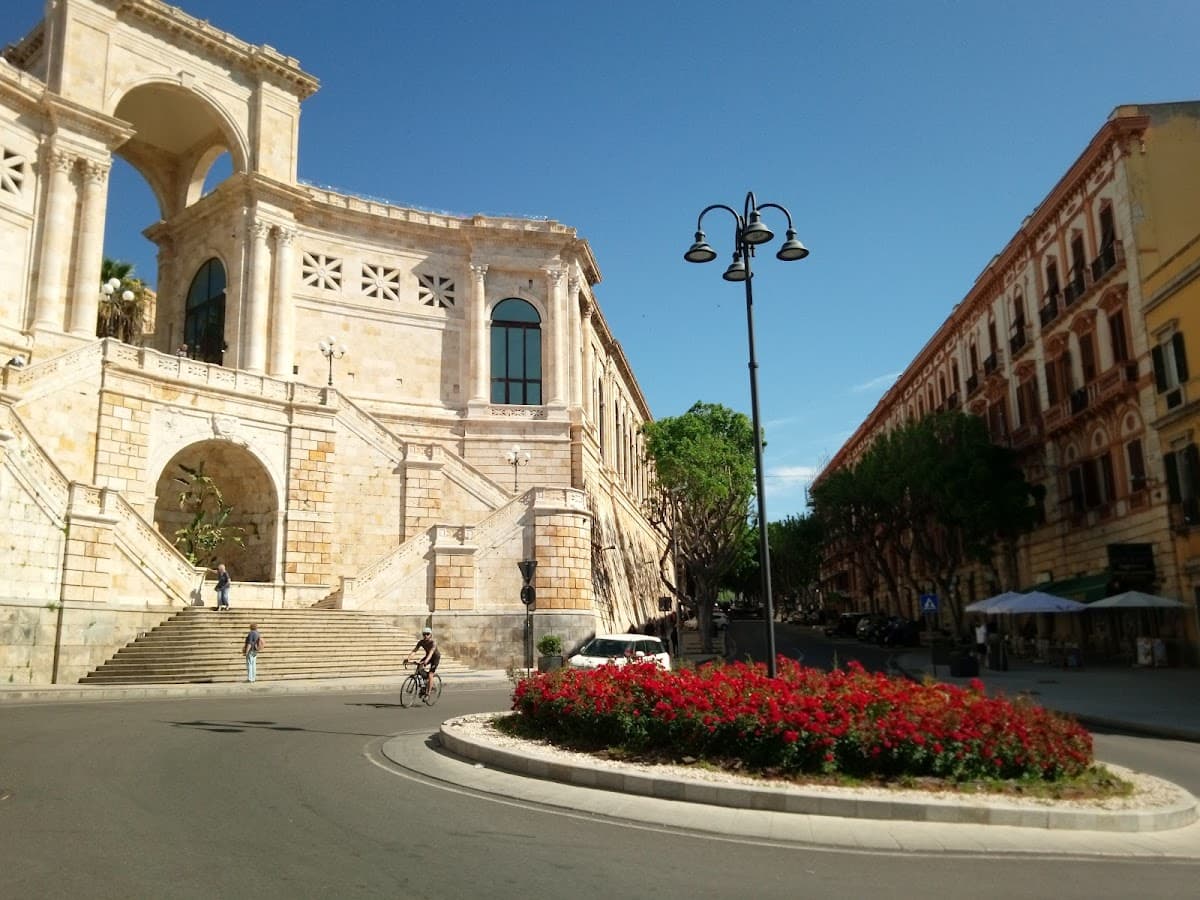
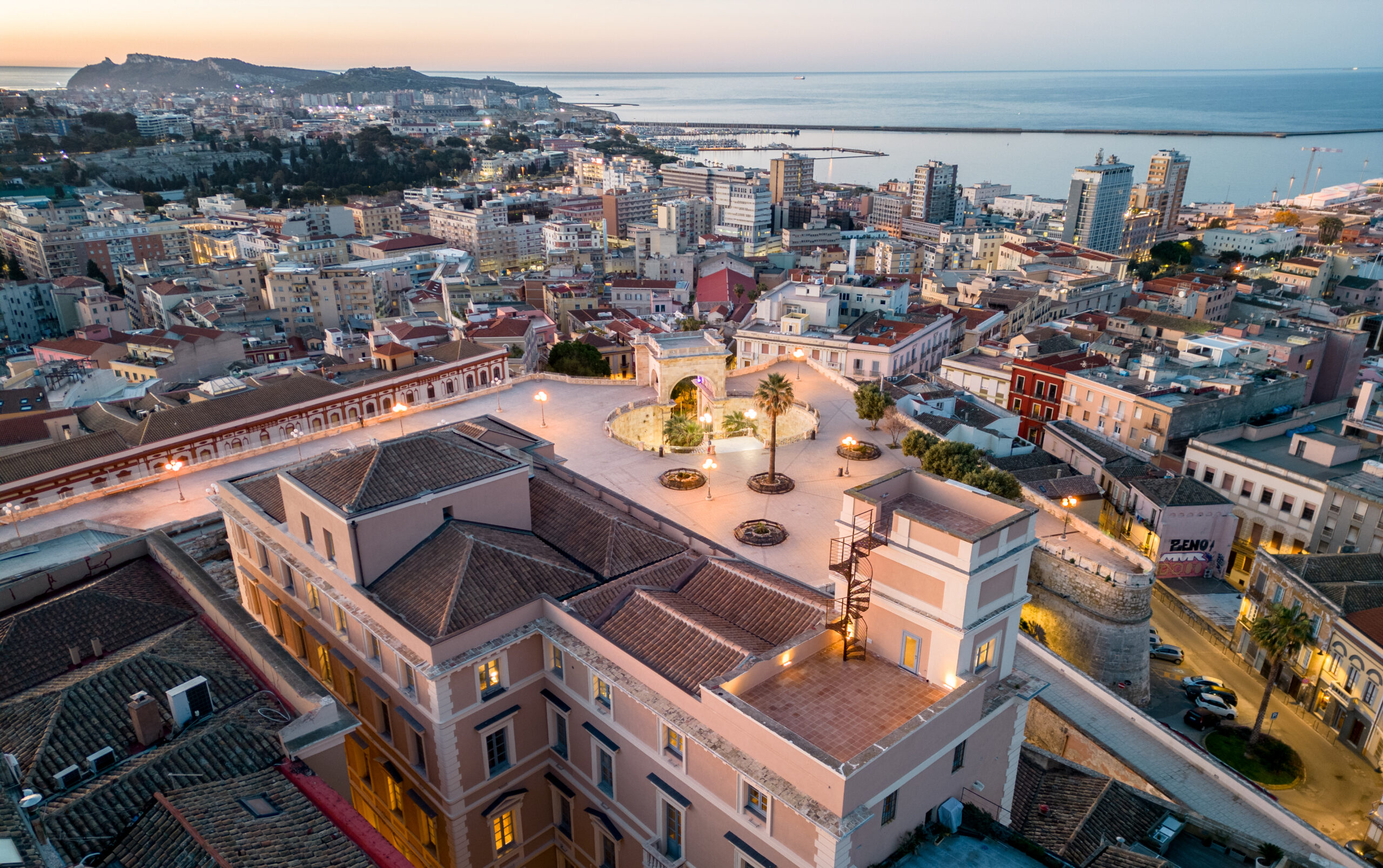
Sardinia's capital spreads across seven hills like a Mediterranean Rome, but without the crowds crushing you at every monument. Ancient Phoenician walls snake through the Castello district while flamingos wade through salt flats just minutes from downtown. The locals still take their evening passeggiata seriously, and restaurants close for proper lunch breaks.
But here's what makes Cagliari special: it feels lived-in rather than performed. You'll find 13th-century towers sharing street corners with art nouveau facades, and the same family might run both the morning coffee bar and the evening aperitivo spot. The city beach, Poetto, stretches for eight kilometers of fine sand, yet somehow never feels overcrowded.
The food scene runs deep here. Forget tourist menus — locals eat at places like Sa Schironada where the pasta is made by hand each morning, or they grab a panino from Durke for a beach picnic. Evening brings aperitivo culture to Via Roma's porticos, where a Campari Spritz costs €4 and comes with enough snacks to call it dinner.
Best Months
MAY – OCT
~28°C · moderate crowds
Culture & Context
SARDINIAN IDENTITY RUNS DEEP
Cagliari is the capital of Sardinia, an autonomous Italian region with its own distinct language (Sardinian, or Su Sardu), food culture, and identity. Locals don't think of themselves as just Italian — Sardinian identity runs deep, and the island's history of Phoenician, Carthaginian, Roman, Spanish, and Savoyard rule layered onto a pre-existing civilization produces something genuinely different from mainland Italy.
The Sardinian language is classified as the Romance language closest to Latin. Around Cagliari, the Campidanese dialect is spoken, which carries strong Spanish loan-words. Most locals are fluent Italian speakers but will switch to Sardinian with each other — especially older generations. Younger people understand it, but might not use it daily.
Religion and civic life are intertwined in ways you don't see much in modern Europe. The Sant'Efisio procession is not a performance for tourists — it's a 370-year-old vow. Locals from across the island participate actively, including people who don't consider themselves particularly religious. Turning up and watching respectfully is welcomed. Talking through the procession loudly or treating it as a photo opportunity without any awareness of what it is will read badly.
Sardinia is also part of the world's Blue Zones — regions where people statistically live significantly longer than average. Diet (legumes, whole grains, local wine in moderation), strong community ties, and physical activity in daily life are the credited factors. You'll notice the elderly are extremely active and socially visible here.
Local Customs
RESPECT THE PROCESSIONS
Dress to enter churches: shoulders and knees covered. The Cathedral of Santa Maria and Church of Sant'Efisio in Stampace both enforce this. Keep a scarf or light layer in your bag..
Coffee is quick and standing at the bar is the local way. Sitting down at a table often costs more. Espresso is €1.
10 standing; table service pushes it to €2.50 or more.. Lunch is the main meal of the day for many locals.
Restaurants often close between roughly 2:30pm and 7:30pm. Don't show up expecting dinner at 5pm — nothing will be open.. Sardinians are warm but not immediately effusive with strangers.
Give conversations time to develop. Pushy or loud behavior will close doors quickly.. Don't eat or drink while walking past historic monuments or churches.
A few Italian cities now fine for this and the cultural expectation runs island-wide.. Wild camping is not permitted. You cannot sleep on the beach, and camping outside official campgrounds is illegal across Sardinia..
At the beach, umbrella and sun lounger sets at Poetto run €28-35 per day. Some stretches of beach remain free — look for areas without rental infrastructure.. Gyms and public swimming pools technically require a medical certificate confirming fitness to participate.
It's an old rule that confuses visitors but is still technically in force.
Safety
WATCH FOR PICKPOCKETS
Cagliari scores around 77/100 on safety perception indexes — it's a comfortable city by European standards. Violent crime is rare. What does happen, and regularly enough to be worth knowing about, is petty theft and opportunistic pickpocketing in crowded markets and on busy streets. The Mercato di San Benedetto and the Via Roma waterfront are the main spots to stay alert.
The train station area is best avoided late at night. The San Michele and Sant'Elia districts on the city periphery have reputations for petty crime and are not tourist areas anyway — you're unlikely to end up there accidentally. Stick to well-lit streets after midnight if you're out solo.
Taxi scams exist: use official stands, make sure the meter is running from the moment you get in. Nighttime and extra luggage cost more, which is legal, but you should know that going in.
Summer heat is a real safety factor too. Temperatures regularly exceed 35°C in July and August. Carry water, wear sunscreen, and don't try to hike Sella del Diavolo at midday. Emergency number is 112. For minor medical issues, pharmacies (farmacia, look for the green cross) are a good first stop.
Getting Around
BUSES & TRAINS SOLID
CTM runs the orange city buses and the small metro. A single ticket costs €1.30-1.50 and is valid for 90 minutes with unlimited transfers. Buy tickets at tabaccherie (tobacconists) or newsstands before you board — you can also use the CTM Drop Ticket app. A daily pass is €3.30, a weekly pass is €12. Validate your ticket immediately on boarding. Fines for unvalidated tickets are steep and inspectors do check.
Getting from the airport: Cagliari Elmas Airport (CAG) is 7km from the city center. The train from Elmas Airport to Piazza Matteotti station runs every 20 minutes from 5am to 9pm and takes just six minutes. That's the move. Skip the taxi for the airport transfer unless you have a lot of luggage.
The Castello, Marina, and Stampace historic districts are best explored on foot. Wear proper shoes — there are real hills and cobblestones that will destroy sandals by day two.
Ferries: The port is a short walk from Piazza Matteotti. Grimaldi Lines connects Cagliari to Civitavecchia (Rome's port), Naples, and Palermo. Journey times range from 8-14 hours. Overnight cabins make these routes comfortable. Book in advance for summer — these fill up fast.
Driving: Cars are genuinely useful for day trips (Nora ruins, Villasimius beaches, Su Nuraxi). Parking in the city center is a genuine headache. Use parking garages on the periphery and walk or bus in. Don't leave valuables in the car — car break-ins do happen.
Useful Phrases
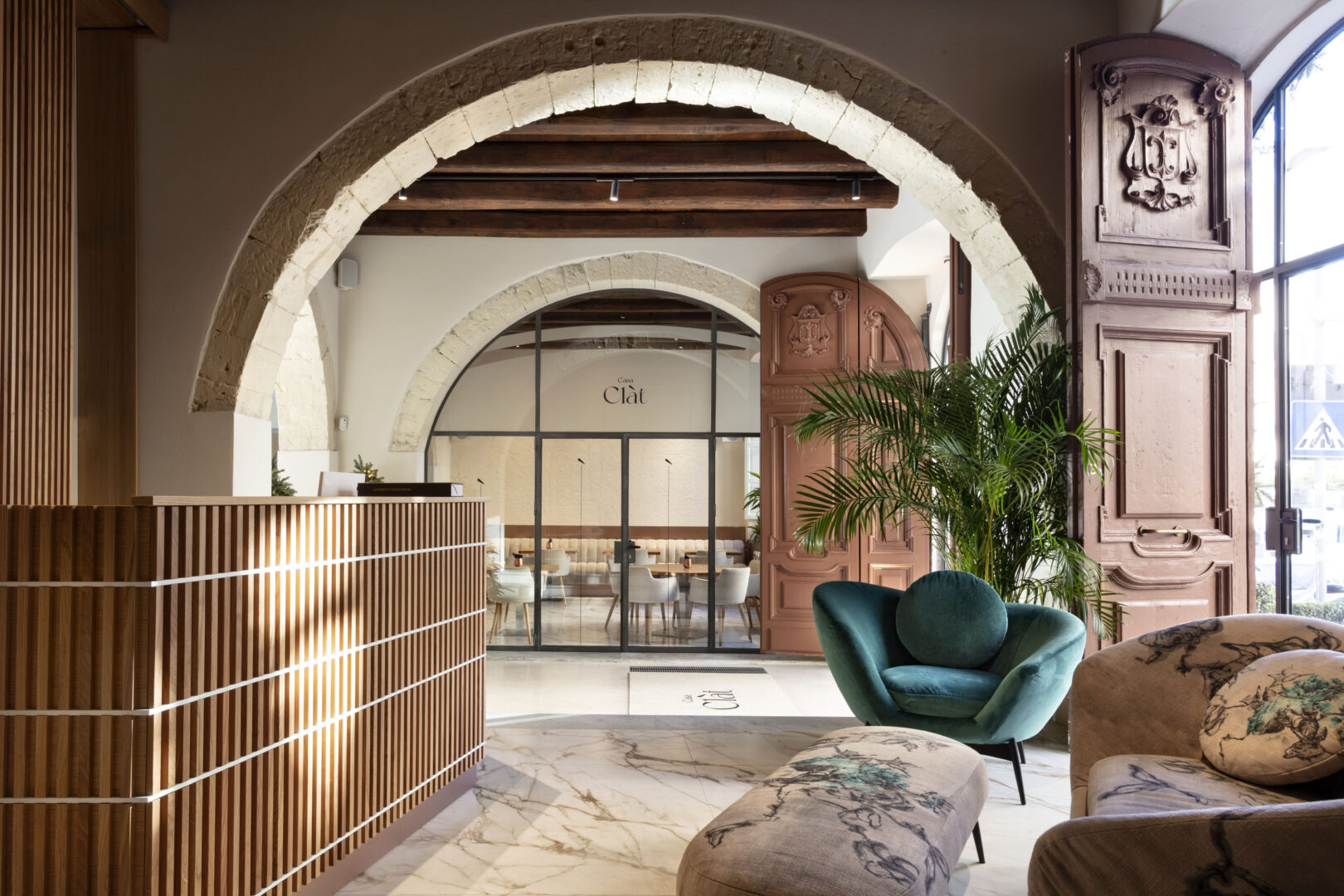
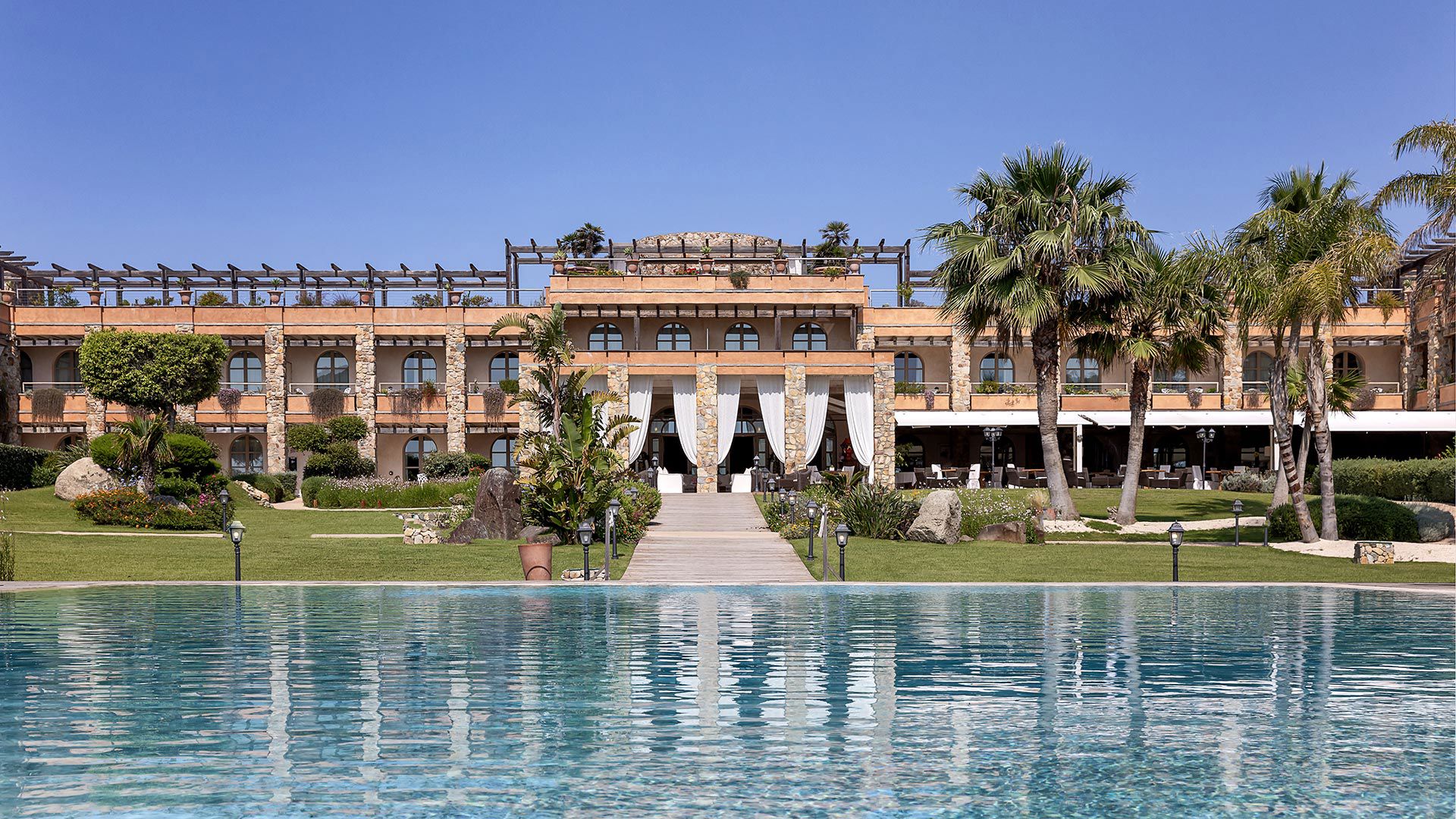
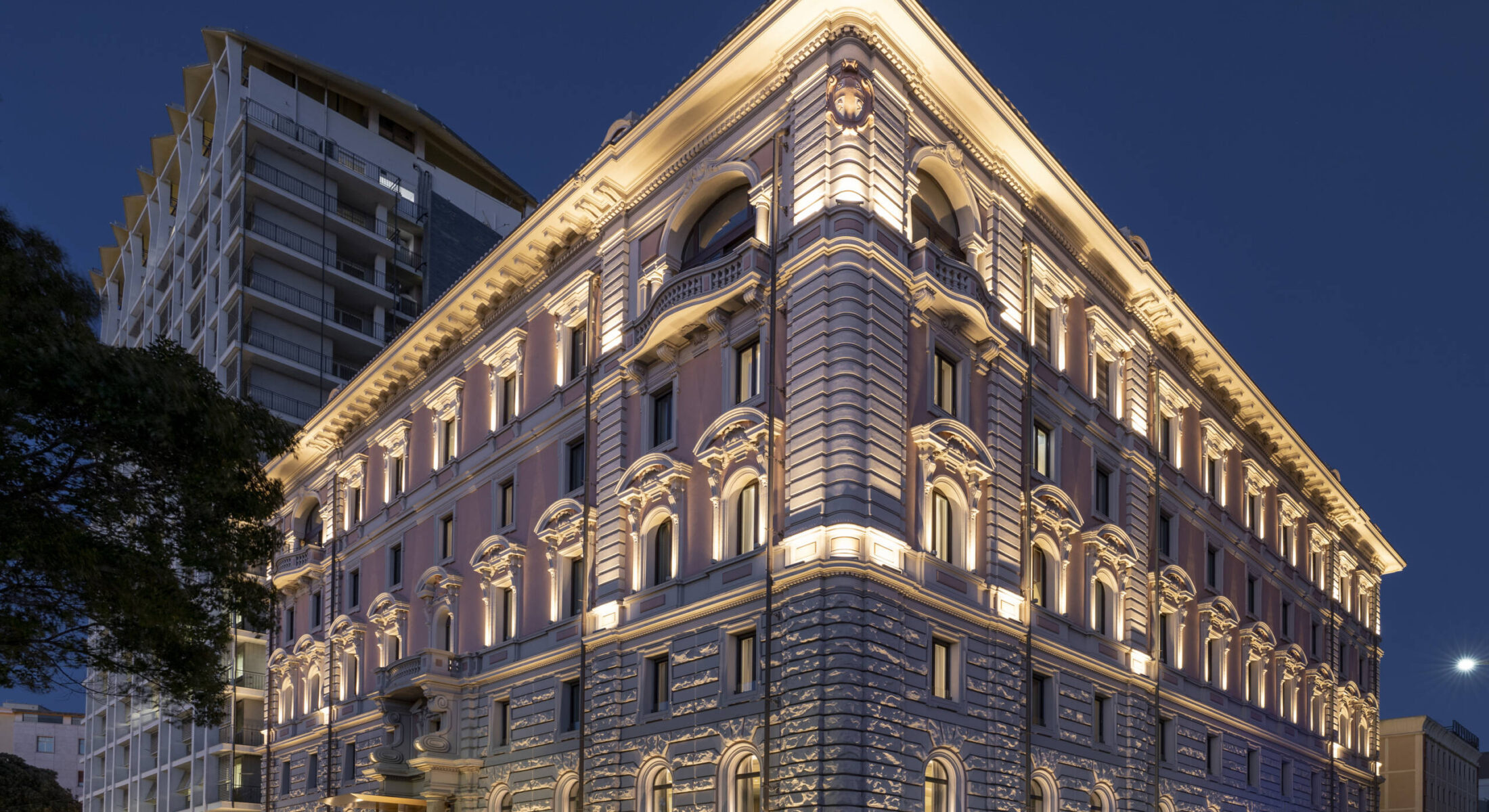
Where to Stay in Cagliari
5 recommended properties

Money-Saving Tips
- 1.Buy bus tickets at tobacco shops for €1.30 instead of paying tourist taxi rates around the city
- 2.Aperitivo bars offer substantial snacks with drinks — order a €5 Aperol Spritz and skip dinner
- 3.Shop at the San Benedetto market for local cheeses and cured meats instead of hotel breakfast
- 4.Beach parking at Poetto costs €1 per hour versus €15 for private beach club access
- 5.Lunch menus at restaurants cost €12-15 compared to €25-30 for dinner at the same places
- 6.Municipal museums offer combined tickets for €8 covering multiple sites versus €5 each separately
Travel Tips
- •Restaurants close between 3-7 PM for siesta — plan lunch before 2:30 PM or wait until evening
- •Poetto beach has free sections and paid stabilimenti — walk past the first few beach clubs for free sand
- •The Castello district involves steep climbs — wear comfortable shoes and carry water
- •Many shops close on Sunday afternoons and Monday mornings — stock up on Saturday
- •ATMs in tourist areas sometimes run empty on weekends — withdraw cash on weekdays
- •Beach clubs at Poetto rent umbrellas and chairs for €15 per day including shower access
- •The train to Mandas for mountain day trips only runs twice daily — check schedules in advance
- •Local buses stop running around 9 PM — plan evening transportation back to hotels accordingly