Capri
Glamorous Mediterranean island of eternal summer
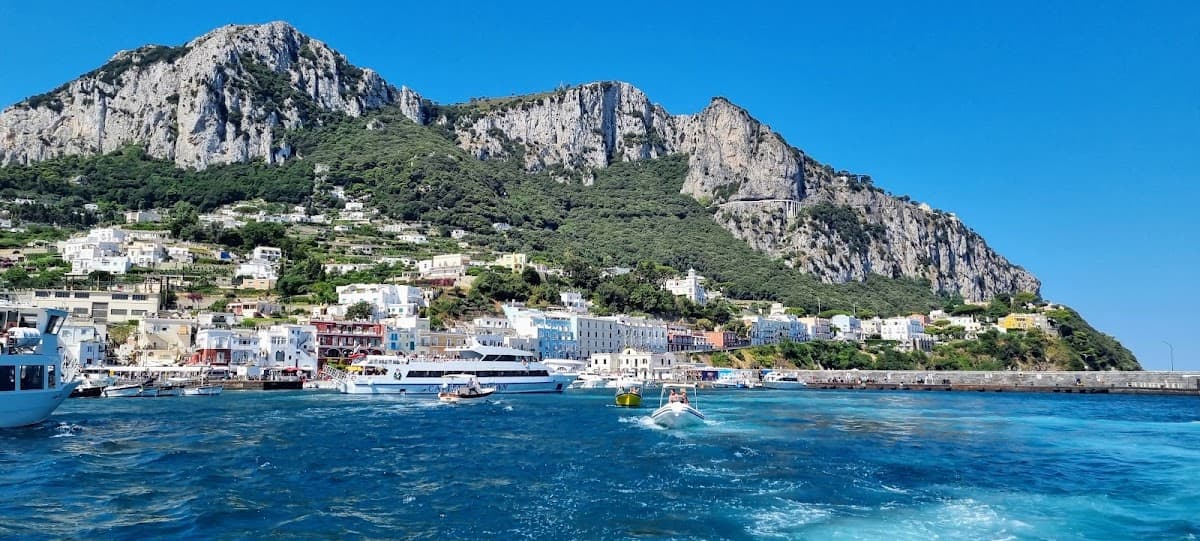
Capri floats in the Bay of Naples like a jewel dropped from Olympus. This limestone island has been seducing visitors since Roman emperors built villas here — and honestly, not much has changed. You'll still find impossibly blue waters, clifftop hotels that cost more than your mortgage, and enough Italian glamour to make you feel underdressed in designer clothes.
The island splits into two main towns: Capri proper, where the ferry drops you off, and Anacapri up the mountain. Both pulse with that particular Mediterranean energy — part ancient history, part modern hedonism. But here's what travel guides won't tell you: Capri can feel claustrophobic in summer when cruise ship passengers flood the narrow streets. Come in shoulder season if you want to actually enjoy the place.
Best Months
MAY – SEP
~28°C · high crowds
Culture & Context
ROMAN GLAMOUR, LOCAL SOUL
Capri has been a resort for the wealthy since Roman Emperor Tiberius built his villa here (Villa Jovis) around 27 AD. That exclusivity never left. Hollywood discovered it in the 1950s and 1960s — Jackie Kennedy, Brigitte Bardot, Sophia Loren all made it fashionable.
Today it still draws celebrities, and the locals are well aware of the island's status. The Piazzetta has been called 'the world's living room' for over a century. But underneath the glamour, Capri is a real community of about 14,000 people who live year-round and are watching overtourism push quality of life in the wrong direction.
The 2026 regulations — capping tour groups, banning megaphones, limiting noise — reflect a genuine desire to protect what makes the place worth visiting. Treat the island like a home you've been invited into, not a backdrop for content creation, and locals will warm to you quickly. The local identity is distinctly Caprese, not simply 'southern Italian.
' The island produces its own wines (Capri DOC white is the one to order), makes hand-stitched sandals, and has its own patron saint festivals that predate mass tourism by centuries.
Local Customs
ELEGANT, NOT LOUD
Wooden clogs are literally banned on Capri. The clatter on cobblestones disturbs residents and is formally prohibited — this rule dates back decades and is still enforced. Wear flat shoes.
The streets are also steep enough that heels are genuinely dangerous.. Do not walk shirtless through the center of town. The island has always maintained a code of 'elegant informality' — even casual dress should be actual dress.
Swimwear stays at the beach or pool.. New for summer 2026: tour groups are capped at 40 people disembarking at once, and guides with groups of 20+ must use earpiece systems instead of loudspeakers. Large colored flags and megaphones are banned.
This is good news for independent travelers — the Piazzetta and Gardens of Augustus will be measurably less chaotic.. Don't bargain in shops. Prices are fixed everywhere on Capri and haggling is considered disrespectful.
This isn't a market in Marrakech.. At beach clubs, wait for staff to show you to a spot rather than choosing your own. Tips for boat captains and beach attendants are customary and genuinely appreciated..
Men should avoid shorts at dinner in fine dining restaurants. The dress code isn't posted at the door — it's assumed you already know.. Bluetooth speakers and loud music in public spaces are actively discouraged under new 2026 regulations.
The island is reclaiming its natural soundscape: waves, wind, and the murmur of conversation. Respect it.. The standard coperto (cover charge) on restaurant bills is normal in Italy — €2–4 is fine.
Anything over that, check the menu before ordering. Some places near the Piazzetta play games with service charges.
Safety
WATCH YOUR WALLET
Capri is genuinely safe. Violent crime is essentially nonexistent. The concerns are financial rather than physical.
Watch restaurant bills carefully — some spots near the Piazzetta add coperto charges or service fees not clearly disclosed upfront. Always check the menu for coperto before sitting down. Pickpocketing is rare but possible in the most crowded tourist areas during peak summer, particularly around Marina Grande when the ferries unload.
Keep bags closed and phones in a front pocket. The island sees up to 50,000 visitors daily in summer against a resident population of 13,000–15,000, so the crowds themselves are the main hazard — narrow lanes get genuinely difficult to navigate in July and August. Hiking trails around Via Krupp and Monte Solaro can be steep and slippery — wear proper shoes, not sandals.
The island's council is also planning measures to limit boat traffic at Marina Grande, so book ferry tickets in advance, especially morning outbound and afternoon return sailings.
Getting Around
FERRIES & FUNICULAR
No private cars for tourists — Capri is a pedestrian island by necessity. Here's how everyone gets around. Ferries arrive at Marina Grande from Naples (1 hour, €21–28 one-way) or Sorrento (25–30 min, €19–22 one-way).
High-speed hydrofoils are faster but get suspended in rough seas; slow ferries can carry vehicles and run regardless of weather. Book morning departures in advance — they sell out. From Marina Grande, the funicular (€2.
20) takes you up to Capri Town in a few minutes. Buses connect Capri Town, Anacapri, Marina Piccola, and Marina Grande for €2.20 per ride.
Taxis exist but prices are fixed and steep — €17 from Marina Grande to the Piazzetta. Scooter rental runs €45–65 per day (cheaper if booked online) and is the most fun way to see the island. The chairlift from Anacapri to Mount Solaro costs €12 return or €9 one-way — some people hike one direction and ride the other.
Useful Phrases


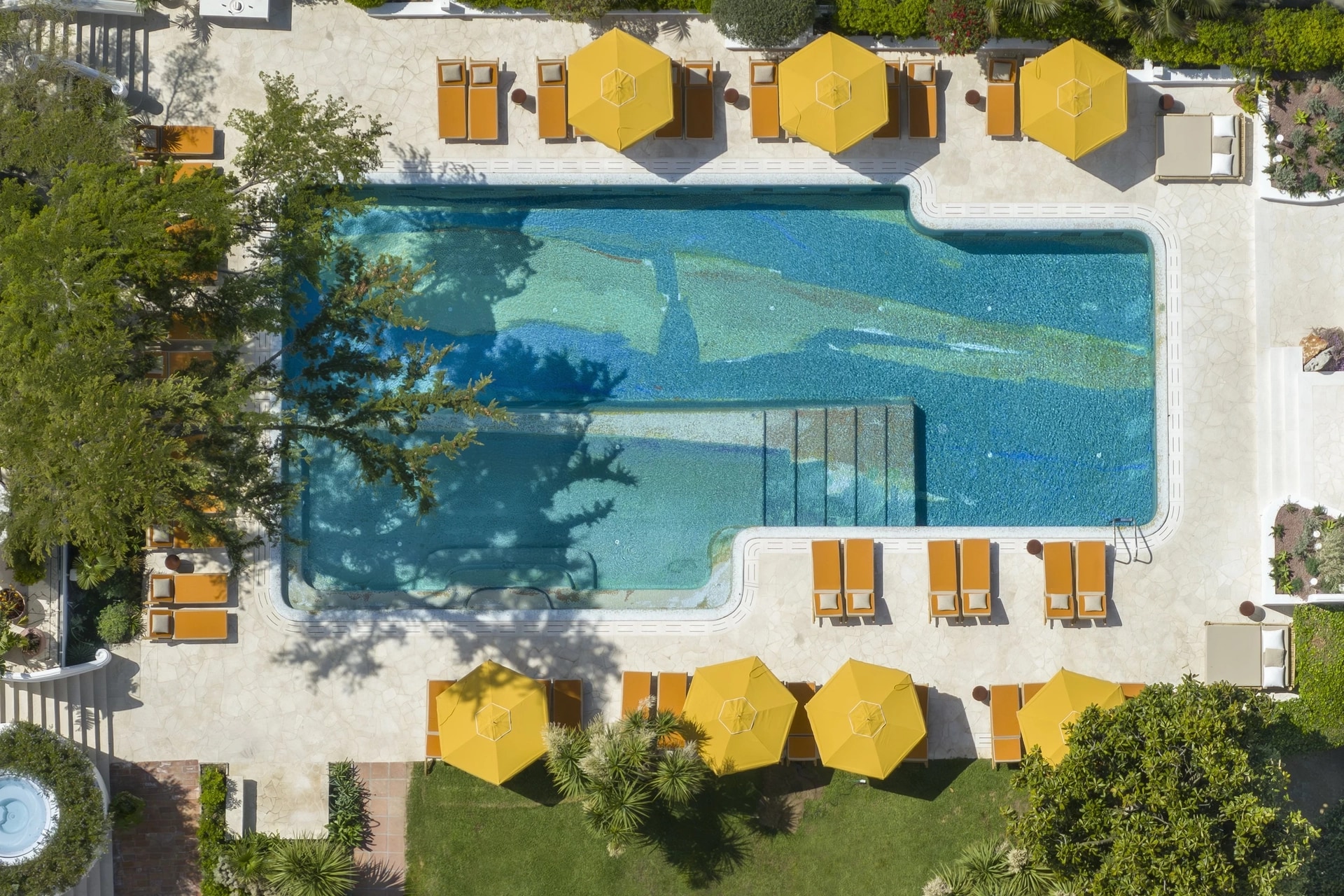
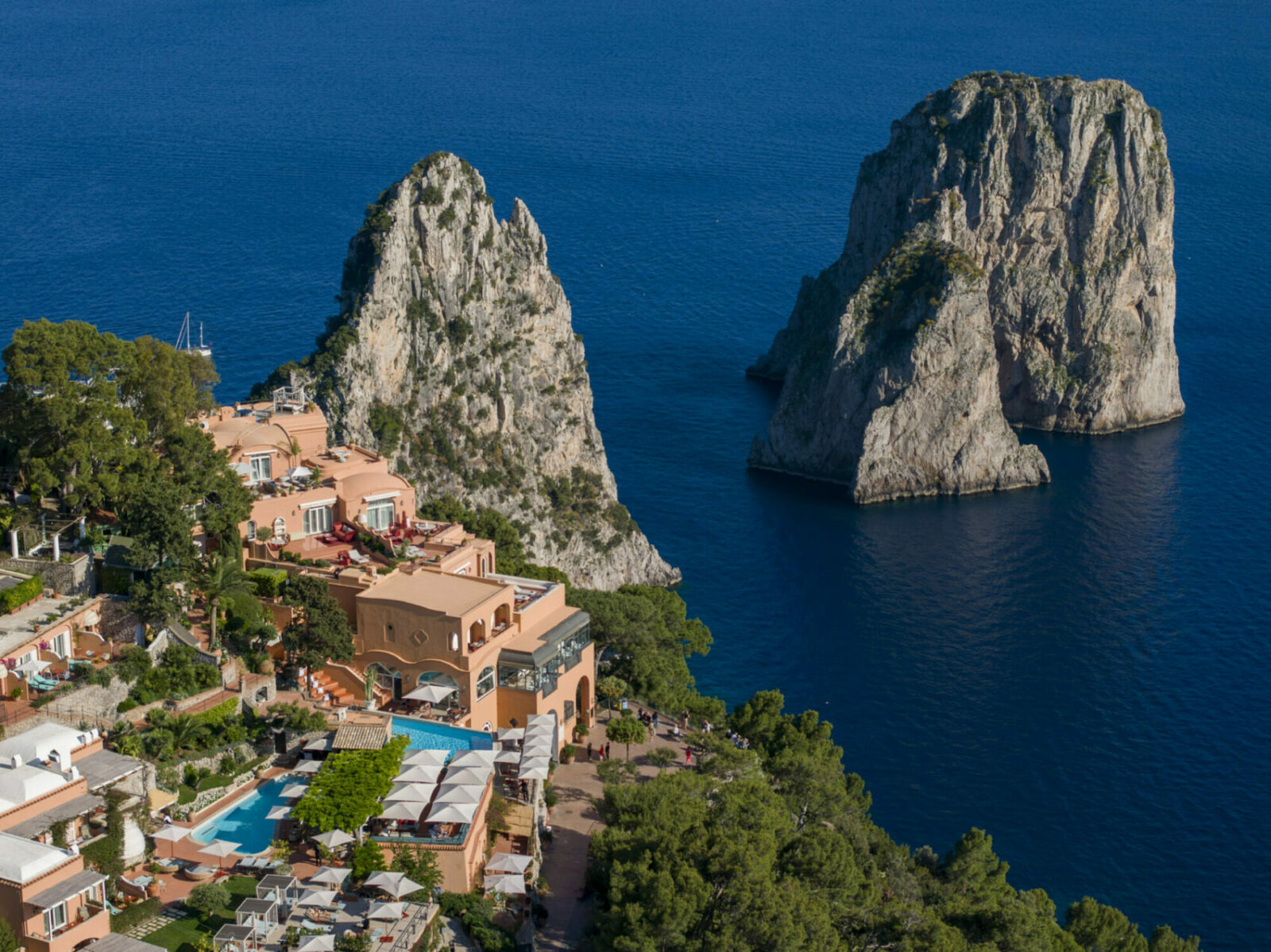
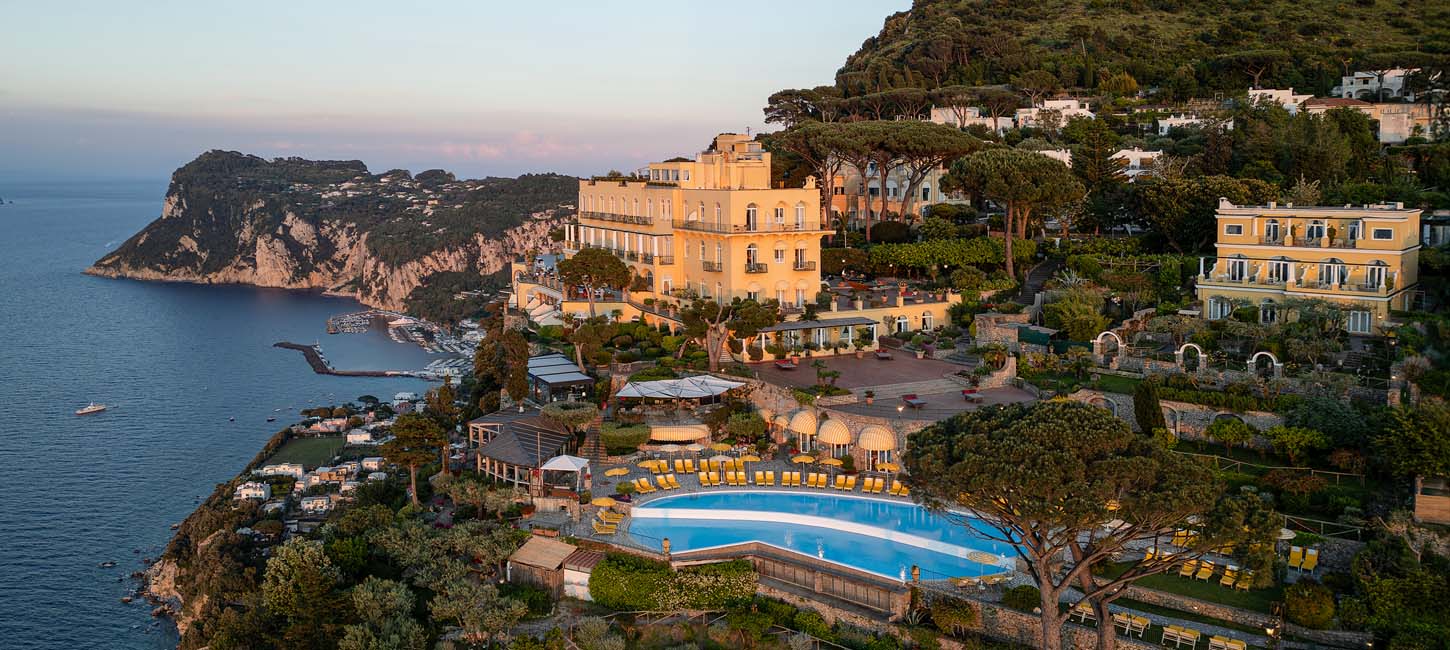
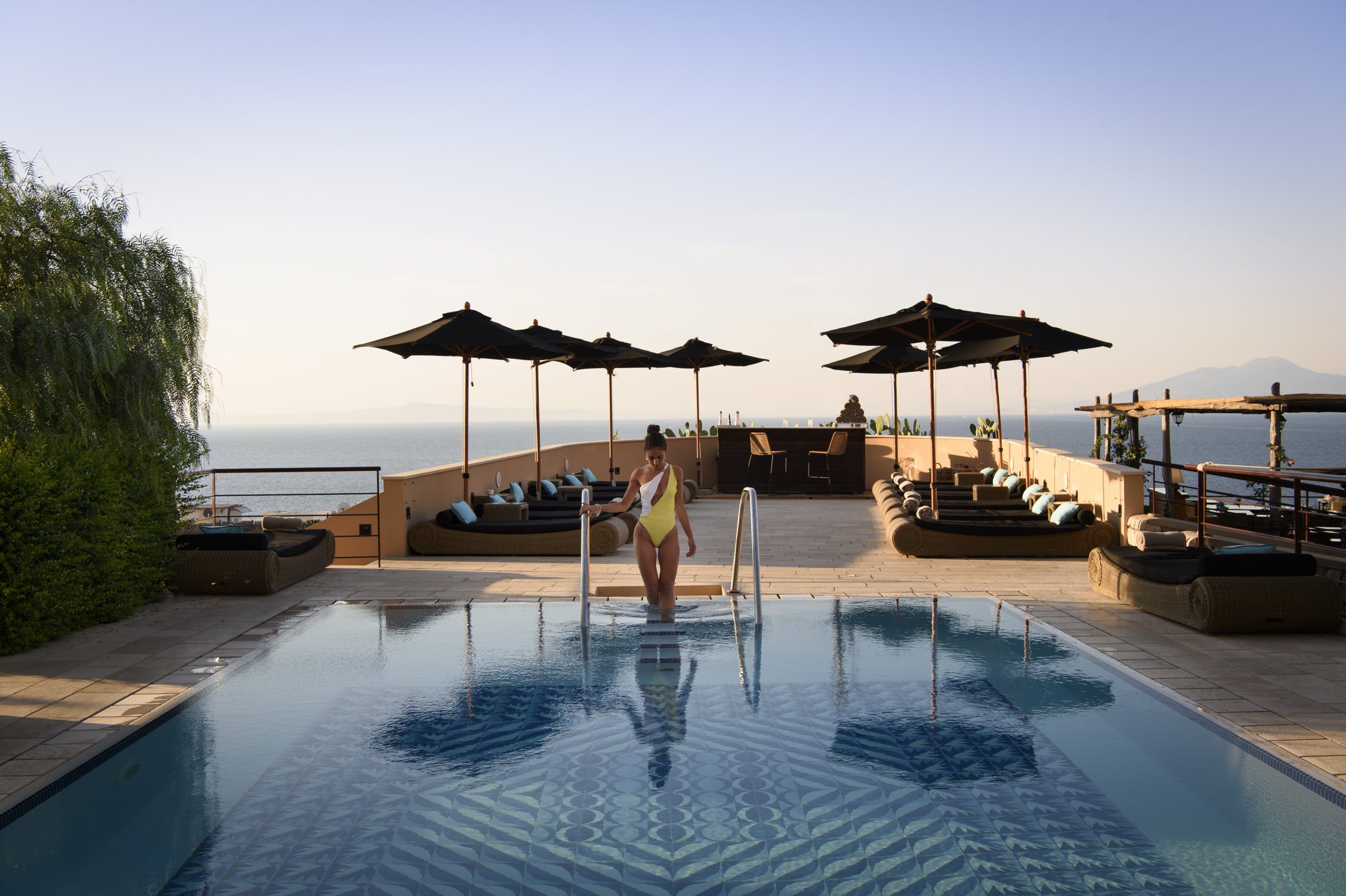
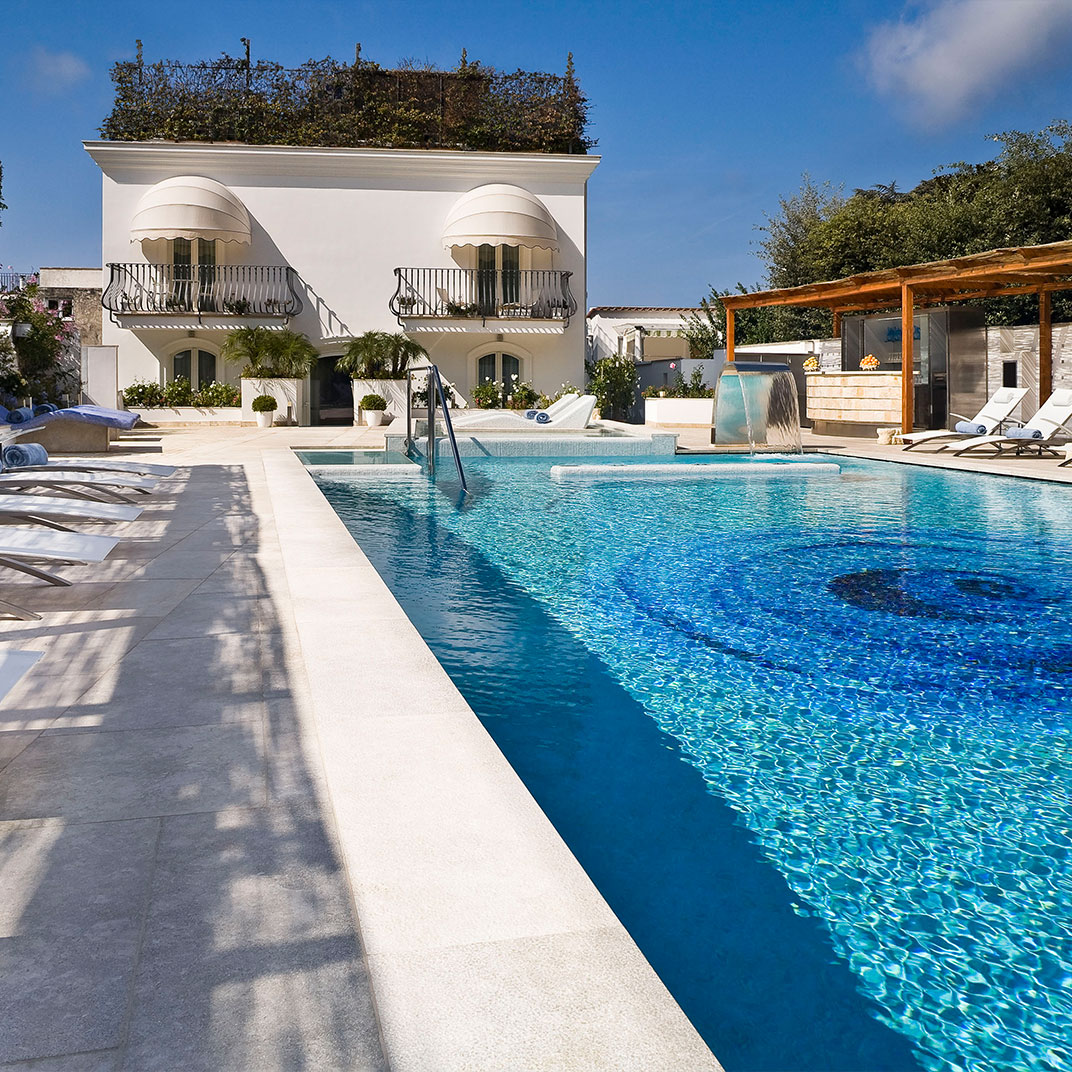
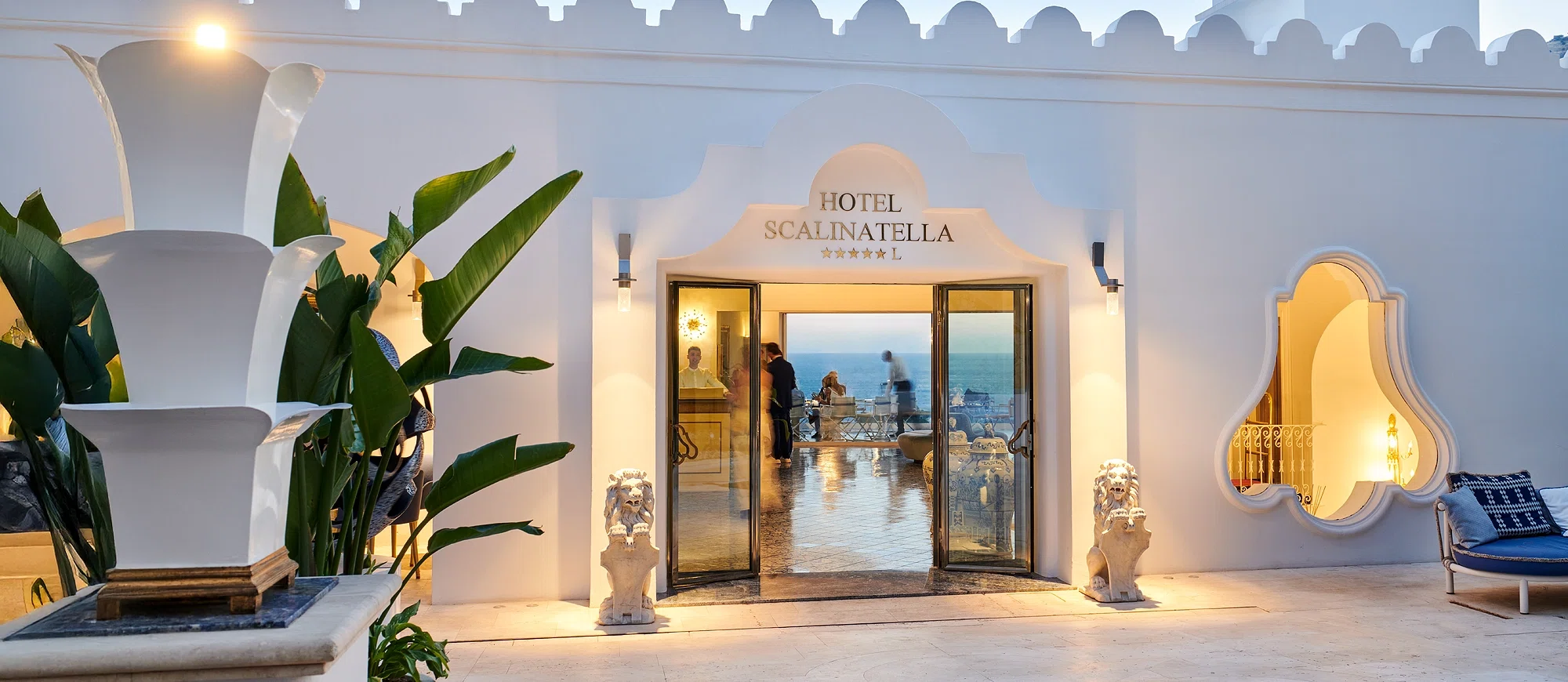
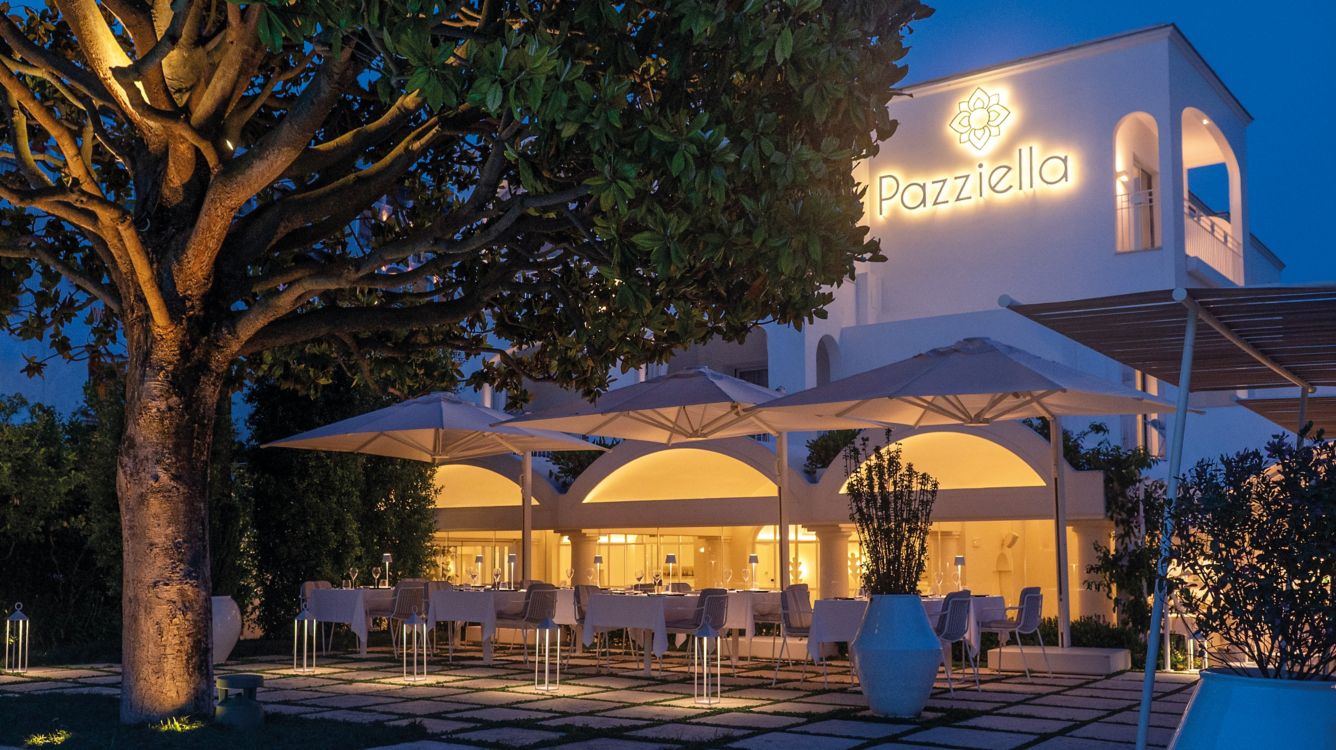
Where to Stay in Capri
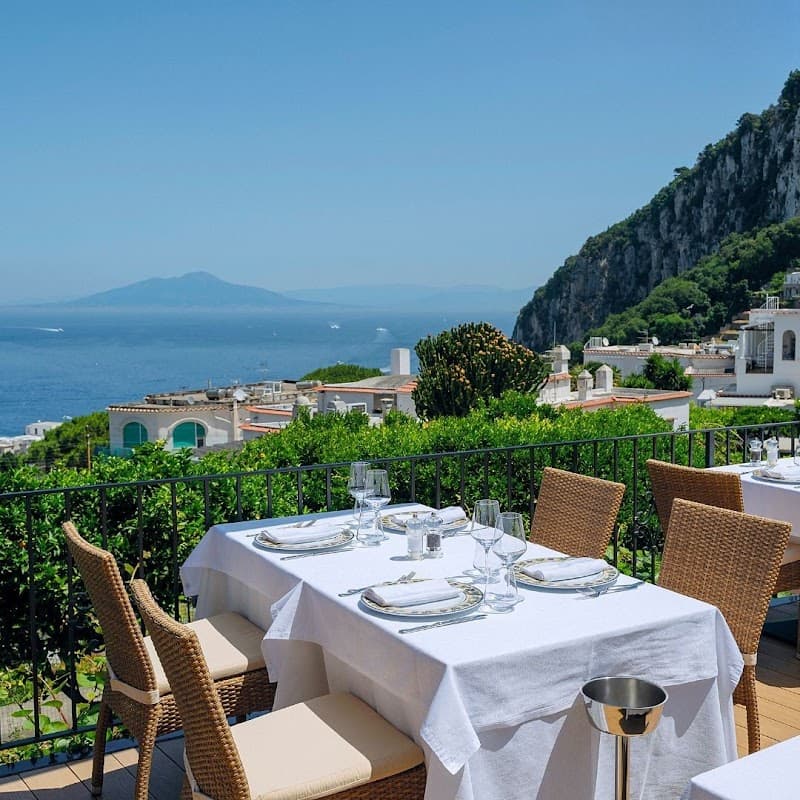
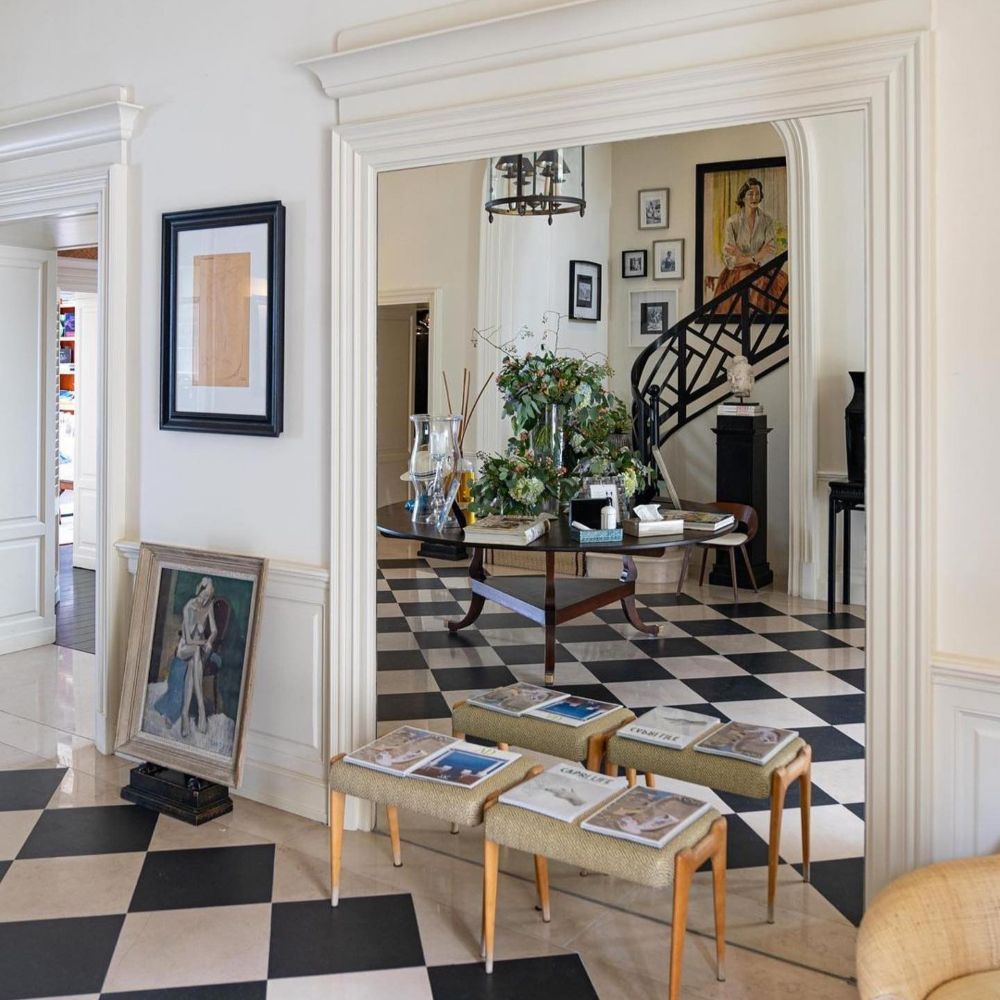
9 recommended properties
Things to Do in Capri
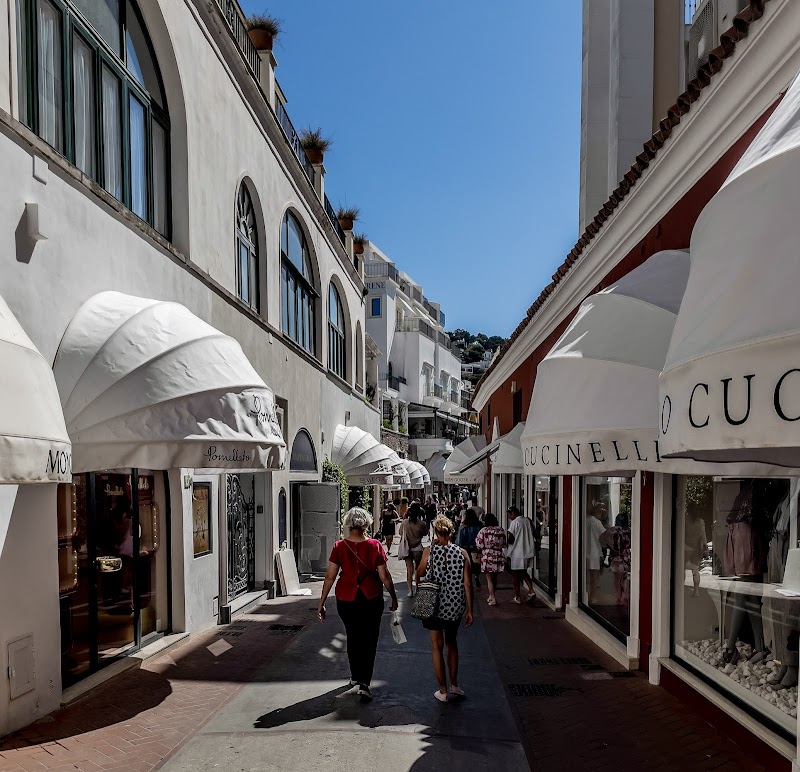
Via Camerelle & Piazzetta
Capri Town · 90 min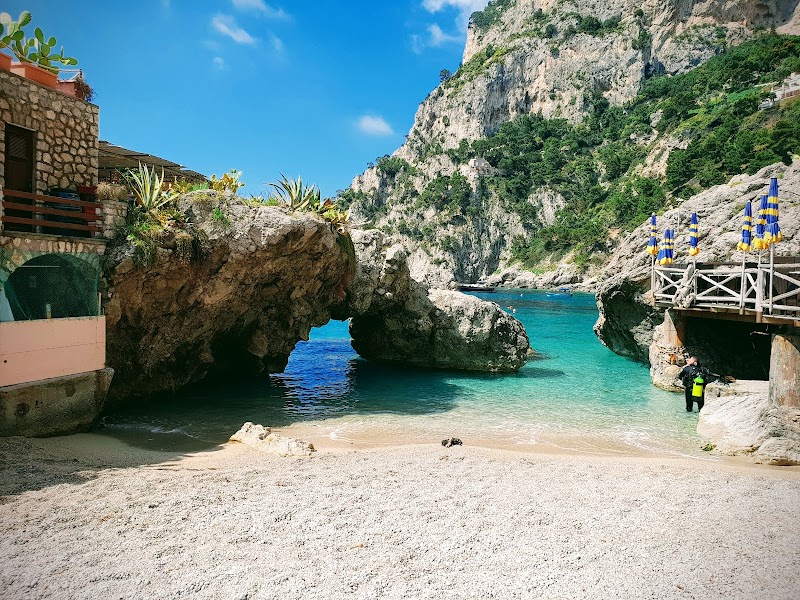
Spiaggia di Marina Piccola
Marina Piccola · 120 min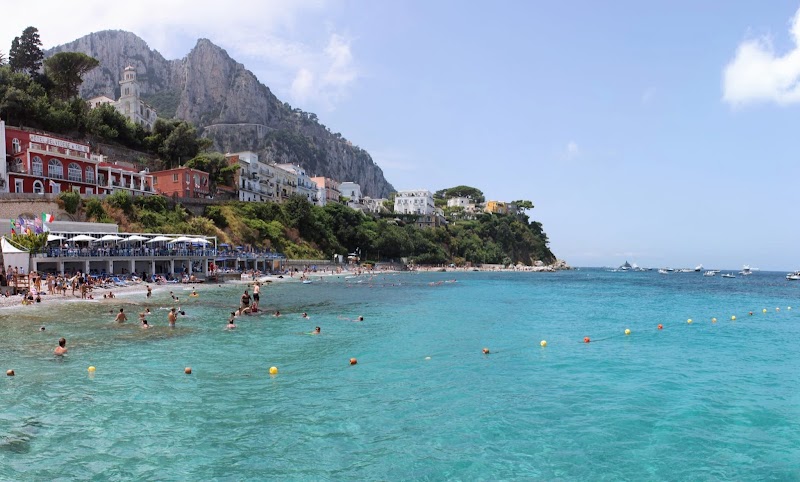
Marina Grande Beach & Seafront Stroll
Marina Grande · 90 minMoney-Saving Tips
- 1.Stay in Sorrento or Naples and day-trip to Capri — save €400+ per night on hotels
- 2.Buy ferry tickets online in advance during peak season to avoid sold-out departures
- 3.Pack lunch and water — island restaurants charge €25+ for basic sandwiches
- 4.Visit the Blue Grotto early morning or late afternoon to avoid paying for long boat queues
- 5.Book restaurant reservations before arriving — walk-ins pay premium prices at tourist spots
- 6.Take the bus instead of taxis — €2.50 vs €20 between Capri and Anacapri
- 7.Shop for limoncello in Anacapri where prices are 30% lower than Capri town
Travel Tips
- •Bring comfortable walking shoes — the island is all hills and ancient stone steps
- •Pack light — you'll be carrying luggage up steep streets from the ferry
- •Download offline maps — cell service can be spotty around the island's cliffs
- •Book Blue Grotto visits in the morning — afternoon waves often close the entrance
- •Carry cash — many smaller restaurants and shops don't accept cards
- •Avoid bringing large bags to beaches — most have no storage facilities
- •Learn basic Italian phrases — locals appreciate the effort more than in touristy mainland cities