
Dijon
Burgundy's elegant capital of mustard, wine, and medieval splendor
Dijon isn't just about mustard – though trust me, the mustard here will ruin you for the grocery store stuff forever. This is Burgundy's sophisticated capital, where medieval streets wind past wine bars that pour Gevrey-Chambertin by the glass and half-timbered houses lean into cobblestone squares like they're sharing secrets.
The city moves at a civilized pace. Locals take two-hour lunches seriously, and the covered market on Rue Bannelier still operates like it has for centuries. You'll find yourself slowing down here, lingering over a glass of Chablis at a sidewalk café on Place François Rude, watching the world go by.
But Dijon surprises you. The Musée des Beaux-Arts houses one of France's finest art collections in a former ducal palace. The city's bike-share system makes exploring effortless. And those medieval ramparts? They're now a green belt perfect for evening walks.
Here's what works: Dijon feels authentically French without trying too hard. It's small enough to walk everywhere, big enough to never feel boring. The food scene punches well above its weight – this is where Burgundy's wine country meets serious culinary tradition.
Best Months
APR – OCT
~21°C · moderate crowds
Culture & Context
BURGUNDY'S GASTRONOMIC SOUL
Dijon is Burgundy's capital and France's de facto food and wine capital, and locals take both seriously. This is a university city with roughly 162,000 people, so the energy skews younger than you'd expect for a place with so many medieval buildings. The old town center is a UNESCO World Heritage Site and genuinely gorgeous to walk through, but it's not just a museum piece.
People actually live and work in those half-timbered buildings. The city's reputation rests on a short list of very real things: Pinot Noir and Chardonnay from the Côte-d'Or vineyards, the sharp kick of actual Dijon mustard, pain d'épices (a dense spiced bread that tastes like the holidays), cassis liqueur, escargot, and boeuf bourguignon. Burgundian food culture means meals are long, wine is the default, and no one is rushing you out of your seat.
Les Halles, the covered iron market hall designed by Gustave Eiffel's firm, anchors daily food life. It runs Tuesday, Friday, Saturday all day and Sunday mornings. Show up on a Saturday around 9am and you'll see the whole city shopping.
The Owl's Trail is a self-guided walking route that hits 22 historical sites through the old town, marked by bronze owl plaques on the ground. It's free and a genuinely good way to see the city without joining a tour group. One more thing: there is a small stone owl carved into the exterior wall of the Église Notre-Dame on Rue de la Chouette.
Locals rub it with their left hand for good luck. It's worn smooth from centuries of hands. Go touch it.
Local Customs
MEALS ARE SACRED RITUALS
Always say 'Bonjour' when entering any shop, café, or restaurant — skipping this is considered rude and will set a cold tone for your whole interaction. Switch to 'Bonsoir' after around 6pm.. Meals are not rushed.
Lunch can last two hours. Dinner longer. Asking for the bill too early reads as impatience.
Wait for natural pauses or catch the waiter's eye discreetly.. Service (service compris) is included in your bill by law. Leaving a euro or two for genuinely good service is appreciated but never expected.
Rounding up to the nearest euro is common at cafés.. Don't ask to modify dishes at restaurants. French kitchens cook to the chef's vision.
If you have a real allergy, say so clearly — that's understood. Asking for substitutions 'just because' is an insult to the kitchen.. Doggy bags are rarely offered and asking for one can cause visible discomfort.
Portions are sized to be finished in one sitting.. Greet everyone in a small group when you arrive somewhere social — a quick 'Bonjour' to each person. Ignoring someone feels rude even if it's unintentional..
Keep your voice down in public spaces. The French aren't whispering, but they're not projecting either. Loud conversations in restaurants or on trams will get you looks..
At the market, don't touch the produce until the vendor handles it for you. Point and ask; let them pick it out.. If invited to a Dijonnais home for dinner, arrive 10-15 minutes late.
Bringing a bottle of local Burgundy wine or a box of chocolates is standard. Don't bring chrysanthemums — those are for funerals.
Safety
WATCH YOUR BELONGINGS
Dijon is generally a safe city. The main things to watch: pickpocketing happens around the market at Les Halles and in crowded parts of the historic center, so keep your bag in front of you and don't leave your phone on the café table. The Grésilles neighborhood has a higher crime rate than the rest of the city and is worth skipping at night, especially if you don't know the area.
The Fontaine d'Ouche area is fine during the day but has very little foot traffic at night — not dangerous, just empty. The student bar scene around Place de la République and Rue Berbisey gets lively on Thursday and weekend nights. Nothing alarming, just the usual crowd of people who've had a few drinks.
Emergency number for France: 112 (works for police, fire, and medical).
Getting Around
WALKABLE & TRAM-CONNECTED
Getting into Dijon is easy. The TGV from Paris Gare de Lyon takes about 1 hour 35 minutes and drops you at Gare de Dijon-Ville, right in the center of town. Once you're there, the city is genuinely walkable in its core.
The old town is compact enough that you can cross it on foot in 20 minutes. For everything else, Dijon has the Divia network: two tram lines (T1 and T2) plus an extensive bus system, all operated by DiviaMobilités. Trams run from 5:30am to 1am Monday through Saturday, and 7am to 1am on Sundays, with trains every 6-10 minutes during peak hours.
A free shuttle criss-crosses the historic center between Place de la République and Place Darcy every 10 minutes, Monday through Saturday, 8am to 7pm — useful for hopping between sights without burning shoe leather. Buy your ticket (€1.60 for a single trip, valid one hour with unlimited transfers) from machines at tram stops or directly from bus drivers.
Validate every time you board, even on connections. The Divia app handles real-time schedules and mobile ticketing. The DiviaVélodi bike-share system runs 40 stations across the city with 400 bikes — a solid option for getting to Lake Kir or the Toison d'Or area.
For the Gastronomic Fair in November, take T1 directly to the Parc des Expositions stop. For the Zénith for concerts or the Mer et Vigne salon, it's T2 to the Zénith stop.
Useful Phrases
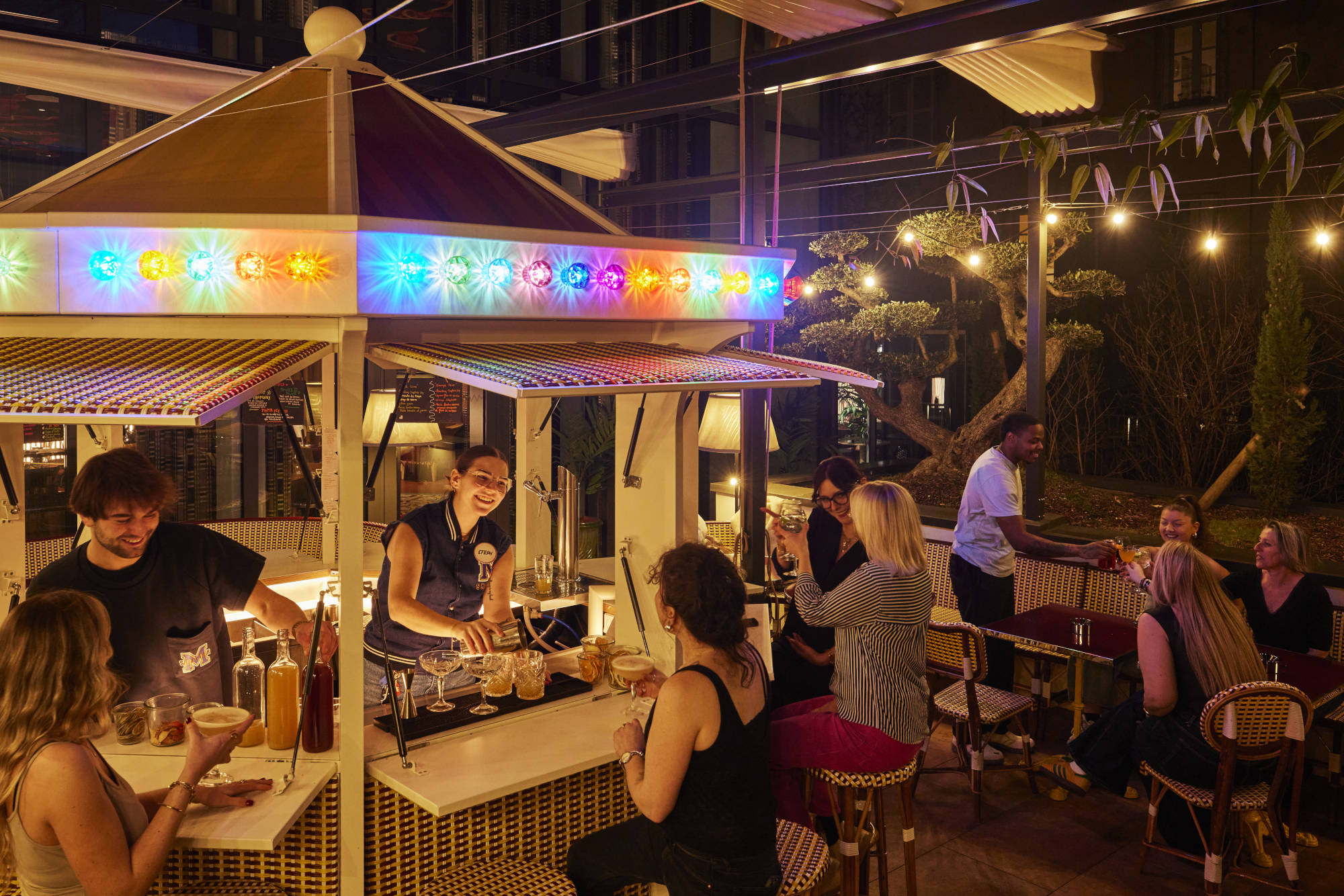
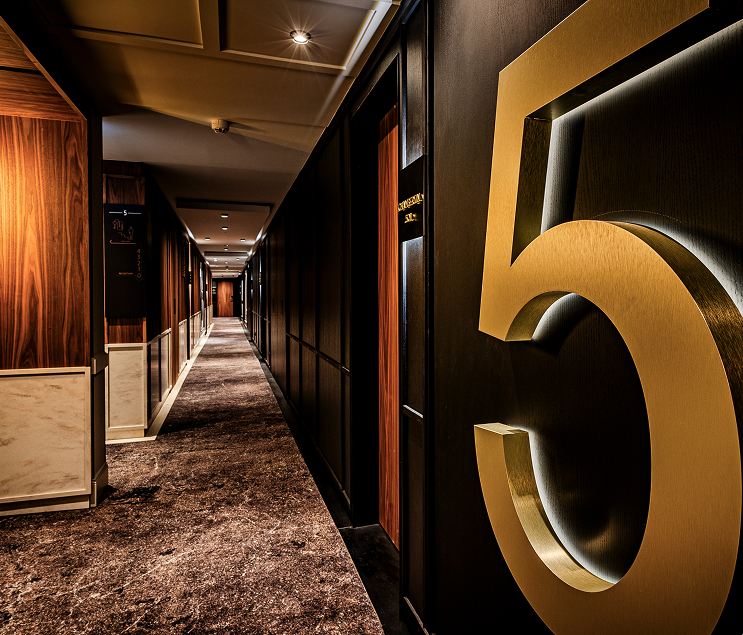
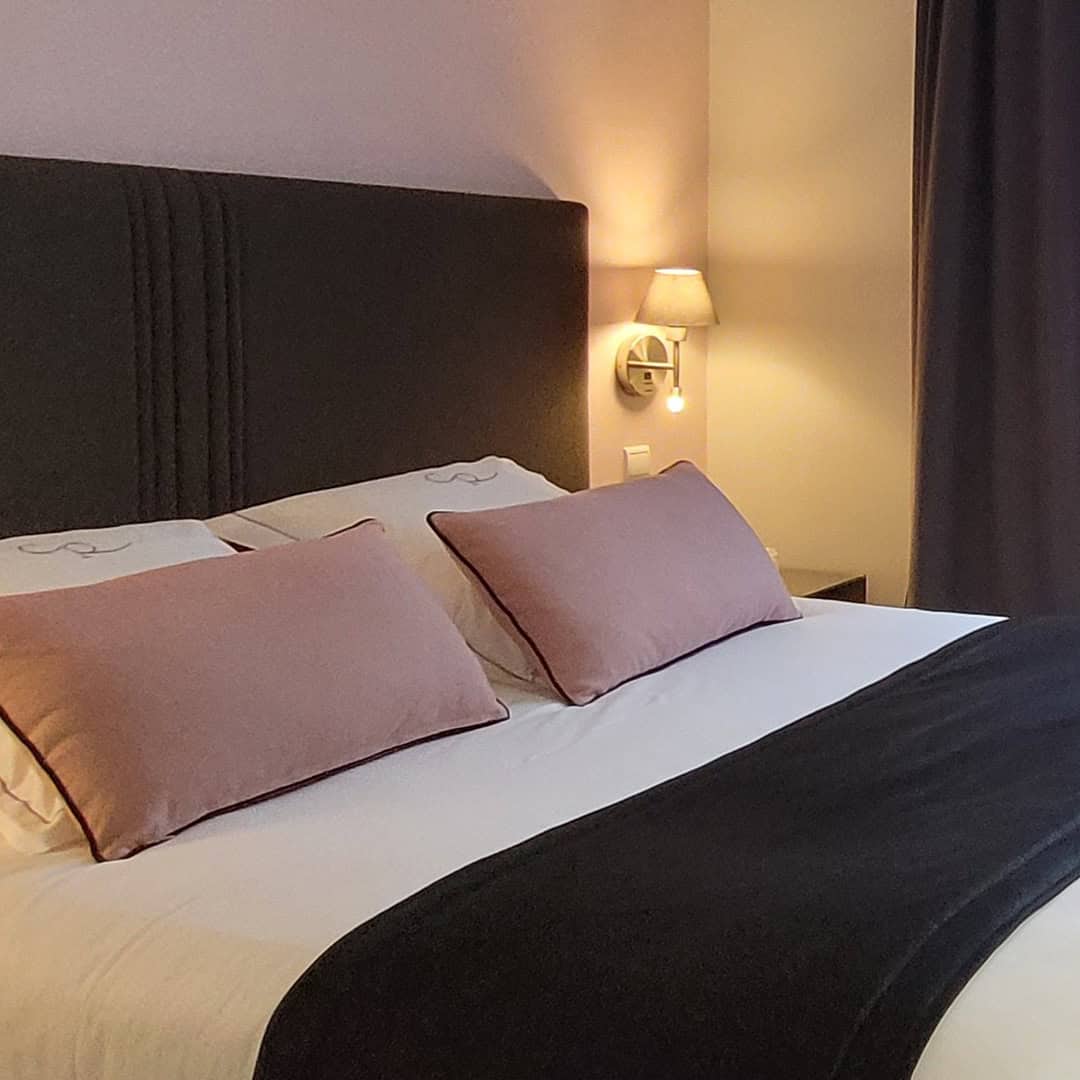
Where to Stay in Dijon
3 recommended properties
Money-Saving Tips
- 1.Many restaurants offer prix-fixe lunch menus for €15-20, much cheaper than dinner à la carte
- 2.Buy wine directly from producers outside the city - markup in Dijon shops can be 50% higher
- 3.The DiviaVélodi bike share costs just €2 per day versus €15+ for taxi rides across town
- 4.Visit Les Halles market late on Saturday for discounted produce as vendors close up
- 5.Museum passes aren't worth it - most attractions cost under €8 and you won't visit enough to break even
- 6.Happy hour at wine bars typically runs 5-7pm with glasses starting at €4 instead of €8-12
- 7.Picnic supplies from Monoprix cost half what hotel breakfasts charge
- 8.Regional trains to Beaune cost €7 versus €40+ for organized wine tour buses
Travel Tips
- •Download the Dijon city app - it includes a free audio walking tour of the historic center
- •Follow the brass owl markers embedded in sidewalks for a self-guided tour of major sights
- •Book restaurant reservations by phone rather than online - many places don't use booking systems
- •Carry a reusable water bottle - public fountains throughout the old town provide free refills
- •Learn basic wine vocabulary before visiting tasting rooms - producers appreciate the effort
- •Avoid driving in the center on market days (Tuesday, Friday, Saturday) when streets close
- •Pack an umbrella even in summer - Burgundy weather changes quickly
- •Bring comfortable walking shoes with good grip - medieval cobblestones get slippery when wet
- •Most shops close 12-2pm for lunch and all day Sunday - plan accordingly
- •Keep your hotel card handy - the medieval streets all look similar and GPS can be unreliable