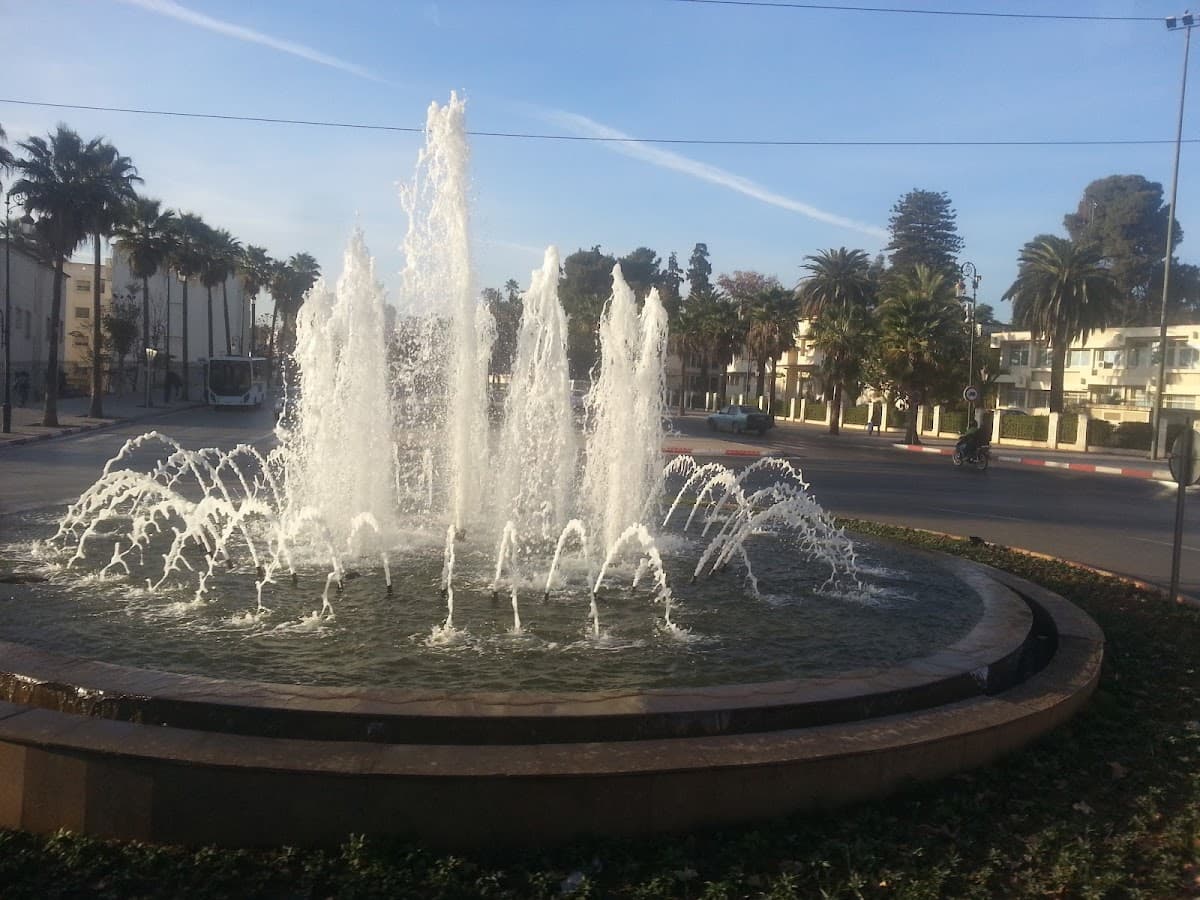
Fez
Morocco's ancient imperial city of artisans and medinas
Fez hits different than Marrakech. While tourists flood the Red City's main square, Fez keeps its secrets tucked away in narrow alleys where donkeys still deliver goods and leather tanners work the same pits their grandfathers did. This is Morocco's oldest imperial city, home to the world's largest car-free urban zone and a medina so complex that locals still get lost.
The medina isn't just old — it's ancient. Founded in 789 AD, Fez el-Bali feels like stepping through a time portal. Craftsmen hammer copper in workshops passed down through generations. The call to prayer echoes off walls that have heard it for over a thousand years. And yes, you'll probably get lost. That's half the point.
But Fez isn't stuck in the past. The Ville Nouvelle buzzes with cafés where students from the world's oldest university debate over mint tea. Modern restaurants serve elevated Moroccan cuisine alongside traditional tagines. And the city's growing arts scene attracts creatives from across North Africa.
Best Months
MAR · APR · MAY · OCT · NOV
~25°C · moderate crowds
Culture & Context
LIVING MEDIEVAL CITY
Fez was founded in the late 8th century under the Idrisid dynasty and spent much of its history as Morocco's political and intellectual capital. It lost that status when the French moved the capital to Rabat in 1912, but in practical terms the city still operates like a capital. The Al-Qarawiyyin mosque and university, founded in 859 AD, is considered the world's oldest continuously operating university.
Fez is the spiritual heartbeat of the country in a way Marrakech, despite all its tourism, is not. The medina (Fes el-Bali) is a UNESCO World Heritage Site and still functions as a living medieval city, not a museum. People live, work, pray, and raise families here.
Goods still move on donkey-back through alleys too narrow for vehicles. The leather tanneries, operating since the 11th century, still use pigeon droppings in the curing process. The craft guilds — coppersmiths, weavers, ceramic painters — still occupy dedicated streets in the souk, each quarter devoted to a single trade.
Fez also has deep Andalusian roots. When Muslim and Jewish populations were expelled from Spain in 1492, many settled in Fez, bringing with them architecture, music, and culinary traditions that shaped the city's character. The Andalusian music scene here is still active.
The city tends to be more conservative than Marrakech. Religion is more visible in daily life here. Respect that context and Fez will reward you with some of the most genuine interactions you'll find in Morocco.
Local Customs
DRESS MODEST, SLOW DOWN
Dress modestly everywhere in the medina. Cover shoulders and knees. Men and women both.
Fez is considerably more conservative than Marrakech or Casablanca. Lightweight linen works well in summer heat.. Greetings are long and layered.
Moroccans ask how you are multiple times in one exchange before getting to the point. Rushing this is considered rude. If someone is shaking your hand and asking about your family, slow down..
Bargaining is expected in the souks. Start by asking the price once, then counter once. Walk away if it doesn't suit you.
Don't get angry or insulting. The process is social, not adversarial.. Never accept 'help' from someone who approaches you unprompted on the street.
Real Moroccan hospitality comes when you ask for it first. Anyone who rushes up to 'show you the way' is working toward a commission or a payment. Politely decline..
Ask permission before pointing a camera at someone, especially women. Some locals decline for religious reasons. Others are happy to pose.
But assuming consent is a reliable way to create a bad interaction.. Eat and pass items with your right hand. The left hand is considered unclean in Moroccan culture.
This matters especially if you're invited into someone's home.. Non-Muslims are not permitted inside most of Fez's mosques. This includes the Al-Qarawiyyin, the country's most important religious site.
You can admire from doorways but don't try to enter during prayer times.. Mint tea is an offer of hospitality. Refusing it outright is impolite.
If someone offers you tea in a shop, know that it usually comes with an expectation to at least look at their goods. Enjoy the tea, be polite, and walk away if you're not interested.. During Ramadan, don't eat, drink, or smoke in public during daylight hours.
The exact dates shift each year based on the lunar calendar. Check the schedule before you go.. Square street signs in the medina indicate main thoroughfares.
Hexagonal signs mean dead-end alley. Knowing this saves a surprising amount of backtracking.
Safety
WATCH FOR SCAMS
Fez is generally safe for tourists. The Brigade Touristique (Tourist Police) is actively present in the medina and the U.S.
State Department currently rates Morocco at Level 2 (Exercise Increased Caution), which puts it on par with much of Western Europe for practical risk. Serious violent crime against tourists is extremely rare. The real issues are more annoying than dangerous: persistent fake guides who tell you that whatever landmark you're heading toward is 'closed today,' pickpockets in crowded souk areas, and surprise charges at restaurants for items that seemed free.
The Blue Gate area (Bab Boujloud) is busier and therefore more heavily scammed. The moment someone approaches you offering directions without being asked, decline and keep moving. If you do need help, ask an older local who's clearly occupied with something else.
The medina is safe during daylight hours. After dark, stick to the lit main arteries (around Place Seffarine and near Bab Boujloud). Remote alleyways near the Moulay Idriss area get quiet quickly at night.
Solo women travelers face regular verbal harassment in the medina, primarily catcalling. Dressing modestly reduces but doesn't eliminate it. Traveling in pairs is practical.
A firm 'la shukran' and continued walking handles most situations. For taxis, use only official blue petit taxis in Fez (they're blue here, not red as in Casablanca). Always insist on the meter or agree on a price before getting in.
Don't use unmarked vehicles. Drink bottled or filtered water. Most riads will provide it; buy 1-liter bottles for 5–10 MAD at local shops rather than paying inflated prices at tourist spots.
Getting Around
TAXIS & DONKEYS
Taxis are the main way in and out of the medina, because cars simply cannot fit inside the 9,000+ alleyways. Official petit taxis in Fez are blue. They operate within city limits, carry up to three passengers, and should always run the meter.
Short rides within the city run 10–20 MAD. Don't get in if the driver refuses the meter. Grand taxis are shared, fixed-destination vehicles (usually old Mercedes) that handle intercity routes.
Fez to Meknes runs about 30–50 MAD per seat. They leave when full, so if you're in a hurry, you can pay for all remaining seats yourself. For intercity travel, the ONCF train is the most comfortable option.
Fez has its own train station in the Ville Nouvelle. Casablanca takes about 6 hours; Rabat, around 3.5 hours.
Buy tickets at the station or through the ONCF website. CTM and Supratours buses are the go-to reliable bus options for routes trains don't serve. Book in advance online.
Ride-hailing apps like Careem and Heetch are available in Fez but coverage can be patchy and wait times longer than in Casablanca. Uber does not operate in Fez. Inside the medina itself, everything is on foot.
Donkeys share the narrower lanes. Bikes are not practical. Wear comfortable shoes with grip because the medina's uneven stone paths will punish anything with a heel.
A general navigation tip locals actually share: in the medina, heading downhill will eventually lead you to an exit.
Useful Phrases
Money-Saving Tips
- 1.Bargain hard in the souks — start at 30% of the asking price and work up slowly
- 2.Eat where locals eat — street food costs 10-20 MAD vs 150 MAD+ in tourist restaurants
- 3.Stay in the medina to save on taxi fares between attractions
- 4.Buy spices in bulk at wholesale markets near Bab Guissa for better prices
- 5.Book trains in advance online for discounts up to 30% off walk-up fares
- 6.Visit hammams in the afternoon when prices drop by 50% compared to evening rates
- 7.Shop for leather goods in the tannery quarter, not tourist-focused shops near major sights
Travel Tips
- •Download offline maps — GPS gets confused in the medina's covered passages
- •Wear closed-toe shoes in the medina — the streets can be rough and sometimes wet
- •Learn basic Arabic numbers to understand prices better when bargaining
- •Carry small bills — many vendors can't break large notes
- •Book riad rooms on upper floors for better views and less street noise
- •Respect photography rules — always ask before photographing people or workshops
- •Pack layers even in summer — riads can be surprisingly cool at night
- •Keep your passport handy — some areas require ID checks
- •Trust your riad owner's restaurant recommendations over guidebooks