
Guanajuato
Colonial charm meets vibrant culture in colorful mountain streets
Forget what you think you know about Mexican colonial cities. Guanajuato climbs up the mountainside like a box of crayons spilled across the hillsides, its candy-colored houses tumbling down narrow cobblestone streets that twist and turn like a fever dream. This UNESCO World Heritage site feels like stepping into a Gabriel García Márquez novel — magical realism made real in a city where underground tunnels serve as main streets and mariachi music echoes off baroque church walls.
Built on silver mining wealth in the 16th century, Guanajuato today pulses with university energy, artistic passion, and romantic charm that draws couples from across Mexico. The city's unique topography means you'll spend your days climbing steep staircases between neighborhoods, ducking through tunnel roads originally built as flood channels, and stumbling upon hidden plazas where students gather to sing traditional songs.
But here's what travel guides won't tell you: Guanajuato can be overwhelming. The altitude hits harder than you expect at 6,600 feet. The streets are genuinely confusing — GPS struggles with the underground roads. And in peak season, the narrow alleys can feel claustrophobic. Come prepared for a workout, both physical and mental. Your calves will burn, but your heart will soar.
Best Months
JAN · FEB · MAR · APR · OCT · NOV · DEC
~26°C · high crowds
Culture & Context
SILVER WEALTH MEETS STUDENT ENERGY
Guanajuato was founded in 1548 and became the world's leading silver-mining center by the 18th century. That old money built the ornate churches and public buildings still standing today. The city is a UNESCO World Heritage Site (designated 1988) and also the birthplace of Diego Rivera.
The Universidad de Guanajuato shapes the city's personality — there's a strong student energy here, more so than in nearby San Miguel de Allende, which skews older and more expat-heavy. Permanent expats number only around 300-500, keeping the city feeling genuinely Mexican. The local university runs one of Mexico's best orchestras.
Between the university, state government presence, and the festival calendar, Guanajuato punches well above its population (around 200,000) in cultural output. The terrain is built into a steep valley at nearly 7,000 feet elevation, which means steps everywhere and thinner air than you might expect. The underground tunnel network, originally dug to divert the Guanajuato River and prevent flooding, now carries the city's vehicle traffic, leaving the surface streets largely pedestrian.
The legend of La Llorona (the Weeping Woman) has a specifically local version set in these tunnels, if you like ghost stories.
Local Customs
GREET FIRST, JOIN CALLEJONEADAS
Greet before you ask anything. In any shop, restaurant, or interaction, say 'Buenos días' or 'Buenas tardes' before launching into your request. Skipping the greeting reads as rude..
Callejoneadas are a must-experience, not a tourist trap. Student musical groups called estudiantinas lead walking processions through the alleys at night, playing traditional songs. You follow along, drink, and eventually end up in a plaza.
Join one.. The city's noise level is genuinely high. Dogs bark constantly, firecrackers go off for religious celebrations at random hours (including 5am), and the valley geography amplifies everything.
Light sleepers should bring earplugs.. Tipping is expected in sit-down restaurants — 10-15% is standard, 15-20% appreciated for good service. Street food vendors don't expect tips..
Easter (Semana Santa) and Day of the Dead are the two periods when the city floods with Mexican tourists from elsewhere. Hotels charge significantly more and book out weeks ahead.. The Viernes de Dolores (Friday of Sorrows, the last Friday of Lent) opens the Easter season with altars decorated across the city — churches, plazas, shops, and private homes.
Worth timing a visit around it if you can.. Don't try to drive through the tunnel system without a local or a very good map app. Google Maps treats tunnel streets like surface streets, which causes real confusion.
OsmAnd or Mapy.cz show the tunnels and bus stops correctly.
Safety
GENERALLY SAFE, COMMON SENSE
Guanajuato city is generally considered safe by Mexican standards, with a real local and student population that keeps the central areas busy and watched. The tunnel network is safe to navigate, including at night according to locals, though walking alone in poorly lit sections is a judgment call you'll make based on who else is around. Standard common-sense rules apply: don't walk alone at night through dark alleys, avoid bars or clubs solo, and don't flash expensive gear in tight pedestrian passages.
The bigger practical risk is rental scams and "gringo pricing" on accommodations — undisclosed fees are reported by digital nomads and travelers renting apartments. Get everything in writing before you commit. Food safety: stick to busy street food stalls with high turnover, avoid anything that looks like it's been sitting out in the afternoon heat.
The elevation (nearly 7,000 feet) catches some visitors off guard — pace yourself the first day if you're coming from sea level.
Getting Around
WALKING & UNDERGROUND TUNNELS
Walking is how you get around the centro, full stop. Few houses in the historic center have parking, street parking is almost nonexistent, and the layout of tunnels and one-way streets makes driving genuinely confusing. Most locals prefer the surface streets too, even though the tunnels are there.
City urbano buses run from 7:00am to 10:00pm for a flat M$7 fare — pay the driver, get change, no card needed. Major bus stops are actually underground (inside the tunnel system), which throws a lot of visitors off. Some of the city's biggest stops are subterranean.
Google Maps shows tunnel streets as surface streets, so download OsmAnd or Mapy.cz if you're navigating seriously. For getting into the city from the airport: the local bus to the center costs M$7 but involves going through multiple tunnels with no announced stops — ask someone on the bus where to get off for the historic center.
A regular taxi from inside the arrivals hall costs M$500-600 to the center. Uber and DiDi are banned from airport pickups and police enforce it. Intercity buses to Mexico City (5.
5 hours), Guadalajara (4 hours), and Querétaro (about 2 hours) run frequently and reliably from the main bus terminal.
Useful Phrases
Guanajuato Itineraries
View all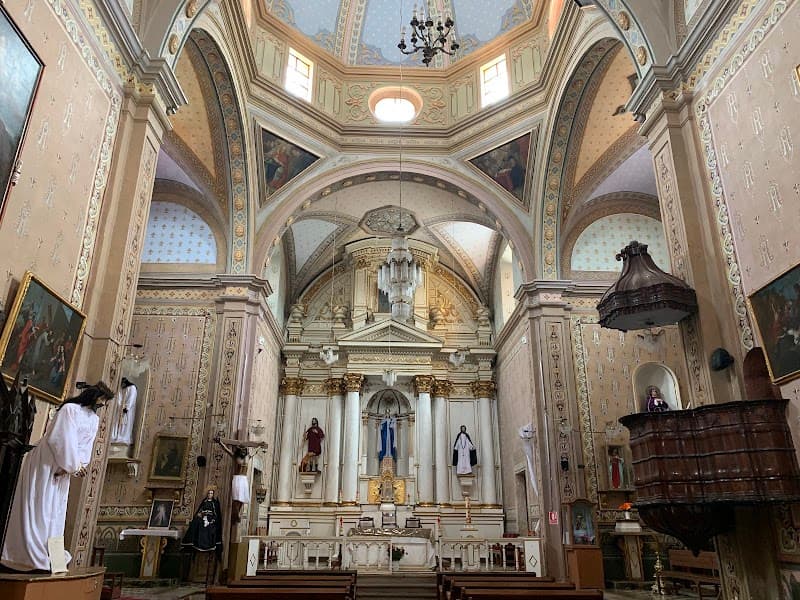
Seven Wild-Hearted Days in Colorful Guanajuato
Week · $$$
Wild Hills & Hidden Alleys in Colorful Guanajuato
Weekend · $$$
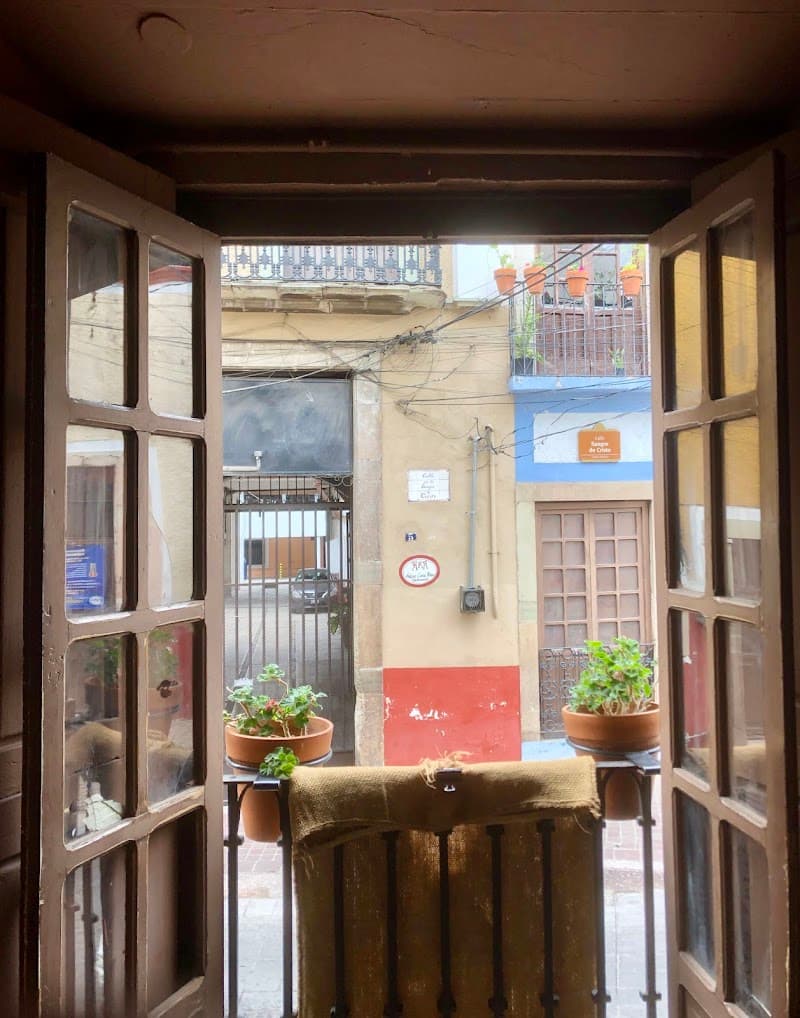
Romantic Guanajuato: Colorful Hills, Hidden Alleys, Quiet Nights
Week · $$$
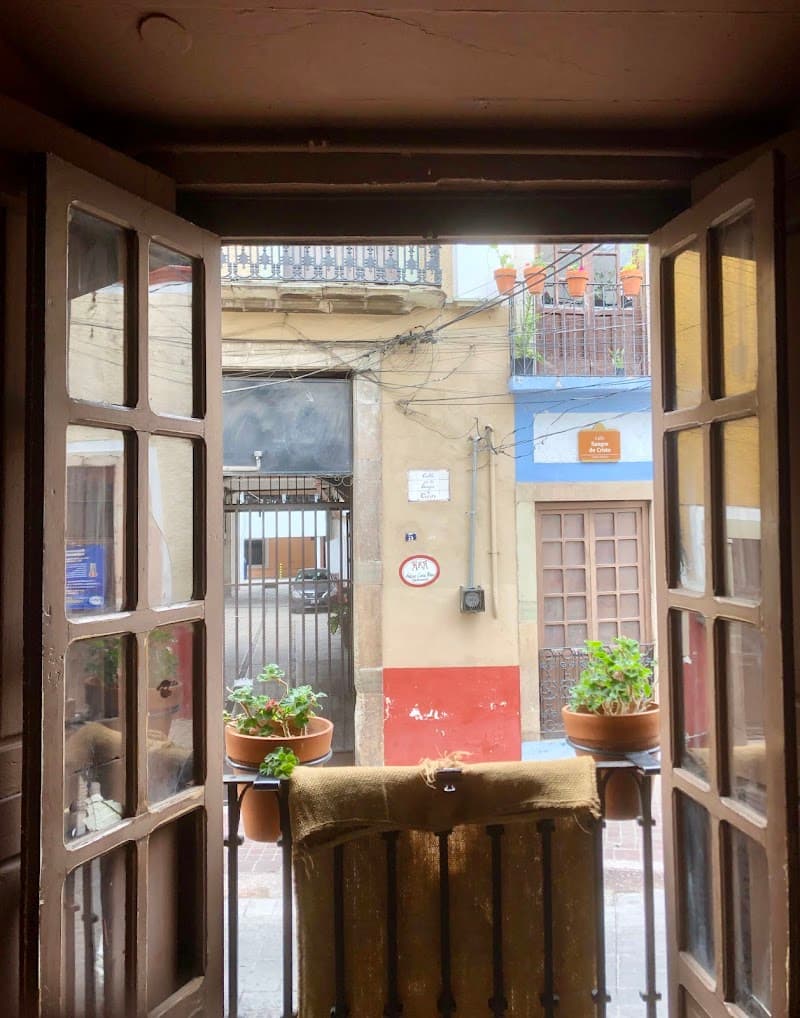
Romantic Guanajuato: Colorful Alleys & Mountain Sunsets
Weekend · $$$
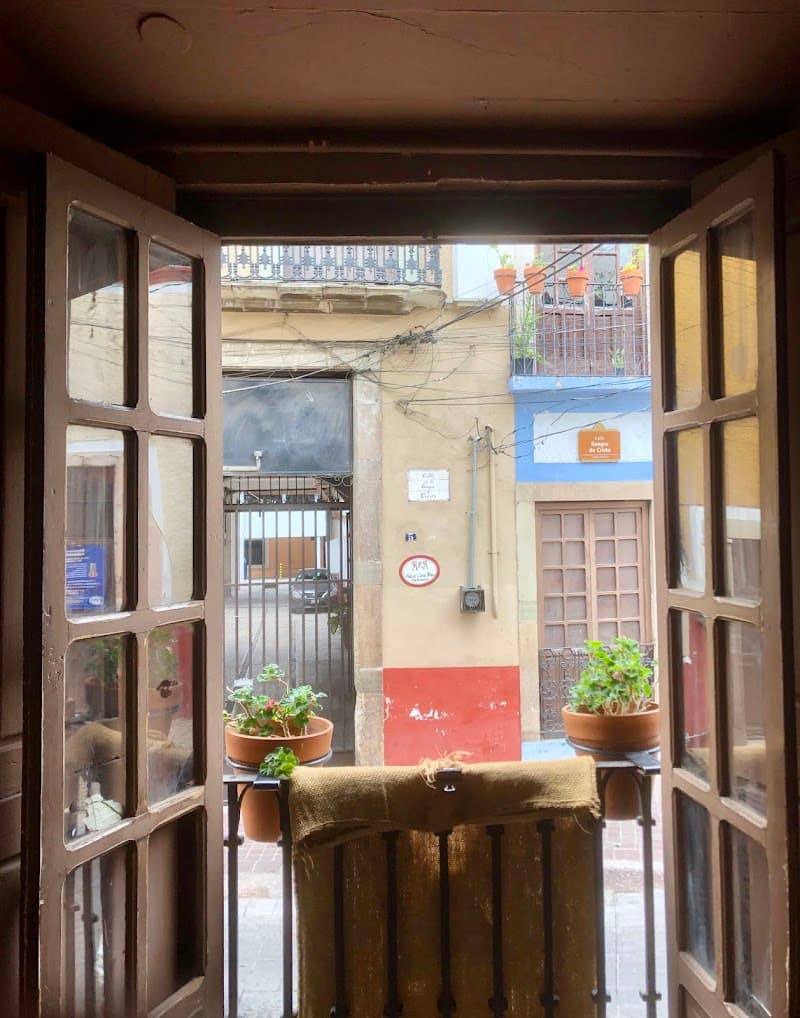
Colorful Canyons & Cobblestones: 7 Days in Guanajuato
Week · $$$
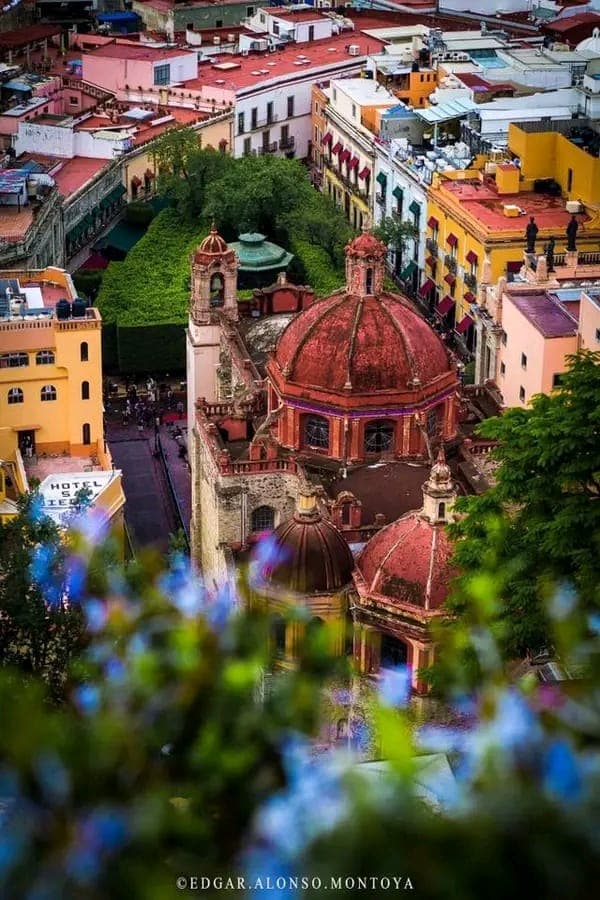
Colorful Canyons & Callejones: 3 Days in Guanajuato
Weekend · $$$
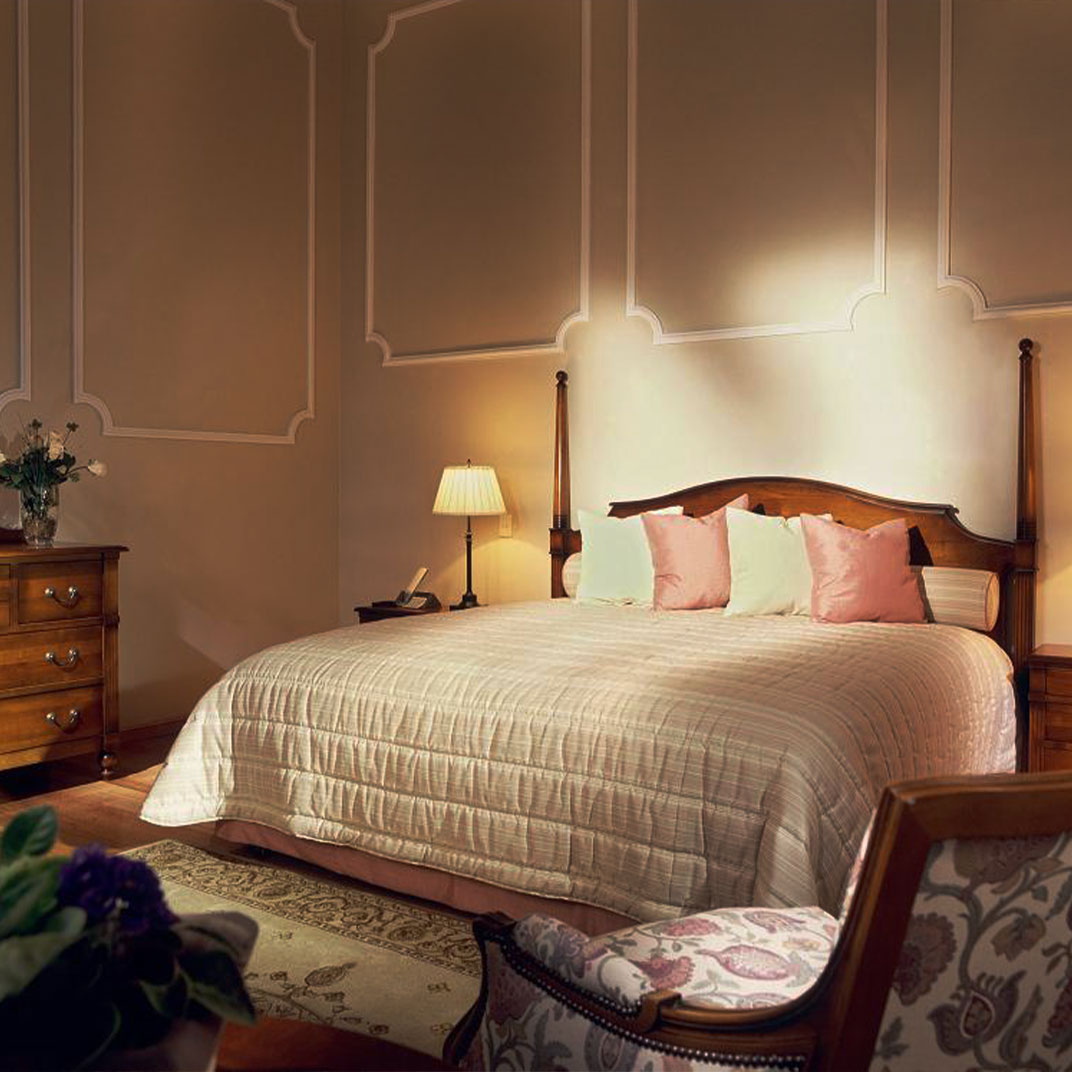
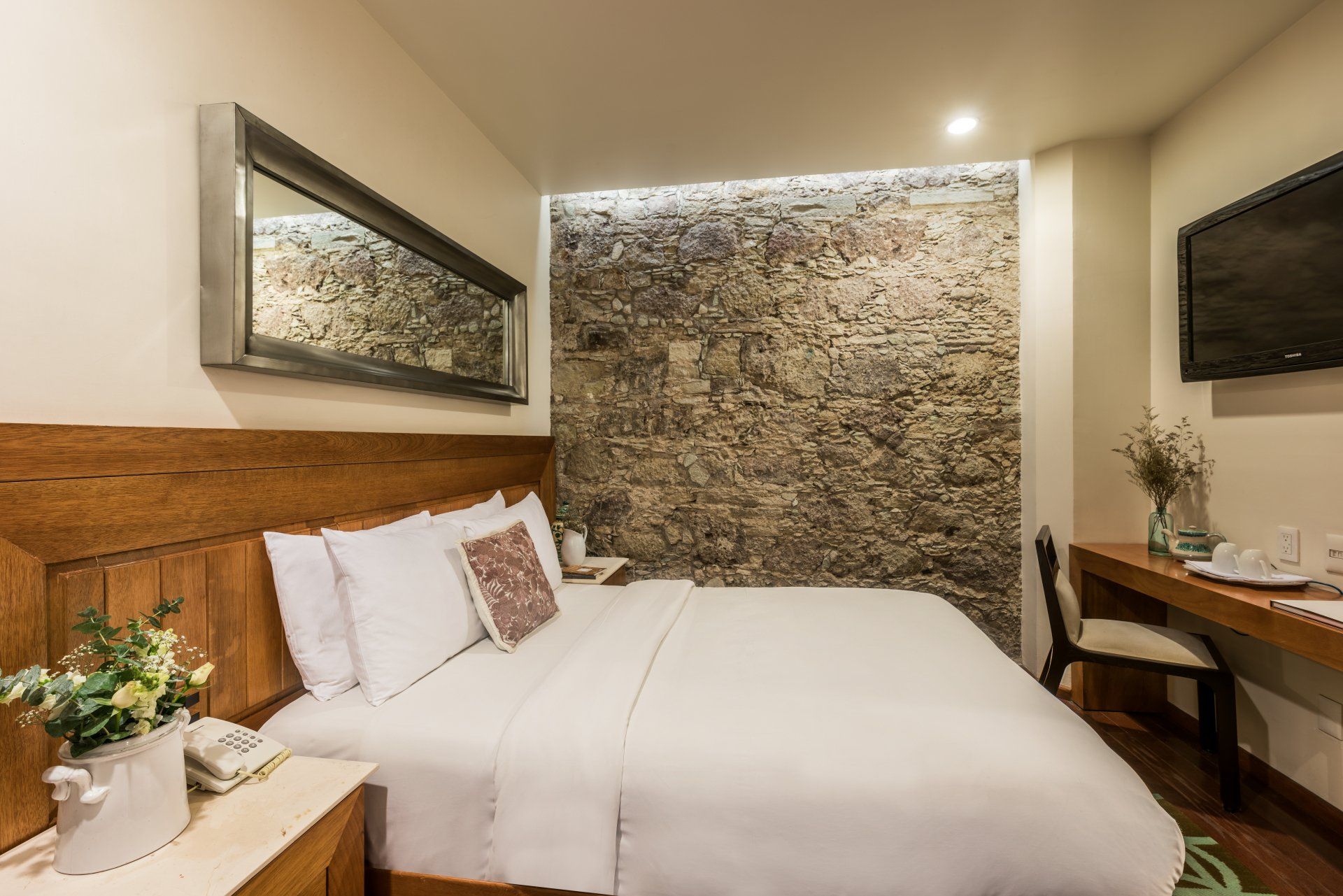
Where to Stay in Guanajuato
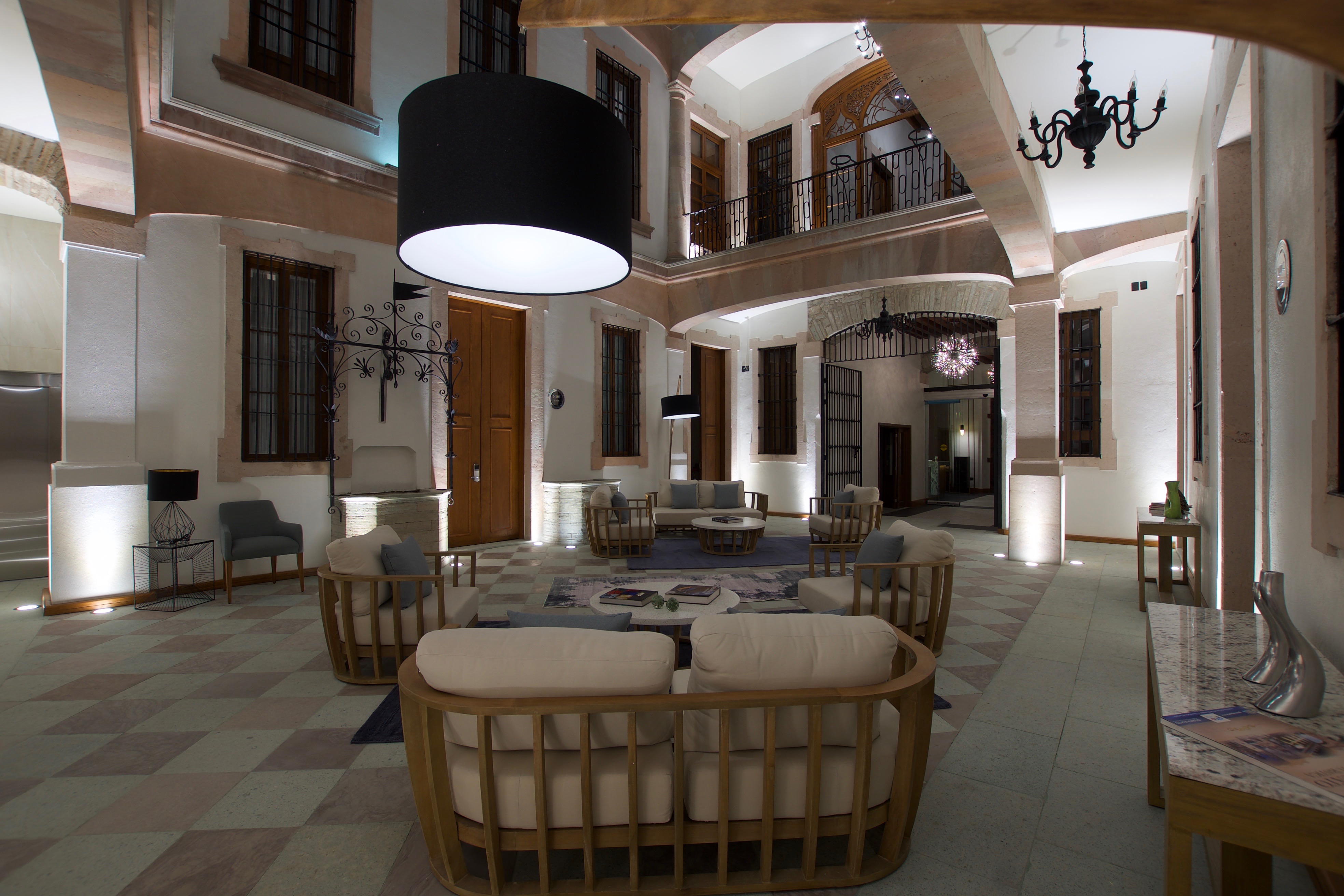
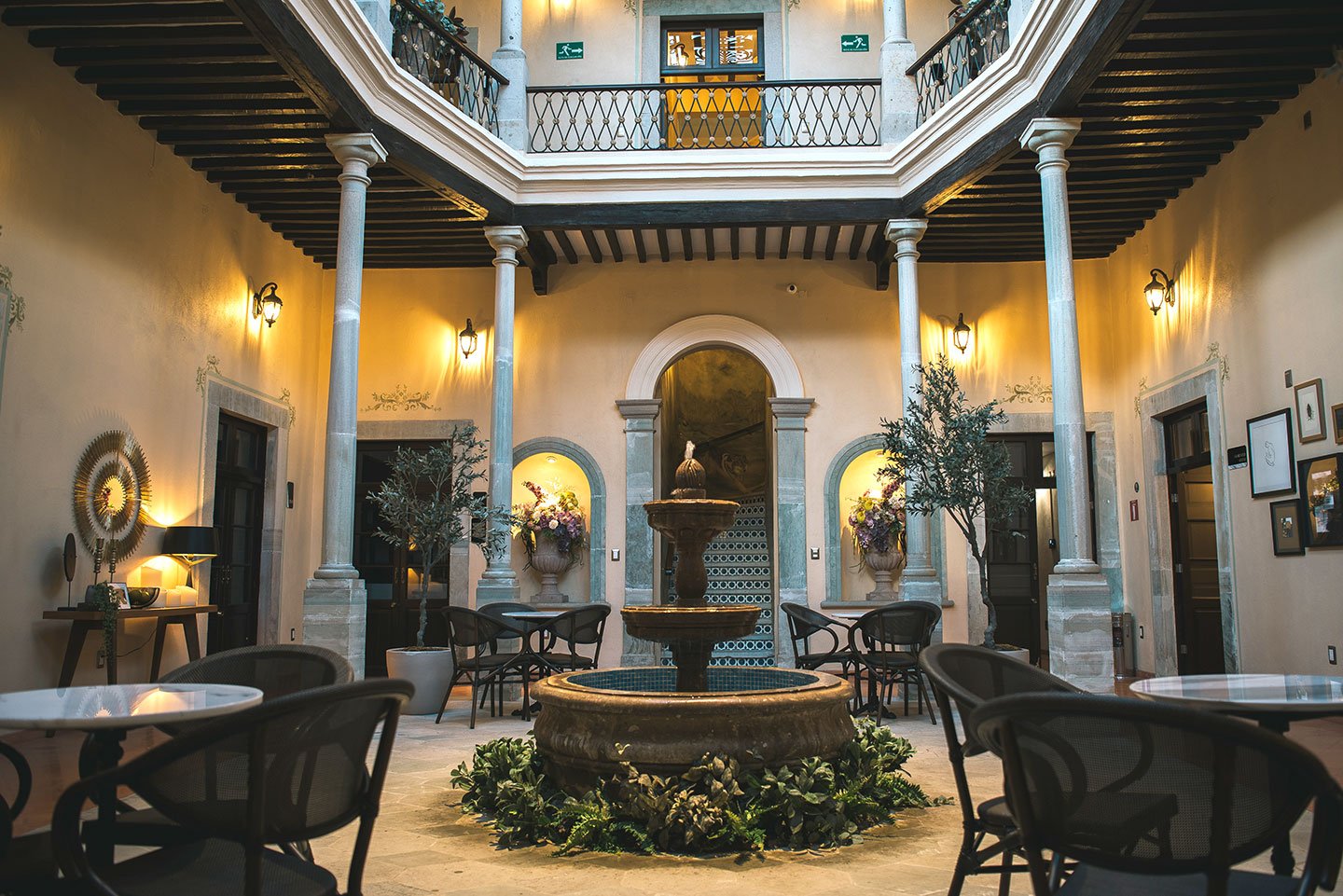
4 recommended properties
Things to Do in Guanajuato
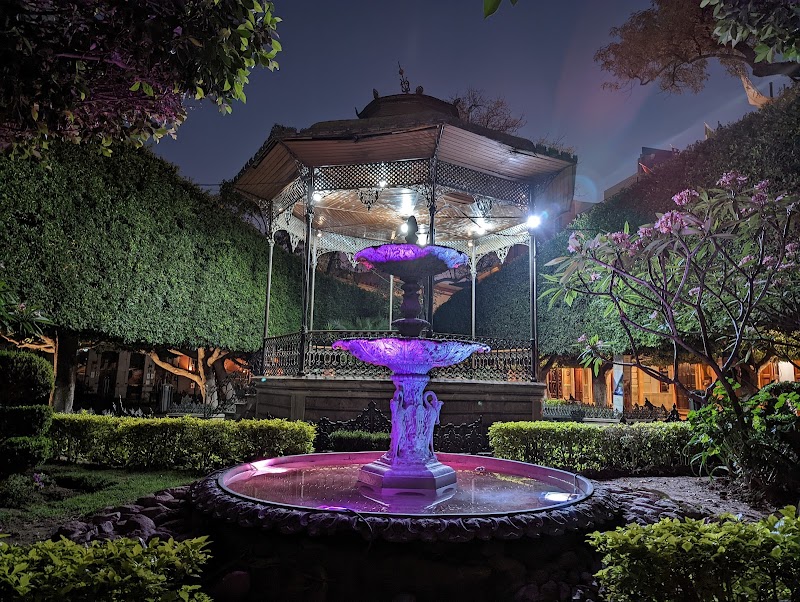
Jardín de la Unión & Plaza de la Paz Stroll
Centro Histórico · 90 min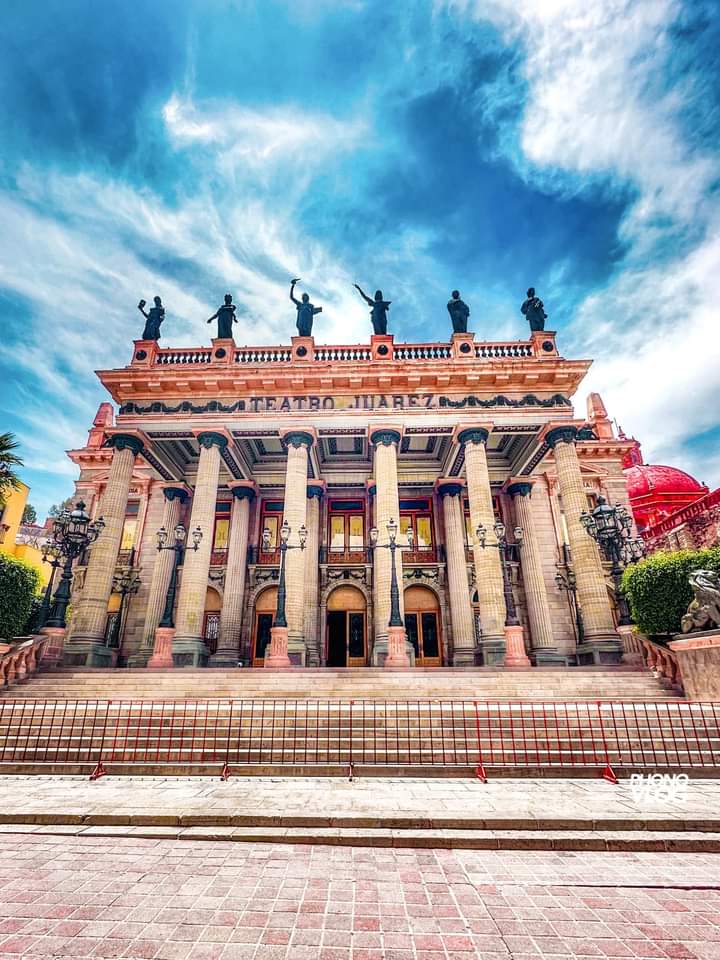
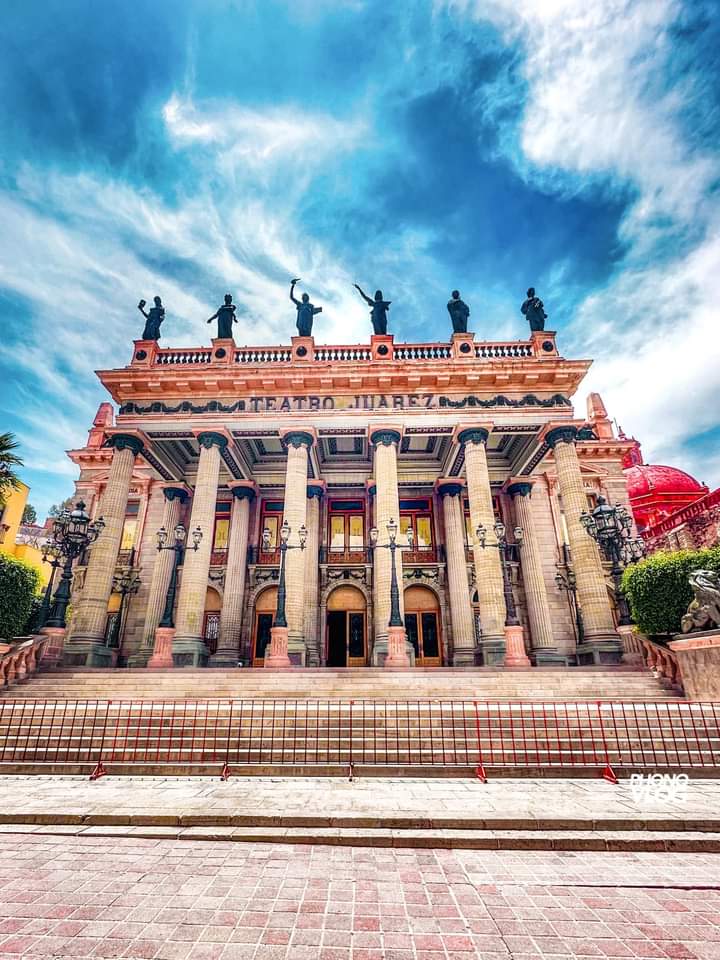
Teatro Juárez Visit
Centro Histórico · 45 min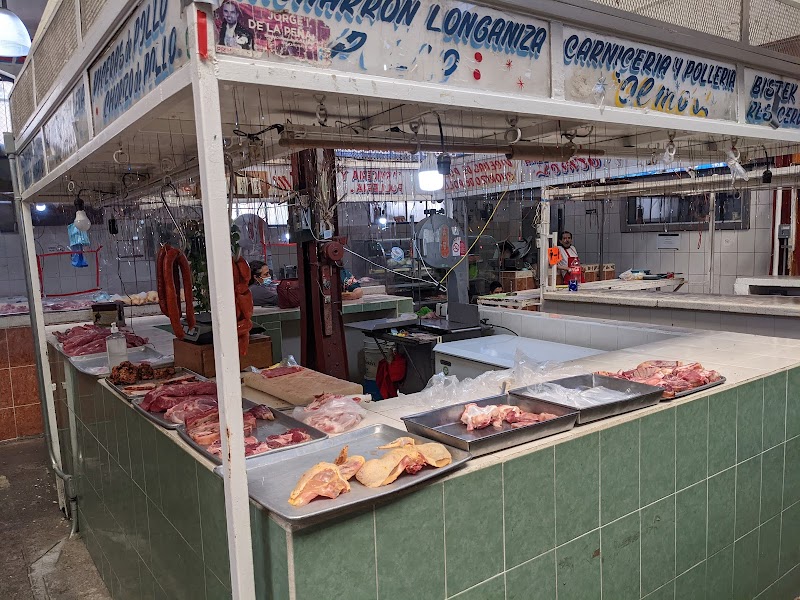
Mercado Hidalgo Exploration
Centro Histórico · 90 minMoney-Saving Tips
- 1.ATMs charge high fees (40-60 pesos per transaction), so withdraw larger amounts less frequently
- 2.Many small restaurants and shops only accept cash — carry pesos
- 3.Taxi drivers rarely have change for large bills; break 500-peso notes at convenience stores first
- 4.Student discounts apply to many museums and attractions with valid international student ID
- 5.Hotel prices can be negotiated in off-season (May-September) — ask for 'precio local'
- 6.Mercado Hidalgo offers the best exchange rates for US dollars if you avoid banks
- 7.Buy mezcal at local shops (80-120 pesos) rather than tourist bars (150-200 pesos per shot)
Travel Tips
- •Download offline maps before arriving — GPS struggles with the underground tunnel system
- •Pack comfortable walking shoes with good grip; cobblestones get slippery when wet
- •Learn basic Spanish phrases — English is limited outside tourist hotels and restaurants
- •Carry water and snacks when exploring; the altitude and steep streets are more tiring than expected
- •Book accommodations early for October (Cervantino Festival) and December-January peak season
- •Take photos of your hotel's exterior and nearby landmarks — addresses don't work well here
- •Respect the estudiantina performances by not interrupting or making loud conversations during songs